
If you're watching your bird right now and wondering whether something is off, start with this: a healthy bird is alert, active, eating normally, and holding its feathers smooth against its body. Any significant deviation from that baseline, fluffed feathers, labored breathing, unusual silence, or food left untouched, is worth taking seriously, and this guide will walk you through exactly what to look for, what it might mean, and what to do next.
My Bird Tips: Quick Troubleshooting Guide Today

Marcus Chen
8 Jun 2026
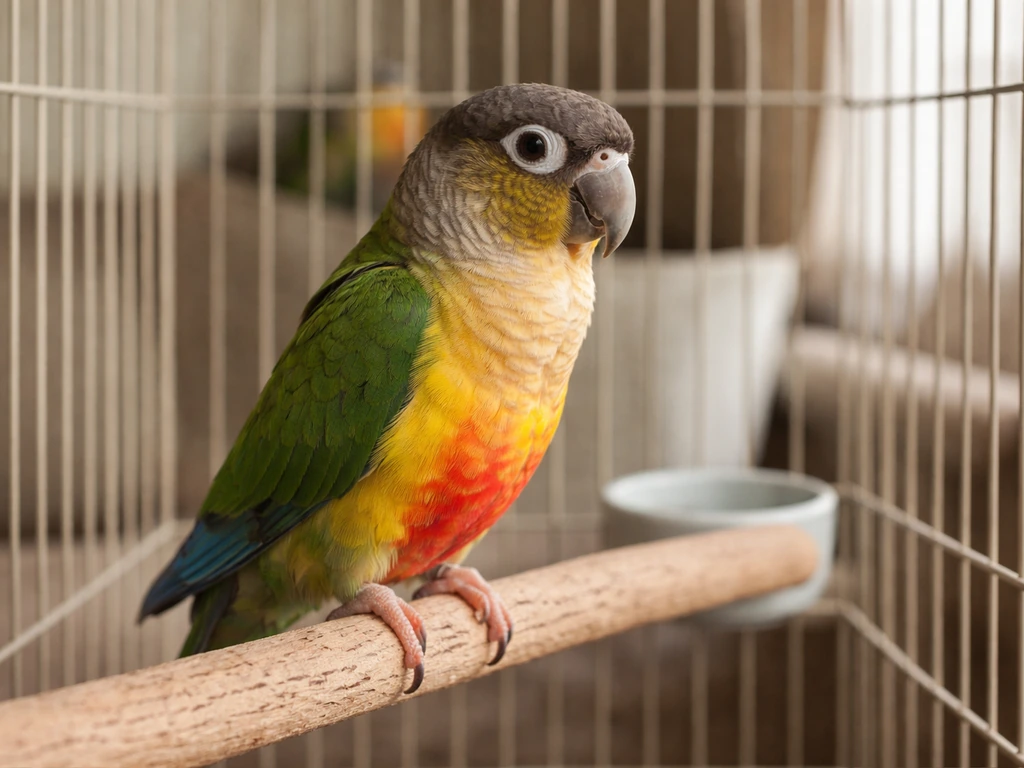
Quick self-check: what your bird is doing today
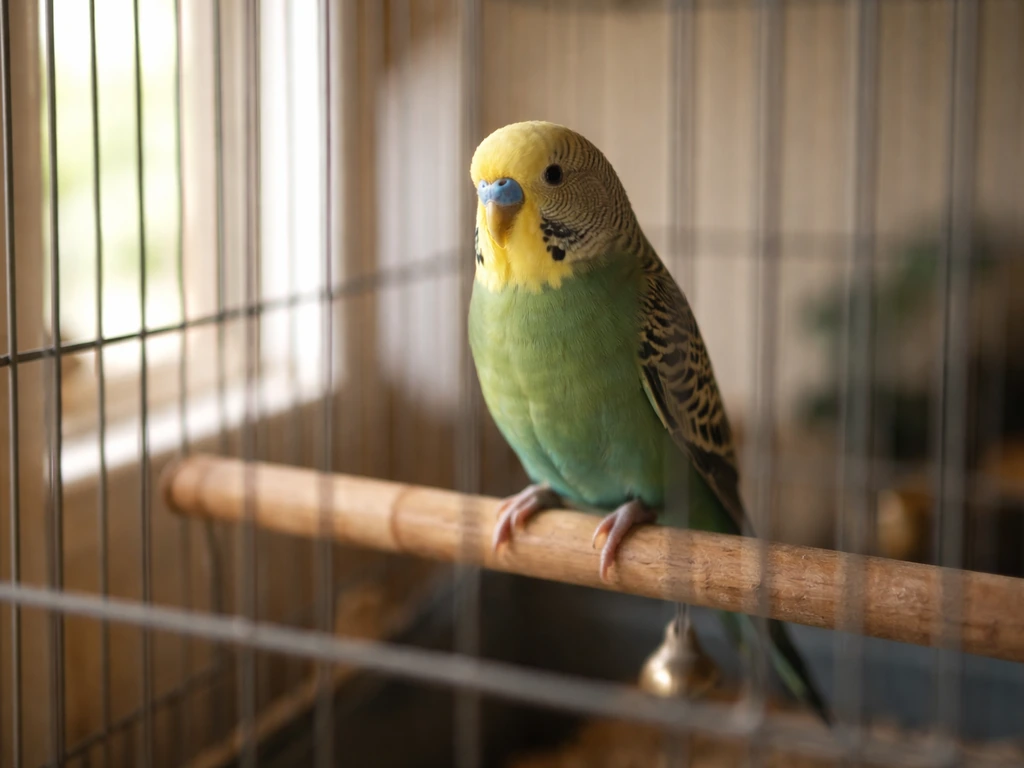
Before anything else, spend two to three minutes just watching your bird in its cage without approaching it. This is actually how avian vets start an exam too, they observe before handling, because picking up a bird can mask signs that are obvious at rest.
Run through these five checkpoints quickly:
- Posture: Is the bird sitting upright and balanced on its perch, or hunched and fluffed?
- Breathing: Is the chest moving smoothly and quietly, or do you see tail bobbing, open-mouth breathing, or labored effort?
- Activity: Is the bird alert and responsive when you come near, or unusually still and uninterested?
- Appetite: Has food been eaten since this morning, or is the dish untouched?
- Droppings: Look at the cage floor. Are they a normal size, shape, and color for your bird, or watery, discolored, or absent?
If two or more of those checkpoints look off, that's a signal to keep reading carefully and consider calling your avian vet today rather than waiting to see if things improve. Birds are good at hiding illness until they can't anymore, so visible symptoms often mean the problem has been building for a while.
Feather and body language basics: normal vs. warning signs
Feathers are one of your best daily diagnostic tools. A bird in good health holds its feathers close to its body most of the time. When a bird puffs up slightly, it's often just comfortable and relaxed, you'll see this briefly after a bath or during a nap. The difference is duration and context. A bird that stays puffed for hours, especially if it also seems quiet or disinterested, is likely cold, unwell, or both.
Fluffed feathers in cooler temperatures can simply mean the bird is trying to trap warm air for insulation. Check the room temperature first, most pet birds do best between 65 and 85°F. But if the room is warm and your bird is still fluffed, treat it as a health warning sign.
Normal feather behavior
- Preening throughout the day, including light nibbling at feathers and ruffling after a bath
- Brief puffing when relaxed, sleepy, or cooling down after activity
- Pin feathers (new growth) appearing during a regular molt, usually gradual and symmetrical
- Head feathers slightly raised when curious or alert
Feather warning signs
- Feather plucking, chewing, or over-preening that leaves bare patches
- Feathers stripped down to the shaft or appearing ragged and broken
- Patchy feather loss that isn't part of a normal, gradual molt
- Persistent fluffing that lasts hours or accompanies other symptoms
Feather problems fall into a few categories: plucking, chewing, over-preening, and true feather loss from disease. The last category is the most serious, feather loss not linked to a normal molt can be caused by viral infections like PBFD or polyomavirus, bacterial infections like Staphylococcus, or parasites like Giardia. These aren't things you can diagnose or treat at home, so bare patches that aren't explained by a visible molt really do need a vet visit. Birds with significant feather loss are also at higher risk for getting cold quickly, so keep that in mind when managing their environment in the meantime.
Body posture and limb use
Watch how your bird sits. A bird favoring one leg, drooping a wing, or shifting its weight unusually could be in pain or dealing with an injury. Tail bobbing, a rhythmic up-and-down movement of the tail with each breath, is a classic respiratory distress signal and should be taken seriously immediately.
Common behavior problems and what to do next
Not every behavior problem means your bird is sick. Stress, boredom, loneliness, and environmental changes are responsible for a lot of what owners interpret as health issues. Here's a practical breakdown:
| What you're seeing | Likely cause | What to do first |
|---|---|---|
| Screaming or excessive calling | Boredom, seeking attention, or normal flock behavior | Increase interaction time; don't reinforce by rushing over only when screaming |
| Feather plucking or over-preening | Stress, boredom, diet deficiency, or medical issue | Evaluate enrichment and diet; see a vet if bare patches appear |
| Sudden quietness or less vocalization | Illness, stress, or environmental change | Run through the full self-check; contact vet if paired with other symptoms |
| Repetitive behaviors (pacing, rocking) | Boredom or psychological stress | Add foraging toys and rotate enrichment; review social time |
| Aggression or biting | Hormonal changes, fear, or territoriality | Identify triggers; avoid forcing interaction; consult a bird behavior resource |
| Head bobbing | Normal social behavior in many species (especially young birds) | Usually fine; monitor if combined with regurgitation or lethargy |
If your bird seems depressed, withdrawn, uninterested in interaction, sleeping more than usual during the day, it's worth considering both the mental and physical angle. Sometimes what looks like depression is actually early illness. It's also worth thinking about whether your bird has enough social stimulation, since birds are social creatures and isolation affects them significantly. Whether to leave the TV on for background noise or spend structured time interacting each day are both things worth thinking through based on your bird's personality.
Feather plucking that has become a habit is one of the harder problems to address because the cause can be medical, psychological, or both. Don't assume it's just boredom without ruling out a physical cause first. A vet workup is the right starting point.
Health red flags: breathing, digestion, energy, and appetite
These are the four areas that tell you the most about your bird's health on any given day. Any significant change in any of these areas deserves attention.
Breathing
Healthy birds breathe quietly and smoothly. You shouldn't be able to hear them breathing from across the room. Smaller birds (under 300g, like budgies or cockatiels) normally breathe at around 30 to 60 breaths per minute; larger parrots breathe at about 15 to 30 breaths per minute. You don't need to count exactly, but you should be aware of what normal looks and sounds like for your bird specifically.
Red flags to act on immediately include open-mouth breathing, audible wheezing or clicking sounds, tail bobbing with each breath, and labored movement of the chest or sides. Note that not all breathing problems come from the lungs, growths in the mouth or digestive tract can also produce wheezing or difficult swallowing.
blank" rel="noopener noreferrer">Birds are extremely sensitive to airborne toxins. Overheated nonstick (PTFE) cookware fumes are well-documented as potentially lethal to birds, even a single incident of burning a nonstick pan can cause severe chemical pneumonitis. If you suspect your bird is overheating, move it to a cooler, shaded area and monitor breathing and responsiveness closely while you contact your avian vet Overheated nonstick (PTFE) cookware fumes. Other hazards include perfumes, aerosol sprays, air fresheners, candles, paint fumes, pesticides, and gasoline. If your bird suddenly shows breathing distress and you've recently used any of these, move the bird to fresh air immediately and call your vet.
Droppings
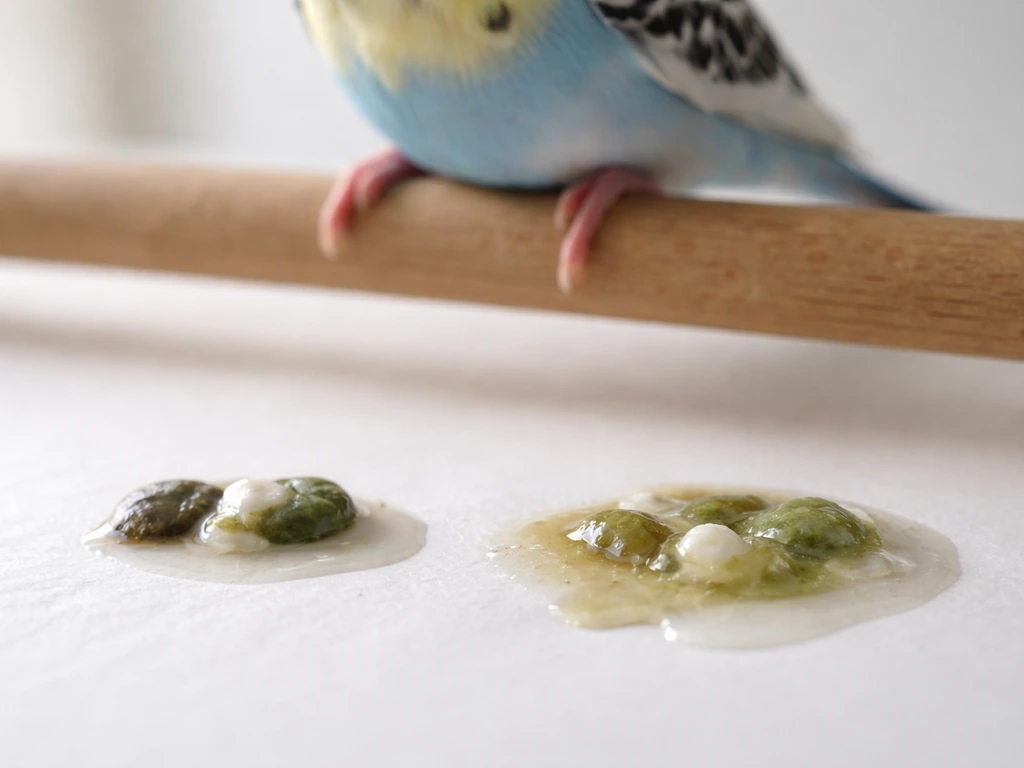
Learn what your bird's normal droppings look like because changes are one of the earliest illness signals. Normal droppings have three parts: a solid dark green or brown stool portion, white or cream urates, and a small amount of clear liquid urine. Watery droppings aren't always true diarrhea, sometimes it's just excess urine (polyuria), which can happen with stress, a fruit-heavy diet, or early kidney issues. Discolored droppings (yellow, green-tinged urates, or tarry black stools) and droppings that are absent or dramatically reduced are more urgent concerns.
Energy and appetite
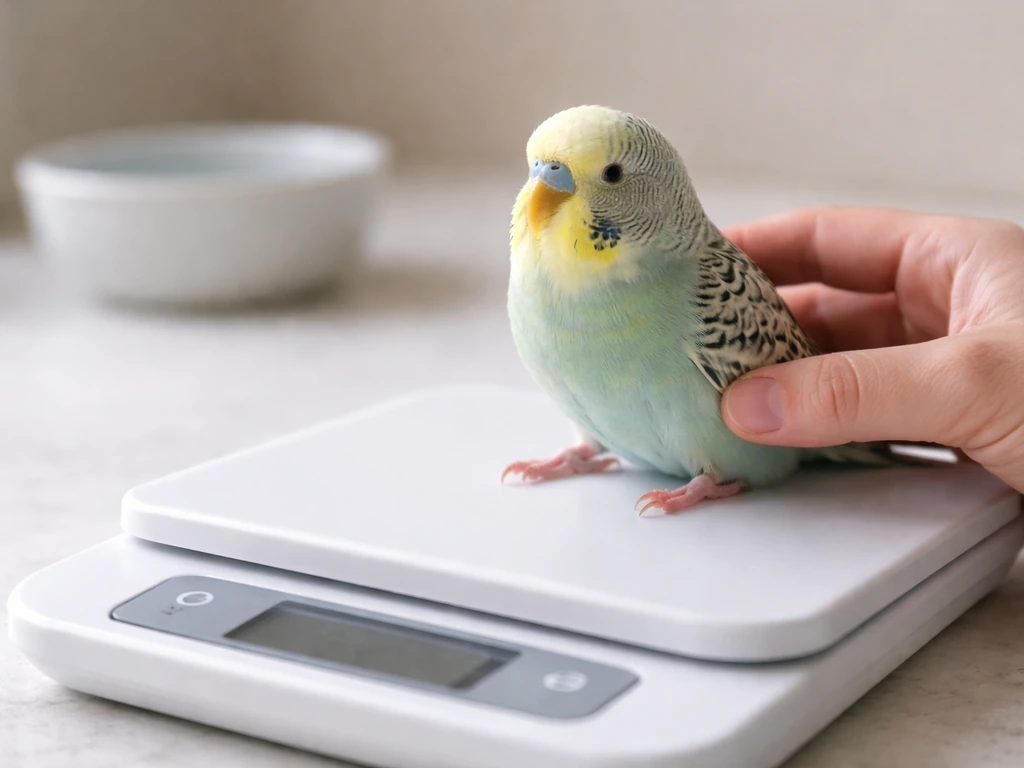
Lethargy and loss of appetite are not disease-specific, they show up with infections, parasites, toxicities, nutritional imbalances, and organ problems. That broad list is exactly why you shouldn't try to guess the cause at home. A bird that hasn't eaten in a day and is sitting fluffed and quiet needs veterinary attention, not a wait-and-see approach. These signs can indicate something severe even when the bird still looks relatively normal at a glance.
Keep an eye on your bird's weight if you can. Even a small amount of weight loss can matter in a bird. Weigh your bird on a kitchen gram scale weekly and note it down, this gives your vet useful data and helps you catch subtle changes early.
Care foundations: diet, environment, sleep, and enrichment
A lot of the problems bird owners see day-to-day come back to gaps in these four areas. Getting them right doesn't prevent every illness, but it dramatically reduces stress-related and nutritional problems.
Diet
Seeds alone are not a complete diet. They're high in fat and low in vitamin A, protein amino acids, calcium, and other key nutrients. For larger parrots, a good target is roughly 80% pellets, 10 to 15% fresh vegetables, and 5 to 10% fresh fruit. Smaller birds like budgies and cockatiels follow similar principles, though exact ratios vary by species. If your bird is currently on an all-seed diet, switch gradually rather than abruptly, an overnight change can cause a bird to stop eating entirely.
Fresh food is great, but remove uneaten portions before they spoil. Don't leave fresh fruit or vegetables sitting in the cage for hours in warm conditions. Vitamin D deficiency is also a real concern for indoor birds, natural sunlight through a window doesn't count because glass filters UVB. If you're considering vitamins, ask your avian vet first because most pet birds get what they need from a balanced diet and too much can be harmful give my bird vitamins. Direct supervised outdoor time or a proper UVB bulb designed for birds can help address this.
Environment and air quality
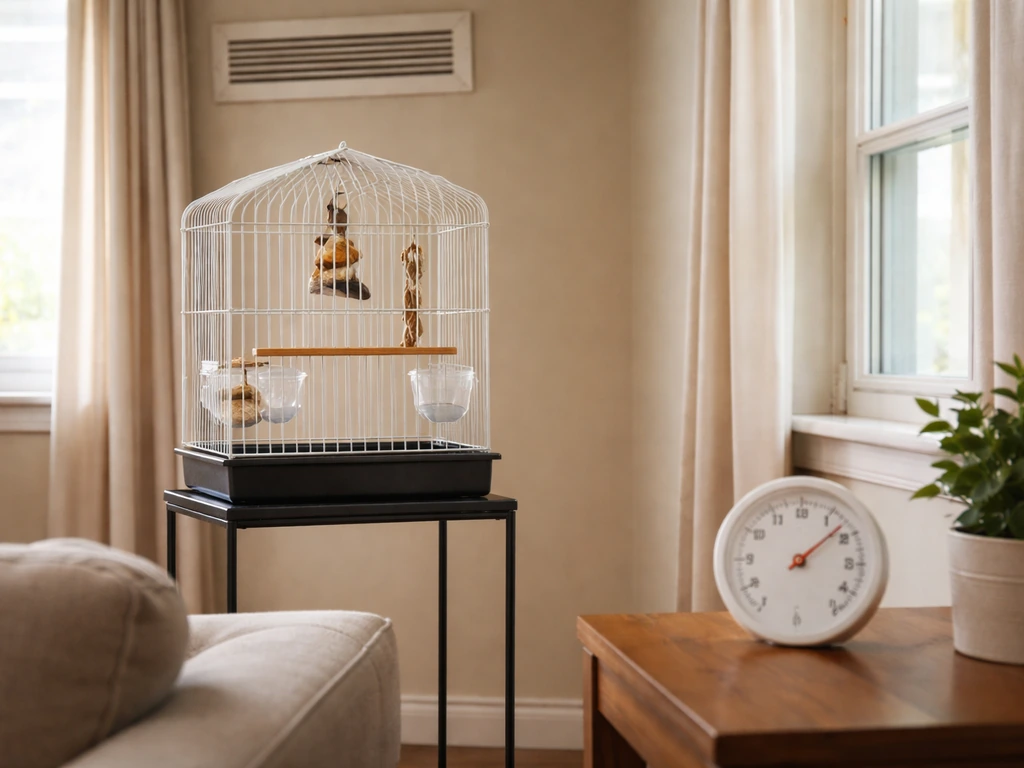
Temperature stability matters more than most people realize. Sudden temperature drops are stressful and can suppress immunity. Avoid placing the cage near drafts, air conditioning vents, or windows that get direct afternoon sun without shade. Keep nonstick cookware out of the kitchen if you can, or at minimum ensure excellent ventilation and never leave nonstick pans unattended on high heat. Don't use aerosol sprays, scented candles, or air fresheners near your bird's space.
Sleep
Birds need a consistent light/dark schedule that mimics natural day length, most species benefit from 10 to 12 hours of darkness and quiet per night. Chronic sleep deprivation in birds leads to irritability, feather problems, hormonal imbalances, and lowered disease resistance. If your bird's cage is in a room that stays lit or noisy into the night, consider a cage cover or moving the bird to a quieter space at bedtime.
Enrichment and social needs
Mental stimulation isn't optional for intelligent birds, it's a health requirement. Foraging toys, rotating perch types, paper to shred, and daily interactive time all reduce stress-driven behaviors like plucking and excessive screaming. If your bird spends most of the day alone, think about structured interaction periods rather than background exposure. Some birds do fine with the TV or radio on for company during the day; others find it overstimulating. Pay attention to how your specific bird responds.
When to contact an avian vet and how to prepare
Don't wait until your bird is lying on the cage floor to make the call. By the time a bird looks that bad, the illness has typically been progressing for days. Call your avian vet, not just any vet, but one with specific bird experience, when you see any of the following:
- Open-mouth breathing, tail bobbing, or any labored breathing
- Fluffed posture combined with lethargy or loss of appetite
- No food eaten in 24 hours
- Significant change in droppings (color, consistency, volume, or absence)
- Feather loss that isn't part of a normal molt, especially if rapid or patchy
- The bird is on the cage floor or unable to perch
- Any suspected exposure to toxic fumes
- Signs that haven't resolved within 24 hours despite obvious environmental fixes like warming the room
When you call or go in, being organized helps the vet help your bird faster. Here's what to gather before you contact them:
- Timeline: When did you first notice something was off? Has it gotten worse, stayed the same, or come and gone?
- Specific symptoms: Be as precise as possible. 'Acting weird' is less useful than 'fluffed since yesterday morning, hasn't touched pellets, droppings are more watery than usual.'
- Photos or short video: Record the bird in its cage before you leave the house. Seeing the behavior is far more useful than a description.
- Recent changes: New food, new toys, new household products, cleaning sprays used nearby, guests, construction noise, or any change in routine.
- Diet and water: What has the bird been eating and drinking over the past few days?
- Weight if you have it: Any recent measurements help establish whether there's been loss.
If you need to transport your bird to the vet urgently, keep three things in mind: warmth, darkness, and a secure carrier. A towel-covered carrier in a warm car (not hot) reduces stress and helps the bird maintain body temperature during transport. Avoid handling the bird more than necessary beforehand, and skip the extended observation period if breathing distress is obvious, that's an emergency.
The goal with all of this isn't to make you anxious every time your bird sneezes. Most days, a quick self-check takes under a minute and tells you everything is fine. If your bird is drinking less than usual or panting with a dry mouth, you may be seeing signs it is thirsty, so make sure fresh water is available and observe how it responds how to know if a bird is thirsty. What you're building is the habit of knowing your bird's normal so well that anything off stands out immediately, and you already know exactly what to do about it.
FAQ
How quickly should I contact an avian vet if I see multiple warning signs at once?
If you see two or more red flags in the same self-check, call the clinic the same day, not after “another day to see.” If breathing distress is present (open-mouth breathing, tail bobbing with each breath, audible wheeze or clicking), treat it as urgent and transport immediately. In the meantime, move the bird to a quiet, draft-free area with stable warmth and keep handling minimal.
My bird is puffed up but still perches normally. Is that always a health issue?
No. Short puffing can be normal after a bath, during a nap, or when your bird is comfortable. What matters is duration plus context, if puffing lasts for hours or comes with reduced interest in food, low activity, or unusual quiet, assume it is not normal comfort behavior and escalate to a vet check. Also consider room temperature first, if it is within the typical range and puffing persists, that increases the concern.
What should I do if my bird’s droppings change but it seems otherwise fine?
Changes can be early illness signals, so track the pattern rather than only a single droplet. Check for consistency over the next few hours, especially stool color, urate color, and urine volume. If droppings are absent or dramatically reduced, or if tarry black stools or persistently abnormal urates appear, contact your avian vet promptly even if your bird is still active.
How do I tell the difference between excess urine from stress and true diarrhea?
Look at the overall droppings structure, normal droppings have stool plus urates plus a small amount of clear urine. If the “wet” part seems to be mostly extra clear liquid with otherwise normal stool and urates, stress-related polyuria is more likely. If the stool portion itself is watery or discolored and the bird is also quiet or not eating, treat it as potentially more serious and contact your vet.
Is it ever okay to increase heat or use a heater to calm my bird down at home?
Provide gentle warmth if your bird seems cold, but avoid overheating. Use a consistent warm area, a safe room temperature is generally within the bird’s comfort zone, and do not place the cage directly on hot surfaces or near blowers. If the bird is fluffed, monitor breathing and responsiveness, if breathing sounds worsen or tail bobbing appears, do not delay veterinary care.
My bird keeps making clicking or wheezing sounds. What’s the fastest safe thing I can do before the vet?
First, remove all potential airborne irritants immediately (aerosols, perfume, candle smoke, fresh paint or fumes) and move the bird to fresh air. Keep the bird calm, darken the area slightly, and minimize handling. Do not try home nebulizers or human cough medicines, they can be harmful. Contact your avian vet urgently for guidance, since wheezing can come from mouth or digestive issues as well as lungs.
Should I count breaths for accuracy, or is it enough to recognize that breathing is abnormal?
You do not need to count exactly, recognition is the priority. If you want a helpful data point for the vet, observe quietly for a full minute and note whether breathing is consistently faster, labored, or includes tail bobbing or open-mouth breathing. Avoid prolonged observation that increases stress, and write down your estimate rather than repeatedly measuring.
What’s a practical way to start weight tracking if I don’t have scales?
A kitchen gram scale is useful, weigh your bird on a regular schedule (weekly is a minimum), and record the number and date. Use the same time of day and similar conditions each time to reduce variation. If you cannot weigh at home, observe trends in appetite and behavior closely and tell the vet what you can measure, like changes in meal consumption and droppings.
My bird is on an all-seed diet. How can I switch to pellets without triggering appetite loss?
Switch gradually rather than abruptly, offer pellets mixed into the current seed so the change is incremental. Keep the bird’s environment calm during the transition, stress can reduce feeding and complicate the swap. If your bird stops eating for more than a day, or becomes quiet and fluffed with reduced intake, contact your avian vet instead of trying to force the change.
Can I give vitamin supplements if I’m worried about diet gaps or lack of sun?
Do not add vitamins automatically, too much of certain nutrients can be harmful. The safer approach is to adjust to a balanced base diet (like pellets plus appropriate fresh foods) and then ask your avian vet whether supplementation is needed based on your bird’s species, diet, and any symptoms. If UVB is part of your plan, use a UVB bulb designed for birds rather than relying on window light through glass.
How late can my bird stay in a bright room before it becomes a problem?
Aim for a consistent light/dark cycle, most pet birds benefit from about 10 to 12 hours of darkness. If your bird’s room remains bright or noisy deep into the night, it can contribute to sleep deprivation, hormonal changes, irritability, and feather issues. A cage cover can help, but ensure it does not block airflow or create overheating, and verify temperature stays within a safe range.
My bird is plucking. When should I stop trying to “train it” and treat it as a medical issue?
If plucking is persistent, progressing, or includes bare patches not explained by a normal molt, do not assume it is only boredom or habit. Schedule a vet workup, because causes can be medical, psychological, or both. Also review diet and environmental factors (stressors, sleep consistency, toxins) while you await the appointment, but avoid delaying veterinary evaluation.
What should I pack for a vet visit if the bird suddenly worsens at night?
Use a secure carrier, aim for warmth without overheating, and keep the journey area dim or dark to reduce stress. Bring any known feeding schedule, recent diet changes (including treats or supplements), and a brief log of symptoms like fluffed duration, breathing sounds, and droppings changes. If possible, note recent exposures to aerosols, candles, paint, fragrances, or nonstick cookware use, since these can change the urgency and likely causes.
Next Articles
How to Know If My Bird Is Cold: Quick Signs and Steps
Learn signs your bird is cold, rule out illness, and safely warm it. Know when to call an avian vet fast.
Why Is My Bird Making Whimpering Noises? What to Check
Find reasons for whimpering bird noises, quick home checks, and red flags for urgent vet care plus tracking tips.
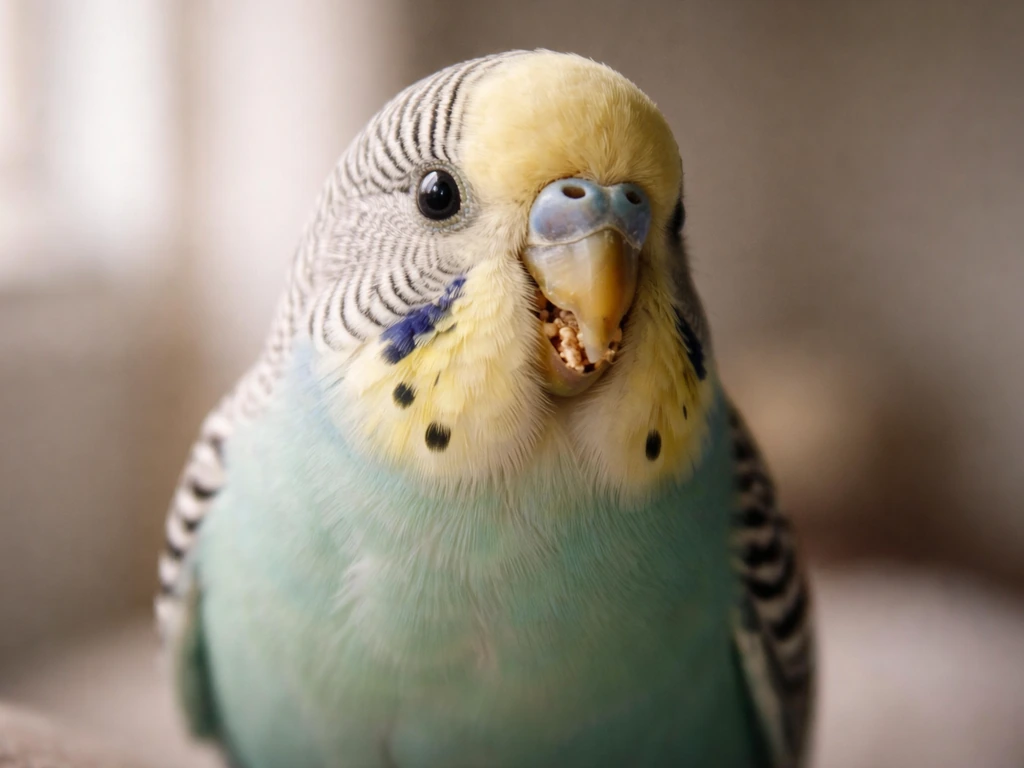
Why Does My Bird Make Crunching Noises? Causes and What to Do
Learn why your bird crunches, spot normal beak chewing vs breathing or crop issues, and what to do next.