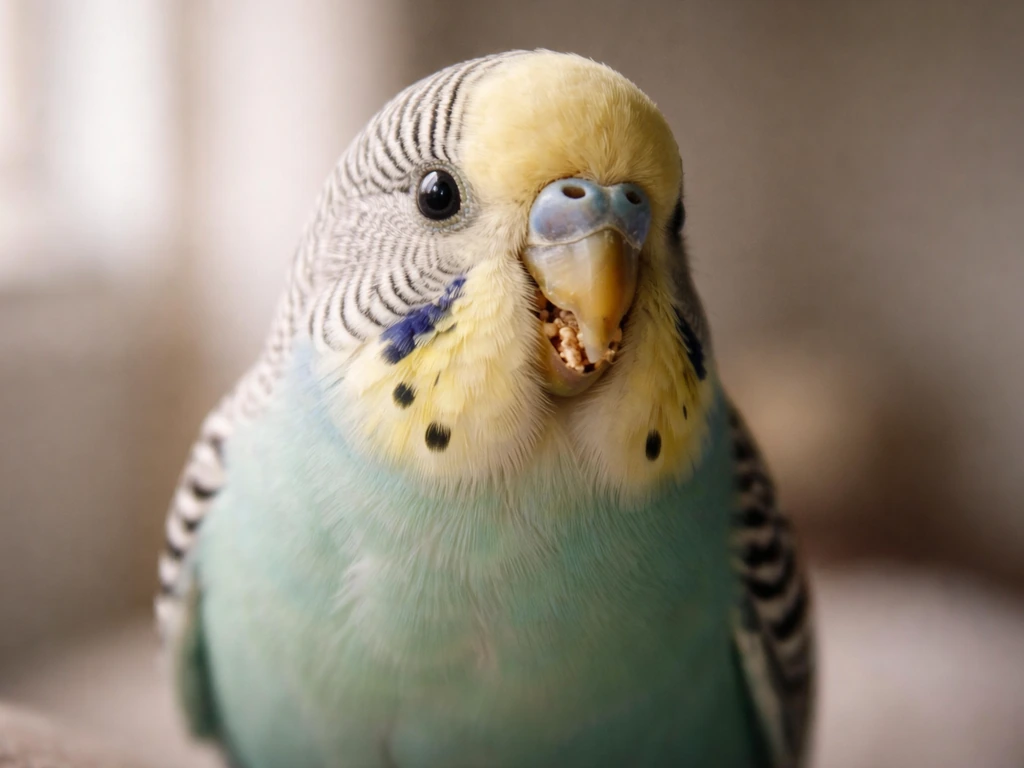
A bird making whimpering or low crying sounds is telling you something is off, and it's worth taking seriously today. Crunching noises can also be a clue something is uncomfortable, so match the sound to your bird's behavior and breathing before deciding next steps why does my bird make crunching noises. Those soft, mournful vocalizations can mean anything from mild stress or loneliness to genuine pain, respiratory trouble, or a GI problem. The good news is that a focused set of home observations, done right now while the bird is in its cage, can help you figure out which category you're dealing with before you call a vet.
Why Is My Bird Making Whimpering Noises? What to Check

Marcus Chen
7 Jul 2026
What whimpering sounds can mean in pet birds
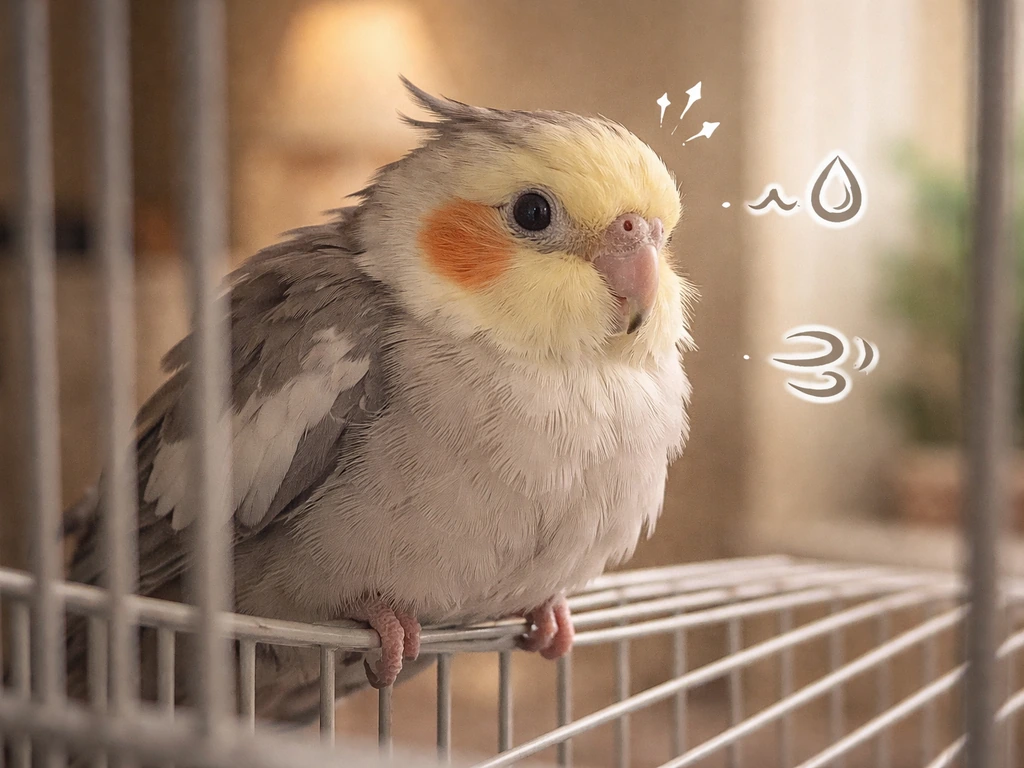
Birds don't whimper the way dogs do, but low, soft, repetitive crying-type sounds are a real and recognized vocal pattern. They tend to fall into a handful of categories.
- Pain or physical discomfort: A bird in pain often goes quiet or makes soft distress sounds rather than its normal chatty vocalizations. An injury, internal pain from egg binding, GI illness, or an infected air sac can all trigger this.
- Respiratory distress: Labored breathing sometimes comes with audible whimpering, wheezing, or clicking sounds. If the bird is working hard to breathe, it may produce sounds it normally wouldn't.
- Fear or acute stress: A sudden fright, a new pet in the house, or an unfamiliar object near the cage can trigger distress vocalizations that sound almost like soft whining.
- Separation and bonding distress: Birds that are strongly bonded to a person or another bird may whimper when left alone, especially if the routine has recently changed.
- Hunger or illness in young birds: Juveniles and recently weaned birds sometimes whimper when hungry or when something is wrong with crop function.
- Territorial or hormonal behavior: During breeding season, some birds produce unusual low vocalizations as part of nesting or mate-seeking behavior.
The challenge is that stress and illness overlap heavily. A bird acting stressed might actually be sick, and a bird that seems sick might simply be anxious. A bird that seems stressed might also be acting weird for behavioral reasons, but the overlap with illness means you should still keep your focus on the same next steps why is my bird acting weird. That's why your first move is always direct observation, not guessing.
Quick home checks to figure out the cause today
Before you do anything else, sit quietly near the cage for five to ten minutes without interacting. Watch the bird from a normal distance while it thinks you're not paying special attention. This gives you the most honest picture of what's happening.
- Check breathing first: Is the bird breathing with its mouth open while at rest? Is its tail bobbing rhythmically up and down with each breath? Is there visible effort in the chest or whole body with each breath? These are serious signs. Normal resting breathing in a healthy bird is quiet, nasal, and barely visible.
- Look at posture: A healthy bird sits upright and alert. Fluffed feathers while sitting low on the perch, drooping wings, or sitting on the cage floor are warning signs. A bird that can't perch normally needs vet attention today.
- Check energy and alertness: Is the bird responding to sounds and movement around it? Eyes should be bright and open. Closed or half-closed eyes during the day when not napping, or slow responses to stimulation, suggest illness.
- Assess appetite and water intake: Has the bird been eating and drinking today? Check the food dish and water level. Weight loss in birds can happen fast and is a red flag.
- Examine the droppings: Normal droppings have three parts: dark formed feces, white or off-white urates, and clear watery urine. Abnormal signs include bright green or yellow urates (possible liver involvement), very watery or absent feces, unusual color changes, or a dramatic drop in the number of droppings.
- Feel for recent changes: Has anything changed in the last 24 to 72 hours? New food, new household smells, a rearranged room, a new pet, changes in your schedule, or temperature shifts all count.
- Check for physical injury: If the bird is calm enough, look for any swelling, cuts, blood feathers, or asymmetry in how it holds its wings and feet. Don't force handling if the bird is already distressed.
Take a short video while you observe. Even 30 to 60 seconds of footage showing posture, breathing pattern, and the sound itself is extremely useful when you call an avian vet.
Common medical causes of whimpering in birds
Pain and injury
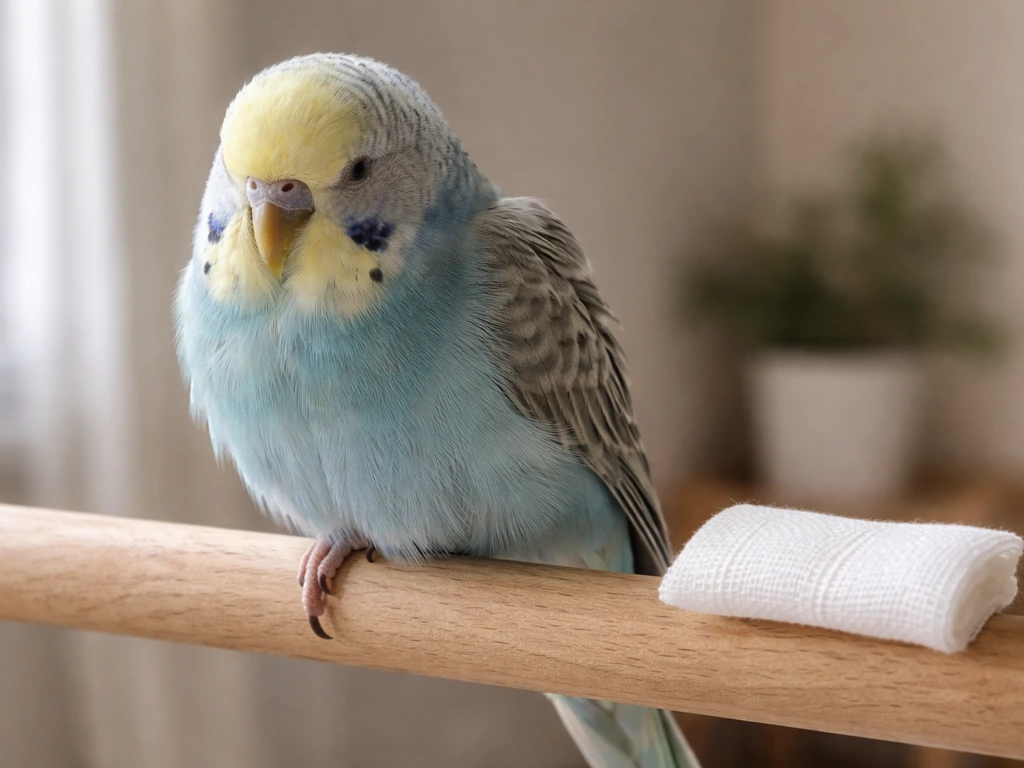
Birds are instinctively good at hiding pain, but when it becomes significant they often shift to quiet, soft distress sounds. Internal injuries, broken bones, infected wounds, and even severe feather follicle problems can all cause this. Check for any asymmetry in the bird's body, reluctance to bear weight on one foot, or a wing held lower than usual.
Respiratory problems
Respiratory distress is one of the most urgent possibilities when a bird is making unusual sounds. Because respiratory distress can quickly turn serious, unusual bird sounds are a reason to take action and plan next steps today. Key signs to watch for include open-mouth breathing at rest, tail bobbing with each breath, increased sternal movement, audible clicking or wheezing, and any change in the color of the skin around the beak or feet toward gray, dark pink, or blue (cyanosis). If you notice labored respiration along with open-mouth breathing and tail bobbing, PetPlace advises treating it as urgent and getting veterinary help for your bird right away blank" rel="noopener noreferrer">labored respiration with open-mouth breathing and tail bobbing. Birds' air sac and lung systems are highly efficient but also more vulnerable than mammal lungs, so a respiratory infection can deteriorate quickly. If you see tail bobbing at rest combined with open-mouth breathing, treat it as an emergency.
GI and crop issues
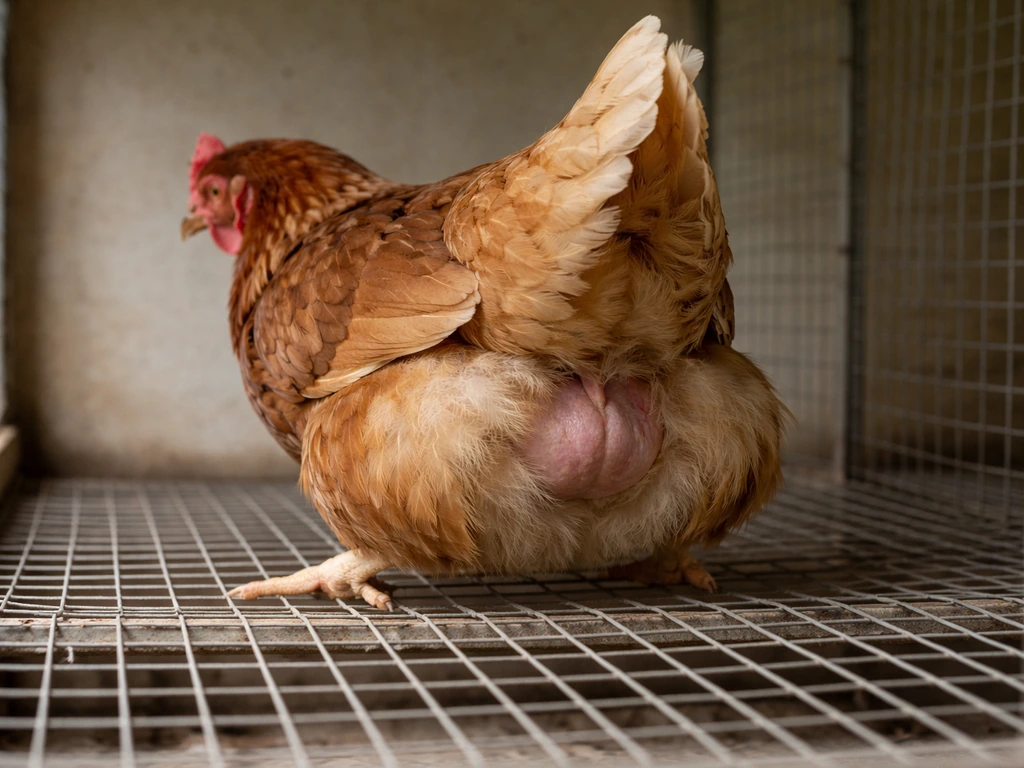
Crop stasis, where food stops moving through the crop normally, produces visible discomfort and distress vocalizations. Signs include a crop that looks or feels enlarged and isn't emptying, regurgitation (different from normal social regurgitation), a sour smell from the mouth, reduced appetite, and lethargy. Yeast infections (candidiasis) can also cause crop problems, especially in young birds, and may produce white plaques in the mouth. Any bird that is regurgitating, has a persistently full crop, and is making distress sounds needs a vet visit promptly.
Egg binding (for hens)
If your bird is female and has been laying eggs or is in breeding condition, egg binding is a serious possibility. A hen with a stuck egg may whimper, strain repeatedly near the bottom of the cage, appear fluffed and weak, have a distended abdomen, and even breathe with her mouth open or bob her tail in a way that looks like a breathing problem. This is a genuine emergency. If you see straining behavior, abdominal swelling, or blood near the vent alongside distress vocalizations, get to an avian vet or emergency exotic animal clinic the same day.
Stress, fear, and behavior-related reasons
Not every whimpering bird is physically sick. That same kind of chirping or birdlike vocalization in guinea pigs can happen for reasons that are different from bird whimpering why do guinea pigs chirp like a bird. Behavioral and emotional causes are genuinely common, and they're worth considering alongside the medical checklist above.
- Separation anxiety: A bird strongly bonded to a person or flock mate may whimper when left alone. If the sounds happen mostly when you leave the room and stop when you return, separation distress is likely. Some birds even become quieter overall when anxious, making whimpering the only vocal sign.
- Fear response: A new object, animal, or person near the cage can trigger ongoing distress sounds. Even something outside a window, like a hawk or an unfamiliar dog, can cause a bird to whimper for hours.
- Night frights: If the whimpering is happening at night or in the early morning, a sudden noise or flash of light may have startled the bird. After a night fright, birds can appear fluffed, quiet, or distressed, and may sit lower on the perch.
- Hormonal and breeding behavior: During hormonal periods, some birds produce low, soft vocalizations as part of nesting instincts. This is usually seasonal and paired with other hormonal behaviors like regurgitation, increased aggression, or nest-seeking.
- Boredom and understimulation: Chronic low-level distress from a lack of enrichment, social contact, or mental stimulation can manifest as repetitive soft vocalizations over time.
The key difference between behavioral and medical distress is how the bird looks overall. A behaviorally stressed bird is typically still alert, responsive, eating reasonably well, and has normal droppings and posture. If any of those basics are off, rule out illness first.
Environmental triggers to review right now
Temperature and drafts
Birds are sensitive to temperature drops and cold drafts. A sick or stressed bird that is also cold will vocalize more and fluff up to conserve heat. Supportive care guidance for ill birds often recommends a warm environment of at least 85°F. If your bird is clicking while breathing, it can still be a sign of respiratory irritation, so consider air quality and other lung irritants. Check whether the cage is near an air vent, window, or door that creates airflow. Even a comfortable room temperature can feel cold to a bird that is already unwell.
Air quality and chemical exposure
Birds have the most sensitive respiratory systems of any common pet. Aerosol sprays, scented candles, perfume, cleaning products, cooking fumes, non-stick cookware overheating, and even air fresheners can cause serious lung and air sac irritation. If you used any spray products in or near the home today, that's a real suspect. Move the bird to a well-ventilated area away from any source, open windows if outside air quality is good, and watch for any signs of worsening respiratory effort. Smoke exposure, even brief, can cause damage that isn't immediately obvious but may show up hours later. A 2025 review on avian toxicoses similarly notes that smoke or toxic exposures can lead to respiratory distress by affecting birds' airways and lungs, underscoring the role of environmental toxicology in respiratory emergencies smoke exposure can affect birds' airways and lungs and cause respiratory emergencies.
Cage placement and noise
A cage placed where the bird feels exposed, near high-traffic areas, facing a busy window, or next to loud speakers can create chronic low-grade stress. Birds feel safest when at least one side of their cage is against a wall and they have some visual cover available. If the cage was recently moved, that alone can cause several days of distress vocalizations.
Sleep schedule and lighting
Most pet birds need 10 to 12 hours of uninterrupted dark sleep. Chronic sleep deprivation from late-night household activity, TV light, or irregular light cycles leads to hormonal imbalance and behavioral distress. If your bird isn't getting consistent sleep, that alone can cause increased or unusual vocalizations.
Diet and nutrition
Seed-only diets are nutritionally deficient for most pet birds. A bird eating only millet or sunflower seeds may be getting calories but missing critical vitamins and minerals, which over time causes systemic illness and distress. If your bird is selectively eating only certain seeds and avoiding other foods, it's worth addressing that with your vet alongside the whimpering concern. This same approach applies when you are trying to figure out why guinea pigs make bird noises whimpering concern.
When to contact an avian vet and what to track before the visit
Red flags that mean call today, not tomorrow
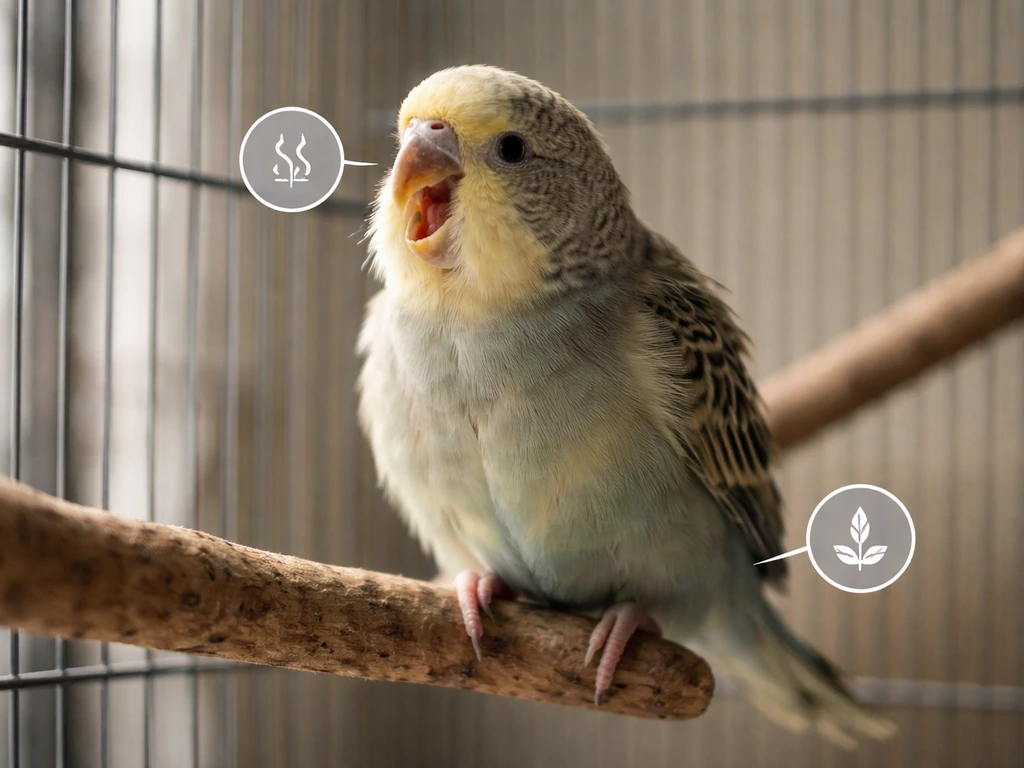
- Open-mouth breathing at rest
- Tail bobbing rhythmically with every breath
- Visible straining or pushing near the vent (especially in hens)
- Bird sitting on the cage floor or unable to perch normally
- Blue, gray, or darkened coloration near the beak, feet, or skin
- Blood at or near the vent, broken blood feathers, or visible wounds
- No droppings in the past 12 hours, or drastically abnormal droppings
- Complete loss of appetite combined with lethargy
- Audible wheezing, clicking, or noisy breathing alongside whimpering
- Sudden complete silence after previously normal vocalizations
Any one of those signs paired with whimpering is enough to treat as urgent. Birds deteriorate faster than most pets once illness progresses, so waiting to see if things improve overnight is a real risk.
Watchful waiting is reasonable when...
If the bird is alert, eating, has normal droppings, is breathing quietly through its nose, and the whimpering is clearly tied to a specific trigger you can identify (like your absence or a new object near the cage), monitoring for 12 to 24 hours while you remove the trigger is reasonable. But if nothing improves or anything gets worse, book the vet visit.
What to track and record before the appointment
A good avian vet will get much more out of your visit if you come prepared. Spend a few minutes logging the following, even on your phone's notes app.
| What to track | What to note specifically |
|---|---|
| When the sounds started | Date, time of day, sudden vs gradual onset |
| Frequency and pattern | Constant, occasional, triggered by specific events, nighttime only |
| Posture and perching | Normal, fluffed, low on perch, on cage floor, wings drooping |
| Breathing | Quiet and nasal, open mouth, tail bobbing, audible noises |
| Appetite and water | Normal, reduced, not eating at all, increased or decreased water intake |
| Droppings | Color of each component, consistency, volume, any changes from normal |
| Recent environmental changes | New foods, sprays used, temperature changes, schedule changes, new pets or people |
| Video footage | 30 to 60 seconds showing posture, breathing, and the vocalization itself |
Bringing this information to your vet means less guesswork and a faster path to figuring out what's going on. Avian exams are more involved than a typical dog or cat visit, and the context you provide genuinely shapes what tests get recommended first.
If your bird is also making other unusual sounds alongside the whimpering, like squeaking, clicking, or crunching noises, those patterns can give additional clues about what's happening and are worth mentioning to your vet as part of the full picture.
FAQ
When does whimpering become an emergency, and what signs mean I should go to an emergency vet right now?
If your bird is whimpering and breathing with an open mouth, showing tail bobbing at rest, or you notice any blue or very dark color around the beak or feet, treat it as urgent and do not wait to see if it passes. Those combinations suggest respiratory distress rather than mild stress.
Should I heat the cage immediately for comfort, or can that delay proper treatment?
Do not treat this by simply warming the cage if you see breathing effort changes (open-mouth breathing, tail bobbing, wheezing/clicking). Warmth can help comfort, but respiratory problems can worsen quickly, so focus on safety from irritants and arrange a prompt avian evaluation if breathing looks abnormal.
Where should I keep my bird while I troubleshoot, and when is it okay to move the cage?
Keep the bird in its current familiar cage unless the cage is near the source of a lung irritant or a draft (vent, window, door airflow). If you must move it for safety, choose a quiet, well-ventilated room, avoid sprays or scents, and minimize handling so you can still track posture and droppings consistently.
What should I write down or film so a vet can tell what’s wrong faster?
Record one short video showing the whimpering and the breathing clearly, then pause and observe droppings and posture for several minutes. If possible, also note whether the bird is eating and whether the crop looks expanded or regurgitation is happening, because those details help separate respiratory, crop, and pain causes.
How can I tell whether the whimpering is linked to breathing, movement pain, or eating/crop issues?
Yes. Try to distinguish whether the sound happens mainly when the bird is resting, when it tries to move or bear weight, or after feeding. Pain-related distress often increases with movement or contact, while crop stasis issues often cluster around meal timing and regurgitation.
I have a female bird, how do I know if whimpering could be egg binding even if I’m unsure she’s breeding?
If the bird is female, egg binding should be considered even if you are not sure she is breeding. Watch for repeated straining at the bottom of the cage, abdominal swelling, weakness/fluffed posture, and any bleeding near the vent, and treat those as same-day veterinary needs.
My bird seems otherwise “normal,” can whimpering still be illness?
Do not assume whimpering is behavioral if the bird has any basic changes such as decreased appetite, altered droppings, puffed or hunched posture, one foot used differently, or abnormal breathing. Behavioral stress can mimic illness, so if any medical checklist items are present, prioritize health ruling-out.
What home exposures are most likely to cause whimpering and respiratory irritation?
Check your recent routine for exposures in the last 24 hours, including scented candles, air fresheners, perfumes, cleaning sprays, aerosol products, and cooking fumes. Non-stick cookware overheating and smoke can also contribute, even if you think exposure was brief.
What supportive care is safe at home while I’m arranging care, and what should I avoid?
Yes, but use caution. If you offer a warm environment, keep it stable and do not overheat, and remove drafts rather than using direct heat on the cage. If you see worsened breathing effort or the bird refuses to settle, stop supportive measures and contact an avian vet.
Is it ever reasonable to monitor for a day, and how do I decide when to schedule the vet?
If nothing improves within 12 to 24 hours, or if the whimpering increases, the bird stops eating, droppings change, or breathing looks harder, book the vet visit. Waiting longer is risky because birds often hide pain and respiratory decline can accelerate quickly.
Next Article
Why Does My Bird Make Crunching Noises? Causes and What to Do
Learn why your bird crunches, spot normal beak chewing vs breathing or crop issues, and what to do next.