
If your bird is acting weird, the first thing to figure out is whether this is a behavioral issue (stress, boredom, a change in routine) or a health problem that needs a vet today. Most of the time, a bird that's suddenly flightier, louder, quieter, or more nippy is reacting to something in its environment. why do guinea pigs make bird noises bird is acting weird. But birds are also very good at hiding illness, which means by the time you notice something is off, they can already be sicker than they look. Start with a quick safety check before anything else.
Why Is My Bird Acting Weird? Quick Health Checks

Marcus Chen
14 May 2026
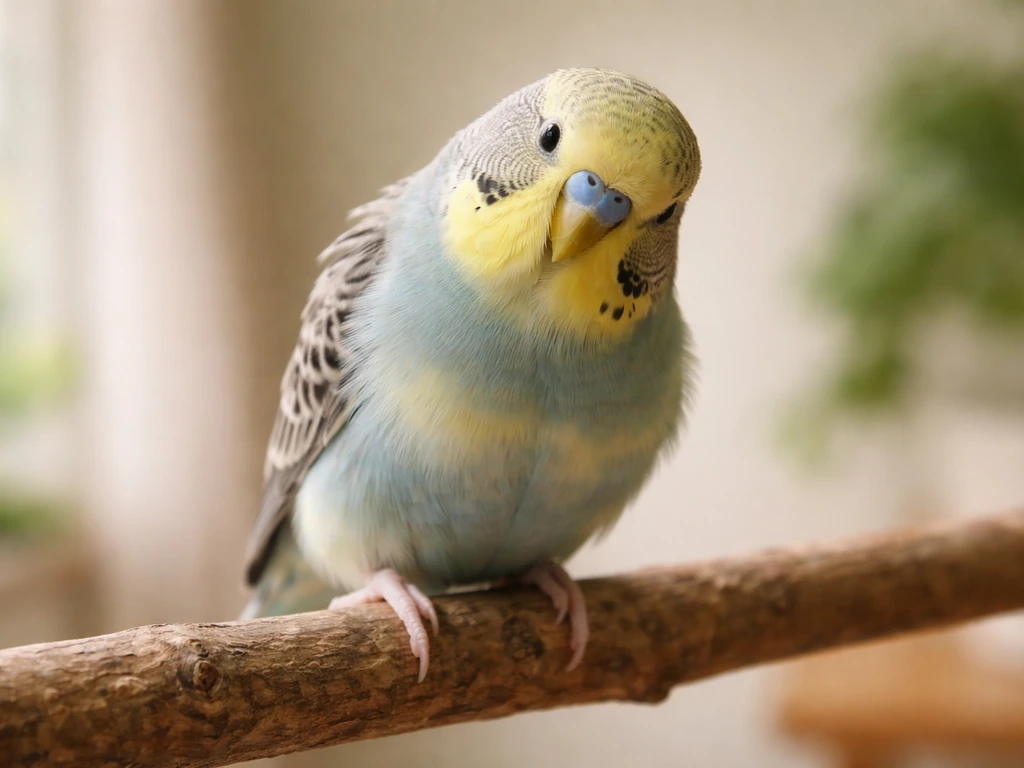
Do this first: a quick safety check
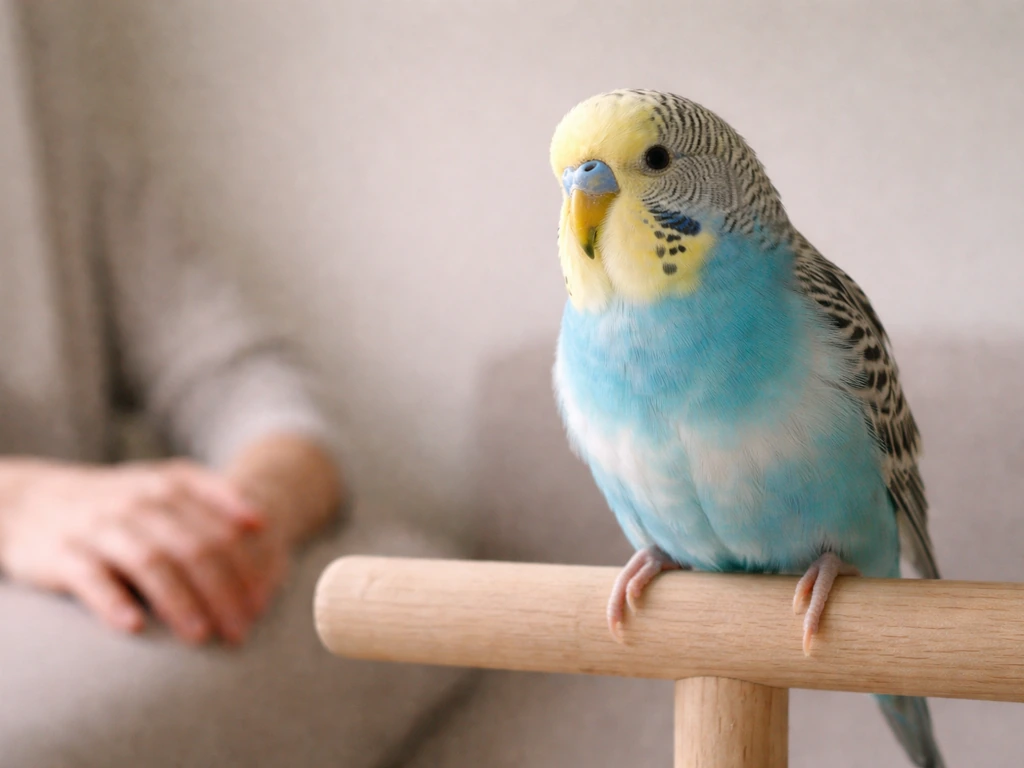
Before you dig into causes, spend 60 seconds watching your bird from a short distance without touching or disturbing it. You're looking for any of the red flags below. If you see even one of them, stop troubleshooting and contact an avian vet or emergency animal hospital right now.
- Open-mouth breathing, gasping, or wheezing
- Tail bobbing with every breath (the tail pumps up and down rhythmically as the bird works to breathe)
- Sitting fluffed on the bottom of the cage, not on a perch
- Inability to grip a perch, falling off, or lying on its side
- Head tilting severely to one side, circling, or seizure-like tremors
- Bleeding that won't stop
- Visible injury: a broken wing, leg, or wound
- Complete loss of appetite combined with lethargy for more than 24 hours
- Droppings that are completely absent, or are very dark/tarry/bloody
- Sudden weakness, collapse, or unresponsiveness
Birds mask illness as a survival instinct, so by the time signs become obvious, time really matters. If you're not sure whether what you're seeing is serious, the right call is to phone a vet anyway. Erring on the side of caution here is always the better move. Also check your home immediately for fume or chemical exposure: non-stick cookware overheating, scented candles, air fresheners, cleaning sprays, or any cooking smoke.
Birds' respiratory tracts are extremely sensitive, and exposure to Teflon fumes in particular can kill a bird within minutes. Birds can develop difficult breathing, wheezing, gasping, weakness, depression, or anxious behavior after exposure to fluoropolymer fumes, and they may be found dead in cages Teflon fumes in particular can kill a bird within minutes.
If you suspect fume exposure, move the bird to fresh air immediately and call a vet.
Everyday reasons birds act weird (and aren't sick)
If your bird passed the safety check above, a behavioral or environmental cause is far more likely. Birds are sensitive, routine-driven animals. Small changes that seem trivial to you can be genuinely disorienting to them.
Stress and fear
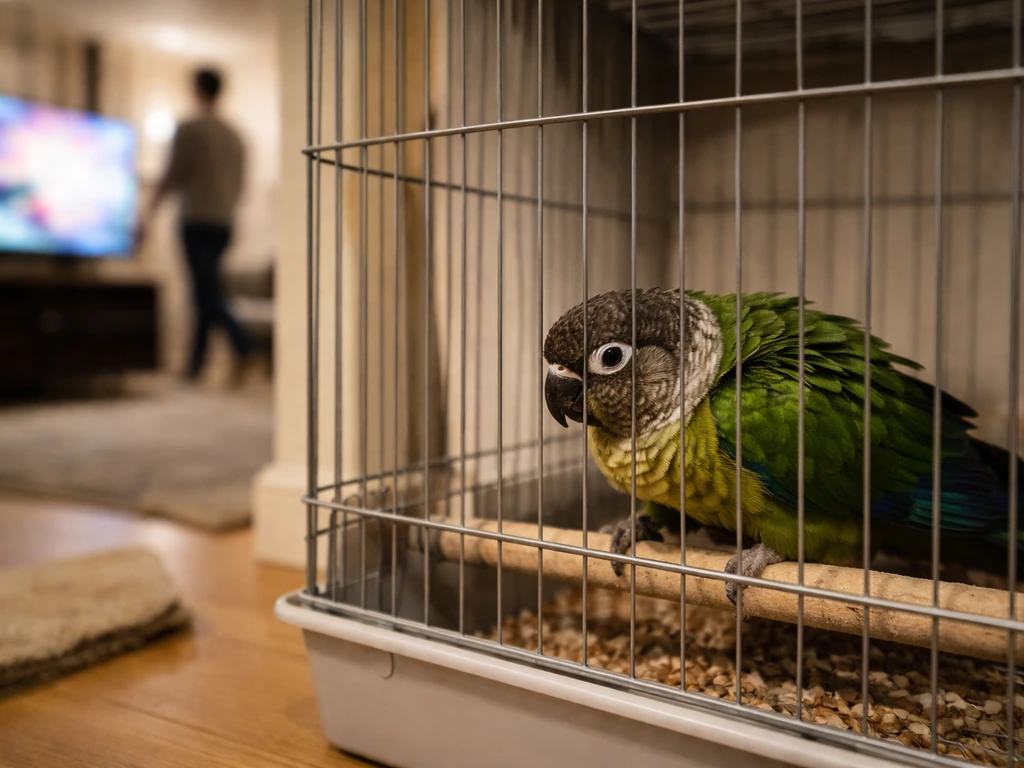
Loud construction nearby, a new pet in the house, rearranged furniture near the cage, a new person, or even a loud TV can all trigger stress behaviors. Signs include excessive screaming, biting, feather fluffing, hiding in a corner of the cage, or being unusually jumpy. Biting especially is often misread as aggression when it's really fear. A stressed bird bites to tell you it doesn't feel safe.
Boredom
A bored bird can look obsessive or 'crazy.' Repetitive pacing, excessive screaming, feather chewing, or even self-directed aggression often trace back to a lack of mental stimulation. Boredom is one of the most common and underestimated causes of odd behavior in pet birds. If your bird isn't getting enough foraging opportunities, toys, or time outside the cage, boredom is a strong suspect. Note: if boredom has escalated to actual feather plucking (not just chewing), that warrants a vet visit to rule out a physical cause.
Routine and environment changes
A new work schedule, moving the cage to a different room, a new family member, or even a change in the season can all throw a bird off. Birds notice when their owner's schedule shifts. If you've recently changed something in your daily routine or home setup, that's worth connecting to the behavior change you're seeing.
Health causes to know about
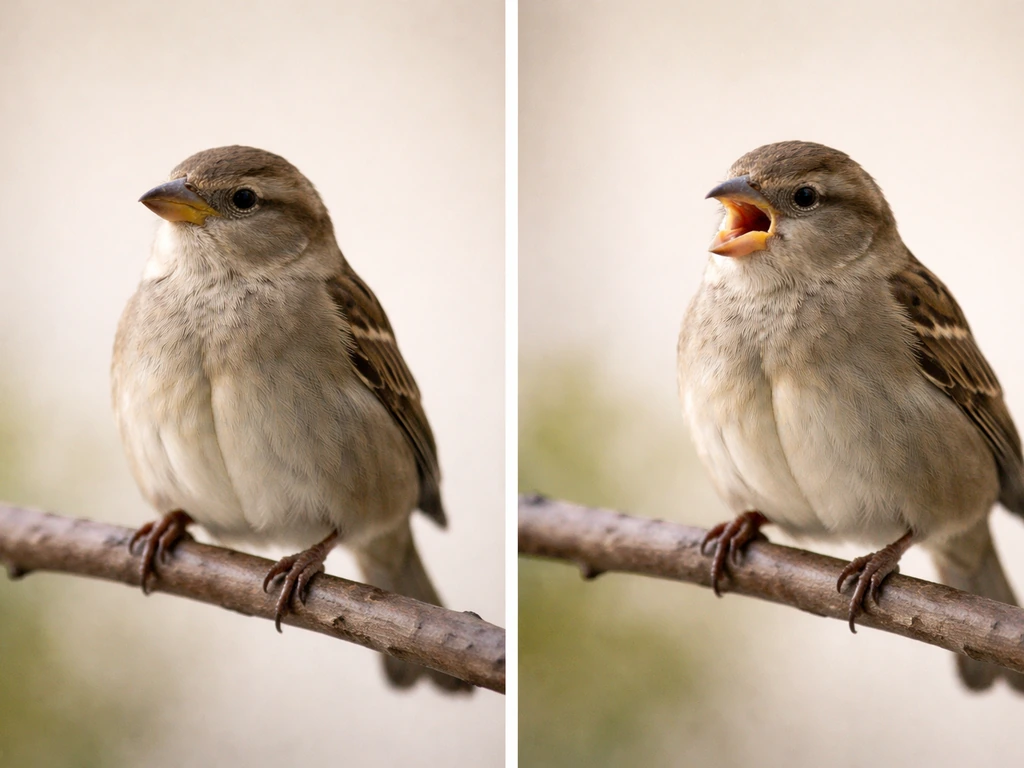
Here's where things get more serious. 'Acting weird' can be an early sign of illness, and because birds hide symptoms until they can't anymore, catching these early matters a lot.
Respiratory illness
Respiratory problems are among the most urgent. Merck Veterinary Manual recommends raising humidity for birds with respiratory disease because higher humidity eases breathing and helps keep air passages clear and moist Table.
A healthy resting bird breathes quietly and effortlessly. If you see blank" rel="noopener noreferrer">open-mouth breathing, tail bobbing (the tail moves visibly with each breath), noisy or clicking breathing, or your bird seems to be working hard to breathe, these are warning signs. If your bird is making clicking noise with its breathing, that can be a sign of respiratory illness and should be checked promptly.
Normal resting respiratory rates vary by size: smaller birds under 300 grams breathe about 30 to 60 times per minute, while larger birds in the 400 to 1,000 gram range breathe 15 to 30 times per minute. Anything outside that range, especially if accompanied by other symptoms, deserves a vet call.
Gastrointestinal and digestive signs
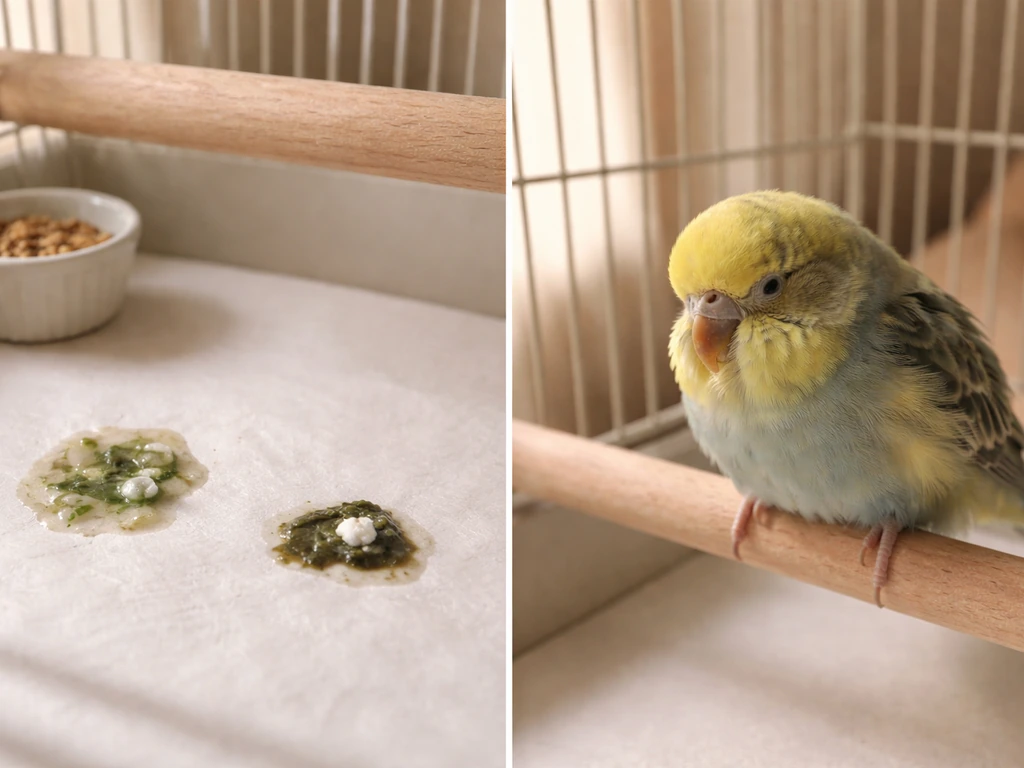
Regurgitation (different from normal crop-emptying), chronic weight loss, diarrhea, and lethargy together can point to a digestive problem. Occasional loose droppings after a bird eats fruit or a new food can be normal. But persistent watery droppings, droppings with unusual color (very dark, green, or bloody), or a bird that seems to be losing weight while eating are worth investigating with a vet.
Pain and injury
A bird in pain often goes quiet and hunched. It may stop vocalizing, stop interacting, hold a wing oddly, favor one foot, or sit low on a perch. Any noticeable change in posture, especially combined with a loss of interest in food or interaction, should put pain and injury on your radar.
Neurological signs
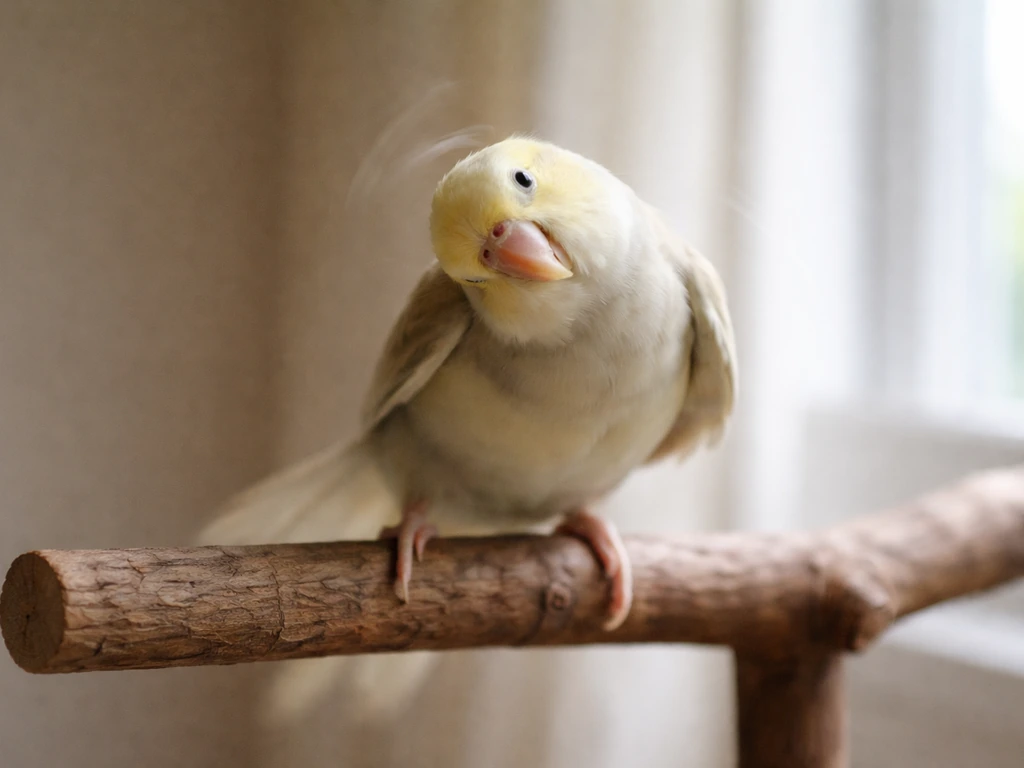
These are the ones that look the most alarming and often are. Head tilt, circling, tremors, falling off the perch, weakness in the legs or wings, and sudden dramatic behavior changes can all be neurological in origin. West Nile virus and other viral encephalitides, for example, can cause ataxia, head tilt, torticollis, and seizures alongside more general signs like lethargy and loss of appetite. If your bird is showing any of these, don't wait. Get to a vet.
Behavioral issues: aggression, hormones, and environment
Sometimes birds go through phases that seem extreme but are completely normal given the context. Hormonal behavior is a big one. During breeding season (often late winter through spring), many birds become nippy, territorial, or obsessively attached to a person or object. Females may start nesting behaviors, and males can become territorial over their cage. This is normal but can look alarming if you don't recognize it.
Cage size and placement also matter more than most people think. A bird in a cage that's too small, or positioned in a high-traffic corner where it can't feel safe, will show chronic stress behaviors. The cage should give the bird room to spread its wings fully and be placed somewhere it can see the room without being overwhelmed by activity. Eye-level or slightly below is generally better than placing the cage on the floor or very high up.
Sleep deprivation is another overlooked trigger. Birds need 10 to 12 hours of darkness and quiet each night. A bird that's being kept up by household noise or light will become irritable and erratic. If the cage is in a room with late-night TV or activity, a simple cage cover and relocating it to a quieter space at night can make a real difference.
What to observe: your symptom checklist
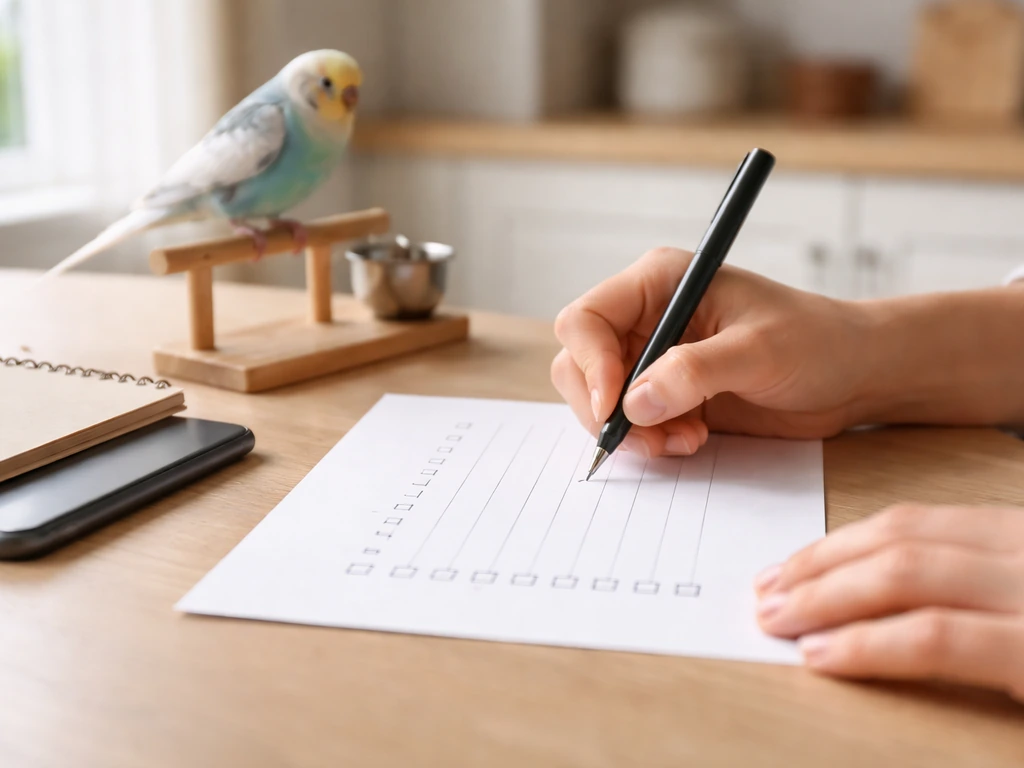
Whether you're trying to decide if a vet visit is needed or preparing to describe what you've seen to one, here's what to systematically observe and note. If you are hearing crunching noises, include when they happen and whether your bird seems to struggle to breathe, swallow, or eat.
| What to check | What to look for | Why it matters |
|---|---|---|
| Timeline | When did the behavior start? Sudden vs. gradual onset | Sudden change suggests acute illness or injury; gradual suggests behavioral or chronic issue |
| Breathing | Rate, effort, open-mouth, tail bobbing, any noise | Respiratory distress is one of the most urgent signs |
| Appetite and water | Is the bird eating and drinking normally? Any change in amount? | Loss of appetite for more than a day is a red flag |
| Droppings | Color, consistency, frequency; look for watery, dark, bloody, or absent droppings | Droppings are one of the most reliable health indicators in birds |
| Posture | Fluffed feathers, sitting low, hunched, holding wing or leg oddly | Abnormal posture often signals pain, illness, or weakness |
| Feather condition | Broken, plucked, dull, or missing feathers | Feather changes can reflect stress, nutritional issues, or disease |
| Vocalization | More or less than usual, different sounds, no sound at all | A sudden change in vocal patterns is worth noting |
| Interaction level | Is the bird responding to you? Seeking or avoiding contact? | Withdrawal or unusually clingy behavior can both signal something is wrong |
| Environment changes | New food, new toy, cage move, new person or pet, fumes, cleaning products | A trigger in the environment is often the whole explanation |
Step-by-step troubleshooting at home
If the safety check is clear and you're dealing with a behavioral or mild environmental issue, work through these steps before assuming the worst.
- Remove any chemical fume sources immediately. Check for overheating non-stick cookware (Teflon), scented candles, aerosol sprays, air fresheners, cleaning products, or cigarette smoke. These are genuinely toxic to birds and can cause respiratory distress fast. Open windows if needed.
- Check the cage temperature. Birds do best between 65 and 80°F (18 to 27°C). Drafts or direct cold air are a common overlooked stressor. Move the cage away from air conditioning vents or drafty windows.
- Review what changed in the last 48 to 72 hours. New food, a moved cage, a new person in the house, a loud event, a change in your schedule. If something changed, that's your most likely culprit.
- Ensure the bird is getting 10 to 12 hours of undisturbed sleep. Use a cage cover and move the cage to a quiet room at night if needed.
- Offer enrichment. If boredom is a factor, introduce a new foraging toy, rotate existing toys, or increase out-of-cage time. Even 30 extra minutes of interaction can shift mood significantly.
- Check food and water freshness. Stale or contaminated water, moldy food, or a sudden food change can cause GI upset and behavioral changes. Replace water daily and inspect food bowls.
- Clean the cage with bird-safe products only. Avoid bleach, ammonia, or scented cleaners. Rinse thoroughly and allow to dry before returning the bird. Residue from disinfectants can irritate a bird's airways.
- Increase humidity slightly if the bird has any respiratory symptoms. A light misting or placing a shallow water dish near (not in) the cage can help. Do not introduce steam directly into the cage.
- Reduce handling temporarily if the bird seems fearful or stressed. Give it space to settle, speak softly, and let it approach on its own terms.
- If nothing obvious explains the behavior and it persists beyond 24 to 48 hours, especially with any eating or dropping changes, book a vet appointment. Don't wait for things to get worse.
How to document and talk to your avian vet
Good notes make the vet's job much easier and get you better answers faster. Avian vets in particular often rely heavily on owner observations because birds are stressed by handling and may not show full symptoms in a clinical setting. The more specific your notes, the more useful the visit.
Start a simple log as soon as you notice something is off. Write down the date and time the behavior started, what exactly you observed (not just 'acting weird' but 'sitting on the cage floor, not responding to my voice, droppings are very watery'), what changed in the environment recently, what the bird has eaten and how much in the last 24 to 48 hours, and any changes in droppings, breathing, or posture. A short video on your phone of the behavior is genuinely valuable, especially for anything intermittent like head tilt, tremors, or unusual vocalizations. Unusual whimpering or quiet vocalizations can also be a clue to pain, stress, or respiratory trouble, so it helps to note exactly how and when it happens whimpering noises.
When you call or visit the vet, lead with the most concerning symptom first, give the timeline, and mention the bird's normal baseline so the vet can gauge how much has changed. If you haven't seen an avian specialist before, note that many general small-animal practices are not fully equipped for bird emergencies. Asking specifically for an avian vet or a practice that sees exotic birds is worth the extra step, especially if the situation seems urgent.
Keep a running health log for your bird between vet visits too. Note normal weight (a kitchen scale works fine), usual appetite, normal droppings, and daily behavior. That baseline makes it much easier to spot genuine changes early, when treatment options are usually better. Birds that get caught early, before illness is advanced, have far better outcomes.
If you're noticing specific symptoms alongside the weird behavior, like unusual noises, clicking sounds, whimpering, or squeaking, those can give you more to go on when describing things to a vet. Different sounds often point in different directions, so noting exactly what you hear is part of a good symptom log.
Odd or unusual noises can be a clue that your bird is stressed, in pain, or has a respiratory issue, so it helps to figure out the likely cause and next steps Different sounds. If your bird is making whimpering noises, add details like when it happens and whether breathing or posture also looks abnormal.
If you’re wondering why guinea pigs make bird noises, a good symptom log can help you describe the sound pattern clearly why do guinea pigs make bird noises. If your bird is making crunching noises, record when it happens and whether it comes with breathing changes or appetite shifts Different sounds. Guinea pigs chirp like a bird for specific reasons too, so learning the pattern can help you interpret unusual vocalizations.
FAQ
What should I do if my bird is acting weird but I cannot tell whether it is breathing trouble or just normal behavior changes?
Do a focused check for effort and pattern. Watch quietly for 2 to 3 minutes: open-mouth breathing, tail bobbing with each breath, clicking/noisy breathing, and a bird that stays hunched or stops perching are not “wait and see” signs. If you can measure it, compare resting breaths per minute to typical ranges for your bird’s size and note any change from its normal baseline. If any urgent signs are present, contact an avian vet immediately.
My bird is fluffed up and quiet, but it may just be resting. How can I tell the difference between sleep and illness?
Normal rest still looks relaxed and responsive to your presence. Illness-related fluffing often comes with other red flags, such as reduced interest in food, staying on the bottom or in a corner, altered posture (hunched, one wing held differently), or abnormal breathing. If the bird is fluffed for hours, refuses favorite foods, or shows any respiratory symptoms, treat it as a health concern rather than “just sleeping.”
Is biting always stress, or could it mean something else?
Stress-fueled fear biting is common, but biting can also be pain-related or hormonal. If the bird bites plus you see hunched posture, one-sided favoring (foot or wing), reduced appetite, or sudden changes that don’t match routines, pain becomes more likely. If the behavior is seasonal (breeding season), intense territorial guarding, and you recently noticed nesting-like behavior, hormones may be involved, but you should still rule out illness if breathing or appetite changes.
How do I interpret diarrhea or watery droppings when some loose poop can be normal after fruit?
Occasional loose droppings right after a specific food can be normal, especially if the bird is otherwise alert and eating normally. What matters is persistence and volume. Persistent watery droppings, unusual colors (very dark, green, bloody), straining, or weight loss are warning signs. If watery droppings continue beyond one day, or you see blood, call a vet rather than trying more diet changes at home.
My bird had a head tilt or started circling briefly, then seemed okay. Should I still worry?
Yes. Neurologic signs can be intermittent early on. If you observed head tilt, circling, stumbling, tremors, or falls even for short periods, record the timing and capture a short video. Because viral or neurologic causes can worsen, it is safer to contact an avian vet promptly, especially if episodes are becoming more frequent or you notice changes in appetite or balance.
What is the safest way to decide whether to call an emergency vet right now versus waiting to book a routine visit?
Use the “red flag” approach: if there are any urgent respiratory signs (open-mouth breathing, tail bobbing, noisy clicking breathing, working hard to breathe), falls, weakness in legs or wings, seizures/tremors with head tilt or circling, significant posture changes with loss of appetite, or suspected fume exposure, do not wait. If none of those are present, you can often observe and start a symptom log for a short window, but if you are uncertain, calling for guidance is appropriate because birds can hide illness.
Can loud household noise or a new pet really cause severe symptoms, or is that just a coincidence?
Yes, it can cause real stress behaviors, but it should not cause true breathing difficulty or neurologic signs. Stress often shows up as screaming, hiding, excessive fluffed behavior paired with fear responses, pacing, or sudden nippiness. If you see abnormal breathing patterns, persistent lethargy, diarrhea with abnormal color, or balance problems, treat it as possible illness and prioritize a health check with a vet.
How much sleep should my bird get, and what if the room has unavoidable night light or late TV?
Most pet birds need 10 to 12 hours of darkness and quiet. If you cannot eliminate noise or light, reduce exposure by using a cage cover designed for birds and ensuring airflow is safe. Relocate the cage to a quieter room if possible. If erratic behavior persists despite consistent, protected sleep, shift your focus back to medical causes.
What exact details should I write down for the vet so it is useful and not overwhelming?
Focus on a short timeline and objective observations. Note when the change started, what you saw in plain terms (for example, “sitting low and not responding,” “watery droppings,” “tail bobbing with breaths,” “refusing favorite treat”), what changed recently (cage moved, new pet, new cleaning product), and what the bird ate in the last 24 to 48 hours. Add a quick estimate of appetite (same, reduced, none), and include videos for intermittent events like head tilt or tremors.
Should I weigh my bird at home every day, and how does that help with “acting weird” problems?
It helps, especially if the weird behavior is subtle. A kitchen scale is fine, just weigh consistently at the same time of day when the bird is calm. Track trends, not one number. Weight loss combined with appetite reduction, droppings changes, or persistent lethargy is a strong reason to contact an avian vet rather than adjusting environment alone.
If I suspect fumes like overheated non-stick cookware, what should I do immediately before contacting the vet?
Move your bird to fresh air immediately and prevent any further exposure. Do not delay by continuing cleanup or searching for the exact source while the bird is still in the environment. After relocation, call an avian vet or emergency hospital right away and be ready to describe timing, duration of exposure, and any respiratory symptoms you see (open-mouth breathing, clicking/noisy breathing, tail bobbing).
Next Articles
Why Is My Bird Making Squeaking Noises? Causes and What to Do
Troubleshoot bird squeaking: normal chat vs pain, breathing issues, stress, and what to check now and when to see a vet
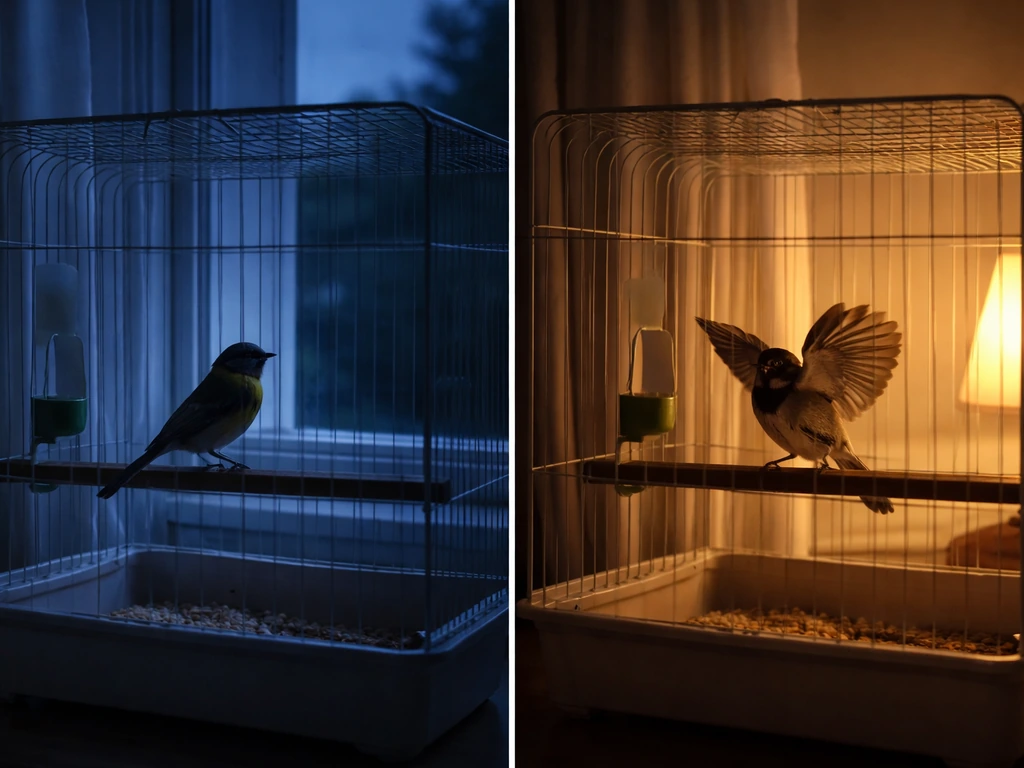
Why Does My Bird Freak Out at Night? Fixes and Causes
Causes and fixes for nighttime bird panic, with a quick trigger checklist, environment tweaks, and vet red-flag guidance
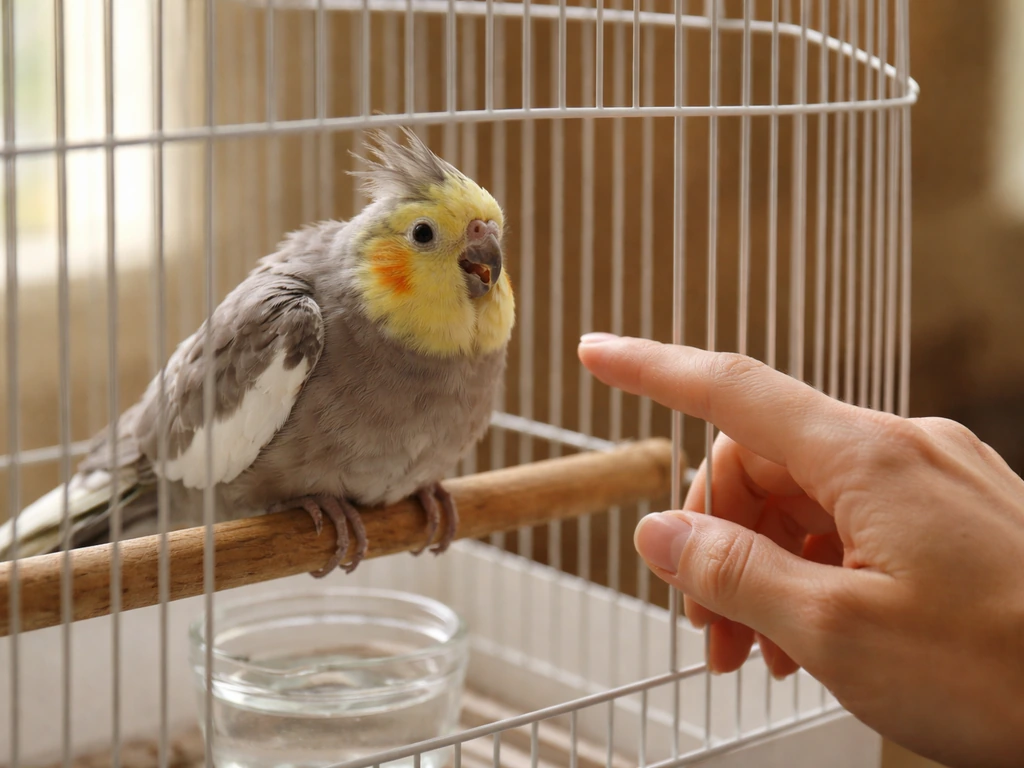
Why Is My Bird Crying? Causes and What to Do Now
Identify why your bird is crying and act now: check stress, comfort, illness signs, and know when to call an avian vet.