
A clicking noise from your bird is most often either a respiratory symptom (air moving through congested or irritated airways) or a completely harmless behavioral sound (beak grinding, foot play, or a contact call). The challenge is telling the two apart quickly, because one needs a vet today and the other just needs your curiosity. Run through the triage checklist below, and you'll know which situation you're in within the next few minutes.
Why Is My Bird Making a Clicking Noise? Causes and Next Steps

Marcus Chen
17 May 2026
What "clicking" can mean in pet birds
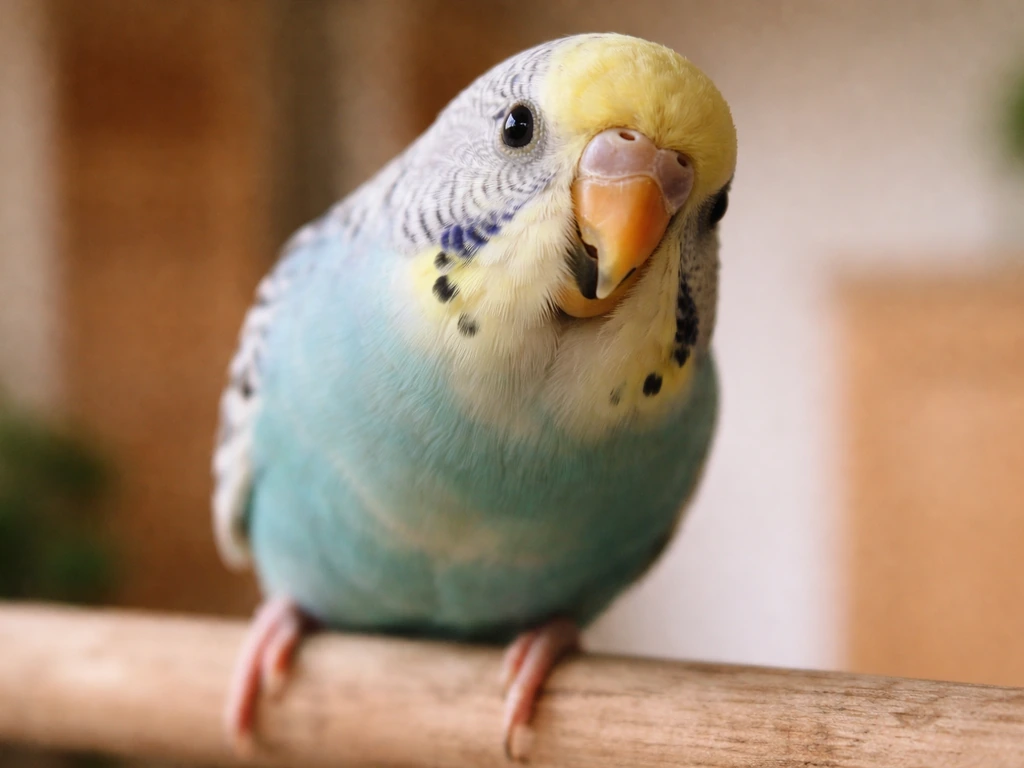
Birds produce a surprisingly wide range of sounds from their beaks, throats, feet, and airways, and "clicking" is one of the trickier ones to pin down because it can come from several completely different sources. The word covers everything from a sharp, rhythmic beak tap to a wet, crackly inhale that signals something is going on in the respiratory tract. Species matters too: cockatiels, budgies, parrots, and finches all have their own normal soundscapes, and what's routine for one bird can sound alarming if you're used to another.
The three broad categories of clicking in pet birds are: sounds made mechanically (beak, tongue, or feet), sounds that are vocal or social in origin (contact calls, mating sounds, learned mimicry), and sounds that come from the airway during breathing. Figuring out which category you're dealing with is the first practical step.
Quick triage: normal vs health-related clicking
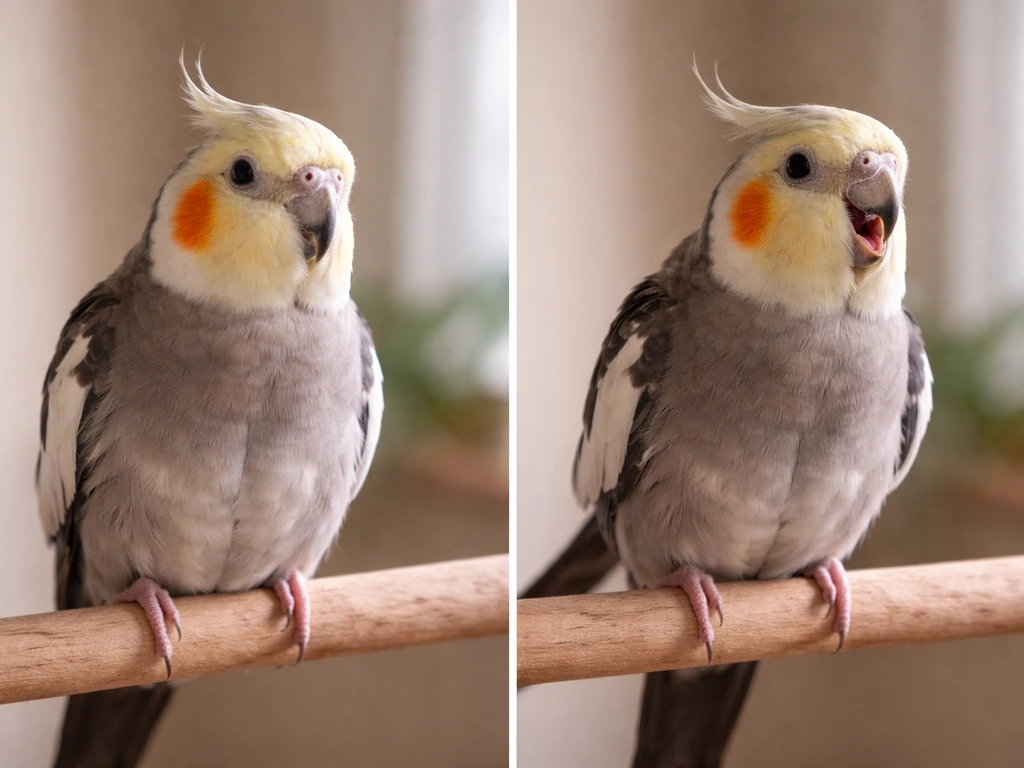
Before you do anything else, spend two or three minutes watching your bird closely. You're not trying to diagnose anything, just gather observations. Ask yourself these questions and note your answers.
- Is the clicking happening during breathing, or between breaths? Breathing-linked clicking is a red flag; beak or foot clicking between breaths is usually benign.
- Is your bird's tail moving up and down rhythmically with each breath? Tail bobbing is a classic sign of breathing effort and needs prompt attention.
- Is your bird breathing with its beak open when it hasn't just been flying or exercising? Open-mouth breathing at rest is a warning sign.
- Does your bird look fluffed, lethargic, or hunched on the perch? A bird that looks "off" alongside a clicking noise is more concerning than one that's active and alert.
- Is the bird eating, drinking, and interacting normally? Appetite loss or sudden withdrawal from interaction matters.
- When did the clicking start, and is it getting more frequent or louder?
If the clicking is happening between breaths, your bird is alert and active, eating normally, and there's no tail bobbing or open-mouth breathing, you're most likely looking at a behavioral or mechanical sound. Keep monitoring, but this is the lower-urgency scenario. If the clicking is tied to breathing and any of those other signs are present, move to the warning signs section further down and consider calling an avian vet today.
Respiratory and airway causes of clicking
This is the cause that warrants the most attention. When a bird's upper airway, trachea, or air sacs are affected by infection, irritation, or obstruction, air moving through the narrowed or fluid-laden passage can produce a click, crackle, or wheeze on each inhale or exhale. If you suspect the clicking is respiratory, focus on whether it happens with breathing and watch for additional warning signs, then contact an avian vet if needed.
Merck's veterinary resources note that in birds with heavy respiratory infections, difficult breathing can be accompanied by high-pitched noises and clicking, along with tail bobbing and open-mouth breathing. Merck advises owners to observe respiratory rate and effort, look for open-mouth breathing, and also watch posture such as tail bobbing and wing position or use of one or both legs tail bobbing and open-mouth breathing.
That's a cluster of signs, and clicking alone doesn't confirm a problem, but it's a meaningful piece of the picture.
Common respiratory causes include bacterial infections (such as Mycoplasma or Chlamydiosis, the latter also called psittacosis), fungal infections like Aspergillosis, and viral respiratory illness. Upper respiratory congestion from any of these can produce a wet, repetitive clicking sound during breathing. A foreign body in the trachea, though less common, is a serious possibility, especially if clicking came on suddenly in a bird that had been chewing on something.
Environmental irritants are another respiratory trigger that's easy to overlook. Cigarette smoke, cooking fumes (especially from non-stick pans overheating), dusty bedding, scented candles, aerosol sprays, and mold spores can all irritate a bird's sensitive airways and cause clicking, sneezing, or raspy breathing without a true infection being present. If the clicking started recently and you've changed something in the bird's environment, that connection is worth investigating right away.
Non-respiratory causes that sound just like clicking
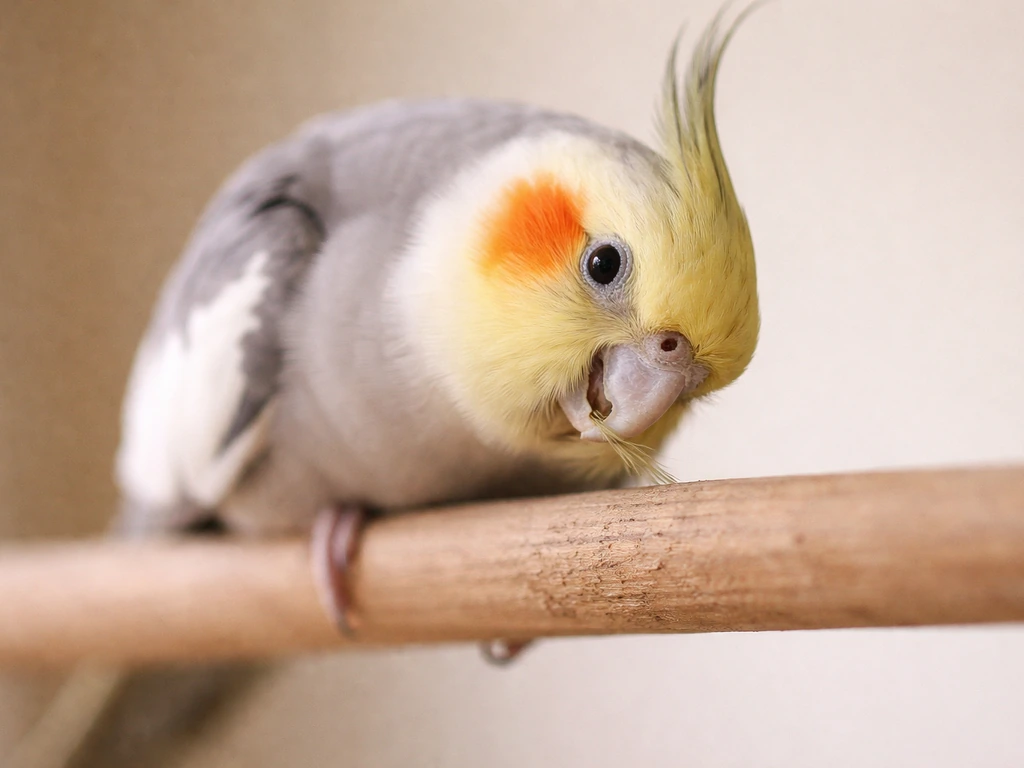
Many clicking sounds have nothing to do with breathing at all, and once you've ruled out respiratory involvement, these explanations cover the majority of cases.
Beak grinding and beak play
Cockatiels and budgies, in particular, grind their beaks together when they're relaxed and sleepy. It produces a soft, rhythmic clicking or grinding sound that's completely normal, almost like a cat purring. If you hear it right before or during rest, that's almost certainly what you're hearing. Beak clicking or snapping can also be a behavioral signal, some birds snap their beaks sharply when they're annoyed or warning you off, similar to a dog growling.
Foot and nail sounds
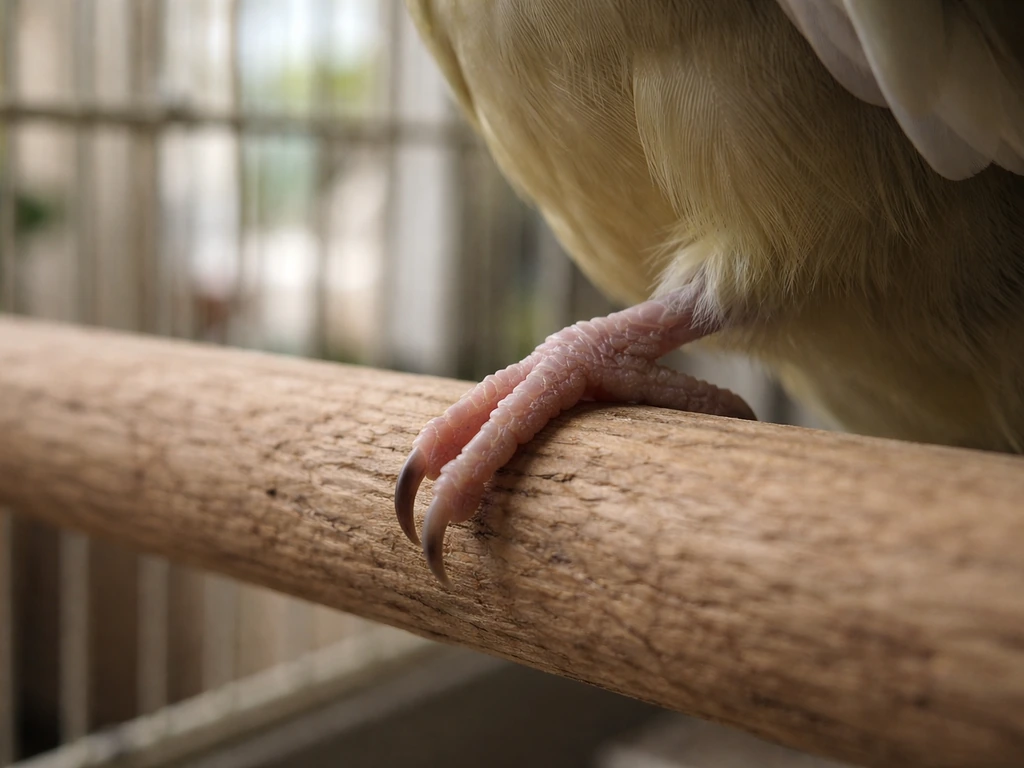
Long nails tapping on a perch, cage bar, or food dish can produce a repetitive click that sounds like it's coming from the bird itself. If the clicking only happens when the bird moves or taps a surface, check nail length. Overgrown nails can also cause discomfort, so it's worth a trim if they're curling.
Mating and contact sounds
During breeding season or when a bird is feeling particularly social, some species produce clicking or clucking sounds as contact calls or courtship vocalizations. These tend to be directed at a companion bird, a mirror, or a favored person. They'll follow a social pattern: the bird makes the sound, then waits or looks for a response. That interactive quality usually distinguishes them from a reflexive breathing noise.
Learned mimicry
Parrots and some other species are excellent at picking up ambient sounds, including the click of a keyboard, a light switch, or even a tongue click you make habitually. If your bird recently started clicking and you've been working from home or spending more time nearby, this is a real possibility worth considering. If you’re wondering why do guinea pigs make bird noises, that can be a similar case of sounds being triggered by something other than an actual respiratory problem in the animal you’re listening to clicking.
When to worry: signs that mean call the vet today
Some signs alongside clicking should push you toward calling an avian vet the same day, not waiting to see if it improves. LafeberVet notes that blank" rel="noopener noreferrer">dyspnea signs in avian patients include open-mouth breathing, increased sternal motion, and tail bobbing. Some signs alongside clicking should push you toward calling an avian vet the same day, not waiting to see if it improves why is my bird making whimpering noises. Birds are prey animals and instinctively hide illness, so by the time symptoms are obvious, the situation is often more advanced than it looks.
- Tail bobbing with each breath (the tail pumping up and down rhythmically at rest is a strong indicator of breathing effort)
- Open-mouth breathing when the bird hasn't just exercised
- Wheezing, crackling, or wet sounds tied to each inhale or exhale
- Lethargy, sitting low on the perch, or not responding to interaction
- Fluffed feathers combined with any of the above
- Loss of appetite or refusal to drink
- Discharge from the nostrils or eyes
- Clicking that started suddenly and is getting louder or more frequent
- Blue or pale color around the beak or feet (a sign of poor oxygenation, this is an emergency)
- Any suspicion a foreign object might have been inhaled
Even one or two of these alongside clicking is enough to warrant professional attention today. Avian respiratory problems can deteriorate quickly, and an avian-experienced vet (not just a general small-animal practice) is the right call. If you're not sure whether what you're seeing qualifies, call anyway and describe what you observed. Most avian vets will give you clear guidance over the phone about urgency.
What to do at home right now and how to monitor
If you've run through the triage above and you're in the "watch and monitor" camp rather than the "call the vet now" camp, here's what to actually do in the next 24 to 48 hours.
Environmental check first
Remove the bird from any environment where it might be exposed to aerosol sprays, candles, incense, cigarette smoke, or cooking fumes. Make sure the room temperature is stable (birds do best between roughly 65 and 80 degrees Fahrenheit for most species). Check for dusty substrate, mold near the cage, or any new cleaning products that might be off-gassing. Sometimes the clicking clears up entirely once the irritant is removed.
Track the sound systematically
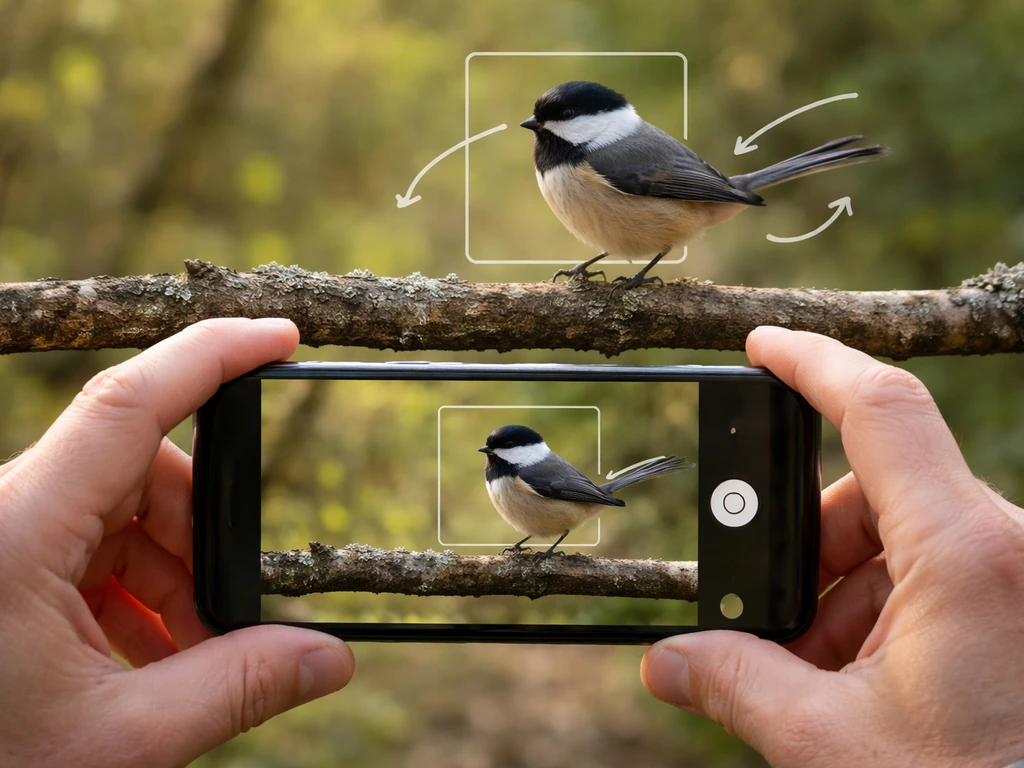
Keep a simple note on your phone for the next 24 to 48 hours. Log when the clicking happens (time of day, what the bird was doing), how long it lasts, and whether it seems tied to breathing or movement. Note whether it's getting better, worse, or staying the same. This isn't just for your peace of mind: if you do end up at a vet, this information is genuinely useful because the bird usually behaves differently in the clinic.
Record a video
Use your phone to get a short video of the clicking, ideally showing the bird's whole body so any tail movement or posture changes are visible. A 30-second clip with the sound clearly captured is one of the most helpful things you can bring to a vet appointment. Birds often stop making the noise the moment they're stressed by travel and handling.
Support without guessing
Keep fresh food and water available. Don't try home remedies like steam or supplements unless an avian vet has specifically recommended them for your bird, since well-meaning interventions can sometimes cause additional stress. Make sure the cage is in a quiet, draft-free spot. Keep handling gentle and minimal if the bird seems under the weather.
The 48-hour rule is a reasonable guideline: if the clicking is still present after two days and you haven't been able to link it to a clear behavioral explanation, get an avian vet involved. And if anything from the warning signs list shows up at any point, don't wait. Birds that get support early respond far better than those where the owner held off hoping it would pass.
Clicking is one of those sounds that sits right at the intersection of totally normal and medically significant, which is genuinely frustrating when you're just trying to figure out if your bird is okay. The good news is that a few minutes of close observation usually gives you enough information to know which direction you're heading. Use the triage questions, check the environment, grab a video, and trust your gut: if something feels off about your bird beyond just the sound, that instinct is worth acting on. If what you are hearing is more like squeaking noises than clicking, use the same approach to check breathing, posture, and recent environmental changes.
FAQ
How can I tell if the clicking noise is coming from the airway versus the beak or feet?
Check whether the sound changes with breathing. Airway clicking typically appears during inhale or exhale, and you may also notice tail bobbing or open-mouth posture. Beak or foot sounds usually happen when the bird is moving, tapping, grinding, or interacting, and you will not see it consistently synchronized to breathing.
Is clicking ever normal if my bird is eating and acting normal?
Sometimes, yes. If the sound is soft and rhythmic during rest or sleep, and there are no breathing changes (no open-mouth breathing, no tail pumping, no obvious effort to breathe), it is often behavioral. However, if clicking continues beyond 48 hours, escalates in frequency, or starts right after a change in environment, treat it as potentially respiratory and get advice from an avian vet.
What sudden onset of clicking could mean a foreign body problem?
If the clicking started abruptly, especially in a bird that has been chewing on toys, wood, rope, or household items, consider obstruction more seriously. That pattern is different from gradual congestion. If the bird is otherwise unwell, or breathing seems labored, call an avian vet promptly rather than waiting to see if it improves.
Should I try steam, humidifiers, or “home breathing treatments” if my bird is clicking?
Avoid home remedies unless an avian vet specifically recommends them for your bird. Steam can stress the bird, worsen overheating risks, or complicate some airway conditions. A humidifier may help only in specific situations, and even then the environment must be clean to avoid adding mold or dust.
Could environmental irritants cause clicking without infection?
Yes. Irritants like cigarette smoke, cooking fumes, scented candles, aerosols, incense, dusty bedding, and mold spores can trigger airway irritation and produce wet-sounding clicking or raspy breathing. If the timing lines up with a recent product, cleaning routine, or room change, prioritize removing the irritant and monitor closely.
My bird clicks more at night or when I turn lights off. Is that still a problem?
It can be either. Behavioral beak grinding or contact sounds can increase during certain routines, but nighttime airway issues can also appear when congestion worsens or the bird breathes more noticeably. If clicking is linked to breathing effort or posture changes, especially after the lights go out, contact an avian vet for guidance.
What video should I record so a vet can judge urgency?
Record a 30 to 60 second clip that shows the full body and includes clear audio. Try to capture a moment where the clicking occurs during inhale and exhale, and include any tail movement or open-mouth posture. If possible, also film from the side and then from the front so the vet can assess body position.
Is it okay to wait a day or two if my bird seems otherwise normal?
Waiting can be reasonable only if the bird is alert, eating normally, and there are no breathing signs like tail bobbing or open-mouth breathing. If clicking persists after 48 hours, or if it worsens at any point, schedule an avian vet evaluation. Birds often mask illness, so “seems okay” is not always a safe conclusion.
What other signs, besides clicking, mean “call the avian vet today”?
Even one or two added signs can shift urgency. Examples include open-mouth breathing, tail bobbing, visible effort to breathe, high-pitched noises with breathing, lethargy, fluffed posture, reduced appetite, abnormal droppings, or clicking that becomes clearly synchronized with breath. If you are unsure, call and describe what you observed.
If I remove possible irritants and the clicking stops, does that confirm it was harmless?
It strongly suggests irritation rather than a chronic infection, but it does not guarantee complete resolution. Some respiratory conditions improve temporarily when irritants are removed, then return. If symptoms recur after exposure to normal conditions, or if clicking resumes within days, have an avian vet assess your bird.
Next Articles
Why Do Guinea Pigs Chirp Like a Bird? Causes and Fixes
Learn why guinea pigs chirp like birds, how to read cues and body language, and when chirping signals pain or illness.
Why Is My Bird Acting Weird? Quick Health Checks
Fast checklist to spot stress vs illness in birds, with today steps and urgent vet signs to watch for.
Why Is My Bird Making Squeaking Noises? Causes and What to Do
Troubleshoot bird squeaking: normal chat vs pain, breathing issues, stress, and what to check now and when to see a vet