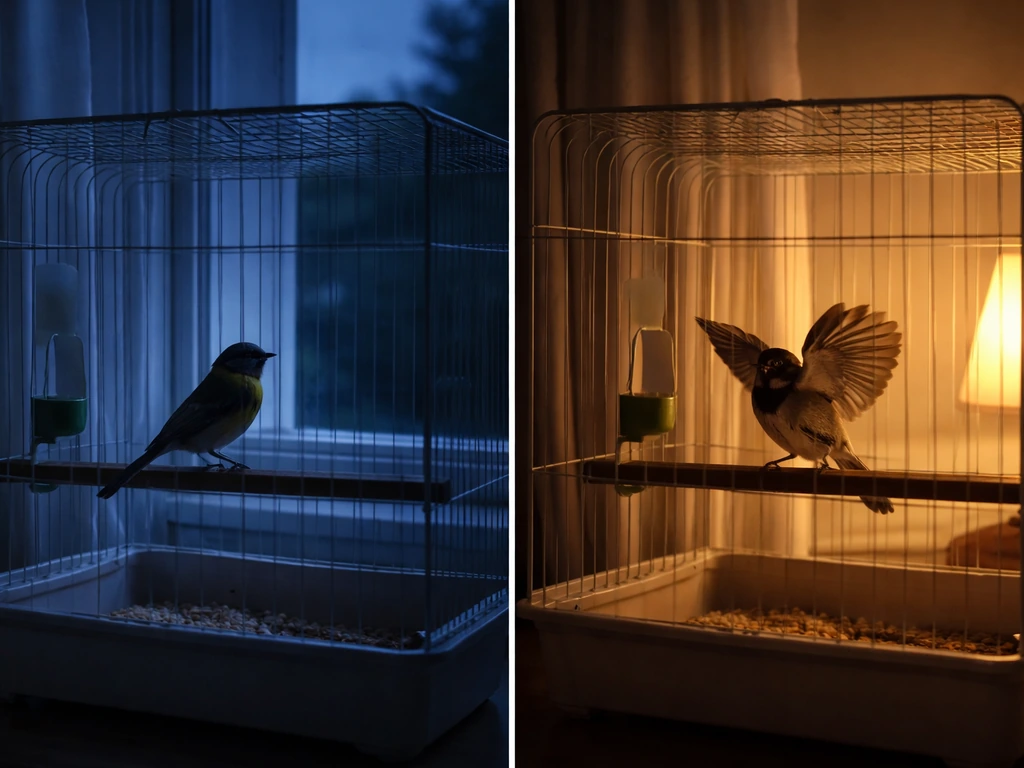
Most of the time, a squeaking bird is just talking to you. Squeaks are one of the most common sounds pet birds make, and the majority of them mean something totally normal: your bird wants attention, is calling out to find you, or is just comfortable and chatting. But squeaking can also be a sign of pain, respiratory irritation, or stress, so the key is knowing what else is going on alongside the sound. If you are hearing whimpering noises specifically, it can help to compare them with common stress and respiratory irritation signs why is my bird making whimpering noises.
Why Is My Bird Making Squeaking Noises? Causes and What to Do

Marcus Chen
25 Apr 2026
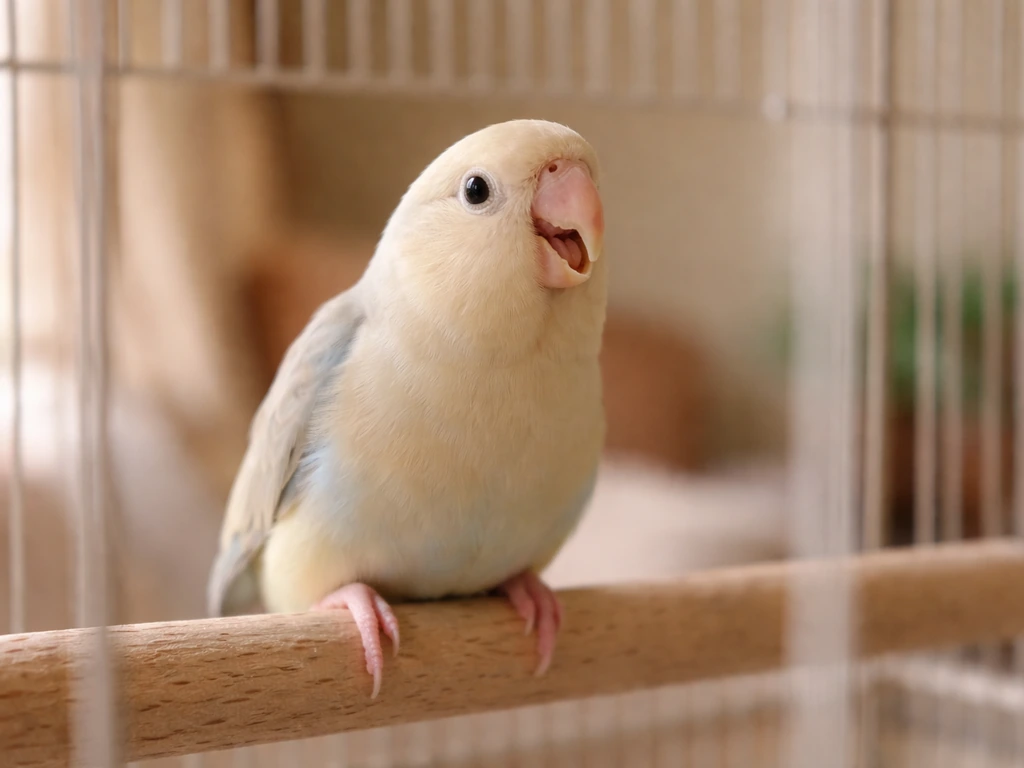
Why birds squeak: the everyday, benign reasons
Birds are vocal creatures, and squeaking is one of the core sounds in their communication toolkit. Here are the most common reasons your bird is making that noise right now.
Attention and contact calls
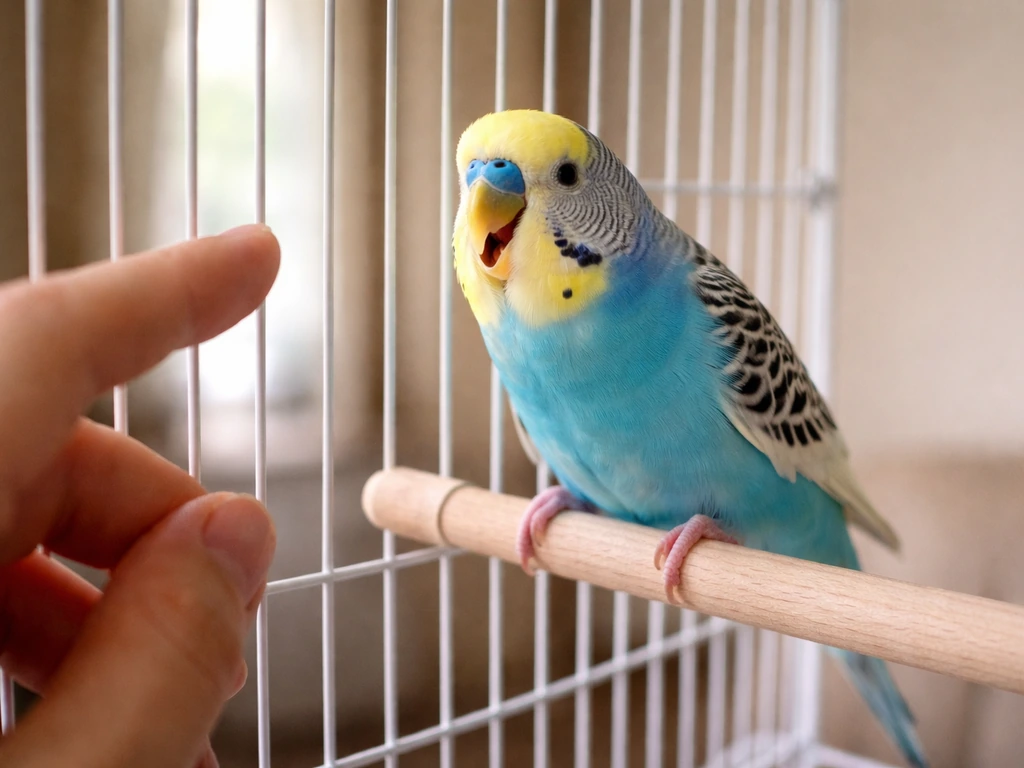
If your bird starts squeaking the moment you leave the room, that is almost certainly a contact call. In the wild, birds use these calls constantly to keep track of flock members. Your bird sees you as its flock, and when you disappear, it calls out to confirm you are still there. A short squeak from you in return will often settle the bird down immediately. This is completely normal behavior and not something to worry about.
Asking for something
Hungry? Bored? Want to come out of the cage? Birds learn fast that squeaking gets results. If the squeaking ramps up near feeding time, or when you walk past the cage without stopping, your bird has probably figured out that noise is a reliable way to get what it wants. This kind of demanding squeak is usually repetitive, energetic, and stops pretty quickly once you respond.
Contentment and social sounds
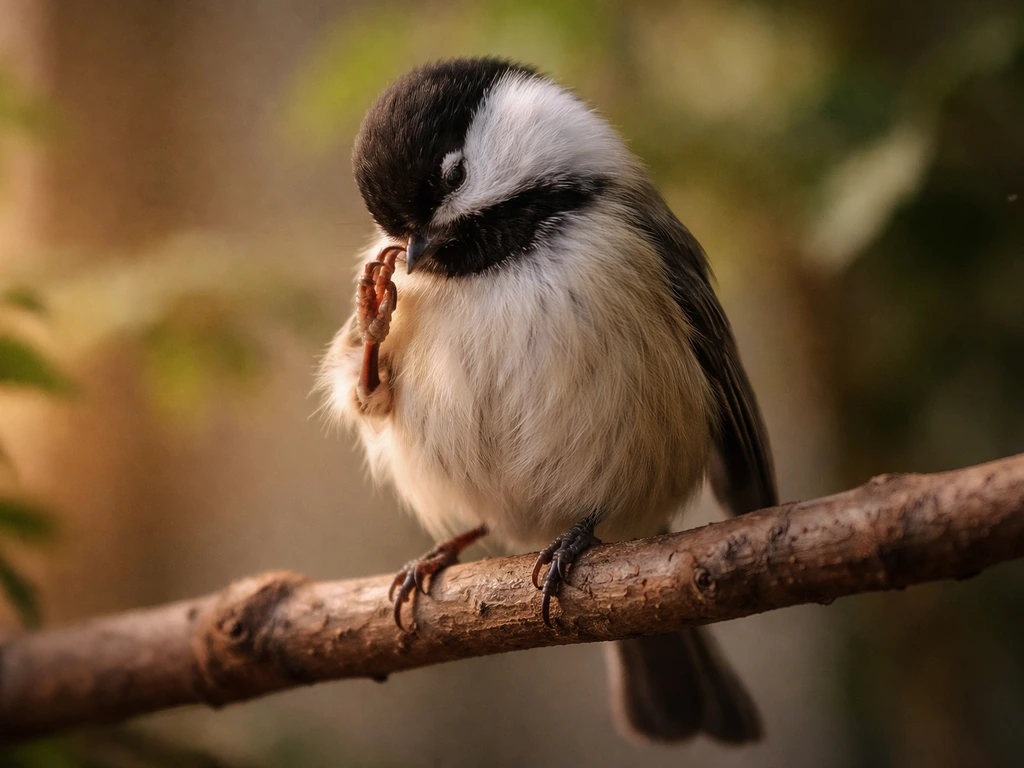
Soft, quiet squeaks while a bird is preening, eating, or settling in for the evening often mean the opposite of distress. These are comfort sounds, the bird equivalent of humming to yourself. You might also hear little squeaky chatters when your bird is exploring a toy or watching something interesting outside the window. Guinea pigs also have their own bird-like chirps, and the reasons can range from contentment to stress or discomfort Guinea pigs chirp.
Health-related causes of squeaking
When squeaking is accompanied by other changes in how your bird looks, moves, or acts, health issues need to be on your radar. Birds are notoriously good at hiding illness, so a new or unusual squeak paired with any of the following signs deserves a closer look.
Respiratory irritation or infection
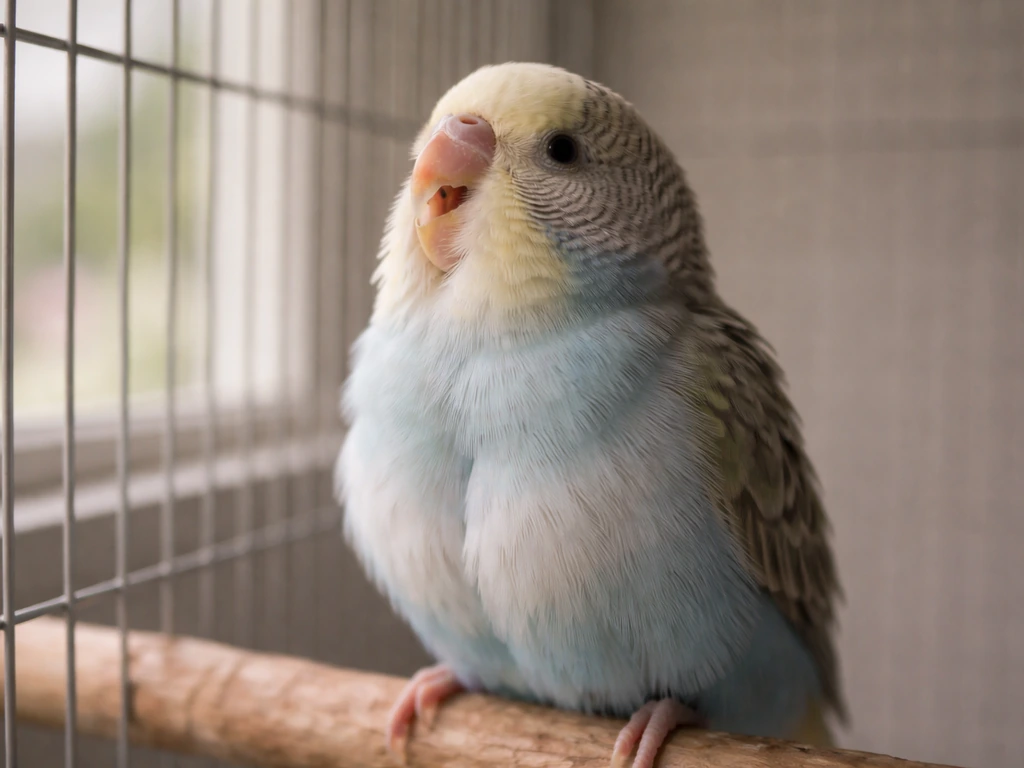
A squeaky or wheezy quality to your bird's breathing, rather than to its deliberate vocalizations, is a red flag. Respiratory distress in birds shows up as open-mouth breathing at rest, increased movement of the chest (sternal motion), tail bobbing with each breath, or an outstretched neck. Discharge around the nostrils or beak is another sign of a respiratory infection. If the squeaking sounds like it is coming from the bird's airway rather than from its throat or beak, treat this as urgent.
Pain or physical injury
A bird in pain may squeak or cry out in ways that feel different from its normal sounds, often sharper, more sudden, or more distressed. Check for any visible injuries, swelling, or feathers held away from the body in an unusual way. A bird that flinches when touched in a specific area, or that is favoring a leg or wing, may be squeaking because something hurts.
Gastrointestinal discomfort
GI problems can cause a bird to vocalize differently. Watch the droppings: loose, discolored, or absent droppings alongside new squeaking can point to digestive trouble. Female birds can also experience egg binding, a serious condition where an egg becomes stuck. Signs include sitting on the cage bottom, straining, a visibly swollen abdomen, weakness, and sometimes tail bobbing or breathing changes. If you suspect egg binding, this is a same-day vet situation.
Stress and environment triggers
Even a healthy bird can start squeaking more than usual when something in its environment is off. These triggers are worth ruling out before you jump to health concerns.
- Sleep deprivation: Birds need 10 to 12 hours of uninterrupted sleep per night. A bird that is not getting enough dark, quiet time can become irritable, anxious, and vocal. Consider covering the cage in a quiet room at a consistent time each evening.
- Temperature and drafts: Most common companion birds do well in a room kept between 65 and 80°F. A cage placed near a drafty window, an air conditioning vent, or a heating element can cause discomfort that shows up as persistent squeaking.
- Changes in routine or environment: A new cage, a moved cage location, rearranged furniture, a new pet, or a change in your work schedule can unsettle a bird significantly. Even new toys or perches can be stressful at first.
- Background noise and activity: Loud televisions, construction sounds, or a lot of household commotion can overstimulate or frighten a bird into repeated alarm calls and squeaks.
- Social isolation: Birds are flock animals. A bird that is left alone for long stretches without interaction will often squeak persistently out of loneliness and frustration.
Normal vs. concerning: age and species differences
Young birds, especially fledglings and recently weaned chicks, are often much squeakier than adults. Baby birds squeak constantly to beg for food, and this is entirely normal. As they mature, the frequency and type of sounds will shift. Adult birds settle into their own vocal personalities, and you will get to know your bird's typical range of sounds over time.
Species matters a lot here too. Budgies are naturally chatty and soft-sounding, while conures are known for being louder and more demanding. A conure squeaking dramatically every time you walk away is just being a conure. A budgie that suddenly starts making sounds it has never made before is worth paying closer attention to. The most important thing is whether the squeaking is new or different from your bird's normal pattern, not whether it is happening at all.
It is also worth noting that some birds develop new sounds by mimicking things they hear, including squeaky toys, microwave beeps, or other pets. If your bird seems perfectly healthy and happy, there is a good chance it just learned a new noise.
What to check right now
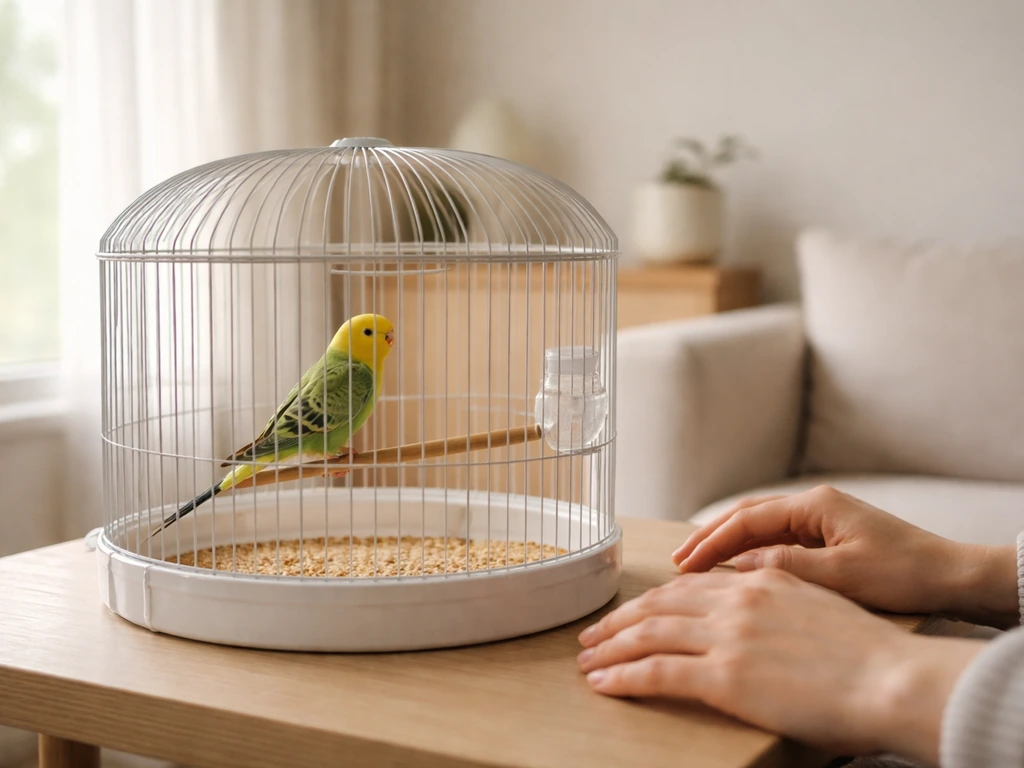
Run through this quick home assessment before deciding whether to call an avian vet. You do not need any special equipment, just good observation.
- Watch the breathing: Is your bird breathing with its mouth open while at rest? Is its tail bobbing rhythmically up and down with each breath? Either of these is a serious sign that needs immediate veterinary attention.
- Check the body posture: A healthy bird sits upright and alert. Fluffed feathers, a hunched posture, or sitting on the cage floor are signs the bird may be unwell.
- Assess activity level: Is your bird moving around normally, responding to you, and showing interest in its surroundings? Lethargy or unusual stillness alongside squeaking is a warning sign.
- Look at the droppings: Normal droppings have three parts (solid, white urate, and clear liquid). Diarrhea, discolored droppings, very watery droppings, or no droppings at all can point to illness.
- Check food and water intake: Has your bird been eating and drinking as usual? Reduced appetite or a full food dish at a time when it is usually emptied is worth noting.
- Inspect the face and nostrils: Look for any discharge around the nostrils, eyes, or beak. Crusty buildup, wet feathers around the face, or swelling are all abnormal.
- Review recent changes: Think back over the last 48 to 72 hours. Did anything change? New food, a different cage location, a new household member, a change in your schedule, exposure to fumes or sprays?
- Listen to the squeak itself: Is the noise coming from your bird's beak as a deliberate vocalization, or does it seem to be coming from the airway? A wheeze, click, or squeaky breath sound (rather than a squeak your bird is intentionally making) is a respiratory concern.
When to call an avian vet and what to tell them
Some squeaking situations are not emergencies, and some absolutely are. Here is how to tell the difference.
Get to a vet the same day (or an emergency clinic) if you see
- Open-mouth breathing at rest
- Rhythmic tail bobbing with each breath
- Blue or gray discoloration of the skin
- Collapse, extreme weakness, or the bird sitting on the cage floor and unable to perch
- Bleeding that cannot be stopped
- Suspected egg binding (straining, swollen abdomen, weakness)
- Any wheeze, click, or squeaky sound that seems to come from the airway rather than a deliberate vocalization
Schedule a vet appointment soon (within a day or two) if you notice
- Squeaking that is new, persistent, and not explained by any obvious behavioral trigger
- Fluffed feathers or lethargy alongside the squeaking
- Appetite changes, weight loss, or changes in droppings
- Discharge from the nostrils, eyes, or beak
- Any sign of pain or physical injury
What to report to the vet
Before you call, jot down the following so you can give the vet a clear picture: when the squeaking started, how frequently it happens, what the squeak sounds like (is it a deliberate vocalization or does it sound respiratory?), any changes in behavior or appearance, what your bird has been eating, and anything that changed in the environment in the past week. If you can, take a short video of the squeaking on your phone. A brief clip can help an avian vet assess whether the sound is behavioral or potentially respiratory.
How to help your bird and prevent it from happening again
Once you have ruled out anything urgent, there are practical things you can do today to address the squeaking and reduce the chance of it becoming a persistent issue.
Immediate adjustments
- Improve the sleep setup: Make sure your bird is getting a full 10 to 12 hours of dark, quiet rest each night. Cover the cage in a quiet room, or move it to a separate sleep space if the main living area stays active late.
- Check the cage location: Move the cage away from drafts, heating vents, and direct sunlight. Aim for a stable room temperature between 65 and 80°F.
- Increase interaction: If your bird is squeaking for attention, build in more regular one-on-one time. Even short, consistent interactions throughout the day reduce the need to squeak for contact.
- Avoid rewarding excessive demanding squeaks: If your bird has learned that loud squeaking makes you come running, try waiting for a pause in the noise before you respond. This takes patience but gradually reduces the behavior.
- Remove potential stressors: If something changed recently, assess whether it can be reversed or adjusted. Reintroduce new items gradually rather than all at once.
Ongoing monitoring
Get into the habit of doing a quick visual health check every day. Glance at your bird's posture, droppings, food intake, and activity level each morning. Birds can decline quickly once symptoms become visible, so catching changes early makes a real difference. If your bird's squeaking patterns shift again, you will already have a baseline to compare against.
It is also worth keeping a simple log for a week or two if you are concerned. Note the time of day the squeaking happens, how long it lasts, and what was going on around the bird at the time. Patterns often reveal themselves quickly and make it much easier to identify whether the trigger is behavioral, environmental, or something that needs a vet's input. A simple way to approach the question “why is my bird acting weird” is to look for patterns and whether the sound is new or tied to something in its environment. If you are hearing squeaks that feel strange in addition to other cues, this guide explains why is my bird making weird noises and what to look for. If you have also noticed your bird making clicking or crunching noises alongside the squeaking, those warrant their own assessment, as different sounds can point to different causes. Clicking or crunching noises can also be a clue, so it helps to understand why your bird makes crunching noises. If the clicking noise seems to go with your bird's squeaking, this guide on why is my bird making a clicking noise can help you narrow down the likely cause clicking or crunching noises. If the crunching sounds are what you are hearing most, see this guide on why does my bird make crunching noises clicking or crunching noises.
Quick-reference: normal squeak vs. warning sign
| Sign | Likely Normal | Possible Health Concern |
|---|---|---|
| Squeak type | Deliberate, coming from beak/throat | Sounds like it comes from the airway; wheezy or rattly |
| Timing | At feeding time, when you leave, during play | Constant, unpredictable, or new and unexplained |
| Body posture | Upright, alert, active | Fluffed, hunched, sitting on cage floor |
| Breathing | Normal, mouth closed at rest | Open-mouth breathing, tail bobbing with each breath |
| Droppings | Normal consistency and color | Loose, discolored, absent, or very watery |
| Appetite | Eating and drinking as usual | Reduced intake, ignoring food or water |
| Response to you | Reacts, makes eye contact, engages | Unresponsive, lethargic, eyes half-closed |
FAQ
How can I tell if the squeaking is normal talking or something respiratory?
Squeaking can be normal contact calling or a distress signal, the quickest way to tell is how it sounds and where it seems to come from. If the bird keeps squeaking while breathing looks effortful (tail bobbing, open-mouth breathing at rest, neck stretched, rapid chest movement), treat it as respiratory irritation and contact an avian vet promptly.
My bird squeaks a lot in the morning, is that always behavioral?
If your bird starts squeaking right after waking, then settles as the morning routine begins, it often points to daytime contact calls or excitement. If it squeaks in a repeated “wake then wheeze” pattern, especially with louder breathing noises, that suggests irritation and should be checked rather than assumed to be behavior.
What should I do if my bird squeaks as soon as I leave the room?
Play “answer” short, calm contact call responses, then step away rather than repeatedly stopping to engage. If the squeaking reliably spikes when you leave and stops after you acknowledge, it is likely a flock-call habit, but if it escalates into frantic pacing, open-mouth breathing, or constant wheeze-like sound, switch to an urgent health assessment.
Does the loudness of the squeak tell me how serious it is?
Avoid trying to interpret squeaking by volume alone, species vocal style matters. Use a baseline, if your bird’s squeaks are newly louder, sharper, or more frequent than their usual pattern, and especially if body posture or breathing changes, that is a stronger clue for illness than whether the squeak is “loud.”
Could my bird be squeaking because of something in the environment, like a smell or noise?
If the squeaking happens only around a specific cue, like a certain toy, the vacuum, a new scent, or someone entering, treat it as an environmental trigger first. Remove the suspected item or stimulus for a few days and see if the sound pattern changes, then reintroduce only if the bird stays calm.
How do I know if my bird is just mimicking a sound versus feeling unwell?
Yes, many birds learn new sounds by mimicry. Mimic squeaks often sound like “perfect copies” of the original (same rhythm as a microwave beep, toy squeak, or door alarm) and the bird otherwise acts normal. If the new sound appears with breathing changes or droppings changes, do not rely on mimicry as reassurance.
My bird squeaked once and then looked fine, should I still call a vet?
A normal response is to offer water and food as usual, keep the cage quiet for a few minutes, and check posture, droppings, and breathing. A better next step is to record a short video the moment the squeak occurs, then call an avian vet if breathing looks effortful or if the squeaking persists outside the bird’s usual routine.
What droppings or behavior signs mean the squeaking could be GI trouble or egg binding?
If a squeak is accompanied by droppings that are loose, discolored, or absent, plus any change in appetite or straining, do not wait for it to “pass.” Egg-binding is specifically urgent, if you see straining with a visibly swollen abdomen or the bird sitting on the cage floor, contact a same-day avian vet.
My bird squeaks when I touch a certain spot, what should I do?
If your bird flinches when you touch one area, holds a wing or leg differently, or keeps one side tucked, pain is likely. Offer minimal handling, check for obvious swelling or an injury, and seek an avian vet if the pain signs persist or the bird continues to vocalize when moving.
How can I use a simple log to figure out why the squeaking is happening?
Do not change multiple things at once. Keep the lighting and routine stable (consistent feeding time, quiet nights), then remove suspected triggers one at a time and monitor for at least 24 to 48 hours. If squeaking is new and recurring despite stable conditions, use your log and contact an avian vet.
Next Article
Why Does My Bird Freak Out at Night? Fixes and Causes
Causes and fixes for nighttime bird panic, with a quick trigger checklist, environment tweaks, and vet red-flag guidance