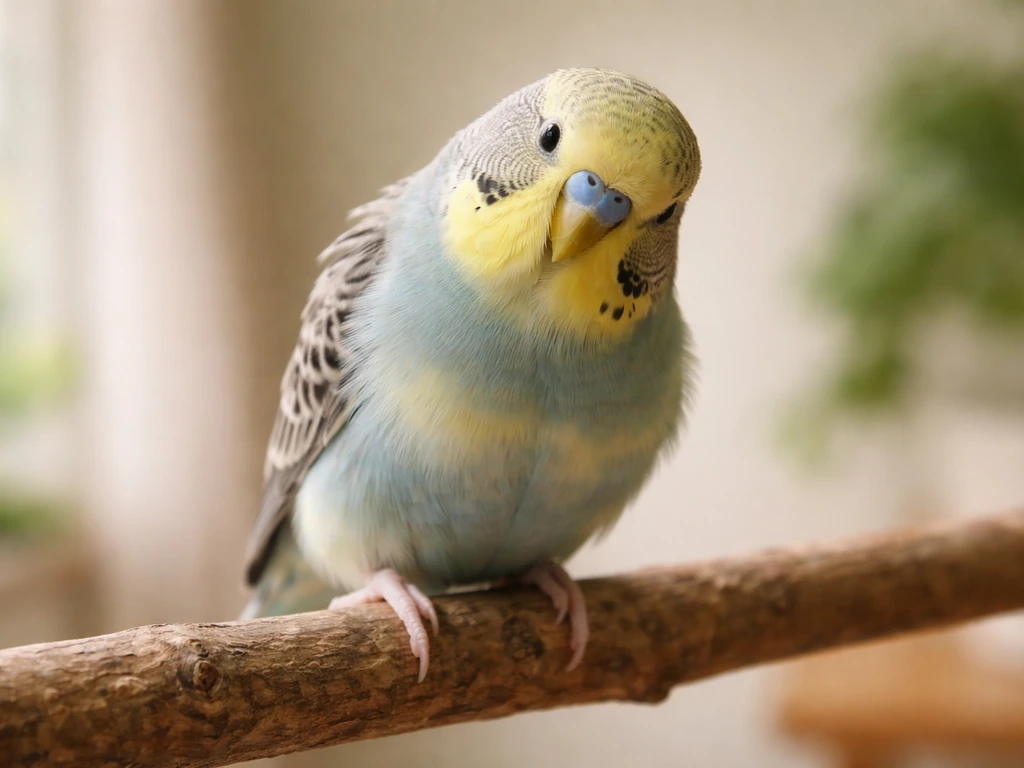
Guinea pigs chirp like birds when they are communicating something, but exactly what depends entirely on the context. Sometimes it's a totally normal vocalization tied to excitement, contentment, or social bonding. Other times, it's a sign of low-level stress, pain, or even a respiratory issue that needs attention. The chirp itself sounds almost identical to a small bird, which can throw you off because it seems almost too cute to worry about. Don't let that fool you. The sound's meaning lives in what your guinea pig is doing while making it.
Why Do Guinea Pigs Chirp Like a Bird? Causes and Fixes

Marcus Chen
15 May 2026
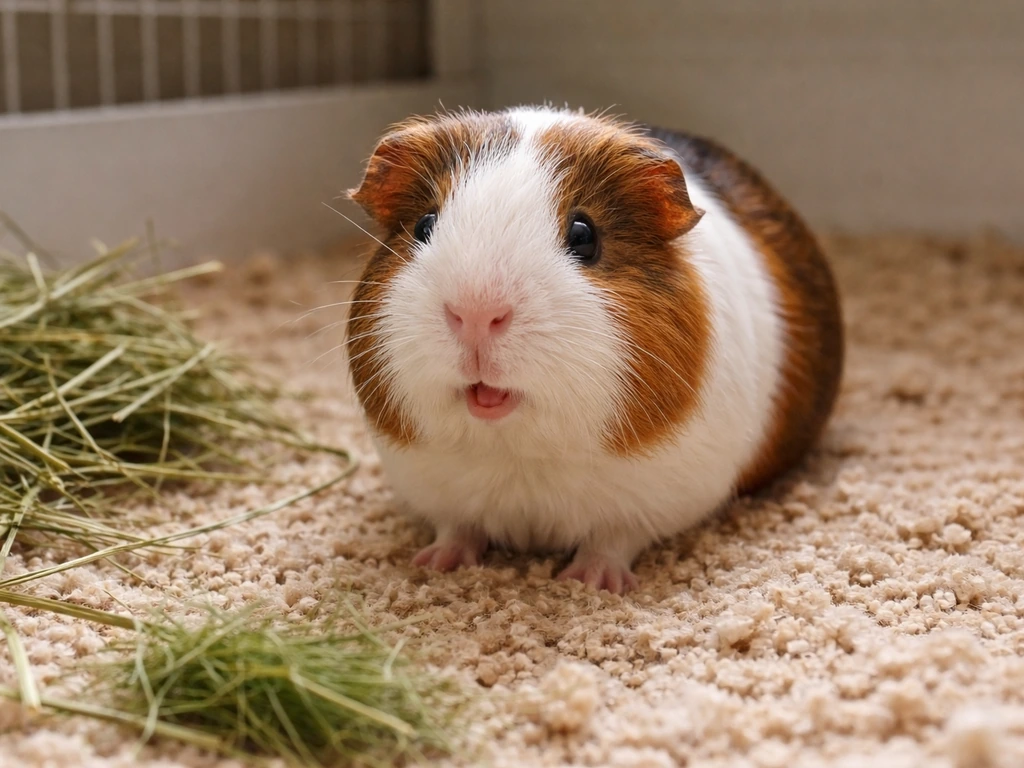
What guinea pig chirps usually mean (and when it's normal)
Chirping is actually one of the rarer sounds guinea pigs make. Plenty of owners go years without ever hearing it. When it does happen, it often gets linked to excitement or a kind of contentment-based communication, similar to how a guinea pig might wheek or purr but in a more unusual register. Some researchers and vets also associate it with mild stress or discomfort depending on the situation, so it sits in a genuinely ambiguous middle ground.
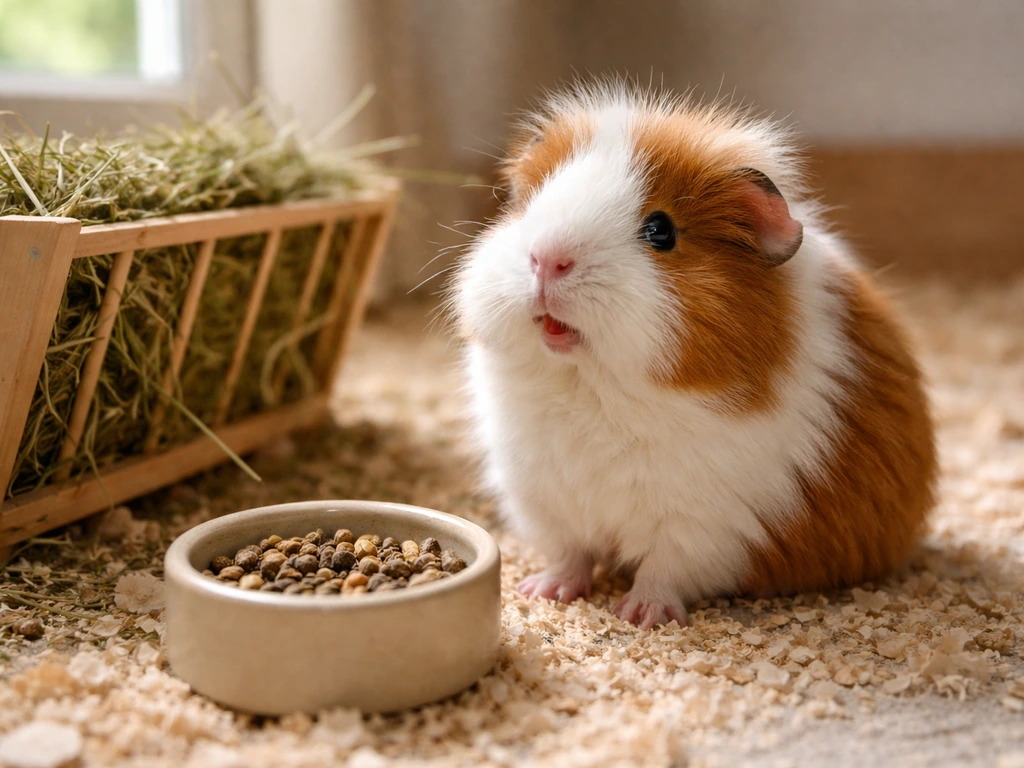
A chirp that happens during feeding time, when you come into the room, or when your guinea pig is exploring a new space and seems calm and curious is most likely a positive or neutral sound. If the chirping is brief, your guinea pig resumes normal activity afterward, and everything else looks fine, you probably don't need to worry about it.
The chirp becomes more concerning when it's repetitive, happens alongside other unusual behaviors, or your guinea pig seems frozen, tense, or withdrawn while making the sound. That combination shifts the interpretation from 'happy chatter' toward 'something is off.'
Sound context + body language: how to read the message
The chirp on its own tells you very little. What tells you everything is what's happening around it. Watch your guinea pig closely for at least a minute or two after you first hear the sound. You're looking at posture, movement, and whether they respond to you or seem shut down.
| Body language | Likely meaning |
|---|---|
| Relaxed posture, moving around normally, ears up | Excitement, contentment, or social calling |
| Frozen in place, stiff posture, eyes wide | Fear or stress response |
| Hunched, reluctant to move, pressing belly to floor | Pain or GI discomfort |
| Labored or rapid breathing, nostrils flaring | Possible respiratory problem |
| Teeth grinding, drooling, not eating | Dental pain or oral issue |
| Hiding, anti-social, dull coat | Illness or sustained distress |
Sound context matters just as much as body language. A chirp that comes right when you open the fridge or pick up the hay bag is almost certainly anticipation. A chirp that happens at 2am with no obvious trigger, or that starts after a loud noise or a change in the room, is more likely a stress or fear response. Timing and triggers are your first diagnostic tool.
Common non-medical reasons: excitement, attention, bonding, stress
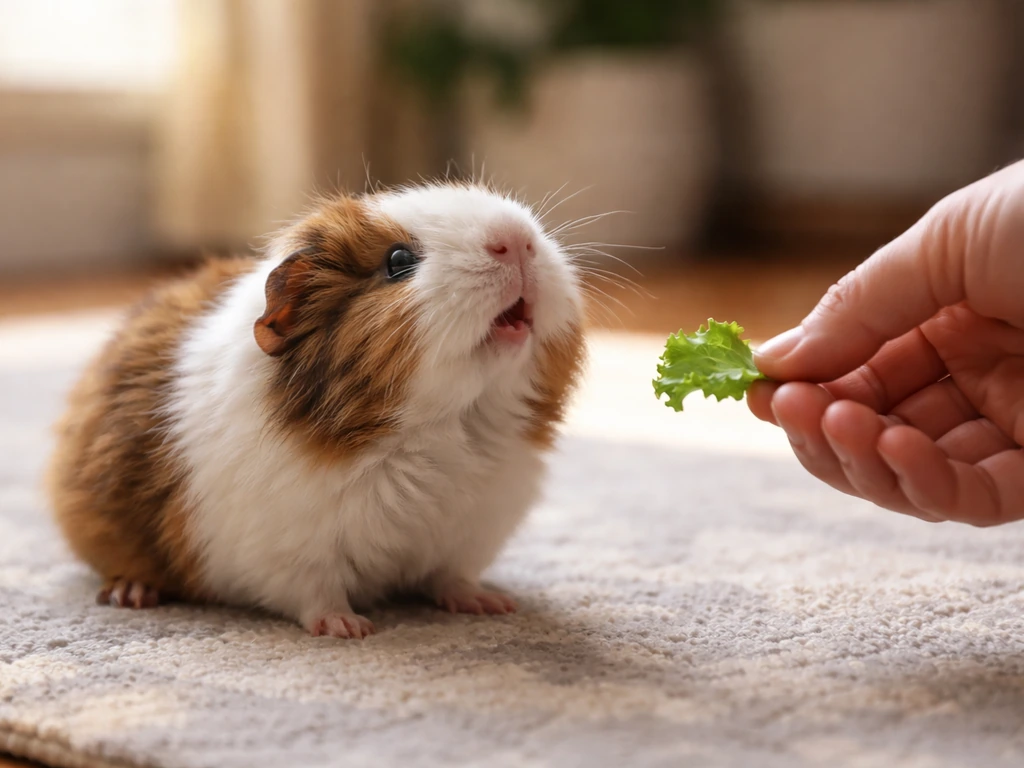
Most of the time, a chirping guinea pig is reacting to its environment rather than experiencing a health problem. Here are the everyday triggers worth ruling out first.
- Excitement around feeding: guinea pigs often vocalize enthusiastically when they hear food preparation or the crinkle of a bag. Chirping during this window is usually harmless.
- Attention-seeking: a bored or under-stimulated guinea pig may chirp to get your focus, especially if it's used to regular handling and play.
- Bonding calls: guinea pigs are social animals. If one is separated from a companion, it may chirp to locate or call to them.
- Mild stress from the environment: loud music, a television on at high volume, sudden noises, other pets moving near the cage, or temperature extremes (too cold or too warm) can all trigger chirping.
- Improper bedding or dust: dusty bedding can irritate airways and trigger sneezing and unusual sounds. Switch to a low-dust paper-based bedding if you suspect this.
- Boredom or lack of companionship: guinea pigs kept alone without enrichment may vocalize more frequently out of loneliness or frustration.
If any of these apply, try adjusting the environment first. Reduce noise, check the cage temperature (guinea pigs do best between roughly 65 and 75 degrees Fahrenheit), offer fresh hay, and spend some time with your guinea pig. If the chirping settles down after those changes, you've likely found your answer.
Health-related causes: pain, breathing issues, and other red flags
When chirping doesn't have an obvious environmental cause, or when it's paired with any of the symptoms below, health issues move to the top of the list.
Respiratory problems
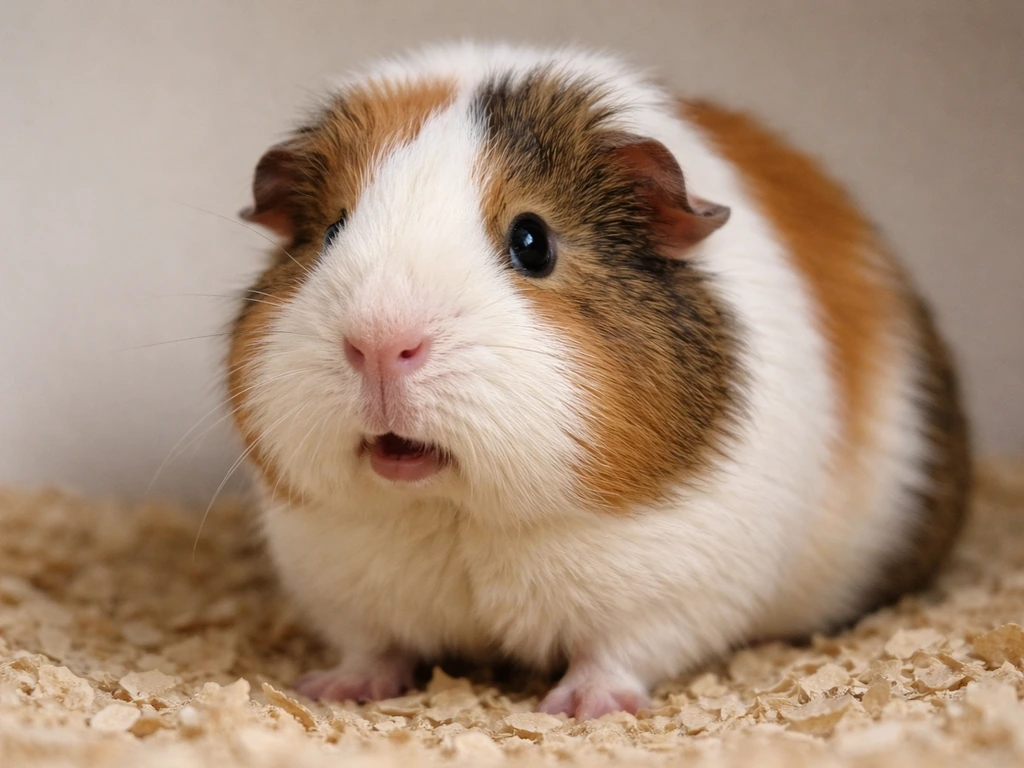
Guinea pigs with respiratory infections or pneumonia can show wheezing, clicking, or unusual vocalizations alongside more obvious signs like rapid or labored breathing, nasal discharge, sneezing, and reduced appetite. If you hear the chirp and notice your guinea pig's sides heaving, nostrils flaring, or breathing that sounds raspy or wet, treat this as urgent. Respiratory disease in guinea pigs can escalate quickly.
Dental pain
Dental misalignment (malocclusion) is common in guinea pigs and causes real pain when chewing. Dental misalignment (malocclusion) can cause pain while chewing and difficulty eating, and dental disease may lead to drooling, weight loss, mouth bleeding, tooth root infections or abscesses, and nasal or eye discharge (Merck Veterinary Manual) Dental misalignment (malocclusion) can cause real pain when chewing. A guinea pig with dental problems may chirp or vocalize during or after eating, drool, lose weight, or bleed from the mouth. You might also notice nasal or eye discharge if a tooth root infection is involved. If your guinea pig approaches its food but backs away or drops pieces, check the mouth carefully and get a vet involved.
GI stasis and abdominal pain
GI stasis, where the gut slows down or stops moving, is a serious emergency. Tree of Life Exotic Pet Medical Center notes that GI stasis signs in guinea pigs include decreased or loss of appetite, reduced or absent fecal production, lethargy, and hypothermia GI stasis is a serious emergency. It can be caused by almost any underlying illness that causes pain or stress, so chirping paired with a hunched posture, a tight or swollen belly, reduced fecal output, or refusal to eat hay is a major warning sign. If your guinea pig hasn't eaten or produced droppings in 24 hours, don't wait. That's an emergency vet visit.
General pain or illness
Guinea pigs are prey animals and tend to hide signs of illness until they're quite sick. If chirping comes with hiding, reduced activity, a dull or puffed coat, pale or blue-tinged gums, or any sudden change in behavior, take it seriously. Daily health checks help you catch these changes early, because a guinea pig may be suffering before the outward signs become obvious.
Quick checklist you can do today to narrow it down
Run through these checks right now, before you decide whether this is a 'wait and see' situation or a vet call.
- Check hay and food intake: is the hay rack being used? Has the pellet bowl been touched? Appetite changes are your most reliable early warning sign.
- Count the droppings: fewer than normal, very small, or no droppings at all points toward GI issues.
- Watch the breathing for two full minutes: are breaths fast, shallow, or labored? Can you hear any crackling or wheezing? Any nasal discharge?
- Assess posture and movement: is your guinea pig moving freely, or is it hunched, reluctant to walk, or pressing its belly down?
- Check the cage environment: is it too warm (above 75°F) or too cold (below 60°F)? Has the bedding changed recently? Is there a new smell, a new pet in the house, or a change in the room?
- Check for hydration: is the water bottle or bowl being used? Are the eyes bright and alert, or sunken and dull?
- Recall recent changes: new food, new companion, a vet visit, moved furniture, a loud event in the past 24 to 48 hours? Stress chirping often follows a disruption.
- Listen to the chirp again in context: does it happen at a predictable time (feeding, handling) or randomly? Does it stop when you approach or get louder?
If everything checks out, the chirping is brief and situational, and your guinea pig looks healthy and active, keep monitoring for 24 hours. If anything on that list gives you pause, move on to the next step.
When to contact an exotics vet (and what to tell them)
Not all vets are experienced with guinea pigs, so look specifically for an exotics vet or a small animal vet who lists guinea pigs as a specialty. Contact them today if you notice any of the following:
- Labored, rapid, raspy, or noisy breathing alongside the chirping
- No food or water intake in 12 or more hours
- No fecal output for 24 hours or droppings that are very small or misshapen
- Hunched posture, swollen belly, or signs of abdominal pain
- Drooling, mouth bleeding, weight loss, or difficulty chewing
- Pale, blue, or white gums (go immediately, don't wait)
- Collapse, unresponsiveness, or extreme weakness
- Chirping that is persistent, gets louder, or has continued for more than a day without a clear trigger
When you call the vet, be specific. Tell them when the chirping started, how often it happens, what your guinea pig was doing at the time, and which items on the checklist above you noticed. Mention any recent changes to diet, bedding, household routine, or companions. The more detail you give, the faster they can assess whether this is urgent.
It's also worth knowing that unusual guinea pig vocalizations can sometimes overlap with sounds bird owners describe in their own pets. If your bird is making whimpering noises, the cause can range from stress to breathing trouble, so pay close attention to timing and other symptoms unusual guinea pig vocalizations. If you are wondering why guinea pigs make bird noises, focus on what your pet is doing and whether there are any stress or health warning signs unusual guinea pig vocalizations. If your bird is making a clicking noise too, the cause can range from normal behavior to stress or respiratory irritation, so it helps to observe when it happens and what other symptoms are present. If you are wondering, “why is my bird acting weird,” compare timing, triggers, and body language to decide whether you need veterinary help unusual guinea pig vocalizations. If you are hearing squeaking instead of a chirp, it may point to distress or illness in your bird, so it helps to know the common causes bird squeaking noises. If you spend time around birds, you might genuinely mistake a guinea pig chirp for a bird sound, and vice versa. If you are wondering why your bird is making weird noises, the context and your pet’s breathing and behavior are just as important as the sound itself bird owners describe. The key takeaway is the same in both cases: the sound itself is just the starting point. What matters is the full picture of behavior, appetite, posture, and timing. A noise that sounds 'cute' or 'normal' can still be your pet's way of telling you something needs to change. Bird owners often describe crunching noises too, and those sounds can point to stress, respiratory issues, or discomfort depending on the situation.
FAQ
If my guinea pig chirps only once or twice, do I still need to worry?
Not always. A single chirp during a calm moment (feeding, exploring, gentle handling) is often normal, but pay attention to whether the chirp is paired with breathing changes such as open-mouth breathing, wheezing, or wet-sounding respiration. If you hear chirping plus any breathing or appetite change, treat it as health-related rather than “just communication.”
How can I tell chirping apart from other guinea pig vocalizations that sound similar to birds?
Chirping can sound like a bird, but it is different from other sounds in timing. If you also hear repeated grinding, teeth chattering, or high-pitched squeaking, chirping may be part of broader pain, stress, or respiratory irritation. A useful rule is that “chirp during normal activity” is safer, “chirp while tense, withdrawn, or breathing hard” needs a vet call.
What’s the safest way to figure out what triggers the chirp without stressing my guinea pig?
Don’t try to “test” the cause with intentional stress. Instead, use low-impact observation: watch for 1 to 2 minutes, note posture (hunched versus relaxed), and record what triggered it (opening a fridge, hay bag, vacuuming, new cage placement). If the chirping consistently increases with handling, reduce handling time and confirm that the environment is stable.
Can cold, drafts, or cage placement cause chirping that sounds like a happy sound?
Temperature and drafts matter more than many owners realize. If the room is cold or airflow hits the cage, guinea pigs may show stress vocalizations alongside huddling, reduced movement, or a puffed coat. Keep bedding deep, avoid direct drafts, and recheck the temperature range mentioned in the article before deciding it is “just communication.”
Is chirping ever related to social behavior, like dominance or bonding, rather than health?
Yes, especially in guinea pigs that are bonding or competing for resources. Chirping near the water bottle, hay, or a favorite hide can occur during anticipation or social negotiation. However, if chirping happens while one pig is repeatedly chased, cornered, or ceases eating, it may be fear-based, so you should reassess group dynamics and hiding space.
How do I handle it when chirping starts after I changed something at home?
If chirping starts right after a routine change, assume environment first. Common culprits include new bedding, a cleaned cage with a strong fragrance, a new food brand, louder household activity, or a rearranged habitat. If the chirping does not settle within a day or two, or it keeps recurring at odd times, move toward a health evaluation.
When is it appropriate to monitor for a day versus calling the vet immediately?
If your guinea pig is still eating hay, producing normal droppings, and breathing calmly, a short monitoring window is reasonable. The article suggests 24 hours when everything looks normal, but use a tighter threshold if you see any GI red flags like reduced droppings or refusal of hay, or any respiratory red flags like raspy breathing or nasal discharge.
What details should I track so the vet can assess urgency quickly?
Prepare a simple log for the vet call. Write down start date, frequency, what your guinea pig was doing (eating, hiding, breathing sounds), whether there were droppings changes, and any recent diet, bedding, or companion changes. Also note if chirping occurs at night consistently, since nocturnal, untethered vocalizations can fit stress or discomfort patterns.
What if my guinea pig looks mostly normal, but the chirping keeps coming back?
Because guinea pigs hide illness, “acting normal” can be misleading if appetite or activity is subtly reduced. Do a quick baseline check: compare current eating (especially hay), water intake, and droppings size and quantity to the prior day, then reassess posture and breathing. If there is any downward trend, contact an exotics or small animal vet even if chirping seems intermittent.
Next Article
Why Is My Bird Acting Weird? Quick Health Checks
Fast checklist to spot stress vs illness in birds, with today steps and urgent vet signs to watch for.