
Most of the time, a crunching noise from your bird is completely normal, coming from beak activity during eating, preening, or settling in for sleep. But some crunching-like sounds can come from the respiratory tract, not the beak, and those warrant a much closer look. The key is figuring out when the sound happens, what your bird is doing at the time, and whether anything else looks off.
Why Does My Bird Make Crunching Noises? Causes and What to Do

Marcus Chen
1 Jul 2026
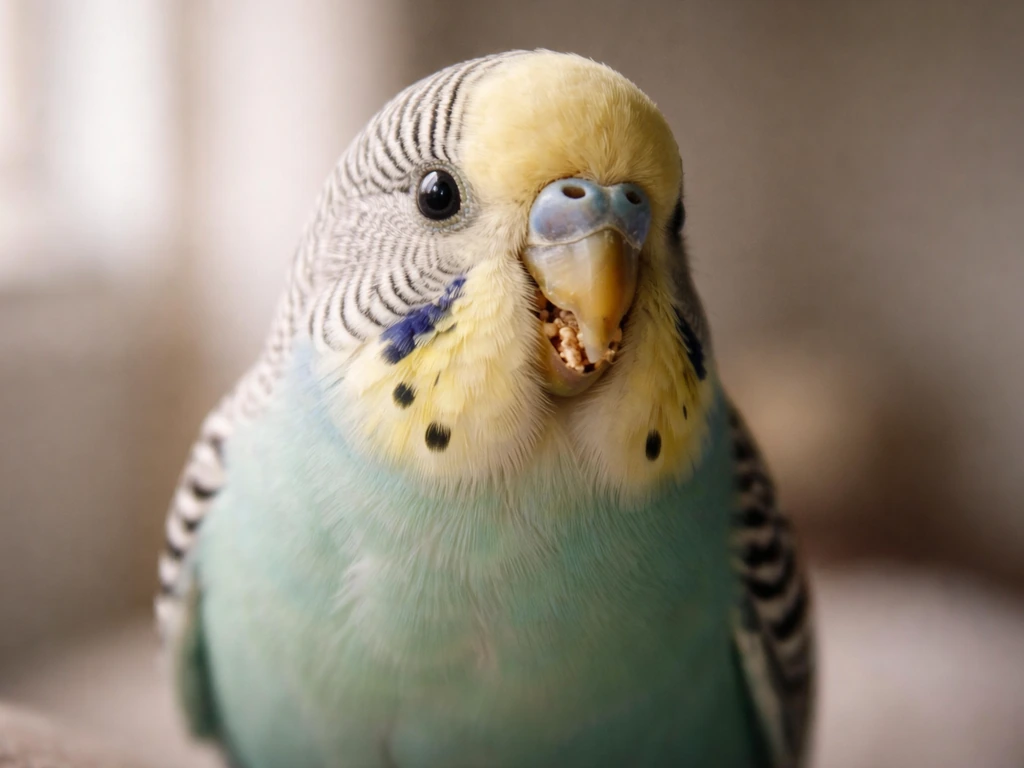
What "crunching" sounds can actually mean in pet birds
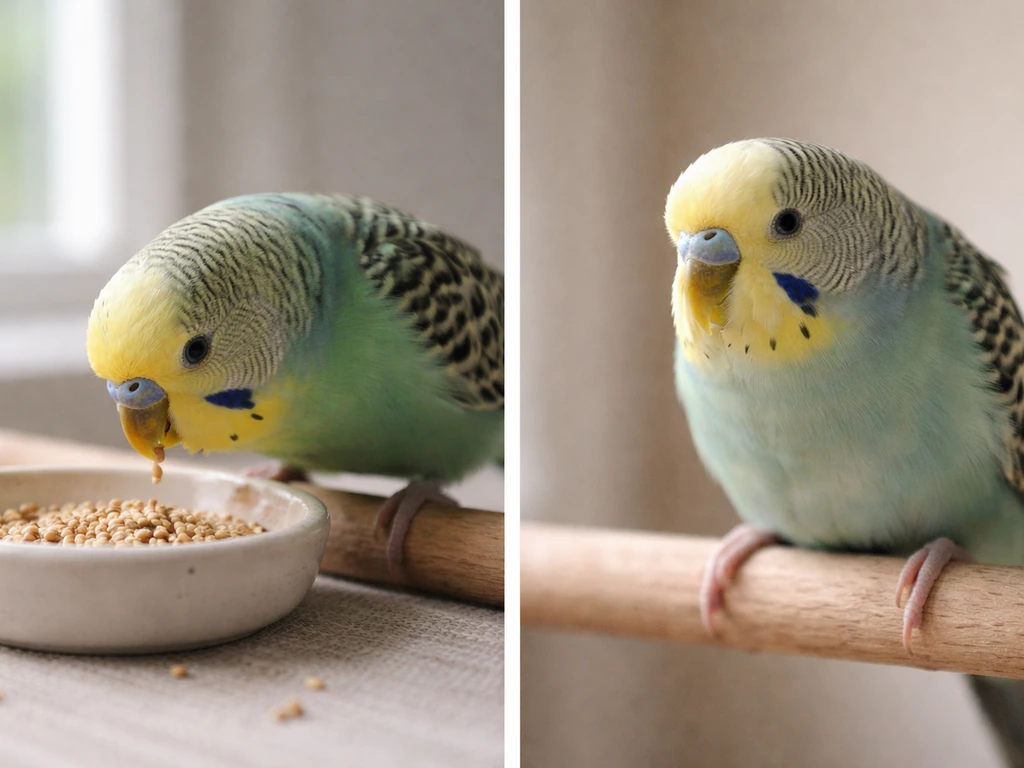
Pet bird owners describe crunching in several different ways, and the word covers a surprising range of sounds. It could be the mechanical crunch of a beak breaking open a seed or shredding a piece of food. It could be beak grinding, the soft rhythmic sound birds make when they rub the upper and lower beak together. It could be clicking from rapid beak chattering, which parrots often do when they are happy or excited. It could even be a crackling or rustling sound during preening as the beak works through feathers. And in some cases, owners describe respiratory sounds like wheezing or stridor as crunching because the noise feels similar to what they hear.
The distinction that really matters is whether the sound is coming from the beak or from the airway. A sound tied to beak movement, eating, or feather grooming is almost always benign. A sound that happens with each breath, especially one that does not match any visible beak movement, needs attention right away. If your bird is making a clicking noise with each breath, it may be a respiratory issue rather than beak chattering.
Everyday causes that are usually nothing to worry about
Beak grinding and chattering
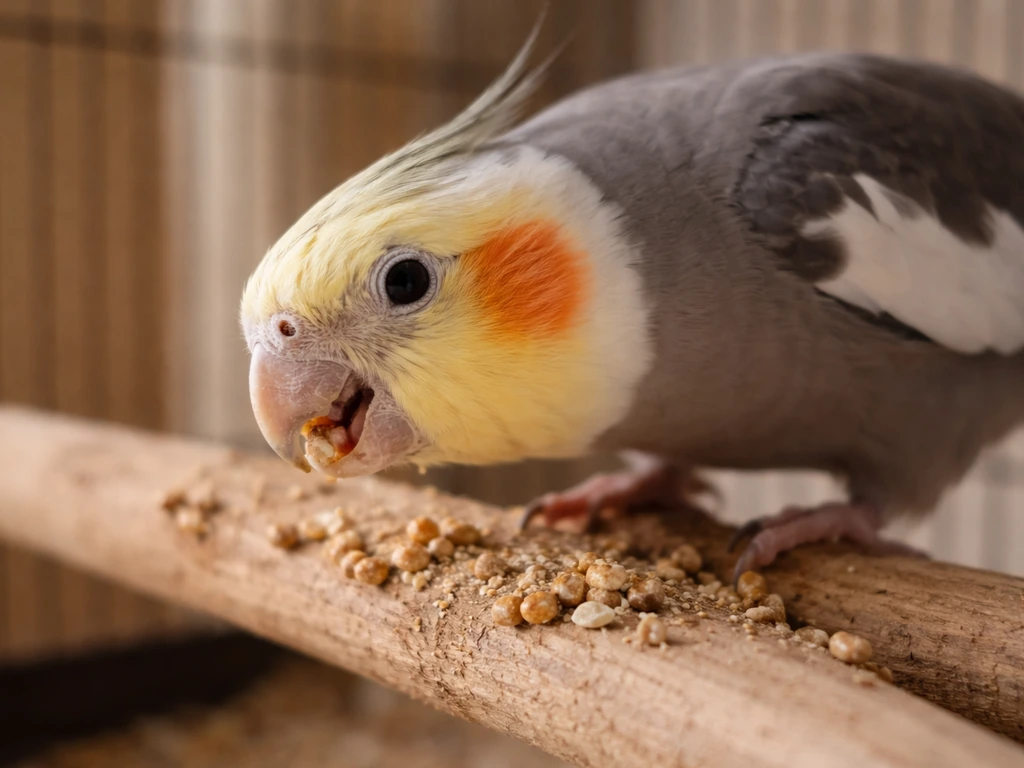
Beak grinding is one of the most common crunching sounds you will hear from a content bird. It tends to happen in the evening after feeding, after social time with you, or right as your bird is winding down for sleep. The sound is soft and rhythmic, and the bird will typically look relaxed with eyes half-closed. Beak chattering or clicking is different, faster, and more staccato, often accompanied by tongue movements. Both are generally signs of a happy, comfortable bird.
Eating and food manipulation
Birds crack, crush, and shred food constantly, and hard seeds, pellets, and crunchy vegetables all produce audible sounds as the beak works through them. If the noise happens during or right after eating and your bird is eating with its normal enthusiasm, this is just beak mechanics doing their job.
Preening sounds
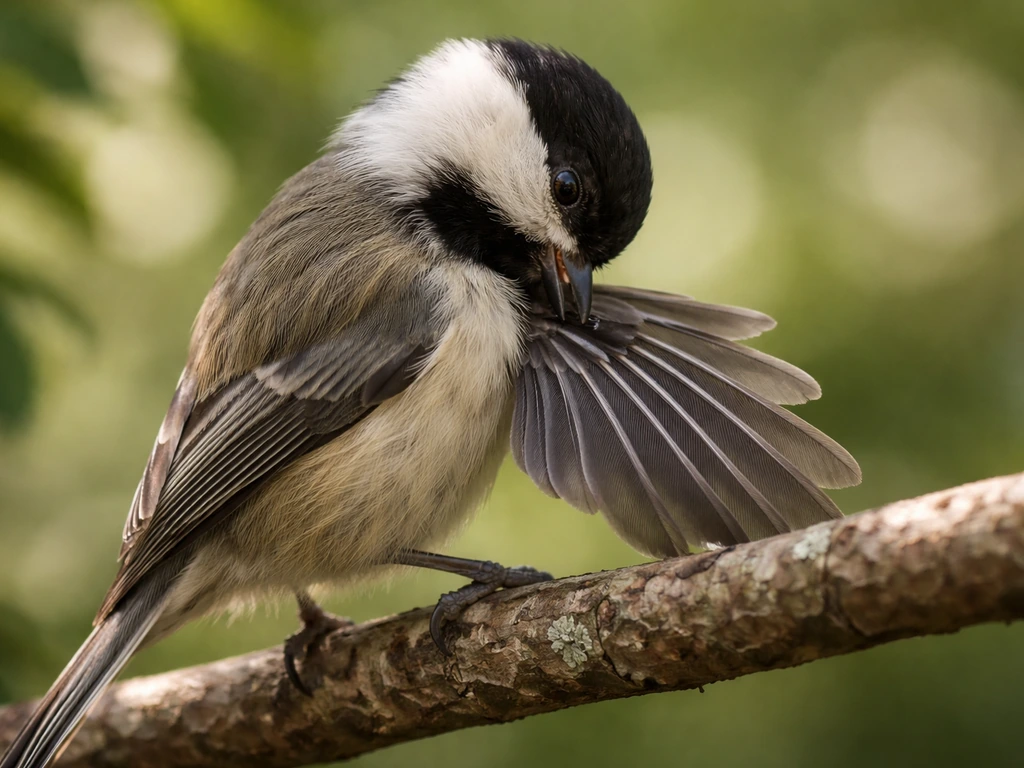
During preening, birds use their beak to zip feather barbs back together, remove debris, and distribute oils through the plumage. This can produce clicking, snapping, or crunching sounds, especially when working through a stubborn pin feather or a section of ruffled feathers. A bird preening actively and then stopping to preen elsewhere is behaving normally.
Vocal mimicry and play
Some birds, particularly parrots and cockatiels, pick up crunching or clicking sounds and repeat them as part of their vocal repertoire. If your bird started making the noise after you introduced a new sound into the environment (crunching chips, keyboard typing, a new toy), it may simply be mimicking what it hears. Guinea pigs can also make bird-like noises, though the reasons are different than beak mechanics new sound into the environment.
Health red flags that can sound like crunching
Respiratory problems
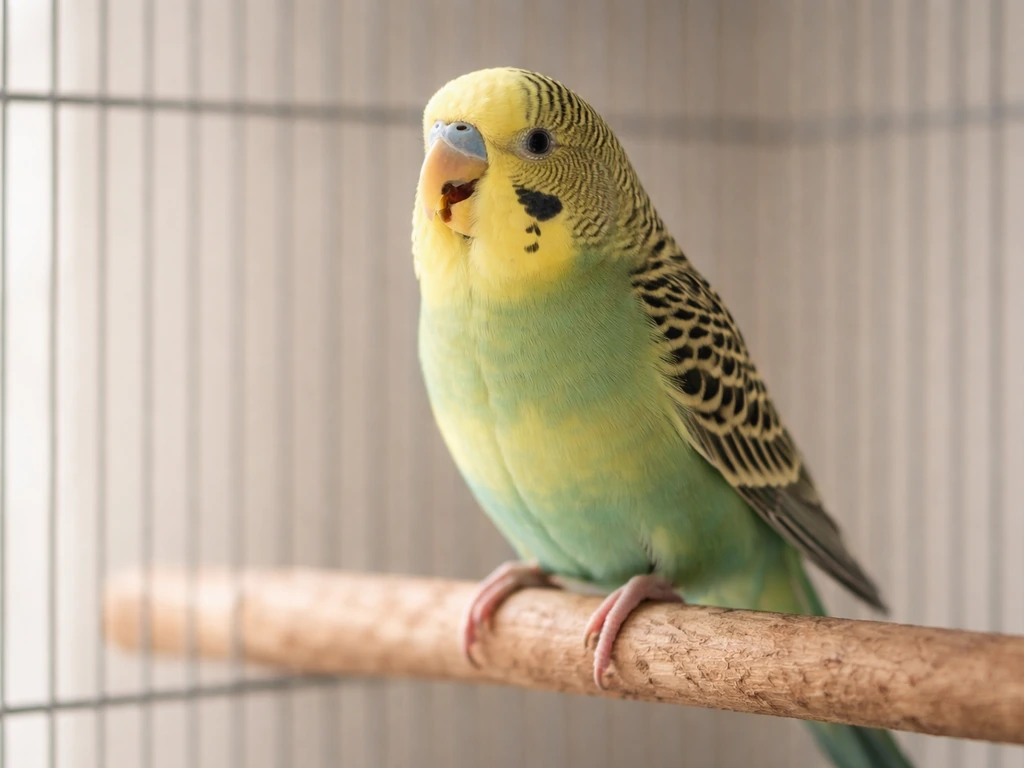
This is the category that needs the most attention. Respiratory distress in birds can produce wheezing, clicking, or rattling sounds that some owners describe as crunching. If your bird is acting weird along with these respiratory sounds, it is important to get checked promptly wheezing, clicking, or rattling sounds. Air sac mites, bacterial or fungal infections, aspiration of food, and toxic exposures can all cause noisy, labored breathing.
The MSD Veterinary Manual respiratory disorder sign table also lists “noise (such as grunting) associated with breathing” and labored or difficult breathing as indicators. The critical warning signs to watch alongside the sound include tail bobbing with each breath, open-mouth breathing at rest, any change in mucous membrane color (grayish or bluish tones around the beak), and nasal discharge.
A resting respiratory rate that looks rapid or effortful is another red flag. For context, small birds under 300g typically breathe 30 to 60 times per minute at rest, and larger birds (400 to 1,000g) breathe 15 to 30 times per minute. If your bird is clearly working harder than that just to breathe normally, that is urgent.
Crop and digestive issues
Unusual sounds during or after eating can sometimes point to crop problems. PetPlace notes that with crop stasis, you should watch for changes in droppings and the development of vomiting or regurgitation, and report these to the veterinarian.
If you are wondering why is my bird making weird noises, pay special attention to whether it happens with each breath rather than during eating or preening crunching noise. blank" rel="noopener noreferrer">Crop stasis, where the crop stops emptying normally, or regurgitation that turns into aspiration (inhaling food into the airway) can both generate abnormal wet or gurgling sounds.
If you notice the crop looks full well past when it should have emptied, or if your bird is repeatedly swallowing, gagging, or shaking its head after eating, those are signs of a digestive problem rather than normal beak noise. Regurgitation can be behavioral and harmless (a bird offering food to a person or mirror it is bonded to), but vomiting is a medical concern.
The difference is usually visible: regurgitation is relatively calm and deliberate, vomiting involves more force and the bird often shakes its head, and the feathers around the face and crop may be wet or matted.
Excessive or stressed grinding
Normal beak grinding is gentle and tied to contentment. Grinding that is loud, constant, happens at unusual times (like mid-activity), or comes alongside a loss of appetite or changes in droppings is worth monitoring. On its own it may not be an emergency, but paired with other changes it can signal that something is off.
Normal vs. concerning: a quick observation checklist

Run through these questions the next time you hear the crunching sound. Your answers will tell you a lot.
| What to observe | Likely normal | Worth investigating |
|---|---|---|
| When does the sound happen? | During eating, preening, or wind-down before sleep | At rest, with no beak movement, or with every breath |
| Is there visible beak movement? | Yes, clearly tied to chewing or grooming | No, or the sound does not match beak activity |
| Breathing effort | Calm, regular, closed-beak breathing | Tail bobbing, open-mouth breathing, visible effort |
| Posture and energy | Alert, upright, active, interactive | Fluffed feathers, hunched, lethargic, eyes closing |
| Appetite and droppings | Eating normally, droppings look typical | Reduced appetite, abnormal droppings (color, volume, consistency) |
| Crop appearance | Empties at normal rate | Still full hours after feeding, distended, or soft/squishy |
| Sound started when? | Gradually, tied to a new food or toy | Suddenly, with no obvious cause |
If most of your answers land in the right column, the crunching is very likely normal beak behavior. If even one or two answers fall in the right column, especially anything related to breathing, energy, or posture, keep reading and consider contacting your vet today.
Things you can do at home today
These steps are safe to try regardless of cause, and they help you rule out environmental triggers while you observe your bird. None of them replace a vet visit if your bird shows any breathing distress or other concerning signs.
- Check what your bird has been eating recently. Hard seeds, pellets, and crunchy vegetables all produce audible sounds. If you recently introduced a new food with a harder texture, that alone may explain the noise.
- Give your bird more shredding opportunities. Foraging toys, palm fronds, and soft wood chews satisfy a bird's natural urge to work with its beak and can redirect excessive beak activity into something enriching.
- Remove airborne irritants from the room. Scented candles, air fresheners, non-stick cookware fumes, aerosol sprays, and even heavy dust from new toys or perches can irritate the airways and trigger respiratory sounds. Ventilate the room well.
- Check the humidity and temperature in the cage area. Dry air can irritate the respiratory tract. Aim for a comfortable ambient humidity (around 40 to 60 percent is a reasonable range for most pet birds) and make sure the cage is not in a drafty or excessively dry spot.
- Watch and record the sound. Use your phone to take a short video that captures both the sound and your bird's posture and beak movement. This is genuinely useful for your vet if you end up needing an appointment.
- Minimize stress. New pets, loud environments, changes in schedule, or rearranged cage items can all trigger unusual vocalizations and behaviors. If something changed recently, try returning to the previous setup and see if the sound changes.
- Monitor droppings for 24 to 48 hours. Normal droppings have a solid dark part, a white/creamy urate portion, and a small amount of clear liquid. Anything that looks consistently off (very green, very watery, or absent) is a signal to call the vet.
When to call an avian vet, and what to tell them
Some situations should not wait for a regular appointment. Contact an avian vet right away if your bird shows any of the following alongside the crunching noise:
- Open-mouth breathing at rest
- Tail bobbing with each breath
- Audible breathing sounds that happen with every inhale or exhale and are not linked to beak movement
- Fluffed feathers combined with lethargy or weakness
- A crop that is not emptying, looks swollen, or has a fluid-filled feeling
- Wet or matted feathers around the face or crop after eating
- Any blue, gray, or darker-than-normal coloring around the beak or mouth
- Complete loss of appetite for more than 24 hours
- Sudden behavior change alongside the noise, such as unusual stillness, inability to perch, or uncoordinated movement
When you call, the vet will ask you specific questions, and having the answers ready will speed everything up. Tell them when the sound started, how often it happens, and whether it is constant or intermittent. Describe what your bird was doing when you first noticed it. Share any recent changes in diet, environment, or behavior. Mention whether appetite, droppings, and activity level look normal. If you have a video of the sound, let the vet know, and be ready to share it or bring it to the appointment.
At the appointment, the vet may listen to the respiratory tract, evaluate the crop, check body weight (weight loss is often the first measurable sign of illness in birds), and possibly take x-rays to look for aspiration, blockages, or air sac changes. For respiratory concerns, they may also look for signs of mites, infections, or toxic exposure. Bringing a fresh dropping sample and the video of the sound can make the visit significantly more productive.
It is worth noting that birds are prey animals and naturally hide illness until they cannot. By the time a bird looks visibly sick, the problem has often been developing for a while. That is exactly why erring on the side of calling the vet sooner rather than later is always the right call when you are unsure. If the noise turns out to be normal beak grinding or happy chattering, that is the best possible outcome.
In a Reddit r/parrots discussion, commenters similarly note that beak grinding can be normal when the bird seems to be eating, preening, drinking, and acting normally, and they advise not to panic if the context looks typical happy chattering. But if something is actually wrong with the airways or crop, catching it early makes a real difference.
If you are also noticing other unusual sounds from your bird, such as squeaking, clicking with each breath, or whimpering, those can overlap with some of the respiratory and behavioral causes described here and are worth exploring alongside this guidance.
FAQ
How can I tell if the crunching is coming from the beak versus the airway?
If the crunching changes with your bird’s posture or only appears while it is actively breathing, it is more likely airway related than beak related. A quick check is to watch for visible beak movement during the sound, and compare it to whether the chest or tail looks like it is working harder to breathe.
What should I avoid doing at home if I suspect the crunching is from breathing?
Do not try to treat possible respiratory problems at home with human cough medicines, essential oils, or “breathing” inhalers. If the sound is happening with each breath, or you see tail bobbing, open-mouth breathing, or nasal discharge, contact an avian vet the same day.
Can crunching sounds be related to digestion or the crop, not the beak?
Yes. Birds sometimes make beak-like sounds that are actually mouth or crop issues, especially after eating. If the bird repeatedly swallows, gags, shakes its head, or the crop stays full longer than expected, treat it as a crop or aspiration concern rather than normal beak grinding.
My bird crunches after meals, but seems normal. When is it still a concern?
If your bird makes the noise right after eating but stays bright and continues eating normally, it is often just chewing and beak mechanics. However, if appetite drops, droppings change, the bird is lethargic, or you hear wet/gurgling sounds during or after meals, prompt veterinary evaluation is the safer choice.
If it might be nothing serious, how long should I wait before calling the vet?
Because birds hide illness, “waiting to see” can delay treatment when symptoms are respiratory or crop-related. If the crunching started suddenly, is getting more frequent, or any breathing effort signs appear, contact an avian vet sooner rather than waiting for the next routine appointment.
Could the environment or household products be causing the crunching noises?
If you notice the sound only when your bird is near a specific item, like bedding, fresh wood, new toys, scented cleaners, or dusty seed, remove or switch those items and observe for 24 to 48 hours. Keep the environment clean and avoid aerosol sprays around the bird, since irritants can worsen airway noise.
What’s the best way to document the sound for a vet visit?
If you can, record a short video (10 to 30 seconds) showing the bird’s full body, including head, beak, and tail, and note the time relative to eating or sleep. Sound without context is easy to misinterpret, and a video lets a vet judge whether the noise matches breathing.
How can I estimate whether my bird’s breathing rate is abnormal?
A useful “at rest” check is to count breaths for a full minute when your bird is calm. If you are consistently seeing rapid or labored breathing at rest, especially alongside crunching-like sounds, that is a red flag even if the bird otherwise looks okay.
Is loud or constant beak grinding ever a warning sign?
Beak grinding or happy clicking is usually quiet, rhythmic, and paired with relaxed behavior, often near bedtime or after social time. Loud, frequent, or constant grinding outside those contexts, especially with appetite or droppings changes, should be monitored and discussed with a vet.
What if the crunching happens right after feeding and my bird seems uncomfortable?
If your bird eats well but the crunching sounds come with repeated head shaking, wet sounds, or struggling right after meals, it can indicate regurgitation, aspiration risk, or crop problems. In that situation, avoid changing the diet abruptly and contact an avian vet promptly rather than focusing only on the beak.