
Guinea pigs can produce chirps, whistles, trills, and high-pitched squeaks that genuinely sound like bird calls, and that's completely normal for the species. These sounds come from a surprisingly wide vocal range and almost always mean one of a handful of things: excitement, attention-seeking, stress, mating behavior, or, less commonly, a sign that something physical is wrong. The key is to listen to the sound and look at the whole animal at the same time, because the same noise can mean very different things depending on posture, context, and what else is going on.
Why Do Guinea Pigs Make Bird Noises? Listen and Look

Marcus Chen
1 Jul 2026
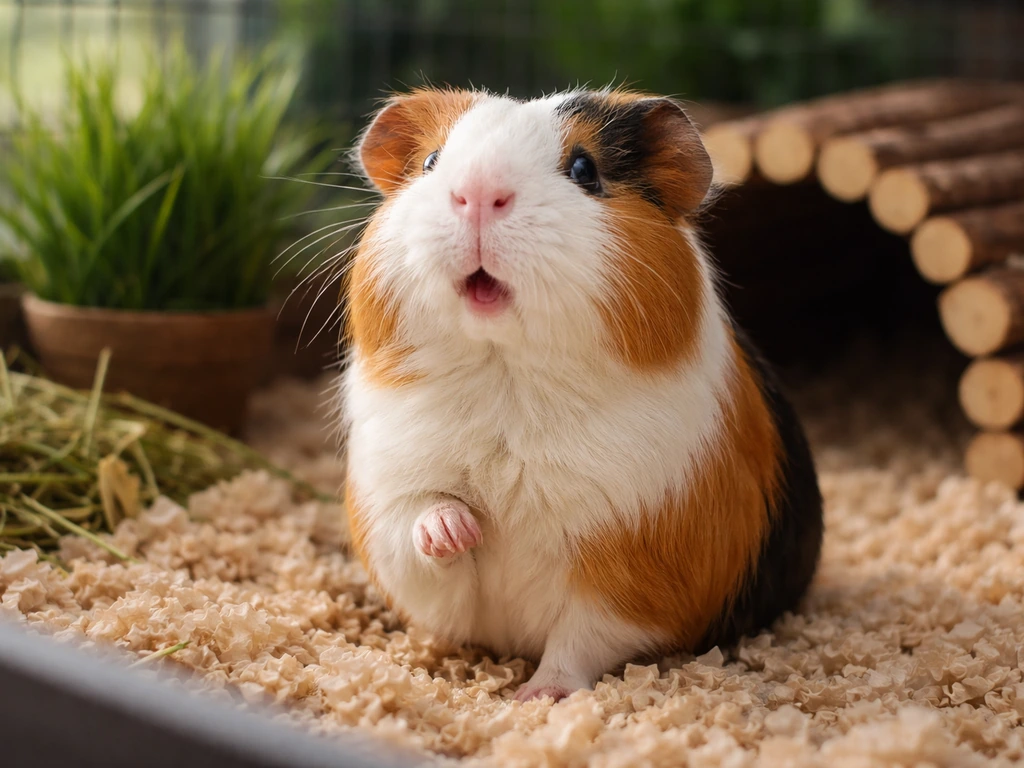
Why guinea pig sounds can seem like bird noises
Guinea pigs are actually one of the most vocal small mammals you can keep as pets. Researchers have documented a recognized repertoire that includes purrs, chirps, chutters, and whistles as standard call types. The problem is that most people expect small mammals to squeak or grunt, so when a guinea pig produces a bright, high-pitched chirp or a musical trill, the brain immediately files it under "bird." It's a misinterpretation, not a mystery. The sounds are entirely natural for guinea pigs and have been studied in controlled settings. So before you worry, know that your guinea pig is almost certainly doing exactly what guinea pigs do.
Where it gets trickier is that some genuinely bird-like sounds, particularly high-frequency short whistles, can occasionally be linked to distress rather than happiness. That's why the sound alone is never enough information. You always need to pair what you hear with what you see.
Normal happy and attention noises
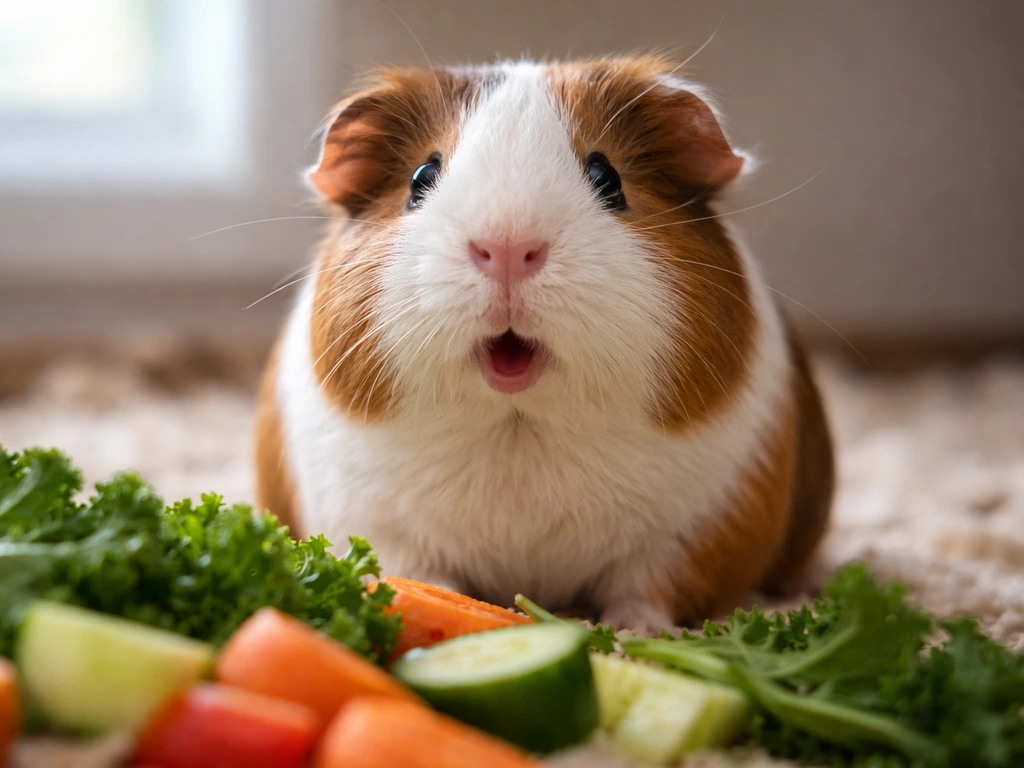
The most common bird-like sound guinea pigs make is called "wheeking" (also written as wheet or whistle). It's a long, loud, high-pitched squeal or whistle that most owners first hear around meal times or when they open the refrigerator. It's pure excitement. Guinea pigs are smart enough to associate certain sounds, smells, and routines with food, and they wheek to tell you they know what's coming. It can sound uncannily like a bird call, especially when it escalates into a string of quick repeated notes.
Shorter chirps and trills often come up during social bonding moments, when a guinea pig is greeting you, or when they're happily exploring a new environment with hay or treats. A guinea pig making these sounds while moving freely around their enclosure, with relaxed posture and bright eyes, is almost certainly communicating something positive. If you also see popcorning (those sudden little hops and twists), that's one of the clearest signs of genuine excitement and happiness you can observe.
Attention-seeking wheeking is also very common when guinea pigs hear their owner's voice or footsteps. They can become very routine-dependent, and once they link you to good things, a wheek is basically their version of "hey, I know you're there." This is normal communication and nothing to be concerned about.
Stress, fear, and environmental causes
If the bird-like sounds seem more frantic, sharper, or come in bursts with no clear positive trigger, stress or fear is the first thing to check. If the squeaking or chirping seems more like distress than a happy attention sound, it's worth comparing it to common bird-squeak triggers in the guide on why is my bird making squeaking noises. Guinea pigs are prey animals, and their threat response can be triggered by things that seem minor to us: a new pet in the house, a loud TV nearby, a change in cage location, inconsistent handling, or even a sudden change in the scent of their environment. Their first instinct when threatened is often to freeze completely, which can make the sudden vocalization that follows seem to come out of nowhere.
Hiding more than usual, refusing to come out of a nest box, or staying frozen in one spot are early stress indicators worth taking seriously. Environmental stress is also one of the primary drivers of immune compromise in guinea pigs, which is why reducing it matters for their health, not just their comfort.
Check these things first if you suspect stress or fear is behind the sound:
- Has anything changed in the room, including new pets, new furniture, or new smells?
- Is the cage in a high-traffic or high-noise area?
- Is the guinea pig being handled by someone new or in an unfamiliar way?
- Is a lone guinea pig isolated without any social contact? Guinea pigs are highly social and loneliness itself is a stressor.
- Is the cage temperature comfortable (65 to 75 degrees Fahrenheit is the typical ideal range)?
Pain, discomfort, and illness clues
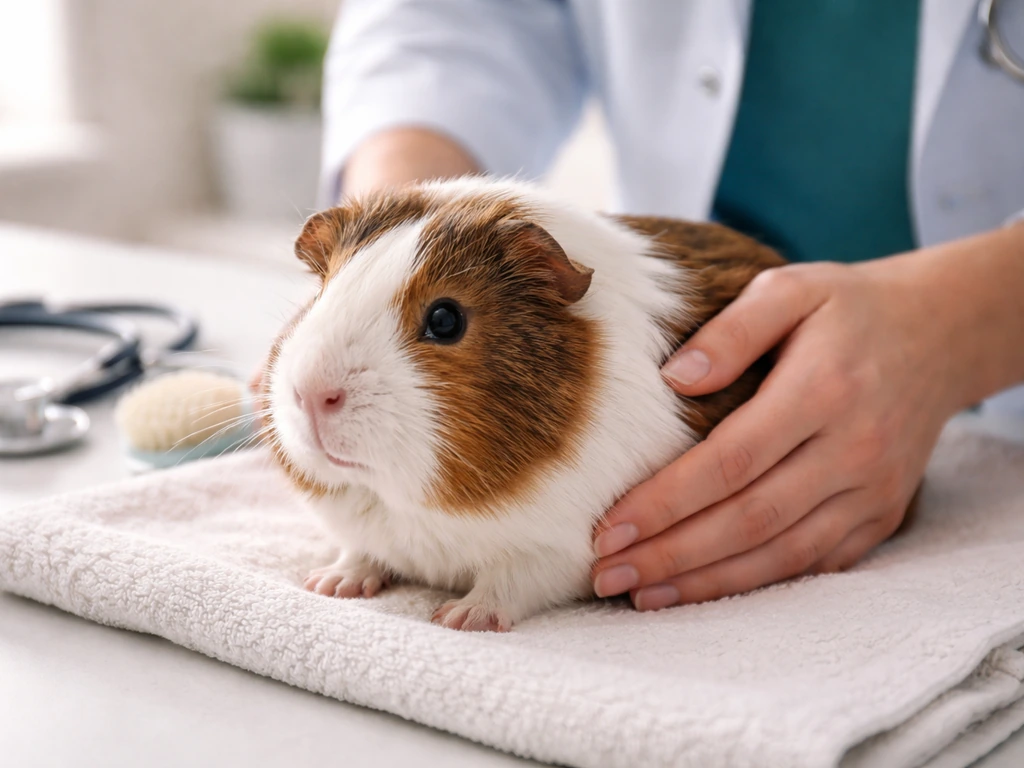
A screaming or shrieking squeal, especially one that seems to come suddenly or in response to being touched, is a red flag for pain. Guinea pigs use high-pitched vocalizations to signal that something is seriously wrong. But pain signals aren't always that dramatic. Subtler signs include teeth grinding, sitting in a hunched posture, reduced interest in food (especially reluctance to eat harder foods), and a general quietness or withdrawal that's out of character.
Dental disease is worth mentioning here because it's more common in guinea pigs than many owners realize. Malocclusion and dental overgrowth can cause pain while chewing, drooling, and a gradual shift toward softer foods. If you notice your guinea pig making unusual sounds alongside any of these eating-related changes, that combination warrants a vet visit rather than a wait-and-see approach.
GI stasis is another serious condition that can change a guinea pig's vocalization and behavior. If a guinea pig stops eating, produces fewer or no droppings, and seems lethargic or uncomfortable, that is a veterinary emergency. GI stasis can become life-threatening within 24 to 48 hours without treatment, so do not wait it out.
Respiratory sounds vs non-respiratory bird noises
This is the distinction that matters most when it comes to health. Some bird-like sounds in guinea pigs are genuinely respiratory, meaning the noise is produced or altered by the breathing process rather than by intentional vocalization. Respiratory infections are common in guinea pigs and can progress to pneumonia quickly, so getting this right early makes a real difference. PetMD notes that guinea pigs can carry or become infected without always developing pneumonia, but pneumonia is a key clinical concern in this species when noisy breathing suggests respiratory illness blank" rel="noopener noreferrer">Respiratory infections are common in guinea pigs and can progress to pneumonia quickly.
Normal happy vocalizations come in bursts, stop when the animal is calm, and are not linked to the breathing cycle. Respiratory sounds are different: they tend to be continuous or repetitive with every breath, may sound wet, clicking, or wheezy, and do not stop when the guinea pig settles down. If you meant a real bird and you are wondering why it is making a clicking noise, the most common causes are respiratory issues, stress, or beak or throat problems, and it is worth monitoring closely. A guinea pig breathing with effort, sitting hunched, or breathing with its sides visibly heaving is showing respiratory distress, not just being vocal.
These are the signs that tell you what you're hearing is a respiratory problem, not just a bird-like noise:
- Nasal discharge (any color: clear, white, yellow, or green)
- Eye discharge or crusty eyes
- Sneezing repeatedly
- Audible clicking or crackling with breaths
- Rapid breathing or labored breathing at rest
- Open-mouth breathing (this is a veterinary emergency, call immediately)
- Bluish tinge to gums or lips (cyanosis, another emergency sign)
- Lethargy, reduced activity, or loss of appetite alongside breathing changes
If any of those signs are present alongside unusual sounds, do not wait to see if it improves. Respiratory infections in guinea pigs can escalate to pneumonia fast, and early treatment gives a much better outcome than delayed care.
Sexual and mating-related vocalizations
If you have an intact male (boar) or intact female (sow), mating-related vocalizations are a very likely explanation for unusual sounds, especially ones that seem repetitive or ritualistic. Male guinea pigs in a courting mode will often produce a low, rumbling purr while swaying their hips and circling a female. This rumbling can sometimes modulate into higher sounds depending on the individual animal and can be mistaken for something more alarming.
Female guinea pigs in heat produce low, quiet bleats that serve as an attraction signal. This is subtle and easy to miss, but if you have a female and a male housed together or nearby, it's a likely explanation for soft, repetitive low-pitched bird-like sounds. Females cycle into heat roughly every 16 days, so this is a recurring occurrence rather than a one-off event.
Social dominance sounds can also come up during guinea pig introductions or when two animals are establishing hierarchy. Chattering, chasing, and squeaking during those interactions are normal to a point. If squeaking becomes prolonged or you see injuries, the pair may need to be separated and reintroduced more gradually.
Your listen-and-look guide: what the sound probably means right now
| Sound type | Body language / context | Most likely meaning | Action |
|---|---|---|---|
| Long whistle or wheek at meal time | Active, moving toward you, popcorning | Excitement / food anticipation | Nothing needed, this is normal |
| Short chirps or trills during handling | Relaxed body, not freezing, exploring | Contentment or greeting | Nothing needed |
| Sudden loud shriek or scream | Startled, freezing, wide eyes | Fear, pain, or perceived danger | Check for injury, remove stressor |
| Repetitive short high whistles | Huddled, not moving, not eating | Distress, pain, or possible illness | Full observation check, vet if persists |
| Low rumbling paired with hip swaying | Near another guinea pig, circling | Mating or dominance behavior | Normal for intact animals |
| Sounds with every breath, clicking or wheezy | Hunched, lethargic, nasal discharge | Possible respiratory infection | Vet appointment today or next day |
| Teeth grinding with hunched posture | Reluctant to eat, especially hard foods | Pain, possible dental disease or GI issue | Vet visit needed soon |
What to do today and when to call an exotic vet
Start with a quick environmental and behavioral check right now. You don't need any equipment, just a few minutes of observation. If your pet bird is making crunching noises, a quick check with an avian vet can help rule out common causes exotic vet.
- Watch your guinea pig for 5 minutes without disturbing them. Is the sound linked to activity (moving toward food, greeting you) or does it seem disconnected and repetitive?
- Check breathing. Count breaths for 15 seconds. If the sides are heaving or you can hear the breath without pressing your ear close, that's abnormal.
- Look at the face. Any nasal discharge, crusty eyes, or excessive saliva around the mouth?
- Check posture. Is the guinea pig sitting hunched with fur slightly puffed up? That's a classic unwell posture.
- Offer a favorite food. Refusal to eat from a normally food-motivated guinea pig is a meaningful signal.
- Check droppings. Fewer or misshapen droppings alongside unusual sounds suggest GI issues.
- Review the environment. Any new stressors, changes in routine, new animals nearby, or recent temperature fluctuations?
If your guinea pig is alert, eating normally, moving freely, and the sounds are tied to positive triggers like food or your presence, you're almost certainly looking at normal vocalization. If you’re wondering why your bird is making whimpering noises, look for distress signals and consider veterinary help when the sound persists why is my bird making whimpering noises. Keep observing over the next 24 hours and enjoy the bird impressions.
Call an exotic animal vet the same day or go to an emergency exotic clinic if you see any of the following: open-mouth breathing, blue or pale gums, complete refusal to eat for more than a few hours, no droppings for 12 or more hours, labored or audible breathing at rest, signs of pain like screaming when touched, or significant discharge from the nose or eyes. If a guinea pig [stops eating (anorexia) for over 24 hours](https://assets. ctfassets. net/8hq8guzcncfs/mo0JMc0CNzVg2flqNK3VV/4a1341ed227b016175a675ca2b42b442/CAEM-DoesmyExoticPetNeedEmergencyMedical_Care.
pdf), an emergency-care PDF recommends emergency evaluation. These are not wait-and-see situations with guinea pigs. Their condition can deteriorate faster than most people expect, particularly with respiratory illness or GI stasis. If your bird is making weird noises, it is also worth checking for breathing trouble and other red flags right away bird making weird noises.
It's also worth noting that if you're trying to compare what you're hearing to your actual pet birds, there's a lot of overlap in how owners describe unusual sounds. The same "is this normal or a problem" question applies equally to bird vocalizations, and the same principle of pairing the sound with posture, context, and other physical signs holds across species. Understanding what normal sounds like for your specific animal is always the most useful baseline you can build.
FAQ
How can I tell if the noise is coming from breathing rather than actual vocalizing?
Try watching during a quiet moment with your guinea pig standing still. If the sound lines up with each breath (especially repetitive wet, clicking, or wheezy sounds) or you see side heaving, that points to a respiratory issue rather than a “bird-like” call.
What should I do if my guinea pig wheeks at me, but also seems stressed at the same time?
Assume it could be a mixed message. Check posture (relaxed vs hunched), appetite, and whether there are stress signs like hiding or freezing. If the wheeking is paired with pain or breathing effort, skip reassurance and contact an exotic vet.
Is there a difference between a normal meal-time wheek and one that might mean pain?
Normal wheeking is usually loud, expectant, and comes with relaxed behavior. A pain concern is more likely with a sudden shrieking squeal, especially if it happens during touch or chewing, along with teeth grinding, drooling, or refusing to eat harder foods.
Can “chirping” ever mean something serious even if my guinea pig is still eating?
Yes. Early respiratory infections and early pain can start with vocal changes before appetite fully drops. If chirping becomes continuous, breath sounds change, or your guinea pig becomes quieter than usual, monitor closely and consider a vet call rather than waiting for eating to stop.
How long should I observe at home before getting veterinary advice?
If the sounds are clearly linked to positive triggers (food routine, calm exploration, relaxed posture), you can monitor for the next 24 hours. If it is frantic, persistent, paired with breathing signs, or there are fewer droppings, contact an exotic vet the same day.
What if the bird-noise sounds happen after I change something in the room?
Treat it as a potential stress trigger. Guinea pigs are sensitive to scent and layout changes, so even a new cleaning product, new bedding, moving the cage, or a new pet in the household can cause fear responses and vocal bursts. Restore familiar items and reduce noise while you observe.
Does wheeking always mean my guinea pig is happy or excited?
Not always. Excitement is most common, especially around food. But attention-seeking can become stress-related if the animal also shows freezing, hiding, or agitation when you approach. Use body language, not just the sound.
My guinea pig’s sounds are repetitive at certain times, could it be mating behavior?
It can be. Intact males may rumble or court with rhythmic movements, and females can produce low bleats when cycling (often about every 16 days). If you have any intact opposite-sex (or housed nearby) guinea pigs, mating is a top explanation before assuming illness.
If my guinea pig is housed with another guinea pig, how do I know if the bird-like noises are normal social sounds or a conflict?
Short chattering and brief squeaks during greetings can be normal, especially if both animals continue exploring. Prolonged squeaking, separation, chasing that escalates, or any bite injuries mean the pairing is likely too intense and may require separation and slower reintroduction.
Could dental problems change the type of bird-like noises I hear?
Yes. Dental overgrowth or misalignment can cause pain while chewing, sometimes leading to unusual high-pitched sounds plus symptoms like drooling, hunched posture, and shifting toward softer foods. If chewing changes and vocalizations match, seek an exotic vet evaluation.
What are the quickest red flags that mean I should go to an emergency clinic?
Go right away if you see open-mouth breathing, blue or pale gums, refusal to eat for more than a few hours, no droppings for 12 or more hours, labored breathing at rest, screaming when touched, or significant nose or eye discharge.
Next Articles
Why Is My Bird Making Weird Noises? Quick Triage Guide
Triage weird bird noises fast: spot normal calls vs breathing trouble, check stress and environment, know when to call a
Why Is My Bird Making a Clicking Noise? Causes and Next Steps
Learn why your bird clicks, how to spot normal vs respiratory red flags, and the immediate vet-ready next steps.
Why Do Guinea Pigs Chirp Like a Bird? Causes and Fixes
Learn why guinea pigs chirp like birds, how to read cues and body language, and when chirping signals pain or illness.