A thirsty bird will usually hover near its water dish, dip its beak repeatedly, or make small trips back and forth between its perch and the water. Those are the everyday signs of normal thirst. The concern kicks in when your bird seems restless near the water but isn't drinking, has stopped visiting the dish altogether, or is showing other changes like fluffed feathers, low energy, or unusual droppings. That combination can mean something more serious than just needing a top-up.
How to Know If a Bird Is Thirsty: Signs and Checks

Marcus Chen
20 Jun 2026
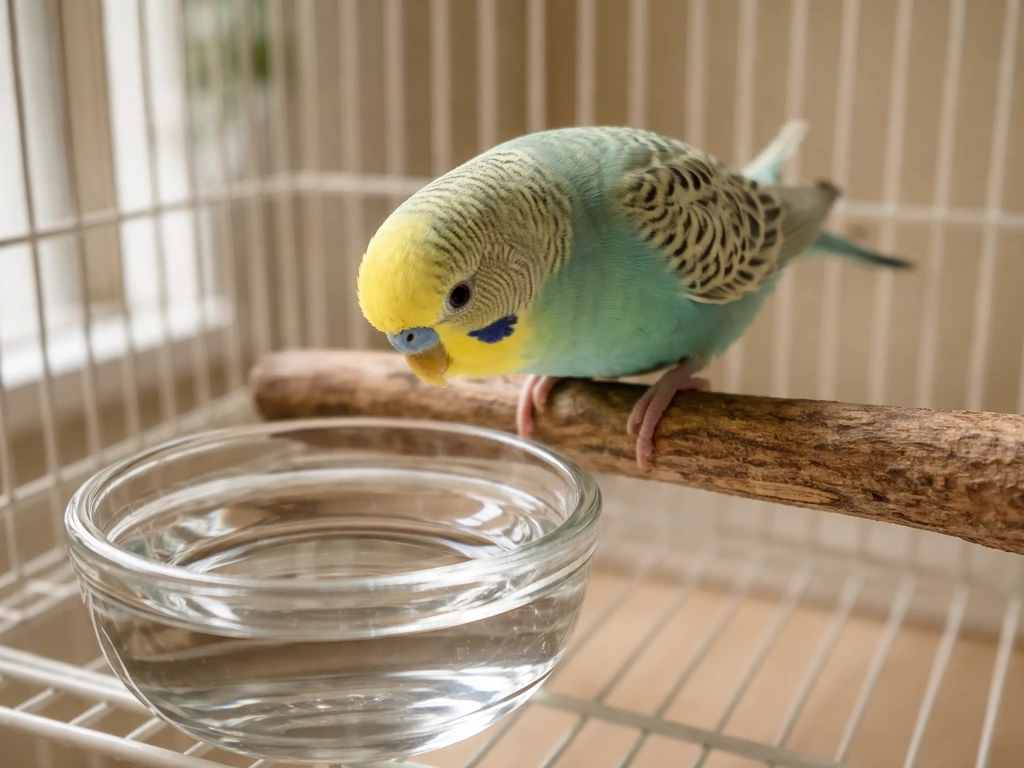
Everyday signs a bird may be thirsty
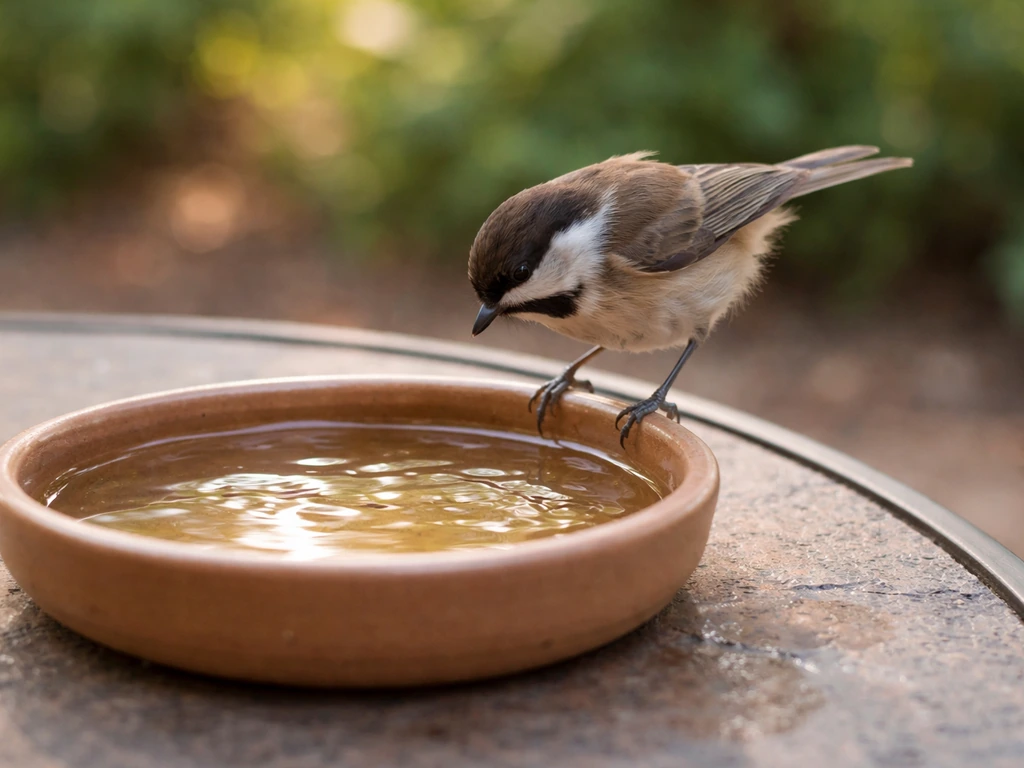
Normal thirst in a healthy bird is pretty easy to spot once you know what to look for. It tends to involve purposeful movement toward the water source, repeated short visits, and active drinking. Here are the most common things you'll notice:
- Hovering near or perching close to the water dish more than usual
- Repeatedly dipping the beak into the water and tilting the head back to swallow
- Returning to the water dish multiple times in a short window
- Looking around the cage as if searching for something (often water, especially if the dish is empty or out of reach)
- Vocalizing or showing mild agitation near the water area
- Trying to drink from unusual sources like a spray bottle, condensation on a window, or your glass
These behaviors on their own, without any other symptoms, almost always just mean your bird is thirsty and the fix is straightforward. The bird is communicating clearly. The worry is when those signals are absent entirely, or when they come packaged with signs of illness.
How to check hydration using behavior and posture
You don't need any equipment to get a read on whether your bird is adequately hydrated. Just watch for a few minutes and look at a few specific things.
Is your bird actually drinking?
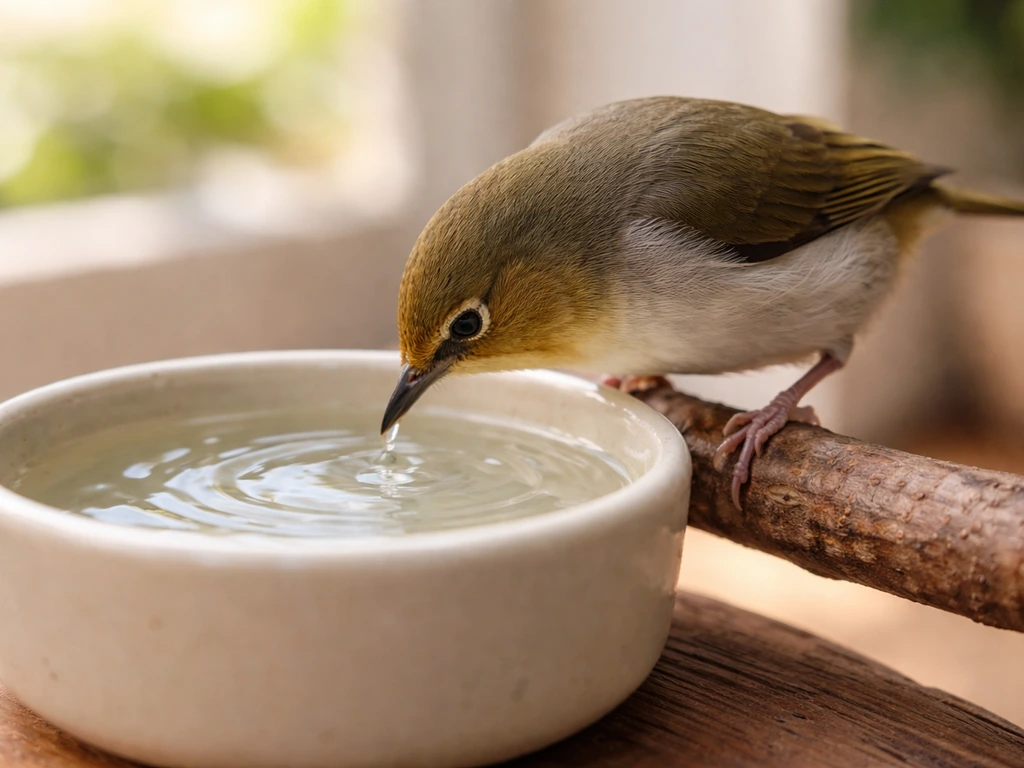
This sounds obvious, but it's worth confirming. A bird can sit right next to its water dish and still not be drinking. Watch for the beak dipping and the throat swallowing movement. If your bird is visiting the dish but not swallowing, that's a flag. If you're wondering whether your bird is happy, keep an eye on drinking habits too, since stress and discomfort can change how and when they drink is my bird happy. It might mean the water is unappealing (dirty, smelly, or the wrong temperature), or it could indicate mouth discomfort, nausea, or another health issue.
Posture and energy level
A well-hydrated, healthy bird holds itself upright, moves around, and responds to you. A bird that's [fluffed up](/bird-health-indicators/is-my-bird-depressed), sitting low on its perch, keeping its eyes half-closed during the day, or just generally looking puffy and withdrawn is showing posture that vets and avian triage guidelines flag as a potential illness signal. Fluffed feathers in a bird that isn't cold and isn't sleeping are a sign worth taking seriously. Combined with reduced drinking, it moves from 'probably thirsty' to 'possibly unwell.'
Check the droppings
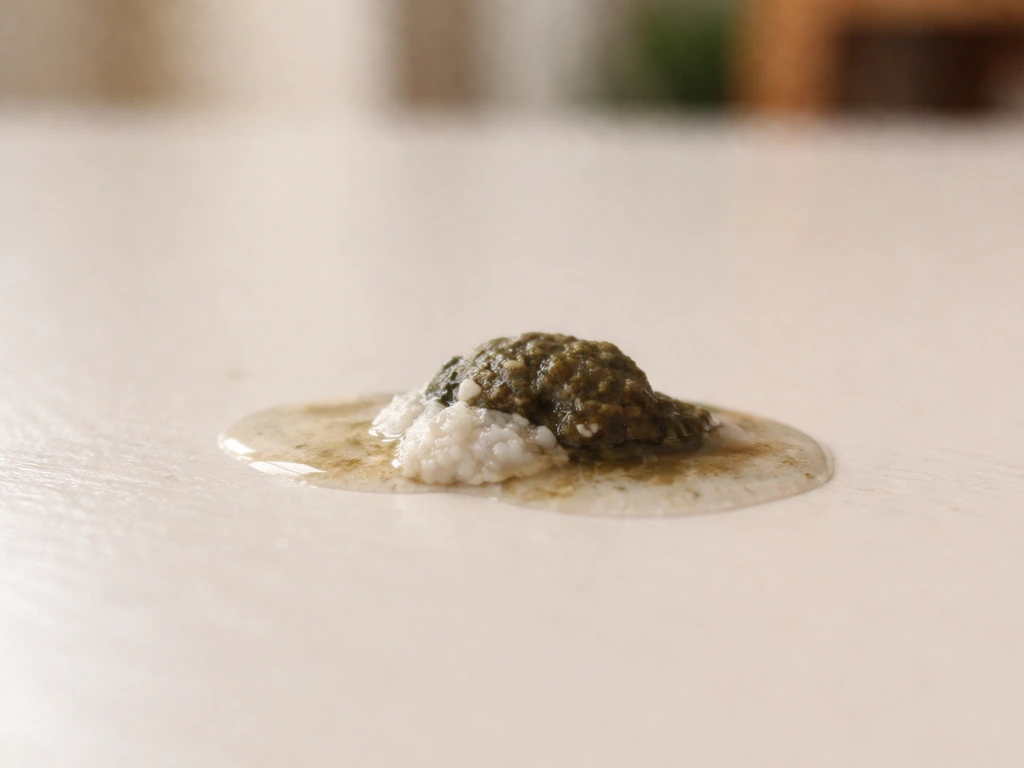
This is one of the most reliable at-home checks you can do. A healthy dropping has three parts: a solid green or brown section, a white urate portion, and a small amount of clear liquid urine. If the droppings look very dry or reduced in size and frequency, that can point to low fluid intake or dehydration. On the flip side, if there's a lot of watery liquid around each dropping (polyuria), that can actually mean the kidneys are struggling, not just that the bird drank too much. If abnormal droppings persist beyond 24 hours, that's a reason to call an avian vet.
Look at the eyes and mouth
Sunken-looking eyes and dry or sticky-looking tissues inside the beak are among the signs veterinary resources flag for dehydration in pet birds. You can gently look inside your bird's beak when it yawns or opens its mouth. Healthy mouth tissue looks moist and clean. Dry, tacky, or mucus-filled tissue is a red flag. Open-mouth breathing on its own (when the bird isn't overheated or stressed) is also a warning sign that goes beyond thirst. If your bird may be overheated, watch for panting and rapid breathing, and act quickly to cool it safely.
Environment checks: water access, freshness, and drinking preferences
Before assuming your bird is sick, rule out the practical stuff. A surprising number of cases where a bird seems to avoid water come down to a problem with the water setup itself.
Is the water actually accessible?
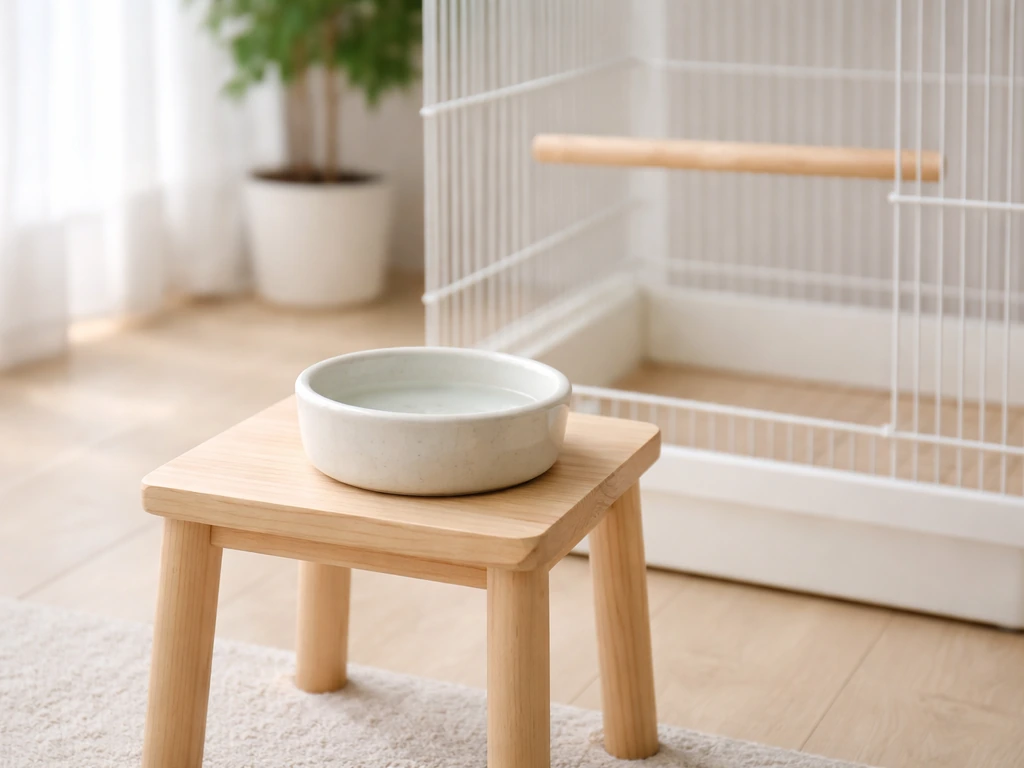
Check that the dish is positioned at a comfortable height and that nothing is blocking your bird's path to it. A dish placed too low, too close to a perch your bird doesn't use, or in a corner that's hard to reach can result in reduced drinking, especially in smaller or less mobile birds.
Is the water clean and fresh?
Birds are sensitive to the smell and taste of their water. Open water dishes should be washed daily with mild soap and water, rinsed thoroughly to remove all soap residue, and refilled with fresh water. Biofilm (the slippery film that forms on the inside of bowls) can develop quickly and will put many birds off drinking. At minimum, water should be changed daily. A twice-weekly proper scrub of the dish is a reasonable baseline, though daily washing is even better. If you use a closed water bottle, those don't need daily cleaning as often, but they still need regular attention.
Does your bird have a preference?
Some birds strongly prefer one type of water delivery over another. A bird used to a bowl may ignore a sipper bottle, and vice versa. Some birds prefer moving water and will drink more readily from a shallow dish you gently stir. Others respond to seeing food floating in the water, which can act as an incentive to approach and drink. If you've recently changed the water dish style or location, that alone could explain reduced drinking.
When thirst is actually a health problem
Sometimes what looks like thirst, or a refusal to drink, is your bird's body signaling something more serious. Here's how to recognize when you've moved past normal hydration territory.
Signs that point to dehydration rather than just thirst
Mild thirst passes quickly once the bird drinks. Dehydration is what happens when fluid loss outpaces intake over time. Warning signs that suggest your bird may be genuinely dehydrated include:
- Sunken or dull-looking eyes
- Dry or sticky tissues inside the mouth and beak
- Skin over the legs that looks loose or ridged (a clinical sign noted in avian emergency care literature)
- Weakness or inability to grip the perch properly
- Reduced or absent droppings
- Fluffed, puffed-up posture combined with lethargy
- Not eating or drinking for an extended period
If your bird is showing several of these at once, that is a veterinary situation. Dehydration at higher severity levels causes measurable physical changes and needs professional assessment, not just a fresh water dish.
When increased drinking is the problem
The opposite scenario also matters. If your bird seems to be drinking far more than usual and you're noticing excessive watery output in the droppings, that pattern (called polydipsia and polyuria) can be a symptom of kidney disease, diabetes-like conditions, or other underlying illnesses. Increased thirst and increased urination together, especially paired with lethargy or appetite changes, warrant a vet call. This isn't your bird being extra thirsty. It's your bird's body trying to compensate for something.
Other red flags that need urgent attention
Any of the following alongside reduced drinking should be treated as urgent. Birds are known to hide illness until they can't anymore, which means by the time these signs appear, the situation has usually been developing for a while:
- Open-mouth breathing or tail bobbing with each breath
- Labored or audible breathing
- Complete loss of appetite alongside not drinking
- Significant change in droppings (color, consistency, or volume) lasting more than 24 hours
- Sitting on the cage floor or unable to perch
- Unresponsive or unusually quiet when you'd normally get a reaction
These are emergency-level signs. Don't wait for a routine appointment. Contact an avian vet or an emergency exotic animal clinic the same day.
What to do right now to help your bird drink
If your bird seems thirsty but is not drinking, or if you're not sure they've had enough water today, here are the practical steps to take immediately. In some avian renal disease management guidance, caretakers are advised that direct offering of fluids into the beak should only be used as a last-resort when aspiration risk can be managed, rather than as a first option at home blank" rel="noopener noreferrer">offer fluids into the beak is a last-resort method reserved for risk-managed circumstances due to aspiration risk. If you are wondering how to know if your bird is cold, watch for cold-stress cues like shivering, puffed-up feathers, and warmth-seeking behavior alongside reduced drinking If your bird seems thirsty but is not drinking.
- Check and refresh the water first. Empty the dish, wash it with mild soap, rinse it thoroughly, and refill it with fresh room-temperature water. This takes two minutes and solves the problem more often than you'd think.
- Move the dish closer to where your bird spends most of its time. If the water is on the opposite side of the cage from the bird's favorite perch, make it easier to access.
- Try floating a few seeds or small pieces of fruit on the water surface. This is a well-established technique to encourage a hesitant bird to approach and drink.
- Offer water from a shallow spoon or small dish by hand if your bird is comfortable with you. Some birds respond to this when they've been avoiding their dish.
- Lightly mist your bird's food or fresh vegetables. Birds can absorb moisture from their food, and this can help bridge the gap while you sort out why they're not drinking from the dish.
- Do not try to force water directly into your bird's beak. Squirting liquid into the beak carries a real aspiration risk and should only ever be done under direct veterinary guidance. It's a last-resort clinical procedure, not a home remedy.
If you've done all of the above and your bird still isn't drinking after a few hours, or if any of the illness signs listed earlier are present, call your avian vet. If you’re wondering whether you should give your bird vitamins, it’s best to focus first on hydration, diet, and any underlying medical causes, then ask an avian vet what is appropriate should i give my bird vitamins. Don't wait overnight. Note: professional sources caution that tube or crop feeding carries practical risks,including increased aspiration risk with neurologic or orthopedic impairment,and recommend completing other procedures before feeding if regurgitation is possible (Elsevier’s Clinical Veterinary Advisor) Clinical Veterinary Advisor: Birds and Exotic Pets (Elsevier e-library snippet).
Prevention and monitoring: daily hydration habits
Getting into a consistent routine around water is the best way to catch hydration problems early. Here's what a solid daily habit looks like: If you want more my bird tips for keeping your bird properly hydrated day to day, build a simple routine and monitor small changes early.
- Wash and refill the water dish every morning. This removes biofilm, bacteria, and any debris that's fallen in overnight.
- Do a quick visual check of the droppings each morning. You're looking for consistency: normal color, normal volume, normal moisture. Sudden changes are easier to catch if you know your baseline.
- Weigh your bird weekly on a small digital kitchen scale. Consistent body weight is one of the most reliable indicators of adequate hydration and overall health. A drop of even a few grams in a small bird can be significant.
- Watch your bird's water dish during the day a couple of times to confirm they're actually visiting and drinking, not just sitting near it.
- In hot weather, check the water more frequently. Heat increases fluid needs and also speeds up bacterial growth in the dish. This connects directly to the risk of overheating, which affects how much a bird drinks.
- Note any changes in drinking pattern (drinking much more or much less than usual) and how long they last. A one-day variation is usually nothing. A pattern over two or more days is worth tracking and potentially discussing with a vet.
Hydration doesn't exist in isolation. A bird that's cold, stressed, bored, or feeling unwell will change its drinking habits along with a lot of other behaviors. Some bird owners also wonder about lighting, like whether they should leave the TV on, but it should not replace proper hydration monitoring drinking habits. If you're already paying attention to whether your bird seems happy, comfortable, and eating normally, you'll usually notice a hydration problem early, before it becomes serious. The birds that end up in trouble are usually the ones whose owners didn't have a baseline to compare against.
FAQ
How long should I wait before assuming a bird is not drinking enough?
For most pet birds, you should start acting within a few hours if you are not seeing beak-dipping plus swallow movements. If your bird is otherwise acting normal but has not drunk for most of the day, contact an avian vet for guidance. If any illness signs are present, do not wait.
What’s the best way to confirm the bird actually swallowed, not just dipped its beak?
Watch for a throat movement right after the beak dips, and confirm the bird pauses briefly before resuming normal behavior. If you see repeated dipping but no swallow motion, treat it as a hydration concern and check the water setup and mouth comfort.
Can a bird avoid water if the water is the wrong temperature?
Yes. Many birds drink less from water that is too cold or too warm. If your bird seems to hover but not drink, try room-temperature water and ensure the dish is not in direct sun or near a heat source.
If my bird is perched near the water, does that always mean it’s thirsty?
No. A bird may linger near the dish due to exploration, stress, or even to preen near it. Thirst is more convincing when there are repeated visits with beak dipping and clear swallow behavior.
What should I do if my bird is drinking but the dish is always empty?
Rapid consumption plus ongoing emptying can be normal if the bird eats wet foods and is active, but it can also signal illness if it comes with increased droppings, lethargy, or appetite changes. Track the daily amount and compare to your bird’s baseline, then call an avian vet if the pattern persists.
Is it normal for a bird to drink less if I just changed diet or treats?
Sometimes, yes. If you switched to drier foods or removed watery foods, thirst can increase. If you switched to wetter foods, drinking may decrease. Any significant change in drinking paired with posture changes, fluffed feathers while not sleeping, or abnormal droppings should still be evaluated.
How do I clean a water dish without making the water unappealing?
Wash daily with mild soap, rinse very thoroughly to remove all residue, then refill with fresh water. Skip strong fragrances or harsh cleaners, because lingering odor or residue can cause water avoidance even if the dish looks clean.
Should I offer both a bowl and a bottle sipper to prevent dehydration?
Offering options can help if your bird refuses one style, especially after moving to a new home or after a dish replacement. However, monitor which one the bird actually uses, because some birds drink enough only from one type and ignore the other.
What if my bird is drinking during the day but not at night?
Some birds drink less when lights are out, but there should still be evidence of drinking overall across a 24-hour period. If nighttime dryness coincides with reduced activity, sticky beak tissue, or decreased droppings, treat it as a possible dehydration or illness issue and contact an avian vet.
Can “watery droppings” mean the bird drank too much?
Sometimes, but watery output can also reflect kidney strain or other conditions, especially if it continues alongside increased thirst. If watery droppings persist beyond a short change in water intake, or if your bird is less active or eating less, call an avian vet.
Is it safe to offer temporary water by syringe or dropper if my bird won’t drink?
Do not force-feed fluids unless an avian vet instructs you. Incorrect technique can cause aspiration into the lungs. If your bird refuses water, focus first on correcting the water setup and prompt vet advice if it still won’t drink.
Next Articles
Should I Leave the TV On for My Bird? Safety Tips
Know when it is safe to leave the TV on for your bird, how to set it up, and what stress signs to watch.
Is My Bird Happy? Signs, Checklist, and What to Do
Learn signs your bird is happy, a quick checklist to spot stress, and step by step next actions and vet warning cues.
My Bird Tips: Quick Troubleshooting Guide Today
Quick my bird tips troubleshooting for stress, breathing issues, feather problems, lethargy, appetite changes, and next