
A cold bird will fluff up its feathers, tuck its beak into its chest or under a wing, sit low and still on the perch, and feel reluctant to move around. If your bird is doing two or more of those things at once and the room is on the cooler side (below about 65°F / 18°C), there's a good chance it's cold. The key is figuring out whether that's the whole story, or whether something else is going on, because illness, stress, and injury can look almost identical.
How to Know If My Bird Is Cold: Quick Signs and Steps
Marcus Chen
7 Jun 2026
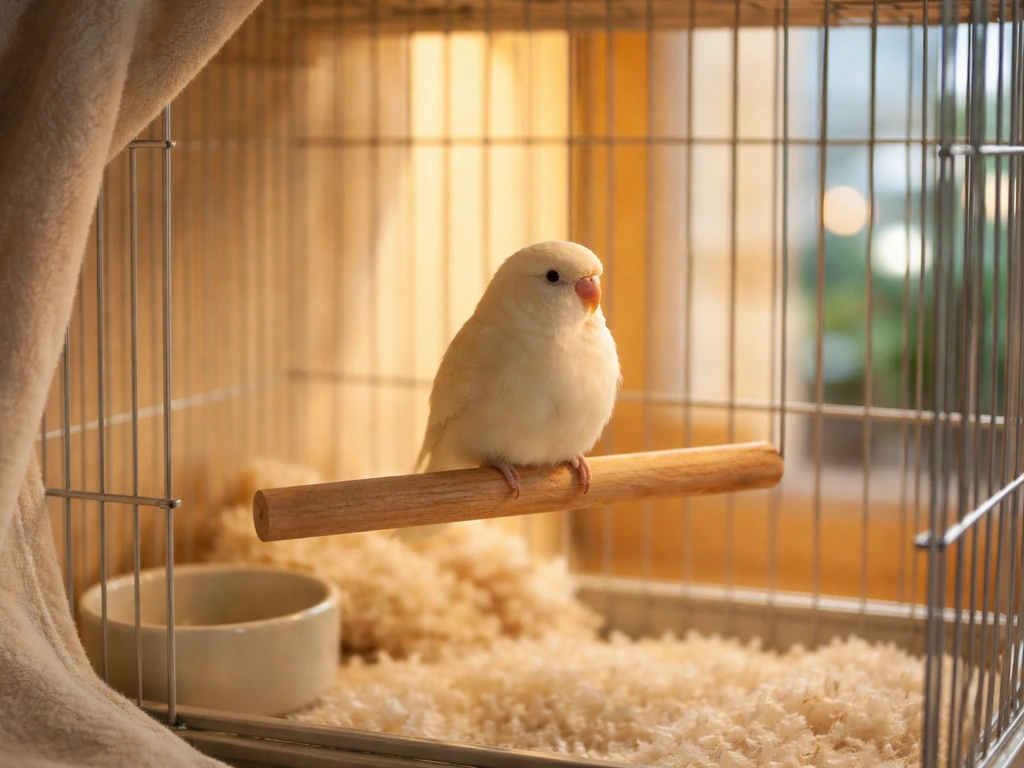
What a cold bird actually looks like (vs. a comfortable one)
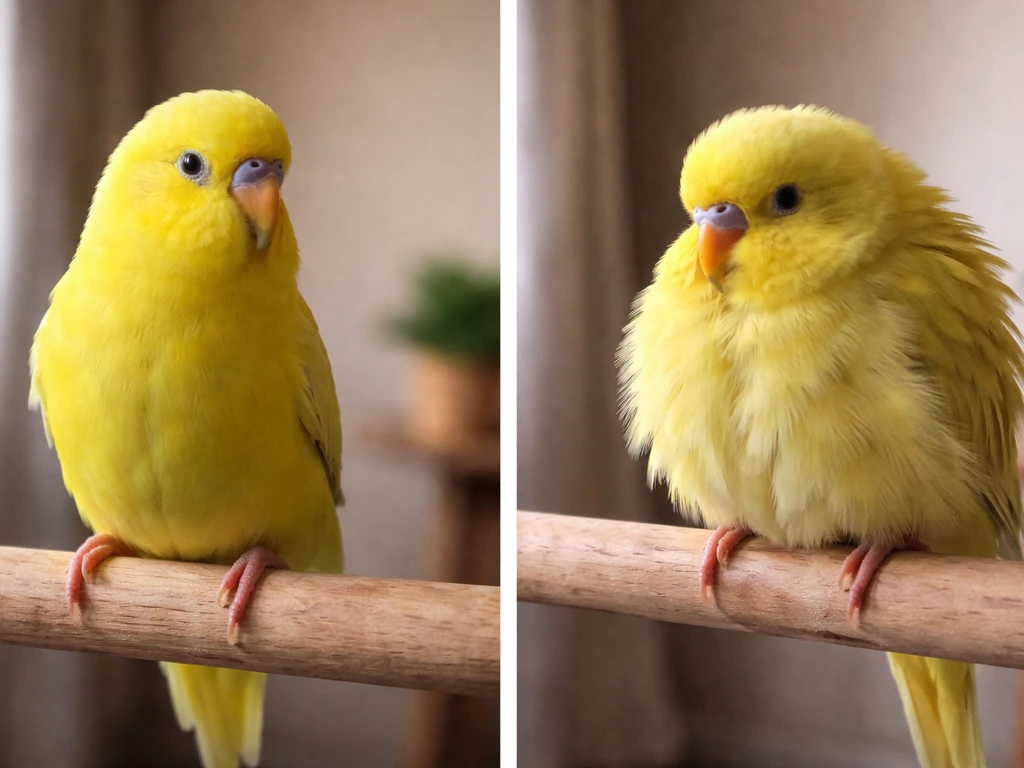
A happy, comfortable bird holds its feathers fairly close to its body, stands upright and alert on the perch, and moves around with normal curiosity. It vocalizes, responds to you, and keeps its eyes bright and open. When a bird is cold, that whole posture shifts.
Cold bird body language to watch for:
- Feathers puffed out all over, making the bird look noticeably rounder or 'fatter' than usual
- Beak tucked into chest feathers or buried under a wing
- Eyes half-closed or sleepy looking even during active hours
- Sitting low and hunched rather than upright
- Feet pulled up or the bird shifting weight frequently (cold feet are uncomfortable)
- Little to no interest in food, play, or interaction
- Staying at the bottom of the cage or in the lowest corner (seeking a warmer spot)
A comfortable bird can fluff briefly, especially right after waking or when settling in for a nap, and that's totally normal. The difference is duration and context. A genuinely cold bird stays puffed for extended periods, and you'll usually notice the behavior started or worsened after a temperature change in the room.
Quick home checks you can do right now
Run through these four checks in order. They take about two minutes and give you a much clearer picture of what's actually happening. Offering fresh water and checking signs of dehydration can help you know if a bird is thirsty how to know if a bird is thirsty.
1. Check the room temperature
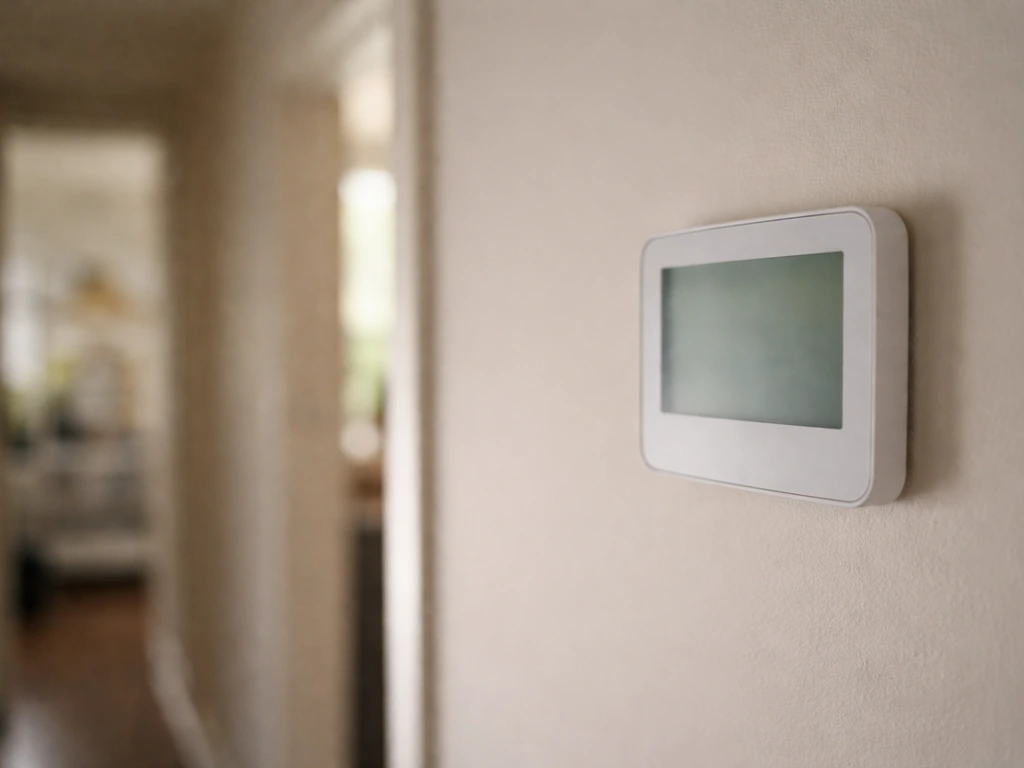
Most pet birds do best between 65°F and 85°F (18°C to 29°C). You may also wonder whether to leave the TV on for your bird, but temperature and draft-free placement usually matter more than background noise should i leave the tv on for my bird. Check the actual temperature near the cage, not just the room thermostat. Cages near windows, exterior walls, or air vents can be significantly colder than the rest of the room, especially at night. If you don't have a small thermometer near the cage, get one. They're inexpensive and genuinely useful.
2. Look at the feather position and posture
Watch your bird from across the room before approaching so you see its natural resting state. Is it fully puffed and hunched, or just mildly fluffed? Is it sitting on one leg (normal resting behavior) or does it seem like it's struggling to grip the perch? Cold birds look generally deflated in energy and physically rounded. Sick birds often look similar, which is why the next checks matter.
3. Watch the breathing
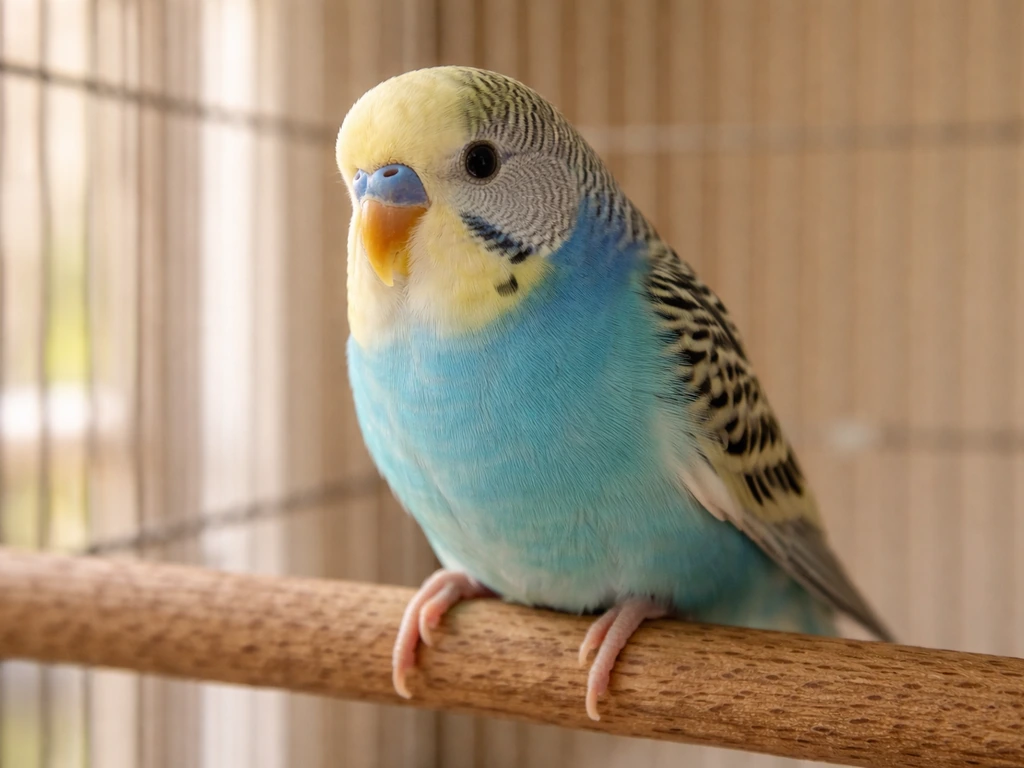
Normal bird breathing is quiet and almost invisible. If you can see the tail bobbing rhythmically with each breath, hear any clicking or wheezing, or the bird is breathing with its mouth open while sitting still, those are serious warning signs. blank" rel="noopener noreferrer">Open-mouth breathing at rest is not a 'cold' symptom. Overheating can look similar in the moment, so also learn the signs of overheating and how to cool your bird safely. It means something is medically wrong, and you should contact an avian vet the same day.
4. Check activity level and responsiveness
Talk to your bird or make a small noise near the cage. A cold bird is subdued but should still respond to you, at least turning its head or opening its eyes more fully. A bird that barely reacts, can't hold its perch properly, or is sitting on the cage floor (not a normal resting spot) has moved past 'just cold' territory and needs veterinary attention promptly.
Don't assume it's cold. Rule out these look-alikes first
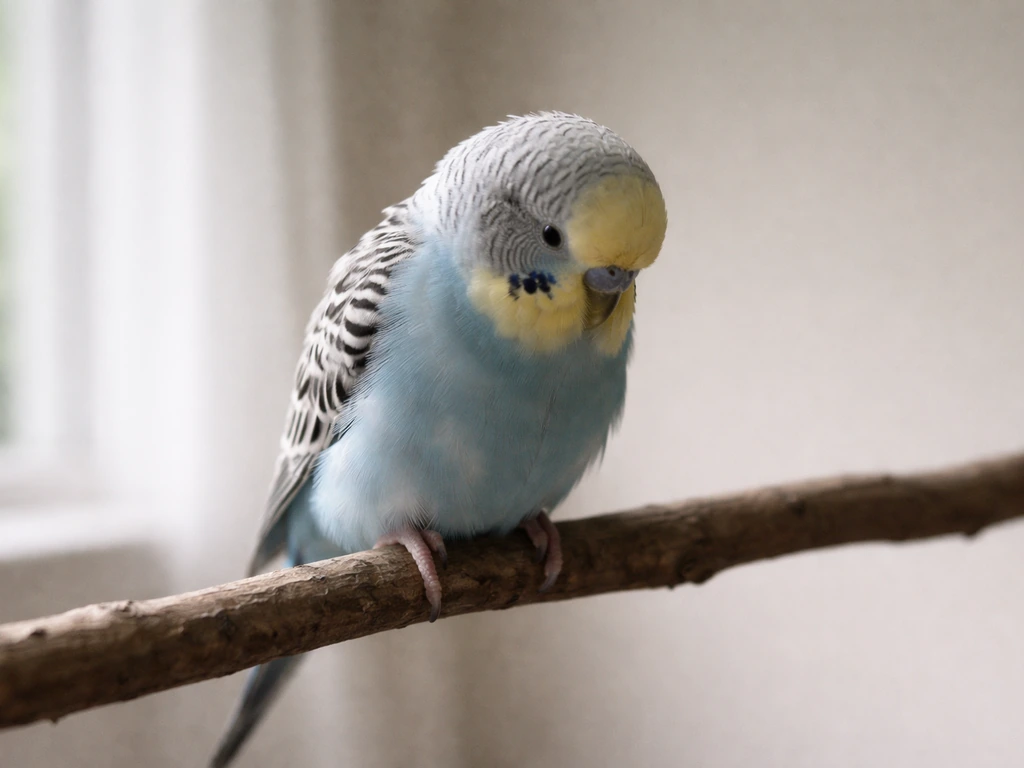
Fluffing, lethargy, and reduced activity are your bird's general 'something is wrong' signal. Cold is one cause. But illness, stress, and injury produce almost identical signs, and misreading them as a temperature problem can delay care that your bird actually needs.
Purdue University veterinary guidance on caged birds notes that heat-stressed birds may pant, hold their wings away from the body, depress feathers close to the body, and appear anxious or agitated, which is why it helps to rule out look-alikes before assuming temperature is the only issue illness, stress, and injury can produce almost identical signs to cold.
If you're wondering, “should i give my bird vitamins,” it's best to check whether the issue is true cold first and ask an avian vet before supplementing.
| Cause | What it looks like | Key difference from cold |
|---|---|---|
| Cold | Puffed feathers, hunched posture, low energy, beak tucked in | Improves noticeably within 15-30 min of gentle warming; room is measurably cool |
| Illness | Puffed feathers, lethargy, possible discharge from nose/eyes, weight loss | Does NOT improve with warming; may have other symptoms like sneezing or loose droppings |
| Stress | Puffed briefly, restless, feather-picking, nervous behavior, hiding | Often linked to a specific trigger (new pet, rearranged cage, loud noise); bird is alert but anxious |
| Injury | Favoring one side, not using a foot or wing, reluctant to move | Physical asymmetry; injury may not be obvious without handling carefully |
| Overheating | Feathers pressed flat to body, wings held out, panting, agitated | Opposite of cold posture; feathers are NOT puffed outward |
The biggest practical clue: if you gently warm your bird and the environment and it perks up within 20 to 30 minutes, cold was almost certainly the issue. If it stays hunched, unresponsive, or symptomatic despite warming, you're dealing with something else that needs a vet.
It's also worth noting that a bird struggling with depression or significant behavioral stress can look surprisingly similar to a cold or unwell bird. If your bird's overall happiness and engagement has been low lately, that's a separate thread worth exploring alongside the temperature question. If your bird's overall happiness and engagement has been low lately, that can be a separate issue like depression, so you may want to review the guide on is my bird depressed alongside the temperature question. If you're wondering, “is my bird happy,” this is one of the signs to watch for, even when temperature seems normal happiness and engagement has been low.
What's actually making your bird cold? Common causes to check
Once you've determined your bird is likely cold rather than sick, it helps to figure out the source so you can fix it properly. If you need more help, review my bird tips for additional ways to spot cold and get comfortable, safe solutions.
- Air conditioning or ceiling fans: Even if the room feels comfortable to you, direct airflow can chill a bird fast. Birds are highly sensitive to drafts.
- Cage placement near windows or exterior walls: These surfaces get cold at night, especially in winter, and radiate cold air directly toward the cage.
- Wet feathers: A bird that got misted or bathed and didn't dry fully will get cold much faster than a dry bird. Never let a bird stay damp overnight.
- Night temperature drops: Rooms that feel fine during the day can drop significantly at night. Birds left uncovered in a cooling room are vulnerable.
- Cold perches: Metal or thin plastic perches conduct cold. If the perch itself is cold, the bird can't stay warm even if the air temperature is okay.
- Sudden temperature changes: A rapid shift, like moving the cage from a warm room to a cooler one, can stress a bird even if the destination temperature is within the acceptable range.
How to warm your bird safely
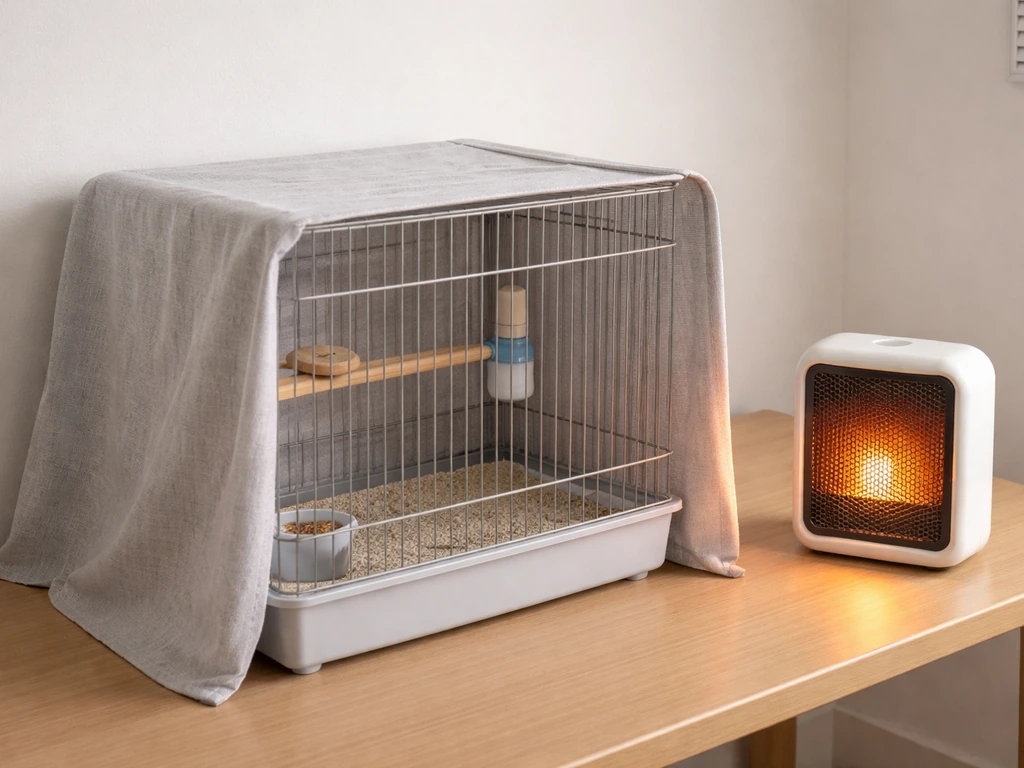
Warming a cold bird is straightforward, but there are a few things to avoid. The goal is gentle, gradual warmth, not a sudden blast of heat.
Immediate steps
- Move the cage away from drafts, vents, and windows. Even a foot or two can make a real difference.
- Cover three sides of the cage with a breathable cloth or a proper cage cover to trap warmth while still allowing airflow.
- Raise the room temperature by a few degrees if possible, aiming for 70°F to 75°F (21°C to 24°C) near the cage.
- If your bird is tame and tolerates handling, let it sit against your body or on your chest for warmth. Your body heat is safe and comfortable for the bird.
- Offer warm (not hot) soft foods if your bird is alert enough to eat. Something like slightly warmed cooked sweet potato or warm mashed vegetables can help from the inside.
Using a heat lamp or heating pad safely
A low-wattage ceramic heat emitter (the kind used in reptile keeping) positioned on one side of the cage works well. The critical rule is that it must only cover one side of the cage so the bird can move away from the heat if it gets too warm. Never wrap a bird in a heating pad, place a pad inside the cage directly under the bird, or use anything that could overheat quickly, like a heat gun or hair dryer. Overheating is a real risk and just as dangerous as cold.
Avoid placing the cage directly next to a portable space heater. Space heaters can fluctuate in output and create hot spots. They can also produce fumes if they have any coating on the element, which is toxic to birds.
Longer-term setup fixes
- Swap metal perches for rope, wood, or heated perches designed for birds
- Reposition the cage to an interior wall, away from windows and exterior doors
- Use a cage cover every night, year-round, not just in winter
- Add a small thermometer near the cage to monitor actual temperature at bird level
- If you run AC heavily in summer, check that the cold air isn't blowing directly toward the cage
When to call an avian vet (and how urgently)
Most cases of genuine cold resolve with the steps above and don't require a vet call. But some situations need professional attention, and a few need it fast.
Call today or go to an emergency avian vet now if:
- Your bird is breathing with its mouth open while sitting still (this is a medical emergency, not a cold symptom)
- You can see or hear labored, wheezing, or clicking breathing
- The bird cannot grip its perch or has fallen to the cage floor
- There is discharge from the nostrils or eyes
- The bird is completely unresponsive or barely moves when you approach
- The bird's condition is not improving at all after 30 minutes of gentle warming in a warm environment
Schedule a vet visit within the next day or two if:
- Your bird warmed up but seems to be getting cold or lethargic repeatedly without a clear environmental cause
- You've noticed gradual weight loss or reduced appetite alongside the cold signs
- The bird is sneezing frequently or has changes in droppings
- You're not confident whether what you're seeing is cold, illness, or something else entirely
Birds are prey animals and instinctively hide illness until they can't anymore. By the time symptoms are obvious, a problem can already be fairly advanced. If something feels off and you can't explain it with temperature alone, it's always worth a vet call. An avian vet (not just a general small animal vet) will have the best tools to evaluate a bird accurately.
Cold is one of the more fixable things you'll deal with as a bird owner. A few environmental adjustments usually solve it fast. The harder part is being honest with yourself about whether what you're seeing is actually cold or something that deserves a closer look. Trust your instincts. If your bird doesn't seem right even after warming, take that seriously.
FAQ
If my bird is fluffed up but the room temperature is normal, does that mean it is not cold?
Not necessarily. The thermostat can be misleading, especially if the cage is near a window, drafty door, exterior wall, or air vent. Check the temperature near the cage (ideally with a small thermometer) and look for improvement after gentle warming in your usual spot.
How can I tell cold versus overheating when my bird is sitting very still?
Cold often comes with a tucked beak and a generally rounded, puffed posture, while overheating tends to bring heat-stress behaviors like panting or increased open-mouth breathing. Open-mouth breathing at rest is a medical red flag either way, but overheating can progress quickly, so compare symptoms to the breathing pattern and seek an avian vet the same day if the bird is struggling.
Is it safe to use a heating pad or wrap my bird to warm it faster?
No. Heating pads can create localized hot spots and can overheat a bird quickly, and wrapping can trap heat and prevent the bird from moving away. Use a low-watt ceramic heat emitter on one side of the cage so the bird can self-regulate.
How warm should the cage area get, and how long should I try warming before calling a vet?
Warm your bird gradually and recheck for a clear change in comfort within about 20 to 30 minutes. If the bird remains hunched, unresponsive, or continues showing breathing or grip problems after warming, treat it as more than cold and contact an avian vet promptly.
What if my bird is puffing after waking, but then acts normal later?
Brief puffing right after waking or during settling is common. The key difference is duration and trend. If it stays puffed for extended periods, worsens after a temperature drop, or you see other cold signs at the same time, keep investigating.
Should I move my bird to a different cage location to help it warm up?
Yes, if the cage is in a draft or near a temperature sink. Move the entire cage (or reposition it) away from windows, exterior walls, and vents, then warm gently using a safe heat source on one side. Avoid moving it in a way that causes stress or falls, and keep airflow comfortable.
Can a cold bird still drink and eat?
They often eat less when they are cold, and reduced activity can make drinking less obvious. Instead of forcing food, focus on warmth and observe whether normal interest returns after the bird perks up. If drinking and swallowing seem abnormal or the bird cannot perch or grip, that points away from simple cold.
What if my bird is breathing with tail bobbing, but it does not look puffed?
Tail bobbing that matches the breathing rhythm is a serious sign regardless of posture. Even if the bird is not obviously puffed or hunched, it can indicate respiratory distress rather than temperature-related chill, so contact an avian vet the same day.
If warming helps, does that rule out illness completely?
It strongly suggests the temperature was the main driver, but it does not guarantee nothing else is wrong. If the bird improves yet still seems weak, keeps breathing oddly, has persistent balance issues, or returns to the abnormal posture quickly once cooled again, get an avian vet evaluation.