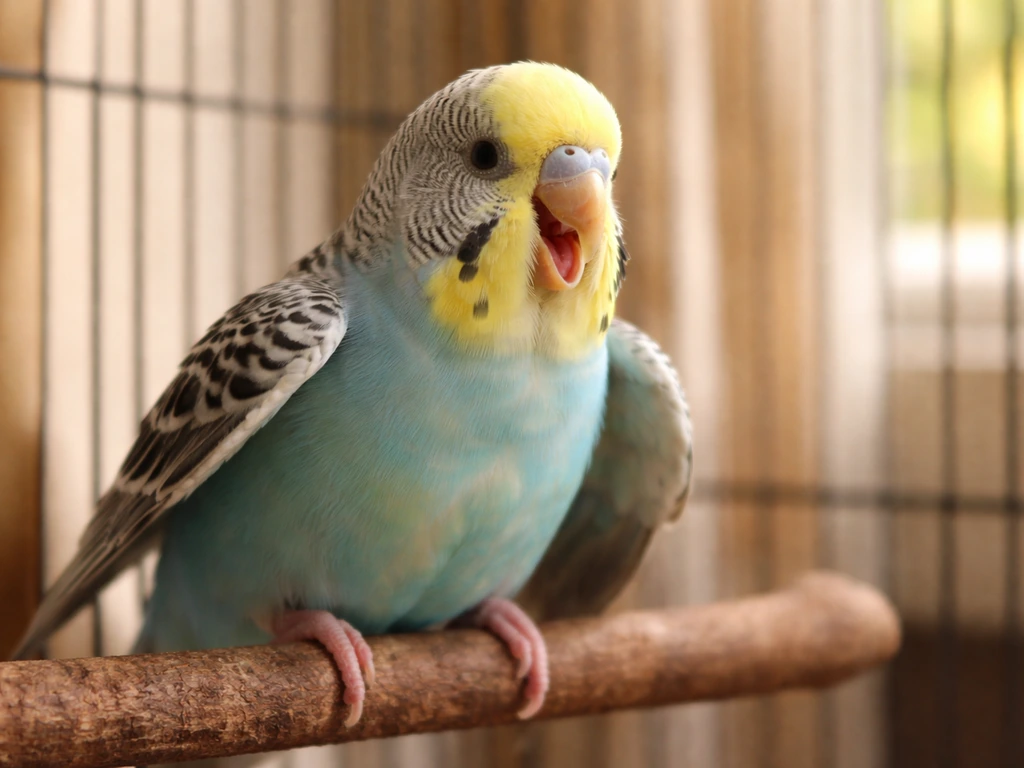
For most pet birds eating a good pelleted diet with fresh vegetables, the honest answer is no: extra vitamins are usually unnecessary and can actually cause harm. Vitamins become relevant only in specific, narrow situations, mainly when a bird is on a poor all-seed diet, has a diagnosed deficiency, or is recovering from illness under a vet's guidance. If your bird is healthy and eating well, adding supplements is more likely to create a problem than solve one.
Should I Give My Bird Vitamins? Safe When to Use

Marcus Chen
4 Jul 2026
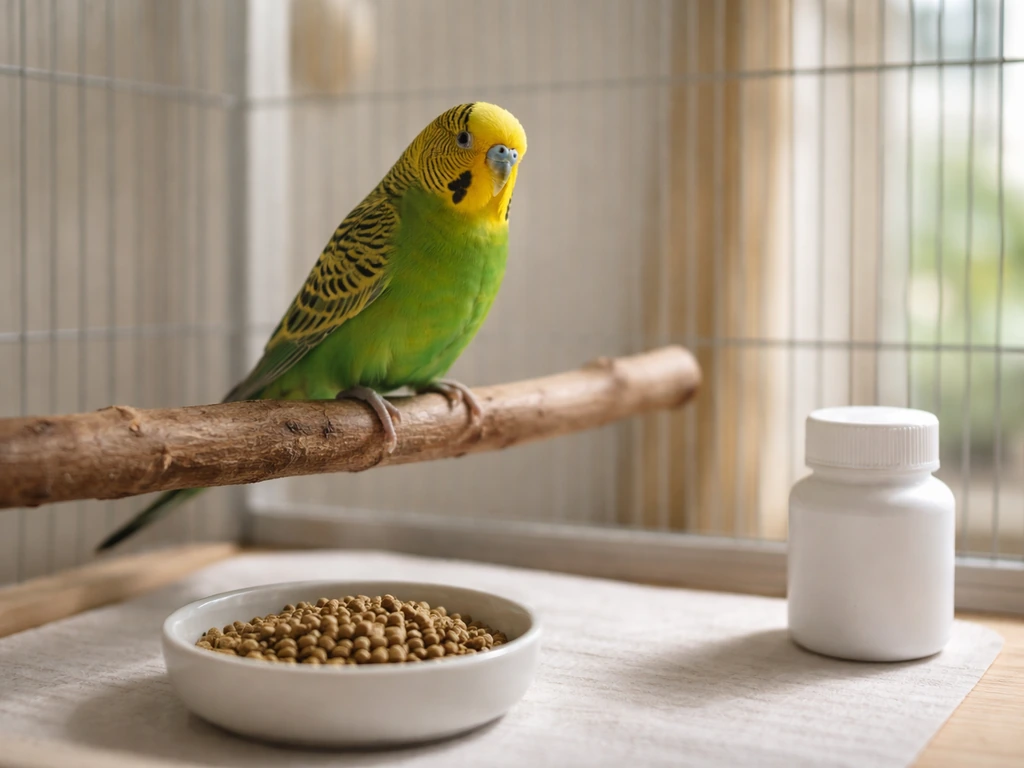
When vitamins help vs. when they're a bad idea
Vitamins are genuinely useful in a handful of situations: a bird transitioning off an all-seed diet that hasn't caught up nutritionally yet, a bird with a confirmed vitamin A deficiency showing clinical signs, or a bird prescribed targeted supplementation by an avian vet after bloodwork or examination. In these cases, supplementation is a short-term tool used alongside diet correction, not a permanent replacement for good food.
They're a bad idea when your bird is already eating a quality pelleted diet. Research and clinical guidance are consistent on this point: birds on complete pelleted diets should not receive additional vitamin or mineral supplements because over-supplementation can damage the kidneys and throw nutrient ratios out of balance. The Merck Veterinary Manual also cautions that excessive vitamins can be detrimental, noting that indiscriminate vitamin A supplementation can be harmful and should be targeted only when appropriate over-supplementation can damage the kidneys and throw nutrient ratios out of balance. They're also a bad idea when you're using them to treat symptoms you haven't had diagnosed. Fatigue, fluffed feathers, appetite changes, and sneezing aren't signs of a vitamin shortage until proven otherwise, and masking them with supplements can delay catching a real illness.
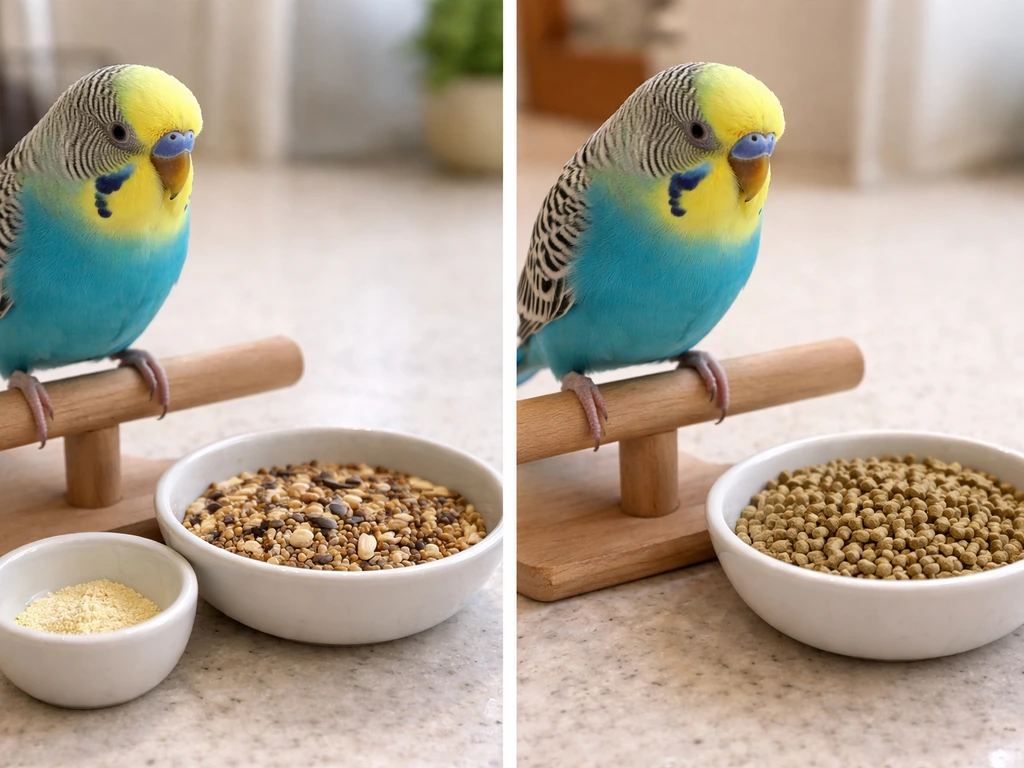
Start with the diet, because that's where most "vitamin" needs get solved
The single most effective thing you can do for your bird's nutritional health is feed a high-quality formulated pellet as the foundation, making up roughly 60 to 80 percent of the diet, rounded out with safe fresh vegetables and a small amount of fruit. A complete pellet already contains balanced levels of vitamins A, D3, E, K, the B vitamins, and key minerals. When the diet is solid, there's nothing left for a supplement to fix.
Vitamin A deficiency is the most common nutritional problem vets see in pet birds, especially in parrots fed mostly seeds. Seeds are low in vitamin A, and deficiency can take months to show up in adults because birds have body stores. The fix, though, is diet change, not a supplement bottle. The best prevention is a nutritionally complete pelleted diet with beta-carotene-rich foods like sweet potato, leafy greens, and carrots. Beta-carotene (the plant form of vitamin A) is safer than preformed vitamin A because the body converts only what it needs, which lowers toxicity risk significantly.
If your bird is currently eating mostly seeds, the priority is a gradual transition to pellets. This is genuinely more valuable than any supplement, and it addresses the root cause rather than patching over it.
Signs your bird might need supplementation vs. signs of illness
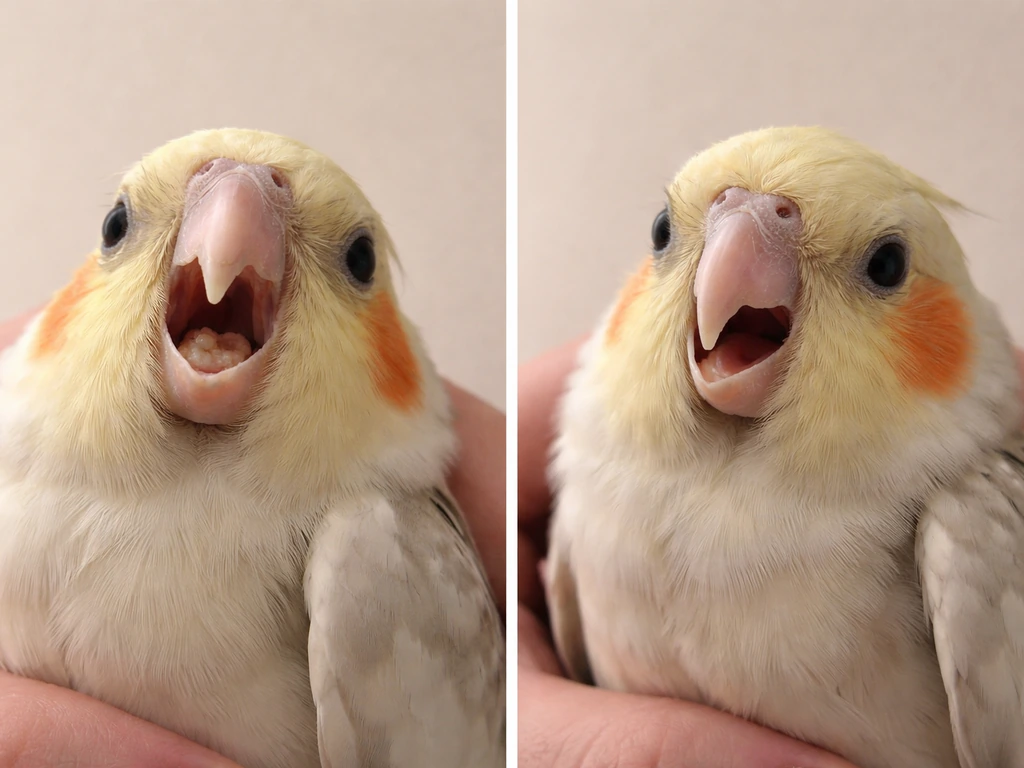
It's easy to confuse nutritional deficiency with illness, especially because they can overlap. Here are some observable signs that could point toward a nutritional issue, but need veterinary evaluation to confirm:
- White or yellowish plaques in the mouth or around the choana (the notch at the roof of the mouth): possible vitamin A deficiency causing tissue changes
- Rough, thickened, or scaly feet: another potential vitamin A deficiency sign (hyperkeratosis)
- Soft or easily fractured bones, or a bird that seems painful when handled: possible calcium/vitamin D imbalance, which can lead to metabolic bone disease
- Swelling at the base of the neck in budgies especially: possible iodine deficiency causing thyroid enlargement (goiter), more common on all-seed diets
- Poor feather quality over multiple molts combined with a seed-heavy diet: could reflect multiple nutritional gaps
Here's the problem: these same signs also show up with infections, parasites, liver disease, respiratory problems, and other conditions that have nothing to do with vitamins. A bird that's fluffed up, quiet, breathing heavily, or losing weight needs a vet visit, not a vitamin. If you are wondering "is my bird happy", it is usually a behavior, appetite, and energy check first, not a reason to start vitamins without a diagnosis. Nutritional disorders and disease look very similar from the outside, and only a proper examination can separate them. Trying to fix illness symptoms with supplements costs valuable time.
The real risks of giving vitamins: it's not just about "too much"
Fat-soluble vitamins, specifically A, D3, E, and K, are stored in body tissue and can accumulate to toxic levels. Water-soluble vitamins flush out more easily, but they're not entirely risk-free either when given in excessive amounts over time.
Vitamin A toxicosis is a real documented risk. Signs of acute vitamin A overdose in birds and other animals include general malaise, loss of appetite, nausea, weakness, tremors, seizures, and in severe cases, death. Even moderate excess can impair absorption of other fat-soluble vitamins and carotenoids, creating new deficiencies while you thought you were helping.
Vitamin D3 toxicity is particularly dangerous. Vitamin D3 regulates calcium and phosphorus, and too much of it causes the body to pull calcium into soft tissues, a process called metastatic mineralization, which can affect the kidneys, heart, and blood vessels. Signs can appear within 12 to 48 hours after a toxic dose. Birds can also synthesize their own D3 from sunlight (or a proper UV-B lamp), so additional supplementation on top of a complete pellet and adequate light exposure stacks up quickly.
Beyond toxicity, there's the balance problem. Vitamins and minerals interact. Too much calcium can suppress zinc and manganese absorption. Excess phosphorus disrupts calcium. Giving a single supplement without knowing what the bird is already getting from food can easily tip one nutrient into excess while creating a relative shortage of another.
How to choose and give vitamins safely if you genuinely need to
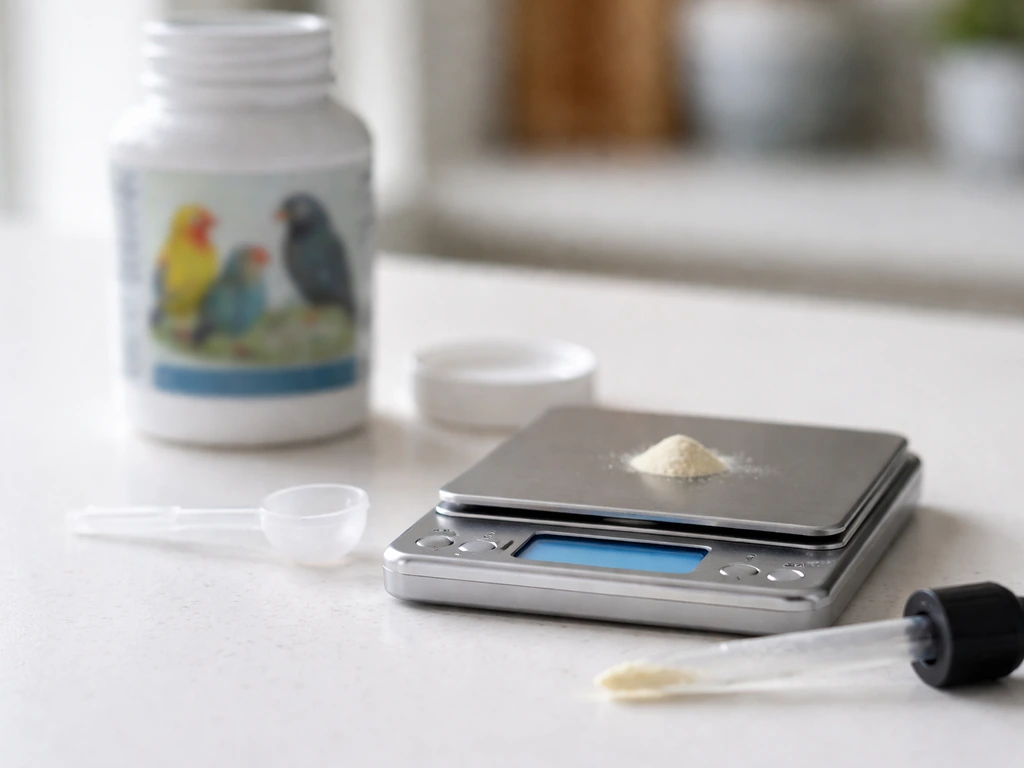
If your avian vet has recommended supplementation, here's how to do it correctly and reduce risk.
Check the label carefully
- Look for a product formulated specifically for pet birds or psittacines, not general poultry supplements or multivitamins designed for humans or other animals
- Verify the product lists specific amounts (IU or mg) of each vitamin per dose, not just vague percentages
- Check that fat-soluble vitamin levels (especially A and D3) aren't far above the daily requirement for your bird's size
- Avoid products that don't list a clear per-dose amount, since you can't dose accurately without that information
How to give it
Do not add vitamins to drinking water. This is a consistently flagged mistake in avian nutrition literature: you cannot control how much water a bird drinks on a given day, so dosing becomes completely inaccurate. On a hot day your bird may drink twice as much as normal and inadvertently take in twice the intended dose. The better method is adding the supplement directly to a small amount of soft food, like a piece of cooked sweet potato or a soft vegetable, so you know exactly how much the bird consumes.
Follow the dosage on the label for your bird's weight, and if the vet gave you a specific dose, use that instead. More is not better with fat-soluble vitamins. Give only what was recommended, for only as long as recommended, then reassess diet rather than continuing indefinitely.
A quick comparison: supplement forms and their trade-offs
| Form | Pros | Cons | Recommended? |
|---|---|---|---|
| Water-soluble powder added to water | Convenient | Inaccurate dosing, nutrient degradation, promotes bacterial growth in water | No |
| Powder or liquid mixed into soft food | More accurate dosing, bird eats a measured amount | Requires soft food the bird will eat | Yes, preferred |
| Pelleted diet with built-in vitamins | Precise, balanced, consistent | Requires full diet transition | Yes, best long-term option |
| Preformed vitamin A supplements | Useful in confirmed deficiency treatment | Toxicity risk, impairs other fat-soluble vitamin absorption if overused | Only with vet guidance |
| Beta-carotene-rich fresh foods | Safe (body converts only what it needs), no toxicity risk | Not a substitute for complete diet in severe deficiency | Yes, always a good addition |
Health red flags that mean skip the vitamins and call an avian vet
Some symptoms look like they might be nutritional but are actually urgent health warnings. If you are wondering whether your bird is cold, look for clear chill signs such as persistent fluffed feathers, cold feet, shivering, and reduced activity, and check the room temperature right away. If your bird is showing any of the following, stop trying to solve it with food or supplements and contact an avian vet as soon as possible:
- Labored, open-mouthed, or tail-bobbing breathing
- Discharge from the nostrils or eyes, or frequent sneezing with mucus
- Significant weight loss or a visibly prominent keel bone
- Droppings that are consistently abnormal (watery, discolored, bloody, or absent)
- A bird sitting at the bottom of the cage, unable or unwilling to perch
- Seizures, tremors, or loss of coordination
- Complete loss of appetite lasting more than a day or two
- Sudden behavior changes like extreme lethargy, hiding, or being unresponsive to interaction
These symptoms can reflect infections, liver or kidney disease, respiratory illness, heavy metal poisoning, or other serious conditions, many of which look exactly like malnutrition on the surface. A bird hiding or looking lethargic may also be showing signs of depression or stress, which connects to overall wellness but isn't fixed by vitamins either. The key takeaway is that visible illness in birds always warrants professional evaluation before any supplementation decision is made.
Birds are prey animals and hide illness until they can't anymore, which means by the time symptoms are obvious, the problem has often been developing for a while. Don't wait more than 24 to 48 hours if your bird looks genuinely unwell. If your bird seems overheated, focus on cooling measures and contact an avian vet rather than assuming it is a vitamin problem overheating.
Your checklist for right now
Use this to figure out what to actually do today, based on where your bird is right now. If you are wondering whether a bird is thirsty, look for increased drinking, reduced urination, and dry, sticky droppings along with normal behavior and environment how to know if a bird is thirsty.
- Look at what your bird is actually eating. If the foundation is a quality pellet (not just seeds), and the bird is eating it consistently, you almost certainly do not need to add vitamins.
- Check for urgent symptoms first. Review the red flags listed above. If any apply, skip the supplement question entirely and call an avian vet today.
- If your bird is on a mostly-seed diet with no obvious illness signs, start planning a gradual transition to a pelleted diet. This is the most important nutritional step you can take.
- Add beta-carotene-rich vegetables if you haven't already: sweet potato, cooked squash, dark leafy greens like kale or bok choy. These are safe, beneficial, and address the most common deficiency (vitamin A) without toxicity risk.
- If you're seeing physical signs like mouth plaques, scaly feet, or bone softness, make a vet appointment. These need examination and possibly bloodwork before any supplementation starts.
- Do not add a vitamin supplement to your bird's water. If you do use a supplement, mix a measured dose into a small piece of soft food instead.
- If a vet has already recommended a specific supplement, use only that product at the stated dose for the stated duration, then follow up to reassess diet.
- If your bird is otherwise healthy and eating a complete pelleted diet, skip the supplements entirely and focus on diet variety and environmental enrichment instead.
The bottom line is this: vitamins are not a wellness booster for birds the way they're sometimes marketed. For a bird eating a balanced diet, they're unnecessary at best and harmful at worst. UF/IFAS Extension notes that iodine deficiency in birds can lead to thyroid hyperplasia and goiter, which can present with clinical signs consistent with inadequate iodine blank" rel="noopener noreferrer">iodine deficiency can lead to thyroid hyperplasia and goiter. The real work is in getting the diet right, watching for genuine health red flags, and partnering with an avian vet when something looks off. That approach will do far more for your bird's long-term health than any supplement bottle. When it comes to things like lighting, it helps to base your bird's routine on proper husbandry rather than adding supplements.
FAQ
If my bird is picky and eats only some of the pellet, should I give vitamins to make up for the missing nutrition?
No. Partial pellet intake still creates the risk of nutrient imbalance, and supplements can tip fat-soluble vitamins into excess. The practical fix is to improve pellet acceptance first (offer pellets alongside familiar vegetables, gradually increase pellet percentage, and remove seed options so appetite shifts). If your bird refuses pellets long-term, ask an avian vet to evaluate whether a short, targeted supplement is truly needed based on intake and exams.
Are baby birds or breeding birds different when it comes to vitamins?
They can be, because growth and egg production change nutrient needs, but that does not mean routine extra vitamins are safe. Over-supplementing vitamin A, D3, or minerals can be especially risky during breeding. If you are not using a complete pellet formulated for the right life stage, use diet adjustment as the first step, then confirm any add-on supplementation with an avian vet.
What if I already have a multivitamin at home, can I start it “just in case”?
Usually you should not. Birds on a complete pellet can already be getting the appropriate amounts, and added vitamins can disrupt nutrient ratios. Also, many products include vitamin D3 or high vitamin A, which are the most likely to cause toxicity. If you want to use it, stop and check the product for dose per serving, then discuss with an avian vet rather than guessing based on label directions.
Can I use vitamins to support recovery after illness, even if my vet did not prescribe them?
Do not add them unless your avian vet specifically recommends a targeted product based on the diagnosis. Recovery often involves adjusting the underlying cause (infection, parasites, respiratory disease, organ issues) and restoring appetite, and vitamins can delay diagnosis or worsen toxicity risks. If your vet wants support, they will usually set a specific duration and method (often with a measured amount mixed into a small food portion).
How do I know whether symptoms like fluffed feathers or sneezing are nutritional versus something else?
In general, those signs need medical evaluation before you supplement. Fluffed feathers that persist, labored breathing, reduced activity, weight loss, or any discharge can reflect cold stress, respiratory illness, parasites, or organ disease. A practical approach is to check immediate husbandry factors first (heat, drafts, room temperature, humidity) and contact an avian vet promptly if the signs persist beyond a short window.
Is it safer to give water-soluble vitamins since they are not stored as much?
They are generally less likely than fat-soluble vitamins to accumulate, but they are still not harmless in excess. Over time, higher-than-needed dosing can still skew nutrient balance or irritate health issues that should be diagnosed. If supplementation is warranted, stick to the exact dose and timeframe from an avian vet, and avoid stacking multiple products (for example, a multivitamin plus a separate vitamin A).
What is the correct way to measure and administer a vitamin if my vet approves it?
Use a consistent, controlled amount so you can match the prescribed dose. Mixing the measured powder or drops into a small measured portion of soft food (like a small bite of cooked sweet potato) is usually more reliable than offering it in a bowl or adding to water. If your bird does not eat the full portion, do not “estimate” the dose, call your vet, and document how much was consumed.
Can sunlight or a UV-B lamp replace vitamin D3 supplementation?
Often, adequate UV-B and correct lighting schedule can reduce the need for extra vitamin D3, but only if the setup provides effective UV-B to the right area and duration. If you already use a complete pellet, adding vitamin D3 on top of good UV-B exposure can compound risk. If you are unsure about your lamp output, distance, and placement, ask your avian vet rather than adding more D3.
If the label says “complete” or “fortified,” does that mean my bird never needs any extra vitamins?
It usually means the pellet is designed to be complete, but you still need to consider whether your bird is actually eating enough of it and whether you are using additional products that add vitamins. If your bird gets significant nutrition from seeds, fruit-only diets, or treats that displace pellets, you can end up with gaps despite the product being “complete.” The safest route is feeding the complete pellet as the foundation and keeping treats limited.
My bird’s droppings changed, can that be a vitamin issue?
Dropping changes can be caused by many things, including dehydration, diet changes, infections, organ disease, and parasites. If there is reduced urination, dry or sticky droppings, or a clear change in thirst level, it is more important to assess hydration and get an avian vet opinion than to start vitamins. A supplement will not correct most non-nutritional causes of abnormal droppings.
Next Article
How to Tell If a Bird Is Overheating and What to Do
Spot overheating signs fast, cool safely step by step, avoid risky shocks, and know when it is an emergency.