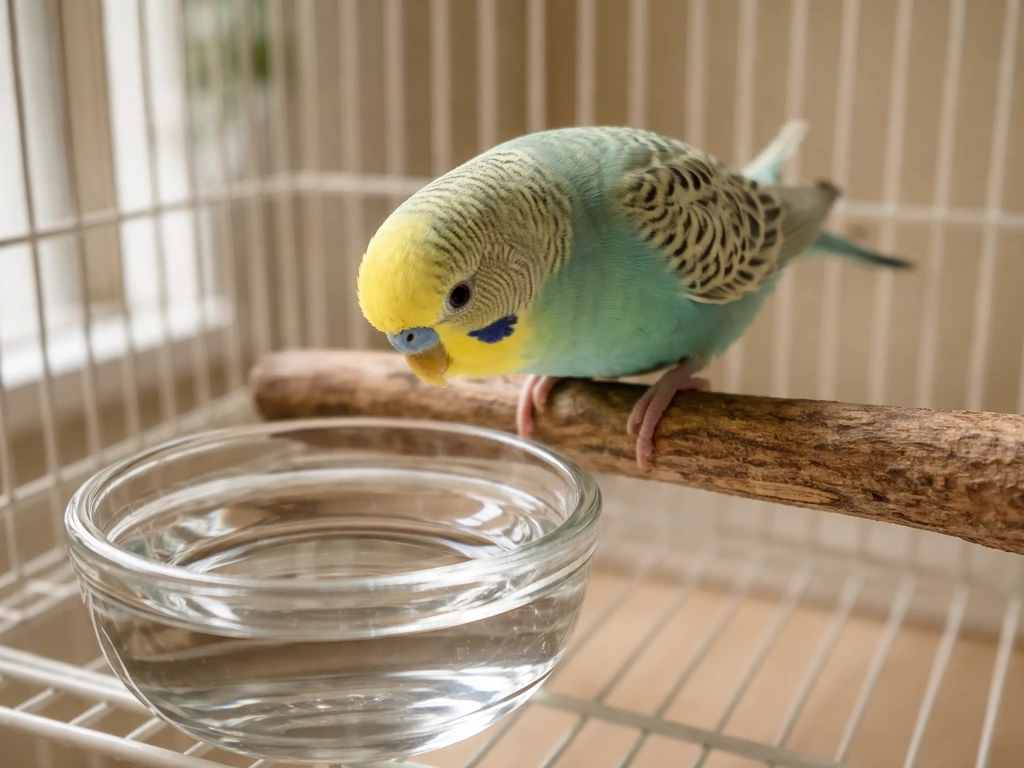
Birds don't get depressed the same way humans do, but they absolutely experience something that looks a lot like it: withdrawal, quietness, loss of interest, reduced appetite, and a general flatness that wasn't there before. The catch is that these same signs can mean your bird is sick, in pain, too cold, bored, lonely, grieving a change in routine, or going through a perfectly normal molt. If you want to narrow it down further, learn the signs of cold in birds and how to warm them safely how to know if my bird is cold. Before you decide it's a mood problem, you need to rule out the more urgent possibilities first, because birds are prey animals that hide illness until it's advanced, and by the time they look noticeably off, something real is often going on.
Is My Bird Depressed? Checklist, Causes, and What to Do

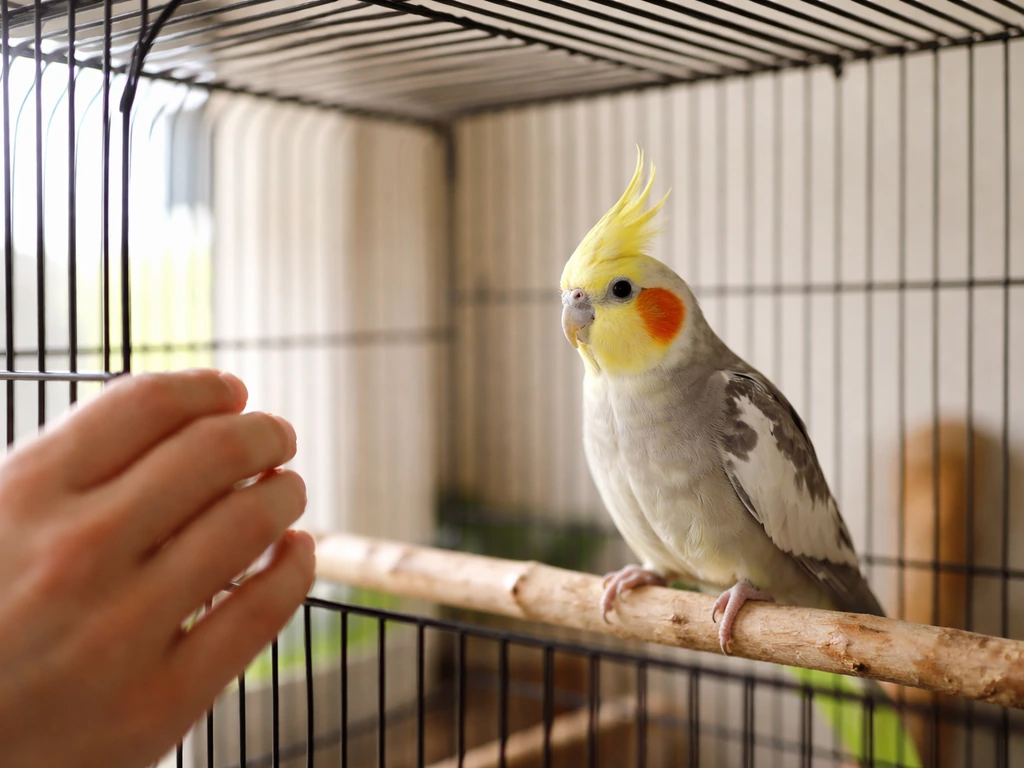
Signs that can look like depression in pet birds
There's no clinical diagnosis of depression in birds, but avian vets and experienced owners use the term loosely to describe a cluster of behavioral changes that suggest the bird isn't thriving. These are the signs people most often describe when they search for this topic:
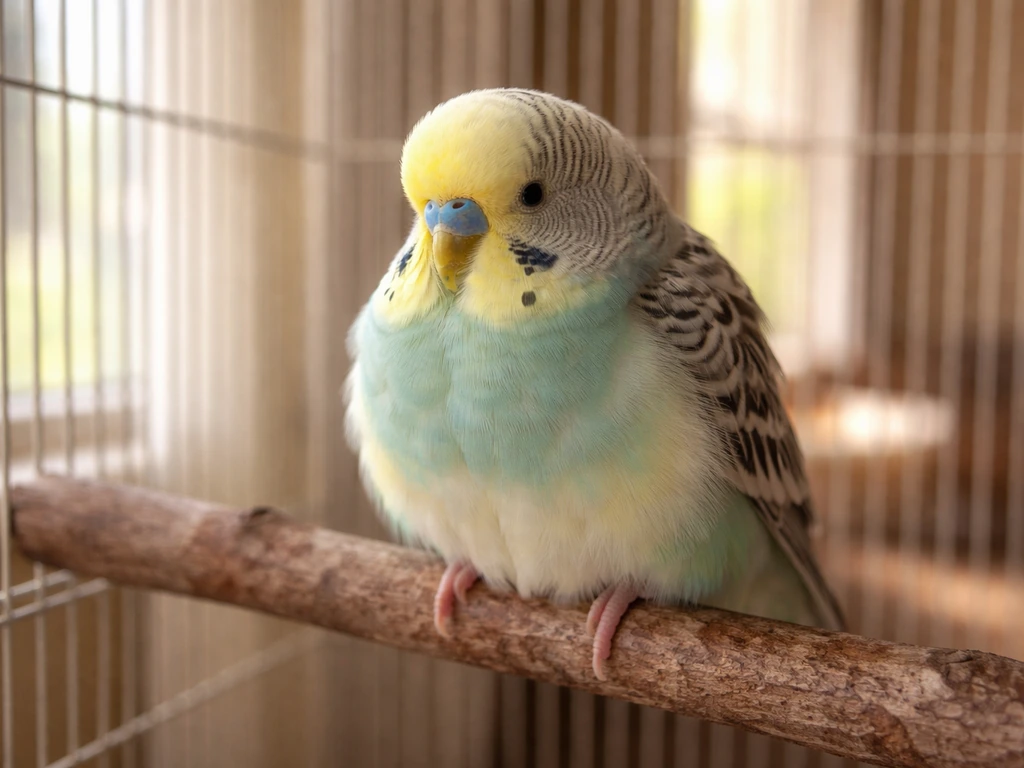
- Sitting fluffed up for long periods while awake
- Less vocalization or singing than usual
- Reduced interest in toys, foraging, or interacting with you
- Sleeping more than normal or at unusual times
- Sitting low in the cage or at the bottom
- Not coming to the cage door or stepping up
- Eating and drinking less
- Feather plucking or over-preening
- Sudden aggression or biting when previously calm
- Hiding in a corner or behind objects
None of these signs by themselves confirm a mood problem. What matters is whether this is a change from your bird's normal baseline, how many signs are present at once, and whether any physical red flags are layered in. A bird that ticks several of these boxes at the same time needs more urgent attention than one that seems a bit quieter for a day or two.
Normal behavior vs. something that actually needs attention
Some of what looks like depression is just your bird being a bird. Individual personality plays a huge role here. Some species and individual birds are naturally quieter and more reserved. A cockatiel at rest with one foot tucked up and its head turned back into its feathers is probably just napping. A budgie that's puffed up during a nap midday is not necessarily sick. The question isn't "is my bird doing this?" but "is this out of character for my specific bird?"
Molt is one of the biggest causes of confusion. Birds lose and replace most of their feathers at least once a year, with many species having a partial molt roughly six months later. During a heavy molt, a bird's protein requirements go up and its energy goes down. It's common to see extra hours of sleep, reduced playfulness, and less vocalization during this period. If you notice new pin feathers coming in alongside the quiet behavior, molt is likely the explanation. The same goes for seasonal or hormonal shifts, which can make some birds withdrawn, others suddenly aggressive, and a few downright obsessive.
Routine disruptions also hit birds harder than most people expect. A new pet, a moved cage, a change in your schedule, a new person in the home, or even rearranging the furniture near the cage can cause withdrawal that genuinely looks like depression. Give a bird that's been through a change like this a week or two to settle before concluding something deeper is wrong. That said, don't let that reasoning delay you from acting if physical symptoms are present.
Medical and environmental causes that mimic depression
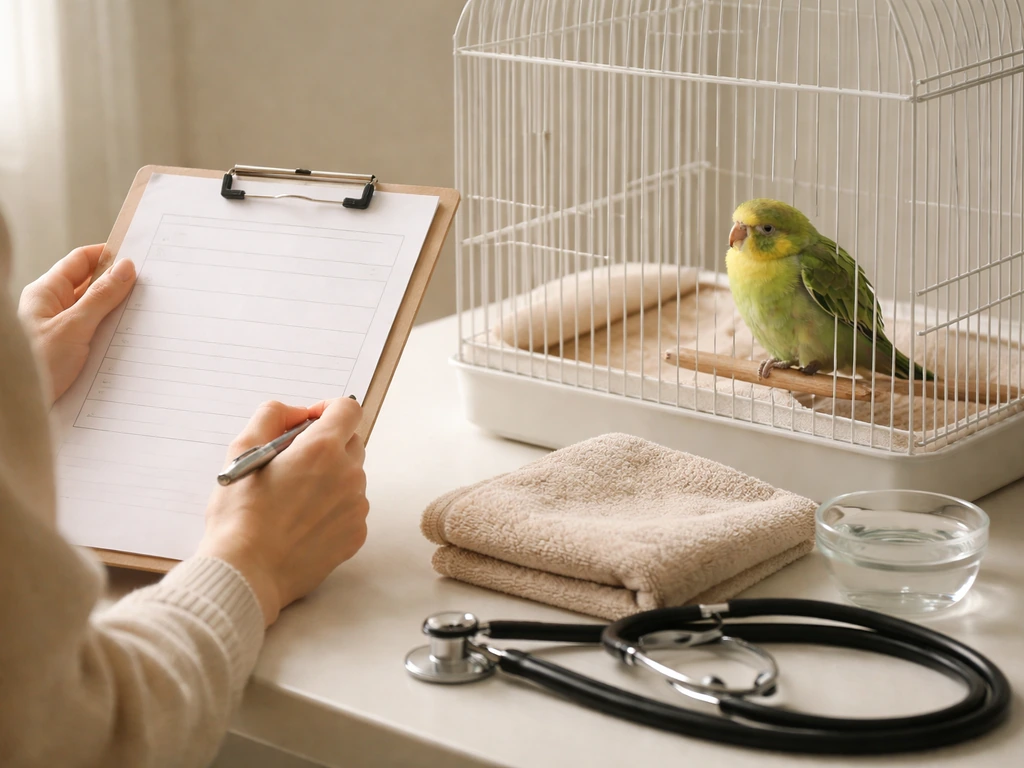
This is the section to take seriously. A bird that seems depressed is far more likely to be physically unwell than emotionally down, and birds are experts at hiding illness. By the time a bird looks obviously sick, it's often been unwell for a while. Here are the most common medical and environmental causes that look just like depression:
Illness and pain
blank" rel="noopener noreferrer">Any systemic illness can cause fluffed feathers, reduced appetite, inactivity, and social withdrawal. Respiratory infections, gastrointestinal problems, and infections of all kinds present this way. Pain from an injury, an internal issue, or even skin and feather disease (which can be itchy and uncomfortable) can make a bird go quiet and stop engaging. A bird that has recently started plucking feathers may be dealing with skin irritation, infection, or internal disease, not boredom. PetMD also notes that feather plucking can have medical causes such as skin irritation and diseases, so these issues should be evaluated rather than assuming it is only boredom or behavior blank" rel="noopener noreferrer">plucking feathers may be dealing with skin irritation, infection, or internal disease.
Nutritional deficiencies
A seed-only diet is a common culprit. Seeds are high in fat and low in the vitamins and minerals birds need. Deficiencies in vitamin A, calcium, and other nutrients can affect energy, feather quality, and behavior well before obvious physical symptoms appear. If your bird is on a seed-heavy diet and seems flat or low-energy, nutrition is worth addressing immediately. If you suspect a nutrient gap, ask an avian vet first before giving vitamins, since birds can get harmed by unnecessary supplements.
Respiratory problems
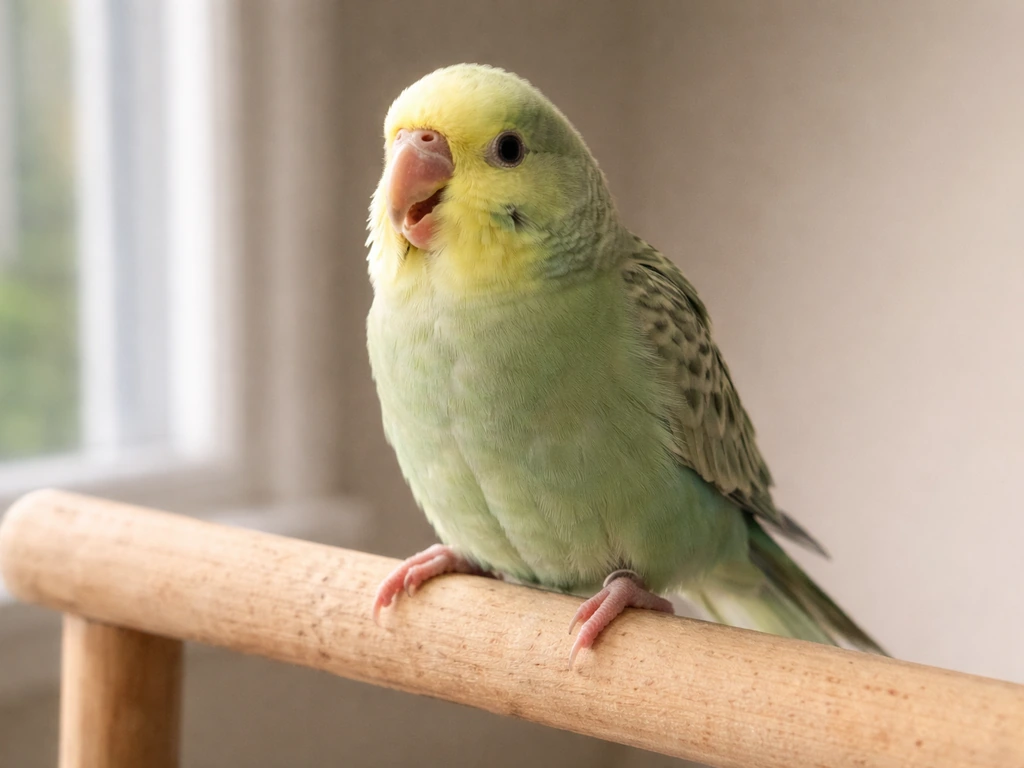
This one is easy to miss. A bird struggling to breathe will often just sit still and quiet because movement makes it harder to breathe. Open-mouth breathing at rest, a tail that bobs up and down with each breath, and visible sternal (chest) movement are all signs of respiratory distress. These signs can look like tiredness or low mood but they are urgent medical symptoms. Fumes and household aerosols are a surprisingly common cause: cigarette smoke, vape aerosols, cooking fumes (especially from non-stick cookware), air freshener sprays, cleaning products, candles, and essential oil diffusers can all cause respiratory harm in birds even at levels that seem trivial to humans.
Poor sleep and lighting
Most parrots and pet birds need around 10 to 12 hours of darkness and quiet to sleep properly. If your bird's cage is in a room with the TV on late, ambient light at night, or irregular schedules, chronic sleep deprivation can cause lethargy and behavioral changes that look exactly like depression. Inconsistent photoperiods also affect hormones and can shift a bird's seasonal behavior in ways that are hard to predict.
Temperature and drafts
A cold bird will fluff up and sit still to conserve heat. If you suspect heat stress, look for signs like panting, very warm skin, and a bird that is unusually lethargic, and take steps to cool it safely a cold bird. If the cage is near an air conditioning vent, a drafty window, or in a room that drops significantly in temperature at night, your bird may simply be trying to stay warm. This is a quick fix, but it's also a sign to check other basics.
Loneliness and boredom
Birds are highly social and cognitively active animals. A bird left alone for most of the day with nothing to do and no interaction can genuinely decline over time. This is a real welfare issue, but it's also one of the last things to consider once medical causes have been ruled out, not the first.
Quick self-checks you can do right now
Before you do anything else, go through this triage. It takes about five minutes and will tell you whether you're looking at something urgent or something you can address over the next few days. If you're wondering “is my bird happy,” use this triage first to separate normal quiet from changes that need attention.
- Check breathing: Is your bird breathing with its mouth open while at rest? Is its tail bobbing up and down with each breath? Is there visible chest movement or labored effort? Any yes here is a same-day vet call.
- Check posture: Is your bird sitting at the bottom of the cage? Is it huddled and fluffed with eyes partially or fully closed while awake? Is it unable to grip the perch properly? These combinations are urgent.
- Check appetite: Has your bird eaten today? Look at the food bowl and droppings. Droppings should have a solid dark green/brown portion, a white urate portion, and a liquid portion. Watery all-liquid droppings, no droppings, or droppings that are completely different in color (bright red, black, or entirely liquid) are red flags.
- Check the environment: Are there any new fumes, sprays, candles, or diffusers running recently? Has the room temperature changed? Is the cage in a draft? Have there been any household changes in the last week or two?
- Check your bird's weight if you can: Even a small weight loss in a bird can indicate illness. If you have a kitchen scale, weigh your bird. If you don't have a baseline, look at the keel bone (the ridge running down the center of the chest). If it feels sharp and prominent with very little muscle on either side, that's a sign of weight loss.
- Check for physical injuries or abnormalities: Look at the feathers, skin, eyes, nares (nostrils), and vent (the opening under the tail). Discharge, crusting, swelling, or redness anywhere are signs that need veterinary attention.
What you can change today to help
If your bird passed the triage above without any urgent red flags, here's what to focus on immediately. These changes address the most common non-medical causes and are safe to do while you continue monitoring.
Fix the basics first
Make sure your bird has fresh water today, not just a topped-up bowl. You can also monitor drinking and droppings, since knowing how to know if a bird is thirsty helps you catch dehydration early. Change it completely. If you're feeding a mostly seed diet, introduce a high-quality pellet food and offer fresh vegetables. This won't fix a nutritional deficiency overnight, but it starts the process. Make sure the cage temperature is comfortable (generally between 65 and 85 degrees Fahrenheit for most pet bird species) and not in a draft or direct airflow from a vent.
Sort out sleep and light
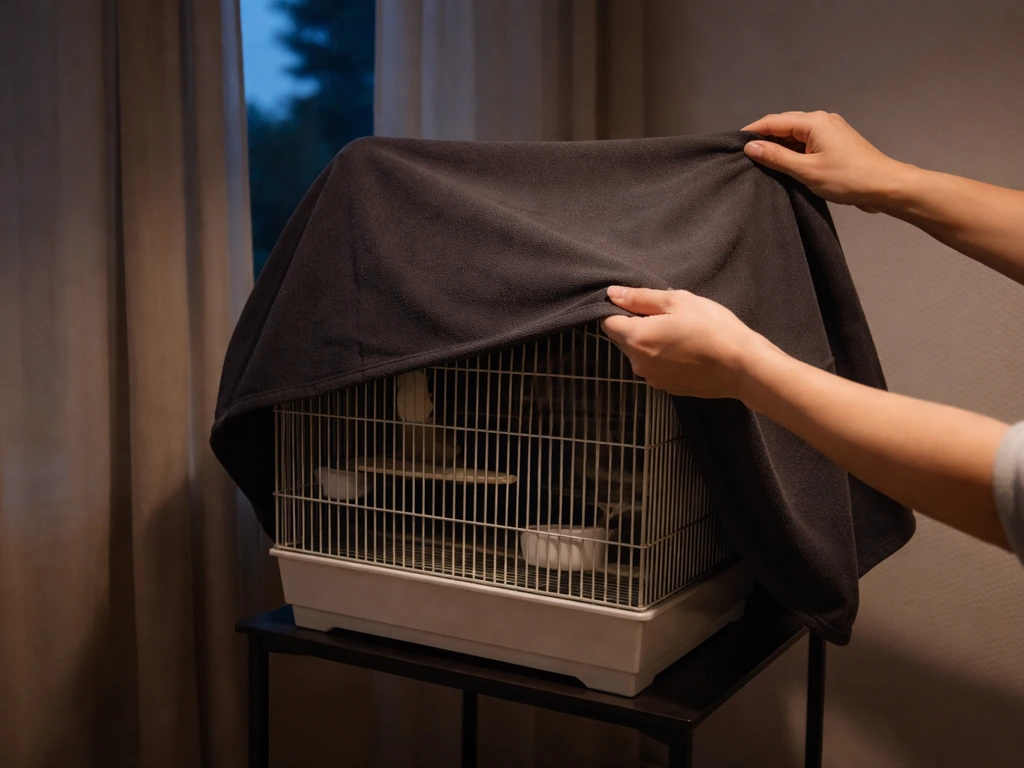
If your bird isn't getting 10 to 12 hours of darkness and quiet, start tonight. Move the cage to a quieter room or cover it with a breathable cover in a dark area. Try to keep the schedule consistent. Light management is one of the fastest environmental fixes that genuinely affects bird mood and energy.
Remove potential fume and chemical sources
Stop using air freshener sprays, scented candles, essential oil diffusers, and aerosol products near the bird's space. If you cook with non-stick cookware, make sure the bird is not in or near the kitchen. Ventilate the room the bird is in. This is a zero-cost change that can make a significant difference if fumes have been a background issue.
Add enrichment and social time
If boredom or loneliness is a likely factor, the fix is more time and stimulation. If you want more guidance, check my bird tips for practical enrichment, routine, and mood-support ideas you can use right away. This means direct interaction with you: talking to your bird, training simple behaviors, letting it forage for food by hiding treats in paper, adding a new toy or rotating toys it hasn't seen in a while. Even 20 to 30 minutes of focused one-on-one time daily makes a measurable difference for social species like parrots. Background noise like the radio or TV can help some birds feel less alone, though it's not a substitute for real interaction.
Reduce stressors
Think about what's changed recently. If there's been a new animal, a new person, loud construction nearby, or the cage has been moved, try to return to a more stable situation. Place the cage somewhere your bird can see household activity without being directly exposed to chaos. Predictable routines genuinely calm birds down.
When to call an avian vet and what to tell them
Some signs mean call today, not tomorrow and not next week. Birds deteriorate quickly, and waiting to see if things improve is a real risk when the following signs are present:
- Open-mouth breathing at rest
- Tail bobbing with each breath
- Sitting at the bottom of the cage, especially if also fluffed and eyes closed
- Not eating for more than 24 hours
- Droppings that are absent, bloody, completely watery, or black
- Visible bleeding, swelling, or injury
- Seizures or falling off the perch
- Vomiting or regurgitation that isn't directed at a toy or you (which can be normal bonding behavior)
- Sudden complete loss of vocalization combined with fluffed posture
When you call, tell the vet: your bird's species, age, and weight if you know it; what you've observed and when it started; any changes in eating, drinking, or droppings; the current diet; any recent household changes or potential fume exposures; and whether you've seen any of the urgent signs listed above. The more specific you are, the better the vet can advise you on how quickly to come in.
If you don't already have an avian vet, try to find one before you need one urgently. General small-animal vets vary widely in their bird experience. Look for a vet who specifically lists avian medicine or exotic animals as a specialty.
Tracking progress: how to tell if things are getting better
Once you've made changes, give yourself a structured way to assess whether they're working. Don't just watch and hope. Observe specific things at the same time each day.
| What to track | How to check it | When to be concerned |
|---|---|---|
| Appetite | Count seed hulls/pellets eaten, check how much fresh food is touched | No improvement after 48 hours of changes |
| Droppings | Check consistency, color, and frequency daily | Persistent abnormal droppings after 24-48 hours |
| Posture | Is the bird perching normally and not fluffed while awake? | Still huddled or sitting low after 2-3 days |
| Vocalization | Any return of chattering, singing, or contact calls? | Complete silence persisting beyond 3-4 days |
| Activity and interest | Is it engaging with toys, food, or you? | Still ignoring everything after one week of changes |
| Weight | Weigh on a kitchen scale if possible | Any weight loss, or no gain after a week of improved diet |
| Breathing | Check daily at rest for open-mouth breathing or tail bobbing | Any sign of this at any time: call the vet same day |
A bird responding to environmental and enrichment improvements should start showing signs within 3 to 7 days. Small positive changes like eating a little more, calling out once or twice, or showing brief interest in a toy are encouraging signs. If you see no meaningful improvement after one week of consistent changes, or if things get worse at any point, that's the signal to get a vet involved. At minimum, a well-bird exam to establish a baseline is a smart move if your bird has never had one or hasn't been checked in over a year.
The goal here isn't to diagnose your bird yourself. It's to be observant enough to know when things are improving and confident enough to act fast when they're not. Knowing your individual bird's normal behaviors, personality, and daily rhythms is the single most useful tool you have. The more you know what's typical for your bird, the faster you'll catch when something's genuinely wrong.
FAQ
Can my bird be depressed even if it seems physically fine?
Yes. Even if you cannot find an “emotional” cause, lethargy plus changes in appetite or droppings should be treated as a health concern. Birds can look quiet when they are uncomfortable, especially with respiratory, digestive, or skin issues, so schedule an avian vet visit if symptoms persist beyond a short observation window.
How do I tell “normal quiet” from possible depression?
Watch for a pattern, not a single moment. A bird that is otherwise normal, then spends hours puffed up only during a known nap time, is different from one that stays fluffed, withdrawn, and not engaging across multiple parts of the day. If you see the behavior outside its usual rest periods, use the urgent red-flag criteria first.
What if my bird is quiet but breathing looks normal?
Avoid assuming it is mood if you see respiratory signs. Open-mouth breathing at rest, tail-bobbing with breaths, or obvious chest movement are urgent. If any of these are present, do not wait for “behavior changes” to resolve, remove potential fumes immediately, and contact an avian vet the same day.
My bird started plucking feathers, does that mean it’s depressed?
Plucking is a major divider. If your bird is feather-plucking, treat it as more likely irritation or disease than depression, especially if you also notice redness, scabs, dull feathers, or sudden changes in diet or environment. A vet can check for skin problems, parasites, infections, pain, and nutritional gaps before you focus on enrichment.
How long should I wait after changing diet before I decide it’s not depression?
If you recently changed feed, any improvement or worsening in the next few days can be timing-related, but it should not replace medical triage. For nutrition concerns, introduce new food gradually and avoid high-dose supplements without guidance, since unnecessary vitamin and mineral supplements can be harmful.
Could household smells or cleaning products really cause mood-like behavior?
If the bird is housed near household aerosols, the safest step is elimination plus ventilation, not “monitor and see.” Fumes can cause lingering respiratory irritation even when you stop exposure later. If symptoms include puffing with reduced activity or breathing changes, contact a vet promptly.
My bird’s cage is near a TV at night, could that be causing this?
Yes, sleep and light schedules can affect energy and hormones. If the cage gets light from a TV, room lighting, or inconsistent bedtime, you may see persistent lethargy or irritability. Aim for a true dark period (typically 10 to 12 hours) and keep the schedule consistent for at least several nights before concluding the issue is behavioral.
What’s a safe timeline for trying home changes first?
If you have no urgent red flags, you can try structured changes while still being time-limited. The article’s approach is a reasonable rule of thumb: reassess over 3 to 7 days, and if there is no meaningful improvement after one week of consistent adjustments or symptoms worsen at any time, involve an avian vet.
What should I track day to day to know if it’s improving?
Use a simple daily baseline so “up and down” does not confuse you. Record appetite (seed vs pellet vs veggies eaten), water intake, droppings normality, vocalization count, time spent alert, and activity with toys each day at roughly the same times. This makes it easier for a vet to understand whether the bird is truly trending better or worse.
How can I tell boredom or loneliness from a medical problem?
A meaningful difference between loneliness and illness is persistence and associated physical changes. If the bird is socially responsive at times and the only issue is less interaction, enrichment and time can help. But if quietness comes with fluffed posture, reduced appetite, abnormal droppings, or breathing effort, prioritize health evaluation.
Could temperature or drafts make my bird look depressed?
Slight warmth issues can mimic mood. If the cage is near a vent, window draft, or a room that drops temperature at night, the bird may conserve energy by staying fluffed. Still check for other causes, and if the bird shows signs of breathing trouble or marked lethargy, treat it as potentially urgent.
How do I choose an avian vet if my regular vet sees birds sometimes?
General small-animal vets may not interpret bird-specific symptoms accurately, and treatment priorities can differ. If it’s your first time, choose a clinician who explicitly treats birds or exotics, and bring detailed observations including start time, diet, droppings, and any possible fume exposure.
How to Know If a Bird Is Thirsty: Signs and Checks
Learn signs of low hydration, confirm drinking with at-home checks, fix water access, and spot urgent health red flags.