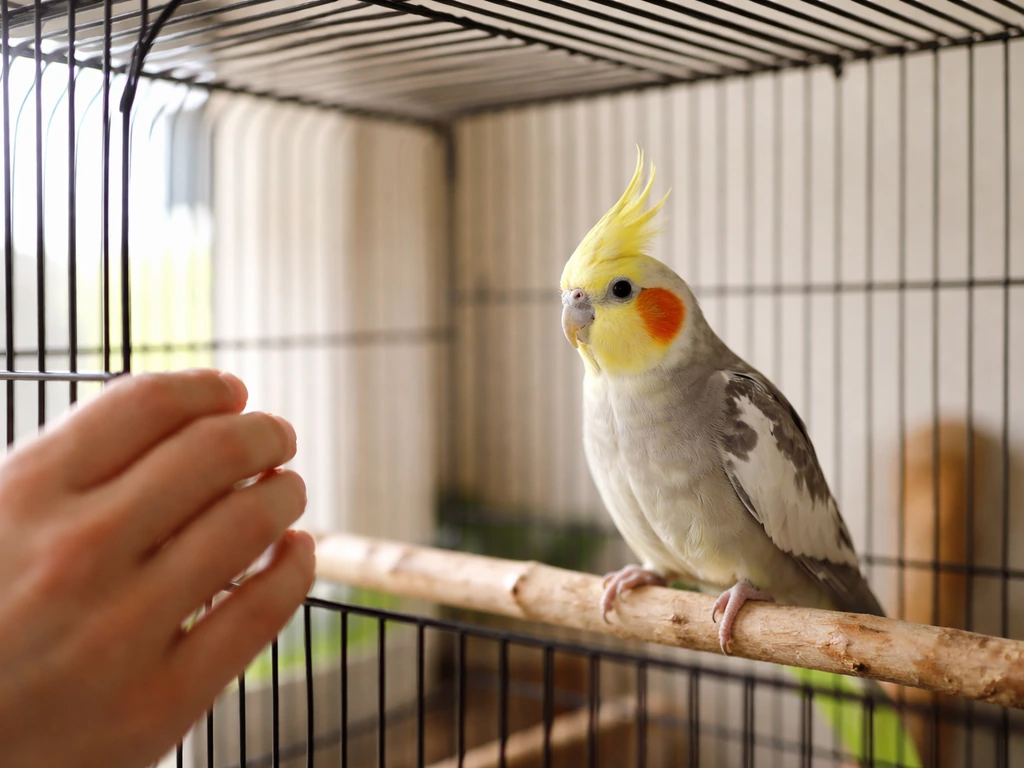
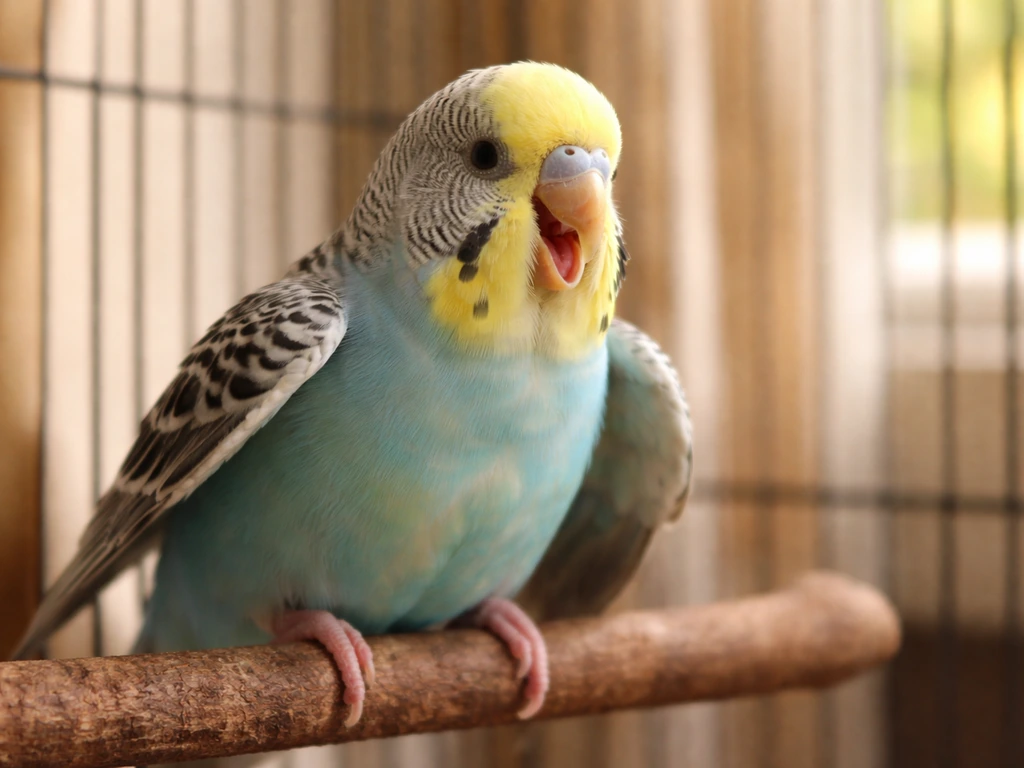
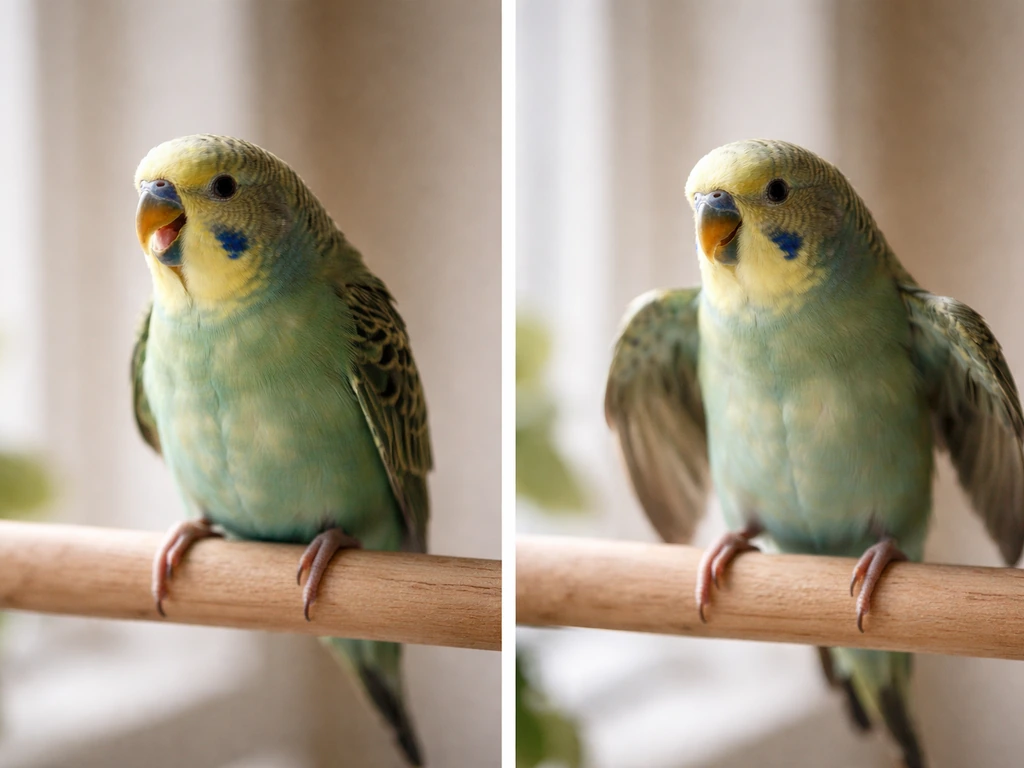
The fastest signs that a bird is overheating are open-mouth breathing, wings held out away from the body, blank" rel="noopener noreferrer">panting, and sudden lethargy. If your bird is doing any of those things, especially in warm weather or in direct sun, take it seriously right now. A bird holding its wings away from its body with the beak open can be trying to cool itself by respiratory cooling, and overheated birds may also droop or hold their wings away blank" rel="noopener noreferrer">beak open with wings held away as respiratory cooling. Heat stress in birds can go from mild to dangerous faster than most owners expect, and the window to act is short.
How to Tell If a Bird Is Overheating and What to Do

Marcus Chen
30 Jun 2026
Quick signs your bird is overheating
Birds can't sweat, so they cool themselves by breathing rapidly and holding their wings out to expose skin. That means most of the visible signs of overheating show up in posture and breathing. Here's what to look for:
- Open-mouth breathing or visible panting (beak slightly or fully open, rapid jaw movement)
- Wings held out and away from the body, drooping loosely at the sides
- Tail bobbing in rhythm with each breath (a sign of labored respiration)
- Unusual lethargy: sitting still on the cage floor or low perch, not reacting normally to you
- Fluffed feathers combined with a dull or glassy-eyed look
- Reduced vocalization from a normally chatty bird
- Visibly flushed or darkened bare skin patches on the face (in species where this is visible)
Not every warm bird shows all of these at once. A bird that's just mildly warm might only hold its wings out slightly. A bird in serious heat stress will be panting hard, drooping, and barely responding to you. The combination of open-mouth breathing plus lethargy is the one to treat as urgent immediately.
How to check safely (behavior and body temperature cues)
Before you do anything else, assess where the bird is and what the conditions are. A bird near a window on a hot afternoon, or in a room above 85°F (29°C), has an obvious environmental cause. That context matters because it tells you whether what you're seeing is heat-related or something else entirely.
You can't take a bird's temperature at home the way you would a dog's, so you're reading behavioral and physical cues instead. Gently observe the bird from a short distance before approaching. Watch the breathing rate and the wing position. A healthy resting bird breathes quietly with its wings held close to its body. If you are also wondering, “is my bird happy,” look for relaxed body language and normal, steady breathing once the bird is safe and cool. Rapid visible breathing or wings splayed out at rest are not normal.
If you handle the bird, feel the feet and the skin under the wings gently. Overheated birds often feel unusually warm to the touch on bare skin areas. Keep handling brief. Excessive handling raises stress and body temperature further, which is the last thing you want right now.
One important caveat: open-mouth breathing is not only a heat sign. It also shows up with respiratory infections, airway obstructions, and other serious conditions. If the bird is in a cool room, hasn't been in the sun, and is still breathing with its mouth open, don't assume heat. That bird needs a vet call regardless of the cause.
What to do immediately to cool them down
Speed matters here, but so does doing it right. A sudden temperature shock can stress the bird further. The goal is to bring the temperature down gradually and steadily, not all at once.
- Move the bird to a cooler room immediately. Somewhere between 70 and 75°F (21 to 24°C) is ideal. An air-conditioned room works well as long as you're not placing the bird directly in the cold air stream.
- Improve airflow around the bird. A gentle fan pointed near (not directly at) the cage helps move warm air away. Avoid strong direct drafts.
- Offer fresh cool water right away. Place it within easy reach and let the bird drink on its own terms. Do not force water into the beak.
- Mist lightly if the bird tolerates it. A fine mist of room-temperature water on the feathers helps with evaporative cooling. Use a spray bottle set to mist, not a strong stream.
- Keep the bird calm and reduce stimulation. Dim the lights slightly, speak quietly, and minimize handling. Stress raises body temperature.
- Monitor breathing every few minutes. If the bird improves (beak closes, wings return to normal position, becomes more alert) within 10 to 15 minutes, that's a good sign. If it doesn't, or gets worse, call a vet.
If the bird is still alert and responsive, these steps are usually enough to get things moving in the right direction quickly. The key is removing the heat source and giving the bird a way to lose body heat safely.
What not to do (common owner mistakes)
Some of the instinctive things people reach for when they see a bird in distress can actually make things worse. Some well-meaning people also consider adding vitamins, but supplements are not a substitute for proper cooling and veterinary care reach for when they see a bird in distress. Avoid these:
- Don't use ice or ice water directly on the bird. Rapid cold on a warm bird can cause shock and stress the cardiovascular system.
- Don't submerge or soak the bird in water. A light mist is fine; dunking is not. Wet feathers in a stressed bird can make temperature regulation harder, not easier.
- Don't place the bird directly in front of an air conditioning vent or fan blowing at full force. Cold drafts can cause rapid temperature drops and respiratory problems.
- Don't force food or water into the beak. A distressed bird can aspirate liquid into the lungs, which is a medical emergency on its own.
- Don't wrap the bird tightly in a wet towel. This traps heat and prevents normal breathing.
- Don't assume it will sort itself out. Heat stress in birds escalates quickly. Watch actively and be ready to escalate to a vet call.
Preventing overheating day-to-day
Most overheating situations are avoidable with some straightforward adjustments to the bird's environment. Once you know what to watch for, prevention becomes part of routine care.
Cage placement and sunlight
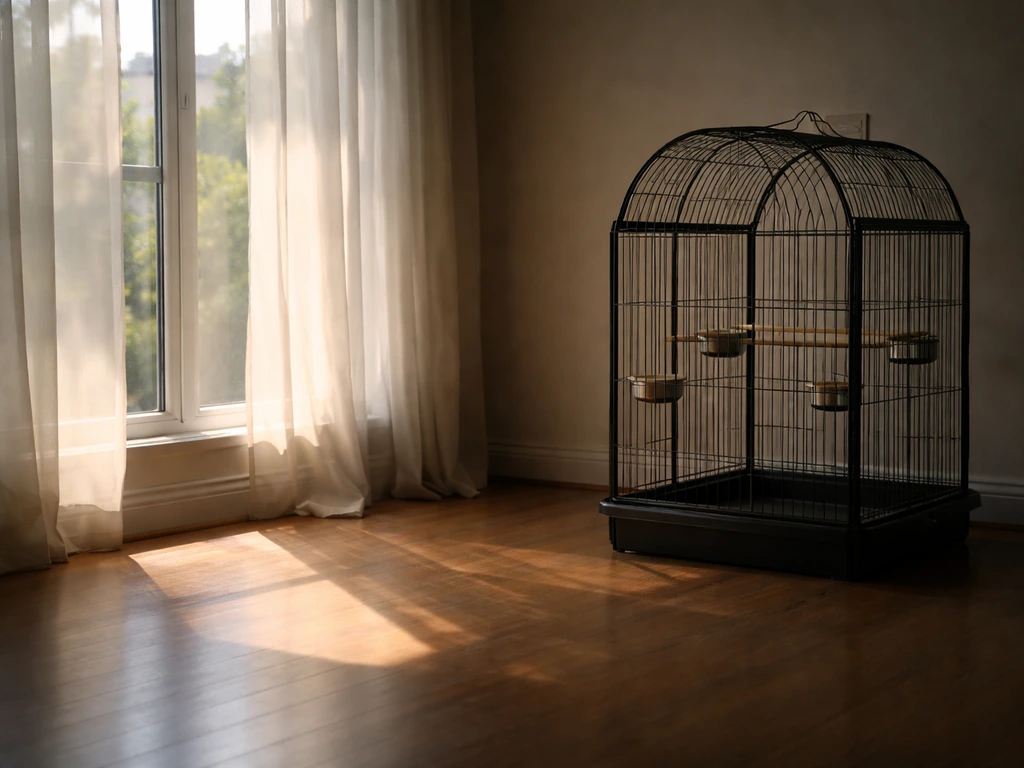
The most common mistake is placing a cage near a window for natural light without realizing how fast that space heats up. Direct afternoon sun through glass can push the temperature in the cage well above safe levels within an hour, even when the rest of the room feels comfortable. Position cages so the bird can access indirect natural light but always has a shaded area to retreat to. Move cages away from west-facing windows during summer afternoons.
Room temperature and humidity
Most pet birds are comfortable in rooms between 65 and 80°F (18 to 27°C). For more my bird tips on keeping your feathered friend comfortable, focus on daily monitoring and environment adjustments. Once temperatures push past 85°F (29°C), heat stress risk increases, especially in smaller rooms with poor airflow. Humidity matters too: high humidity reduces the effectiveness of panting as a cooling mechanism, so a hot and humid room is more dangerous than a hot and dry one. Keep humidity moderate (around 40 to 60 percent) and use air conditioning on very hot days.
Airflow and fans
Good airflow helps, but positioning matters. A ceiling fan running on low, or a floor fan aimed at a wall to circulate air rather than blow directly on the cage, can keep a room livable on a hot day. Avoid placing the cage in a spot where the bird can't escape a direct breeze. Birds need the ability to move toward or away from airflow on their own terms.
Bathing access
Regular bathing opportunities help birds manage their own temperature. A shallow dish of fresh room-temperature water placed in or near the cage on warm days gives the bird the option to bathe or stand in the water. If you're unsure whether your bird is thirsty, look for drinking habits and other dehydration cues how to know if a bird is thirsty. Many birds will use it instinctively when they're warm. Offering a misting session in the morning during summer is a simple habit that helps a lot.
Exercise and handling on hot days
Physical activity raises body temperature, so keep out-of-cage playtime shorter on very hot days and avoid handling a bird that already seems warm. If your bird gets active exercise time daily, schedule it in the cooler parts of the morning or evening during heatwaves rather than the warmest part of the afternoon.
Staying on top of how a bird is doing overall also means knowing how it normally looks and acts. Birds that are already stressed, underweight, or unwell are more vulnerable to heat. Keeping up with general wellness and knowing what 'normal' looks and feels like for your specific bird makes it much easier to spot early warning signs. Because heat stress is not the only cause of low mood, watch for signs of depression and behavioral changes too.
When it's an emergency: vet and urgent care triggers
Home cooling steps are appropriate for a bird showing early signs of heat discomfort in a clearly hot environment. If you’re wondering about leaving the TV on for your bird, the main concerns are heat, light, and stress, so keep the area comfortable and calm leave the TV on for my bird. But there are situations where this moves beyond what you can handle at home, and waiting is the wrong call.
Call a vet or avian emergency clinic immediately if any of the following are present:
- The bird is not improving after 10 to 15 minutes in a cooler environment
- Breathing is labored, fast, or noisy and does not settle once cooled
- The bird is unable to perch, keeps falling over, or can't stay upright
- There is no response to your presence, voice, or gentle movement near the cage
- The bird appears to be seizuring or has muscle tremors
- The beak remains open continuously and the bird looks exhausted
- The bird loses consciousness or becomes completely limp
- Open-mouth breathing is present in a bird that was not exposed to heat (possible respiratory illness)
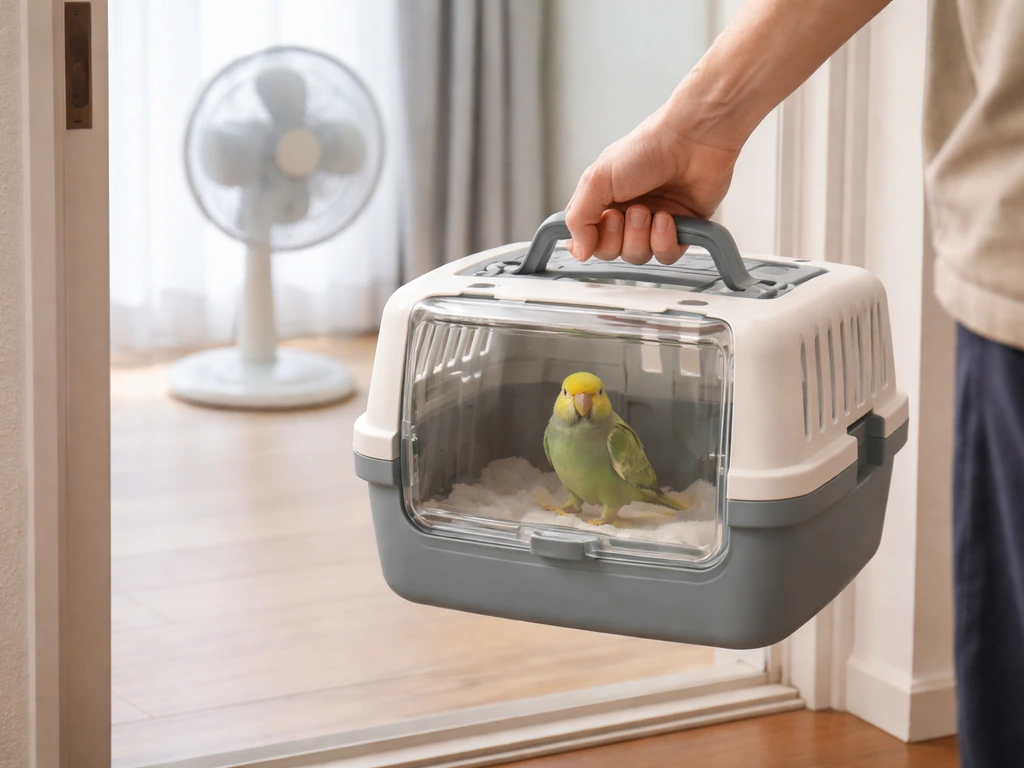
While you're waiting for help or on the way to the clinic, keep the bird in a cool, calm, well-ventilated space. A small carrier with a light misting and a shallow water source is fine for transport. Don't stress the bird further with handling, noise, or rapid temperature changes during the trip.
Heat emergencies in birds can look deceptively mild in the early stages and then collapse quickly. Trust your gut: if something feels wrong even after cooling steps, make the call. An avian vet would always rather you called too soon than too late.
FAQ
If my bird is warm but not panting, how can I tell whether it’s just uncomfortable or truly overheating?
Check breathing pattern and posture together. A bird that is only mildly warm should still breathe quietly with wings held close most of the time. If you notice sustained rapid breathing at rest, wings held out more than briefly, or a noticeable drop in responsiveness compared with its usual baseline, treat it as heat stress even if mouth breathing is not present yet.
Is open-mouth breathing always a heat emergency?
No. Open-mouth breathing can also happen with airway problems, infections, or obstructions. Heat is more likely if the room or cage is very warm, the bird was recently in sun, and the bird also shows cooling posture like wings splayed and reduced alertness. If the bird is in a cool, shaded area or the mouth is open without other heat cues, assume it is serious and call a vet.
What are safe first steps while I’m deciding whether to call a vet?
First remove the heat source immediately, move the bird to a shaded, well-ventilated area, and avoid handling longer than necessary. Offer a shallow dish of room-temperature water or a light misting if the bird seems willing, and monitor breathing and responsiveness every few minutes. Do not try to “shock cool” with cold water or ice.
Should I put ice packs or very cold water near the bird to cool it faster?
Avoid direct, very cold cooling. Sudden temperature drops can stress the bird further and worsen shock risk. If you use cooling aids, keep the water at room temperature and focus on gradual reduction through shade, airflow, and gentle misting rather than extreme cold.
How do I position a fan for cooling without making it worse?
Use airflow to help the room shed heat, but give the bird the choice to move toward or away from the air. A safer setup is gentle circulation in the room (fan aimed at a wall or low ceiling airflow) rather than direct blasting at the cage. If the bird keeps wings pressed tightly and seems unable to escape the breeze, adjust the fan so it can retreat to calmer air.
What should I do if I suspect overheating but the bird won’t drink or bathe?
Don’t force the bird to drink or submerge. Instead, focus on shade and airflow, offer a shallow water option, and watch for drinking attempts and changes in posture. If the bird won’t accept water plus breathing is rapid, mouth breathing appears, or it becomes lethargic, treat it as urgent and contact an avian vet rather than waiting for bathing to work.
Can humidity affect how quickly a bird cools?
Yes. High humidity makes panting and evaporative cooling less effective, so the same room temperature can be more dangerous when the air is damp. If you’re in a hot, humid environment, act sooner, increase airflow carefully, and consider air conditioning to reduce both temperature and humidity exposure.
What’s a practical way to assess my bird’s “normal” so I can spot early overheating?
For your specific bird, note typical resting posture and breathing rate, how quickly it responds to you, and how it behaves when it’s warm but still comfortable. Early heat stress often shows up as a change from that baseline, such as wings held out at rest, quiet breathing turning noticeably rapid, or reduced interest in its normal routines.
Should I limit out-of-cage time or exercise when it’s hot?
Yes. Physical activity raises body temperature, so schedule play and training for the coolest parts of the day during heatwaves. If your bird is already showing early heat cues, skip extra activity and handling until it’s clearly stable in a cooler, shaded setting.
When is it too risky to wait and try home cooling?
If the bird shows escalating signs such as heavy open-mouth breathing with obvious lethargy, drooping or collapse, or any breathing distress that does not improve quickly after removing heat, treat it as an emergency. When in doubt, call an avian emergency clinic, because heat stress can worsen rapidly and the safe window for intervention is short.
During transport to the vet, how should I cool and contain the bird?
Use a small, well-ventilated carrier in a cool, calm space. You can add a light mist and a shallow, room-temperature water source, but keep everything gradual and avoid rapid temperature swings. Minimize handling, noise, and stops that prolong overheating exposure.
Are vitamins or supplements helpful for overheating?
No. Supplements do not replace proper cooling and veterinary assessment. If the bird is in distress, prioritize immediate environmental changes and medical evaluation rather than trying to treat the problem indirectly.
Can a bird overheat even if the room feels “normal” to me?
Yes. Birds are affected by local conditions, especially sun through windows and heat buildup in the cage area. West-facing windows and afternoon light through glass can raise the cage microclimate quickly even when the rest of the room seems comfortable, so always judge based on the cage location, airflow, and direct sunlight exposure.
Next Article
Is My Bird Depressed? Checklist, Causes, and What to Do
Checklist to spot depression-like signs in pet birds, rule out medical causes, and take safe next steps today.