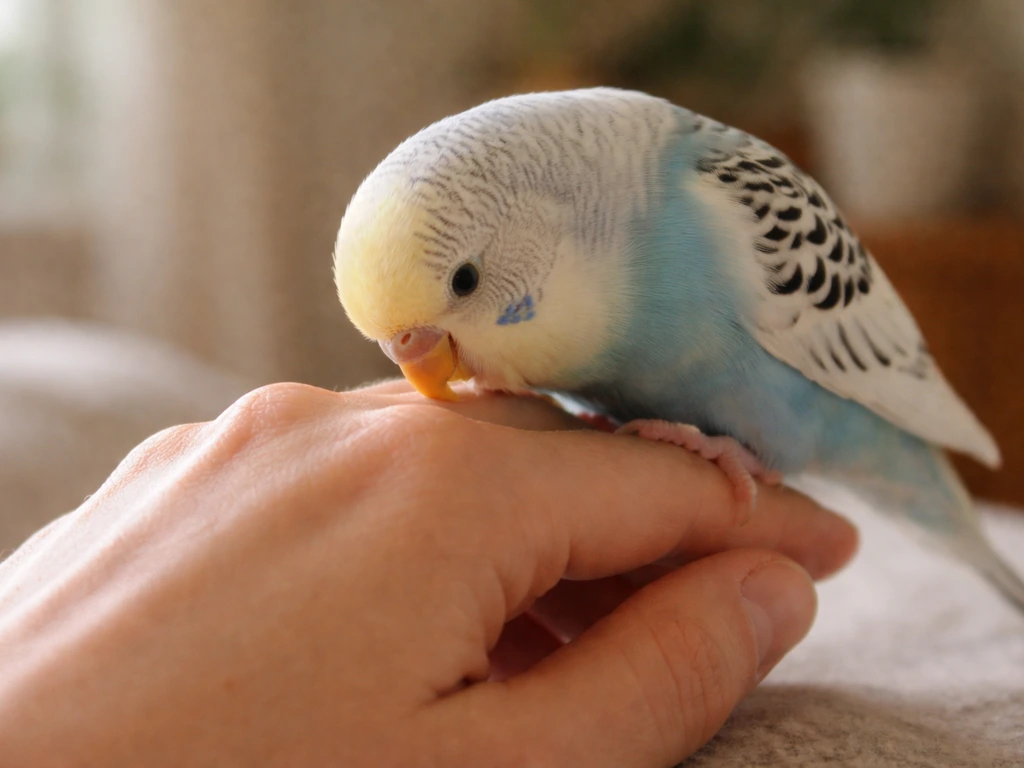
Your bird is humping you because they see you as their mate. If you are also wondering why your bird preens you, the bonding and mating context can explain that, too why does my bird preen me. It's one of the most common hormonal behaviors in pet birds, and while it can feel awkward or alarming, it usually isn't a sign something is wrong. That said, the context and frequency matter a lot, and there are a few situations where it's worth paying closer attention.
Why Does My Bird Hump Me? Causes and What to Do Today

Marcus Chen
5 Jun 2026
What humping usually means in pet birds
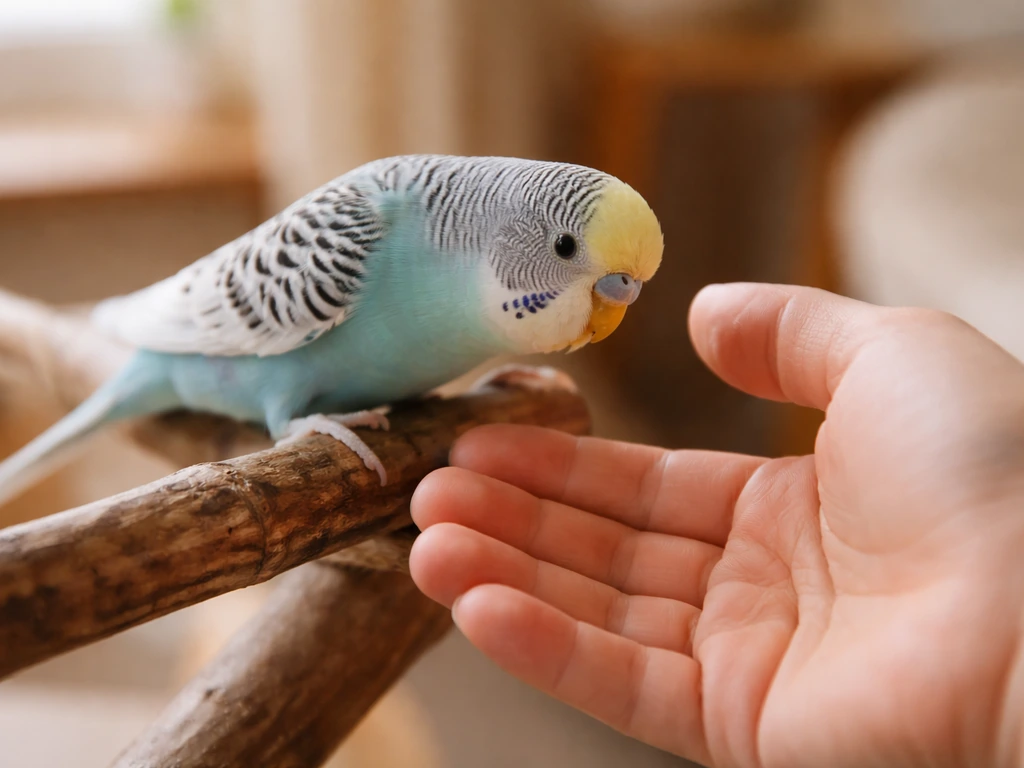
When a bird mounts or rubs against you, it's almost always a hormonal or bonding behavior. Birds kept alone with a human caretaker often redirect their natural mating instincts toward that person. You become, in their mind, their chosen mate. This isn't a sign of a troubled bird; it's a sign of a bird doing exactly what their biology is wired to do during breeding season (or conditions that mimic it).
The behavior itself involves the bird rubbing their vent (cloaca) against your hand, arm, or shoulder. If your bird is rubbing its face on everything too, compare that to normal bonding and stress-relief behaviors to see whether it signals a similar underlying cause rub against you. You might also notice tail fanning, crouched posture, raised wings, regurgitating food toward you, or persistent vocalizations before or during the behavior. Some birds will bob their head and neck as a courtship display first. All of these are normal parts of the mating sequence in birds.
Pet birds can enter breeding condition at almost any time of year, unlike wild birds that are tightly controlled by seasonal cues. Indoor lighting, diet, temperature, and your own handling patterns can all push a bird into that hormonal state regardless of the calendar.
Normal sexual/bonding vs attention-seeking vs stress relief
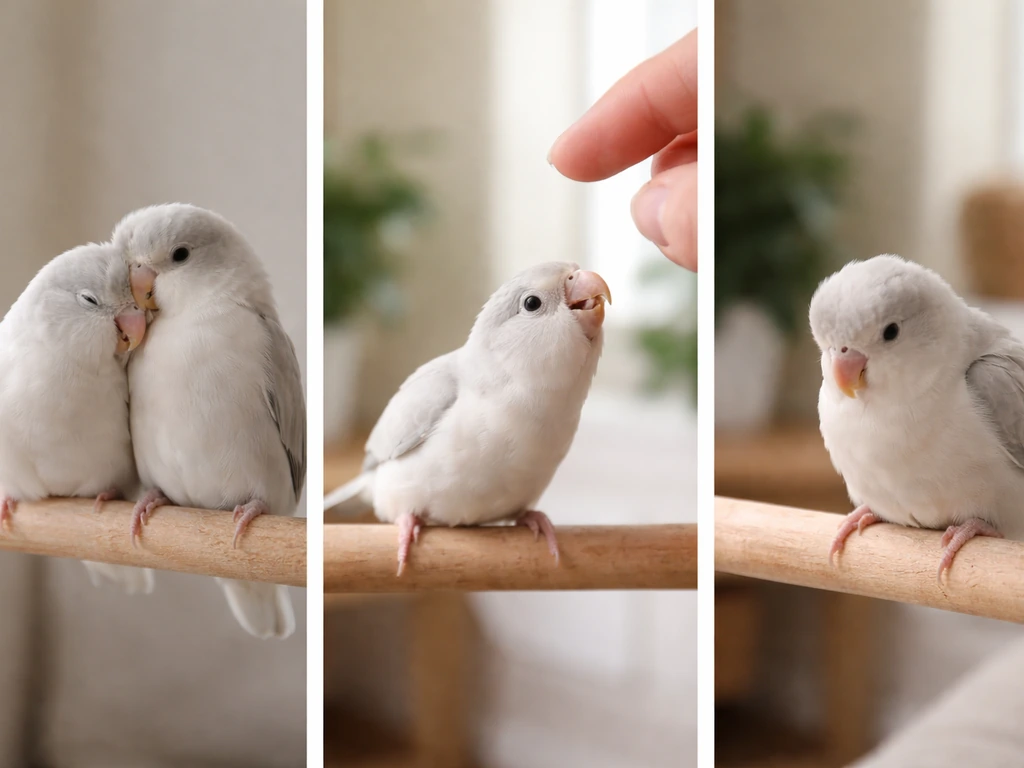
Not every humping episode is purely hormonal. There are a few different motivations behind the behavior, and telling them apart helps you respond correctly.
Hormonal and mate-bonding behavior
This is the most common reason. The bird is in breeding condition and views you as their partner. You'll typically see this ramp up in spring or whenever the bird's environment has shifted (more light exposure, change in diet, new nesting-like spaces in the cage). The bird is focused, persistent, and often follows up humping with regurgitation, territorial behavior, or increased clinginess toward you specifically.
Attention-seeking behavior
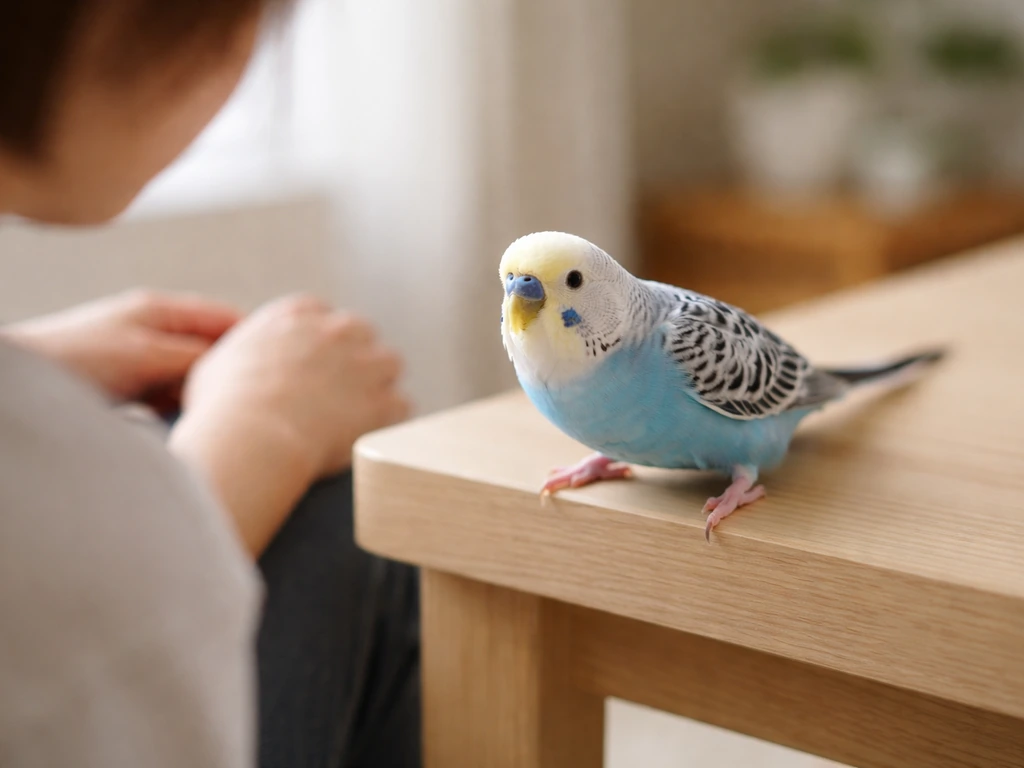
Some birds learn that this behavior gets a reaction out of you, and they repeat it for the attention. If you've laughed, talked to the bird, or made a big deal of the behavior in the past, you may have accidentally reinforced it. In this case, the humping has less to do with hormones and more to do with learned interaction patterns.
Stress relief and frustration
A bird that is bored, under-stimulated, or sexually frustrated may hump as a kind of outlet. This is worth monitoring, because chronic sexual frustration can sometimes lead to feather-destructive behaviors or other stress-related issues. If your bird also pulls feathers, screams excessively, or seems unsettled outside of the humping episodes, stress is likely a contributing factor. Boredom, sleep deprivation, and lack of mental stimulation are all known drivers of stress behaviors in pet birds.
Quick behavior checklist to read what your bird is communicating
Before you decide how to respond, spend a day or two just observing. Ask yourself these questions as you watch your bird:
- Is there tail bobbing, crouched posture, or fanned wings before the behavior starts? (Classic mating posture, likely hormonal.)
- Is the bird regurgitating food toward you or certain toys? (Courtship feeding, a strong mate-bonding signal.)
- Does the humping happen mostly during handling or petting sessions? (Could be touch-triggered hormonal response or attention-seeking.)
- Does the bird hump objects in the cage too, like toys, perches, or mirrors? (Redirected mating behavior toward perceived mates or rivals.)
- Is the bird otherwise alert, eating normally, and behaving normally? (Good sign this is routine hormonal behavior, not illness.)
- Has the behavior started suddenly with no obvious trigger? (Worth a vet check, especially if other symptoms are present.)
- Is the bird aggressive or territorial around you compared to others? (Signs they've strongly pair-bonded to you.)
- Does the bird seem to strain or look uncomfortable during or after the behavior? (This needs veterinary attention.)
Common triggers to look for
Knowing what's triggering the behavior puts you in control. These are the most common culprits to investigate in your bird's environment.
Light exposure and season
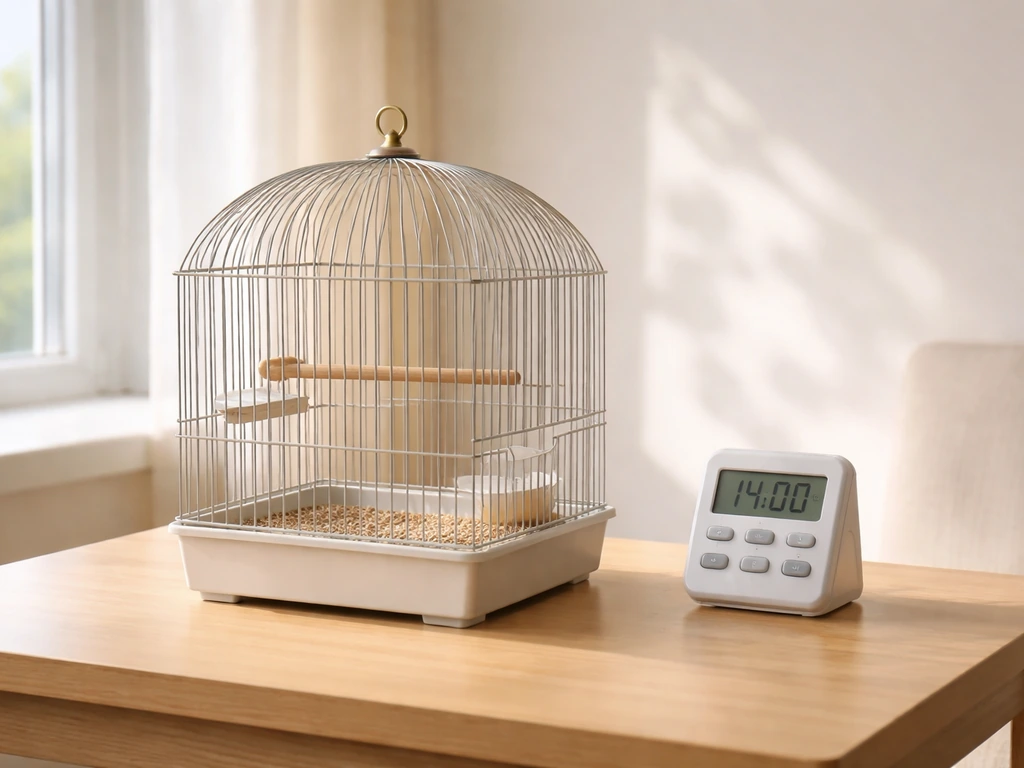
Indoor birds exposed to 12 or more hours of light per day can have their hormonal systems convinced that breeding season has arrived. This is one of the biggest and most overlooked triggers. Room lighting, TVs, and even ambient light from windows late into the evening all count. Wild birds in temperate zones respond strongly to increasing day length as a breeding cue, and captive birds are no different.
Nesting cues in the cage
Anything that feels like a nesting site can trigger or escalate hormonal behavior. This includes nest boxes (obviously), but also small enclosed spaces like tissue boxes, cozy huts, tucked corners of the cage, or even cardboard. Soft, shredded nesting material left accessible is another common trigger. If your bird has started spending more time in enclosed spaces, that's a sign nesting mode has kicked in.
Mirrors and certain toys
Mirrors and toys that resemble a bird can act as stand-ins for a mate. If your bird regularly interacts with (or mounts) a mirror or specific toy, those objects are reinforcing the hormonal cycle. If your bird is also pecking at the window, it may be reacting to reflections or outdoor movement that it interprets as a mate or flock. The same logic applies to objects that are handled with both hands or held against the body during interaction.
Petting and handling patterns
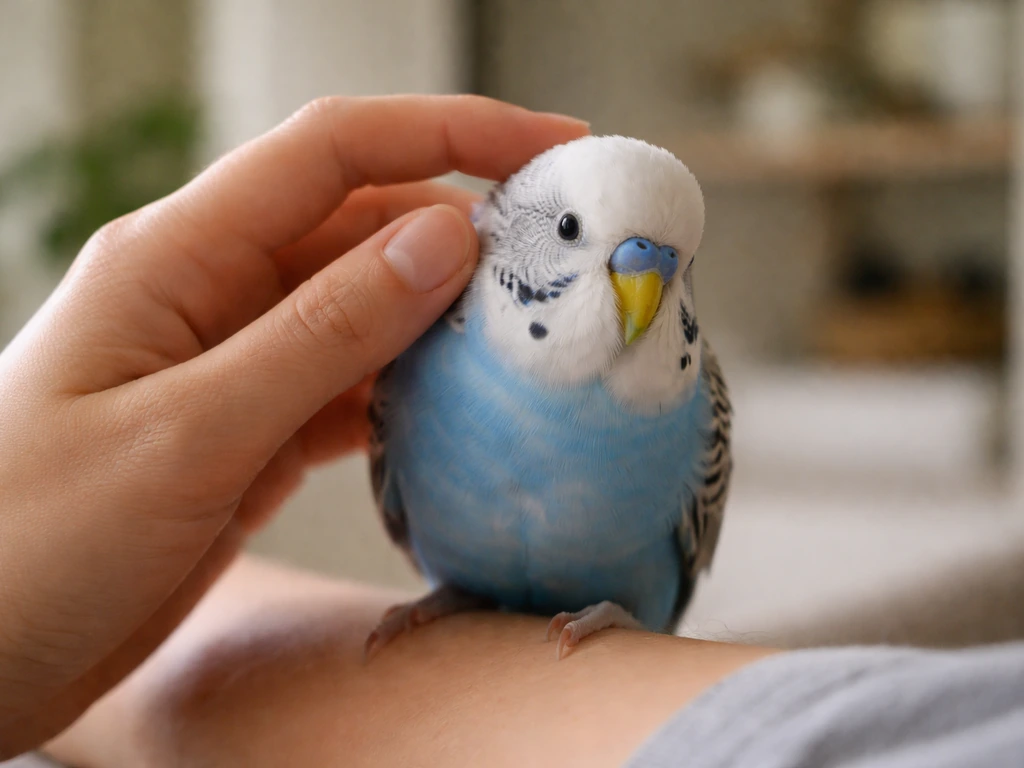
Petting a bird on their back, wings, or under their tail is physically stimulating in the same way a mating partner would be. Even well-meaning owners accidentally trigger hormonal responses through the way they handle their birds. Head and neck scratches are the safest zones; anywhere else on the body can send mating signals.
Diet and nutrition
A rich, high-calorie diet can mimic the nutritional surplus that wild birds experience in spring before breeding. If your bird is getting a lot of high-fat seeds, soft foods, or extra treats, this can contribute to hormonal readiness. Diet is often the last trigger owners think of, but it's a real one.
How to stop or reduce humping
You don't have to just tolerate this behavior, and you shouldn't punish your bird for it either. Punishment doesn't work and will damage your relationship. Here's what does work.
Redirect, don't react
When the behavior starts, calmly but immediately shift your bird's focus. Put them down, move to a different activity, or introduce a foraging toy. Don't laugh, scold, or make a big fuss. Any strong reaction (positive or negative) can reinforce the behavior. Your goal is to make the behavior unrewarding by offering something better to do instead.
Set clear physical boundaries
Keep petting to the head and neck only. Avoid stroking the back, wings, or vent area. If the bird is climbing toward a position where humping usually starts (often on your shoulder, forearm, or lap), move them before it begins rather than after. Consistency here matters more than perfection; every time you catch it early, you're preventing the cycle from completing.
Don't reinforce attention-seeking humping
If your bird seems to hump specifically to get your attention, the fix is to stop rewarding it with engagement. Turn away, set the bird down gently, and wait a minute before re-engaging. Then reward your bird with attention when they're doing something calm and neutral. Over time, calm behavior becomes the better strategy for getting your attention.
Offer appropriate enrichment
A bird with plenty to do is less likely to fixate on mating behaviors. Foraging toys, puzzle feeders, training sessions, and supervised out-of-cage time all help reduce hormonal buildup and boredom. Training cues like step-up, target training, or trick work give your bird a mental outlet and redirect their energy toward positive interaction with you that isn't mate-focused.
Environmental and hormone management steps you can do today
These are practical changes you can make right now, without a vet visit, that address the most common hormonal triggers.
- Reduce light exposure to about 10 to 12 hours of light per day. Use a cage cover consistently every evening and consider a timer for room lights. Abrupt changes can stress birds, so dial this back gradually over a week or two.
- Ensure your bird gets at least 10 hours of uninterrupted darkness and quiet for sleep. Many pet birds are sleep-deprived, which worsens stress and hormonal dysregulation.
- Remove or rotate any mirrors, mirror-backed toys, or objects your bird mounts or displays toward. If they've claimed a specific toy as a 'mate,' remove it permanently rather than temporarily.
- Check the cage for any enclosed or cozy spaces that could be perceived as nesting sites. Remove nest boxes, cozy huts, and any shredded or soft nesting material.
- Review the diet and reduce high-fat seeds or extra calorie-dense foods if your bird has been getting a rich diet. Move toward a balanced pellet-based diet with fresh vegetables.
- Adjust your handling: keep all petting to the head and neck, and avoid lingering full-body contact that mimics a mate's touch.
- Rearrange the cage periodically. Changing the environment disrupts the sense of an established territory, which can reduce nesting and mating behaviors.
These steps work best together. Changing just one thing often isn't enough if the other triggers are still present. Think of it as turning down multiple dials at once rather than flipping a single switch.
When humping is a health concern
Most of the time, humping is a normal (if inconvenient) behavior. But there are specific situations where you should contact an avian vet rather than just managing it at home.
| Warning sign | Why it matters | What to do |
|---|---|---|
| Straining or visible tissue at the vent | Can indicate cloacal prolapse, a serious medical emergency that requires immediate care | Call an avian vet today |
| Tail bobbing at rest or open-mouth breathing | May signal respiratory distress, especially if associated with chronic straining | Urgent vet visit needed |
| Sudden behavior change with no obvious trigger | Could indicate pain, illness, or neurological issue rather than hormonal behavior | Schedule a vet check |
| Inappetence, weight loss, or lethargy alongside the behavior | Reproductive disease, egg binding, or systemic illness may be present | Vet evaluation needed |
| Feather destruction, self-mutilation, or skin irritation | Chronic sexual frustration can trigger feather-destructive behaviors; may also need medical management | Consult an avian vet |
| New aggression or biting that wasn't present before | Can indicate pain or discomfort rather than purely behavioral causes | Vet check recommended |
| Behavior doesn't improve after 4 to 6 weeks of environmental management | Persistent hormonal behavior may benefit from medical options like hormone implants | Discuss with an avian vet |
blank" rel="noopener noreferrer">Chronic straining from sexual behavior can, in serious cases, lead to cloacal prolapse. A dvm360 review notes that cloacal prolapse may be associated with chronic straining from masturbation, egg laying, and inappropriate weaning or social behavior, and affected birds can become inappetent or inactive and may show dyspnea such as tail-bobbing or open-mouth breathing blank" rel="noopener noreferrer">Avian cloacal prolapses. An avian vet can assess this with a physical exam and, if needed, imaging or bloodwork. If prolapse has already occurred, surgery or supportive care may be required, and the behavior management steps above are still essential afterward to prevent recurrence.
For birds where environmental and behavioral changes haven't reduced an intense hormonal response, medical options exist. Hormone therapy or implants can reduce breeding behavior and are sometimes the most humane solution for a bird in chronic sexual frustration. That's a conversation to have with an avian vet who knows your bird's full history.
Putting it all together
Your bird humping you is almost always a normal hormonal behavior directed at the person they've bonded with most closely. It's not cause for panic, but it is a cue to look at their environment and your interaction patterns. If you’re wondering about pecking at your car, the cause is often different and may involve territorial or environmental triggers.
If you’re wondering why a bird is pecking at your house, the cause is often related to hormonal or territorial behavior rather than aggression bird humping. Start with the light cycle, remove nesting cues and mate-substitute objects, adjust how and where you pet your bird, and redirect the behavior calmly when it happens. Most birds respond well to these changes within a few weeks.
If yours doesn't, or if you're seeing any of the warning signs above, an avian vet is your next step.
This behavior is closely related to other contact and bonding behaviors like beak rubbing, preening, and vent rubbing, which all come from the same underlying drive to connect with a perceived mate or flock member. Understanding the bigger picture of how your bird communicates physical affection and territorial bonding can help you navigate all of these behaviors more confidently. If you still find yourself wondering why does my bird nibble on me, the same general triggers, bonding cues, and attention patterns can be at play humping.
FAQ
Is it safe to stop my bird from humping by moving them away, or will that upset them?
Moving your bird away calmly is usually better than trying to block the behavior with your hands near the vent. Put them down and redirect to a neutral activity (foraging toy or training) right away. If you yank them off or hover them tightly, you can increase stress and make the hormonal response stronger next time.
How do I tell the difference between mating-hormone humping and stress behavior?
Mating-hormone episodes often come with a courtship sequence (tail fanning, crouch, regurgitation, focused approach) and are tied to triggers like extra light, nesting cues, or a specific person. Stress-related humping is more likely if it happens with visible agitation outside the main hormonal window, plus signs like feather pulling, excessive screaming, or restless pacing.
Should I remove mirrors and “bird-like” toys if my bird only humps them sometimes?
Yes, even occasional mounting can keep the hormonal cycle active. Remove mirrors for now and rotate or replace any toy your bird consistently approaches in the same way you do. If you want to reintroduce something later, do it gradually and watch for a return of mounting or frantic window pecking.
Does shortening daylight or changing the room lighting really help, or is it too late if my bird is already hormonal?
Changing the light cycle can still help even when the bird is already in breeding condition. Aim for consistent darkness at night, reduce late-evening light from windows and TVs, and keep daily lighting steady. A sudden change can cause short-term confusion, so adjust gradually if possible.
My bird humps my hands even when I’m not petting them. What else could be triggering it?
If your bird mounts when your hands are free, the trigger may be the scent and closeness of your body, not contact. Also check whether your hand position creates “nesting-like” angles (cocooning against your torso) or whether your bird climbs toward the same spot (lap, forearm, shoulder) each time. Redirect early, before they reach the usual starting position.
Can diet alone cause humping, and what should I change first?
Diet can contribute, especially if high-fat seeds, frequent treats, or soft, calorie-dense foods are increased. Start by reducing treats, removing extra “reward” foods around the times humping ramps up, and making sure the base diet is appropriate for your species. If you’re unsure about diet balance, an avian vet can help you adjust without causing nutrition issues.
What if my bird regurgitates while humping, does that mean something is wrong?
Regurgitation during humping is common in breeding-focused behavior and is usually a courtship part of the sequence. Still, monitor overall health, appetite, and breathing. If regurgitation happens repeatedly when your bird is not engaged in courtship, or you notice lethargy or illness signs, contact an avian vet to rule out medical causes.
Is it okay to reward my bird for calm behavior right after a humping episode?
Yes. The key is timing. As soon as you redirect, avoid engaging with the bird while they are in the arousal phase, then reward calm, neutral behaviors (standing on a perch, step-up, quiet interaction). Consistent rewards for calm cues reduce the chance the bird learns humping is the fastest route to attention.
How long should I expect improvements after changing the environment and my handling?
Many birds show noticeable changes within a few weeks when multiple triggers are addressed at once (light, nesting cues, petting zones, and attention patterns). If nothing improves after several weeks, or the behavior escalates in intensity or frequency, it’s time to reassess triggers and consider an avian vet.
When does humping become serious enough to see an avian vet?
Seek an avian vet if you see straining, signs of cloacal injury, blood, or repeated intense vent-focused behavior that does not calm down with environmental changes. Also get help if you suspect feather damage, if humping is chronic and escalating, or if you see possible cloacal prolapse. An exam matters because the underlying issue can be physical, not just hormonal.
Next Article
Why Does My Bird Preen Me? Causes and What to Do
Learn why your bird preens you, distinguish bonding from grooming issues, and follow quick checks plus vet red flags.