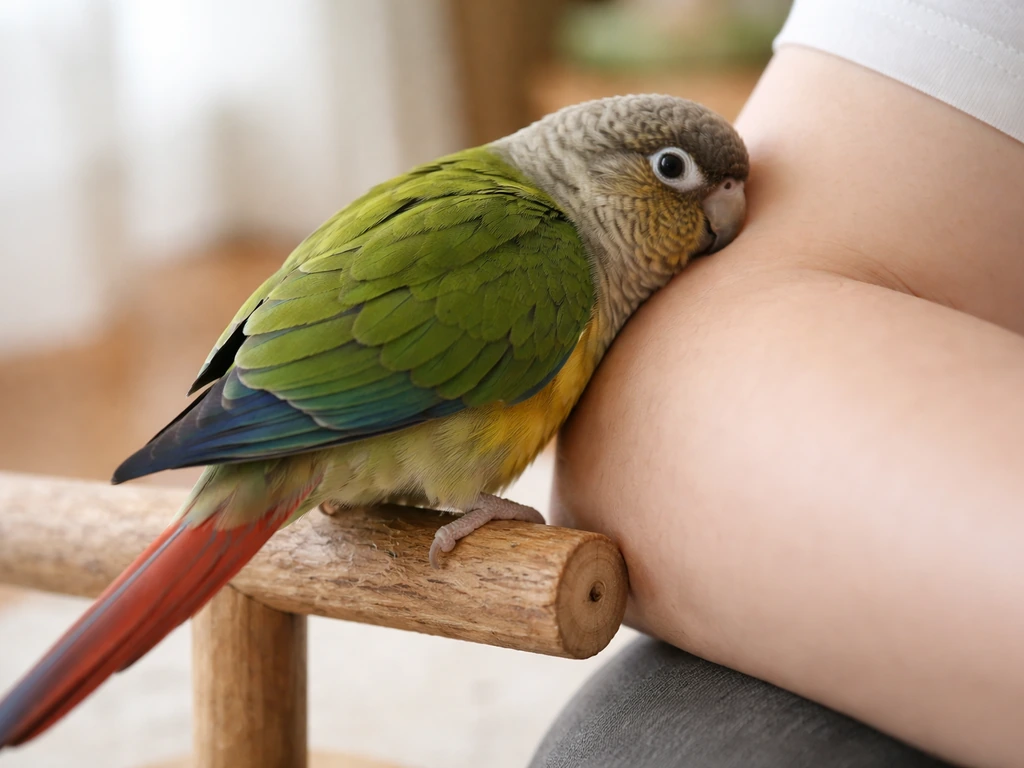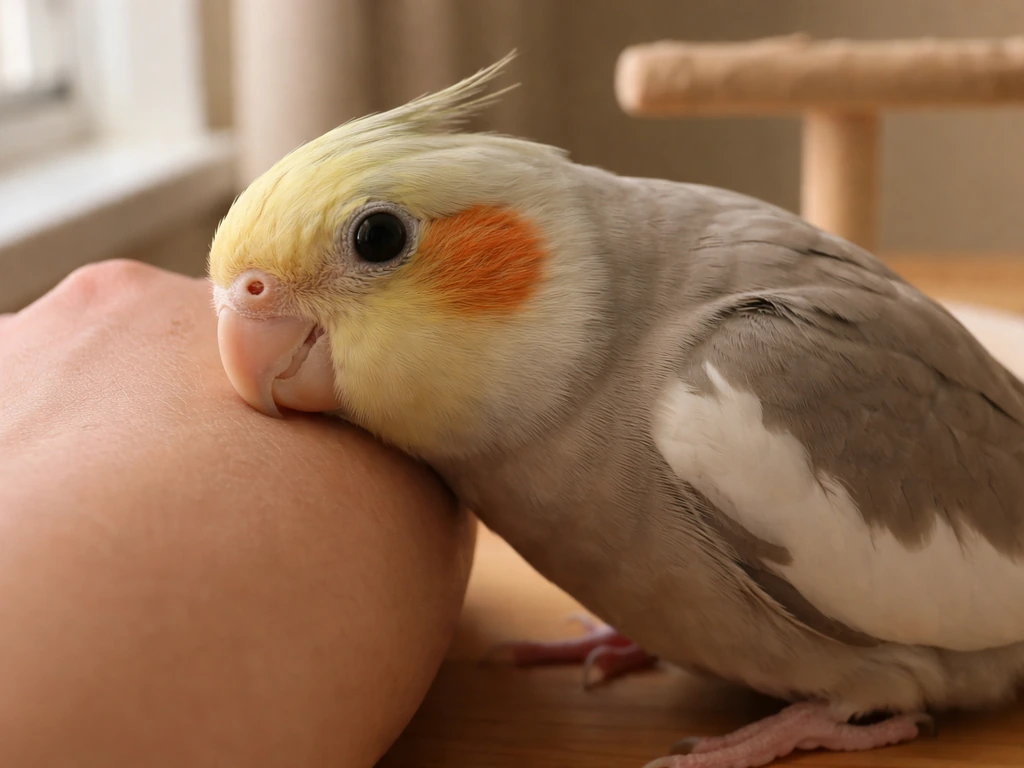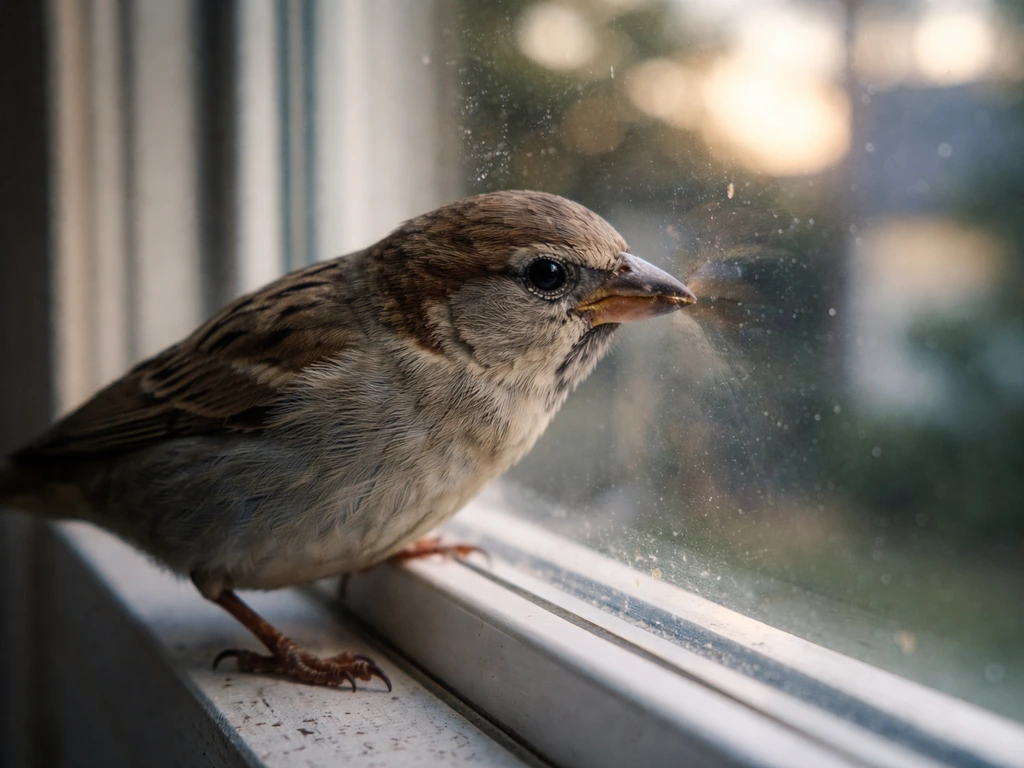
Most of the time, a bird rubbing his face on everything is completely normal. It usually means he's scratching an itch, cleaning his beak, working through a feather adjustment, or just enjoying the texture of whatever he's rubbing against. But face rubbing can also be your bird's way of telling you something is wrong, especially if it's intense, frequent, or paired with other symptoms like sneezing, eye discharge, or changes in energy. If the rubbing looks like a bird obsessively pecking at your window, treat it as a possible health or irritation red flag and check for related symptoms intense, frequent. If you are wondering why a bird is pecking at your house, the next step is to look for irritation signs and check the environment it is targeting bird obsessively pecking at your window. If the pecking is happening at the same spots on the car, check for window or reflective irritation, stress, or any health symptoms alongside the behavior why a bird is pecking at your house. Knowing the difference is what this guide is for.
Why Is My Bird Rubbing His Face on Everything? Causes and Fixes

Common reasons birds rub their face, head, or tail
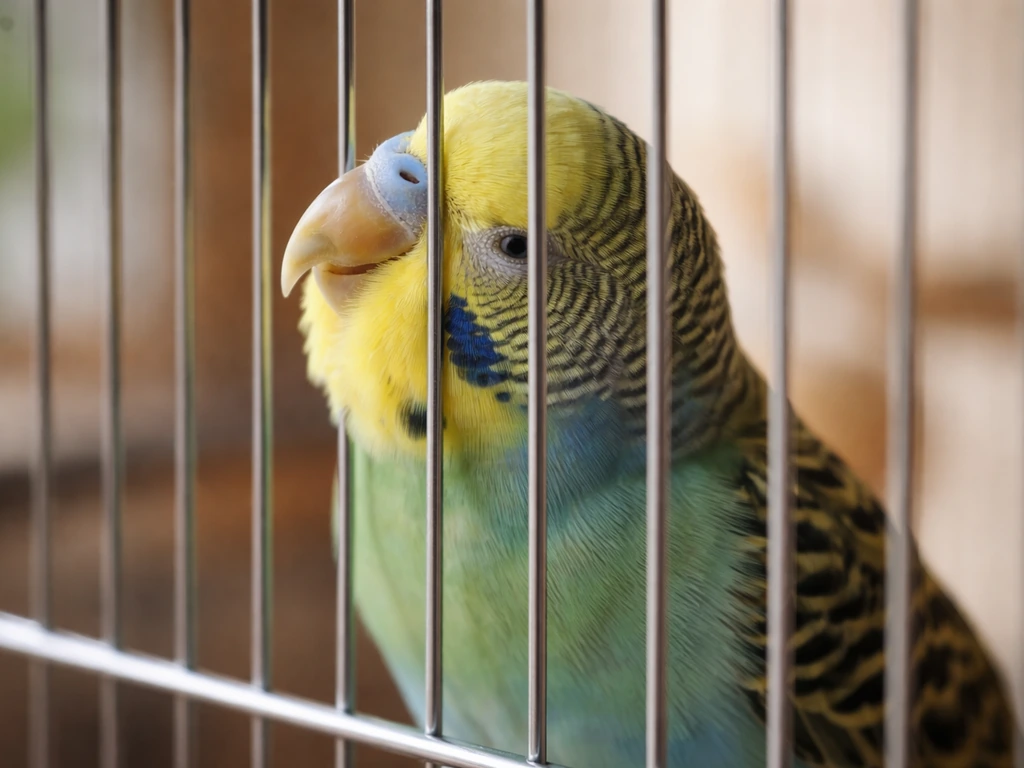
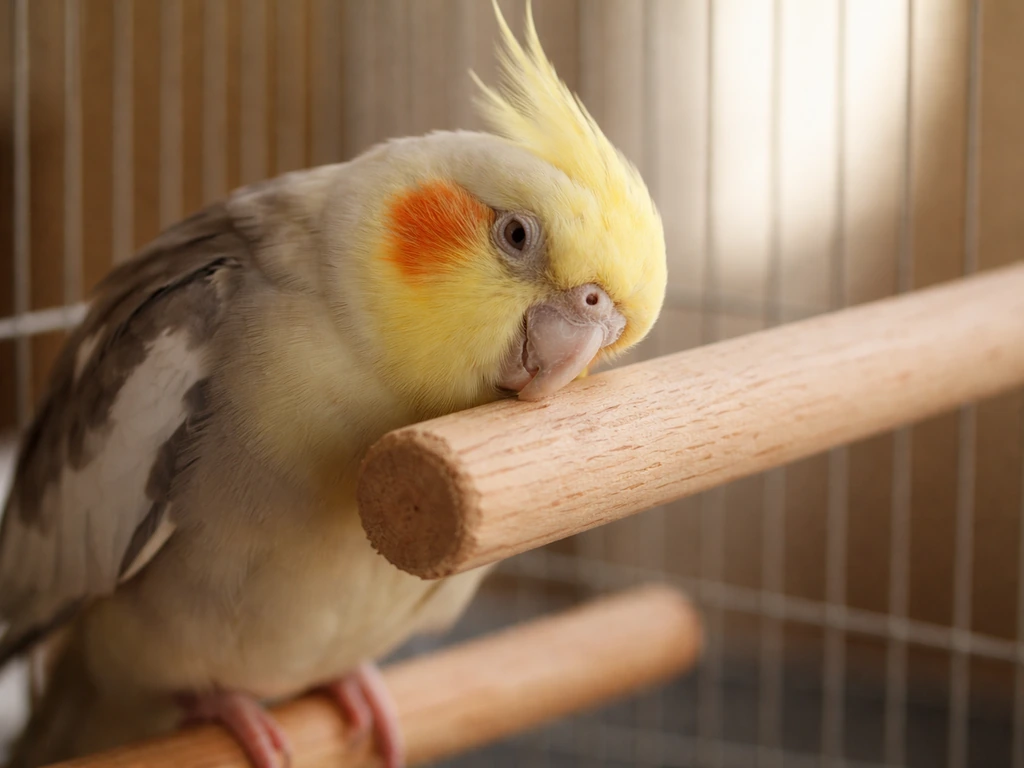
Birds don't have hands, so they use what they have. Rubbing the face or head against a perch, cage bar, toy, or even your sleeve is a perfectly normal way for a bird to scratch an itch, clean residue off the beak after eating, or reposition feathers they can't reach with their feet. Think of it as grooming by proxy.
Beak wiping in particular is well-documented as a cleaning and maintenance behavior. Birds rub their beaks on surfaces to remove food debris and to keep the beak conditioned, much the way a dog wipes its muzzle after eating. It can also happen after social interactions between birds.
Here's a quick rundown of the most common reasons you'll see this behavior:
- Beak cleaning after meals or treats
- Scratching an itch on the face, around the eyes, or at the cere (the fleshy area above the beak)
- Repositioning or smoothing down head feathers they can't reach any other way
- Exploring textures out of curiosity
- Seeking attention or physical contact with you
- Hormonal or courtship-driven behavior, especially in sexually mature birds
- Irritation from dust, dry air, or environmental fumes
- Parasite activity (mites) causing persistent itching around the face, beak, or eyes
- Eye irritation or early conjunctivitis
The vast majority of face rubbing falls into the first few categories. It becomes worth investigating when the rubbing is excessive, focused on one specific area, or accompanied by visible changes to the skin or feathers.
Rubbing on objects vs. rubbing on you: what each usually signals
Where and what your bird rubs against actually tells you a lot about why he's doing it.
When a bird rubs his face on cage bars, perches, toys, or furniture, it's almost always about physical comfort or grooming. He's scratching what itches, cleaning the beak, or just exploring. This kind of rubbing tends to be brief and casual, and the bird moves on quickly.
When a bird rubs his head or face on you specifically, it usually carries a social or bonding dimension. If you are trying to figure out why does my bird preen me instead of just doing general face rubbing, the bonding angle and preening contact are often the key comparison to watch for. Birds that see their owner as a flock member will use them for preening-related contact, rubbing their head against your fingers or clothes in a way that says "scratch here" or "I trust you." This is the same instinct behind why birds preen each other in the wild. If your bird tilts his head and pushes it into your hand repeatedly, he's almost certainly asking for a head scratch and enjoying the closeness.
Rubbing the beak specifically on you can also be a beak-cleaning move after eating, and it's not always as affectionate as it seems. If you are also wondering why it seems like he is doing this only to you, see the related guide about reasons birds rub their beak on people specifically why does my bird rub his beak on me. It's worth knowing that beak rubbing on people and beak rubbing on a perch can look almost identical and serve different purposes depending on context.
The key observation point is frequency and intensity. A few passes of the face across a perch or your hand is normal. Grinding the face persistently against something, especially in the same spot over and over, is the signal to look more closely.
Tail rubbing and vent-area contact: courtship, attention, or discomfort?
Tail and vent rubbing is a different conversation. When a bird rubs the underside of his tail (the vent or cloaca area) against a toy, perch, mirror, or your hand or arm, it's usually a hormonally driven sexual behavior. If your bird is rubbing his bum on you, use the same frequency and red-flag checklist to determine whether it is normal courtship behavior or something that needs a vet visit tail (the vent or cloaca area). This is common in sexually mature birds and tends to increase during breeding season or when the bird is consistently overstimulated. Males in particular will rub their vent on favorite objects or on their owner's hand, shoulder, or arm.
This is a normal behavior, but it's worth paying attention to how often it happens. If your bird is doing this every single day, that level of frequency suggests the behavior may need some management, and talking to an avian vet about strategies is genuinely useful. Consistent hormonal overstimulation isn't great for a bird's long-term health or temperament.
On the physical side, vent rubbing can occasionally indicate discomfort in that area, such as irritation, an egg-laying issue in females, or a localized problem. If the rubbing looks frantic, the vent area appears swollen or soiled, or the bird seems uncomfortable rather than relaxed during it, that warrants a closer look and likely a vet visit.
Red flags that point to irritation, parasites, or health problems
This is where normal rubbing ends and "call the vet" territory begins. The following signs mean the rubbing has a physical cause that needs attention.
Mites and scaly face disease
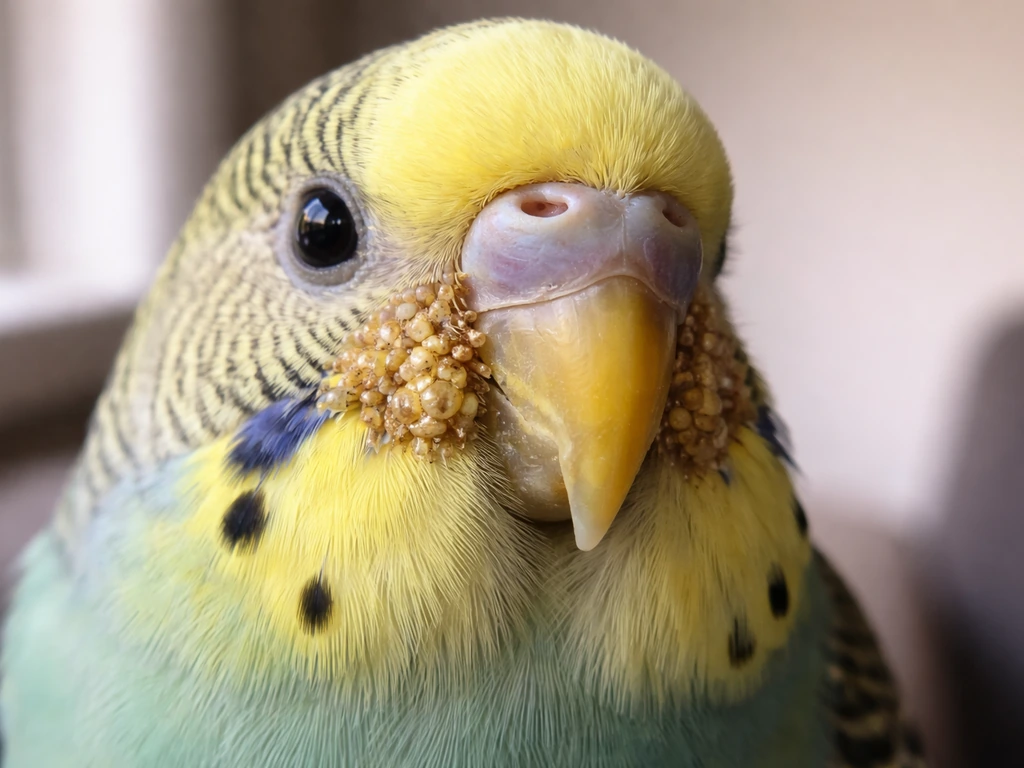
Scaly face mites (most common in budgies, though they can appear in other parrots) cause white, crusty, or honeycomb-textured lesions around the corners of the mouth, the cere, the nostrils, and sometimes around the eyes. The early sign is often a fine white coating or film starting at the cere or mouth angle. Birds rub their faces because the mites cause intense irritation in exactly those areas. If you notice any white crust, crusty buildup, or rough raised texture around the beak or nostrils, this is a likely culprit and it needs veterinary treatment. Left untreated, it can cause permanent beak deformity.
Eye irritation and conjunctivitis
If your bird is rubbing the area around one or both eyes, check for redness, swelling, discharge (which can be thick, white, or tan and crusty), excessive blinking, or a bird keeping one eye closed. These are signs of conjunctivitis, which can be triggered by infection, parasites, or environmental irritants. Any of those signs warrant a vet visit without delay. Conjunctivitis left untreated can worsen quickly, and the cause matters for treatment.
Respiratory irritation
Birds with nasal irritation or early respiratory problems sometimes rub their faces and heads more than usual, often pairing it with sneezing, head shaking, or wiping the nostrils on a perch. If you're seeing face rubbing along with frequent sneezing, nasal discharge, open-mouth breathing, labored breathing at rest, or tail bobbing with each breath, that's a respiratory concern that needs veterinary evaluation. Birds are extremely sensitive to airborne irritants, including aerosol sprays, scented candles, air fresheners, and cooking fumes, so an environmental trigger is always on the table too.
Signs that mean act now
- White crust, crusty film, or lesions around the beak, cere, nostrils, or eye corners
- Eye redness, swelling, discharge, or squinting/closing one eye
- Open-mouth breathing or labored breathing at rest
- Nasal discharge
- Tail bobbing with each breath
- Lethargy, fluffed-up posture, or loss of appetite alongside face rubbing
- Bleeding from rubbed areas
- Rubbing that is getting progressively worse rather than occasional
- Vent area that looks swollen, soiled, or irritated
What to check today: environment, grooming, and behavior
Before you panic or do anything drastic, do a quick and systematic check. Most of the time you'll find the answer in one of these areas.
Look at the bird closely
Get good light on your bird and look at the beak, cere, corners of the mouth, nostrils, and the skin around the eyes. You're looking for any white crust, unusual texture, swelling, discharge, redness, or missing feathers around the face. Check the vent area too if the rubbing involves the tail. Note whether the feathers look normal and whether the bird seems alert, active, and eating.
Check the environment
- Has anything changed recently? New cleaning products, candles, air fresheners, carpet sprays, or cooking with nonstick cookware nearby?
- Is the air in the room dry? Low humidity can irritate a bird's nasal passages and skin, triggering more rubbing.
- Is the cage clean? Dusty substrate, old food debris, or moldy material can be irritants.
- Are there any sharp or rough cage elements that could be causing the bird to rub in one specific spot out of discomfort?
- Has the bird's schedule, lighting cycle, or social routine changed? Longer light exposure can trigger hormonal behavior.
Observe the rubbing itself
Watch a few episodes of the rubbing and note: Which body part is making contact (face, beak, head, tail/vent)? What is he rubbing against? How long does it last? Does he seem relaxed or agitated while doing it? Is it scattered throughout the day or concentrated at certain times? Does it happen more around you, or when he's alone? The answers narrow down the cause significantly.
At-home comfort steps and when to call an avian vet
If the bird looks healthy, the rubbing is brief and casual, and there are no red flags, here are things you can do today to support comfort and reduce potential irritants.
Bathing and humidity
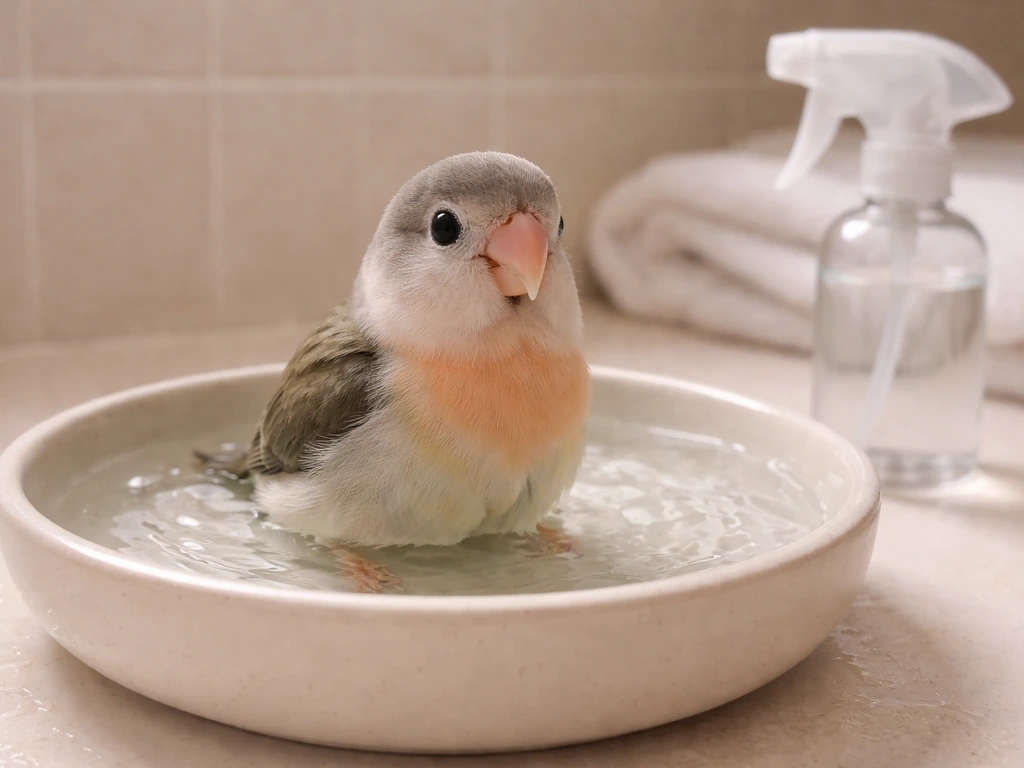
Offer a bath or gentle misting with plain, lukewarm water. No soaps, no additives. A light misting from a clean spray bottle or a shallow dish the bird can splash in works well. Bathing helps with dry skin, dusty feathers, and general comfort, and many birds become noticeably calmer and less itchy afterward. If the air in your home is dry, adding a humidifier near the cage (not blowing directly on it) can help too.
Remove potential airborne irritants
Stop using aerosol sprays, scented candles, plug-in air fresheners, or heavy cleaning products anywhere near the bird's space. Ventilate the room well. Birds' respiratory systems are extraordinarily sensitive, and what seems like a mild scent to you can be genuinely harmful to them.
Adjust lighting if hormonal behavior is suspected
If vent rubbing or other courtship-like behaviors are frequent, shortening the bird's daily light exposure to around 10 to 12 hours can help reduce hormonal drive. Covering the cage earlier in the evening is a simple first step.
When to contact an avian vet
Call an avian vet if you see any of the red flags listed above, especially white crusty lesions around the beak or eyes, any eye swelling or discharge, signs of breathing difficulty, or a bird that is lethargic and not eating. Also call if the rubbing is escalating rather than staying the same, if it's happening constantly throughout the day, or if you suspect mites. If conjunctivitis is a possibility, bring the cage along to the appointment without cleaning it first, since the vet may want to assess what's in the environment as a potential cause. Don't wait and see with respiratory symptoms or visible lesions. Birds hide illness well, and what looks mild can escalate quickly.
Tracking and preventing recurrence
Once you've identified the cause, a little ongoing observation goes a long way toward catching problems early if they return.
Keep a simple log for a week or two. Note when the rubbing happens, what body part is involved, what the bird was doing just before, and whether anything in the environment changed. You don't need anything fancy, a note on your phone works fine. Patterns become obvious quickly once you're watching for them.
For prevention, the basics matter most: keep the cage clean, maintain good air quality in the room, offer regular baths, avoid aerosols and strong scents, and keep lighting consistent. For birds prone to hormonal behavior, managing light exposure year-round reduces the intensity of seasonal spikes.
Also pay attention to what changes when the rubbing starts. A new cleaning product, a shift in routine, a change in diet, even a new piece of furniture near the cage can be the trigger. Birds are sensitive creatures and small environmental shifts can have surprisingly visible effects on their behavior.
If your bird also rubs his beak on you specifically, nibbles at your skin, preens your hair, or makes body contact in other ways, those behaviors are all part of the same social and grooming instinct. If the nibbling is frequent or paired with face rubbing and other irritation signs, check for health or environmental triggers nibbles at your skin. They're your bird's way of treating you like a flock member, which in most cases is a very good sign about your relationship with him.
FAQ
How can I tell normal grooming face rubbing from a problem if my bird looks “fine” otherwise?
Use a few specific checkpoints: normal grooming is usually brief, stops after a few passes, and the skin looks smooth. Problem rubbing tends to be persistent (same spot repeatedly), intensifies over days, and may leave visible clues like a new white film at the cere or corners of the mouth, missing feathers around the face, or changes in eye behavior like blinking more often or keeping one eye partially closed.
Is rubbing the face on the cage bars ever a sign of stress rather than itch?
It can be, especially if it’s paired with other stress patterns like feather fluffing, pacing, vocalizing unusually, reduced appetite, or aggressive pecking at the same area. Still, bar rubbing alone is more often grooming or mild irritation, so focus on environment triggers first (dust, aerosols, new cleaners, dry air, new toys) and look closely at the skin and nostrils for crusting or redness.
What should I check first if my bird’s face rubbing seems to increase at a certain time of day?
Track timing and triggers. Many birds scratch or rub more after bathing, after eating, or when routine changes. Also look for circadian and stimulation cues: do you spray cleaner, cook, use scented products, or open windows around that time? A quick log for a week often reveals a consistent “before” event that helps you remove the trigger without guessing.
Can dust from bedding or toys cause face rubbing?
Yes. Fine particulates can irritate the skin, nostrils, and eyes, leading to wiping and rubbing. If you suspect this, try switching to low-dust options (for example, less dusty bedding and thoroughly cleaned toys), then observe for a reduction. If rubbing continues or you see crusts around the nostrils or eye discharge, treat it as a health concern and involve an avian vet.
My bird rubs his beak a lot after eating. When is that normal?
Beak wiping after meals is common, but it should look like quick cleaning and the nostrils should remain clear. If the bird rubs so much that the beak or cere looks rough, wet, swollen, or crusty, or if there is repeated sneezing or nasal discharge, it can indicate irritation or infection rather than just food residue.
Why would my bird rub his face mostly on me but not on perches?
That pattern often points to social contact and “flock member” grooming, especially if he leans into your fingers or sleeve and appears relaxed. However, if he only rubs his face on you when you are doing something specific (wearing a new lotion, perfume, or using a fragranced detergent), it could be chemical irritation, so consider what changed recently in your own routine.
What does it mean if the rubbing seems to start at the corner of the mouth or near the nostrils?
That location is a common early clue for face mite irritation, where a fine white film or crust begins around the mouth angle or cere and then worsens. Because untreated mites can lead to permanent beak changes, if you notice any crusty buildup or rough raised texture in that area, arrange an avian vet evaluation rather than relying on home bathing alone.
My bird is rubbing near one eye. Should I treat it differently than general face rubbing?
Yes. One-eye rubbing plus redness, swelling, thick discharge, frequent blinking, or the bird keeping an eye partially closed can indicate conjunctivitis. Because causes vary (infection, parasites, or irritants), it’s safest to book an avian vet visit promptly and avoid cleaning the bird with household products.
Can airborne fumes make a bird rub his face, even if the bird is not sneezing?
They can. Birds may show subtle irritation first, then progress if the exposure continues. If you recently used candles, incense, aerosol sprays, plug-ins, new air fresheners, or had cooking fumes, assume irritant exposure is possible. Stop the exposure immediately and monitor breathing and eye/nose symptoms closely.
When vent rubbing is happening, how do I know if it’s normal courtship or a medical issue?
Normal courtship rubbing typically looks rhythmic and is more frequent during hormonal periods, while medical irritation tends to look frantic, makes the bird appear uncomfortable, and may include swelling or soiling around the vent. If the bird seems distressed during the behavior, the area looks abnormal, or rubbing is new and escalating, contact an avian vet to rule out issues like irritation or egg-laying problems in females.
If I suspect mites, should I clean the cage before the vet visit?
Avoid heavy “panic cleaning” right before the appointment. Keeping the environment intact can help the vet assess potential mite-related conditions and overall irritation sources. You can do basic, gentle hygiene if necessary for obvious mess, but don’t scrub aggressively or remove everything unless the vet instructs you to.
What’s a safe at-home bath or misting routine if my bird is rubbing from dryness?
Use plain, lukewarm water only. Offer a bath opportunity (a shallow dish the bird can splash in) or a light misting from a clean spray bottle. Don’t use soaps, additives, essential oils, or medicated products unless prescribed. If rubbing increases after bathing or you see crusts around the beak or eyes, stop the home-only approach and get avian guidance.
How long should I wait to see improvement after removing possible irritants?
If the cause is environmental irritation or dry skin, you should often see improvement within a few days. If rubbing is escalating, becomes constant throughout the day, or new red-flag signs appear (crusts, eye discharge, breathing changes), seek veterinary evaluation sooner rather than waiting weeks.