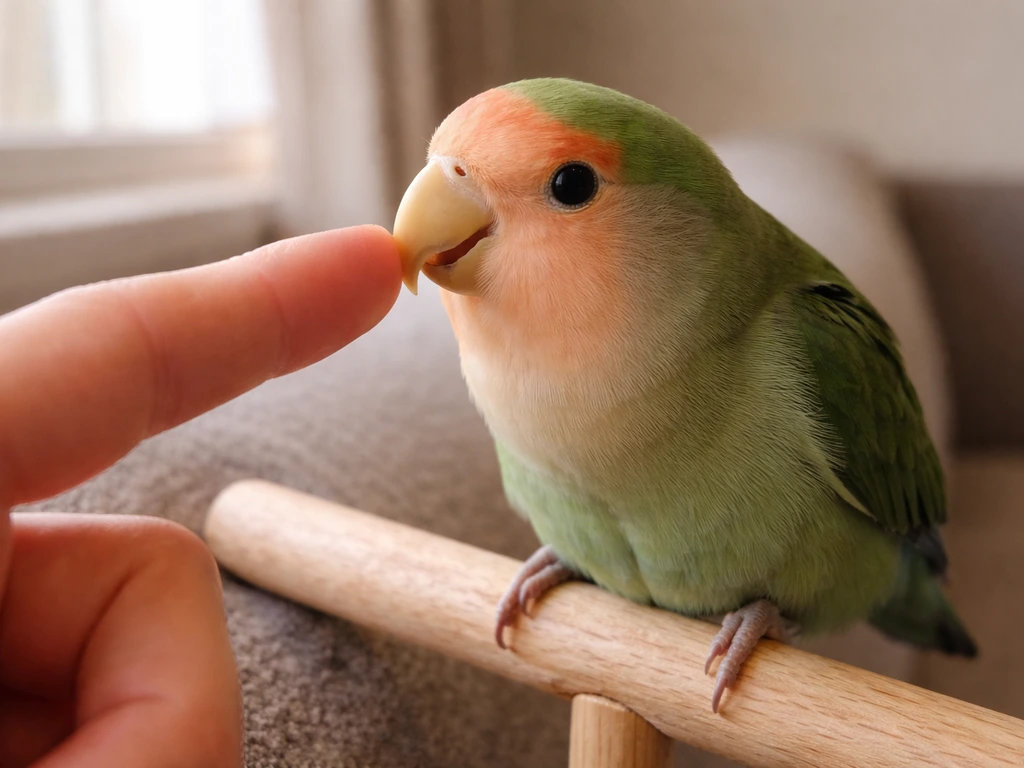
Your bird is almost certainly nibbling on you as a sign of affection, curiosity, or social bonding. For most pet birds, gentle mouthing of fingers and hands is completely normal behavior rooted in how they naturally explore their world and interact with flock-mates. It is rarely aggressive, and in many cases it actually means your bird likes you and feels comfortable enough to investigate you with the most sensitive tool it has: its beak.
Why Does My Bird Nibble on Me? Causes and What to Do

Marcus Chen
5 May 2026
What nibbling actually means for pet birds
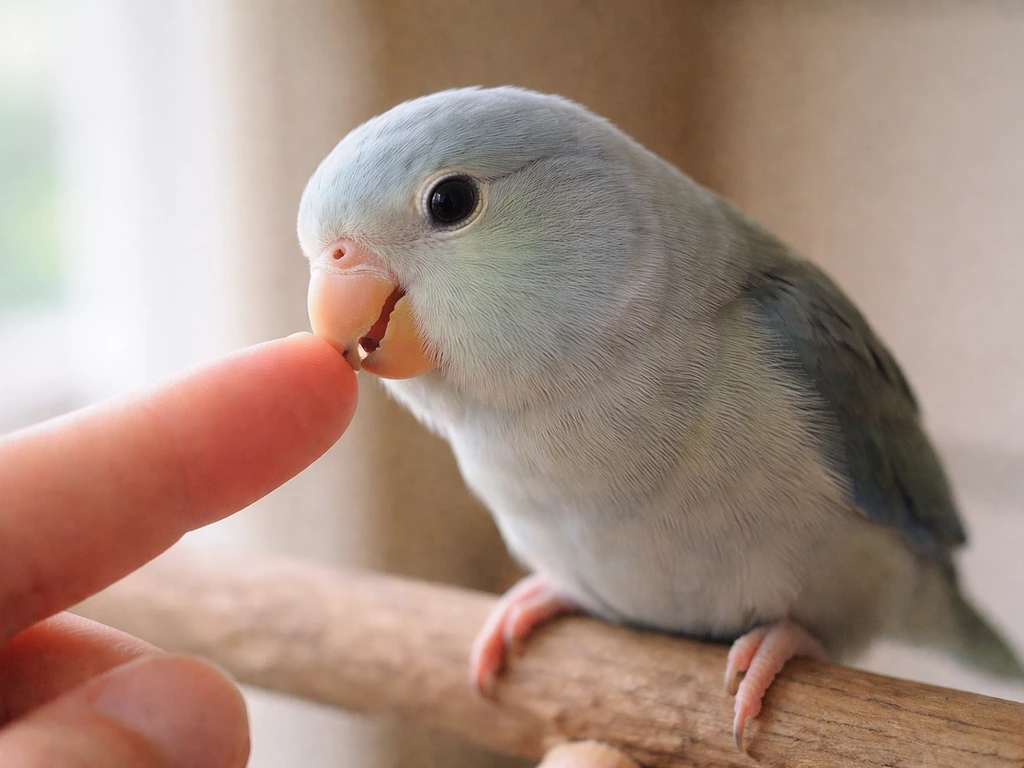
Birds are fundamentally oral creatures. They use their beaks for everything: climbing, manipulating objects, communicating, grooming, and exploring textures. When your bird gently mouths or nibbles your fingers, it is drawing on the same instinct it uses to test a branch before stepping onto it or to preen a flock-mate's feathers. This is normal beak use, not a bite, and not a warning sign in most cases.
One thing worth knowing: birds don't naturally bite out of aggression toward people they trust. Biting tends to develop when a bird has been frightened or has learned through experience that biting gets a reaction. A bird that is nibbling gently, without any tension in its body, is almost always doing something friendly or exploratory rather than hostile.
Nibbling is also closely related to other gentle beak-contact behaviors you might notice. If your bird rubs its beak on you or preens your hair or skin, those actions come from the same social toolkit. If you are wondering why does my bird rub his bum on me, look at posture, context, and whether the behavior seems sexual, social, or stress-related If your bird rubs its beak on you or preens your hair or skin. The common thread is that the bird is interacting with you as if you are part of its flock.
Common reasons your bird targets fingers or hands
There is rarely just one reason, and the same bird can nibble for different reasons on different days. Here are the most common motivations to look for:
- Curiosity and exploration: Fingers are novel, textured, and interesting. Your bird is investigating what you are made of the same way it would inspect a new toy.
- Taste and scent: Skin carries residue from food, lotion, salt, and soap. Birds have a mild but real sense of taste, and your fingers can smell or taste genuinely interesting to them.
- Affection and bonding: Gentle nibbling is a form of allopreening, the social grooming behavior birds perform with flock-mates. If your bird is nibbling softly along your knuckles or cuticles, it may be treating you like a trusted companion.
- Attention-seeking: Some birds learn quickly that nibbling gets a response. If you laugh, pull your hand back, or start talking every time your bird mouths your finger, it has probably figured out that nibbling is a reliable way to get your attention.
- Herding or requesting: Birds sometimes use gentle beak pressure to move a finger out of the way, request a scratch, or indicate they want to step up or step down.
- Boredom or under-stimulation: If a bird isn't getting enough mental engagement, it will find its own entertainment. Mouthing available objects (including you) is a common outlet.
- Hormonal or age-related changes: Adolescent and hormonally active birds often show intensified beak behaviors. What started as mild nibbling can become more persistent or pressured during breeding season or puberty.
- Nervous mouthing: Anxious or overstimulated birds sometimes mouth repetitively as a displacement behavior, similar to how a person might fidget.
How to tell the difference between nibbling, a real bite, and stress behavior
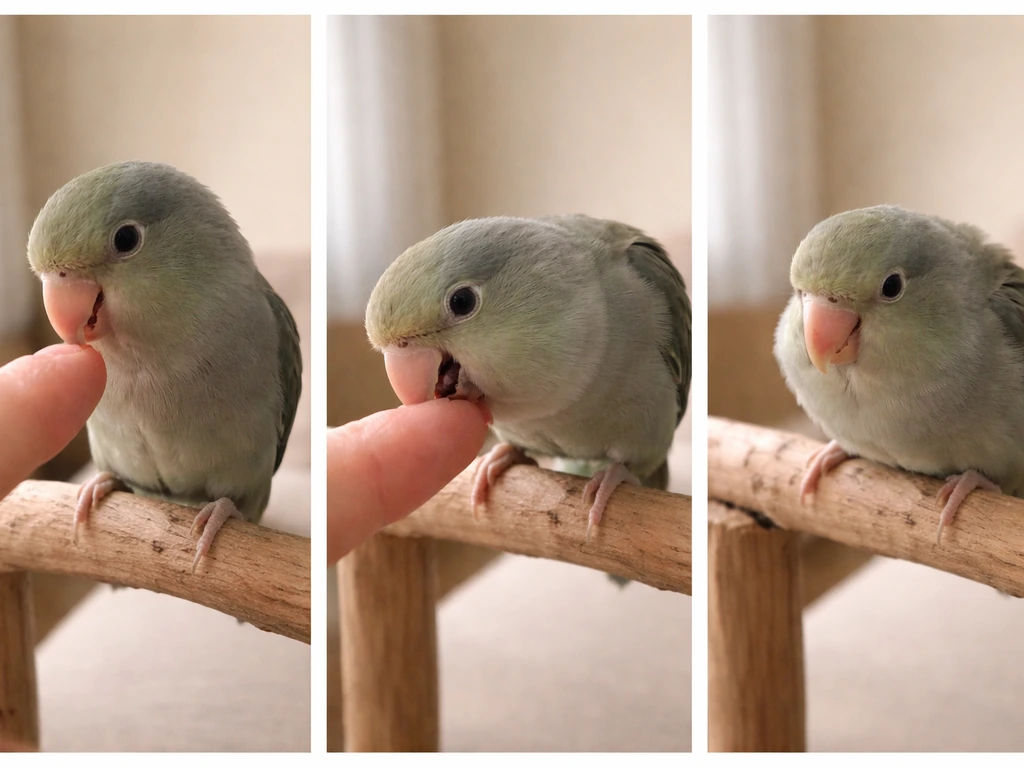
The biggest thing to pay attention to is body language before and during the contact. A relaxed nibble looks calm: feathers are smooth, posture is loose, and the bird may be making soft sounds or no sounds at all. A stress or aggression-driven bite comes with warning signals first, if you know what to look for.
Watch for eye pinning, which is a rapid contraction and dilation of the pupils. This can signal high arousal, whether from excitement or irritation. Combined with a fanned tail, raised feathers along the back of the neck, or lunging posture, eye pinning is a clear signal that the bird is not in a calm mood. In that context, what looks like nibbling can escalate quickly.
A true bite is deliberate, fast, and accompanied by tense body language. There is usually a warning sequence: the bird freezes, pins its eyes, and then strikes. Nibbling typically has none of that tension. The pressure is light, the movement is exploratory rather than targeted, and the bird often follows up with more beak contact rather than retreating.
Context matters too. If your bird only nibbles when you have just handled food, you are probably dealing with scent-driven taste investigation. If it happens mostly when the bird has been sitting quietly with you for a while, it is likely social grooming. If you are wondering why does my bird preen me, think about whether this contact looks more like social grooming than taste exploration. If it happens right after something startled the bird or when a new pet or person is nearby, overstimulation is a more likely explanation.
| Signal | Relaxed nibbling | Stressed or aggressive biting |
|---|---|---|
| Feather position | Smooth and relaxed | Raised (especially nape or back) |
| Eyes | Soft, normal pupils | Pinning (rapid pupil change) |
| Posture | Loose, may lean in | Tense, may lunge or rock |
| Sound | Quiet or soft contact calls | Hissing, growling, or silence before lunging |
| Pressure | Gentle, exploratory | Fast, hard, targeted |
| What follows | More contact or preening | Retreat, more lunging, or screaming |
What to do right now when your bird starts nibbling
The most important thing is to stay calm and not overreact. Pulling your hand back sharply, yelping, or laughing loudly can all reinforce the behavior by giving the bird exactly what it was looking for: a reaction. The worst thing you can do is yell or push the bird away. That either frightens a bird that was being friendly, or rewards a bird that was testing to see what happens.
If the nibbling is gentle and the bird seems relaxed, you have a few good options. You can simply stay still and let it pass. You can offer the bird a toy or appropriate chewing item to redirect its beak. Or you can gently ask for a step-up to shift its focus to a different behavior entirely. The step-up cue is one of the most useful things you can teach a bird precisely because it gives both of you a clear, calm reset.
If the nibbling is escalating or has already crossed into a real bite while the bird is on your hand, put the bird down slowly and walk away. No drama, no lecture. A quiet time-out removes the audience and teaches the bird that biting ends the interaction. Wait until the bird is calm before attempting to handle it again.
One practical step that gets overlooked: wash your hands before handling your bird. Food residue, lotions, and strong scents on your skin can all trigger taste-based nibbling. Clean, unscented hands give the bird less reason to investigate in the first place.
How to prevent repeat nibbling over time
Hands and handling
How you use your hands around your bird matters. Move slowly and predictably. Avoid waving or hovering, which can look threatening or overly exciting. If your bird tends to nibble when you reach toward it, practice approaching and withdrawing calmly without asking for anything, so the hand becomes a neutral, trusted presence rather than a trigger. If your bird is rubbing his face on everything, the same principles around triggers and redirection can help you figure out what is driving the behavior beak behavior.
Routine and sleep
Birds do better with consistent daily routines. Irregular schedules, missed sleep, or inconsistent handling can all increase stress-linked behaviors including compulsive nibbling. If you are dealing with a similar pattern of repetitive window pecking, the same ideas around overstimulation, routine, and redirection can help compulsive nibbling. Most companion birds need 10 to 12 hours of uninterrupted quiet and darkness each night. If your bird is overtired or overstimulated, its beak behavior will often reflect that.
Enrichment and boredom prevention
A bored bird will find something to do with its beak, and that something is often you. Rotate toys regularly so the environment stays novel. SpectrumCare also recommends rotating enrichment toys, including chew or shred and foraging options, to prevent boredom and support better behavior Rotate toys regularly so the environment stays novel.. Hide small pieces of food in foraging toys or wrapped in paper so your bird has to work for it. Play music or nature sounds during the day if you are not home. The goal is to give the bird so many appropriate outlets that mouthing your fingers does not even make the top of its priority list.
Managing overstimulation
Keep handling sessions to a length your bird handles comfortably, and watch for early signs that it is reaching its limit. Some birds have a clear threshold after which they get nippy. Learning that threshold and ending interactions before you hit it prevents the nibbling from happening at all, and keeps handling positive for both of you.
Training alternatives and reinforcement for better behavior
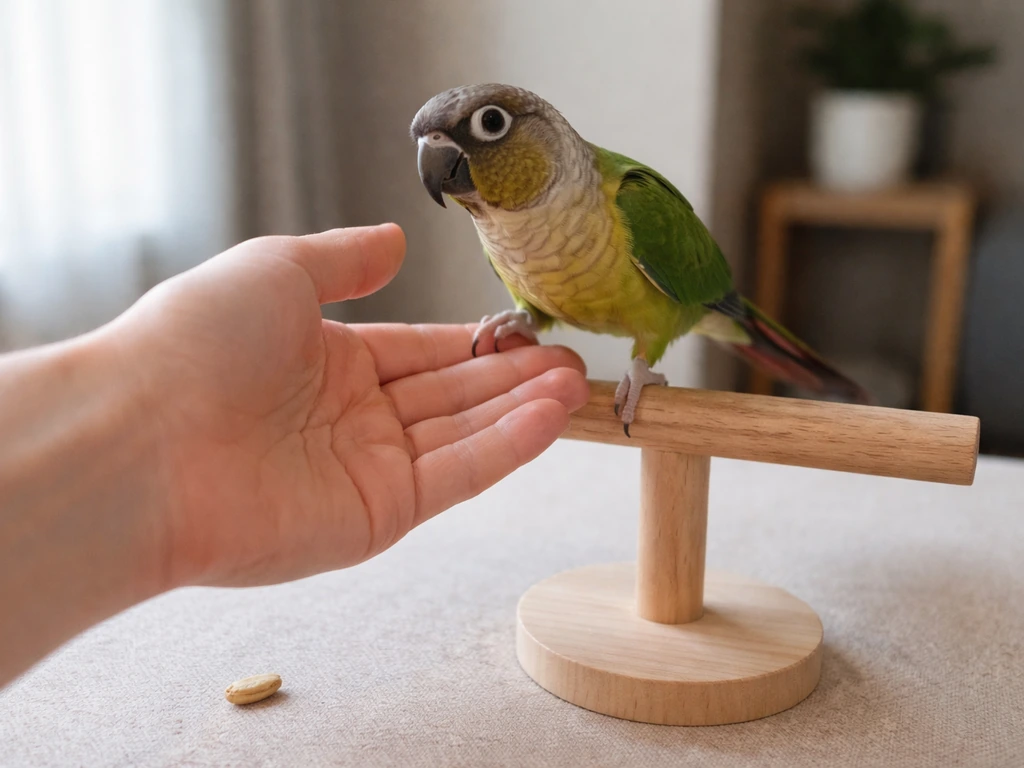
The step-up command is the single most practical tool for managing beak behavior. When a bird reliably steps up on cue, you have a way to redirect its attention any time nibbling starts. Teach it by offering your hand or a perch, saying 'step up' clearly, and rewarding the bird with a small treat or praise the moment it lifts its foot. Keep sessions short: two to five minutes is plenty for most birds.
If your bird is hesitant about hands because of past negative experiences, rebuild that trust slowly. Start by offering treats without requiring any contact. Then move to requiring the bird to step onto a perch to access the treat. Finally, progress to stepping onto your hand. This gradual process works because the bird starts associating your hand with good things before any step-up is required.
Give the bird an appropriate beak outlet. Offer safe chewable toys made from soft wood, paper, or leather. Foraging toys that require the bird to pull, shred, or pry at materials satisfy the same drive that finger-nibbling does. When you see your bird engaging with those toys instead of your fingers, mark it with calm praise or a small reward. Over time it learns that toys are the right target and hands are for stepping up.
Ignore mild nibbling whenever you can rather than responding to it. Attention, even frustrated attention, can accidentally train the behavior to continue. Consistent non-response, combined with rewarding calmer contact like just sitting quietly with you, gradually shifts what the bird finds worthwhile.
- Teach and practice step-up daily so you always have a reliable redirect ready.
- Offer a chewable toy before handling starts, so the bird already has a beak outlet.
- Stay still and calm when nibbling begins, then redirect with a step-up or toy.
- End handling sessions calmly before the bird reaches its overstimulation threshold.
- Reward quiet, calm contact with soft praise or a small treat to reinforce the behavior you actually want.
When to worry: red flags and when to get help
Most nibbling is harmless, but there are situations where it signals something that needs attention. A sudden change in biting or nibbling behavior, especially in a bird that was previously calm and gentle, is worth taking seriously. Sudden increases in biting can be caused by pain or physical discomfort just as easily as by stress or behavioral triggers, and birds are very good at hiding illness until symptoms are hard to ignore.
Get a veterinary evaluation if nibbling or biting has suddenly increased with no clear behavioral explanation, especially if it is paired with any of the following: If the behavior becomes more reactive without an obvious reason, or is paired with changes in health signals, schedule an avian vet visit, since fear and health changes can both drive lunging or biting nibbling or biting has suddenly increased with no clear behavioral explanation.
- Fluffed feathers, especially combined with lethargy or loss of appetite
- Feather damage, over-preening, or skin picking in addition to changes in beak behavior
- Swelling, redness, or visible injury around the beak or face
- Unusual droppings, weight loss, or reduced activity
- Persistent changes in vocalization, such as going unusually quiet or screaming more than usual
- Any sign of difficulty breathing, discharge from the nostrils, or abnormal posture
Nibbling that draws blood, breaks skin consistently, or is aimed at the same spot on your hand every time can also warrant a closer look, both at the bird's health and at what specific trigger is causing the escalation. A bird-savvy avian vet or a certified parrot behavior consultant can help you work through patterns that are not responding to basic management.
In short: if the nibbling is gentle, contextually makes sense, and the bird otherwise seems healthy and happy, there is very little to worry about. Sometimes the same beak curiosity can show up in unusual places, like when a bird pecks at your car, and there are specific reasons to consider why is a bird pecking at my car. If your concern is specifically about a bird pecking at your house, the cause is often different and you may need to address things like where it is landing and what is attracting it. Treat it as a communication, respond calmly, redirect when needed, and invest in enrichment and consistent training. That combination handles the majority of nibbling situations without any drama.
FAQ
How can I tell the difference between gentle nibbling and “testing my boundaries” that could turn into biting?
Watch for repeat patterns and escalation over seconds. If the bird freezes, pins its eyes more tightly, and then clamps quickly, that is more than curiosity. If it instead stays loose and keeps contact light while you can safely relax your hand, it is usually testing or affection. If it starts at the same intensity each time and doesn’t increase with time, it is less likely to become a sudden bite.
Is it okay to let my bird nibble if it hurts a little or leaves marks?
A small pinch occasionally can still be exploration, but consistent marks mean the behavior is too strong for your comfort and needs management. Redirect to an appropriate chew item immediately, and use a step-up or time-out if it escalates. If marks are increasing, check for pain sources and arrange an avian vet visit, since discomfort can make “friendly” mouthing sharper.
What should I do if my bird only nibbles when I’m holding my phone or glasses?
Phones, earbuds, and glasses often carry skin oils and scents, and smooth surfaces can trigger beak inspection. Clean your hands first, avoid presenting the object directly to the bird’s face, and offer a designated chew toy during screen time. If the bird targets specific areas like the temple of glasses, keep them out of reach during interactions and retrain with step-up instead of close-face contact.
Could nibbling mean my bird is trying to mate or is it sexual behavior?
It can be related to hormones, especially if nibbling is paired with mounting behaviors, intense attention-seeking, or persistent tail-up posture. In those cases, reduce stimulation (less late-night light, fewer excessive petting or face-to-face cuddles), increase daily training and foraging, and keep handling brief. If sexual mounting or biting is frequent or escalating, talk with an avian vet about hormonal management.
My bird nibbles during stress, like when visitors arrive. How do I respond without rewarding it?
Don’t remove the bird abruptly, and don’t give it the intense attention it may be seeking. Instead, create a calm fallback routine (a quiet perch or cage room), keep interactions low-key, and offer an enrichment task (foraging toy) before guests arrive. If nibbling starts, redirect to the toy, then switch to a step-up or calm ignore until the bird settles.
Why does my bird nibble more after I eat or handle food?
Scent and taste cues are a major driver. Even if you wash your hands, certain foods cling to nails, cuticles, or kitchen residue. Use unscented, food-safe handwashing and wait a few minutes after cooking before handling. You can also establish a rule that birds get a designated treat only from a spoon or through a foraging toy, so they learn when beak contact is allowed.
Can hand washing actually help, or is it just a coincidence?
It often helps, because residue and lotions can directly trigger taste-testing nibbling. Try this test once: wash with plain, unscented soap, then handle for a short session. If nibbling drops, you likely identified a scent trigger. If nibbling stays the same, look harder at overstimulation, fatigue, or learned attention reinforcement.
What if my bird bites when I try to step up, but nibbles normally when I do nothing?
That usually means the bird is associating step-up with a particular outcome, like being asked at the wrong time, being handled too long, or the approach being stressful. Reduce session length, offer the step-up from a neutral perch first, and ask for step-up only when the bird’s body language is relaxed. If the bird bites on cue, stop immediately and resume later, rewarding step-ups that happen during calmer moments.
How do I prevent nibbling from becoming a habit if I accidentally react to it?
Timing matters. Immediately after mild nibbling, stay calm, go still, and avoid sudden pulls or loud reactions. Redirect to a toy within a second or two, then reward the alternative behavior (chewing the toy or calm contact like stepping up). Be consistent for a week or two, because attention, even negative attention, can reinforce the beak behavior.
When should I suspect illness rather than behavior?
Consider medical causes if nibbling or biting changes suddenly without an obvious trigger, or if it comes with other signs such as fluffed posture, reduced appetite, droppings changes, breathing noise, limping, or altered preening. Also treat repeatedly targeting one specific spot (and increasing intensity) as a possible pain or skin issue and arrange an avian vet evaluation.
What’s a safe way to handle it if my bird draws blood or breaks skin?
Clean the wound promptly and treat it seriously. For behavior management, stop the interaction right away by putting the bird down calmly and ending contact for the rest of the session. Reintroduce handling only when calm, using step-up and very short sessions. If bites are recurrent or escalating, involve an avian vet or a behavior professional to identify both health and trigger factors.
Next Articles
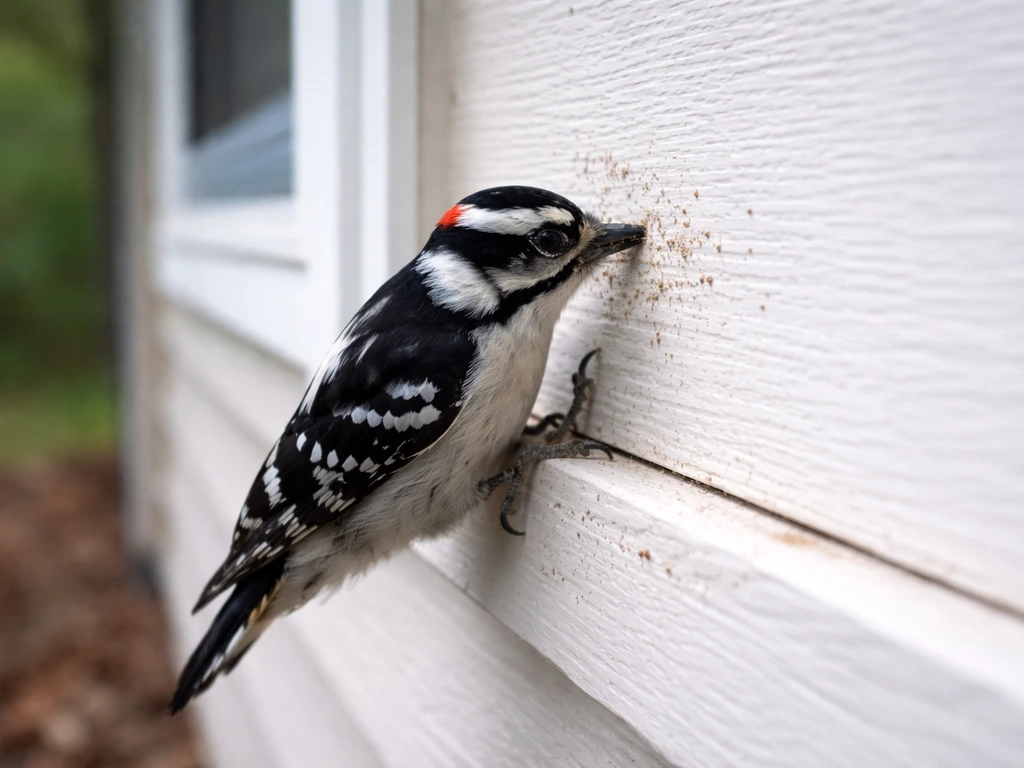
Why Is a Bird Pecking at My House? Fixes and Prevention
Find causes of birds pecking your house and stop it fast with checks, fixes, deterrents, and prevention tips.
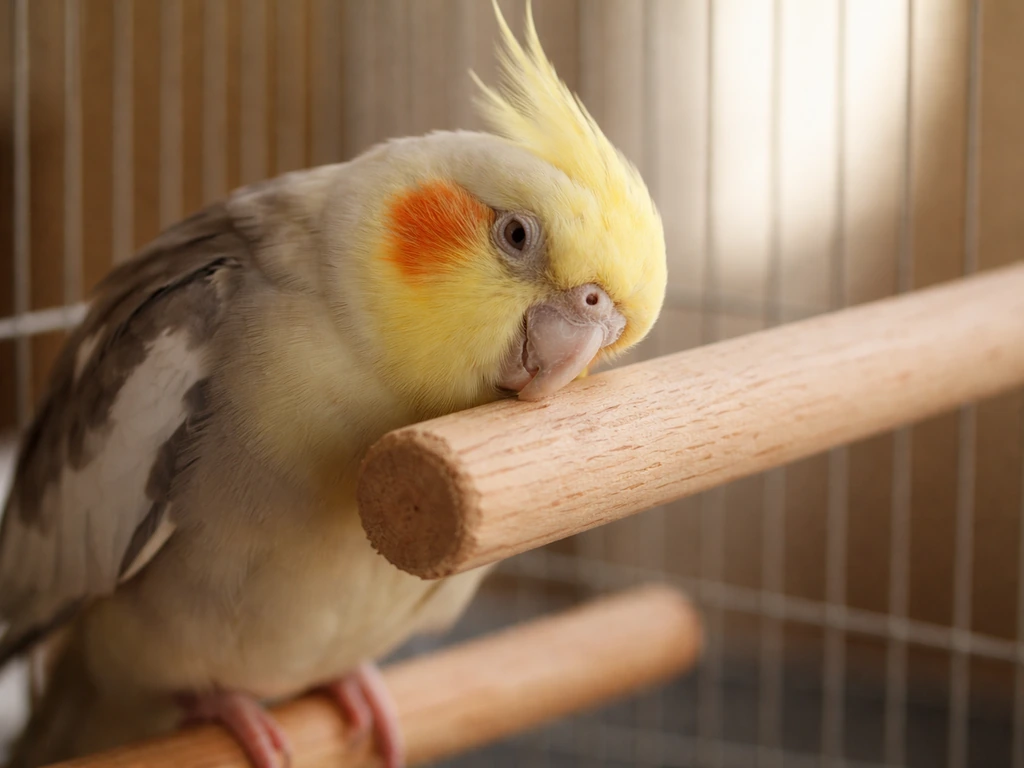
Why Is My Bird Rubbing His Face on Everything? Causes and Fixes
Bird face rubbing causes and fixes, from bonding and itch relief to allergies, mites, and eye beak irritation with next
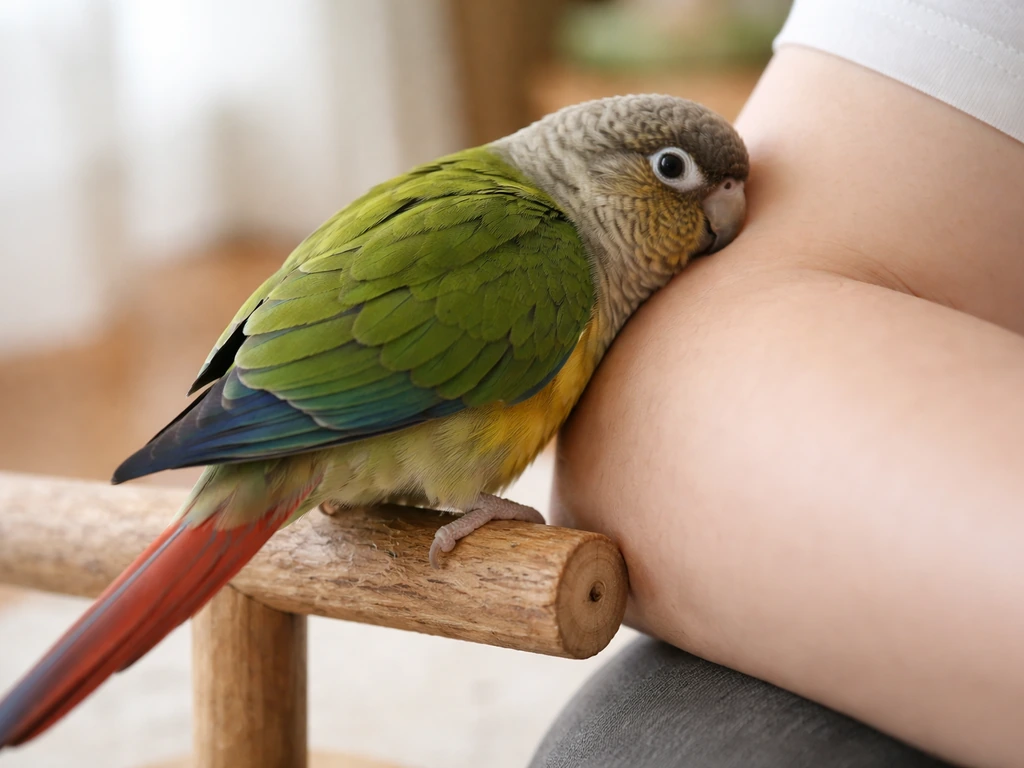
Why Does My Bird Rub His Bum on Me? Causes and What to Do
Learn why your bird rubs his bum on you, how to spot discomfort or illness, and what to do now.