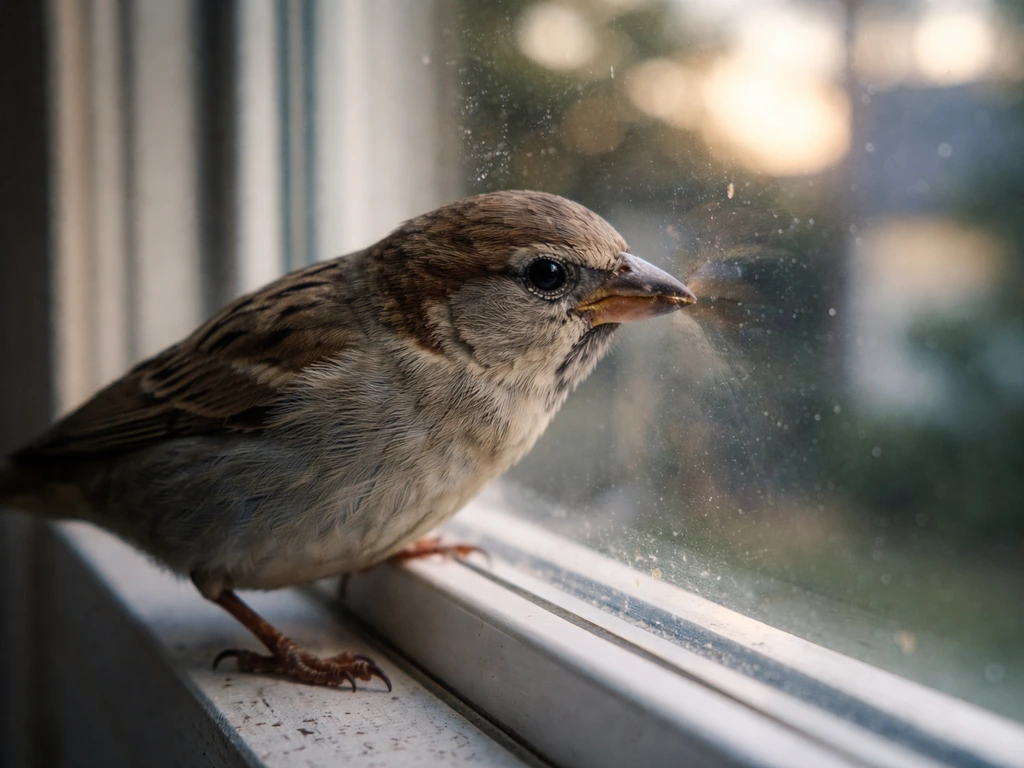
A bird keeps pecking at your window because it sees its own reflection and thinks it's a rival bird invading its territory. That's the most common reason by a wide margin, and it happens most during breeding season when birds are primed to defend their space aggressively. The fix is straightforward once you understand what's driving the behavior, and most of the solutions you can start today with things you already have at home.
Why Does a Bird Keep Pecking at My Window? Causes and Fixes

Marcus Chen
17 Apr 2026
Why birds peck at windows in the first place
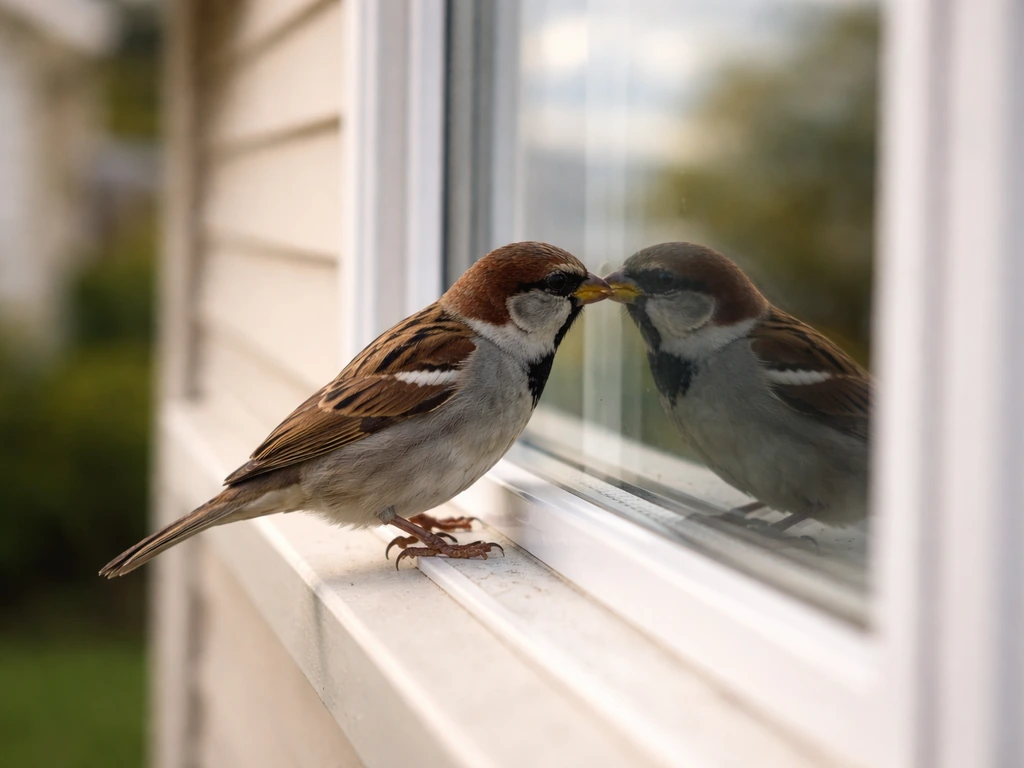
There are a handful of reasons a bird ends up hammering on your window, and knowing which one applies to your situation makes solving it much faster. The big ones are territorial aggression driven by reflection, confusion from seeing vegetation or sky reflected in the glass, attraction to insects or light near the window, and nesting behavior where a bird is investigating a potential cavity.
The reflection scenario is the most frustrating because the bird becomes what the BTO (British Trust for Ornithology) describes as "seemingly obsessed" with its own image. It genuinely cannot tell that the bird it keeps attacking is itself. Every time it approaches, the "rival" approaches too, which only reinforces the territorial response. Cardinals, robins, and mockingbirds are especially prone to this because they're highly territorial during breeding season.
Glass confusion is a different problem. As Cornell Lab's All About Birds explains, birds can see either a reflection of sky and vegetation in the glass or see straight through to plants on the other side of the room. Both situations make the window look like open airspace, and the bird flies at it thinking there's nothing there. This is more of a collision risk than a pecking behavior, but it can look similar from inside the house.
Less commonly, a bird might be after insects on or near the glass, attracted to interior light spilling through at night, or investigating a small gap or ledge as a potential nesting spot. Woodpeckers add another dimension entirely since they may also be working on the actual surface of your window frame or sill for insects, not just reacting to a reflection.
Why it keeps happening over and over, sometimes all day
Once the behavior starts, it tends to lock in. The bird establishes a routine: wake up, check the territory, find the rival in the window, attack it. This is especially intense in the morning. Research published in Scientific Reports found that bird activity near buildings peaks around dawn, which matches what most people experience with window pecking. If your bird shows up right at first light and doesn't quit until midday, that's classic territorial behavior timed to its natural activity pattern.
As Penn State Extension notes, this kind of continuous window attacking during breeding season is directly tied to the bird seeing its reflection as a rival, and it typically lessens once nesting pressure ends later in the season. The BTO backs this up, confirming that territorial window attacks should subside outside the breeding season. So if it started in spring and you're now in summer, there's a decent chance it'll taper off on its own. But if you want it to stop now, you need to break the trigger.
The loop continues because nothing in the bird's environment signals that its behavior isn't working. The reflection always responds. The bird never "wins," so it never stops trying. That's why a single small deterrent often isn't enough. You need to eliminate or significantly disrupt the stimulus, not just inconvenience the bird.
Figuring out what's actually driving your bird
Before you start taping things to your window, spend five minutes watching the bird. The clues are easy to spot once you know what to look for.
- Is the bird pecking at one fixed spot, or does it move around the window? A fixed spot strongly suggests it's reacting to its own reflection. Moving around suggests it might be chasing insects or investigating the frame.
- What time of day does it happen? Early morning activity that tapers off by mid-morning is almost always territorial/reflection-driven. Nighttime pecking often means the bird is drawn to interior light.
- Is there a perch nearby, like a branch, railing, or feeder, that gives the bird a direct line of sight to the window? That perch is part of the problem.
- Can you see a strong reflection in the window from the outside? Go outside and look at the window from the bird's likely angle. If you can clearly see sky, trees, or your garden reflected back at you, that's what the bird is reacting to.
- Is there a feeder within about 30 feet of the window? Feeders that are too close actually increase window strike and pecking risk because birds flushed from the feeder don't have time to change course.
- Does the pecking happen on upper floors or ground-level windows? Ground-level windows with vegetation on the other side are prime glass-confusion targets. Upper windows catching the morning sun tend to be reflection hotspots.
If the bird locks onto the same spot every morning during spring or summer and there's a visible reflection, you're dealing with territorial aggression. If it's more sporadic and happens at different spots on the glass, glass confusion or insect-hunting is more likely. Nighttime-only activity almost always traces back to light spilling through the window and attracting insects, which then attract birds.
What you can do right now to stop it today
The goal for immediate fixes is to break the reflection or make the glass visible as a solid surface, not open airspace. There are several approaches you can start within the next hour.
Apply something to the outside of the glass
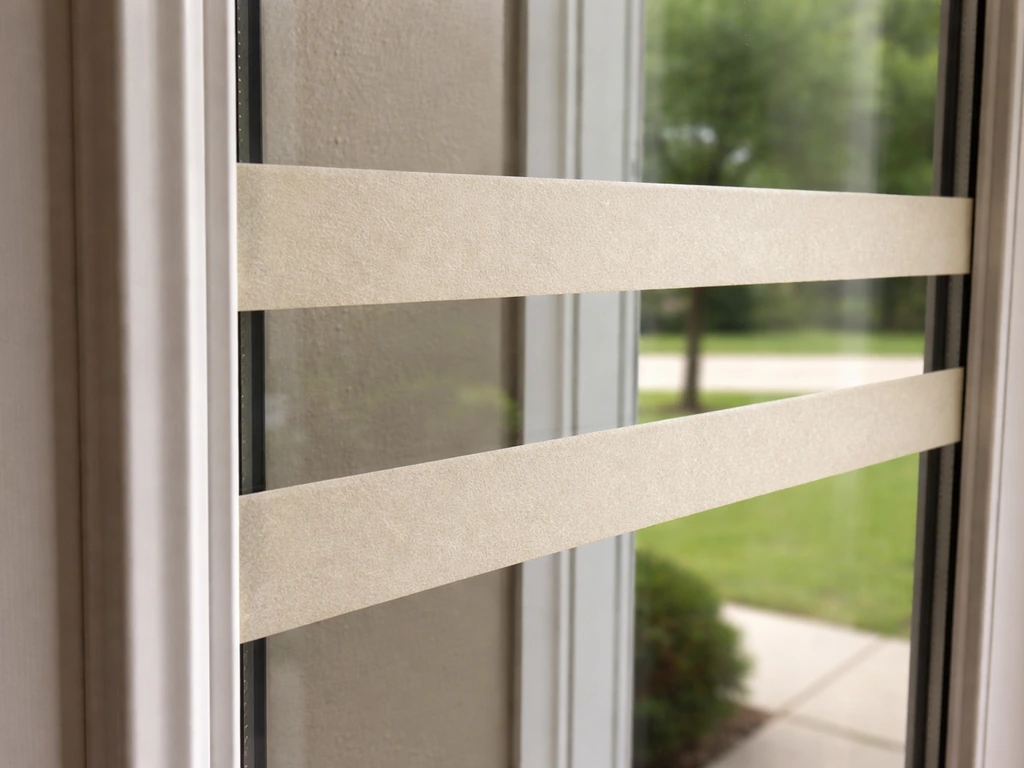
This is the most important part: whatever you put on the window needs to go on the outside. The FWS is explicit that decals or blinds installed on the inside of the glass do not adequately change what birds see during the day. Exterior application is what breaks the reflection and makes glass visible to an approaching bird.
Tape works well as an emergency fix. Strips of masking tape, painter's tape, or even paper taped to the exterior surface can disrupt the reflection enough to stop the behavior. The BTO suggests this approach directly, including covering sections of glass with tape to interrupt the visual that's triggering the attack. Don't put a single strip in the center and call it done. Cover the section the bird is fixating on.
If you have window decals or stickers, apply them to the outside and space them closely. The FWS and Audubon both emphasize spacing of no more than 2 to 4 inches apart in a grid-like pattern (roughly 2 inches by 2 inches per the FWS Campus Toolkit guidance). A single hawk silhouette in the corner does very little. Purdue Extension confirms that a single decal provides nowhere near enough coverage to be effective.
One-way transparent film is an excellent option if you have it. The FWS recommends this specifically because it appears opaque from the outside to birds, eliminating the reflection entirely, while still allowing you to see out normally from inside.
Block or break the reflection from inside
If you can't get anything on the exterior right now, closing curtains, blinds, or drapes on the affected window reduces the reflective surface enough to help. Vertical blinds work particularly well because they break up the smooth reflective plane. Sialis.org specifically recommends interior drapes or vertical blinds when the sun is shining toward the window as a way to interrupt the bird's reflection-driven response.
If you have a mirror in the room that the bird might see reflected through the glass, moving or covering that mirror can also reduce the stimulus. Similarly, moving bright indoor items near that window (a light-colored curtain, a white wall visible through the glass) can reduce the contrast that makes the reflection so sharp.
Remove or block nearby perches
If there's a branch, railing, fence post, or outdoor furniture giving the bird a front-row seat to its own reflection, removing or temporarily blocking access to that perch often breaks the habit fast. Sialis.org recommends this as a practical deterrent specifically for territorial window strikes. No perch, no long staring sessions, no attack cycle.
Turn off interior lights at night
For nighttime pecking, the solution is simple. The FWS recommends reducing light spill by turning off unneeded lights and closing curtains or blinds so interior light isn't visible through windows after dark. The Smithsonian Institution echoes this. Lights attract insects, insects attract birds, and birds end up hitting or pecking at lit glass. Turn the lights off or close the blinds and the problem typically stops that night.
Longer-term fixes so it doesn't keep coming back
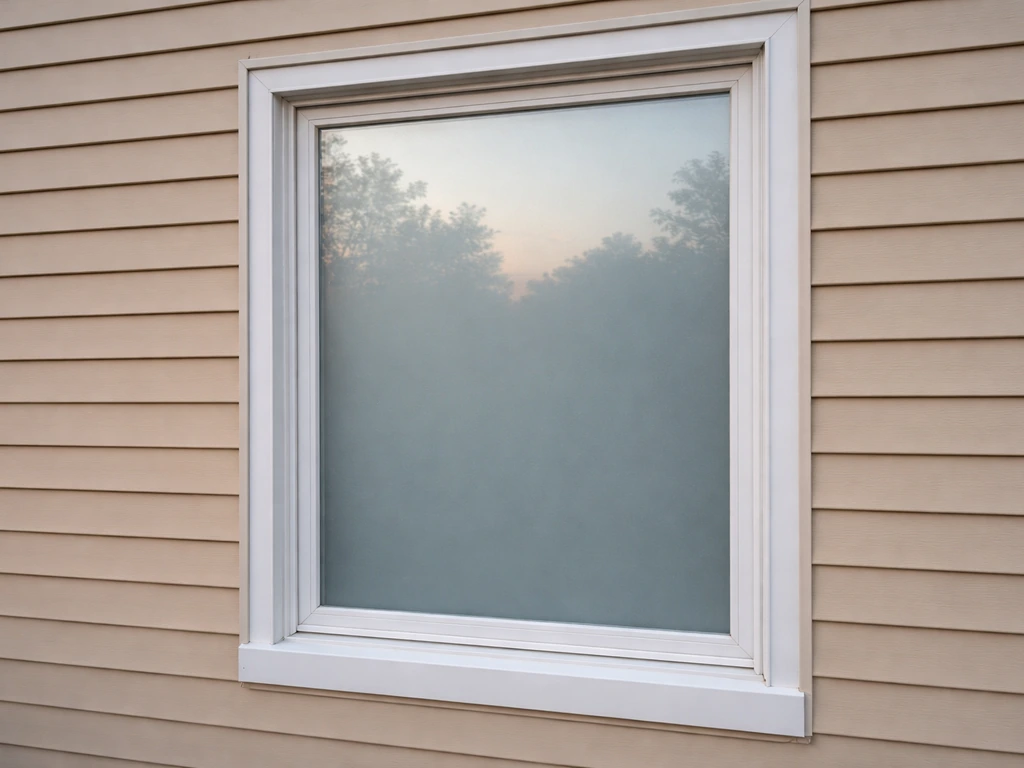
Once you've dealt with the immediate problem, it's worth making changes that prevent the behavior from restarting next season, especially if you've already seen this happen more than once.
| Approach | Best for | How permanent | Notes |
|---|---|---|---|
| Exterior window film (one-way/opaque) | Reflection and glass confusion | Permanent | Appears solid to birds, clear from inside |
| Closely spaced exterior decals/markers | Reflection and glass confusion | Semi-permanent | Must be on outside, spaced 2–4 inches apart |
| Exterior screens or netting | All causes | Permanent | Physically blocks birds from reaching the glass |
| Exterior shutters or awnings | Reflection (sun angle) | Permanent | Changes light hitting the glass at peak hours |
| Feeder repositioning (over 30 ft away) | Feeder-related strikes | Permanent | Reduces birds flushed toward windows |
| Perch/branch management | Territorial/reflection | Ongoing | Trim branches that give direct sightlines to glass |
| Night lighting changes | Nighttime attraction | Permanent | Blackout curtains or motion-only outdoor lighting |
Permanent window film is the single most effective long-term solution for most households. Applied to the outside of the glass, it eliminates the reflection that triggers territorial behavior and breaks the glass-confusion effect that causes collisions. It also doesn't require you to remember to close blinds every morning.
For feeders, the counterintuitive advice is to either move them very close to the window (within 3 feet, so birds can't build up enough speed to cause harm if they do hit the glass) or move them more than 30 feet away so birds aren't constantly flushed toward the window. Anything in between is the danger zone.
Landscaping adjustments help too. If a shrub or tree branch provides a natural launching point with a direct view of the problematic window, trimming it back removes the perch and often breaks the territorial patrol route the bird has established. You don't need to remove the plant entirely, just interrupt the sightline.
It's also worth tracking whether your fixes are working. Project FeederWatch recommends monitoring and recording window strike events over time, which helps you tell whether an intervention actually reduced incidents or just shifted the problem to another part of the window.
When the pecking points to something beyond a reflection
Most wild bird window pecking is straightforward territorial behavior. But there are a few situations where the pattern suggests something else is going on.
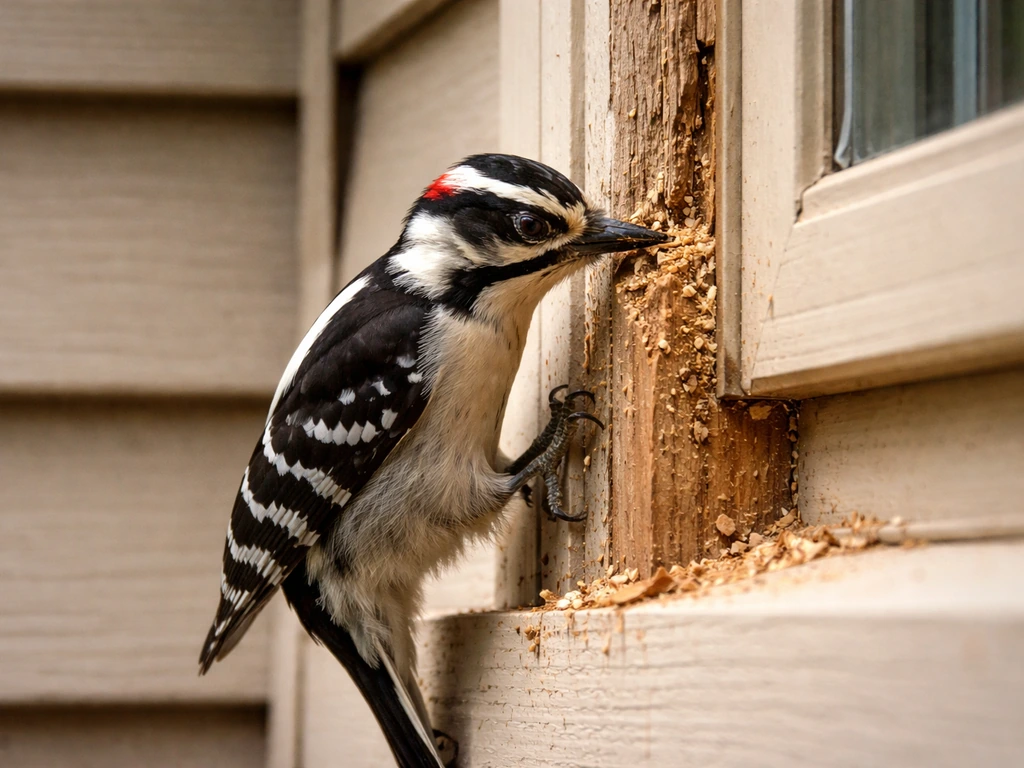
If the bird is a woodpecker and it's drilling into the window frame, siding, or trim rather than the glass itself, it's likely after insects living in the wood or using the surface for drumming (communication). That's a separate problem from reflection behavior and usually means you have an insect issue in the structure itself worth investigating.
If you notice a bird actively building a nest in or near a window frame, ledge, or gap in the exterior wall, the pecking may be nest excavation. Some cavity-nesting species will probe wood, foam trim, or caulk looking for a suitable spot. Once a nest is established, the situation becomes more complicated because many nesting birds are protected and disturbing active nests can be a legal issue depending on your location.
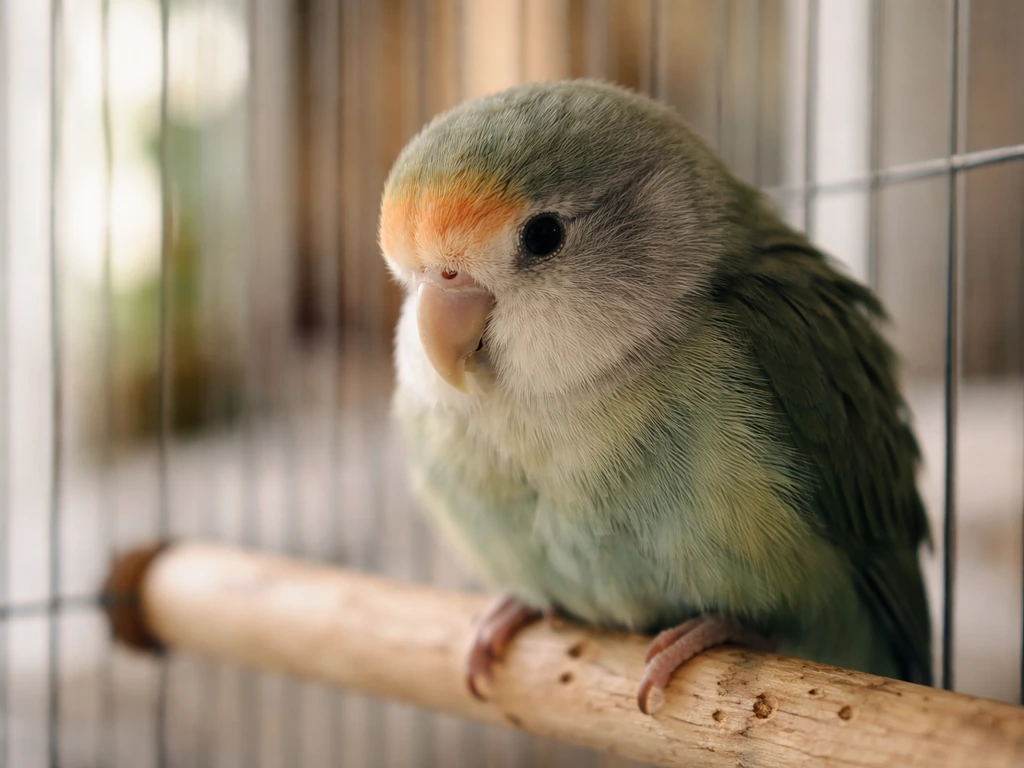
For pet bird owners reading this, it's worth separating the scenarios. A wild bird pecking at your window is almost entirely an external behavioral event. But if you have a companion bird that is obsessively pecking at glass, mirrors, or windows inside your home, that's a different concern. Redirected territorial behavior, boredom, or stress can drive unusual repetitive behaviors in pet birds. If you notice your pet bird doing things like rubbing its face on everything or engaging in compulsive repetitive actions, those can be signs of overstimulation or stress worth discussing with an avian vet.
Similarly, behaviors like a bird rubbing its beak on you or nibbling at your fingers are normal social bonding behaviors in companion birds, but when those same birds start fixating on glass or mirrors with aggressive repetition, it can signal that the bird needs more enrichment or that its environment is triggering a stress response. Research from PetMD notes that factors like "enhanced sensory stimuli," including a window view, can contribute to compulsive behaviors in pet birds.
If the pecking is happening elsewhere on your home
Sometimes the window is just one part of a larger pattern. If you're also dealing with birds going after your siding, eaves, or exterior trim, that's worth addressing separately. A bird pecking at your house in general can signal structural insect problems or nesting attempts that need a different approach than window reflection fixes. The same logic applies if you've found a bird attacking a vehicle parked nearby. A bird pecking at your car is usually a reflection problem with the shiny paint or chrome, and the solutions overlap significantly with window deterrents.
When to get outside help
Most window pecking situations are something you can handle yourself. But there are cases where involving someone else is the right call.
If a bird has struck your window hard and appears stunned or injured, the FWS provides guidance that the appropriate response is to place the bird in a ventilated box in a quiet, dark location and contact a licensed wildlife rehabilitator. Do not attempt to care for it yourself. The Florida Fish and Wildlife Conservation Commission recommends contacting wildlife rehabilitation professionals for injured or orphaned wild animals rather than attempting untrained interventions.
For finding help in your area, wildlife hotlines are a good first stop. The Seattle Animal Shelter and similar local animal control agencies provide escalation guidance for wildlife incidents and can connect you with licensed rehabilitators. If you're dealing with a persistent nesting situation that may involve a protected species, those same resources can tell you what you're legally allowed to do.
If the pecking is causing actual property damage (woodpeckers drilling into siding, birds destroying window caulk) and deterrents aren't working, contacting a wildlife conflict specialist through resources like a regional wildlife hotline gives you access to trained professionals who can assess the situation and recommend humane, legal solutions.
Neighbor coordination matters more than people realize. If a bird is bouncing between your window and a neighbor's window or feeder, a solution on your side alone may only redirect the behavior rather than stop it. Talking to your neighbor about moving feeders or adding deterrents on their side can make both interventions more effective.
A note on companion bird behaviors that look similar
If you have a pet bird and you're noticing it's drawn to windows or mirrors in unusual ways, it's worth paying attention to the full behavioral picture. Behaviors like a bird preening you, rubbing its bum on you, or mounting behavior are all normal parts of companion bird social and hormonal expression. But if your bird is combining these with obsessive glass pecking or mirror fixation, that hormonal or territorial drive may be running high enough to warrant a conversation with an avian vet, especially if it's accompanied by feather changes or appetite shifts. Window access can sometimes overstimulate territorial instincts in companion birds, so repositioning a cage away from direct window exposure is an easy first step.
The bottom line is that a bird pecking at your window is almost always doing it because of a reflection, and the fix is almost always the same: disrupt or eliminate that reflection from the outside of the glass. If your bird is instead humping you as a social or breeding-related behavior, the causes and fixes can be different from window-pecking bird humping. Start today with tape or a towel hung on the exterior, track whether it works over the next few days, and then invest in a longer-term solution like window film if the behavior persists. The breeding season driving most of this behavior is finite, but making your windows bird-safe is a permanent improvement that benefits both the birds and your peace of mind.
FAQ
Is it normal for the bird to stop on its own after a few days, or should I act immediately?
Sometimes territorial window strikes fade after breeding pressure drops, especially if the bird is only showing up in the early morning. But if it keeps returning to the same spot each day, waiting tends to reinforce the routine. Acting right away with an exterior fix (tape, decals, or exterior film) usually ends the pattern faster than trying to outwait it.
Does covering the window on the inside work if I can’t reach the outside?
It can help temporarily by reducing reflections, but inside-only methods often don’t fully block daytime reflection because light still reflects off the glass surface. For the best effect, prioritize anything you can apply to the outside of the glass, or at least use interior window coverings at the times the bird is most active (early morning during breeding season).
What’s the difference between a collision and pecking, and why does it matter?
Collision is usually the bird flies into the glass, often because it can’t clearly distinguish open air from the reflective surface. Pecking is more often a sustained “rival” behavior, where the bird repeatedly checks a visible image. If you mostly see impacts, you may need stronger visual treatment (like exterior film or fully blocking reflections) rather than only disrupting a small pecking spot.
How do I know if the bird is coming for the reflection versus insects or nesting gaps?
Reflection-driven birds tend to target the same area, often where their image is clearest, and you’ll see repeated morning patrols. Insects-related pecking is more random and may focus on seams, frame edges, or the wood around the window. Nest-excavation behavior often looks like repeated probing of exterior gaps, caulk, or ledges rather than only striking the glass.
What should I do if the bird pecks so hard that it causes a mess or damage?
Start with immediate deterrence on the exterior to stop further injury and damage. If you see woodpecker-style drilling into frames or siding, treat it as an insects or drumming situation, not just a glass problem, and check for insect activity along the trim. If the caulk or seals are being broken, fix the gaps after you stop the pecking trigger to avoid re-infestation or repeat attempts.
Will a single sticker or a single strip of tape be enough?
Usually not. Birds respond to the specific visible image they’re fixating on, so coverage needs to interrupt the “rival” view across the areas the bird attacks. If you use tape or decals as an emergency measure, cover the targeted section, and for decals use a spacing pattern that prevents the bird from still seeing a cohesive reflection.
How often do I need to reapply tape or temporary measures?
Temporary exterior tape and paper barriers can loosen with sun exposure, rain, or temperature swings, especially if they’re only lightly secured. Plan to check daily during peak activity, and replace any strips that peel or shift so the bird doesn’t regain a clear reflective image.
If the bird attacks in the morning only, what does that tell me?
Morning bursts strongly suggest territorial behavior tied to daily activity patterns, commonly during breeding season. It means the bird’s “routine” likely starts at first light, so time your exterior intervention to be in place before sunrise, or make sure it covers the fixation area completely.
What if the pecking only happens at night?
Night-only activity is most often caused by interior light that attracts insects, which in turn draw birds to lit glass. Turn off nonessential lights near that window, close curtains or blinds after dark, and keep the room as dark as practical during the times the bird appears. This usually stops the behavior the same night.
Should I move my bird feeder closer to the window, or farther away?
Avoid the “danger zone” in between. Place feeders very close to the window (so birds cannot build up enough speed to cause serious impact if they hit) or move them well away (so birds are less likely to be flushed toward the glass repeatedly). If your feeder setup is unknown, watch flight paths for a day to determine whether the window is acting like a target when the bird approaches.
When is it worth involving wildlife professionals?
Get professional help if the bird appears injured or stunned after a strike, or if the pecking is clearly tied to protected nesting activity in an exterior gap. Also consider help if there’s ongoing property damage and you’ve tried exterior deterrents without improvement, since a wildlife conflict specialist can tailor humane, legal solutions to the local species and site.
What if the bird is pecking at more than one window or also hits siding or eaves?
That pattern suggests the bird’s behavior isn’t limited to a single reflection. It could be multiple reflective angles, multiple sightlines from perches, or a separate issue like nesting attempts or insects in structural surfaces. A quick walk around the exterior to identify perches, direct sightlines, and gaps helps you decide whether one fix per window is enough or whether you need to address the overall exterior layout.
If I have a mirror or other reflective items inside, could they be causing it?
Yes. If a mirror reflects the window scene, the bird may see an extra or sharper image that increases fixation. Try covering the mirror during peak hours or repositioning it temporarily, then observe whether the pecking intensity drops over the next one to two mornings.
Can I use a towel or something temporary at the exterior, and will it work?
Yes, as an immediate emergency measure. Hanging a towel or similar nonreflective material on the exterior can block the visual trigger quickly. Leave it in place long enough to confirm the bird stops, then switch to a more durable solution if the behavior persists.
Next Article
Why Is My Bird Making Whimpering Noises? What to Check
Find reasons for whimpering bird noises, quick home checks, and red flags for urgent vet care plus tracking tips.