
When your bird rubs his beak on you, it almost always means he is comfortable with you and is treating you the way he would treat a favorite perch or flock mate. When your bird rubs his beak on you, it almost always means he is comfortable with you and is treating you the way he would treat a favorite perch or flock mate, which is closely related to why does my bird preen me.
Why Does My Bird Rub His Beak on Me? Causes and Fixes

Marcus Chen
24 Apr 2026
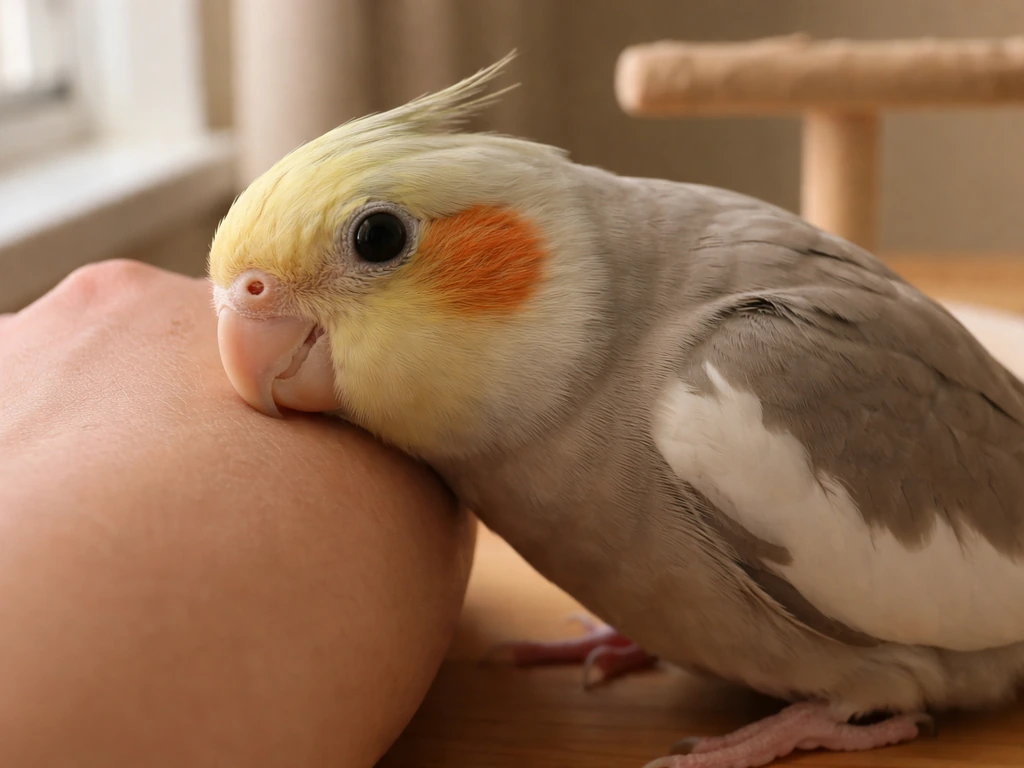
It is usually a grooming, bonding, or simple cleaning behavior, not a sign of trouble. That said, the same motion on cage bars, perches, and other objects can occasionally signal irritation or a health issue, especially when the rubbing is excessive, frantic, or paired with other symptoms. Knowing the difference comes down to watching the full picture, not just the beak.
What beak rubbing looks like and when it is normal
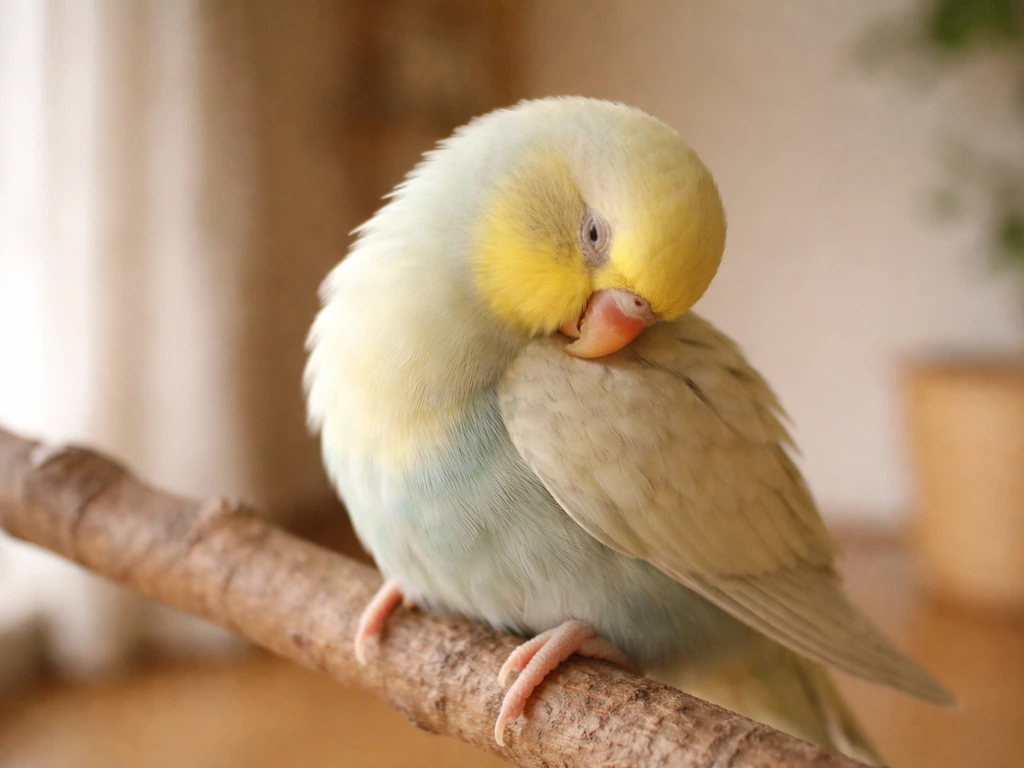
Normal beak rubbing is a calm, deliberate side-to-side or back-and-forth wiping motion. You will usually see it right after eating, during a quiet grooming session, or when your bird is settling in somewhere comfortable. It is rhythmic, unhurried, and the bird looks relaxed while doing it. His feathers are smooth, his posture is upright, and he goes right back to whatever he was doing after a few swipes.
Birds do this every single day. It is as routine as a person wiping their mouth after a meal or washing their hands. The behavior only becomes worth investigating when the frequency spikes noticeably, the motion looks frantic or repetitive rather than relaxed, or it comes alongside physical symptoms like discharge, swelling, or changes in breathing.
Why birds rub their beaks on the cage, perch, and random objects
There are several completely normal reasons a bird will wipe his beak on whatever surface is nearby, and most of them overlap with each other.
- Cleaning up after meals: The most common trigger. Birds wipe food residue, moisture, and sticky bits from their beaks on perches and cage bars the same way you would wipe your mouth on a napkin. You will see this almost every time your bird finishes eating.
- Scent marking: Birds deposit chemical signals from their preen gland oil and saliva onto surfaces they consider part of their territory. Rubbing a beak on a favorite perch is partly a way of saying "this is mine."
- Comfort and contentment: A relaxed bird will often rub its beak on a familiar perch as a soothing, self-settling behavior. Think of it as the bird equivalent of fidgeting in a positive way.
- Beak maintenance and wear: Natural surfaces like rough wood perches help keep the beak filed and shaped. Rubbing against them is functional, not just a habit.
- Exploration and texture investigation: Birds explore the world with their beaks. Wiping or pressing against a new object is part of gathering sensory information about it. Field observations have recorded birds rubbing beaks on rope, wire, metal rims, and all kinds of surfaces, so the range of targets is wide.
Why your bird rubs his beak specifically on you
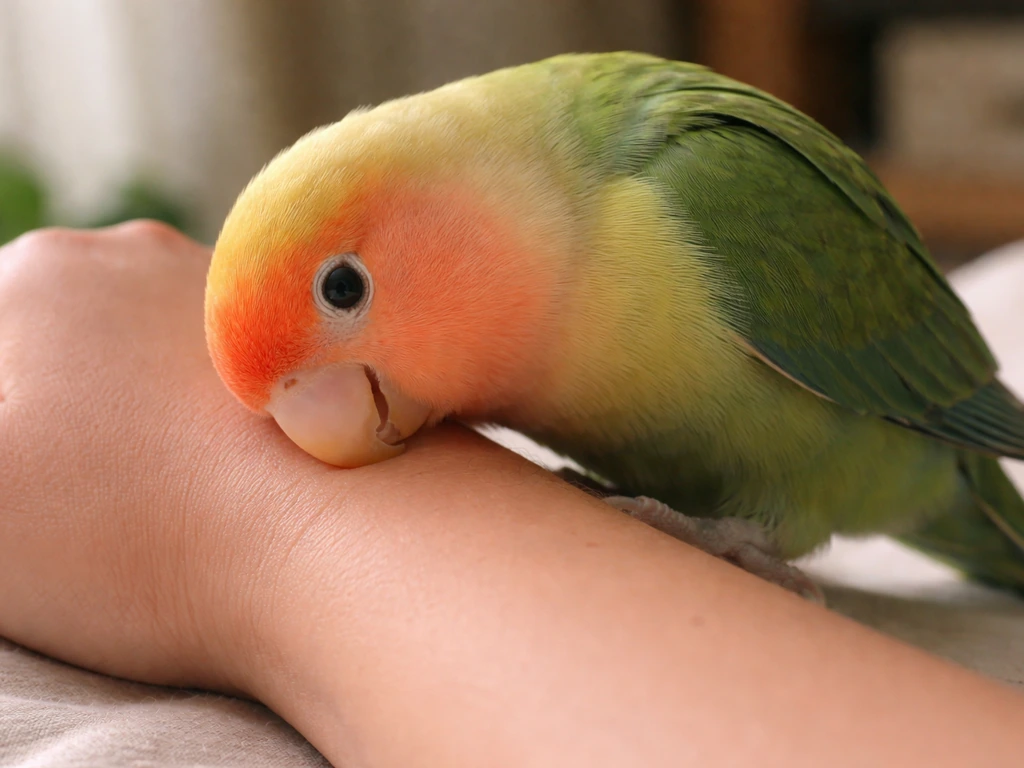
When a bird chooses to rub his beak on your hand, arm, or shoulder, you have essentially become part of his trusted flock. Captive birds transfer a lot of the social behaviors they would normally direct at flock mates onto the people they are bonded with. Beak rubbing on a person is very much in the same category as preening you or nibbling gently on your fingers.
There is also a scent and familiarity angle here. Preen oil carries chemical signals, and birds interact with scents in ways we barely notice. When your bird rubs his beak on you, he is partly picking up your scent and partly depositing his own. It is a form of mutual recognition that feels affectionate because, for a bird, it genuinely is.
Sometimes the motivation is simply that you are a convenient surface. If your bird just ate a berry and you are the closest thing at beak height, you are the napkin. Do not take it personally, but do take it as a sign that your bird is relaxed enough around you to use you as part of his normal routine, which is actually a good thing. If your bird rubs his bum on you instead, that is a related but different body-contact behavior, and you can check why does my bird rub his bum on me to compare it with beak rubbing.
This behavior overlaps with other social contact behaviors like preening and gentle nibbling. If your bird also rubs other parts of his body on you, that is a related but slightly different behavior worth understanding on its own terms.
When beak rubbing can signal a health problem
The behavior itself is not the red flag. What changes the picture is context: how often it is happening, how it looks compared to normal, and what else is going on with the bird. If you are wondering why your bird rubs his face on everything, the same checklist can help you separate normal bonding from irritation or a health issue beak rubbing.
Increased or frantic beak rubbing can happen when something is physically bothering your bird around the face or mouth area. A few specific causes to be aware of:
- Stuck food or debris: A seed hull or piece of food wedged near the beak tip or in the mouth can drive repeated wiping. If it clears after a few minutes, it was probably just that. If the rubbing continues with no relief, look closer.
- Mouth or beak irritation: Infections, sores, or lesions inside the mouth or on the beak surface can cause persistent discomfort. Poxvirus, for example, can cause crusty lesions around the face that would make any bird want to rub.
- Nasal or respiratory irritation: When a bird has nasal discharge, congestion, or airway irritation (including from allergens or dust), rubbing the face and beak is a natural response to the discomfort. Conditions like hypersensitivity pneumonitis, sometimes called Macaw Asthma, involve allergic airway reactions that can produce nasal discharge and drive this kind of behavior.
- Dry or irritated skin around the cere: Low humidity, dusty environments, or contact with irritating materials can dry out the skin around the nostrils and beak base, prompting more rubbing.
- Stress-related repetitive behavior: A bird in a stressful or under-stimulating environment can develop repetitive motions including excessive beak wiping. This tends to look compulsive rather than purposeful.
The key distinction is always whether the bird looks healthy and relaxed overall, or whether the beak rubbing is accompanied by other symptoms. A bird who rubs his beak after breakfast and then sings and plays is fine. A bird who is rubbing constantly, looks fluffed, has discharge around the nostrils, or is breathing with effort needs attention. PetMD notes that macaw respiratory hypersensitivity, sometimes called “macaw asthma,” is an allergic airway reaction that can lead to nasal discharge and difficulty breathing and may progress to lung damage rubbing constantly.
Quick checklist: what to observe today
If you are concerned about your bird's beak rubbing, run through this checklist right now before doing anything else. It takes about five minutes and will give you a clear picture of whether this is normal or worth escalating.
Watch the pattern
- Does the rubbing happen mostly right after meals? That is almost certainly cleanup behavior.
- Is it constant or occurring at random intervals with no meal connection? Note this.
- Does the bird look calm and settled while rubbing, or agitated and unable to stop?
- Has the frequency increased in the last few days compared to what is normal for your bird?
Inspect the beak and mouth area
- Look at the beak surface: is the color, texture, and shape normal for your bird?
- Check the cere (the area around the nostrils) for any discharge, crustiness, or swelling.
- If your bird allows it, gently look inside or near the beak opening for visible debris, discoloration, or sores.
- Is the beak growing in an unusual direction or showing new rough patches?
Review the environment
- Is the cage clean? Food debris on perches and bars can cause both residue the bird wants to wipe off and potential irritants.
- Are the perches made of natural, appropriate material, or could they have sharp edges, chemical coatings, or splinters causing discomfort?
- Is the room dusty, or do you have a powder-producing bird like a cockatoo or African grey nearby? Feather dust is a real irritant.
- Has anything changed in the environment recently: new cleaning products, air fresheners, candles, or cage accessories?
What you can safely do right now to help
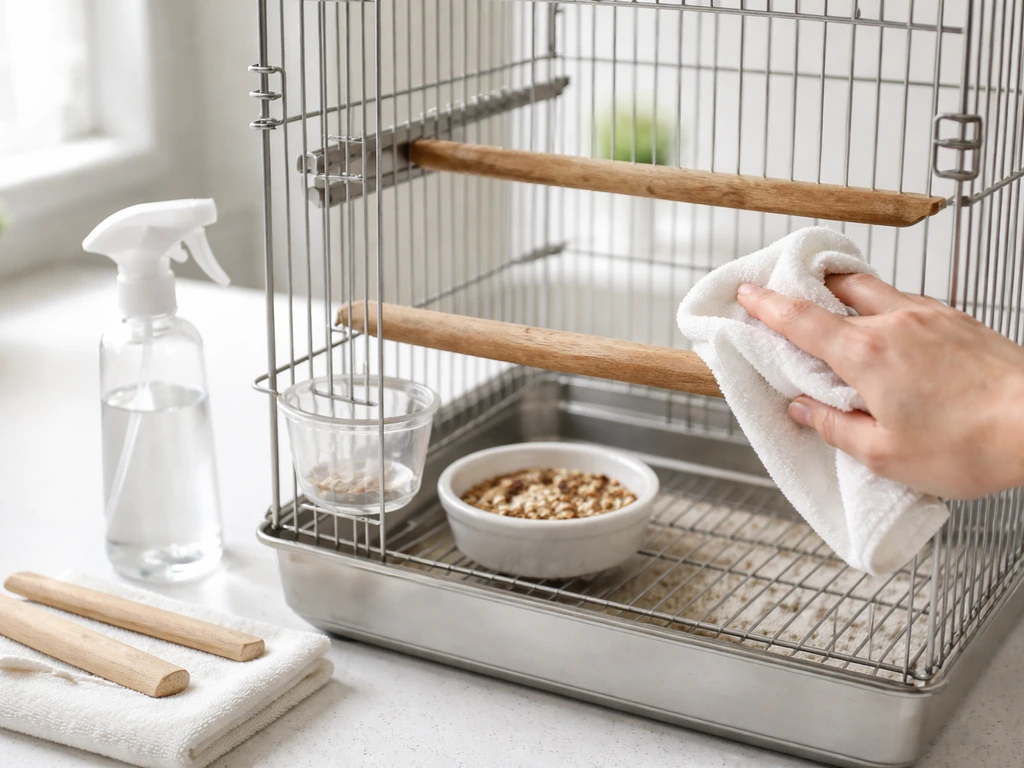
If the checklist above did not turn up any red flags and your bird seems healthy, there is still plenty you can do to support the behavior staying normal and prevent irritation from developing.
- Clean the cage thoroughly, focusing on perches and bar surfaces where beak residue accumulates. A clean surface reduces the chance of bacteria or mold buildup that could cause mouth irritation.
- Swap any plastic or smooth perches for natural wood perches of varied widths. Rougher textures support normal beak wear and give your bird appropriate surfaces to wipe against.
- Check your air quality. If the room is dusty or you use aerosols, scented candles, or non-stick cookware nearby, remove those sources. Good ventilation matters for bird respiratory health, and changing air filters regularly helps if you have a forced-air heating or cooling system.
- Add humidity if the air is very dry, especially in winter. Low humidity dries out the cere and skin around the beak. A small humidifier near the bird's room (not directly at the cage) can help.
- Test the meal connection by observing your bird for a full day and noting exactly when the beak rubbing occurs relative to feeding times. If it clusters around meals, you can rule out most health concerns and call it normal grooming.
- Enrich the environment with new foraging toys and safe chew materials. Boredom-driven repetitive rubbing decreases when birds have more mental engagement.
- Keep handling calm and positive. If your bird rubs his beak on you during handling, let him do it. Interrupting a comfort behavior can create stress.
Red flags that mean call an avian vet
Some combinations of symptoms are not wait-and-see situations. If you see any of the following alongside increased beak rubbing, contact an avian vet the same day or seek urgent care. If you see increased beak rubbing along with signs that suggest causes like mites, fungal infection, liver disease, trauma, or cancer, VCA recommends having your bird examined by an avian veterinarian. Do not try to manage these at home.
| Symptom | What it may indicate | How urgent |
|---|---|---|
| Open-mouth breathing at rest | Respiratory distress, airway obstruction, or infection | Same day, urgent |
| Tail bobbing with each breath | Labored breathing, serious respiratory issue | Same day, urgent |
| Nasal discharge (watery, thick, or crusty) | Infection, respiratory illness, or nasal irritation | Within 24 hours |
| Discharge or bubbles from the beak | Respiratory or crop emergency | Immediate |
| Visible lesions, crusting, or color change on the beak | Poxvirus, fungal infection, or other beak condition | Within 24 hours |
| Fluffed feathers combined with lethargy | General illness, the bird is conserving energy | Same day |
| Sudden stop in normal preening or grooming | Pain, illness, or significant stress | Within 24 hours |
| Beak rubbing that is frantic and does not stop | Something is physically wrong in or around the mouth | Same day |
Birds hide illness well because showing weakness in the wild is dangerous. By the time a bird looks visibly sick, he has often been unwell for some time. Trusting your instincts matters here. If something feels off beyond the beak rubbing, do not wait for multiple symptoms to stack up before making the call.
If your bird is pecking at your window repeatedly, it can be a territorial or reflection-related behavior, so the next step is figuring out what triggers it. If your bird is pecking at your car, it can be a similar territorial or reflection-driven behavior, but you should also watch for signs of irritation or injury.
If your bird is pecking at your house, the same idea applies: look at triggers like reflections, noises, and where the bird is focusing its attention.
FAQ
Is beak rubbing the same thing as “itching,” or can it be a health problem?
It can be either, context matters. If the rubbing is calm and brief after eating or during grooming, it usually matches routine cleaning or bonding. If it is paired with fluffed posture, head bobbing, wheezing, tail pumping, discharge from the nostrils, or visible swelling, treat it as possible irritation or infection and contact an avian vet.
My bird rubs his beak on me after I touch him. Does that mean I did something wrong?
Not necessarily. Many birds respond by preening or “scent sharing” right after handling because they are comfortable and want to groom. If your hands had lotions, perfumes, or strong cleaners, consider washing with a mild, unscented soap next time, and observe whether the rubbing stays normal.
How can I tell if my bird is rubbing for bonding versus testing boundaries?
Bonding rubbing typically happens when your bird is relaxed, with steady posture and you not being the target of aggressive behavior. Boundary-testing is more likely if the rubbing is brief and immediately followed by biting, lunging, or frantic body contact that escalates when you move away.
What if my bird rubs his beak only on one spot of my body, like my shoulder or shirt collar?
That often indicates preference and convenience. Birds choose a consistent surface height and texture, and shirts can hold your scent. If the behavior becomes excessive or your bird ignores other normal activities, then also check whether the bird seems uncomfortable around the face.
Can dirty food, grit, or cage residue cause beak rubbing?
Yes. Leftover food, dusty seed mixes, and residue on perches can prompt extra wiping attempts that look similar to bonding. Try wiping the beak-facing areas, refresh water daily, and clean perches on a schedule (avoid harsh fumes), then watch whether the frequency drops within a few days.
My bird rubs his beak on toys but not on me. Is that still normal?
It can be normal. Birds often “clean” or groom using whatever surface is available at beak height, toys included. If the bird rubs only on certain objects, examine those items for rough edges, sharp paint, or overheating residue that could irritate the mouth area.
Should I stop my bird from rubbing his beak on me?
Usually you can tolerate it if your bird is calm, since it is commonly a grooming and bonding behavior. If it is uncomfortable or your bird escalates to nibbling that hurts, guide him to a perch instead of pulling your hand away, and offer an alternative surface to rub, like a designated perch.
What are signs that beak rubbing is turning into “too much,” even if my bird seems mostly fine?
Watch for changes in rhythm and duration. If it becomes frequent throughout the day, lasts much longer than your bird’s usual routine, looks repetitive without settling, or starts to replace singing, eating, or bathing, that is a reason to investigate rather than assume it is just normal grooming.
Can seasonal changes or humidity affect beak rubbing?
They can. Dry air can irritate skin around the nostrils and mouth area, especially in heated rooms. If you notice the pattern worsening in certain weather, consider adjusting humidity gradually and increasing bathing opportunities, but do not delay a vet visit if symptoms like discharge or labored breathing appear.
When should I suspect a territorial or reflection-related issue instead of beak irritation?
If you see beak rubbing paired with repeated staring, charging, or attacking visible reflections (mirrors, windows) at the same times of day, the trigger may be territorial or social frustration. In that case, reduce line-of-sight to reflections, then still keep an eye on the bird’s breathing and nasal area for any irritation.
Next Articles
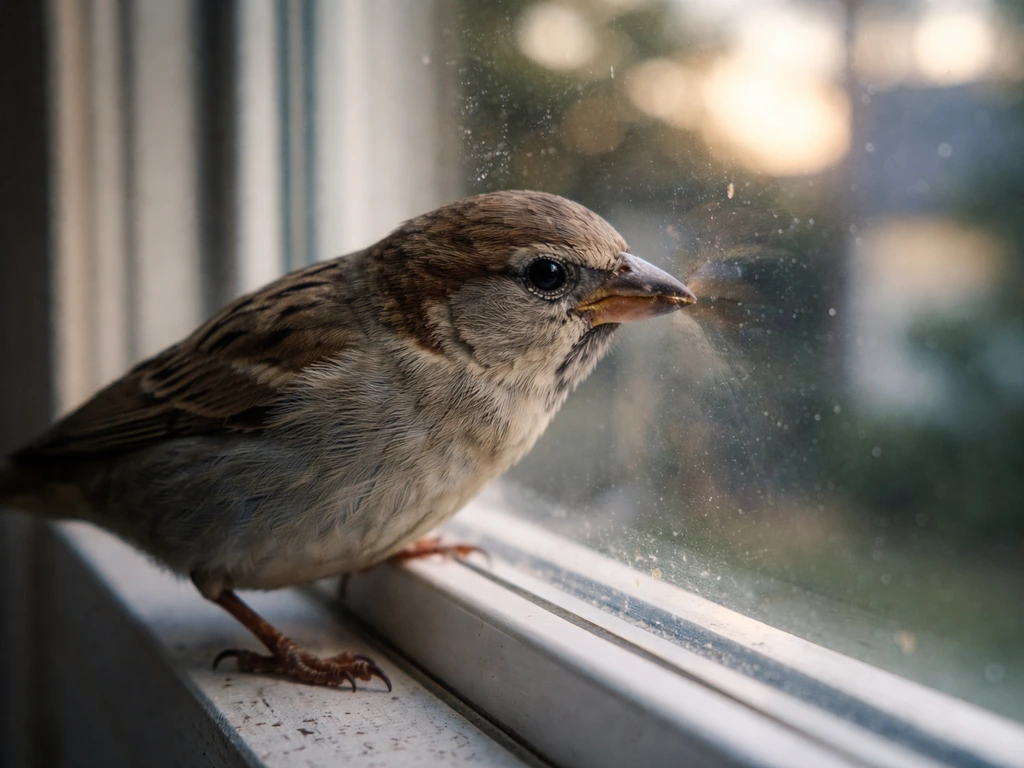
Why Does a Bird Keep Pecking at My Window? Causes and Fixes
Learn why birds peck windows and follow step-by-step fixes to stop reflections, territory, light confusion, and nesting
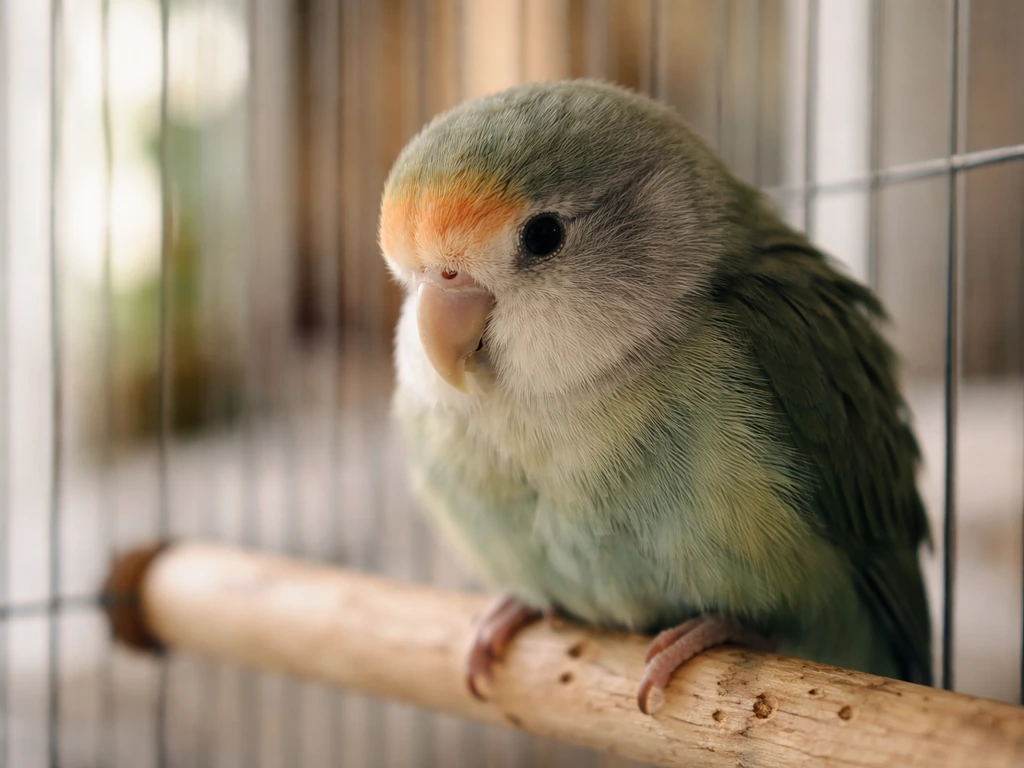
Why Is My Bird Making Whimpering Noises? What to Check
Find reasons for whimpering bird noises, quick home checks, and red flags for urgent vet care plus tracking tips.
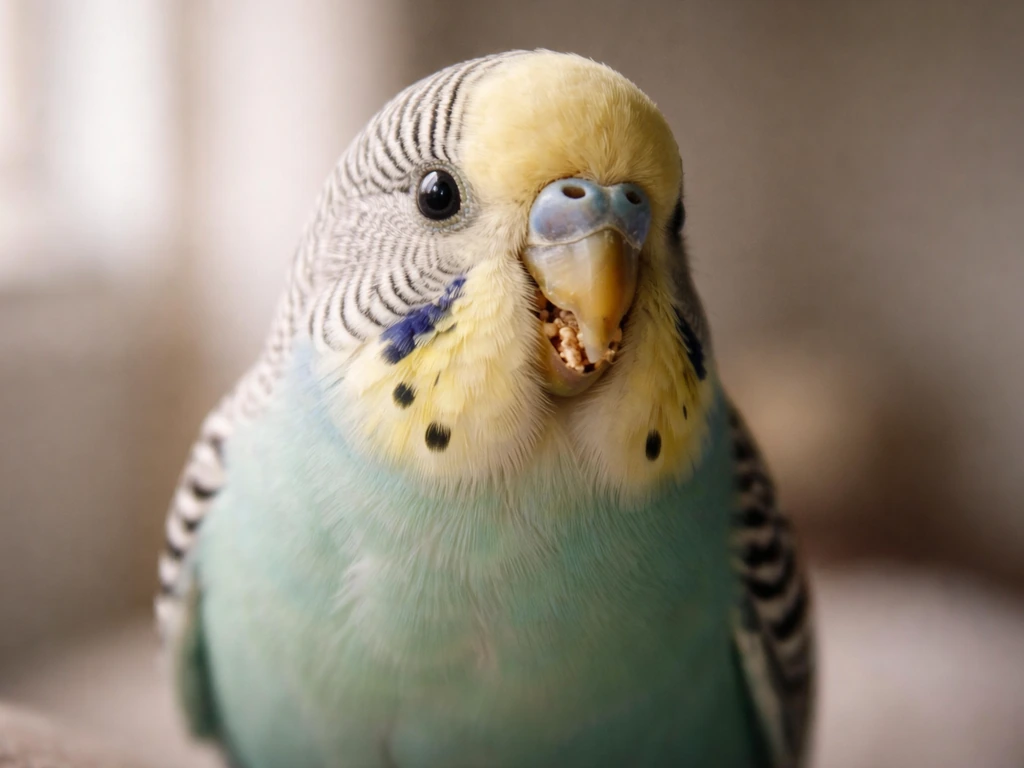
Why Does My Bird Make Crunching Noises? Causes and What to Do
Learn why your bird crunches, spot normal beak chewing vs breathing or crop issues, and what to do next.