
Most of the time, a bird sticking his tongue out is completely harmless. It can be curiosity, playfulness, a relaxed jaw, or just a quirky habit. But tongue-out behavior paired with open-mouth breathing, tail bobbing, or any sign of effort or distress is a different situation entirely, and that one needs fast attention. The key is figuring out which category you're dealing with, and this guide walks you through exactly that.
Why Is My Bird Sticking His Tongue Out? Causes & What to Do

Marcus Chen
3 Jun 2026
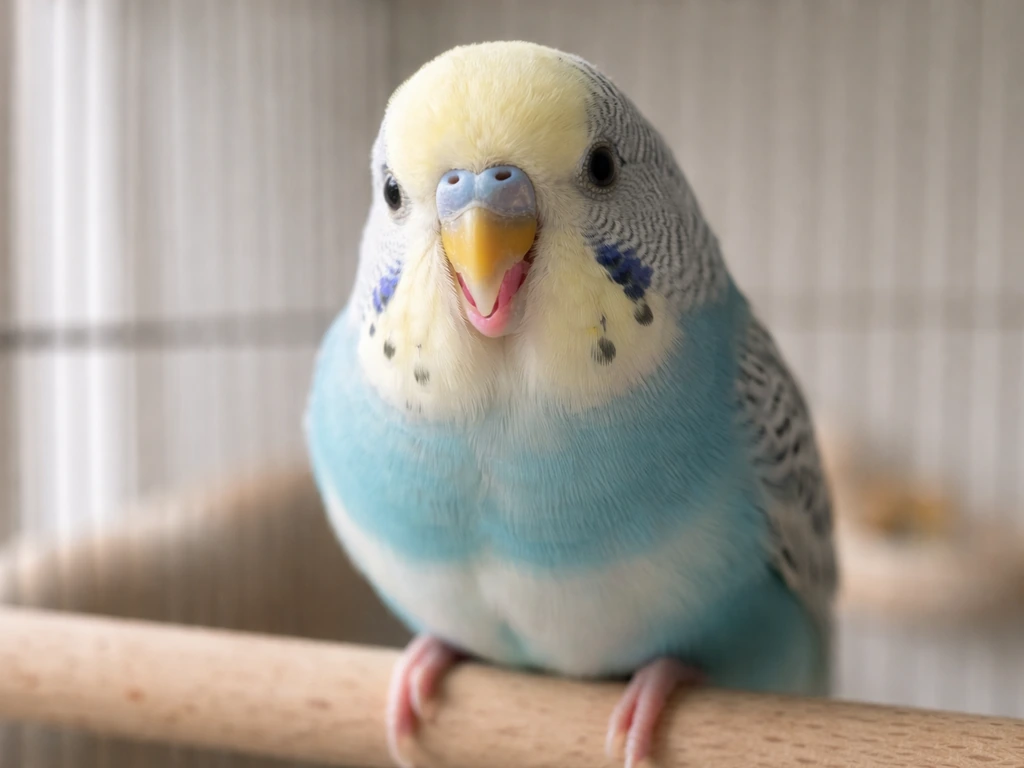
Common reasons a pet bird sticks his tongue out
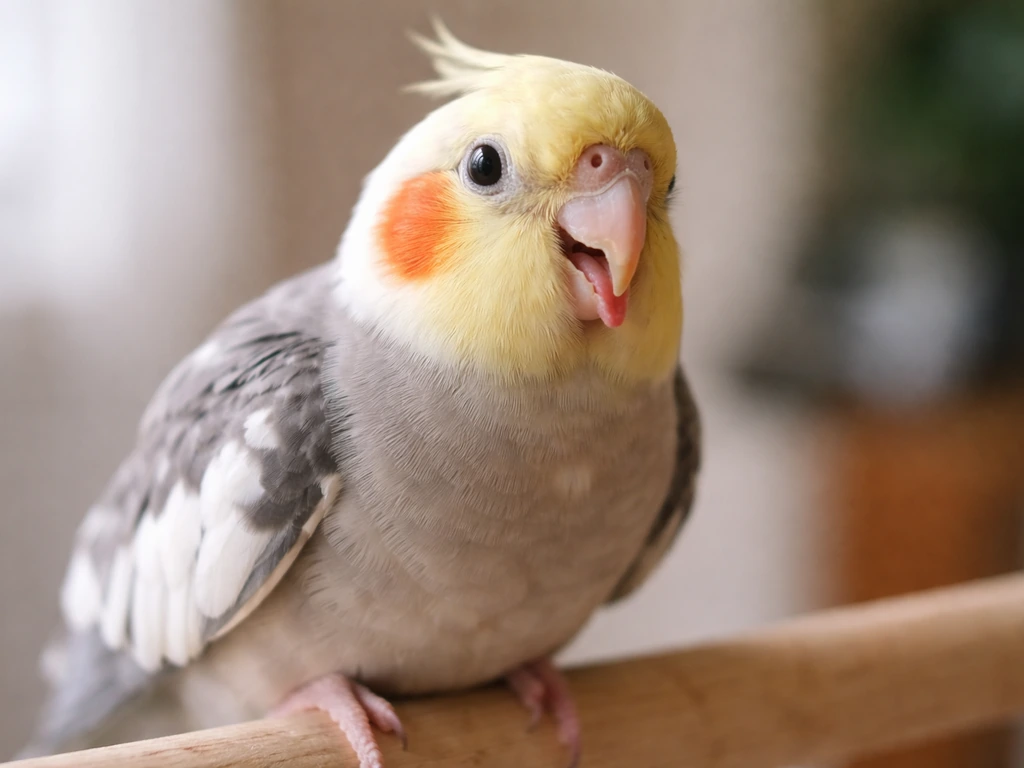
Birds use their tongues a lot more actively than most owners realize. Here are the most frequent reasons you'll see that little tongue poking out, none of which should alarm you on their own.
- Playfulness and curiosity: Many birds, especially cockatiels, budgies, and parrots, stick out their tongues while exploring objects, watching something interesting, or engaging with their owner. It's often a sign they're alert and entertained.
- Begging behavior: Young birds and hand-fed birds frequently stick their tongues out as a food-solicitation signal. You'll often see this combined with head bobbing or wing quivering.
- Grooming and beak maintenance: Birds sometimes extend their tongues to groom around the beak, remove food debris, or work on the tip of the beak. It's the avian equivalent of licking your lips after a meal.
- Exploring and target training: During training sessions or foraging, birds use their tongues to investigate textures and objects, so tongue-out moments during enrichment activities are totally normal.
- Heat regulation and relaxed mouth posture: On warm days, a bird may briefly open the beak and show the tongue as a mild cooling response. Some birds also just rest with a slightly open mouth when they're calm and comfortable.
- Mimicry: If you've been sticking your own tongue out at your bird (as many owners do), there's a decent chance he's simply copying you. Birds are excellent mimics of gestures, not just sounds.
If your bird is doing any of these things in a relaxed posture, eating normally, active, and breathing quietly through a closed beak the rest of the time, you're almost certainly looking at normal behavior. Context is everything.
Tongue-out vs open-mouth breathing: how to tell the difference
This is the most important distinction to make, because one is a quirky behavior and the other can be a respiratory emergency. The two can look similar at a glance, but they feel very different when you watch your bird for a minute or two.
A bird just sticking his tongue out will do it briefly, sporadically, and between normal closed-beak breathing. The rest of the time, his beak is closed and his breathing is silent and effortless. There's no visible movement of the chest, no tail pumping up and down, and no sign of strain.
Open-mouth breathing that signals a respiratory problem looks and sounds different. The beak stays open for extended periods, not just a flash. You may notice the chest (sternum) moving more than usual, the tail bobbing rhythmically with each breath, the neck stretching forward or upward, or audible sounds like wheezing, clicking, or a wet quality to the breathing. Some birds will also seem quieter, weaker, or sit lower on the perch than normal.
A useful rule of thumb: open-mouth breathing in a bird that is not hot and has not just been exercising or startled is an emergency sign. It should not be happening at rest. If your bird is sitting still on his perch with his beak open and you can see effort in his breathing, that needs same-day veterinary attention.
| Sign | Likely benign tongue-out | Possible respiratory concern |
|---|---|---|
| Duration | Brief, intermittent flashes | Sustained, beak stays open |
| Breathing sounds | Silent | Wheezing, clicking, wet sounds |
| Tail movement | Still or normal | Bobbing rhythmically with breaths |
| Chest/sternum | No visible effort | Exaggerated sternal motion |
| Posture | Alert and upright | Hunched, low, or neck extended |
| Appetite | Normal | Reduced or absent |
| Overall energy | Active and responsive | Quiet, weak, or fluffed up |
Behavior and environment checks
Before jumping to health concerns, it's worth running through the basics of your bird's environment and daily routine. A lot of tongue-out behavior has simple, fixable explanations.
Temperature and humidity
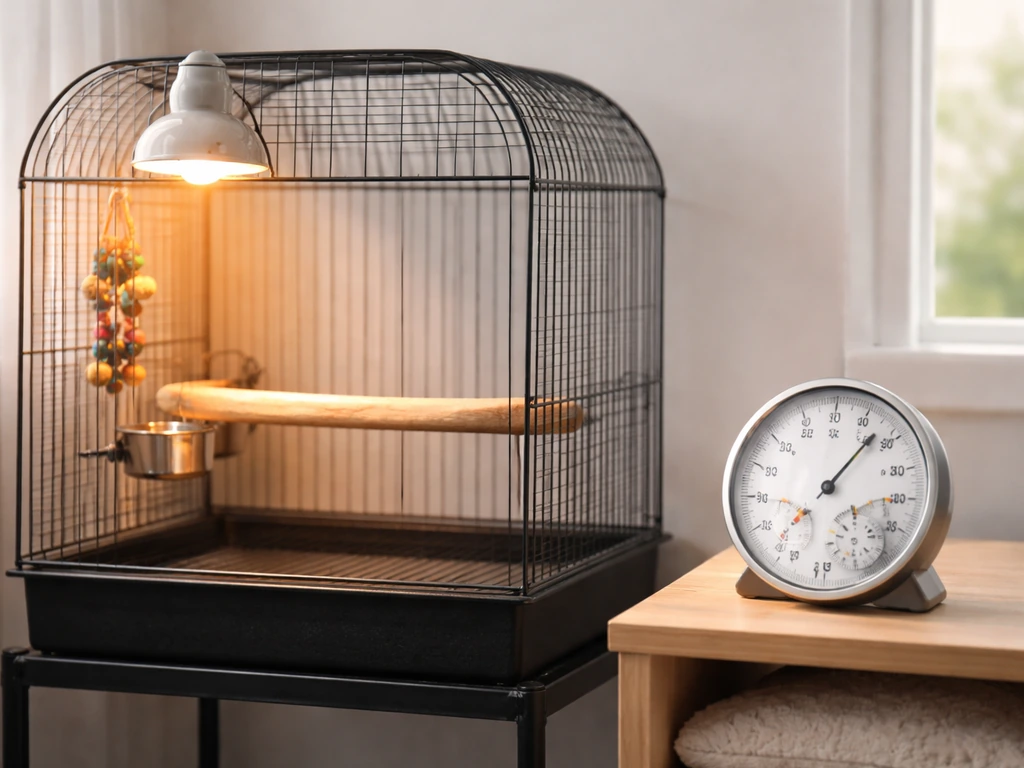
If your bird's space is too warm, mild panting with an open beak or visible tongue is a natural cooling response. Most pet birds do well between 65 and 80 degrees Fahrenheit. If the room is warmer than that, especially in summer, check whether the bird is near a heat source, in direct sunlight through a window, or in a poorly ventilated space. Providing shade, improving airflow, or moving the cage can resolve heat-related mouth-open behavior quickly.
Air quality and household irritants
Birds have an incredibly sensitive respiratory system, and airborne irritants that barely affect you can cause real problems for them. Common culprits include scented candles, air fresheners, essential oil diffusers, aerosol sprays, cigarette or vape smoke, cleaning product fumes, paint, new carpet off-gassing, and most critically, overheated non-stick (PTFE-coated) cookware. The general rule is: if you can smell it, it may be affecting your bird. If you've recently introduced any of these into your home and the tongue-out or mouth-open behavior is new, move the bird to a well-ventilated area with fresh air immediately and see whether things improve.
Stress and recent changes
A stressful event, like a vet visit, a new pet in the home, a change in schedule, loud noises, or being handled in an unfamiliar way, can trigger unusual behaviors including tongue-flicking and beak movements. This is behavioral, not medical. If the behavior started around a specific event and your bird is otherwise eating and acting normally, give it a day or two and watch whether it settles.
Boredom and enrichment
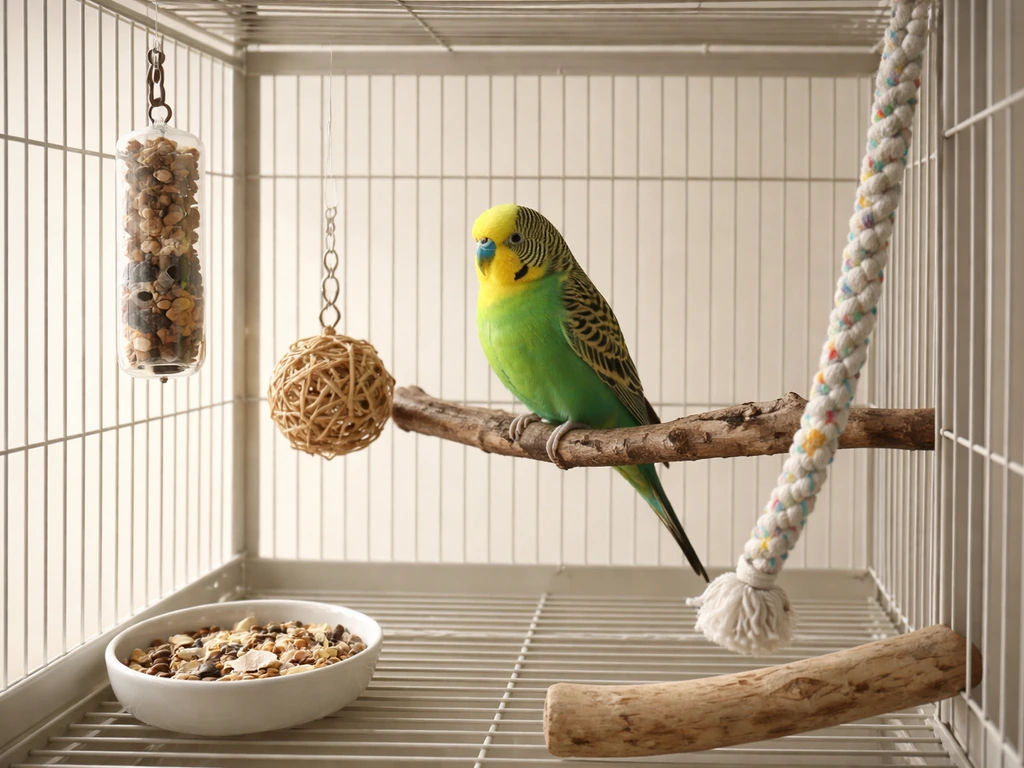
Under-stimulated birds develop all sorts of repetitive or odd-looking behaviors. If your bird spends a lot of time alone with limited toys, foraging opportunities, or interaction, some unusual oral behaviors including tongue movement can be a displacement activity. If you are wondering why your bird likes your feet, the same environment, stress, and enrichment factors can explain the behavior unusual oral behaviors including tongue movement. Adding foraging toys, rotating perch textures, and increasing hands-on time can often resolve these quirks. Birds that like to lick faces, nibble ears, or investigate mouths are displaying the same exploratory oral curiosity in a social context. If your bird licks your face a lot, it is often social exploratory curiosity, but it can also be related to mouth irritation or stress depending on the rest of the symptoms lick faces.
Grooming and beak or tongue irritation signs
Sometimes the tongue comes out because something is bothering the bird's mouth, beak, or throat. In some cases, my bird is obsessed with my mouth is actually a sign of playful interest or stress, so context matters tongue-out. This is distinct from the playful or exploratory tongue-out, and it's worth knowing what to look for.
Signs that the mouth or beak may be irritated or uncomfortable include: the bird rubbing or wiping the beak repeatedly on perches or the cage bars, drooling or a wet-looking beak that recurs throughout the day, a bad smell coming from the beak, visible changes in the inside of the mouth such as redness, swelling, or any kind of yellow or white plaque-like material, repeated swallowing movements or head-shaking as if trying to clear something, and reduced appetite or reluctance to eat hard foods.
A vitamin A deficiency, which is common in birds fed an all-seed diet, can contribute to mouth abscesses and abnormal tissue around the glottis (the opening to the airway). Candida (yeast) infections can also cause oral discomfort with similar signs: regurgitation, lack of appetite, and occasionally open-mouth behavior. Both of these conditions need veterinary diagnosis and treatment, not home remedies.
If you notice what looks like cottage cheese or yellowish, cheesy deposits inside the beak or on the roof of the mouth, that is a classic sign of oral canker (avian trichomonosis), which also causes drooling, difficulty swallowing, and sometimes breathing trouble if the masses grow large enough to partially obstruct the airway. BHWT describes oral canker (avian trichomonosis) as causing difficulty swallowing and yellow “cheese-like” plaques on the roof of the mouth or inside the beak drooling, difficulty swallowing. This one needs a vet, not a wait-and-see approach.
Illness red flags that need a vet
Birds are masters at hiding illness. By the time they look obviously sick, the problem has often been developing for a while. The following signs, especially in combination with tongue-out or open-mouth behavior, should prompt you to contact an avian veterinarian the same day, or seek emergency care if a regular vet isn't available.
- Open-mouth breathing at rest (beak stays open without obvious heat or exercise as the cause)
- Tail bobbing visibly with each breath
- Audible breathing: wheezing, clicking, rattling, or a wet sound
- Exaggerated chest movement or neck stretching with each breath
- Fluffed feathers combined with quietness or lethargy
- Sitting low on the perch or on the cage floor
- Weakness or inability to hold onto the perch
- Drooling, a persistently wet beak, or bad breath
- Yellow or white plaques visible inside the mouth
- Changes in the voice: hoarse, quieter, or absent vocalization
- Dropping changes: watery, discolored, or significantly reduced in amount
- Loss of appetite or significant weight loss
- Blue or gray coloration around the beak or nails (indicates oxygen deprivation, this is a true emergency)
Any single one of these is a reason to call an avian vet. Multiple signs together mean you should be on the phone or in the car right now. Respiratory distress in birds can deteriorate very fast, faster than in dogs or cats, because of how their unique air sac system works. Do not adopt a wait-and-see approach when breathing is involved.
What to do right now: home observations and safe steps
If you're unsure whether what you're seeing is normal or concerning, here's a practical checklist to work through in the next few minutes. The goal is to give yourself a clear picture before deciding what to do next.
- Watch your bird breathe with his beak closed for at least one full minute. Is it silent and effortless, or can you see or hear effort? Does the tail bob with each breath?
- Check the room temperature. Is it above 80°F? Has the bird been in direct sunlight? Move him to a cooler, shaded spot and see if the behavior changes within 10 to 15 minutes.
- Smell the air. Have any candles, sprays, cleaning products, or cooking fumes been used recently? If yes, move the bird to a fresh-air room immediately and open a window.
- Look at the inside of the beak as best you can without stressing the bird. Any visible white or yellow material, swelling, redness, or unusual odor?
- Check his posture. Is he sitting normally on the perch, alert, and responding to you? Or is he fluffed, low, and less interactive than usual?
- Check his droppings. Are they normal in color (green/white/clear), consistency, and amount? Significant changes can indicate systemic illness.
- Think back. Did anything change recently: a new food, a product used in the home, a change in routine, a stressful event, a new animal in the house?
- If the tongue-out is brief and intermittent and everything else checks out normal, monitor him through the day and note whether the behavior increases or decreases.
- If you see any red-flag signs (listed in the section above), stop the checklist and call a vet now. Do not try to treat mouth or respiratory symptoms at home with oils, ointments, or supplements without veterinary guidance.
If you do need to transport your bird, keep him warm and minimize handling stress. A towel can help with gentle restraint if needed, but avoid covering airways. Do not force food or water into a bird that is weak or having trouble breathing.
When to contact an avian veterinarian
Call an avian vet the same day if your bird is showing open-mouth breathing at rest, tail bobbing, wheezing or clicking sounds, visible changes inside the mouth, drooling or a persistently wet beak, fluffed feathers with reduced energy, or any loss of appetite that has lasted more than a day. Petco also advises calling an avian veterinarian the same day if tongue-out or open-mouth breathing concerns are present and are not improving or are getting worse open-mouth breathing at rest. These are not situations to monitor overnight.
Go to an emergency exotic animal clinic immediately if your bird is gasping, collapsed, sitting on the cage floor, too weak to perch, blue or gray around the beak, or showing extreme respiratory effort. These are true emergencies with no buffer time.
When you call, be ready to describe: when the behavior started, how often it happens, what the breathing looks like, whether the beak is open continuously or just briefly, any other symptoms you've noticed, what the bird eats, and anything that changed in the environment recently. That information helps the vet triage your bird over the phone and tell you how urgently you need to come in.
If you're only seeing occasional, brief tongue flicks with no other symptoms and a bird that is otherwise acting like himself, eating well, and breathing quietly, a routine wellness check is still a good idea if it's been a while, but it doesn't need to happen today. If tongue-out behavior seems tied to beak discomfort, you may also be wondering why Bird Brown won't fix her teeth, which can be a sign of oral irritation or infection why doesn't bird brown fix her teeth. Keep watching, keep notes, and trust your instincts. You know your bird's normal better than anyone. Sometimes birds appear to clean their beaks or teeth by using their tongue, but persistent licking or mouth irritation can also point to an oral problem that should be checked. If you’re dealing with a situation where your dog has a bird in his mouth, treat it as urgent and get help right away.
FAQ
How can I tell the difference between normal tongue-out behavior and breathing trouble?
If the tongue-out is paired with beak-open breathing that continues at rest, chest movement, or rhythmic tail bobbing, treat it as an emergency and contact an avian vet immediately. If it is brief and sporadic while the rest of the time breathing is quiet through a closed beak, it is usually normal, but still note any pattern (time of day, after certain foods, after a room change).
What should I do first if my bird looks hot and keeps his beak open?
Avoid using a handheld fan, drafts, or temperature spikes to “cool” a bird that is mouth-open. Instead, move the cage to a cooler, shaded, well-ventilated room, then recheck breathing after a short interval. If the beak stays open for extended periods at rest or the breathing effort increases, skip home adjustments and call an avian vet the same day.
My bird sometimes rests with his beak slightly open. When does that become a problem?
Many birds breathe with a slightly open beak when resting, but they should not look labored. A helpful check is to watch from the side for 30 to 60 seconds: if you see clear chest pumping, neck extension, audible wheeze or clicking, or repeated swallowing, that points away from “heat” and toward respiratory or throat irritation.
Could candles, diffusers, or cleaning sprays cause this? How long would it take to improve if they are the cause?
Scent-based exposures can worsen quickly even if the bird seems “fine” at first. If you recently used a diffusing product, cleaner, aerosol, or any smoke, remove the source right away, ventilate the room, and move the bird to a different, clean area. If mouth-open breathing or wet beak persists beyond an hour, call a vet.
If tongue-out is related to mouth irritation, what other signs should I look for?
Don’t interpret tongue-out alone as a sign of pain, because exploratory and stress-related behaviors can mimic mild irritation. The deciding factor is whether you also see mouth signs (wiping, drooling, bad odor, head-shaking, reduced appetite) or respiratory signs (tail bobbing, chest pumping, audible sounds). If mouth irritation signs are present, schedule an avian exam rather than waiting.
I think I see white or yellow “cottage cheese” in my bird’s mouth. Can I treat it at home?
If you see creamy white or yellow plaque-like material, persistent drooling, or difficulty swallowing, do not attempt home treatments such as wiping the inside of the mouth. Gentle observation and an urgent avian visit are safer, because lesions like canker can obstruct the airway and commonly require specific medications.
My bird tail-bobs sometimes. Is that always a respiratory symptom?
Tail bobbing can occur with normal arousal or interaction, but it is most concerning when it is synchronized with open-mouth breathing and breathing effort. If tail bobbing happens during silent, closed-beak breathing and your bird is otherwise bright and eating, monitor and look for triggers. If it tracks breathing strain at rest, treat it as urgent.
My bird started tongue-out behavior after a change at home. Should I wait and watch?
If the behavior started right after a routine change (new cage, new perch material, new bedding, new foods) or after a stressful event (handling change, visitor, loud noise), document the trigger and your bird’s baseline (eating, droppings, energy) for the next 12 to 24 hours. However, if you observe open-mouth breathing at rest, call the avian vet the same day regardless of the suspected stressor.
Could tongue-out be my bird being affectionate, not sick?
Yes, some tongue-out can be social exploration, especially if your bird also licks or investigates people. But if it is accompanied by beak rubbing on bars, recurring drool, odor, or reduced appetite, prioritize mouth discomfort assessment. Also consider whether your bird is licking when you bring certain scents or food to your face.
What if my bird seems tired or fluffed up, but the tongue-out is intermittent?
Watch posture and breathing together. If your bird is fluffed, sitting lower than usual, less responsive, and the beak is open for more than brief moments, call the avian vet urgently. If he is perched normally, active, and the tongue-out is brief and sporadic, it may be normal curiosity, though a wellness check is still reasonable if it is new and persistent.
When should I stop troubleshooting and go straight to an emergency clinic?
If your bird is weak, struggling to perch, or you see blue-gray discoloration around the beak, do not transport him for routine evaluation. Treat as a true emergency, keep him warm, minimize movement, and go to an emergency exotic clinic immediately. Do not force food or water if he cannot swallow normally.
What details should I prepare when I call the vet about tongue-out behavior?
When you call, include a timeline (exact start time, whether it began suddenly or gradually), whether the beak is open continuously or only briefly, and a short description of breathing (silent vs audible, chest pumping vs minimal movement, tail bobbing pattern). Also mention recent environmental changes like heat sources, new products, non-stick cookware use, cleaning, or any aerosol exposure.
How can I track this at home so the vet gets the right information?
If your bird’s tongue-out is frequent and you suspect oral comfort issues, you can record feeding behavior (interest in soft vs hard foods), note any drooling or wiping on bars, and take a quick phone photo of the beak interior if your avian vet advises it. Avoid frequent handling to “check,” because stress can worsen mouth and breathing symptoms.
What if another pet got close to my bird’s mouth, and now he’s tongue-out?
If a dog, cat, or another animal had contact, treat it as urgent even if your bird looks okay, because small oral injuries or aspiration can show up later. Focus on immediate professional assessment if there was any bite, scratching, or mouth contact, especially if tongue-out or breathing changes appear afterward.
Next Articles
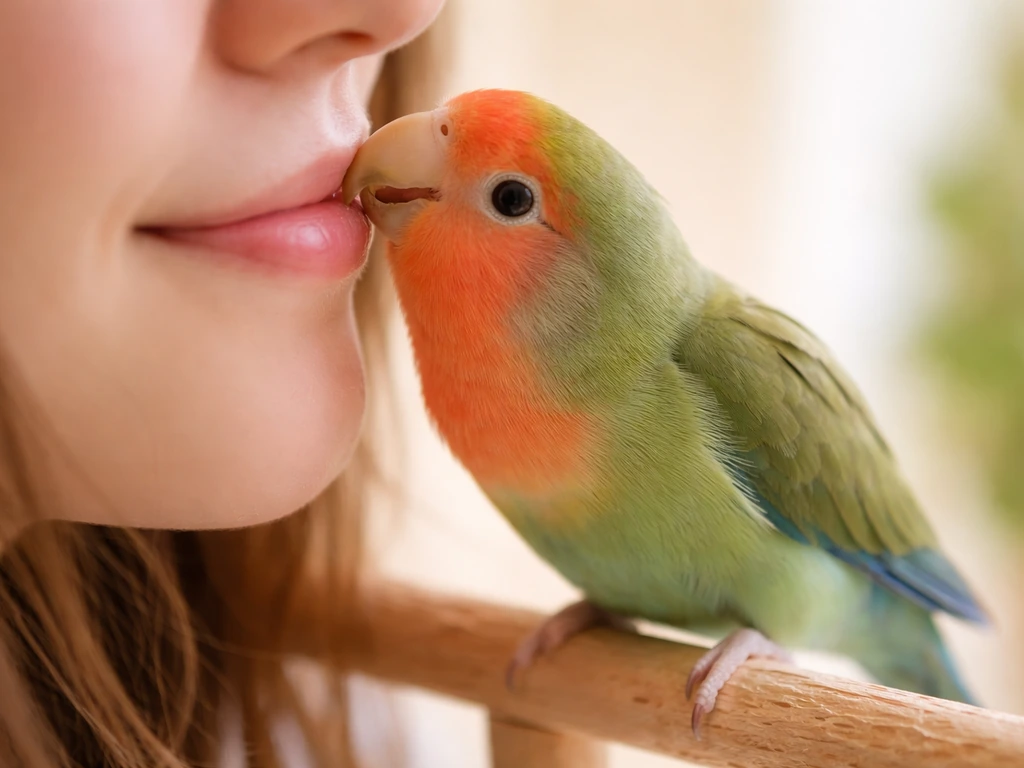
Why Does My Bird Clean My Teeth? Normal vs Red Flags
Understand why your bird grooms your mouth and beak, what’s normal, red flags, and safe checks to do today.
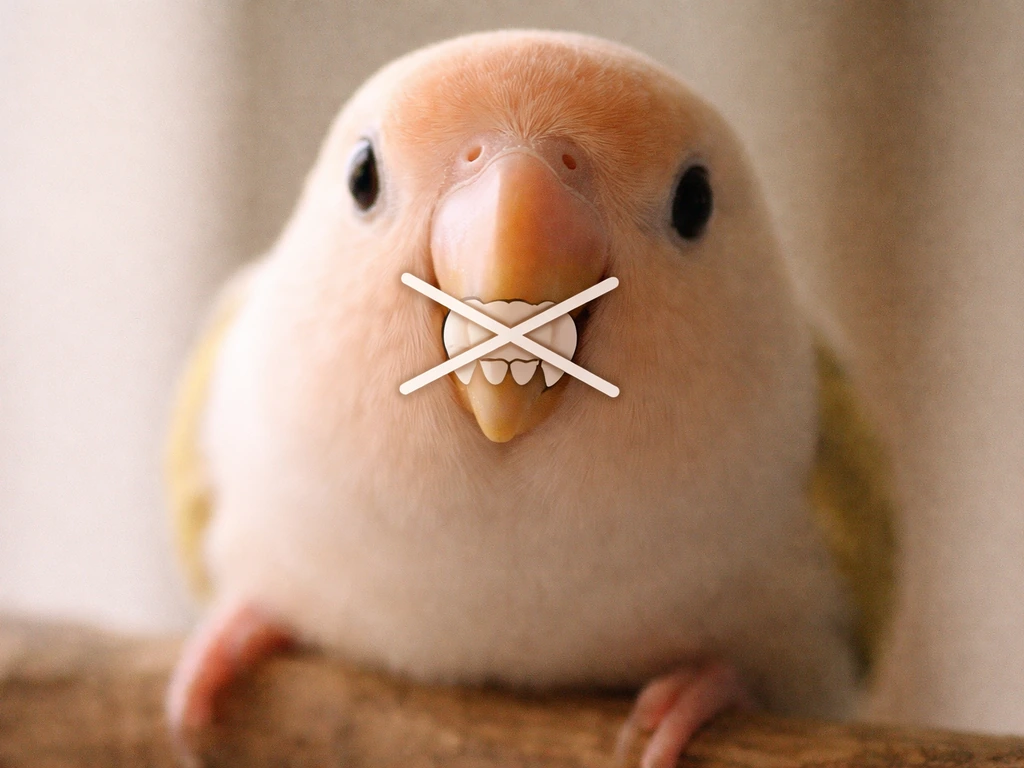
Why Doesn’t Bird Brown Fix Her Teeth and What to Do
Birds rarely need tooth fixing. Learn why Bird Brown isnt treated, what you may be seeing, and next steps.
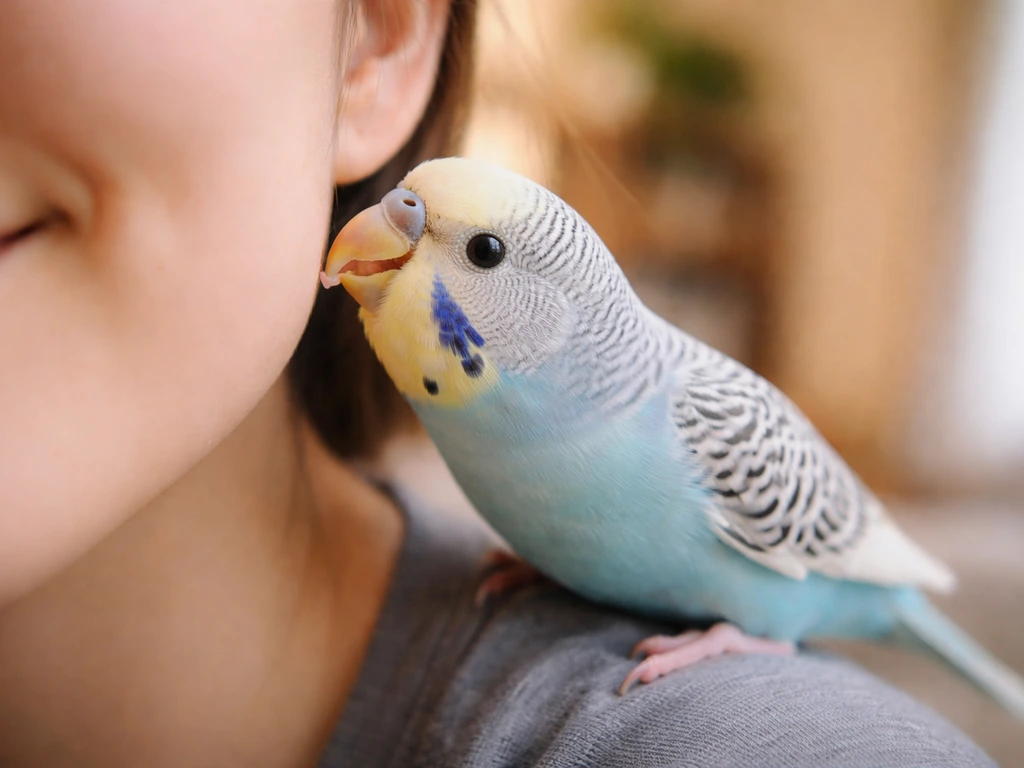
Why Does My Bird Lick My Face? Causes and What to Do
Learn why your bird licks your face, spot stress or skin issues, and get steps to redirect and when to see an avian vet.