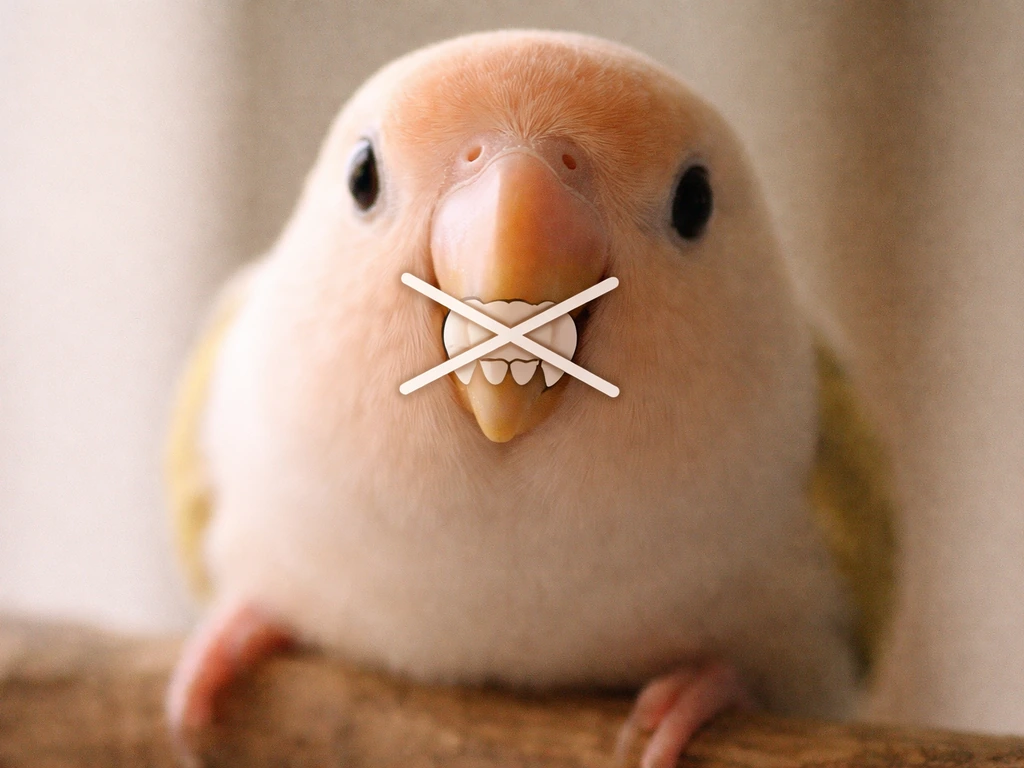
Your bird isn't actually cleaning your teeth. What you're seeing is beak preening, nibbling, or exploratory chewing directed at your mouth area, and for most pet birds, this is completely normal bonding and grooming behavior. If your bird is also sticking its tongue out, it can point to a different cause than normal beak grooming, so it helps to troubleshoot that symptom too why is my bird sticking his tongue out. Birds don't have teeth, so there's no instinct to "brush" them, but they do use their beaks constantly for grooming, exploring, and showing affection. The tricky part is knowing when that same behavior signals something worth paying attention to.
Why Does My Bird Clean My Teeth? Normal vs Red Flags

Marcus Chen
1 Jun 2026
What your bird is actually doing (it's not tooth cleaning)
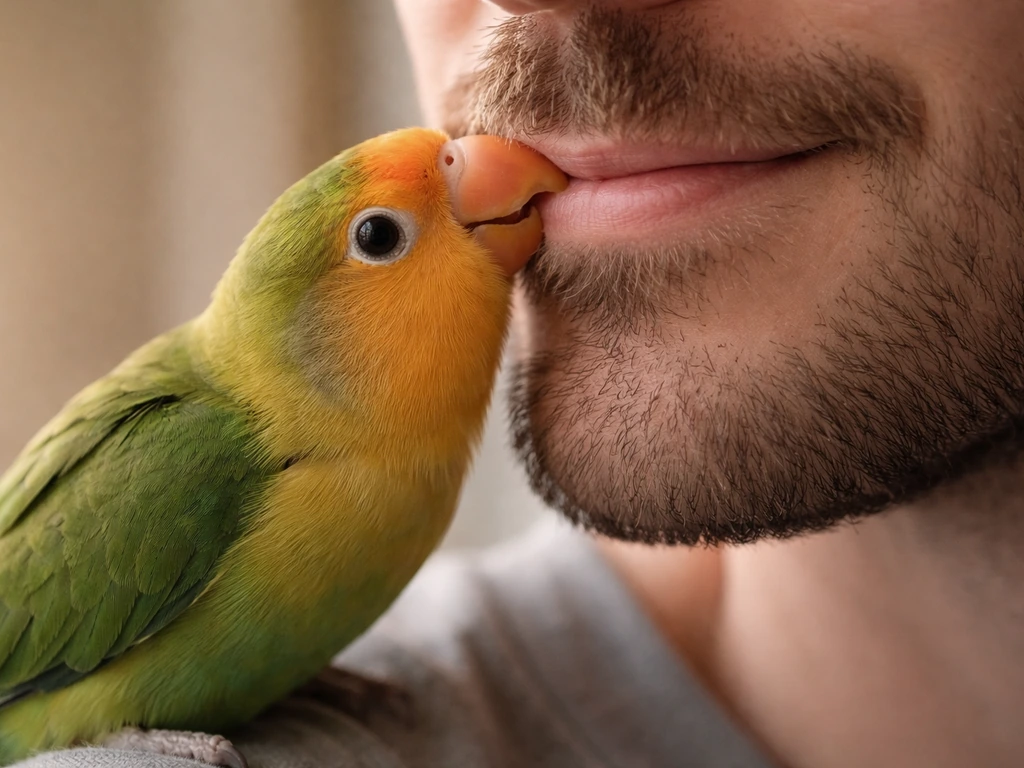
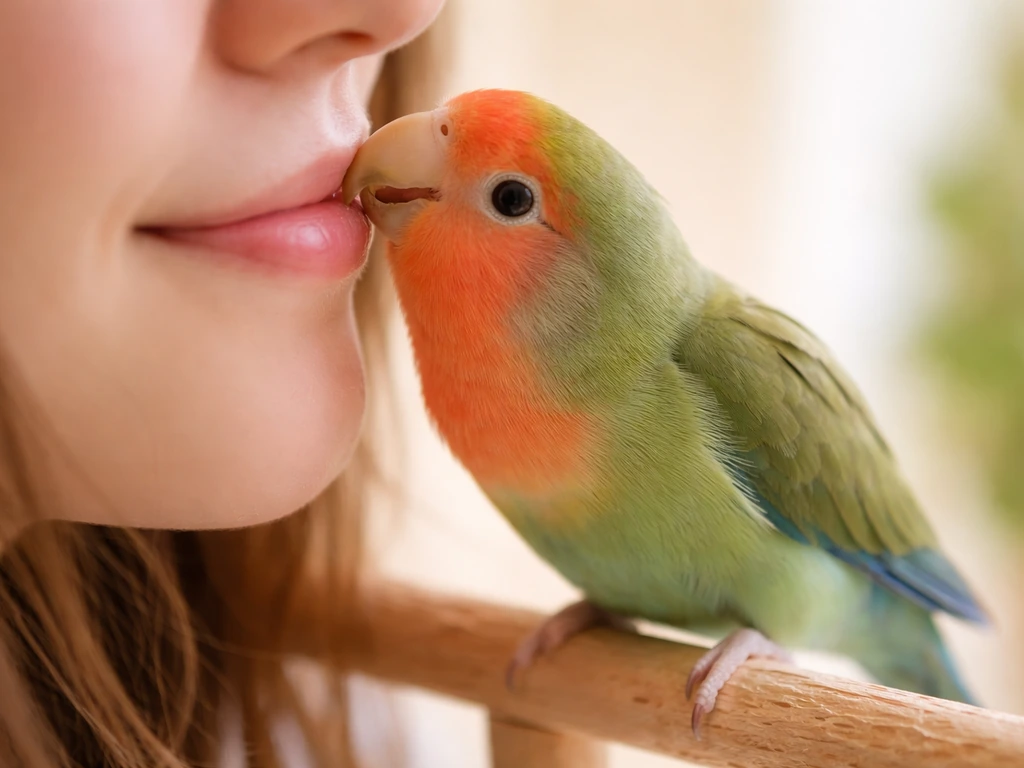
Birds experience the world through their beaks the way we use our hands and mouths combined. When your bird nudges, nibbles, or works its beak around your teeth, lips, or gums, it's almost always doing one of a few things: preening you as a flock mate, exploring an interesting texture, or rubbing its beak on a surface as part of normal beak maintenance. None of these behaviors involve an awareness of your teeth as teeth.
Beak wiping is the most misread behavior here. After meals, birds routinely rub their beaks on perches, cage bars, or any convenient surface (including your face) to remove food debris. It's their version of wiping your mouth on a napkin. If your bird does this to your teeth right after eating, that's the most likely explanation.
Related to this, some birds do the same exploratory nibbling around your lips and ears, which you might notice if you've ever looked into why birds nibble on ears or lips. If you are wondering why a bird might seem to be targeting teeth, lips, or gums, the key is figuring out whether it's normal beak wiping or something more like discomfort why doesn't bird brown fix her teeth.
If your bird is nibbling at your ears, it helps to look at timing and triggers to distinguish normal beak wiping from discomfort or stress why birds nibble on ears. If the nibbling is happening regularly or seems driven by discomfort, it can help to review possible triggers and red flags why birds nibble on ears.
Beak grinding is another behavior that looks strange but is usually harmless. You'll notice it most when a bird is drowsy or settling in to nap, producing a soft, rhythmic grinding sound. This is a normal self-soothing behavior in parakeets and many other species, not a sign of dental pain.
Normal reasons birds groom around your mouth
Most of the time, a bird working its beak around your face is showing trust and affection. Here's what's genuinely behind it:
- Mutual preening: In the wild, birds preen flock mates to maintain feathers and bonds. Your bird sees you as its flock, and your mouth area (lips, teeth, chin) is an interesting, accessible spot to groom.
- Post-meal beak wiping: Food residue on the beak is uncomfortable, and birds wipe on whatever is nearby. Your teeth or lips may simply be the closest available surface.
- Beak maintenance: Birds naturally smooth and wear down their beaks on rough textures. If your teeth feel like a useful tool for this, some birds will use them.
- Comfort and play: Curious birds, especially parrots, enjoy investigating mouths. It's the same impulse that makes a bird lick your face or become obsessed with your mouth generally.
- Chewing practice: Young or playful birds may just be exercising their beaks on anything that holds still.
Watch the pattern: frequency, timing, and triggers
The behavior itself isn't the whole story. How often it happens, when it happens, and what else your bird is doing at the same time tells you much more. A bird that does a quick beak wipe on your teeth after breakfast is acting normally. A bird that compulsively rubs its beak on everything, including your face, for extended periods throughout the day is worth a closer look.
Pay attention to timing. Is this only happening after meals? During calm, quiet bonding time? Or is it constant and frantic regardless of the situation? Normal grooming is relaxed and intermittent. Stress-related or discomfort-driven beak rubbing tends to be more repetitive, compulsive, and paired with other changes in behavior like restlessness, fluffed feathers, or reduced appetite.
A sudden change in your bird's grooming routine is one of the clearest early warning signs that something is off. If your bird has never been particularly interested in your mouth before and now it's fixated, or if the frequency has ramped up noticeably, that shift matters more than the behavior itself. If your bird seems fixated on your mouth, use your notes to decide whether it's just bonding or something that needs a closer look. Track when it started, how often it happens, and whether anything changed in the bird's environment or diet around the same time.
How to inspect your bird's beak and mouth at home
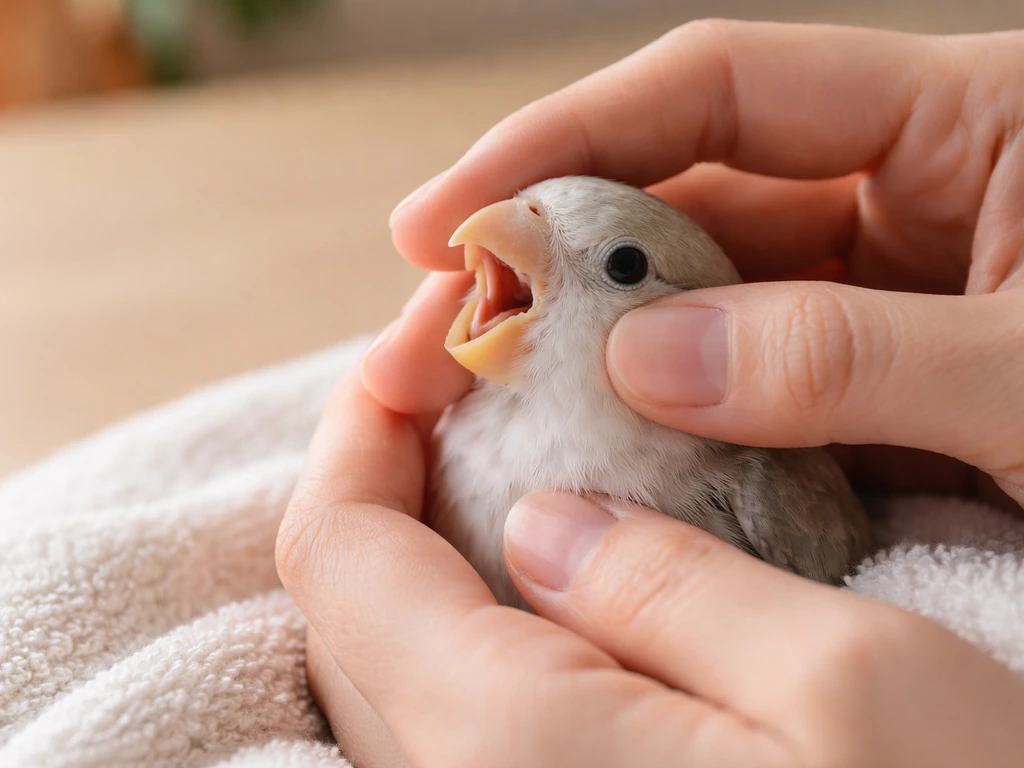
You don't need to be a vet to do a basic check. A calm, routine inspection once or twice a week is good practice for any bird owner, and it makes you much better at spotting early changes. Here's what to look at and what to look for:
| What to check | Normal | Concerning |
|---|---|---|
| Beak shape and alignment | Smooth, symmetrical, upper beak overlaps lower naturally | Crossed, misaligned, overgrown, or one side visibly different from the other |
| Beak surface texture | Slightly layered or smooth depending on species, no cracks | Deep cracks, peeling layers, rough overgrowth, scabbing, or bleeding |
| Inside the mouth (if visible) | Pinkish-red moist tissue, no plaques or spots | Yellow, white, or grey patches; cheese-like material; sores or lesions |
| Nares (nostrils on the cere) | Clean, clear, symmetrical openings | Discharge (clear, cloudy, or thick), crusting, blockage, or swelling |
| Feathers around the beak | Clean and dry | Wet, matted, or stained (can indicate drooling or regurgitation) |
| Beak closure | Closes completely and comfortably | Bird struggles to close beak, holds it open, or appears to have something stuck |
When checking the mouth area, compare both sides of the beak and cere for symmetry. Avian vets do exactly this during a physical exam, so practicing it yourself means you'll notice asymmetry sooner. You're not diagnosing anything; you're gathering information. If your bird is stressed by handling, keep checks short and calm. Never force the beak open or probe inside the mouth.
Diet, toys, and environment: supporting a healthy beak
A lot of beak-related behavior issues, including excessive rubbing, abnormal wear, and overgrowth, have a husbandry component. Getting the basics right reduces the chances of problems developing.
Diet matters more than most owners realize
Vitamin A deficiency is one of the most common nutritional problems in pet birds, and it directly affects the beak and mouth. Early signs include white spots around the mouth or on oral tissue, and over time it can contribute to abnormal beak growth and keratinization. Seeds-only diets are the biggest culprit. A pellet-based diet supplemented with fresh vegetables (especially dark leafy greens and orange vegetables like carrots and sweet potato) keeps vitamin A levels where they should be and supports normal beak development.
Give your bird appropriate things to chew
Birds need to chew. It's not optional. Without proper outlets, they'll chew on cage bars, your teeth, or whatever else they can find. Providing natural wood perches of varying diameters, cuttlebone, mineral blocks, and bird-safe chew toys gives the beak surfaces to work against, which also helps maintain normal beak wear. A bird that chews adequately on appropriate items is less likely to develop overgrowth and less likely to be compulsively rubbing its beak everywhere out of frustration.
Environment and hygiene
Keep food and water dishes clean daily, since standing water and leftover food are breeding grounds for bacteria and fungal growth that can contribute to oral infections. Humidity matters too: very dry environments can affect beak condition. If your home is particularly dry, especially in winter, a small humidifier near the cage can help. Minimize stress by keeping the cage in a stable, low-traffic area, maintaining a consistent day/night light schedule, and making sure the bird has enough social interaction and mental stimulation.
Red flags that mean it's time to call an avian vet
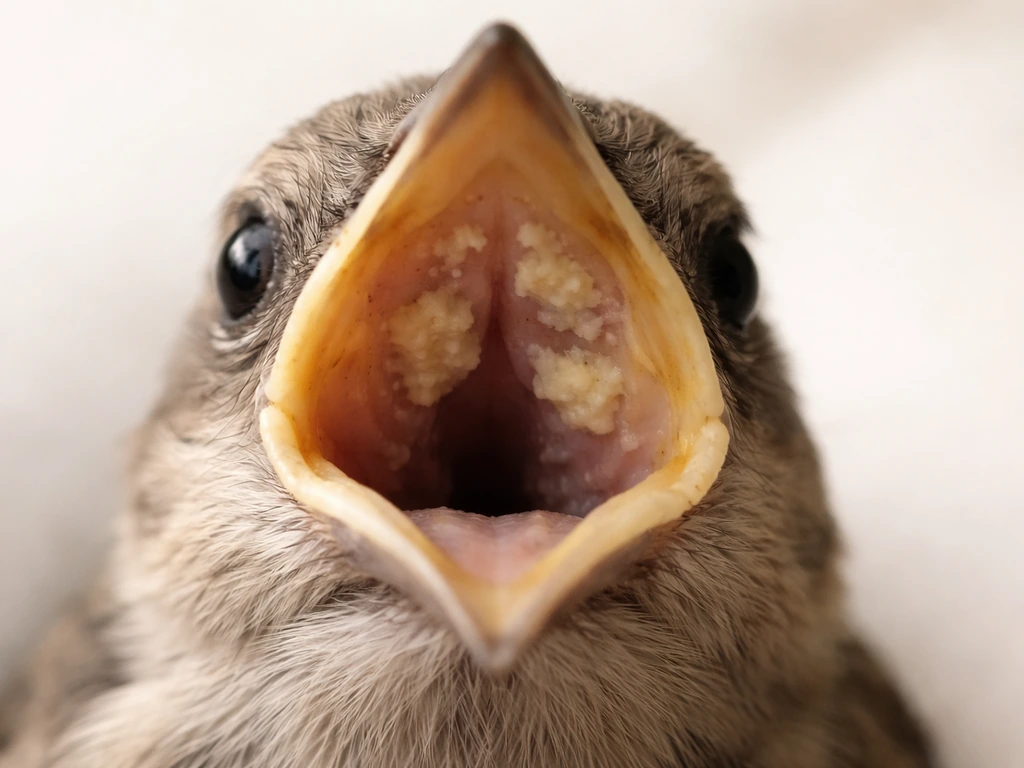
Most beak grooming behavior is benign, but some signs alongside it are not. Trichomoniasis, also called oral canker, commonly causes yellow or cheese-like plaques in the mouth and can interfere with proper beak closure, with caseous lesions sometimes visible in the oral cavity Trichomoniasis commonly produces yellow or cheese-like plaques and can interfere with proper beak closure. If you see any of the following, don't wait and see. Get to an avian vet promptly.
- Yellow, white, or grey plaques or patches inside the mouth: these can indicate trichomoniasis (canker), a parasitic infection that produces cheese-like lesions in the mouth and esophagus and can block swallowing.
- Drooling or wet, matted feathers around the beak: this suggests the bird is unable to swallow normally, which can be a sign of oral or esophageal infection.
- Beak overgrowth: an overgrown beak is not just a cosmetic issue. It can be caused by mites, fungal infection, liver disease, prior trauma, or cancer, and needs a veterinary evaluation before any trimming.
- Visible bleeding, scabbing, or an obviously injured beak: beak injuries can affect the bird's ability to eat and drink and may need treatment.
- Beak won't close properly or the bird holds its mouth open: this may indicate a foreign object, injury, or lesion causing obstruction.
- Rapid weight loss combined with beak or mouth changes: this combination is always urgent.
- Difficulty breathing: any breathing difficulty alongside oral changes is an emergency.
- White spots in or around the mouth: this can be an early sign of vitamin A deficiency or, in some cases, avian pox lesions.
- Significant or sudden increase in beak rubbing paired with any of the above: the combination of behavior change plus physical signs is more urgent than either alone.
What to do today and how to prepare for a vet visit
If the behavior seems normal and your bird looks healthy, your immediate action plan is simple: observe and document. Start noting when the beak-cleaning behavior happens, how long it lasts, and what triggers it. This record becomes genuinely useful if things change or if you end up at the vet.
- Do a calm visual inspection of the beak, cere, and mouth area using the checklist above. Note anything that looks asymmetrical, discolored, or unusual.
- Check the food and water dishes. Are they clean? Is your bird actually eating and drinking at normal levels?
- Review the diet. Is your bird on a pellet-based diet with fresh vegetables, or mainly seeds? If seeds-only, start transitioning toward a more balanced diet.
- Look at the cage setup. Are there natural wood perches, cuttlebone, or chew toys available? If not, add them today.
- Note any recent changes: new foods, new cage location, new people in the home, schedule changes, or any new birds in the household.
- Watch your bird's droppings for the next 24-48 hours. Changes in dropping consistency or color can be early illness indicators.
- If anything looks physically abnormal, call an avian vet now rather than waiting.
When you do speak to or visit a vet, be ready to describe: when the behavior started, how often it happens, what the beak and mouth look like on inspection, what the bird eats, what chewing opportunities it has, and any recent environmental changes. A vet may perform a physical oral exam, check the nares and cere, and depending on what they find, may recommend imaging or an endoscopic evaluation of the crop and esophagus. The more specific information you bring, the faster they can help.
The bottom line is that a bird "cleaning your teeth" is almost always your bird being affectionate, curious, or just doing its post-meal beak wipe on a convenient surface. You may also notice similar beak-preening or curiosity when your bird goes after your feet, which can be part of the same bonding and exploring behavior why does my bird like my feet.
If you are wondering why your bird licks your face, the same beak-preening and post-meal wipe behavior is usually the explanation why birds lick your face. It becomes something to investigate when it's compulsive, sudden, or paired with physical changes. Trust your gut as an owner: if something feels different from your bird's usual behavior, that instinct is worth acting on.
FAQ
How can I tell if my bird’s beak touching my teeth is just post-meal wiping versus discomfort?
Timing is the easiest clue. If it happens right after eating and your bird is otherwise relaxed, it is usually beak wiping. Discomfort is more likely if it becomes repetitive throughout the day, ramps up suddenly, or comes with other signs like reduced appetite, quiet hiding, fluffed feathers, watery eyes, or beak rubbing even when your bird has not eaten.
Why does my bird sometimes lick or tongue-out while doing this behavior?
Tongue-out can happen during exploratory mouth work, but it can also accompany oral irritation. Watch for whether the bird also shows messy drooling, staining around the beak, or frequent head shaking. If you see those physical changes, treat it as more than normal curiosity and arrange an avian vet visit.
Is it normal for my bird to grind its beak on my mouth or teeth when it is sleepy?
Soft, rhythmic grinding during settling or napping is commonly self-soothing, and it can include rubbing the beak on nearby surfaces. Still, confirm your bird is otherwise normal by checking appetite, droppings, and body condition, and inspect for asymmetry or overgrowth if the behavior is new or intense.
What “mouth appearance” changes should I look for during a quick at-home check?
Look for symmetry in both sides of the beak and the cere, and compare both sides of the mouth area. Be alert for white patches on oral tissue, swelling, bleeding, bad odor, or uneven keratin growth. If you notice any of these, do not keep experimenting with handling, schedule an avian vet exam.
How should I record what’s happening so a vet can actually use it?
Write down start date, times of day, how long each session lasts, and what triggered it (after meals, during bonding, when stressed, or when the environment changes). Also note food type, any diet changes, chew-item availability, and whether your bird shows other behaviors at the same time (head bobbing, fluffed feathers, chasing, reduced singing, or guarding your face).
Can diet changes cause a bird to start targeting my teeth or mouth more often?
Yes. A seeds-heavy diet can contribute to vitamin A deficiency and keratinization issues that may make the mouth area feel off. If the behavior increased after you changed seed mix, pellets, or fresh foods, or if fresh vegetables are missing, address the diet immediately and consider an avian vet check if you also see white spots or abnormal beak growth.
My bird is chewing on cage bars, then later tries my teeth. Does that mean I need more chew items?
Often, yes. Bar chewing suggests inadequate or mismatched chewing outlets. Add varied natural wood perches (different diameters), bird-safe chew toys, and approved mineral blocks or cuttlebone. If the mouth targeting continues despite good chew options, treat it as a possible oral or stress issue rather than only a boredom problem.
Is it safe to let my bird preen or nibble my teeth, and how do I protect myself?
You can allow brief, non-aggressive touching, but avoid pulling your face away abruptly or encouraging long sessions that let the beak work around gums. Keep nails trimmed if your bird can scratch, and if the bird shows compulsive behavior, redirect with a chew toy instead of continuing face contact.
When should I stop “watchful waiting” and book an avian vet appointment?
Do not wait if the behavior is sudden and persistent, if it is paired with physical changes (white patches, swelling, bleeding, bad odor, uneven beak wear), or if you see systemic signs like decreased appetite, weight loss, lethargy, or changes in droppings. If you are unsure, err on the side of booking, especially since oral issues can worsen even when a bird still seems “mostly fine.”
Could stress or hormones make this behavior more frequent or intense?
Yes. Birds may increase face-directed beak rubbing during stress, boredom, or seasonal hormonal surges. If the frequency goes up after changes like moving the cage, new people or pets, disrupted sleep schedule, or less interaction, focus on stabilizing the routine and boosting enrichment, then reassess within a short period. If it keeps escalating or shows mouth-related physical signs, get veterinary input.
Next Article
Why Doesn’t Bird Brown Fix Her Teeth and What to Do
Birds rarely need tooth fixing. Learn why Bird Brown isnt treated, what you may be seeing, and next steps.