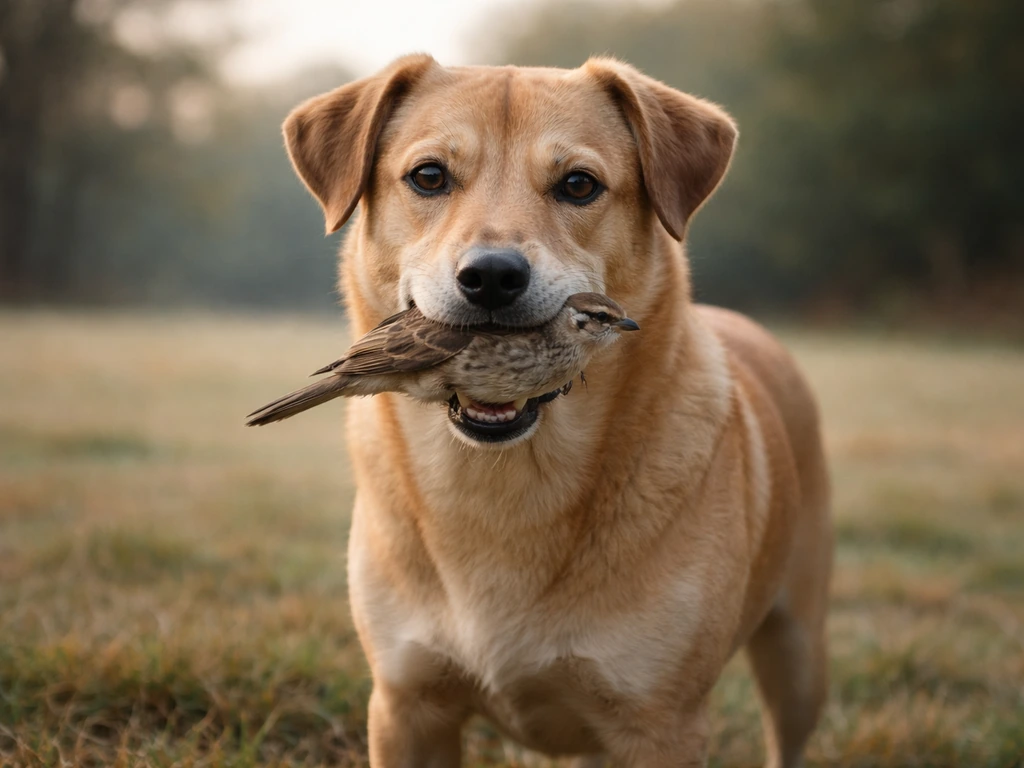
Stay calm, act fast, but don't rush in recklessly. If your dog has a bird in his mouth right now, your next two to five minutes matter a lot for the bird's survival. The short version: calmly get your dog to release the bird without escalating the situation, contain the bird in a warm, dark, quiet box, and call a wildlife rehabilitator immediately. Do not give the bird food or water, and do not try to nurse it yourself. Read on for exactly how to do all of this safely.
My Dog Has a Bird in His Mouth: What to Do Now
Marcus Chen
23 Jun 2026
What to do in the first 2–5 minutes
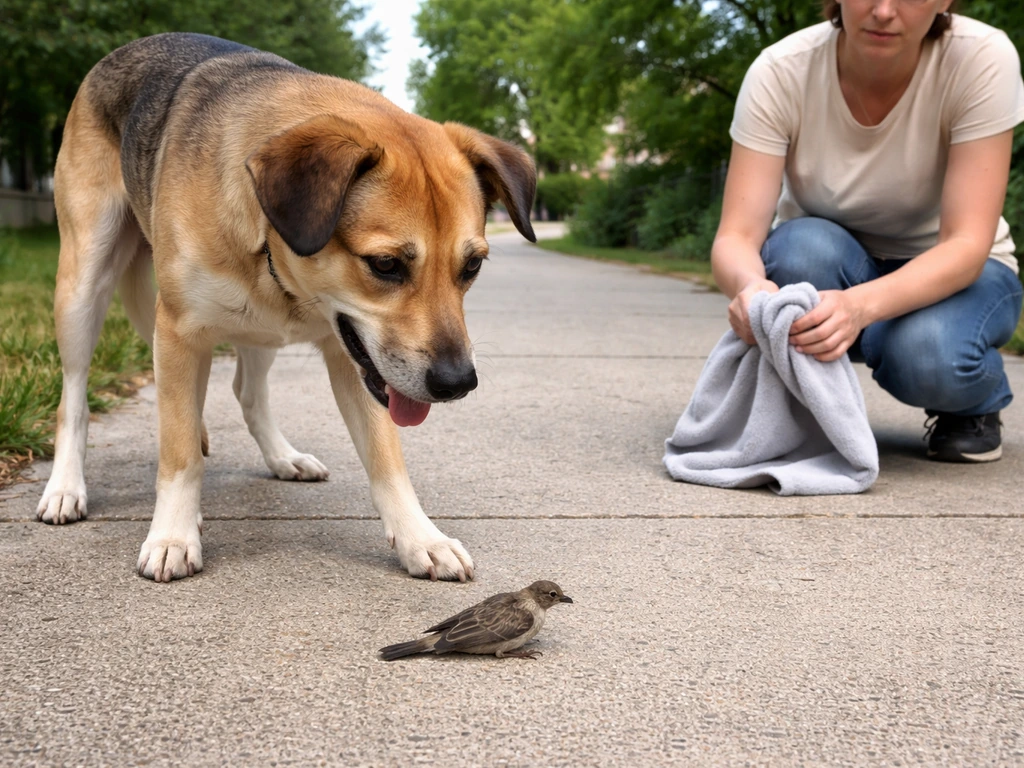
Your first priority is getting your dog to release the bird without causing further injury to either animal, or to you. Do not run toward your dog screaming or waving your arms. That kind of panic can cause the dog to clamp down harder, swallow the bird in alarm, or become defensive and bite you. Approach slowly and calmly, using a low, steady voice.
If your dog knows a 'drop it' or 'leave it' command, use it now. If he doesn't respond, try trading: hold a high-value treat right at his nose to get his attention, then give the command again. You can also gently take hold of his collar and guide him toward you rather than grabbing at the bird directly. The goal is to get him to open his mouth voluntarily, not to pry it open, which risks snapping his jaw shut on the bird again.
If the dog is showing any signs of guarding the bird (growling, stiffening, wide eyes), do not try to remove the bird yourself. Call for another person to distract the dog, or use a long-handled object to guide him away from the bird if he drops it. If there is a genuine aggression risk, step back and prioritize your own safety first.
Get the bird out and check what you're dealing with
Once the dog releases the bird, pick it up gently using a light towel or cloth. Do not grab it bare-handed if you can help it, both for the bird's stress and for your own protection, since larger birds like pigeons or jays can bite or scratch when frightened. Cup the bird loosely in the towel so its wings are held against its body but it can breathe freely.
Now take a quick, calm look at the bird's condition. You're not doing a veterinary exam, just a fast visual check.
| What you see | What it likely means | What to do |
|---|---|---|
| Bird is upright, alert, and flapping strongly | May be stunned but largely uninjured | Place in a ventilated box for 30–60 minutes, then reassess; call a rehabber to confirm |
| Bird is still, eyes open but not moving much | Stunned or in shock | Box it up, keep warm and dark, call a wildlife rehabilitator immediately |
| Visible wounds, blood, drooping wing, open beak panting | Injured and needs professional care urgently | Box it up, call a wildlife rehabilitator or emergency avian vet right now |
| Not breathing, no movement, no eye response | Likely deceased | No action needed beyond safe disposal; wash your hands thoroughly |
Even if the bird looks completely fine, a dog's mouth carries bacteria that are highly dangerous to birds. A bird that was held in a dog's mouth, even briefly, can develop a life-threatening infection within hours from Pasteurella and other bacteria. This is why a 'looks okay' bird still needs a rehabilitator's assessment, not just a release back into the yard.
Basic first aid for the bird: warm, dark, quiet
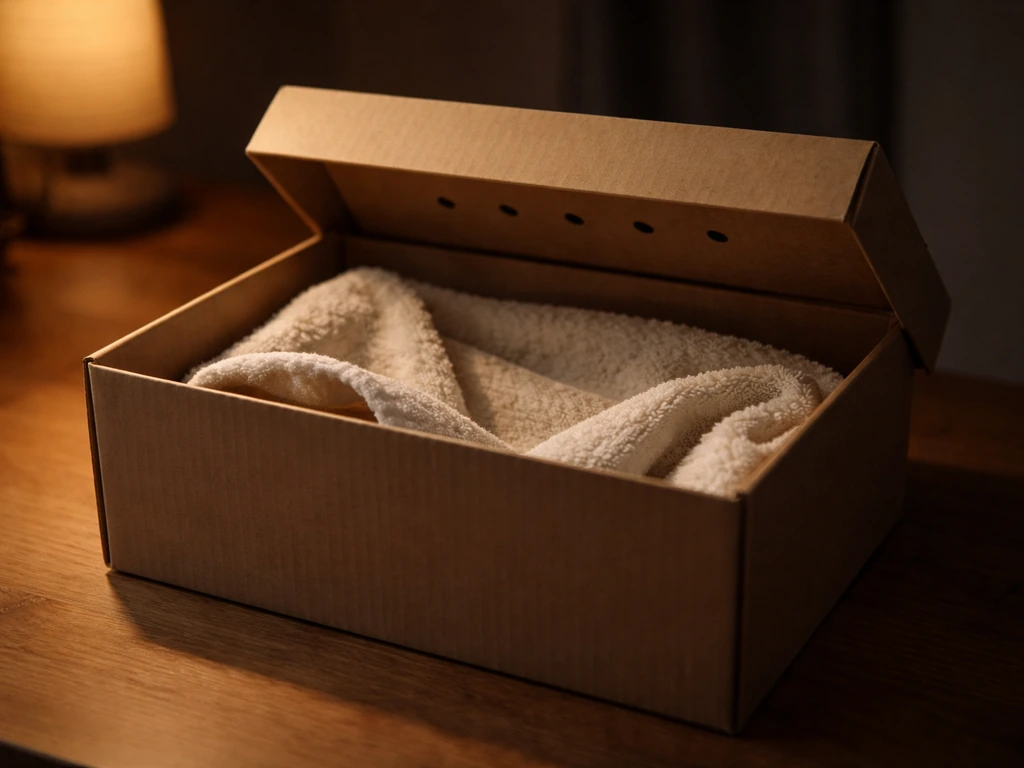
You do not need to be a vet to help a bird in the next hour. The three things that matter most right now are warmth, darkness, and quiet. Birds that do keep their beaks clean may still benefit from a safe check after any injury or stress warmth, darkness, and quiet. These reduce shock and stress, which are the biggest killers of injured wild birds alongside the injury itself.
Find a shoebox or a small cardboard box with a lid. Punch a few small air holes in the sides. Line the bottom with a soft cloth or paper towels, then gently place the bird inside and close the lid. Put the box in a warm room away from noise, pets, and children. If the bird feels cold to the touch, you can place a heating pad set on low under one half of the box (not the whole bottom, so the bird can move away from the heat if needed). A warm water bottle wrapped in a towel works too.
Do not put food or water in the box. This is one of the most important rules in bird first aid, and it feels counterintuitive. Offering water or food to a stressed, injured bird can cause it to blank" rel="noopener noreferrer">aspirate liquid into its lungs, which leads to a secondary respiratory infection that is often fatal. Even if the bird looks like it wants food, resist the urge. A licensed wildlife rehabilitator will know exactly when and how to rehydrate and feed a bird safely. When someone asks, “Why does my bird nibble on my ear?”, the cause is often curiosity or exploratory pecking, not an emergency.
Do not try to splint a broken wing, clean a wound with antiseptic, or give any medication. These actions almost always cause more harm than good in wild birds. Your job right now is to stabilize and contain, not treat.
If there is active, heavy bleeding, you can apply very gentle pressure with a clean cloth, but do not wrap or bind anything tightly. Minimize handling as much as possible after that, because the stress of being held can kill an already-compromised bird faster than the wound itself.
When to call for emergency help right now
blank" rel="noopener noreferrer">Call a wildlife rehabilitator for any bird that was in a dog's mouth, period. If you notice your bird sticking its tongue out, it can be a sign of stress, dehydration, or irritation, so the safest move is still to contact a wildlife rehabilitator right away. Even for birds that seem uninjured, that call should happen within the hour. You can find a local wildlife rehabilitator through the National Wildlife Rehabilitators Association (NWRA) website, or by calling your state fish and wildlife agency. The Audubon Society's local chapters are another fast resource.
Some situations require you to move faster and treat this as a true emergency. Call an emergency avian vet or wildlife clinic immediately if you see any of the following:
- Heavy or ongoing bleeding that doesn't slow down with gentle pressure
- The bird is gasping, breathing with its mouth open, or making clicking sounds when it breathes
- The bird is completely limp, unresponsive, or unable to hold its head up
- A wing, leg, or neck is at a clearly abnormal angle
- The bird has puncture wounds you can see, even small ones from teeth
- The bird is a raptor (hawk, owl, falcon): these birds are large enough to injure you and need specialist handling
- The bird is showing signs of seizure or trembling continuously
If you cannot reach a wildlife rehabilitator right away, an emergency exotic animal or avian vet can stabilize the bird and connect you with the appropriate rescue network. Do not wait and hope it gets better on its own.
Check your dog too: mouth, throat, and what to watch for
Once the bird is safely contained, take a few minutes to look your dog over. If you are wondering why your bird nibbles on your lips, the behavior is often a sign of curiosity, trust, or exploratory beak testing rather than aggression why does my bird nibble on my lips. In most cases, the dog is fine, but there are a few situations worth taking seriously.
First, check whether any part of the bird (especially feathers or small bones) could have been swallowed. If your dog is coughing, gagging, pawing at his mouth, or seems like he's trying to swallow something stuck, those are signs of a potential airway or throat issue. Watch his breathing. If he's breathing with his mouth open and looks distressed, or if his gums look pale, gray, or bluish, go to an emergency vet immediately. That level of respiratory distress is a true emergency.
A dog that swallowed feathers or a small bone but seems calm and is breathing normally is a lower-urgency situation, but still worth a call to your vet. Aspiration pneumonia in dogs, where material is inhaled into the lungs, can appear hours later as coughing, fever, rapid breathing, or lethargy. If any of those symptoms develop in the next 24–48 hours, get your dog seen right away.
Also check your dog's mouth and lips for any scratches or puncture wounds from the bird's beak or claws. These are usually minor, but if you see a wound that is deep, bleeding, or swelling, contact your vet. Wild birds can carry bacteria that pose infection risks to dogs, just as dogs carry bacteria dangerous to birds. If you notice issues with a dog after an encounter like this, you may also want to look into why dental problems can persist and what might help prevent them why doesn't bird brown fix her teeth.
Signs that mean your dog needs a vet today
- Persistent coughing or gagging after releasing the bird
- Open-mouth breathing or labored breathing
- Pale, gray, or blue-tinged gums or tongue
- Weakness, stumbling, or sudden collapse
- Visible wounds on the mouth, lips, or throat
- Vomiting or regurgitation that continues
- Fever or lethargy developing in the hours after the incident
What not to do (mistakes that make things worse)
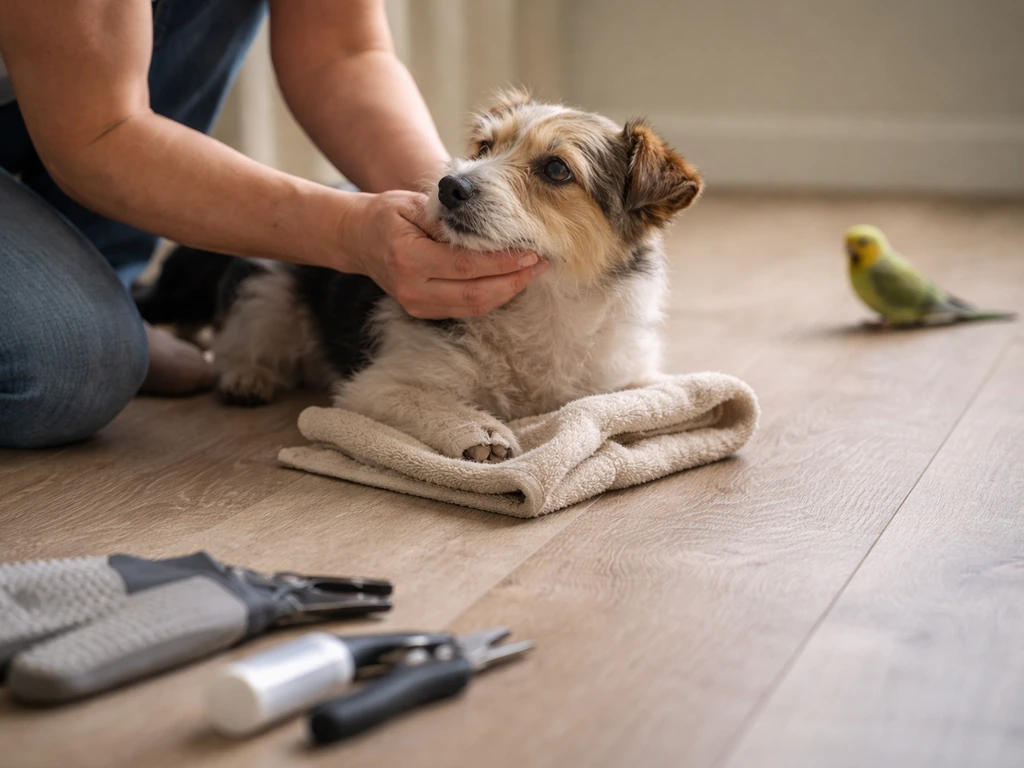
There are a handful of well-intentioned actions that consistently make the situation worse. Avoid these:
- Do not try to pry your dog's mouth open by force: you risk serious injury to the bird, the dog, and yourself
- Do not chase the dog or yell at him: this raises his anxiety and makes him more likely to clamp down or bolt
- Do not give the bird food, water, or any medication: aspiration is a real and deadly risk
- Do not try to clean, splint, or bandage the bird's wounds yourself unless you have wildlife rehab training
- Do not release the bird back outside because it 'looks fine': bacteria from the dog's mouth can kill it within hours without antibiotic treatment
- Do not keep the bird in an open cage, tank, or uncovered container where it can see people and pets: the stress alone can be fatal
- Do not delay calling a wildlife rehabilitator because you are not sure if the bird needs help: always call first and let them advise you
- Do not attempt to raise the bird yourself at home: this is illegal for most wild bird species without a permit and rarely goes well
How to stop this from happening again
If your dog has caught a bird once, the chances of it happening again are real. Dogs that chase and catch wildlife are following a strong instinct, and punishment after the fact does nothing useful. What does help is training, management, and a few practical changes to your yard and walk routine.
Training: 'leave it' and a solid recall
The two most valuable commands for preventing this situation are 'leave it' and a reliable recall (come). 'Leave it' teaches your dog to disengage from something on the ground before he picks it up. A solid recall means he comes back to you even when something exciting is happening. Both commands take consistent practice, ideally with a trainer who uses positive reinforcement methods. If your dog is a strong chaser, consider working with a professional trainer who can build these skills around real distractions.
Environmental management
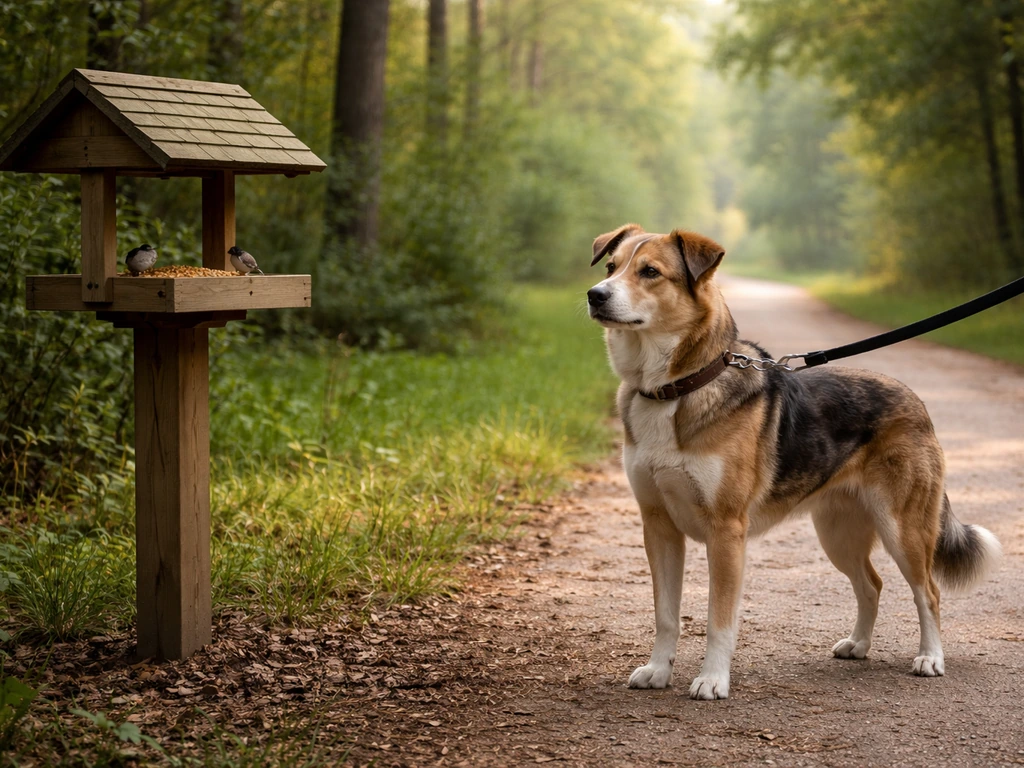
Management is often faster to implement than training. Keep your dog on a leash in areas where birds congregate, including parks, near feeders, and wooded trails. In your own yard, check the ground before letting your dog out off-leash, especially in the morning when fledglings are most active on the ground between May and August. Move bird feeders to areas your dog cannot access, and consider removing low-hanging feeders entirely if your dog has a strong prey drive.
Muzzle training as a safety layer
For dogs with a very strong prey drive or a history of catching wildlife, a basket muzzle can be a humane, practical option for outdoor time. A basket muzzle (not a fabric sleeve muzzle) allows the dog to breathe, pant, and drink normally. The key is to introduce it gradually with positive associations so the dog is comfortable wearing it, not stressed by it. A veterinarian or certified trainer can guide you through muzzle training. It is not a punishment and, used correctly, it does not cause the dog any discomfort.
Preventing these encounters is genuinely better for everyone. Birds that avoid dog interaction are safer, and your dog avoids any risk of picking up parasites or bacteria from wild birds. It is worth the investment in training and management now rather than handling another emergency later. This also shows up when a bird is learning your routines and comfort level, so observing its behavior can help you figure out why it likes to investigate your feet why does my bird like my feet.
FAQ
What if my dog already swallowed the bird, and the bird is not in his mouth anymore?
Treat it as a medical issue for your dog, even if he seems fine. Watch for coughing, gagging, open-mouth breathing, drooling, pawing at the mouth, or lethargy over the next 24 to 48 hours, since aspiration pneumonia can show up later. Call your veterinarian promptly if any of those signs appear, and bring up the possibility of feathers or a small bone being involved.
My dog dropped the bird when I got him to release it, can I just put it back outside?
No. Even if it looks alert, a bird that was held in a dog’s mouth can worsen quickly due to infection and stress. Contain it warm, dark, and quiet, then contact a wildlife rehabilitator within the hour so they can check for internal injury, dehydration, and infection risk.
How should I keep the bird from overheating or getting too cold while I wait for help?
Use gentle warmth, not heat blasting. Aim for a comfortable, warm box area, and only warm one half of the box if you use a heating pad so the bird can move away. If the bird feels hot to the touch or is panting with an open mouth, turn the heat source off and contact a wildlife rehabilitator for guidance.
Can I use a towel to handle the bird more than once, or should I avoid touching it entirely?
Handle as little as possible after the initial containment. Once it is in the warm, dark box, avoid repeated checking and transfers, because extra handling increases stress and can worsen shock. If you need to look again, do it quickly and keep the bird covered.
Is it okay to offer water to my dog’s mouth or wipe his lips after the incident?
Yes, for your dog’s hygiene. The article focuses on the bird, where giving food or water can cause aspiration. For your dog, you can safely rinse visible debris from the mouth with clean water, but avoid forcing anything into his throat if he is coughing or gagging.
What if the bird is alive but flapping hard in the box, is that a good sign?
Active movement can mean it is alert, but it is not a reliable sign of safety after a dog bite risk. Keep it in the warm, dark, quiet box and still contact a wildlife rehabilitator, especially because stress and internal injury may not be obvious.
How do I tell the difference between “stress tongue out” and breathing trouble in the bird?
Tongue protrusion alone often points to stress, irritation, or dehydration. Breathing trouble is more concerning if you see open-mouth breathing, rapid or labored breathing, the bird repeatedly gasping, or changes in gum or skin color (gray, pale, or bluish). If breathing looks hard or abnormal, treat it as urgent and seek emergency care for an avian clinic or wildlife rescue.
My dog has a scratch on his lip or gum from the bird’s beak, should I just disinfect it at home?
Minor surface scratches may be okay with gentle cleaning, but if you see puncture wounds, swelling, deep bleeding, or your dog has trouble eating or is drooling, call your veterinarian. Wild birds can carry bacteria that can infect dogs, and mouth injuries can become problematic faster than skin wounds.
What training works best to prevent this from happening again, when I have to do it around real distractions?
Prioritize “leave it” and a strong recall, then practice them with increasing distraction levels (starting indoors or with low-distraction outdoor areas, then moving toward higher-bird zones). If your dog is a hard chaser, work with a trainer who can set up controlled bird-like distractions so the command is reliable before he ever gets close to wildlife.
Should I reward my dog after he releases the bird, even though it was scary?
Yes, if it can be done safely. After the release, use a calm tone, and follow the release command with a high-value reward for disengaging. Avoid yelling or punishing, because that can train fear or make future releases harder.
How soon after the incident should I contact the rehabilitator if I cannot reach them right away?
Contact immediately, within the hour even if the bird looks fine. If you cannot reach a wildlife rehabilitator, call an emergency avian or exotic animal vet to stabilize the bird and help connect you to the right rescue network, rather than waiting for symptoms to worsen.