Your bird is probably drawn to your feet out of curiosity, warmth-seeking, or simple social bonding. Feet move, they smell like you, they're at ground level where birds naturally explore, and they're a great target for a bird that wants attention or something to chew. Most of the time this is totally normal. But if the behavior is intense, repetitive, or comes with other changes like ruffled feathers, appetite shifts, or agitation, it's worth looking a little closer at what's actually driving it.
Why Does My Bird Like My Feet? Causes and What to Do

Marcus Chen
29 Jun 2026
Why birds zero in on feet in the first place
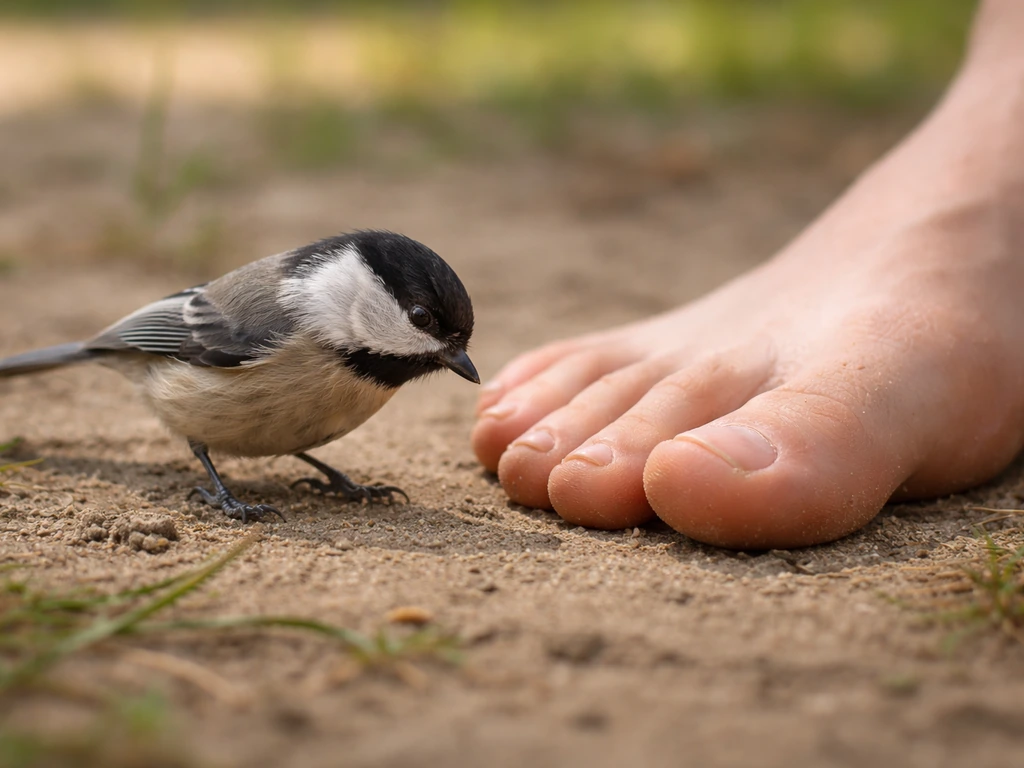
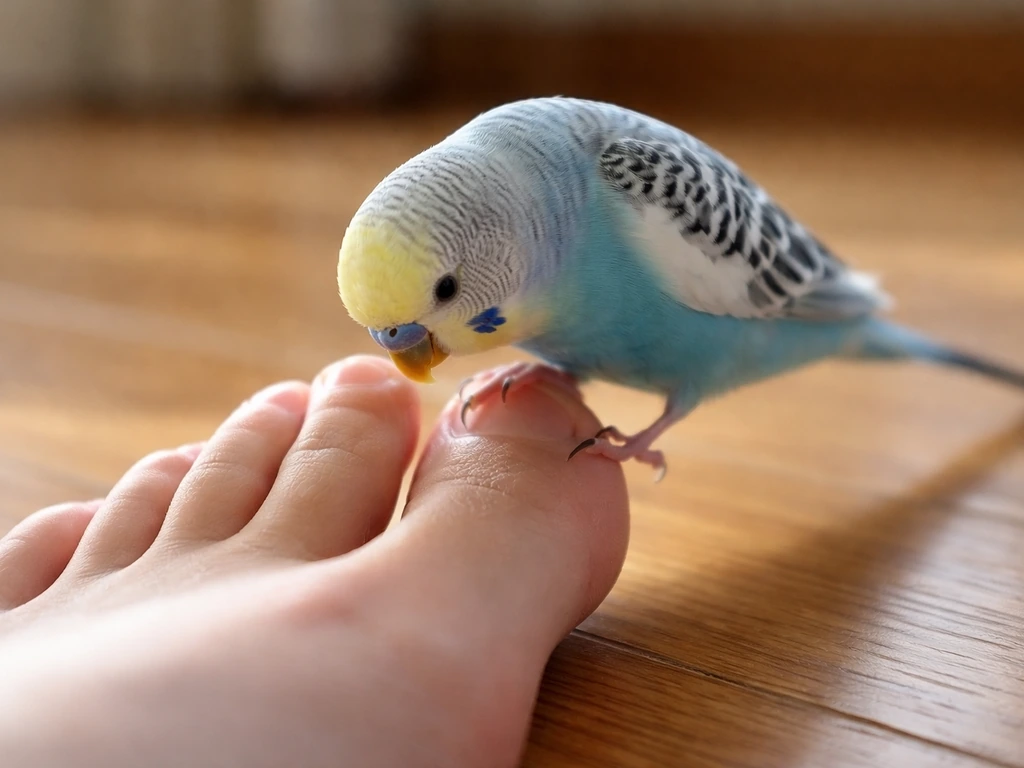
Birds are intensely curious and highly tactile animals. Your feet are basically a moving, warm, interesting object at floor level, which is prime exploring territory for any bird that's out of its cage. There are a few overlapping reasons this behavior shows up so often.
- Warmth and comfort: Feet radiate body heat, and birds are drawn to warmth the same way they'd seek out a cozy flock mate.
- Texture and movement: Toes wiggle, skin wrinkles, and toenails look a lot like interesting objects to investigate or chew. Movement triggers a bird's natural investigative instinct.
- Scent familiarity: Your feet carry your personal scent strongly. For a bonded bird, that's reassuring and attractive.
- Perching interest: Some birds treat feet as a low perch or stable surface to stand near, especially smaller species.
- Exploratory nibbling: Beaks are sensory tools. Tasting and mouthing objects, including feet, is how birds gather information about the world.
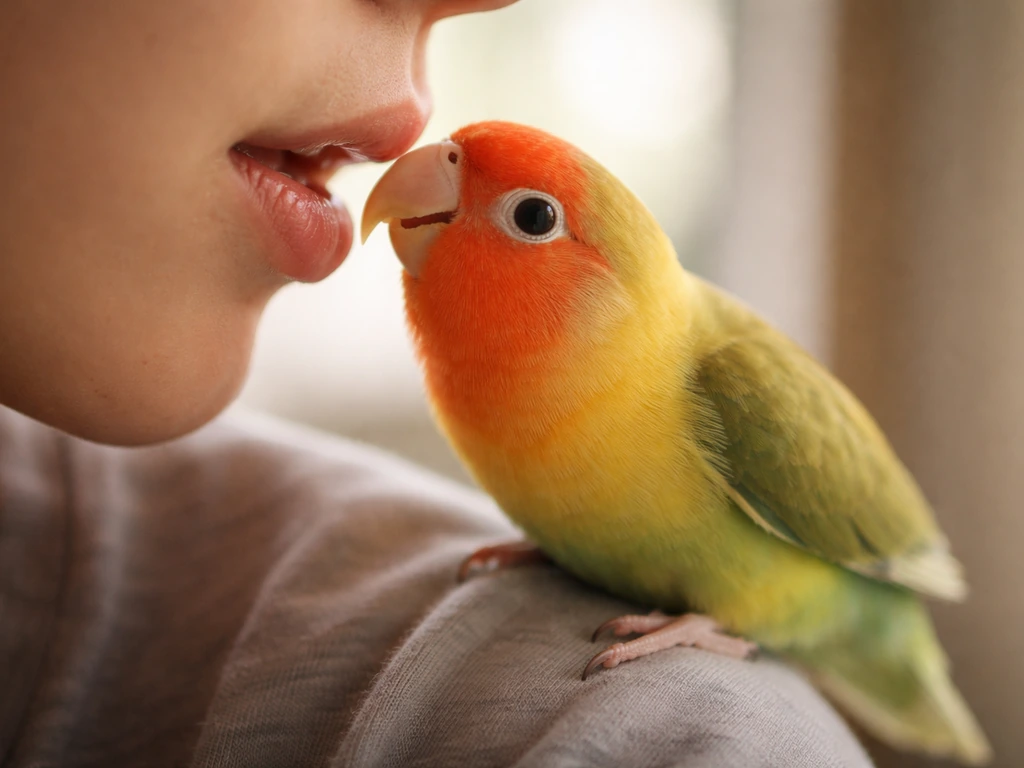
- Social preening cues: Birds that groom flock mates may extend that behavior to your feet the same way they might target your face, ears, or mouth.
- Attention seeking: If foot-touching in the past made you react (jump, laugh, pull away), your bird learned quickly that feet get a response.
Species matters here too. Conures, cockatiels, and lovebirds tend to be particularly foot-focused because they're naturally ground foragers and highly social. But any parrot species can develop the habit, especially if they spend a lot of floor time during out-of-cage periods.
Reading your bird's body language: curiosity vs. stress vs. hormones
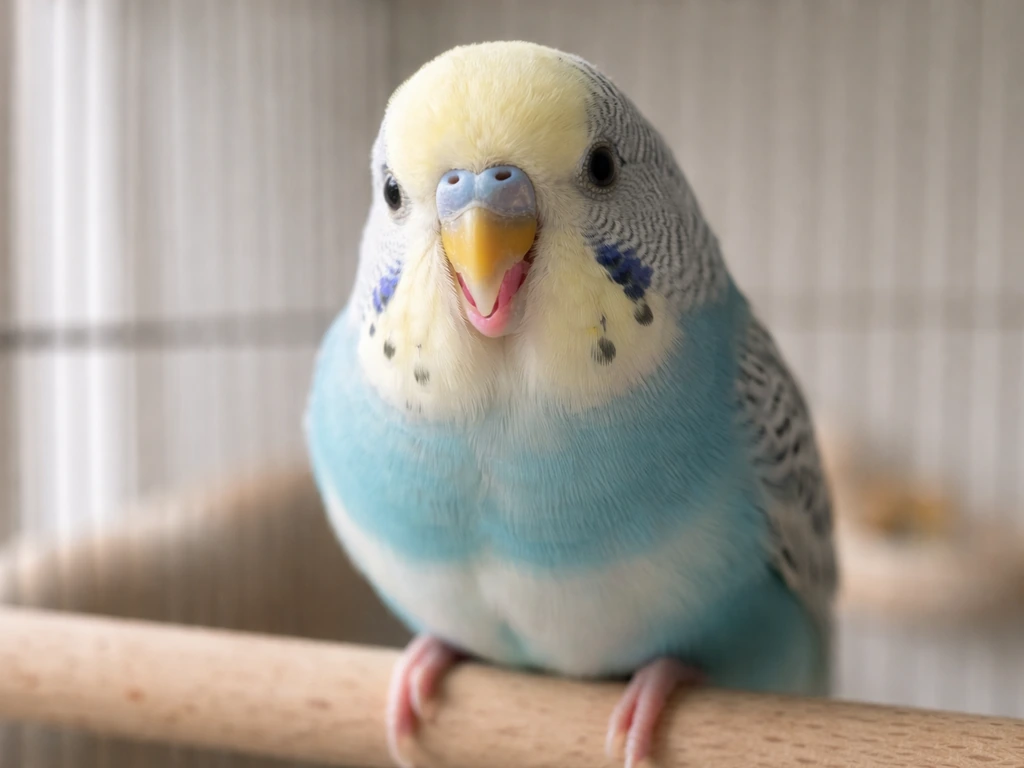
The behavior itself looks similar in all three cases, so you need to read the surrounding body language to figure out what's actually going on. If your bird is sticking its tongue out, its body language can help you tell whether it is just curious or showing signs of stress or health trouble read the surrounding body language. Context makes all the difference. Merck Veterinary Manual notes that reproductive behavioral problems in pet birds, including blank" rel="noopener noreferrer">sexual frustration in overly bonded hand-raised parrots, can involve excessive contact calls and excessive grooming.
What relaxed, curious foot interest looks like
- Soft, smooth feathers held close to the body
- Eyes relaxed, pupils normal or slowly dilating
- Relaxed posture, not puffed or hunched
- Gentle nibbling or tapping, not hard biting
- Easy to redirect to a toy or your hand
- Stops on its own after a few minutes
Signs the behavior might be stress-driven
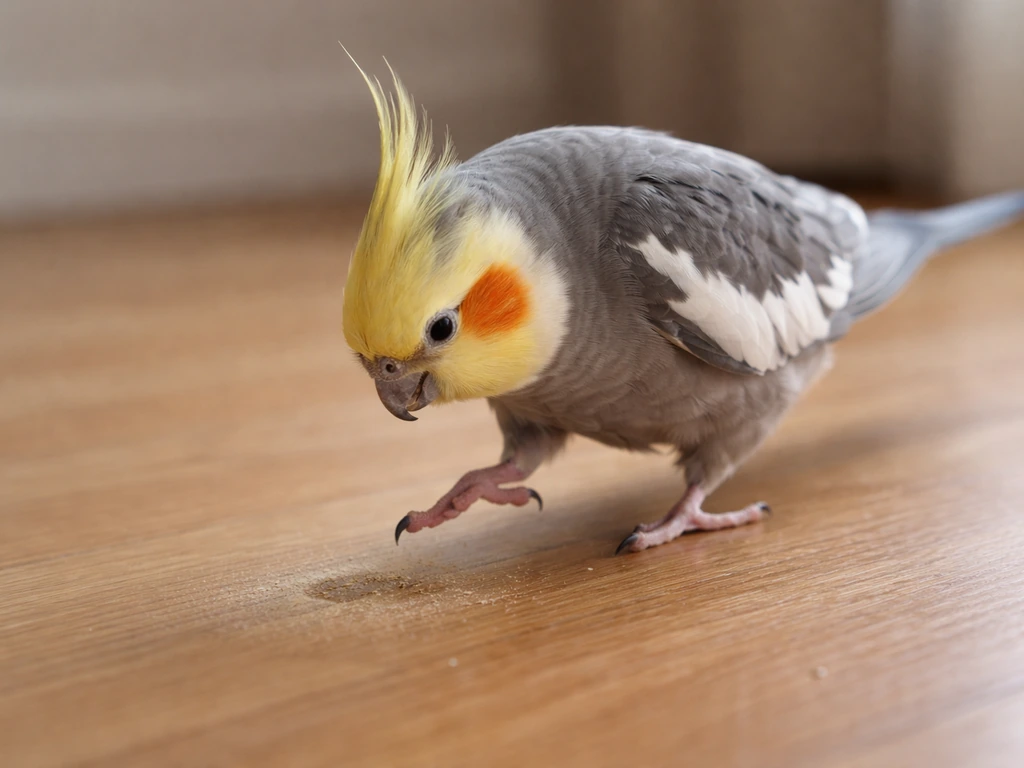
- Feathers are slightly puffed or held tight and tense
- Repetitive, ritualistic quality to the foot targeting (same spot, same motion, hard to interrupt)
- Accompanied by pacing, bar chewing, or rocking
- Bird seems agitated rather than playful
- Escalates when you try to move away
Signs hormones might be involved
- Regurgitating onto your feet or toward them
- Tail fanning, wings slightly drooped, feathers on the back of the head raised
- Eye pinning (rapid pupil dilation and contraction) during the behavior
- Increased contact calls or screaming when you walk away
- Territorial behavior in other parts of the day
- Behavior follows a seasonal pattern (spring is common)
Hormonal birds are responding to a biological drive, not a training problem. Hand-raised parrots that bond closely with one person can develop sexual frustration as they reach maturity, directing mating behaviors toward their favorite human, including feet, mouth, and other body parts. This is worth managing proactively rather than waiting it out.
Attention-seeking and bonding behaviors: when it's sweet vs. when to redirect
A bird that targets your feet because it wants connection isn't doing anything wrong. But if you let it escalate unchecked, you can accidentally train a habit that becomes harder to break. The key rule: don't reward the foot behavior with big, exciting reactions. Yelping, laughing, and pulling away are all stimulating responses that tell your bird this is a great game.
Redirecting is more effective than punishing. When your bird goes for your feet, calmly offer your hand or a toy at beak level without making a fuss. If your bird steps onto your hand or engages with the toy, that's the interaction you want to reinforce. Do this consistently and your bird will learn that hands and toys are the interesting target, not feet. If your bird keeps going for her teeth or mouth area, it can help to double-check for oral irritation and other health causes alongside the behavior.
It's also worth checking whether the foot behavior is filling a gap. If your bird only does it when you've been away or busy, it's probably asking for interaction. Building in consistent, predictable bonding sessions, even just 15 to 20 minutes of calm one-on-one time, can reduce the intensity of foot-seeking behavior significantly. This is the same dynamic you see when birds lick faces or nibble ears: they're looking for closeness and communication.
Boredom and enrichment gaps: the most underrated cause
Foot obsession that happens mostly when your bird is out of its cage and wandering the floor is often a boredom signal. Birds that aren't getting enough mental stimulation will fixate on anything interesting, and moving toes are very interesting. Boredom-driven behaviors tend to be persistent and slightly frantic, with the bird unable to settle.
The fix here is enrichment, but not just throwing more toys in the cage. Birds need foraging opportunities, novel textures, and some sense of control over their environment. Hiding food in paper rolls, rotating toys regularly so they stay novel, offering different perch textures, and setting up a supervised floor play area with foot-friendly toys can all redirect this energy productively.
If your bird's cage setup has been the same for months, that's worth changing. Introduce one new item at a time so it's interesting without being overwhelming. Research on stereotypic behaviors in birds shows that enrichment providing choice and novelty is one of the most effective tools for reducing repetitive or compulsive-seeming actions.
Health and physical triggers worth checking
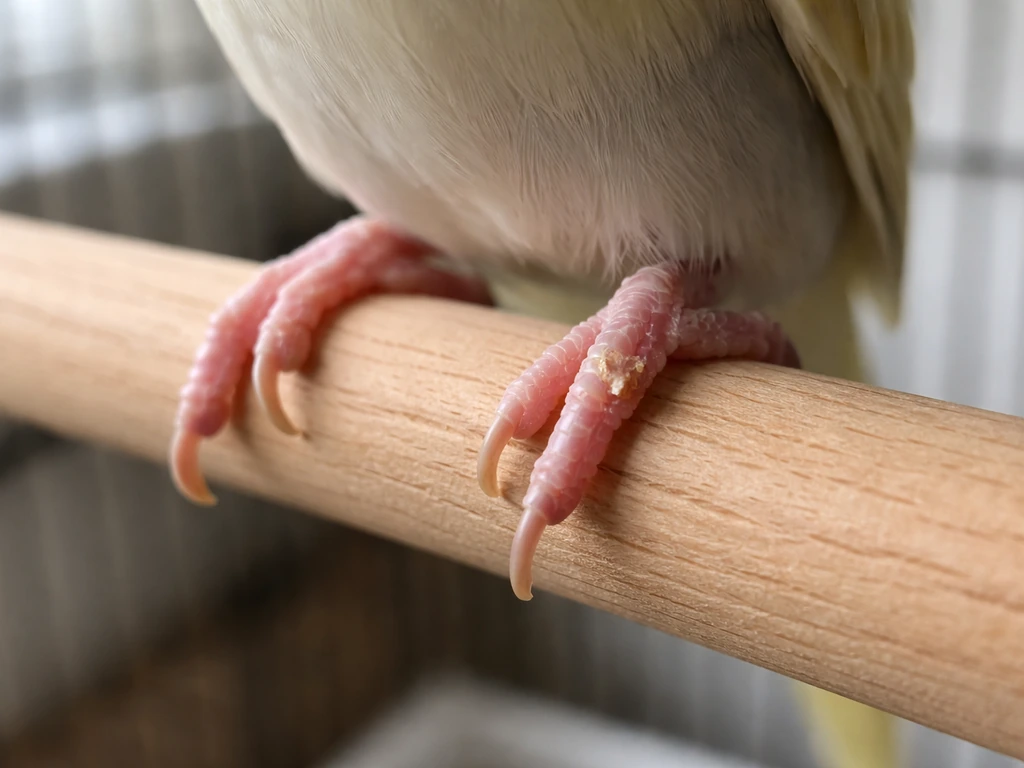
Here's where it gets important: sometimes a bird that seems focused on your feet is actually dealing with something wrong with its own feet. Birds will chew, bite, and obsessively attend to body parts that itch, hurt, or feel abnormal. Birds also sometimes mouth and clean their beaks or teeth-like structures when they are exploring, bonding, or trying to relieve an irritation itch, hurt, or feel abnormal. If you notice your bird biting or chewing its own feet in addition to being interested in yours, that's a medical flag.
Things to look at on your bird's feet right now
- Redness, swelling, or sores on the bottom of the foot (could indicate pododermatitis, also called bumblefoot, which is painful and needs vet treatment)
- Crusty, scaly buildup on the toes or legs (a classic sign of mite infestation, sometimes called tassel foot, diagnosed via skin scraping at a vet)
- Any open wounds, unusual lumps, or changes in scale texture
- Holding one foot up more than usual or reluctance to put weight on it
- Discoloration or unusual warmth in the foot
Bumblefoot develops because birds in cages spend far more time on the same perch surface than wild birds do. Mite infestations are relatively common and cause enough irritation to make a bird constantly pick at its own legs and feet. Both conditions look like behavioral quirks at first but have straightforward treatments once properly diagnosed.
Also consider whether your bird could be reacting to something on your feet specifically, like a lotion, cream, or cleaning product residue. Bird nibbling on your lips can happen for similar reasons, like seeking attention, curiosity, or mild skin irritation why does my bird nibble on my lips. Some topical products that are safe for human skin can be irritating or even toxic to birds who are nibbling your skin or toenails.
What to try today: practical steps you can take right now
- Do a quick foot check on your bird. Look for redness, crusty buildup, swelling, or sores. If you see anything abnormal, move straight to the vet step below and don't try to manage it behaviorally.
- Watch one full session of foot-focused behavior without reacting. Notice whether your bird is calm and playful or tense and repetitive. Note whether it targets your feet specifically or also its own feet. This observation will help you figure out what's driving it.
- Stop any big reactions when the behavior starts. No yelping, laughing, or dramatically pulling away. These responses reward the bird. Instead, calmly and quietly move your foot away and immediately offer your hand or a toy at beak level.
- Add one new foraging toy or food puzzle to your bird's space today. Even wrapping a treat in a small piece of paper gives the beak something productive to do and breaks the fixation pattern.
- Check your perch setup. Offer at least two different perch diameters and textures (natural wood branches, rope perches) so your bird isn't standing on the same surface all day. This is especially relevant if you're seeing any signs of foot irritation.
- If hormonal signs are present (regurgitation, tail fanning, territorial behavior), reduce environmental triggers: shorten light exposure to around 10 to 12 hours per day, remove any nest-like hiding spots in or near the cage, and avoid petting your bird on the back or under the wings.
- Establish a consistent out-of-cage routine with intentional interaction time so your bird isn't relying on foot-seeking to get your attention.
When you need to call an avian vet
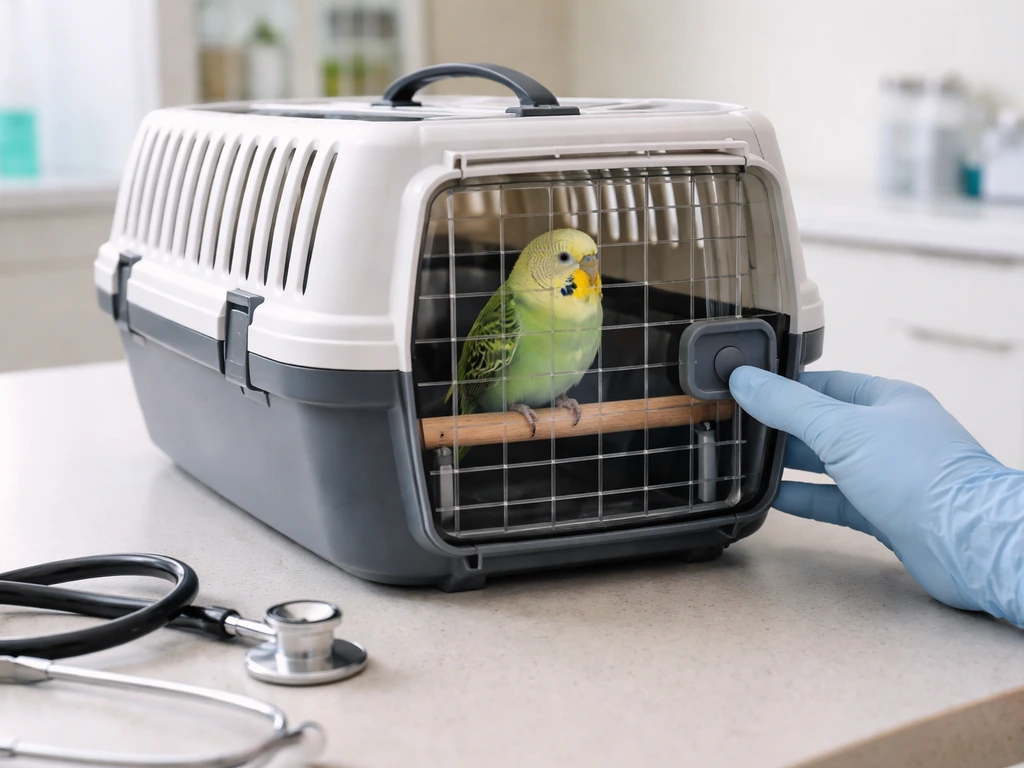
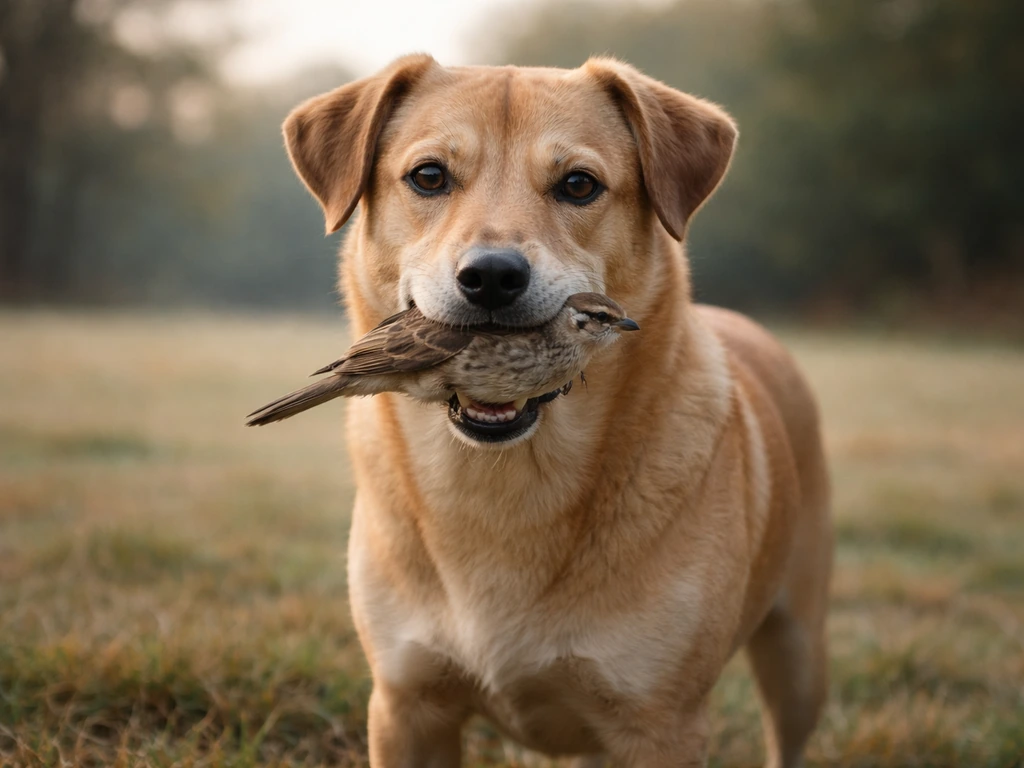
Most foot fixation is behavioral and manageable at home, but there are situations where you shouldn't wait. If your concern is that your dog has a bird in his mouth, prioritize safety first and contact local animal control or a wildlife rescue if needed. Birds hide illness very effectively, so by the time symptoms are obvious, things can move quickly.
Get to an avian vet if you see any of the following alongside the foot behavior:
- Changes in droppings (color, consistency, or volume)
- Loss of appetite or sudden weight loss
- Lethargy, fluffed feathers, or sitting at the bottom of the cage
- Visible sores, swelling, or crust buildup on the feet or legs
- Any sign your bird is chewing or biting its own feet, not just yours
- Feather loss or skin changes around the legs or lower body
- Aggression that's escalating or seems disproportionate and new
- Vomiting (different from normal regurgitation: vomit is uncontrolled and the bird looks distressed)
Even if the foot behavior itself seems minor, any of those signs above mean something else is going on and it needs a proper exam. An avian vet can rule out mites, bumblefoot, dermatitis, and other physical causes through a hands-on exam and, if needed, a skin scraping. USDA-APHIS defines pododermatitis, commonly called bumblefoot, as inflammation and infection of the skin on the bottom of a foot, and it also advises involving an avian veterinarian rule out mites, bumblefoot, dermatitis, and other physical causes. If everything physical checks out and the behavior is still disruptive, an avian behaviorist can help you build a specific modification plan. Don't try to manage what turns out to be a medical issue through training alone.
In short: curious foot nibbling from a calm, healthy bird is normal and easy to redirect. If your bird is nibbling on your ear instead of just your feet, the same curiosity, stress, and enrichment factors usually apply foot nibbling. Intense, repetitive, or distressed foot behavior with physical changes is a vet visit. Everything in between is usually about enrichment, routine, and a bit of consistent redirection on your part.
FAQ
How can I tell if my bird is being playful versus trying to mate with my feet?
Watch how it approaches. Playful curiosity usually looks relaxed (loose body, normal breathing, brief checking). Mating-related behavior is often more persistent and may include slow purposeful stalking, crouching, and frequent targeting of mouth and lower face along with feet. If it ramps up when you are seated together or happens more when your bird is hormonal, treat it as hormonal and manage redirects consistently.
What should I do in the moment if my bird won’t stop targeting my feet?
Use a calm “swap” routine: stop moving your feet, offer a permitted target (a perch, toy, or your hand at beak height) the moment the first nibble starts, then end the interaction if it continues. Avoid pulling away loudly or yanking your feet back and forth, those movements and attention can accidentally make the behavior more exciting.
Will it help to wear socks or shoes to stop the nibbling?
It can help short-term by reducing skin scent and access, but it may not solve the underlying reason (attention-seeking, boredom, or hormonal drive). If you use barriers, pair them with an alternative target so your bird learns what to chew instead of just being “blocked” from your skin.
Is my bird chewing my toenails or skin a sign of irritation or something medical?
Not automatically, but it is a clue if your bird also chews its own feet, spends long periods preening/biting at its feet, or seems unable to settle. Human skin products are a common trigger, residue from lotion, soap, sunscreen, or cleaner can cause mild to severe irritation, and birds can mouth it repeatedly to “test” the smell.
How do I prevent the habit from becoming stronger over time?
Be consistent with what gets reinforced. Provide daily calm connection sessions (so foot-seeking is less urgent), then redirect any foot attempts to toys at beak level. If you ever give big reactions or let the behavior escalate into sustained mouthing, you are reinforcing it, even if you think you are “not training it.”
Should I punish my bird for foot nibbling?
Usually no. Punishment and scolding can increase stress, which can worsen repetitive attention-seeking or self-soothing chewing. A safer approach is management (reduce opportunities), enrichment (increase foraging and chew options), and replacement (offer a preferred chewing target immediately).
My bird only does this when I’m barefoot. Could it be a specific scent or substance?
Yes. Feet carry salt and sweat, and they also retain residue from soaps, lotions, foot creams, and even pet or cleaning products. If you recently changed a product, try a few contact-free tests (wash feet thoroughly, avoid scented creams, and use socks) while watching whether the behavior drops.
What if my bird targets my feet but also seems restless or won’t settle during floor time?
That pattern often points to boredom or excess energy. Increase structured enrichment (foraging, puzzle feeders, rotating novel toys) and shorten unsupervised floor wandering. If the behavior persists despite richer stimulation, it is worth checking for discomfort or anxiety-related signals with an avian vet.
Can mites or bumblefoot show up as “foot fixation” with my feet?
They can. Birds with irritated or painful feet often become compulsive about attending to feet, sometimes including increased chewing, picking, or odd preening routines that can look like “attention seeking.” If you see swelling, limping, crusty skin, or your bird focuses on its own feet as well as yours, schedule an avian vet exam.
When should I stop trying to manage this at home and see a vet?
If you notice any red flags, stop experimenting and get an avian vet evaluation. Examples include ruffled feathers, appetite drop, weight loss, lethargy, blood, visible swelling, limping, open sores, or persistent chewing that escalates quickly. Birds hide illness, so early assessment can prevent complications.