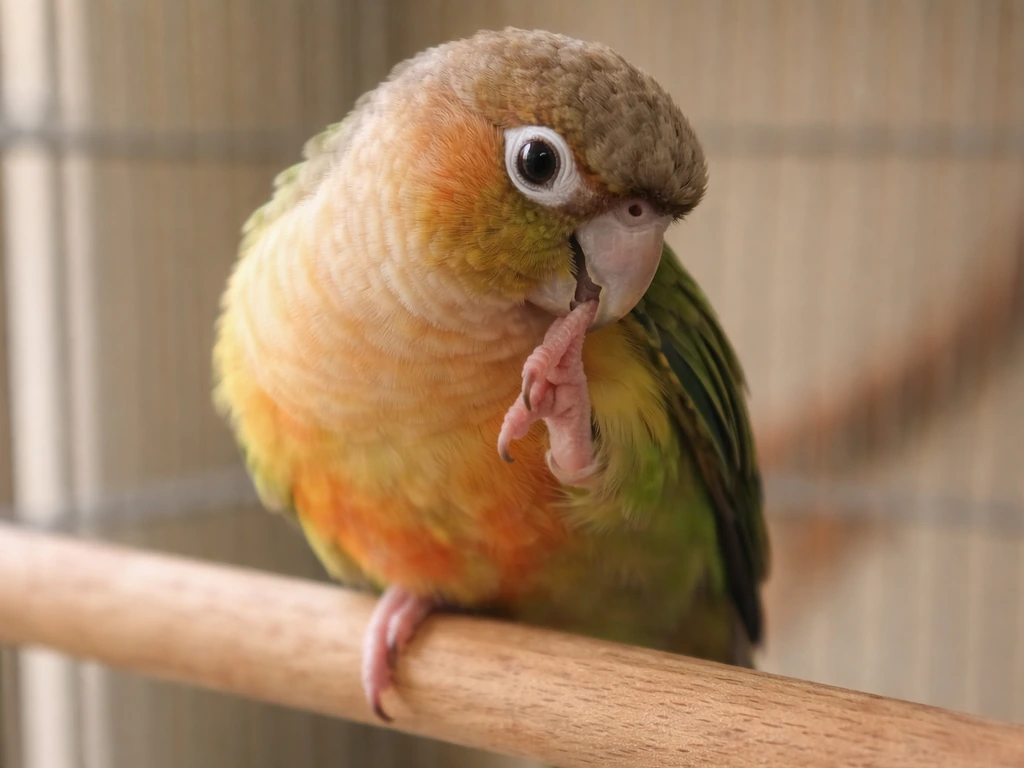
Birds bite or chew hair for several reasons, and most of the time it is completely normal. Bird foot-biting often comes from the same kinds of triggers, like attention, anxiety, or irritation, so it is worth applying the same context and health checks health issue worth looking into. The most common cause is simple curiosity and exploratory behavior: your hair is an interesting texture, it moves, and it smells like you.
Why Does My Bird Bite My Hair? Causes and Fixes

Marcus Chen
14 Jun 2026
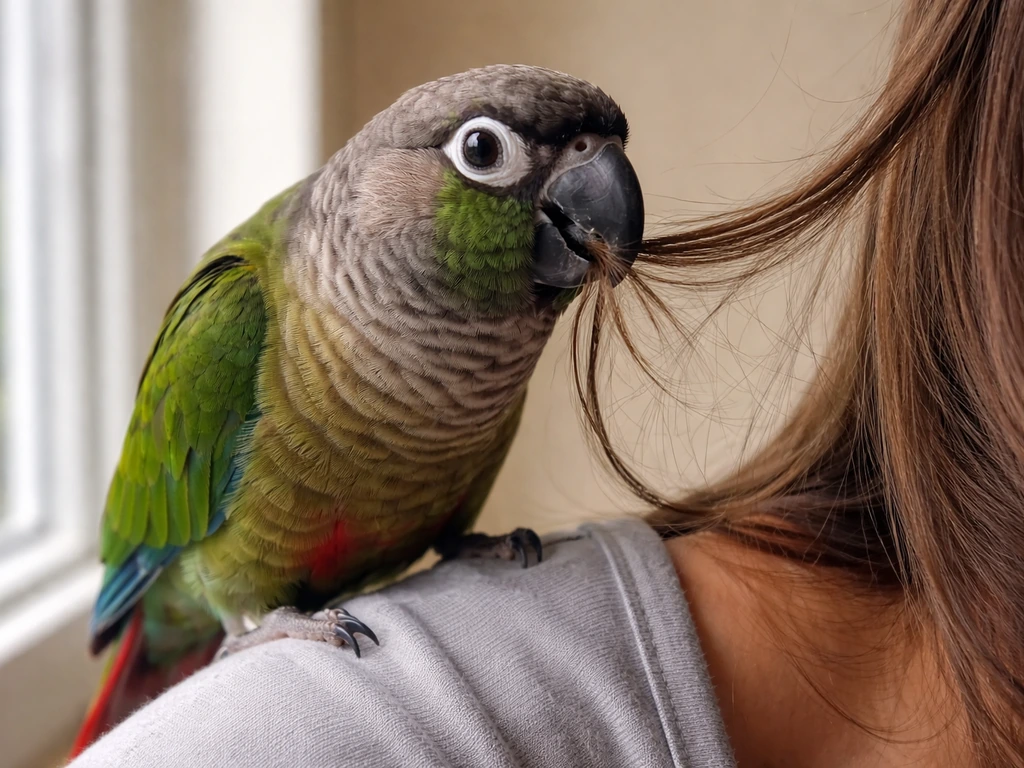
Beyond that, hair-chewing can signal boredom, attention-seeking, nesting instincts, or in rarer cases, a health issue worth looking into. Because this behavior can also be a sign of an underlying issue, learning the specific reasons behind hair hiding can help you respond appropriately why does my bird hide in my hair. The good news is that once you figure out which one is driving the behavior, there are straightforward things you can do today to redirect it.
Common reasons birds chew or bite hair
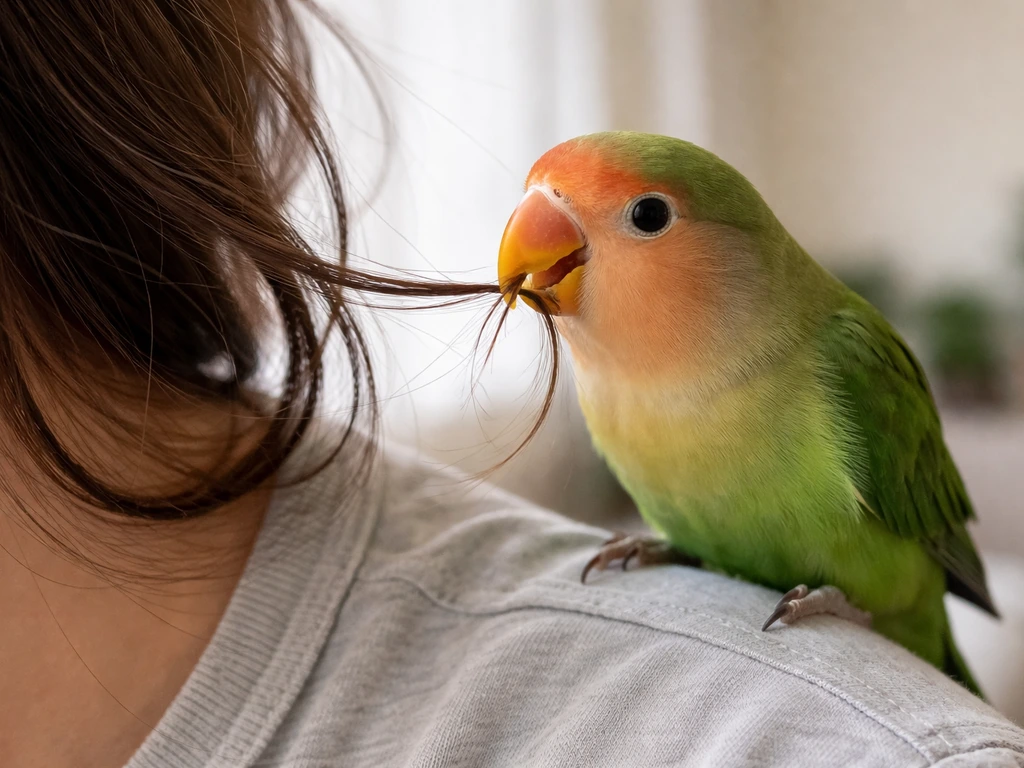
Hair is genuinely fascinating to a bird. It moves unpredictably, it has texture, and it sits right at beak level when your bird is perched on your shoulder. That alone explains a lot. But there are several distinct reasons a bird might go after your hair, and they are not all the same thing.
- Exploration and foraging: Birds use their beaks the way we use our hands. Chewing and pulling at your hair is often just your bird investigating its environment, especially in younger or newly bonded birds.
- Preening and bonding: Many birds treat a trusted person's hair like feathers. Gentle nibbling along individual strands is often a preening gesture, a sign that your bird considers you part of its flock.
- Nesting and material-gathering instinct: Some birds, especially during hormonal seasons (typically spring and fall), instinctively collect soft materials. Your hair is an obvious target.
- Attention-seeking: If chewing your hair has previously made you react, laugh, or engage, your bird has learned it works. Birds are quick to connect cause and effect.
- Boredom or under-stimulation: A bird without enough mental engagement will find something to do with its beak, and your hair is always conveniently available.
- Oral discomfort or health-related causes: Less commonly, compulsive or intense chewing can be linked to oral irritation, nutritional gaps, or other physical issues.
Play vs stress vs nesting instinct: what to look for
The same behavior can mean completely different things depending on the context. If you are wondering why your bird is biting the cage, the cause is often different from hair-chewing and can involve stress, boredom, or health issues aversion-related reasons birds chew or bite hair. Watch what the rest of your bird's body is doing, not just the beak.
Signs it is playful or social
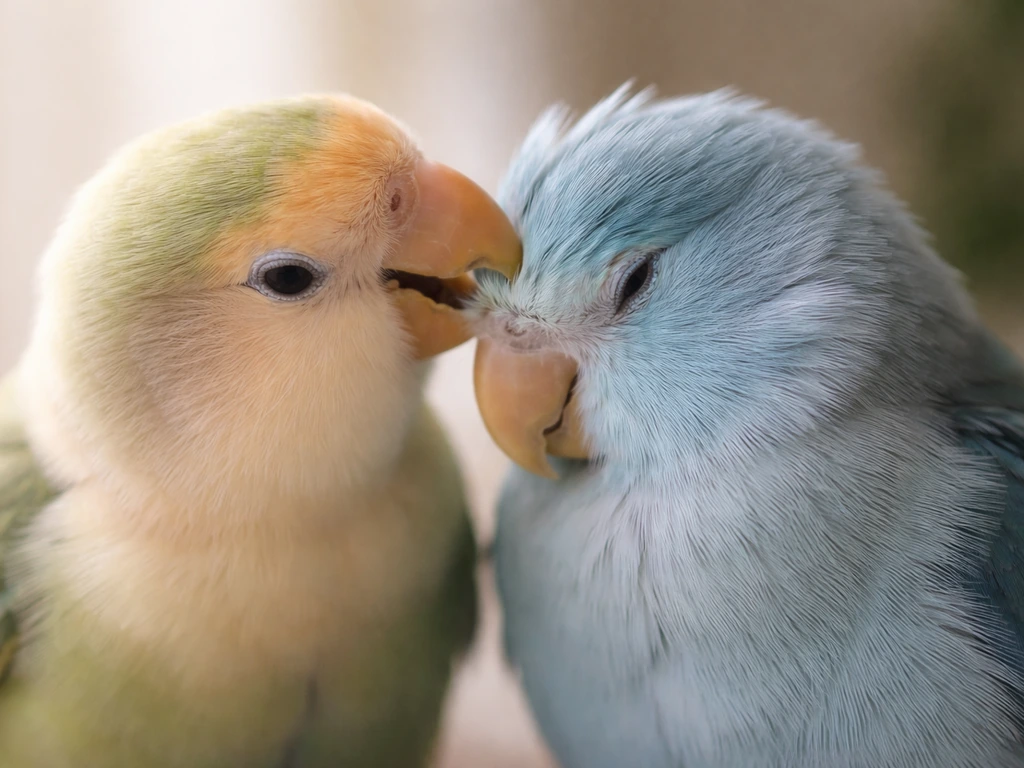
- Relaxed body posture, feathers slightly fluffed in a comfortable (not sick) way
- Soft, gentle nibbling along individual hair strands rather than hard tugging
- Your bird is chatty, making happy sounds or vocalizing normally
- The behavior stops easily when you redirect or move away
- It happens during calm, bonding time and not in response to a trigger
Signs it could be stress or anxiety
- Intense, repetitive chewing that seems hard to interrupt
- The behavior increases when the environment changes (new people, new objects, schedule disruption)
- Your bird is also chewing or plucking its own feathers, biting cage bars, or showing other repetitive behaviors
- Feathers look ragged, damaged, or there are bare patches appearing
- Your bird seems restless, on edge, or reacts to sounds and movements more than usual
Signs it could be nesting instinct
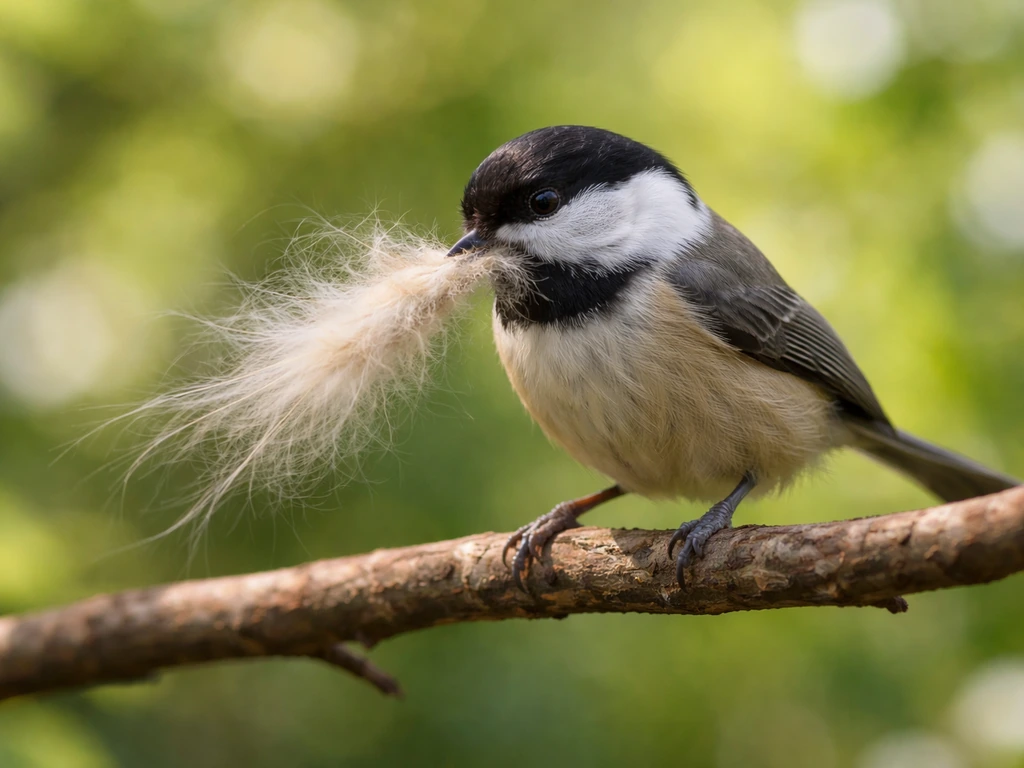
- The behavior ramps up seasonally, especially in spring or fall
- Your bird is pulling strands loose and attempting to carry or arrange them
- You may also notice nesting-related behaviors like regurgitating food for you or becoming protective of a corner of the cage
- The bird is more hormonal overall: increased vocalization, territorial behavior, or seeking dark enclosed spaces
Boredom and attention-seeking: how to confirm and fix
Boredom is one of the most commonly cited reasons for unwanted bird behaviors, but it is worth being precise about what that actually looks like. A bored bird is one that does not have enough mental stimulation, foraging opportunity, or social interaction to fill its day. Hair-chewing from boredom tends to happen at specific times: when you have been away for a while, when the bird has been alone in the cage, or when it is clearly seeking interaction.
Attention-seeking is slightly different and can be unintentionally reinforced by owners. If your bird learned that biting your hair makes you turn your head, say something, or interact, it will repeat that behavior on purpose. To confirm this is what is happening, notice whether the hair-chewing increases when you are distracted (on your phone, working, talking to someone else) rather than when you are already engaged with the bird.
The fix for both comes down to the same thing: more proactive engagement and less reactive engagement. Give your bird quality attention before it starts demanding it through hair-biting. Structure interaction into your day rather than waiting until the bird escalates. That said, do not reinforce the biting by responding to it with a big reaction: stay calm, redirect, and move on.
Health and comfort possibilities
This is the part most online articles skip too quickly. Chewing, nibbling, and biting behaviors in birds are not always purely behavioral. Before you land on boredom or nesting as the cause, it is worth considering whether something physical might be contributing.
Oral discomfort is one possibility. If your bird's beak or mouth is irritated for any reason, it may chew more than usual as a response to that sensation. Nutritional deficiencies, particularly in birds on all-seed diets low in vitamins and minerals, can also contribute to compulsive or unusual chewing patterns. A Diagnostic Approach to Avian Self-Mutilation Syndromes describes nibbling and self-damaging/nibbling patterns as clinically relevant behaviors rather than purely casual exploration, which aligns with how some birds can show compulsive chewing compulsive or unusual chewing patterns. Skin irritation is another factor: birds that are itchy or uncomfortable (from dry skin, mites, or environmental irritants) sometimes transfer that tactile fixation into chewing behaviors, including targeting your hair.
It is also worth thinking about what products you use on your hair. Hairspray, dry shampoo, styling creams, and other products can leave residues that birds will try to remove by chewing, and some of those chemicals are toxic to birds. The Merck Veterinary Manual notes that substances transferred from owners, like lotions and creams, can be a trigger for unusual oral behavior and skin-related chewing. The Merck Veterinary Manual also describes behavioral causes of feather plucking, such as boredom or sexual frustration, that are typically suspected when medical causes are not found.
If the chewing is frequent, intense, or accompanied by any changes in your bird's droppings, appetite, energy level, or feather condition, those physical possibilities need to be explored with an avian vet before assuming it is purely behavioral.
Safer alternatives and enrichment you can start today
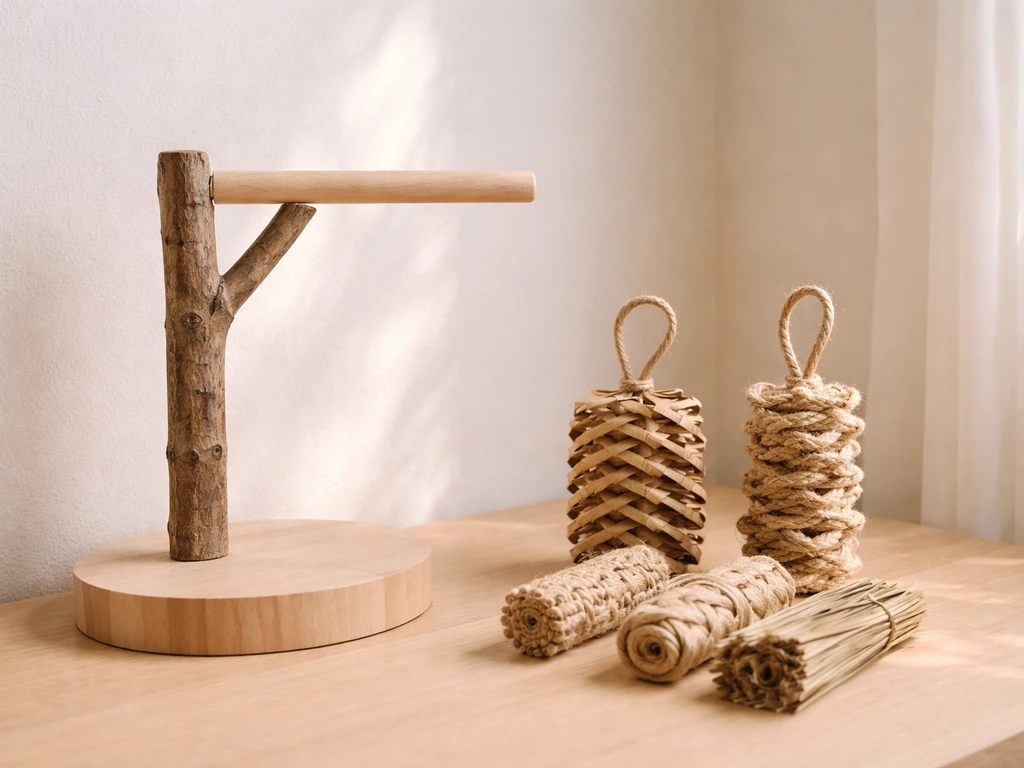
The most effective way to stop hair-chewing is to give your bird something better to do with its beak. That means having appropriate alternatives ready and making them genuinely interesting, not just dropping a toy in the cage and hoping for the best.
- Natural fiber chew toys: Look for toys made from palm fronds, sisal rope, cork, or untreated softwood. These satisfy the same chewing and shredding urge your hair does.
- Foraging toys: Hide food inside layers of paper, cups, or foraging wheels. This keeps your bird mentally occupied and scratches the same exploratory itch as investigating your hair.
- Shreddable paper or palm leaves: Give your bird something it is allowed to pull apart. Newspaper (unbleached or ink-free) and palm leaves are popular choices and safe for most species.
- Puzzle feeders: A bird that has to work for its food is a bird that is not fixating on your hair.
- Rotate toys regularly: Birds lose interest in the same toys over time. Swap in something new or previously stored every week to keep things fresh.
- Scheduled out-of-cage time: More supervised interaction time means less desperation for attention when you are near.
One practical hygiene note: hair ingestion is a real concern. Birds that pull out and swallow hair strands can develop crop or digestive issues, since hair does not break down and can accumulate. This alone is a good reason to actively redirect the behavior rather than tolerating it as harmless.
Redirection and training techniques that work for pet birds
Telling a bird "no" does not work well on its own. What does work is a combination of consistent redirection and making the alternative more rewarding than the original behavior.
- Step up before it escalates: If you notice your bird moving toward your hair, ask for a step-up immediately. Redirect the attention to your hand or a toy before the chewing starts.
- Offer a substitute: Have a small chew toy or foraging item on hand. When your bird starts targeting your hair, gently offer the toy instead. Reward engagement with the toy using calm praise or a small treat.
- Do not reward the biting with a big reaction: Laughing, gasping, or pulling away sharply can all reinforce the behavior because they are forms of attention. Stay calm, redirect quietly, and do not make the hair-biting exciting.
- Time-out from attention: If your bird bites your hair hard or repeatedly, calmly put it back on its perch or in its cage for a short break (two to five minutes). Do this consistently and without drama.
- Reinforce calm shoulder time: If your bird sits on your shoulder without going for your hair, praise it or offer a treat. You are reinforcing what you want to see more of.
- Manage access: If the behavior is frequent and persistent, consider keeping your hair up or tied back during perch time while you work on the training. Reducing opportunity makes it easier to break the habit loop.
Consistency is the most important part of all of this. One household member reacting with amusement and another redirecting will slow progress significantly. Make sure everyone interacting with the bird is on the same page.
If your bird also bites softly at your fingers or nibbles your nails, the same redirection principles apply. Those behaviors share a similar root in exploration and bonding, so a consistent approach across all beak-to-human contact tends to get results faster.
When hair-chewing becomes a warning sign
Most hair-chewing is manageable and not medically serious, but there are situations where the behavior is telling you something more urgent. Both UC Davis avian medicine and the Merck Veterinary Manual emphasize that compulsive or damaging chewing and nibbling behaviors should have medical causes ruled out before being attributed entirely to boredom or stress. Do not assume it is behavioral without checking.
Contact an avian vet if you notice any of the following alongside the hair-chewing:
- Your bird is also plucking, chewing, or barbering its own feathers, or biting at its own body (legs, feet, wings)
- There are visible bare patches, skin irritation, redness, or wounds
- Changes in droppings: color, consistency, volume, or frequency
- Decreased appetite or changes in water intake
- Lethargy, fluffed feathers outside of sleep time, or sitting at the bottom of the cage
- The bird has swallowed hair and seems uncomfortable, is regurgitating abnormally, or has a visibly distended crop
- The behavior is new, sudden, and intense rather than a gradual escalation
- You have ruled out all obvious behavioral and environmental causes and the chewing persists or worsens
The RSPCA notes it is a mistake to assume a single cause like boredom or anxiety without thoroughly investigating physical problems first, because these behaviors can have multiple combined causes. If you are wondering why your bird is biting itself, the cause can be similar, but self-biting often also points to stress or a physical irritation that needs attention why is my bird biting itself. An avian vet can do a physical exam and, if needed, run lab work to rule out infections, parasites, nutritional deficiencies, or hormonal issues before a behavioral plan is put in place.
Quick troubleshooting checklist
| What you are seeing | Most likely cause | First step to take |
|---|---|---|
| Gentle, occasional nibbling during calm bonding time | Normal preening or exploration | Enjoy it or offer a toy alternative if it becomes excessive |
| Intense pulling, trying to collect strands | Nesting instinct, possibly hormonal | Reduce hormonal triggers, offer safe nesting materials elsewhere |
| Hair-chewing spikes when you are distracted or returning home | Attention-seeking or boredom | Schedule proactive interaction, reinforce calm behavior |
| Sudden onset, paired with changes in droppings or energy | Possible health issue | Book an avian vet appointment |
| Bird is also chewing or plucking own feathers | Stress, health issue, or compulsive behavior | Vet check first, then behavioral assessment |
| Bird bites hair then swallows strands | Foraging behavior, possible ingestion risk | Redirect immediately, monitor for crop or digestive symptoms |
FAQ
How can I tell if my bird is just exploring hair versus doing compulsive chewing?
Exploration is usually brief, intermittent, and your bird can be redirected easily. Compulsive chewing tends to be repetitive and hard to interrupt, and it may look more forceful, spread to other objects, or increase over time. If you also see changes in droppings, appetite, energy, or feather condition, treat it as potentially medical and check with an avian vet.
Is it safe to use hair products around my bird, like dry shampoo or styling spray?
Even if your hair looks clean to you, residues can transfer from your head or hands. Avoid spraying near your bird and wash hands thoroughly after using products. If your bird starts chewing your hair more after new products, stop the products temporarily and observe for improvement.
My bird only bites my hair when I’m on my phone or not paying attention. What does that suggest?
That pattern often points to attention-seeking reinforced by your reaction. Try giving scheduled interaction before you look away, and when biting starts, stay calm and redirect immediately to a preferred chewing alternative without rewarding the behavior with eye contact or conversation.
Should I clip my bird’s wings if it keeps going after my hair?
Wing clipping affects balance and where your bird lands, which can reduce or change access to your head, but it is not a behavior fix. If you consider clipping, discuss it with an avian vet and pair any change with environmental enrichment and consistent redirection, since the bird can still bite from other perches.
How do I stop hair-chewing when I can’t supervise for part of the day?
Plan for unsupervised periods by increasing foraging opportunities and placing multiple safe chew options in the bird’s environment before you leave. If the behavior spikes after you’ve been away, rotate toys, add puzzle feeders, and make sure there is meaningful interaction earlier in the day so it is less likely to “demand” your attention through hair biting.
What are good bird-safe alternatives to chew instead of hair?
Pick items designed for beaks, like bird-safe untreated wood blocks, shred-safe toys, and foraging substrates your bird can work at. The key is to match your bird’s style (shredder versus nibbler) and make the alternative more rewarding by placing it within beak reach and rewarding calm engagement.
Can hair-chewing cause serious health issues like crop problems?
Yes. If your bird pulls and swallows enough hair, it can contribute to digestive or crop problems because hair does not break down like typical food. This is why consistent redirection matters, and why you should contact an avian vet if you notice vomiting, reduced appetite, lethargy, or frequent regurgitation.
If my bird bites softly at my fingers or nibbles my nails, does that mean it will also be a hair-chewer?
Not always, but the motivations can overlap, such as exploration and bonding. Use the same strategy, redirect to a dedicated chew item when fingers or hair are targeted, and be consistent so your bird learns what is acceptable to mouth.
When should I stop trying home fixes and call an avian vet?
Call an avian vet promptly if the chewing is frequent or intense and hard to redirect, if there are droppings changes, appetite or energy changes, feather problems, visible oral irritation, or any signs of parasites or infection. Also seek help if you suspect skin irritation, mites, or a vitamin/mineral imbalance, especially in birds on limited diets.
Could the hair-biting be linked to stress or an underlying illness even if I have good enrichment?
Yes. Birds can show stress-related oral behaviors, but illness and discomfort can look similar. If you have already improved enrichment and still see worsening, persistent damage, or health changes, rule out medical causes with an exam and, if needed, lab testing before assuming boredom or anxiety alone.
What’s the biggest mistake people make when trying to stop hair biting?
The most common mistake is accidentally reinforcing the behavior. This happens when owners react with excitement, scolding without redirection, or inconsistent responses from different household members. Instead, keep interactions predictable, redirect every time, and reward the alternative behavior immediately.
Next Article
Why Is My Bird Biting His Leg? Causes and What to Do
Learn why your bird bites his leg and follow quick checks, safe steps, prevention, and when to see a vet.