
Birds bite their own feet for two main reasons: something is physically bothering the foot (dry skin, itching, pain, mites, infection, or perch irritation), or it's a behavioral habit driven by boredom, attention-seeking, or hormonal restlessness. The tricky part is that these two causes can look identical from across the room. A quick, close look at the foot itself, combined with paying attention to when and how often it happens, will usually tell you which one you're dealing with. Understanding why is my bird biting itself can help you figure out whether it is irritation, a habit, or a bigger health issue.
Why Does My Bird Bite His Feet? Causes and Fixes

Marcus Chen
7 Jun 2026
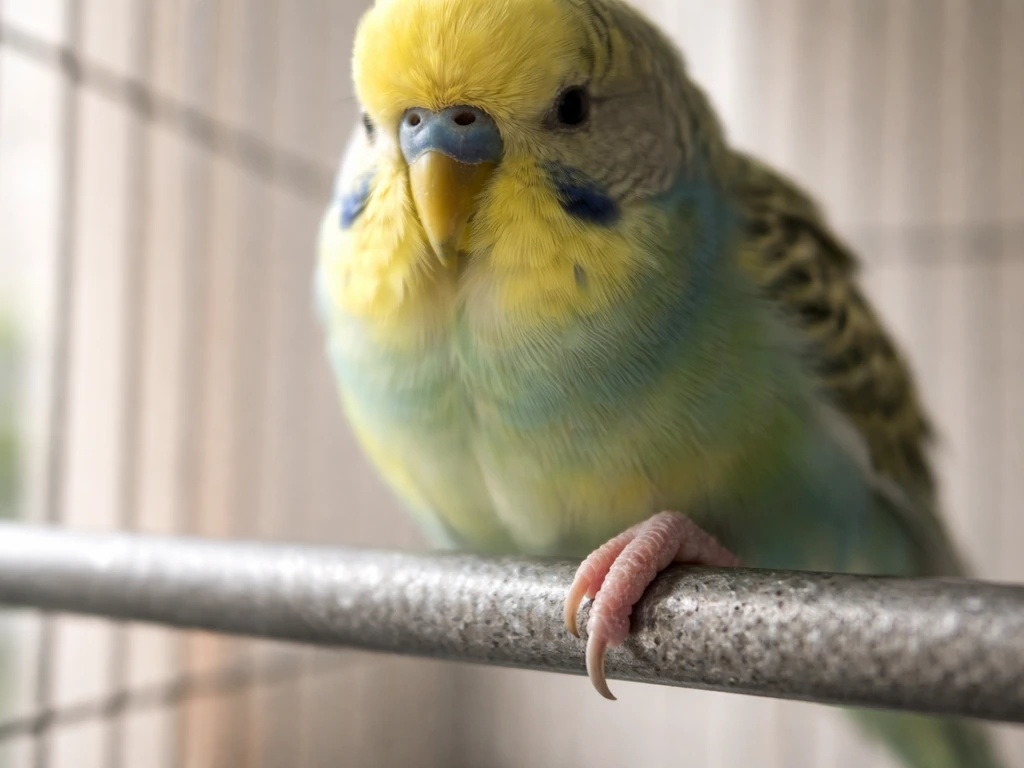
Common reasons birds bite their own feet
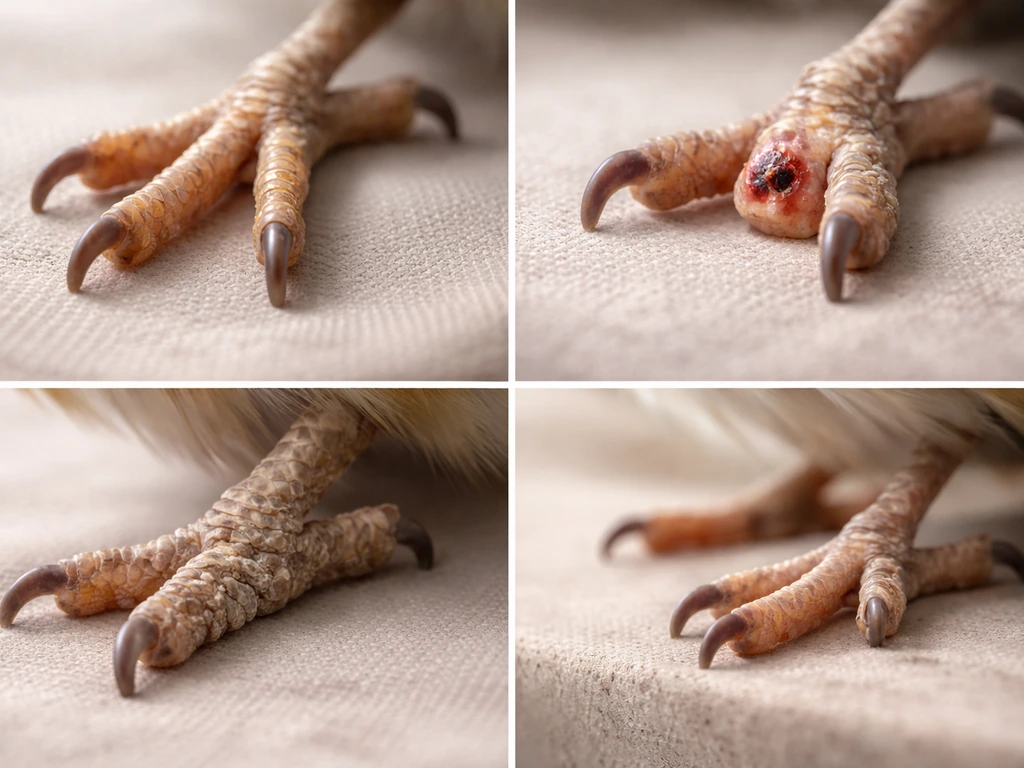
Most foot-biting falls into one of these categories. Some are harmless habits; others need attention sooner rather than later.
- Dry or itchy skin: Low humidity, poor nutrition, or a diet lacking in vitamins A and D can leave foot skin dry, flaky, and uncomfortable. The bird bites or chews to relieve the itch.
- Perch irritation: Rough, splintered, or incorrectly sized perches put uneven pressure on the foot pads and can cause soreness. Chewed wooden perches with sharp edges are a common culprit.
- Mites (knemidokoptic mange): These microscopic parasites burrow into the unfeathered skin of the legs and feet, causing white crusty projections and a tassel-foot appearance in canaries and finches. Early cases look like mild scaliness and can be easy to miss.
- Bumblefoot (pododermatitis): Pressure sores on the bottom of the foot can progress from redness to hard lumps, ulcers, and infection. A bird may chew at the area because it is painful or uncomfortable.
- Injury or foreign material: A splinter, a loose thread wrapped around a toe, or a small cut from cage wire can all prompt a bird to bite and pick at the affected spot.
- Toe or nail problems: An overgrown nail catching on cage bars, a broken nail, or a swollen joint can cause enough discomfort that the bird targets the area repeatedly.
- Fungal infection: Less common but possible, especially in birds kept in damp environments. Discoloration, thickened skin, and odor are signs.
- Behavioral/repetitive habit: Some birds develop foot-chewing as a displacement behavior, similar to feather plucking, when they are bored, understimulated, or stressed. This can become a near-constant pattern if it goes unaddressed.
Worth noting: foot biting that happens briefly after landing, during preening, or when the bird is exploring a new perch is often just normal grooming curiosity. It becomes a concern when it is frequent, focused on one spot, or produces any visible skin change.
Common reasons birds bite the owner's feet
This is a completely different situation from self-biting, even though they share a keyword. If your bird is biting his leg, it can be a sign of irritation, mites, or other health issues, so it helps to do the same kind of foot check described for self-biting. When a bird goes after your feet, it is almost always behavioral rather than a health issue on the bird's part.
- Movement as a trigger: Feet move, wiggle, and appear from under furniture unpredictably. To many birds, this makes them an irresistible target, especially for younger or hormonal parrots.
- Attention-seeking: If biting your feet previously caused you to react (shout, pull away, laugh), the bird learned that foot-biting gets a response. That reaction is rewarding.
- Territorial behavior: Some birds guard floor space or lower cage areas and treat your approaching feet as an intrusion.
- Playfulness: Parrots especially can be rough and mouthy during play, and your feet may just be the closest target when they are in a high-energy mood.
- Hormonal triggers: During breeding season, some birds become more aggressive or nippy in general, and feet on the floor become easy targets.
- Social bonding gone sideways: A bird with a very tight bond to one person may bite others who come near, including biting feet as a warning.
The key difference is that foot-biting aimed at you is about communication or impulse, not discomfort. You can redirect and train around it. The section below on stopping the behavior covers this specifically.
How to do a quick foot and behavior check
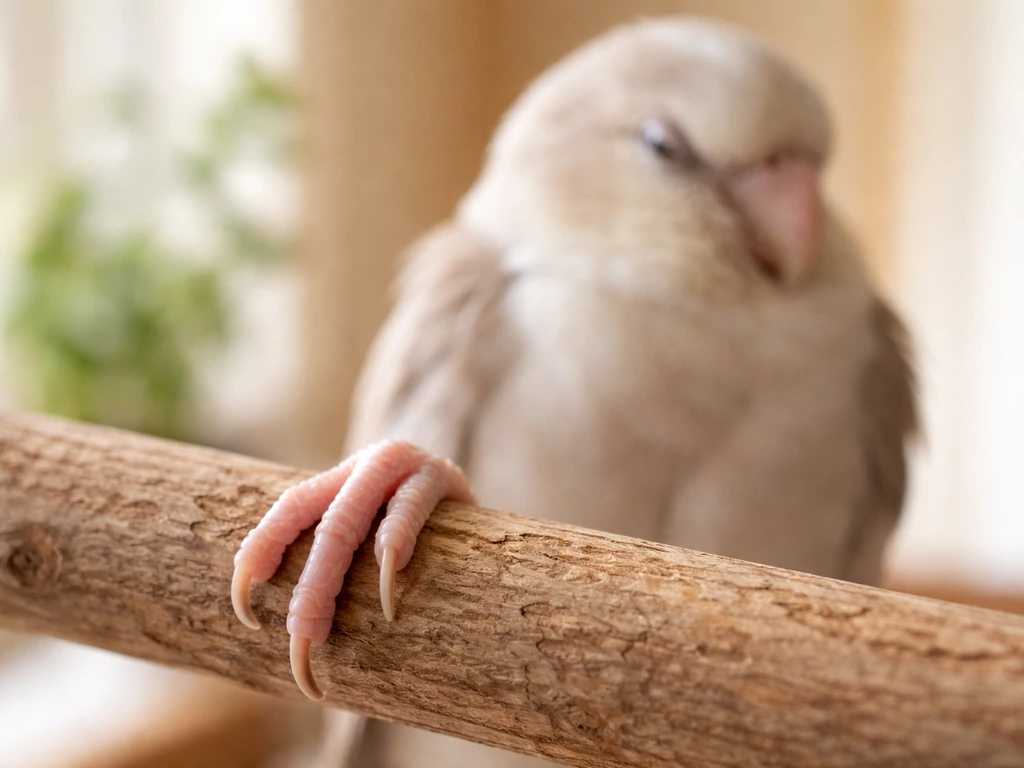
Before you do anything else, spend five minutes doing a proper look. Good lighting and a calm bird make this much easier. If your bird is agitated, wait until it is relaxed on a familiar perch.
What to look at on the foot itself
- Skin color: Healthy foot skin should be consistent in color. Early bumblefoot shows as pink or red coloring around the toes or on the foot pad. More advanced cases show redness at the base with possible brown or black scabbing.
- Swelling or lumps: Run a finger very gently along the foot and toes. Any hard lumps, swelling, or heat is a red flag.
- Crust or scaling: White, powdery, or honeycomb-like crusting on the legs and toes points toward mite infection (knemidokoptic mange). A thin dry scaling is different from thick bark-like plaques, which indicate a more advanced case.
- Wounds or discharge: Any open area, bleeding, or moisture/discharge means you need a vet, not a home fix.
- Nail condition: Check for broken nails, overgrown nails curling back toward the foot, or any toe that looks twisted or swollen at the joint.
- Which foot: One foot only often suggests a local problem (injury, irritation spot, perch issue). Both feet being targeted is more consistent with systemic itching, mites, or a behavioral habit.
What to watch in behavior
- When does it happen: During quiet moments alone suggests discomfort or a habit. Mainly when you are nearby suggests attention-seeking.
- How often and how intensely: Occasional brief chewing is normal grooming. Repetitive, focused chewing that lasts minutes at a time or returns constantly is a concern.
- Does the bird also bite elsewhere on its body: If foot-biting accompanies feather plucking or wing-chewing, the issue is likely behavioral or stress-related rather than a localized foot problem.
- Is the bird limping, shifting weight, or reluctant to perch on one foot: Any change in how the bird stands or moves points to physical pain.
At-home fixes: environment, perches, and reducing irritation
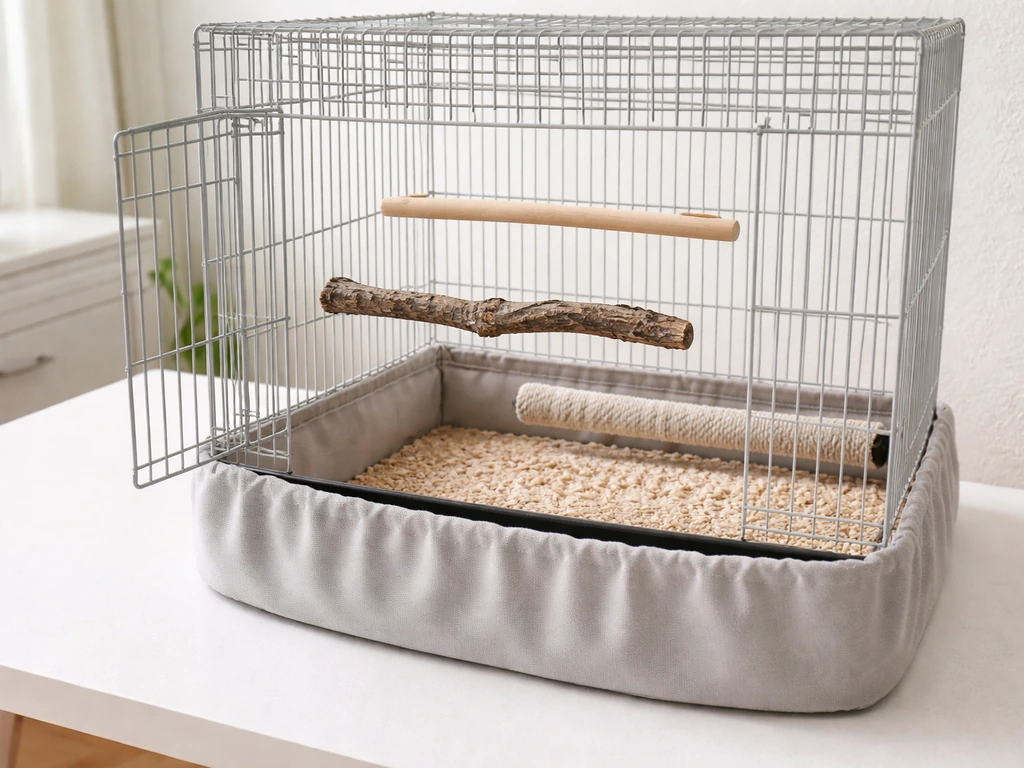
If your visual check shows no wounds, no swelling, no crusting, and the bird is moving normally, there are several practical changes you can make today that address the most common non-medical causes.
Perch improvements
Perch quality matters more than most owners realize. Replace any chewed, splintered, or cracked wooden perches immediately because the rough surface creates pressure points and can cause cuts that lead to infection. VCA notes that inappropriate perches or substrates can cause pressure sores and injuries, such as splinters or cuts from chewed wood or plastic, which can lead to bumblefoot infection chewed, splintered, or cracked wooden perches. Vary the diameter of perches in the cage so the foot doesn't grip the same way all day, which reduces pressure sore development. Avoid concrete or sandpaper perches as the primary resting perch since these are too abrasive for constant contact. If you are thinking about bringing in natural branches from outside, know that this is generally not recommended because outdoor wood can carry parasites, bacteria, and fungi that a bird may ingest while chewing.
Environment and hygiene
Keep the cage floor and perches clean and dry. Damp conditions are directly linked to bumblefoot progression and fungal issues. Spot-clean daily and do a full cage clean weekly. Check that droppings aren't accumulating on perches where the bird stands. If humidity in your home is very low, a light misting a couple of times a week can help with dry, itchy skin, but avoid leaving the bird in a damp environment after misting.
Nutrition check
Dry, flaky, or thickened foot skin can be a sign of nutritional deficiency, particularly vitamins A and D. If your bird is on a seed-only diet, this is worth discussing with an avian vet. A pellet-based diet supplemented with fresh vegetables is the standard recommendation for most parrots and companion birds.
Reducing stress
Environmental stress, including too little out-of-cage time, a noisy or chaotic household, or lack of mental stimulation, can push a bird toward repetitive self-directed behaviors. WSAVA’s Animal Welfare Guidelines note that maintaining normal behavior and welfare matters, and that changes in environment and behavior needs can influence problem behaviors blank" rel="noopener noreferrer">Environmental stress, including too little out-of-cage time, a noisy or chaotic household, or lack of mental stimulation, can push a bird toward repetitive self-directed behaviors.. If you meant your bird is biting its own wings in particular, that can follow similar “repetitive habit vs irritation” logic, but it helps to also check wing-area triggers repetitive self-directed behaviors. Increase foraging opportunities by hiding food in toys or wrapping treats in paper. Foot-friendly enrichment like foot toys the bird can hold and manipulate gives the beak something purposeful to do that isn't the bird's own foot.
Stop the behavior: prevent reinforcement and redirect safely
Whether the target is the bird's own feet or yours, the approach to stopping an established habit is similar: remove the reward and offer a better alternative.
If your bird is biting its own feet out of habit
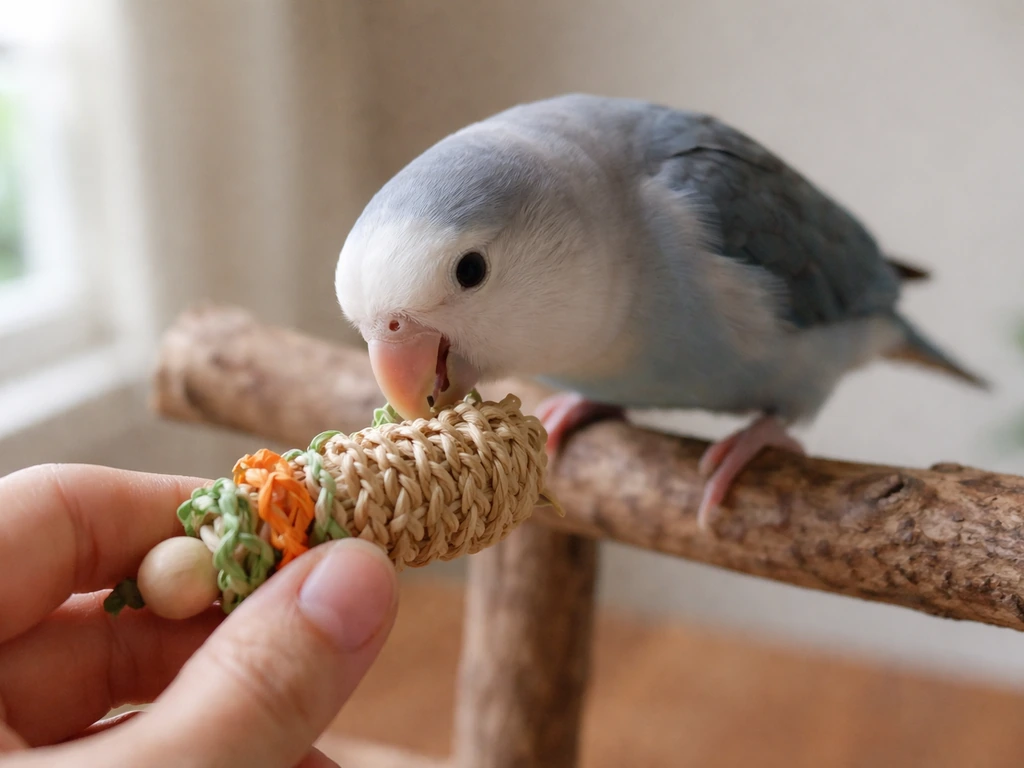
Avoid saying 'no' or 'stop' loudly. A strong verbal reaction can accidentally reinforce the behavior by giving the bird the attention it craves, and it may interfere with the bird naturally stopping the behavior on its own. Instead, calmly redirect: offer a foot toy, a foraging item, or invite the bird onto your hand and shift its focus to something engaging. Consistency matters. Every time the bird starts the cycle, interrupt it with the same positive alternative.
If your bird is biting your feet
The most important rule is to not react dramatically. Jumping, shouting, or pulling your feet away quickly is entertaining to a parrot and teaches it that biting feet gets a great response. If your bird bites you softly, the same idea applies because the biting is often reinforced by your reaction and needs a safer redirect biting feet gets a great response. Instead, calmly step away or leave the room briefly. Do not return immediately, or you teach the bird that biting equals your return. Wear closed shoes around a bird that targets feet, especially during hormonal periods. Redirect the bird to a perch or a toy before it has the chance to go for your feet, rather than waiting for the bite to happen.
If the behavior is deeply ingrained, look at it through the same lens as other repetitive biting behaviors. The behavior became a habit because it worked at some point. Consistent non-reaction combined with a reliable alternative is the reset.
When it's a health issue: signs of pain, infection, mites, or bumblefoot
These are the specific things that move the situation from 'watch and manage' to 'this bird needs professional help.' Know these signs well, because they can sneak up on you.
Bumblefoot warning signs
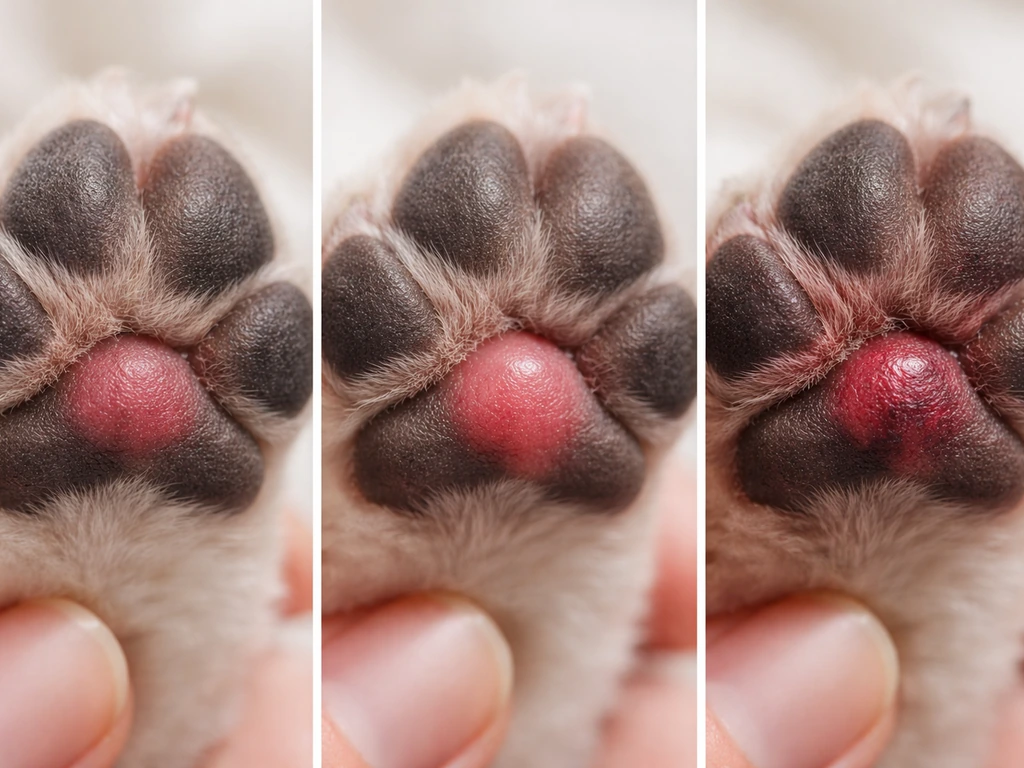
Bumblefoot (pododermatitis) starts as a pressure sore and progresses in stages. Early signs include pink or red discoloration on the foot pad and a slightly shiny, smooth skin surface where there should be texture. As it worsens, you will see swelling, heat when you gently touch the foot, a hard lump forming, and eventually erosions, ulcers, or a dark scab. A bird with bumblefoot may limp, shift weight constantly between feet, or refuse to put weight on one foot at all. Without treatment, bacteria can access deeper tissue and the infection progresses seriously.
Mite infection warning signs
Knemidokoptic mange (scaly leg and foot mites) starts subtly with dry, thin scaling on the legs and feet. Over time it develops into thicker, crusted, white or gray projections with a honeycomb or bark-like texture. In canaries it can produce the distinctive tassel-foot appearance. Early cases can look like other skin conditions, which is why a vet diagnosis matters. The mites spread slowly and are treatable, but untreated cases progress significantly.
Other health red flags to watch for
- Any visible wound, open skin, or bleeding on the foot
- Discharge or unusual moisture around the toes
- A toe that looks twisted, misaligned, or much larger than normal
- The bird chewing to the point of self-injury
- Changes in droppings or appetite alongside the foot behavior (suggests systemic illness)
- The bird becoming unusually quiet, fluffed up, or lethargic
When to call an avian vet and what to ask for
Call an avian vet (not a general small animal vet if you can help it) if you see any of the following: visible swelling or a hard lump on the foot, limping or refusal to bear weight, open wounds or bleeding, crusty/scaly lesions that look like mite infection, skin that is shiny and red on the foot pad, or any foot-biting that has progressed to self-injury. Also call if you have made reasonable environmental changes (better perches, clean cage, diet improvement) and the foot-biting is still constant after a week or two with no visible improvement.
When you call or go in, be specific. Tell the vet how long the behavior has been happening, which foot or both, whether you see any skin changes, and what the bird's diet and perch setup look like. Ask specifically about bumblefoot, mite testing (skin scraping), and whether a nutritional blood panel is warranted. If mites are confirmed, ask about the appropriate topical treatment for your species, since treatment varies.
One more thing: normal grooming, brief foot chewing during preening, and the occasional nibble at a toe are not emergencies. Birds are mouthy creatures by nature, and some of this behavior shows up in other forms too, like biting the cage bars, nibbling at wings, or investigating your hair and nails. If your bird bites your hair specifically, it can be a sign of overstimulation, seeking attention, or a habit you should redirect investigating your hair and nails. If you are wondering why does my bird hide in my hair, that curiosity can become a repeat habit when your bird feels safe and has learned it gets a response investigating your hair and nails. The line between normal and concerning is usually drawn by frequency, intensity, and whether there is any physical damage. Trust what you see on the foot itself, and when in doubt, an avian vet visit is always the right call.
FAQ
How can I tell the difference between normal toe nibbling and real foot-biting?
Time it and watch the location. Brief nibbling during preening, right after landing, or while exploring a new perch is usually intermittent and moves around the foot. Concerning biting is repetitive (many times per hour), focused on one exact spot, and may leave redness, scabs, swelling, or bald patches on the skin.
My bird only bites one foot. Does that change what I should look for?
Yes. Single-foot targeting is more consistent with a physical problem on that foot (pressure sore beginning bumblefoot, a sharp perch edge, a small cut, or localized mites) rather than a general habit. Check that foot for pad color changes, heat, and any trapped debris or rough areas, then inspect the perches for splinters where that foot grips.
What if there are no visible wounds or swelling, but he keeps biting his feet?
If the foot skin looks normal, look for non-medical triggers: monotonous perch texture, too much time with nothing to do, dry skin from low humidity, or diet gaps. Try switching to multiple perch diameters for a few days and add foot-safe foraging, then reassess. If it stays constant after 1 to 2 weeks, schedule an avian vet check even if you still see no injury.
Can mites or bumblefoot be present even if my bird seems otherwise normal?
They can start subtly. Early bumblefoot may show only mild pink/red discoloration and slightly smoother, shinier pad skin, and scaly-leg mites can begin as thin scaling before crust develops. If biting is persistent, do not rely only on overall behavior, a targeted foot exam and vet evaluation are still warranted.
Could the behavior be stress or boredom rather than foot irritation?
Often, yes, especially if the biting ramps up during certain routines (for example, when you are away, during quiet periods, or in a noisy household). Boredom and attention-seeking usually correlate with lack of enrichment, limited out-of-cage time, or a pattern where the bird stops biting when offered an engaging alternative like a foraging toy.
How do I redirect without accidentally rewarding the biting?
Redirect before you react emotionally. Keep the response consistent: offer a foot toy or foraging option as soon as biting starts, or calmly move the bird to your hand and switch focus. Avoid jumping, yelling, or immediately returning your attention when biting occurs, because attention and sudden movement can reinforce the behavior.
What should I change first in the cage if I suspect perch irritation or pressure points?
Prioritize perch safety and comfort. Replace any cracked, splintered, or chewed perches, add perches of different diameters so the foot pressure changes, and avoid keeping the bird’s favorite resting spot on the most abrasive material. Also ensure perches are positioned so the bird’s feet do not continually contact urine-soiled areas.
Is misting the right solution for foot itching or dryness?
It can help when the home air is very dry, but it is not a fix for infection or mites. If you mist, do it lightly and only in a way that allows the bird to dry quickly in a safe environment, leaving damp conditions or a chilled bird can worsen skin problems. Monitor the foot skin after several days.
How long should I try home changes before seeing an avian vet?
If you do not see improvement after about a week or two of reasonable environmental and diet adjustments, or if biting is constant, schedule an avian vet visit. Earlier care is needed if you notice any red shiny pad areas, swelling, limping, refusal to bear weight, crusting, bleeding, or any sign the bird is self-injuring.
What details should I tell the vet to speed up diagnosis?
Bring specifics: how long the biting has been happening, which foot (one or both), how often and what times it occurs, and whether there is limping or any visible redness, heat, swelling, crusting, or lumps. Also describe perch types and spacing, cage cleaning routine, and the bird’s diet so the vet can consider bumblefoot, mites (including skin scraping), and possible nutritional contributors.
If my bird bites my feet instead, should I handle it differently than self-biting?
The redirection principle is the same, but the strategy should start sooner. If he targets your feet, use closed shoes and redirect with a toy or perch before a bite happens, especially during hormonal periods. If you are inconsistent about reactions, the bird may learn that foot biting reliably gets an entertaining response from you.
Next Articles
Why Does My Bird Bite My Nails? Causes and What to Do
Learn why your bird bites nails and what to do now, from stress and triggers to foot health and vet red flags.
Why Is My Bird Biting Itself? Causes and What to Do
Learn why your bird bites its feathers or itself, how to spot stress or medical causes, and what to do today.
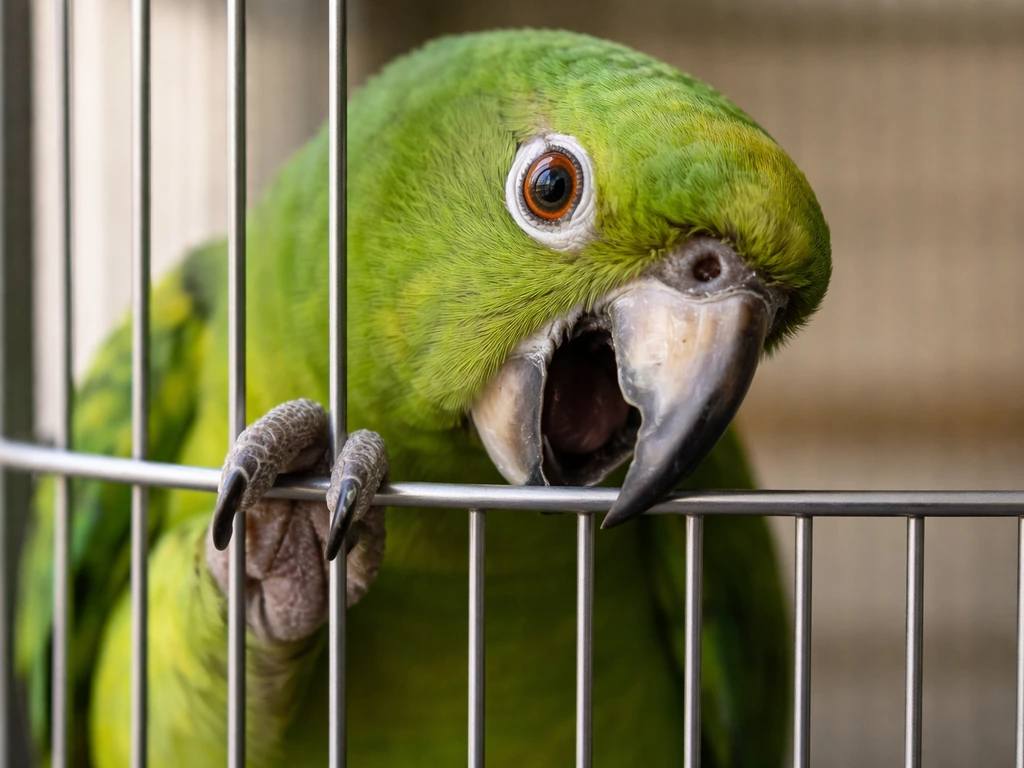
Why Is My Bird Biting the Cage? Causes and What to Do
Find why your bird bites cage bars and get today steps to reduce stress, boredom, hormones, and check health red flags.