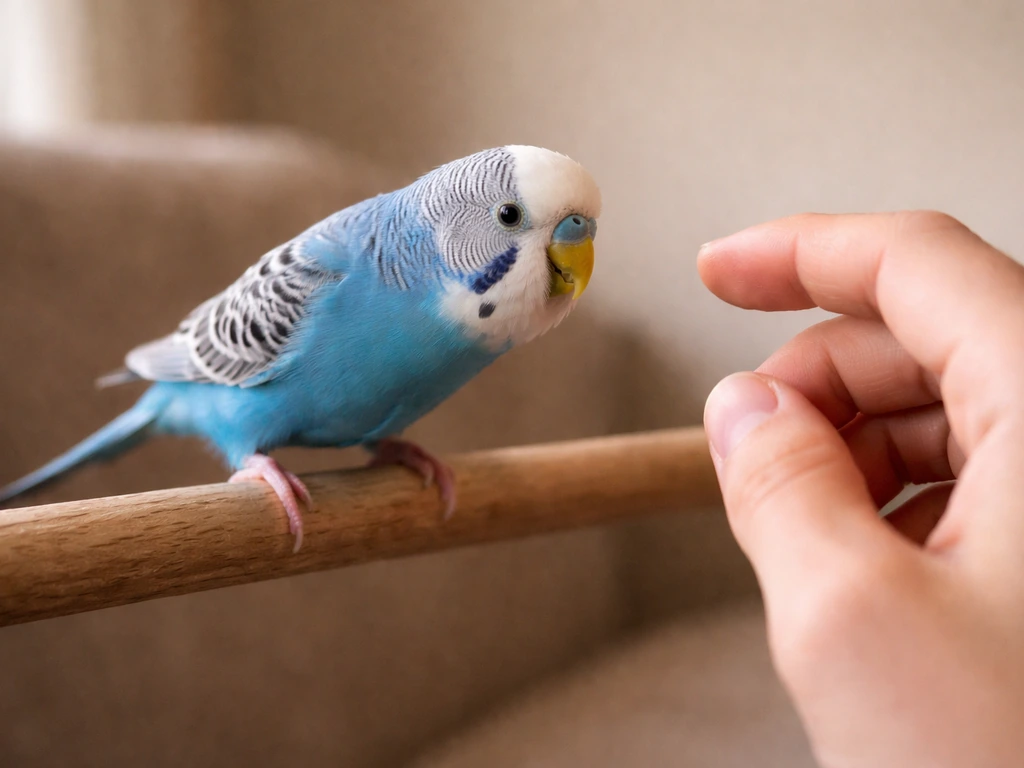
Birds bite and chew cage bars most often because they are bored, under-stimulated, or trying to get your attention. It can also be a sign of stress, hormonal restlessness, or a natural urge to chew that has no better outlet. Less commonly, a health problem is driving the behavior. The good news is that most cases are fixable once you figure out which category you are dealing with.
Why Is My Bird Biting the Cage? Causes and What to Do

Marcus Chen
3 May 2026
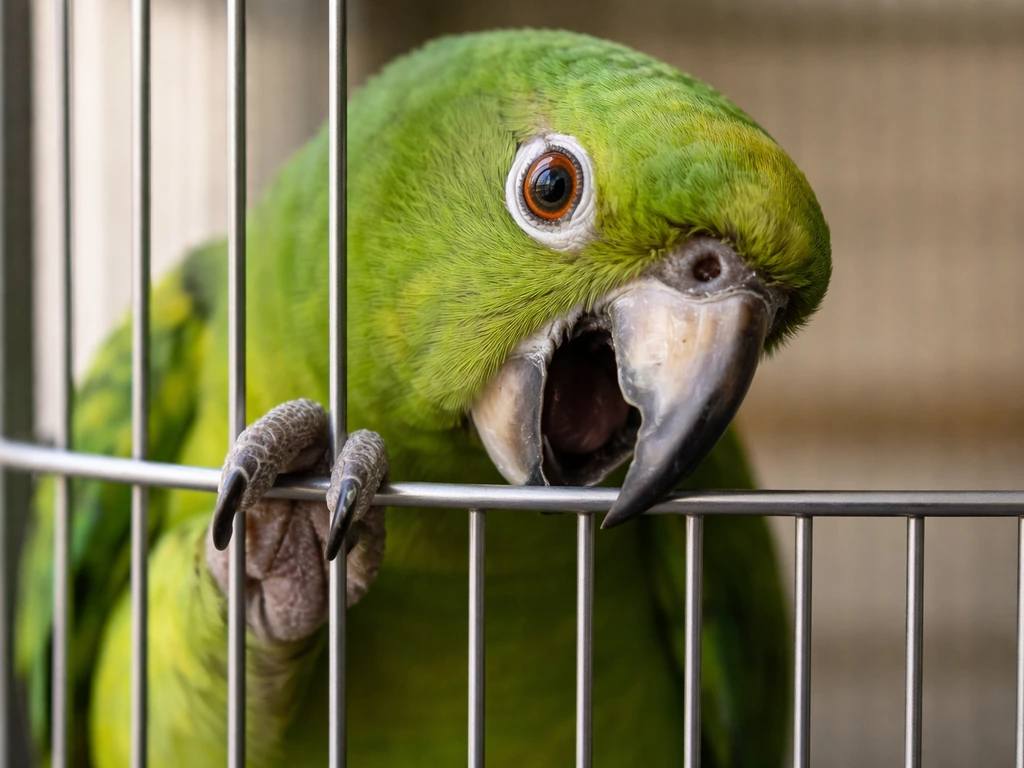
Common reasons birds bite or chew cage bars
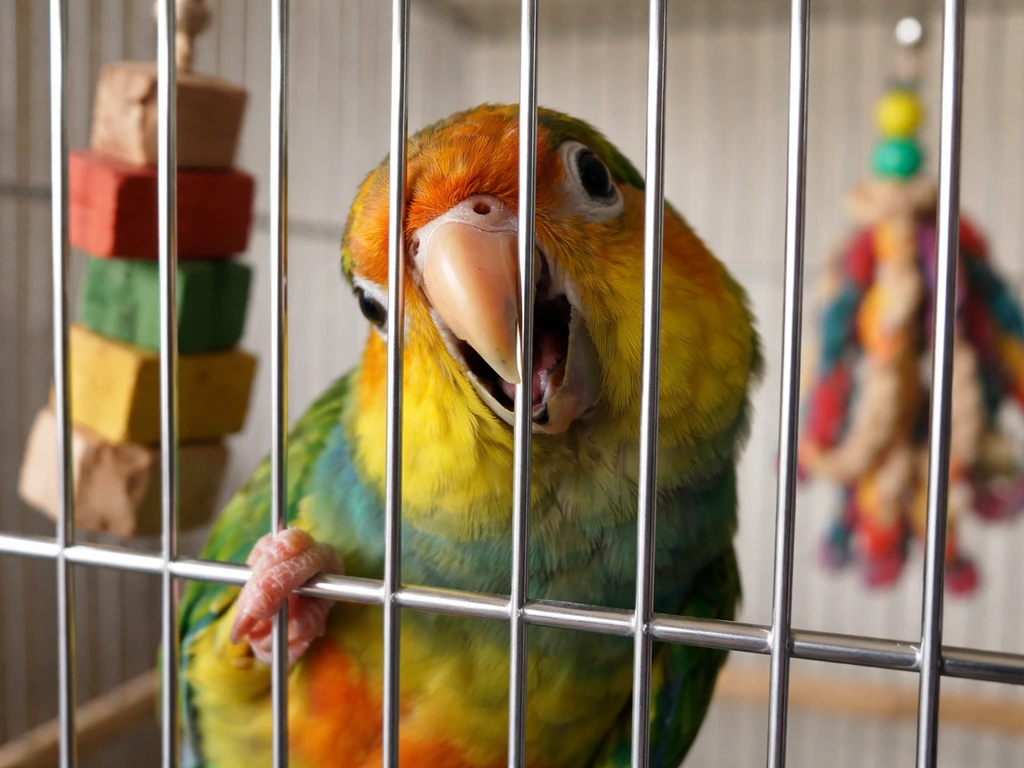
Before you change anything, it helps to know why the behavior happens in the first place. Cage bar biting is rarely random. Here are the most likely causes, roughly in order of how often they show up.
- Boredom and lack of stimulation: This is the most common reason. A bird with nothing interesting to do will redirect its energy to whatever is available, and the cage bars are always there.
- Attention seeking: Many birds learn quickly that biting the bars makes you look up, walk over, or talk to them. Even a negative reaction is a reward from their perspective.
- Natural chew drive: Parrots especially are wired to chew. In the wild they work wood, bark, and plant matter constantly. If there is nothing appropriate to chew inside the cage, the bars become the chew toy.
- Hormonal behavior and territorial feeling: During breeding season, or when hormones are elevated for other reasons, birds can become more restless, more cage-protective, and more prone to repetitive physical behaviors like bar biting.
- Wanting out: Some birds bite bars specifically when they want to leave the cage. This is often paired with pacing, climbing toward the door, or vocalizing.
- Habit and rehearsal: Once a bird discovers that chewing bars is satisfying or effective, it can become a routine even after the original trigger is gone.
A quick pattern check helps you narrow it down fast. Does the biting happen at a specific time of day? Only when you are in the room but not interacting? After lights go on in the morning? When another pet walks by? Timing and triggers are your best clues.
Boredom, stress, and overstimulation signals
Boredom and stress are often discussed together but they can look different. Birds often bite their own wings for similar reasons, such as stress, boredom, irritation, or a health issue, so it helps to look at triggers and body condition. blank" rel="noopener noreferrer">A bored bird is under-stimulated. A stressed bird may actually be over-stimulated, or stuck in a situation it cannot escape. Both can produce repetitive behaviors like bar chewing, but the fix for each is different.
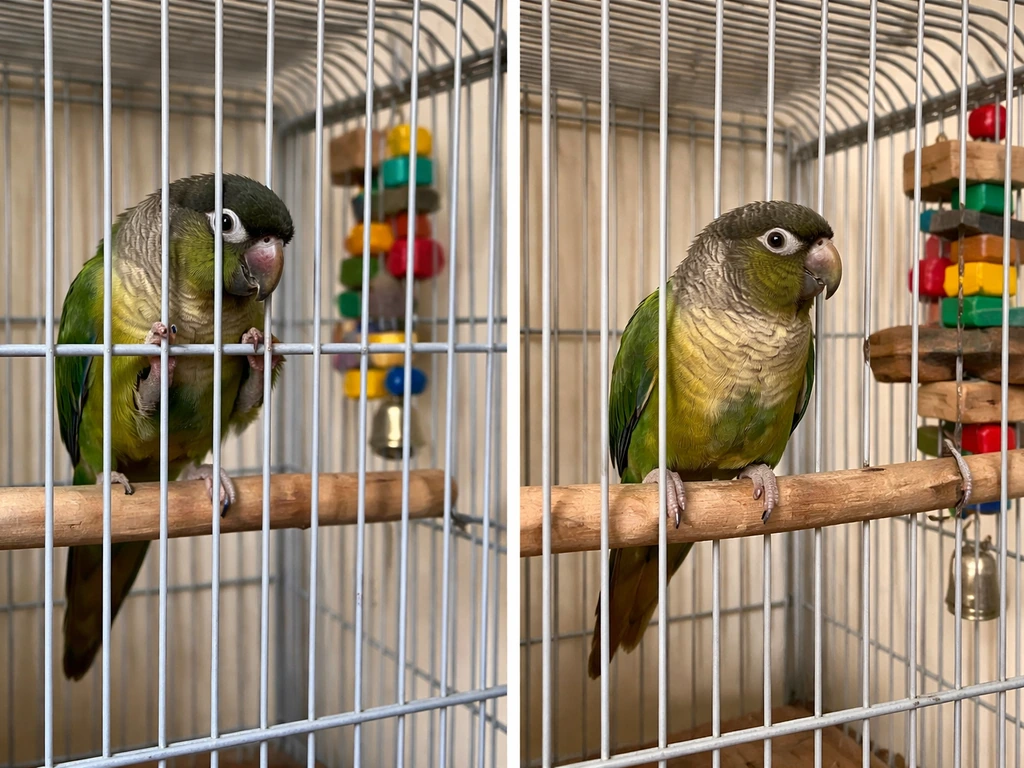
Signs you are probably dealing with boredom
- Bar biting happens most when the bird has been left alone for hours
- The cage has only one or two toys that have not been rotated in weeks
- The bird gets little or no out-of-cage time
- The behavior calms down quickly when you interact with the bird
- Your bird also paces or repeats other movements without apparent purpose
Signs you are probably dealing with stress or overstimulation
- Bar biting spikes when there is a lot of activity, noise, or other animals nearby
- The bird also shows fluffed feathers, rapid breathing, or wide eyes alongside the biting
- It happens near windows where the bird sees outdoor predators or unfamiliar people
- The cage is in a high-traffic area with no quiet retreat available
- The bird bites bars even after a long interaction with you, rather than calming down
Hormonal stress is its own category worth mentioning. If bar biting ramps up seasonally, is paired with increased aggression, regurgitation toward you, or nesting behavior, hormones are likely involved. This is normal but it does mean you may need to adjust the environment during those periods, such as reducing daylight hours artificially, removing nest-like hideouts, and avoiding petting that triggers hormonal responses.
Sleep deprivation is also worth checking. Birds need roughly 10 to 12 hours of uninterrupted darkness. A bird that is woken repeatedly by household noise or light will be chronically irritable, and restless repetitive behaviors tend to increase as a result.
Health reasons that can cause cage biting
Most cage biting is behavioral, but there are times when physical discomfort is the real driver. A bird in pain or dealing with an internal problem will often redirect that discomfort into repetitive physical actions. If you notice any of the signs below alongside the bar biting, treat it as a potential health flag rather than a behavior problem.
Beak problems
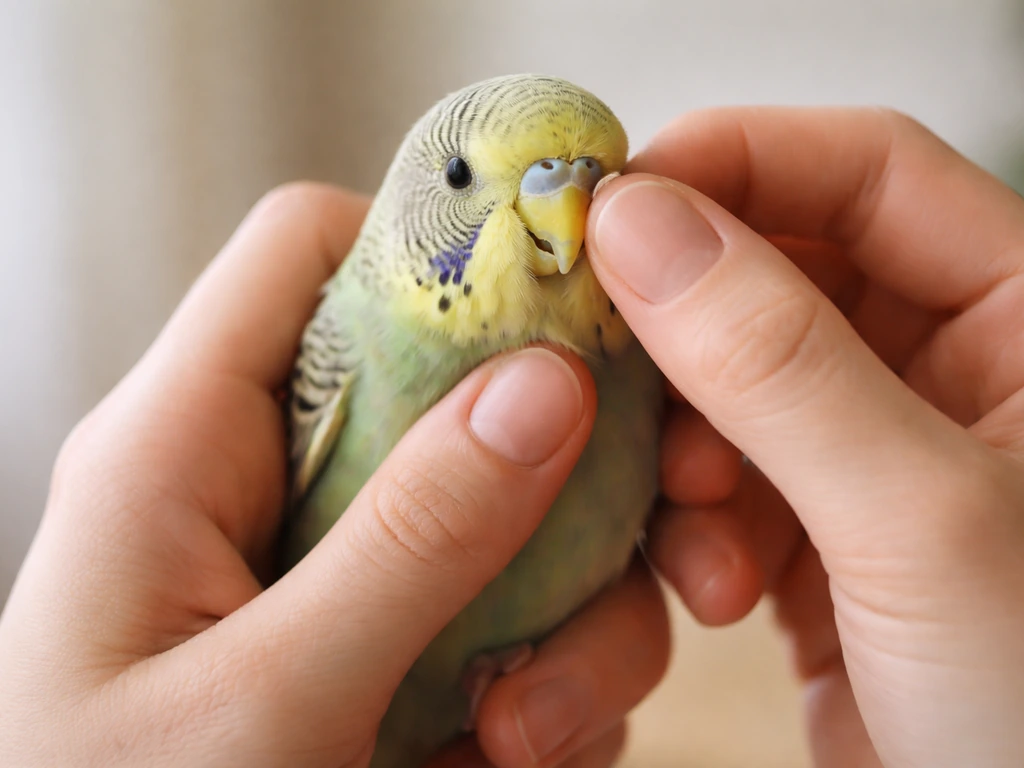
An overgrown, cracked, or misaligned beak can make a bird obsessively rub, grind, or bite hard surfaces. Look at the beak directly. It should be smooth, symmetrical, and correctly aligned. If the beak looks overgrown, layered, flaky, or the upper and lower portions do not meet properly, that needs a vet visit. Biting bars to self-grind an uncomfortable beak is something birds do.
Skin and feather irritation
Itchy or irritated skin can push a bird toward any kind of physical stimulation, including biting cage bars. If the bird also picks at feathers, scratches at its body, or has visible skin changes, consider skin or feather problems as a contributing factor. This overlaps with conditions you might see in feather-directed biting, which is a separate behavior worth understanding on its own.
Respiratory or GI discomfort
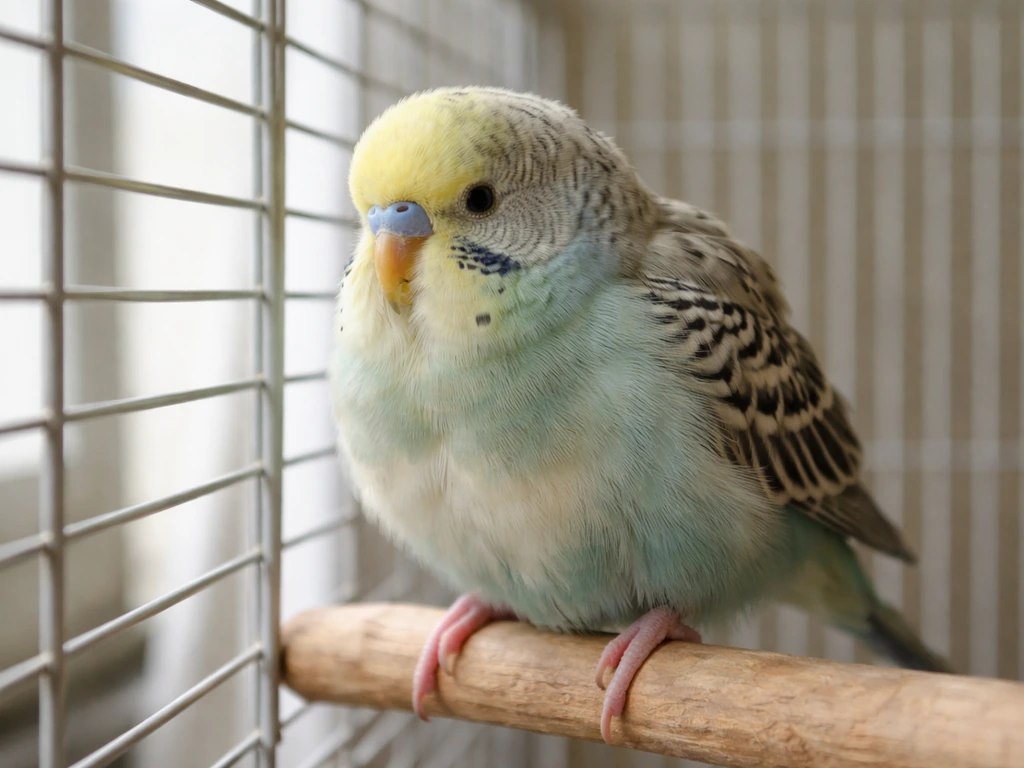
Birds hide illness well, but bar biting that comes with tail bobbing, clicking sounds while breathing, weight loss, changes in droppings, or a puffed-up posture is a red flag. These signs together suggest something internal may be going on. In this case bar biting is a symptom, not the problem itself.
One useful way to tell behavioral from health-related biting: behavioral biting tends to have obvious triggers and tends to stop when the bird gets what it wants (attention, out-of-cage time, something to chew). If you are asking, “why does my bird bite my hair,” use the same idea: behavioral biting usually has triggers and may ease when the bird gets what it wants, like attention or something to chew behavioral biting tends to have obvious triggers. Health-driven biting is often more persistent, happens at odd times, and does not respond to environmental changes.
Environmental and enrichment fixes you can try today
If you have ruled out obvious health concerns and the biting seems behavioral, enrichment changes are your first move. Most birds respond quickly when the environment improves.
Give them something better to chew
This is the most direct fix for chew-drive biting. Add wooden chew toys, cork pieces, palm fronds, or soft wood blocks to the cage. Rotate them every few days so they stay interesting. Shreddable toys (paper, palm leaf, seagrass) also work well because they give the bird something to destroy with a satisfying result. The goal is to make the inside of the cage more interesting than the bars.
Add foraging opportunities
Foraging is one of the most powerful anti-boredom tools available. Instead of putting food in a bowl, hide it. Wrap pellets in paper, stuff a foraging toy, tuck treats inside a shreddable ball. A bird that has to work for its food spends far less time biting bars because it has a legitimate job to do.
Check the basics of the cage setup
- Cage size: A cage that is too small creates physical and psychological frustration. Your bird should be able to fully extend its wings inside the cage without touching the sides.
- Perch variety: Multiple perches of different textures and diameters keep feet healthy and give the bird more interesting places to be.
- Cage placement: Position the cage against a wall (not in the center of a room) so the bird does not feel exposed on all sides. Avoid drafty areas, direct sunlight without shade, and spots near kitchen fumes.
- Toy rotation: Change out at least one toy every few days. Birds habituate to their environment quickly, and novelty matters.
- Sleep setup: Cover the cage at night and aim for 10 to 12 hours of darkness in a quiet spot.
Increase meaningful interaction
If the biting is attention-driven, the answer is not just more time near the bird but more engaging interaction. Soft, gentle bites can also be a form of attention seeking, so consider adjusting how and when you engage with your bird attention-driven. Short, focused sessions where you talk, train, or do something together are more effective than simply being in the same room while ignoring the bird. Even 10 to 15 minutes of active engagement twice a day makes a measurable difference for most birds.
How to handle cage biting safely through training and management
Once you have improved the environment, you can also actively work on reducing the biting behavior itself. The core principle is simple: do not accidentally reward bar biting, and do consistently reward the behavior you want instead.
Stop rewarding the biting (even unintentionally)
If you walk over to the cage every time the bird bites bars, the bird has trained you, not the other way around. Try to avoid giving attention immediately after a biting episode. Wait for a pause in the biting, then interact. This is not about punishment but about not reinforcing a behavior you want to stop. Yelling at the bird, making loud noises, or covering the cage as a reaction can also backfire by providing stimulation or triggering fear.
Use positive reinforcement to build better habits
When the bird is chewing an appropriate toy instead of the bars, acknowledge it. A calm verbal reward or a small treat when the bird engages with enrichment items builds the habit over time. You can also train simple behaviors like stepping up or targeting, which give the bird a way to earn attention through acceptable actions rather than bar biting.
Reduce rehearsal of the behavior
The longer a habit is practiced, the more ingrained it becomes. If you can physically reduce opportunities for bar biting by placing chew toys along the bars the bird tends to bite, positioning perches away from those spots, or rearranging the cage interior, you interrupt the pattern. It is not about restricting the bird but about making the problem area less accessible while making the appropriate options more appealing.
Out-of-cage time
Increasing supervised out-of-cage time is one of the most effective interventions for habitual bar biters, assuming the bird is safe to handle and your home is bird-proofed. Even 30 minutes of free time on a play stand reduces the frustration of confinement significantly. Birds that bite bars mostly when inside the cage often calm down noticeably with regular out-of-cage sessions.
When to contact an avian vet
Most cage biting does not require a vet visit. But some situations do, and knowing the difference matters. Contact an avian vet if you notice any of the following.
- The bar biting started suddenly with no obvious trigger or environmental change
- The behavior is getting worse despite enrichment improvements
- The bird also shows lethargy, fluffed feathers, or a hunched posture
- Appetite has decreased or droppings have changed in color, consistency, or frequency
- You notice any breathing changes: tail bobbing, clicking, labored breath, or open-mouth breathing
- The beak looks overgrown, cracked, discolored, or misaligned
- There are feather or skin changes: bare patches, visible irritation, or unusual texture
- The bird seems to be in pain or reacts strongly when the beak or head is approached
Before your vet visit, make a few notes: when the biting started, how often it happens, what triggers it if you have identified any, what the droppings look like, and whether anything changed recently in the bird's environment or routine. That information helps the vet narrow things down faster.
It is also worth knowing that some birds bite cage bars alongside other self-directed behaviors, like biting their own legs, feet, or wings. If you are seeing both cage biting and self-biting, that combination is more likely to have a health or psychological component and warrants earlier vet involvement.
Most of the time, though, a bird biting cage bars is telling you it needs something more in its environment: a better chew option, more mental engagement, more time with you, or a calmer space to sleep. If your bird also hides in your hair, the behavior may be related to seeking security, attention, or comfort rather than cage biting alone why does my bird hide in my hair. Start there, watch for changes over a week or two, and you will likely see an improvement.
FAQ
How can I tell if the cage biting is boredom versus hormonal restlessness?
Look for seasonal patterns and physical cues. Hormonal behavior often ramps up around specific times of year and comes with increased aggression, nesting activity, or regurgitation toward you. Boredom tends to track daily routines, lack of toys, and periods when the bird has nothing meaningful to do, without those reproductive behaviors.
My bird bites only when I walk past, not when I’m gone. Does that mean it’s attention-seeking?
Often, yes, if the biting stops when you engage in a structured way (talking, training, or providing a chew toy) and returns when you resume passive presence. Avoid reacting immediately to each bite, instead wait for a pause, then redirect to an appropriate toy or reward a calm alternative.
What if my bird is biting at the same spot on the bars every day?
That suggests a location-based trigger, usually because the bird can access the area easily or the spot is visually or socially exciting. Try rearranging the cage so the bird cannot get its beak to that exact spot, and place chew alternatives right where it would normally reach the bars.
Should I cover the cage when my bird starts biting?
Usually avoid covering or reacting in ways that add sudden stimulation or fear. A brief calm pause is fine if it helps you stop reinforcing the habit, but the safer approach is to prevent access to the bars and redirect immediately to a toy or foraging task the moment biting is about to occur.
How much out-of-cage time is “enough” to see improvement?
Many birds show noticeable reduction within a week or two when out-of-cage time is consistent and the environment is safe. A common starting point is around 30 minutes a day plus regular play sessions, while monitoring that your bird is not getting overstimulated or territorial.
My bird chews the bars but also seems to be nibbling its feathers. Is that the same issue?
Not necessarily. Feather-directed behaviors can overlap with stress or itch, but the underlying driver may differ from chew-drive cage biting. If you see skin changes, scratching, or feather loss alongside bar biting, prioritize a health check (avian vet) and adjust enrichment more gradually.
Can beak overgrowth cause biting, even if my bird seems otherwise fine?
Yes. Some beak issues push birds to rub and grind, and the behavior can look like normal chewing until you inspect the beak closely. If the beak is uneven, layers or cracks are present, or the upper and lower portions do not meet properly, treat it as a vet issue rather than a cage-toy problem.
What droppings or breathing signs mean I should stop troubleshooting at home and call an avian vet?
Call promptly if bar biting is paired with tail bobbing, clicking while breathing, weight loss, puffed posture, or clear changes in droppings. Birds can hide illness, so the combination matters more than any single sign.
Do I risk rewarding the habit if I give treats when the bird bites?
Yes. Even “good” attention and treats can reinforce the wrong behavior. The better rule is: don’t interact during the bite, then reward the next moment of acceptable chewing or calm behavior with a small, predictable cue.
What’s the safest way to introduce more chew toys without making things worse?
Start by adding a few appropriate options and rotating them every few days so the bird has variety without constant change. Place toys near the areas the bird already targets, but also ensure the toys are stable and safe, with no sharp edges or loose parts the bird could injure itself with.
Next Article
Why Does My Bird Bite Me Softly? Causes and Fixes
Learn why your bird softly bites, how to spot body-language causes, and do step-by-step fixes for safer handling.