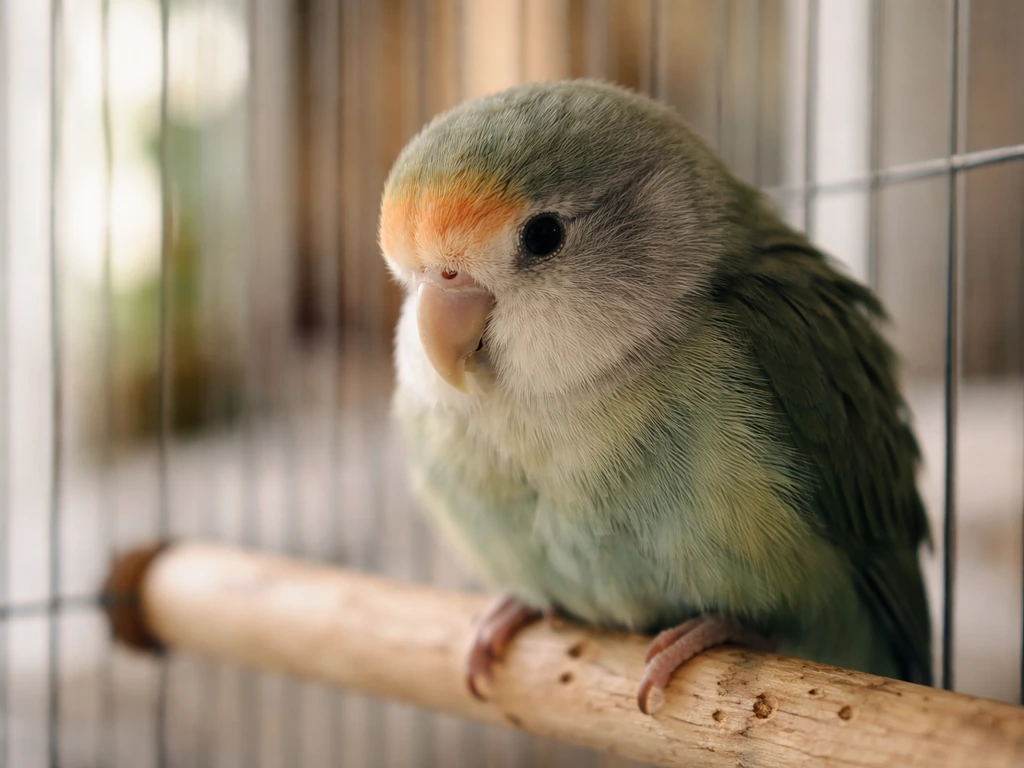
A soft bite from your bird is not the same as an attack, but it is still your bird trying to tell you something. Most of the time, soft biting is communication: your bird is testing you, exploring with its beak, expressing mild annoyance, or asking you to stop what you are doing. The key is figuring out which one is happening so you can respond in the right way instead of accidentally making the behavior worse.
Why Does My Bird Bite Me Softly? Causes and Fixes

Marcus Chen
17 Apr 2026
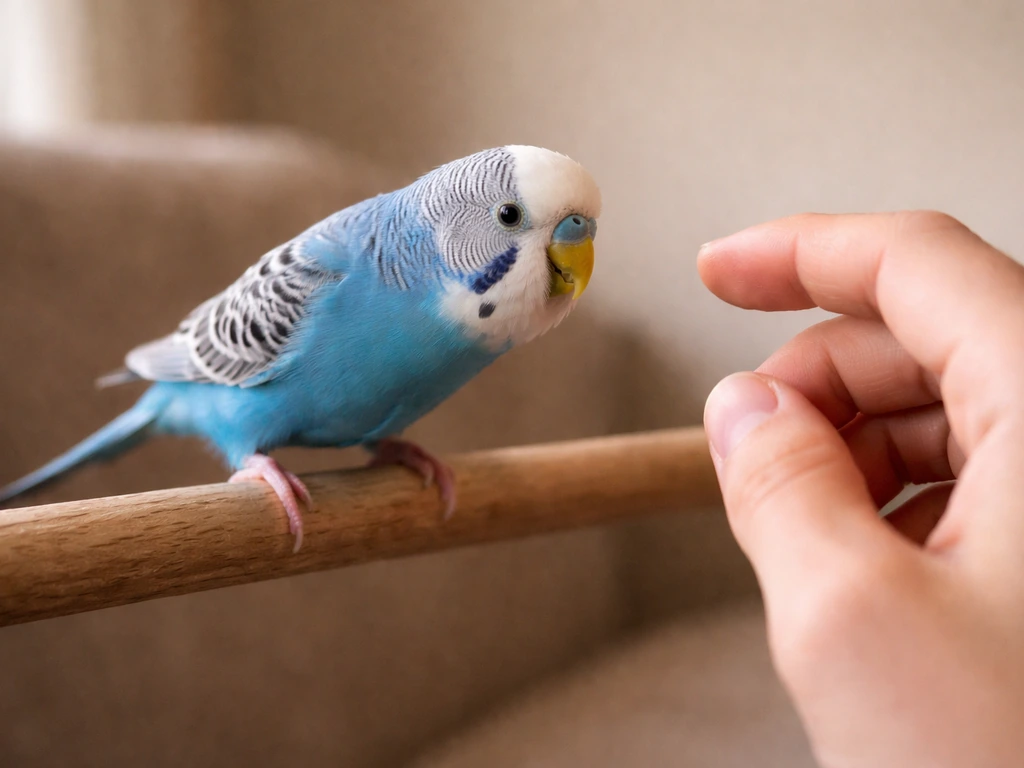
Normal vs. Concerning Biting Behaviors
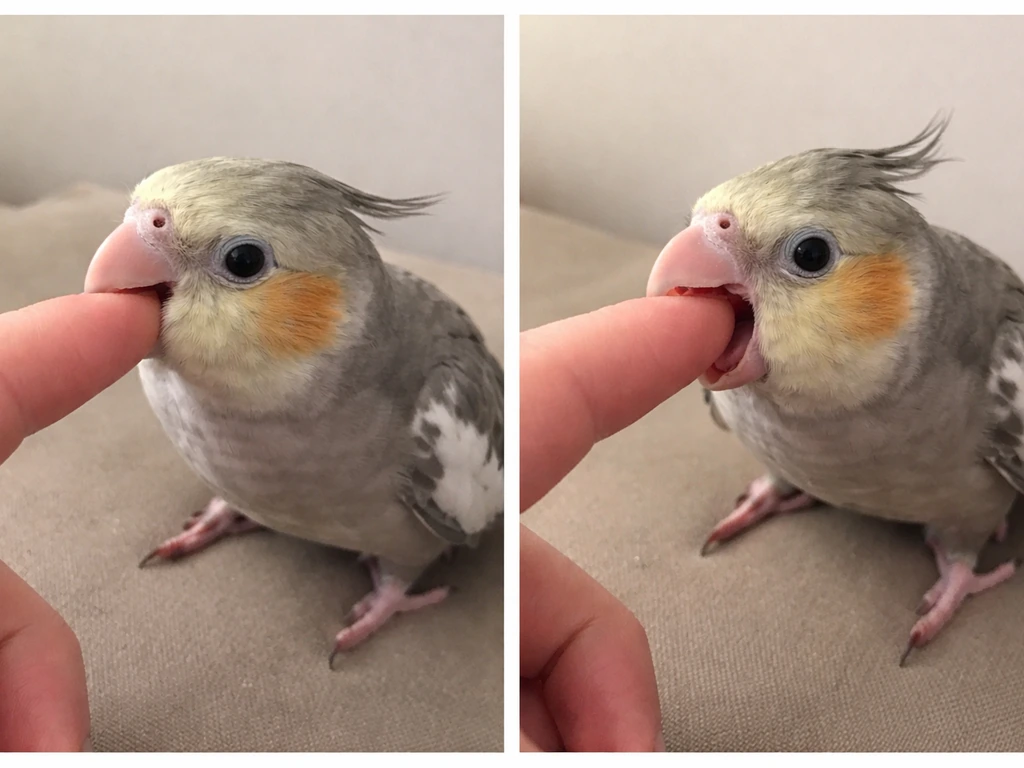
Not all biting is a problem. Birds use their beaks the way we use our hands, so some mouthing and gentle pressure is completely normal. A young bird exploring your fingers with light beak pressure, a bird grooming your skin or cuticles, or a bird giving a quick pinch when it wants to be put down are all within the range of normal bird behavior. None of these require alarm.
What crosses into concerning territory is biting that is sudden and unexplained (especially in a bird that was previously calm), biting that is escalating in force over time, or biting that is paired with other signs like feather destruction, loss of appetite, or changes in droppings. A single soft bite is rarely a red flag. A pattern of increasingly hard, unprovoked bites, especially in a bird that never bit before, is worth taking seriously.
One important rule: never yell, tap your bird's beak, or physically react dramatically after a bite. Research from VCA Animal Hospitals confirms that even negative reactions like yelling can inadvertently reinforce biting because your bird gets a response, and any response can feel like a reward to a bird looking for attention or control of a situation.
Why It Happens: Overstimulation, Petting, Attention, and the 'For No Reason' Bites
The most common reason a bird bites during petting is overstimulation. Birds have a threshold, and once you cross it, the only tool they have to say 'that's enough' is their beak. You may have been petting your bird for five minutes and everything seemed fine, and then suddenly there's a nip. That nip did not come out of nowhere. Your bird was likely signaling discomfort for a while and you missed it.
Attention-seeking bites are also extremely common. If your bird has learned that biting gets you to react, talk to it, or even just look at it, the biting becomes a reliable strategy from the bird's perspective. This is one reason Lafeber's guidance specifically warns against letting a bite turn into a game or a trigger for attention. Even pulling away quickly can become reinforcing if your bird is entertained by the movement.
Then there are the bites that feel truly random. You are sitting calmly, your bird is on your hand, and then it bites you. These often have a trigger you are not seeing: a sound from outside, a reflection in a window, a color you are wearing, or simply the bird having reached its social limit for the day. Birds are sensitive animals and their 'random' bites are almost always responses to something in their environment.
Reading Your Bird's Body Language Before the Bite
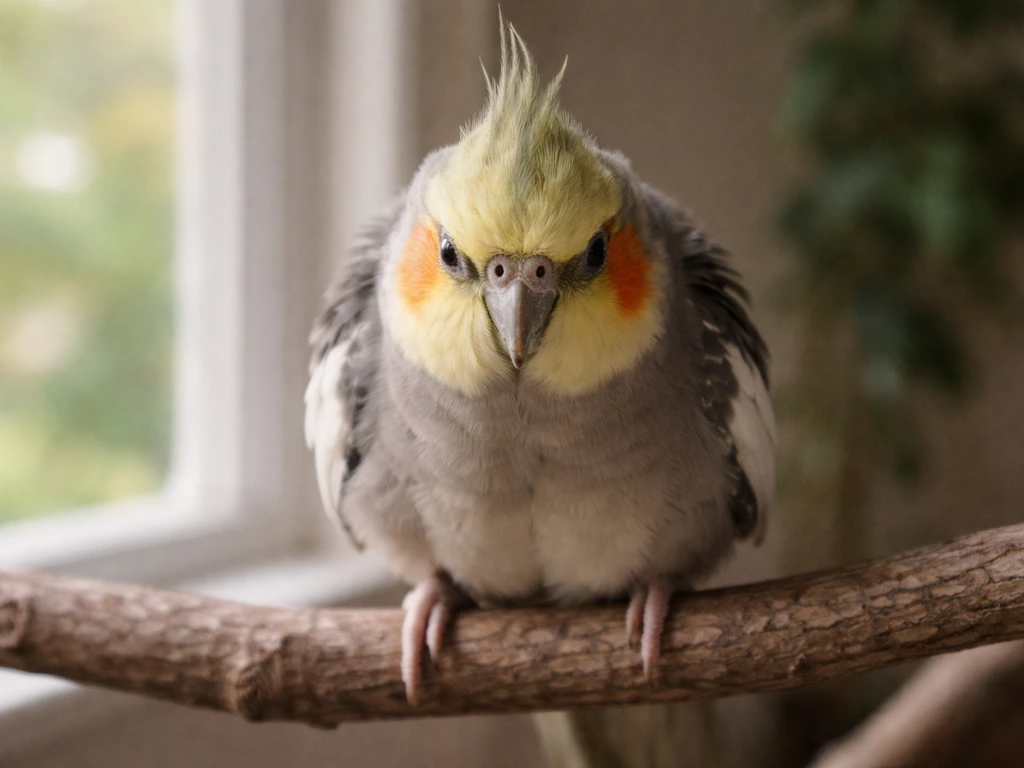
Bites rarely come without warning. The warning signs are just subtle, and most owners miss them until they learn what to look for. The most important signals to watch for are eye pinning (pupils rapidly contracting to small pinpoints), tail fanning, feathers slicked flat against the head, an open beak, crouching with the body tilted forward, raised neck feathers, and freezing in place. Any one of these is a yellow flag. Multiple together is a red flag.
Eye pinning deserves special attention. According to Fear Free avian training materials, pinned pupils can mean a bite is imminent depending on what else the bird is doing. Chewy's bird behavior resources reinforce this: eye pinning combined with a tense posture often means your bird wants distance from you right now. If you see pinned eyes and a stiff body, stop the interaction and give your bird space before the bite happens.
Beak N Wings notes that tail fanning paired with pupil flashing is essentially your bird saying 'back off.' Growling with dilated pupils and raised feathers is another clear aggression indicator. If your bird is showing these signs and you continue the interaction anyway, the bite that follows is not unprovoked. It is the last signal in a sequence your bird already gave you.
The Gabriel Foundation's training guidance makes a practical point here: recognizing body language before bites happen is the foundation of any bite-reduction plan. If you can stop the interaction at the warning sign, you break the chain before it ends in a bite.
Biting by Type: Fingers, Everything, All of a Sudden, and Aggressive Biting
Biting Your Fingers
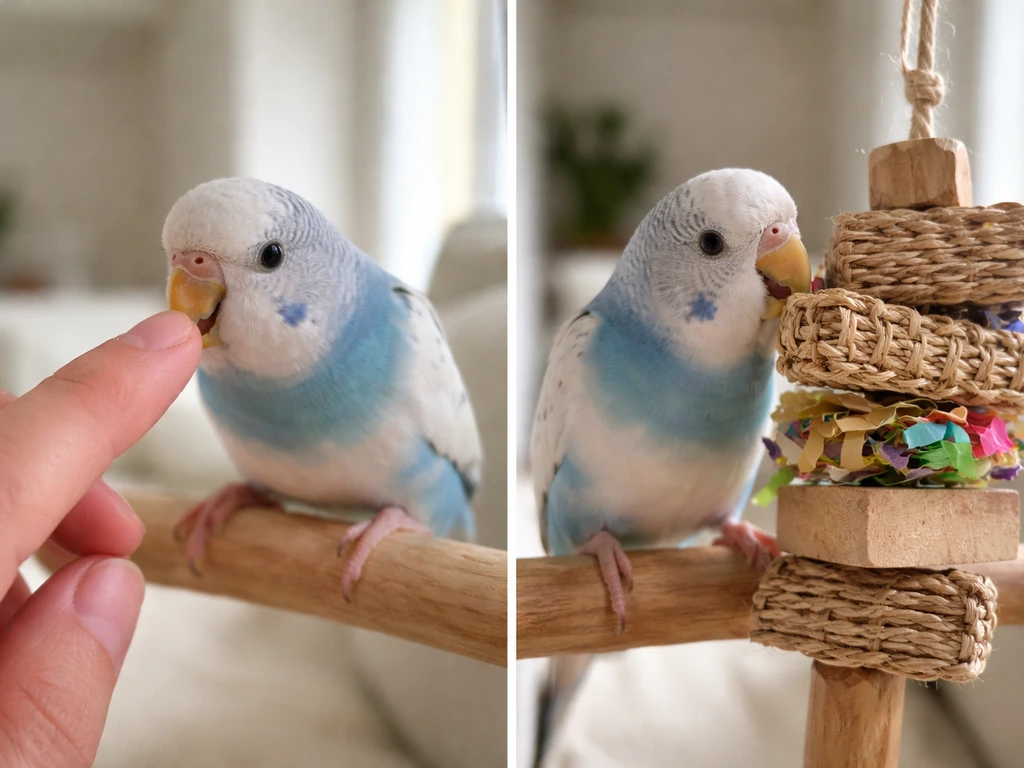
Finger biting is the most reported type and has the widest range of causes. Gentle finger biting during handling is often exploratory or a mild 'not right now' message. Harder finger biting during step-up attempts usually means the bird has not fully accepted hand training, feels trapped, or has been pushed past its comfort zone. If your bird bites your fingers specifically when you move your hand toward it, slow down the approach and let the bird choose to engage rather than pressing it. PetMD also advises discouraging biting during step-up by guiding your bird’s body position and presenting the hand in a confident, structured way rather than forcing or reacting in frustration slow down the approach and let the bird choose to engage rather than pressing it.
Biting Everything
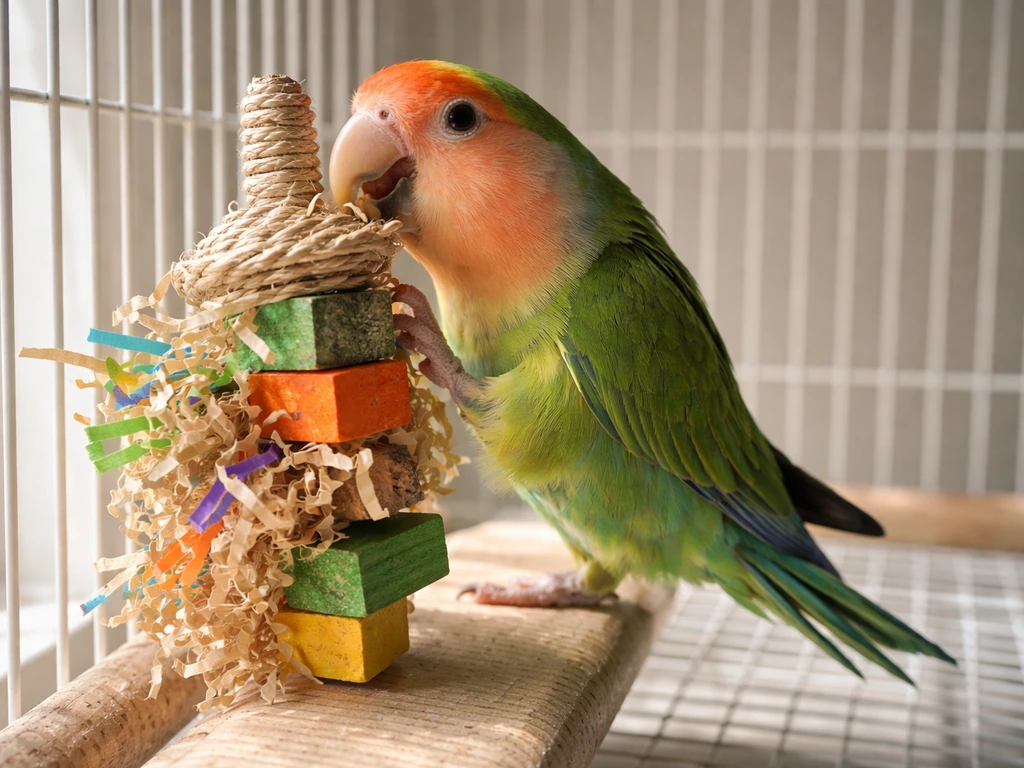
Some birds bite cage bars, perches, toys, your jewelry, and you with equal enthusiasm. This is often beak enrichment behavior rather than true aggression. Birds need to chew, and if they are not getting enough stimulation, they will find their own targets. However, if you notice your bird also seems restless, paces, or bites cage bars repetitively, that can be a sign of stress or boredom. You can read more about what cage biting specifically communicates in this article about why is my bird biting the cage, which covers the behavioral and environmental factors behind that specific habit.
Sudden Biting with No History
If your bird has never bitten you and suddenly starts, that is different from a bird that has always been nippy. Sudden changes in behavior, including new aggression, are one of the clearest signals that something is wrong physically or emotionally. Seasonal hormone changes, a new pet or person in the home, a change in your schedule, or an underlying health problem can all trigger this. Do not dismiss sudden biting as 'just a phase' without ruling out other causes.
Aggressive Biting and Lunging
Aggressive biting is distinguished by the body language that comes with it: lunging, open beak, tail fanning, and sometimes a charge. According to dvm360 proceedings on bird behavior, this kind of display involves tail fanning, eye pinning, an open mouth, and feathers slicked back as the bird runs or lunges at a target. This is not a soft exploratory bite. This is a bird that feels seriously threatened or is in a highly aroused hormonal state. Backing off immediately and not forcing the interaction is the right response.
What to Do Right Now to Stop Bites Today
Here are the most important immediate steps you can take today, before any training program kicks in:
- Stop the interaction the moment you see a pre-bite warning sign. Do not wait for the bite to happen before you respond.
- If a bite does happen, stay calm. Do not yell, pull away sharply, or make a big reaction. A neutral, quiet response is the goal.
- If your bird bit during petting, return it calmly to its cage or perch and give it a few minutes to settle before trying again. Lafeber's guidance specifically recommends this as a way to prevent escalation.
- Do not go back in immediately after a bite with more petting or handling. That sequence teaches your bird that biting gets it a break (which is fine) but then immediately more contact (which is confusing).
- Check the context: were you petting near the wings, back, or tail? These zones are often overstimulating for birds. Stick to the head and neck for now.
- Do not reach toward a bird that is showing tail fanning, pinned eyes, or forward-leaning posture. Wait until the bird relaxes first.
One thing Lafeber's biting resources make clear is that pulling away is not a reliable strategy and can actually turn the bite into a game. If a bite happens, the goal is to be boring and consistent, not to create a dramatic reaction your bird finds interesting.
Training Strategies to Reduce Biting Over Time
Teach Step-Up First
If your bird does not have a solid step-up cue, that is where to start. Step-up gives you a way to move your bird without using force, and it gives your bird a clear, predictable interaction they can rely on. Use a treat your bird loves and reward every calm, willing step-up. Avian Behavior International recommends positive reinforcement for hand acceptance as the foundation of any biting-reduction plan.
Desensitize to Petting Gradually
If your bird bites when you pet it, desensitization is the tool. Start by touching only the areas your bird tolerates (usually the head and neck), keeping sessions short (under a minute to start), and stopping before any warning signs appear. Build up duration slowly. The American Parrot Society describes systematic desensitization as one of the most effective approaches for reducing aggression because it rewires the bird's association with touch rather than just punishing the bite.
Use Positive Reinforcement, Not Punishment
Avian Behavior International is explicit about this: punitive methods do not work for bird biting and often make things worse. Instead, reward the behaviors you want to see. Your bird sits calmly while you approach? Give a treat. Your bird accepts a gentle head scratch without biting? End the session on a positive note and offer a reward. The goal is to make calm, non-biting behavior the most reliable way for your bird to get what it wants.
Set a Routine and Manage Triggers
Birds are creatures of routine, and unpredictability increases stress, which increases biting. Set consistent interaction times, keep handling sessions at predictable lengths, and avoid pushing interactions during windows when your bird is typically more irritable (some birds are crankier in the morning or evening). SpectrumCare also recommends avoiding behaviors that encourage mating displays, like cuddling against the body or petting along the back, which can increase hormonal arousal and trigger biting.
Health, Stress, and Pain: When Biting Is a Physical Problem
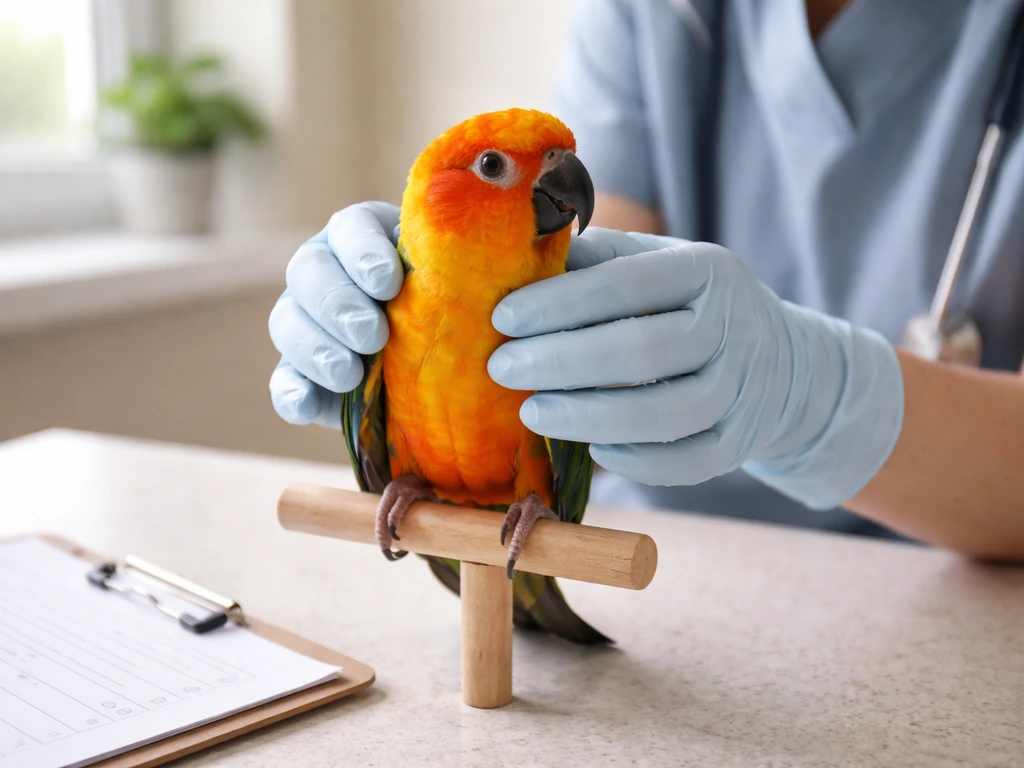
Birds are experts at hiding pain, and aggression is one of the most common ways pain shows up behaviorally. An article from the Royal Veterinary College notes that a change in temperament, including a bird becoming abnormally aggressive, should prompt contact with a veterinary professional. If your bird's biting is sudden and came with no obvious behavioral trigger, pain or illness is a real possibility worth ruling out.
SpectrumCare lists medical causes of sudden aggression that include injury, arthritis or foot pain, feather or skin disease, infection, crop or digestive disease, and internal disease. This matters because owners often assume sudden biting is hormonal or behavioral when it is actually the bird's only way of communicating that something hurts. If you notice your bird is also biting or chewing at its own body, that is worth investigating too. You can find more detail on that in this article covering why is my bird biting itself.
Hormonal periods can also increase aggression, but Pamela Clark, a certified parrot behavior consultant, makes an important point: biting and screaming are not automatically hormonal, and owners should still consider non-hormonal causes including pain and illness. Assuming everything is 'just hormones' can delay a health evaluation that your bird actually needs.
Birds that bite at their own feet or legs may be signaling localized discomfort. If you have noticed your bird is also showing unusual interest in its feet or lower legs alongside biting you, the articles on why does my bird bite his feet and why is my bird biting his leg cover what that self-directed biting can mean and when it needs attention.
Wing biting is another version of this pattern. If your bird is biting or chewing at its wings, that deserves its own look, and the piece on why does my bird bite his wings goes into the behavioral and health explanations for that behavior specifically.
Other Biting Behaviors Worth Understanding
Some birds are particularly fixated on specific targets that are not fingers. If your bird gravitates toward your hair, nails, or scalp, those behaviors have their own logic. Hair biting and hiding in hair are often comfort-seeking or grooming behaviors. If your bird burrows into your hair or bites at it regularly, the articles on why does my bird bite my hair and why does my bird hide in my hair explain what is going on with that impulse and whether it is something to redirect. Similarly, if your bird targets your fingernails specifically, the article on why does my bird bite my nails breaks down why nails are such a compelling target for many birds.
When to Call an Avian Vet or Behavior Specialist
Some biting is a training issue. Some is a health issue. Knowing which one you are dealing with determines your next step.
Call an avian vet promptly if you notice any of the following alongside new or worsening biting:
- Open-mouth breathing, wheezing, or tail bobbing while breathing
- Sitting on the cage floor or unable to perch
- Straining as if trying to defecate or lay an egg (SpectrumCare and VCA both flag egg binding as a medical emergency requiring prompt veterinary care, with signs often appearing within 24 to 48 hours)
- Active bleeding, trauma, or visible injury
- Seizures or collapse
- Significant changes in droppings, vocalizations, or sleep patterns
- Sudden personality change in a bird that has been calm for years
Fleur Pet Hospital specifically lists unusual sudden personality changes, including new aggression, as a reason to contact an avian vet. The pet-sitters.org bird health guidelines add that when severity is unclear, erring on the side of caution and making the call is always the right move.
Consider a certified avian behavior specialist if your bird's biting is consistent and behavioral (not linked to any health symptoms), has not improved after several weeks of positive reinforcement training, is escalating in intensity, or is making handling unsafe. A specialist can observe your bird's specific patterns and give you a targeted plan that generic advice cannot.
Your Next Steps Based on What You Are Seeing
| What you are seeing | Most likely cause | What to do today |
|---|---|---|
| Soft bites during petting | Overstimulation or 'I'm done' signal | Shorten petting sessions, watch for pre-bite signals, stop before a bite happens |
| Biting when you approach or try to step up | Fear or lack of hand training | Slow your approach, use positive reinforcement, build step-up from scratch |
| Sudden biting after being calm for months | Hormones, stress, pain, or illness | Rule out health causes first; consult an avian vet if other symptoms are present |
| Biting everything including cage, toys, and you | Beak enrichment need or boredom | Add chewing toys and enrichment; monitor for stress behaviors |
| Aggressive lunging with tail fanning and eye pinning | Strong arousal, fear, or territorial behavior | Do not force interaction; back off and let the bird calm down; re-evaluate triggers |
| Biting paired with breathing changes, floor-sitting, or straining | Potential medical emergency | Contact an avian vet promptly, do not wait |
The short version: a soft bite is almost always your bird communicating something. Your job is to figure out what, respond calmly without reinforcing the bite, and start building the habits (shorter sessions, clear body language reading, consistent positive reinforcement) that make biting unnecessary for your bird. If the biting is sudden and comes with any physical symptoms, skip the training advice and go straight to your avian vet.
FAQ
Is a soft bite ever actually a sign of aggression, or is it always harmless?
A “soft” bite can still reinforce itself if you respond the wrong way. If your bird bites and you instantly pull away, startle, or keep interacting after warning signs, the bird may learn that biting controls your behavior. Aim to pause interaction, remove your hand calmly, and resume only when your bird is relaxed (no pinned eyes, no stiff posture).
How do I know when to stop petting so my bird does not go from soft mouthing to a nip?
Use “stop while it’s still tolerable” as your rule. Start with the shortest sessions (seconds to under a minute), reward calm body language, then end before you see the first warning sign (stiffness, slicked feathers, pinned eyes, or freezing). If your bird nips immediately after touch begins, treat that as the session limit and only work up gradually.
My bird bites me when I reach for it, but not at other times, what should I change?
If your bird bites only when you approach from a particular direction, it may be a comfort or spatial issue. Try changing your approach angle (slower, more side-on), give the bird a choice to engage (offer the hand briefly, then retreat if it leans away), and reward any voluntary contact. Moving too fast or reaching over the bird can tip it into “distance” behavior.
Can I train through biting during step-up, or should I stop trying each time my bird nips?
Step-up is a safety and clarity tool, and it works best when you make the target consistent. If your bird bites during step-up attempts, avoid repeating the attempt immediately after a bite. Back up to the last level of success, reward quicker acceptance, and keep your hand positioning predictable (same height, same path).
Why does my bird bite certain things (hair, nails, jewelry) but not other parts of me?
Yes, and it’s common. If your bird bites jewelry, nails, hair, or a specific color, it can be beak exploration or target-seeking rather than “anger.” The practical fix is to stop rewarding the target with attention, redirect to appropriate chewing (safe toys), and adjust your routine (cover your hands, avoid dangling items) while you teach a calm alternative behavior.
My bird pins its eyes and then soft-bites, does that mean it’s afraid or overstimulated?
Many owners interpret fear signs as “being cranky,” but pinned eyes plus a tense, forward-leaning posture often means your bird wants distance. The best response is to end the interaction, give the bird a breather, and try again later with shorter sessions. For repeated fear-based patterns, prioritize desensitization at a low intensity rather than more handling.
Why does the biting happen at specific times or after certain household activities?
If you find it happens mostly during certain times (morning vs evening), during certain activities (getting ready, vacuuming, dishes), or when family members move differently, those are likely triggers you can reduce. Keep interaction timing consistent, avoid handling during known irritable windows, and reduce sudden environmental changes (noise, reflective movement).
What signs mean I should treat this as a health problem instead of a training problem?
If the bite behavior is new, worsening, or paired with physical changes, do not assume it’s behavioral. Watch for signs like reduced appetite, changes in droppings, increased chewing at their own body, limping, or changes in sleeping and posture. When pain is possible, the “next step” is scheduling an avian vet visit before ramping up training.
My bird bites, then acts normal right after, does that mean it’s just playing?
If your bird bites and then immediately returns to calm, the bite can be a communication tool or a “session ends now” message. Still, you should remove the stimulus (your hand), end the session, and do not reintroduce touch right away. Reward calm, non-biting behavior afterward to teach what reliably gets positive outcomes.
What are common mistakes that make soft biting worse?
Avoid punishment-based reactions and avoid turning biting into a chase or game. Also avoid tapping the beak or yelling, as even negative attention can become a payoff. A better approach is to be boring and consistent: end interaction at warning signs, remove your hand calmly, and restart only when your bird is relaxed and willing.
My bird mostly finger-bites, what should I do first, training or redirection?
If a bird targets fingers repeatedly, it can be because the fingers are the “available” object for exploratory chewing or because hand approach is confusing or too intense. Redirect by focusing on a structured alternative (step-up on cue, touch only tolerated zones, or offering a safe chew toy). Over time, reinforce the behavior you want, like calm stepping onto your hand without reaching.
Does the biting mean something different if it happens while my bird is on my hand versus on a perch?
Yes. If your bird bites when it is on your hand but not when it is on a perch, the context is giving a clue. Try changing the setup: practice brief touches with the bird on a stable perch, then gradually work toward hand-based interactions once your bird shows stable calm (no pinned eyes, no stiff body).
Next Article
Why Is My Bird Making Whimpering Noises? What to Check
Find reasons for whimpering bird noises, quick home checks, and red flags for urgent vet care plus tracking tips.