
If your bird is biting or chewing his wings, it usually means one of two things: he's doing a form of excessive preening or feather chewing, or he's engaging in true feather destructive behavior that's damaging feathers or skin. Both need your attention, but they have very different causes and urgency levels. The tricky part is that this behavior is almost always multifactorial, meaning a medical problem and a behavioral trigger can both be happening at once. The Royal Veterinary College (Beaumont Sainsbury Animal Hospital) notes that blank" rel="noopener noreferrer">feather plucking has many causes and is often multifactorial, so multiple contributing factors may need to be addressed together. Your first job today is to figure out which pattern you're seeing and whether there's any skin involvement, because that determines how fast you need to act. If your bird bites you softly, treat that as a clue to assess both possible discomfort and stress triggers, not just “play” behavior.
Why Does My Bird Bite His Wings? Causes and What to Check Now

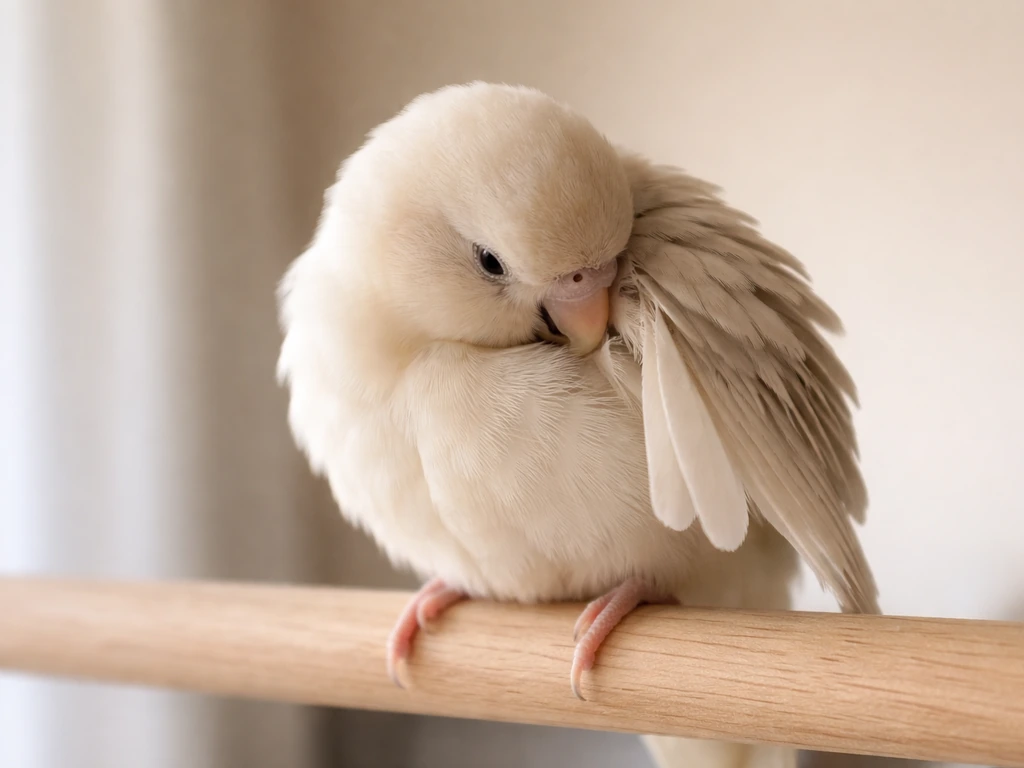
Feather chewing vs. self-harm: what you're actually seeing
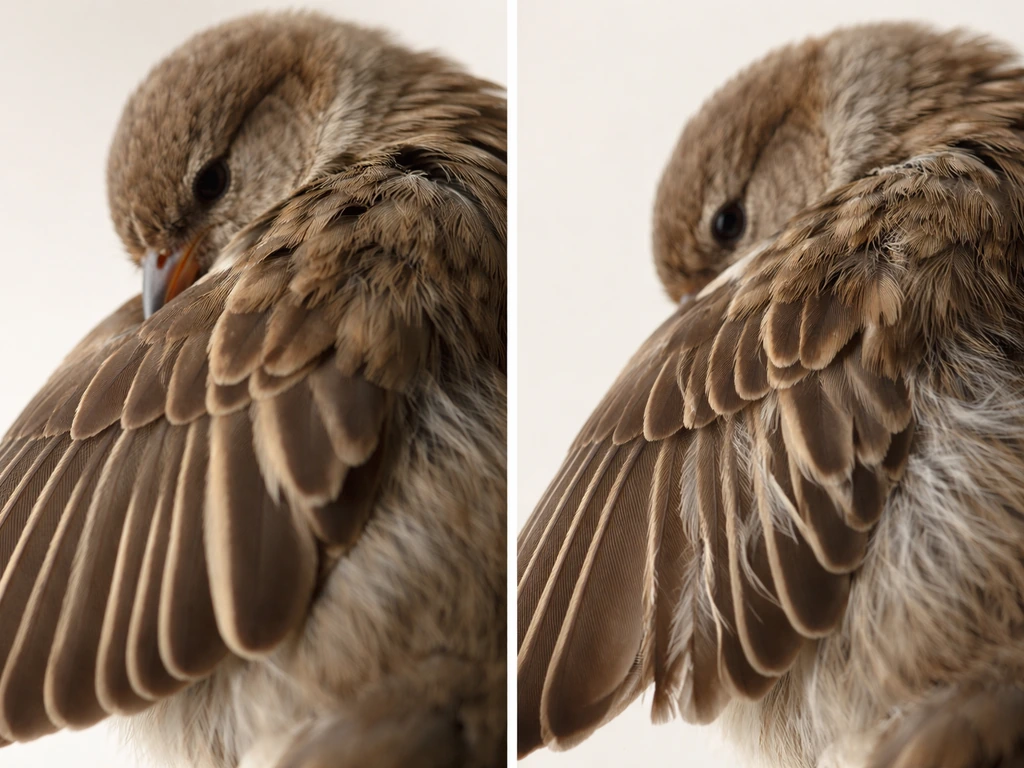
Not all wing biting looks the same, and the difference matters a lot. Normal preening is a daily routine where your bird smoothes, aligns, and cleans feathers using his beak. It looks deliberate, rhythmic, and calm. Feather chewing or destructive behavior looks different: you'll notice feathers that are frayed at the tips, snapped off, or pulled out entirely, and in more serious cases, you'll see irregular bare patches or exposed skin on the wings.
Molting is another thing people sometimes confuse with plucking. During a normal molt, feather loss is symmetrical, new pin feathers grow in quickly, and the skin stays intact. Feather destructive behavior produces patchy, asymmetrical bald spots, and you may find chewed feather shafts on the cage floor rather than clean, fully shed feathers.
The most important thing to look for right now is skin. If you can see bare skin on the wings, if that skin looks irritated, red, broken, or bleeding, you're past the behavioral curiosity stage and into territory that needs a vet. A bird biting his wings and drawing blood or creating open wounds is a medical situation, not just a quirk to manage at home.
Common behavioral causes: stress, boredom, anxiety, and hormones
Boredom is frequently cited as the most common reason birds start over-preening or feather chewing. Birds are highly intelligent and need consistent mental engagement. When they don't get it, they turn to repetitive behaviors, and chewing their own feathers is one of the most common outlets. If your bird spends long stretches alone with little to do, this is the first place to look.
Stress and anxiety are close behind. Changes in routine, a new pet or person in the home, moving the cage, loud noises, or even a perceived predator nearby (a cat staring at the cage, for example) can all trigger anxious self-directed behaviors. Birds are creatures of routine, and disruptions land harder than most owners expect.
Hormonal and sexual frustration is a real driver too, especially in spring and summer or if your bird is bonded tightly to one person. Overbreeding stimulation (long light hours, nest-like hiding spots, excessive petting on the back or under the wings) can ramp up frustration that gets redirected toward the bird's own feathers.
It's worth noting here that behavioral causes should really only be concluded after medical ones are ruled out. It's easy to land on 'my bird is bored' and stop there, but if there's an underlying physical issue driving the discomfort, environmental changes alone won't fix it. If you notice your bird hiding in your hair, it can also be a sign of stress, insecurity, or another underlying trigger that should be addressed along with feather-related behavior bird is bored.
Health red flags you should not ignore
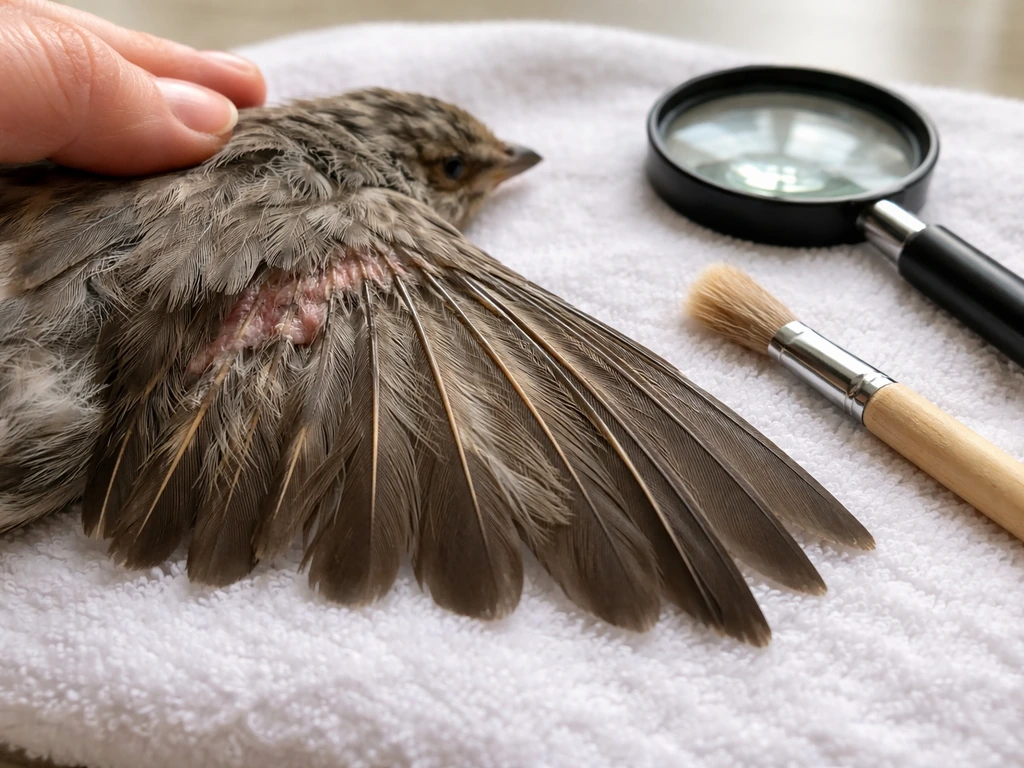
Medical problems are a major driver of feather destructive behavior, and several of them show up specifically on the wings. If you’re seeing biting that looks self-directed, figuring out whether it’s feather destructive behavior versus normal preening can guide the right next steps. Here's what to watch for:
- Parasites: Feather mites, lice, and depluming mites (Knemidocoptes) burrow into the skin and are often too small to see without magnification. They cause intense itching that makes a bird chew the affected area obsessively. You might notice crusty or scaly patches at the feather bases or around the face and legs alongside wing chewing.
- Skin irritation and dryness: Low humidity, allergens, or contact with irritants (new cage materials, cleaning products, scented candles) can cause dry, flaky, or inflamed skin that the bird tries to relieve by chewing.
- Bacterial, viral, or fungal infections: Infections in the skin or feather follicles cause localized inflammation that the bird responds to by biting the area. The skin may look red, swollen, or crusty.
- Nutritional deficiencies: A diet heavy in seeds and low in fresh foods can cause poor feather and skin quality, making feathers brittle and skin uncomfortable. Deficiencies in vitamin A, protein, and essential fatty acids are common culprits.
- Pain or injury: A bird that has injured a wing, strained a muscle, or has an internal problem near a wing may bite or chew at that spot because it hurts or feels abnormal.
- Neurological issues: Less common but possible, nerve-related discomfort can cause a bird to fixate on a specific body area. This is usually suspected when other causes have been eliminated.
If the wing chewing is concentrated in one specific spot and started suddenly, that localized pattern points more toward a physical cause like pain, a lesion, or a parasite rather than a generalized behavioral issue.
Check your setup: environment and husbandry basics
Sometimes the trigger is sitting right there in the cage. Before you go further, run through these husbandry basics and see what might need fixing.
Cage and space
The cage should be large enough for your bird to fully extend and flap his wings without hitting the sides. Overcrowding, a cage placed in a high-traffic or noisy area, or a location near air vents can all cause chronic low-level stress. Make sure the cage is not near kitchen fumes, air fresheners, or cigarette smoke, all of which are respiratory and skin irritants for birds.
Perches and toys
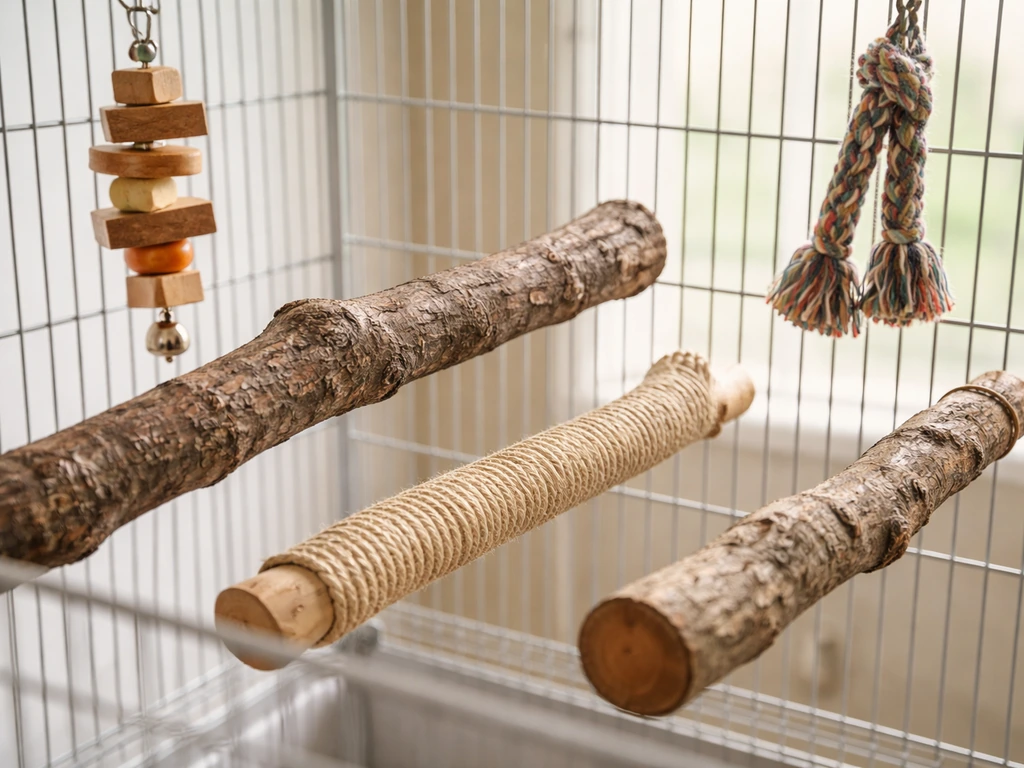
Uniform, smooth dowel perches cause foot discomfort and don't provide the natural variation birds need. Use perches of varying diameters and textures (natural wood, rope, or concrete perches for nail wear). Toys matter too: foraging toys and puzzle feeders that require work to access food are especially effective at reducing boredom-driven behaviors. Foraging-based enrichment is a commonly recommended behavior modification approach for avian boredom, and foraging toys or foraging trees can increase the “work” birds must do to retrieve food foraging toys and puzzle feeders that require work to access food. Rotate toys every week or two so novelty is maintained. Note: if you're treating for mites, wooden perches and toys need to be replaced or thoroughly disinfected, since mites can hide in the grain.
Temperature and humidity
Most pet birds do well between 65 and 85 degrees Fahrenheit. Dry air, especially in winter with forced-heat systems, can drop humidity below what tropical birds need (ideally 40 to 60 percent). Low humidity dries out skin and feathers, which can spark itching and chewing. A simple room humidifier near the cage or regular misting with clean water can help.
Diet
A seed-only diet is one of the most common underlying contributors to feather and skin problems. Seeds are high in fat and low in vitamins A, D3, and essential amino acids. If your bird isn't eating a pelleted diet with daily fresh vegetables and limited fruit, improving the diet should be on your list regardless of what else you do. Changes don't fix things overnight, but poor nutrition over time quietly makes skin and feathers worse.
Light and sleep
Birds need consistent light cycles. Aim for no more than 12 hours of light per day, and cover the cage for at least 12 hours at night in a quiet, dark spot. Disrupted sleep is a real stressor that can amplify behavioral problems and hormonal imbalance, both of which feed into feather destructive behavior.
What to do today: an observation checklist and immediate steps
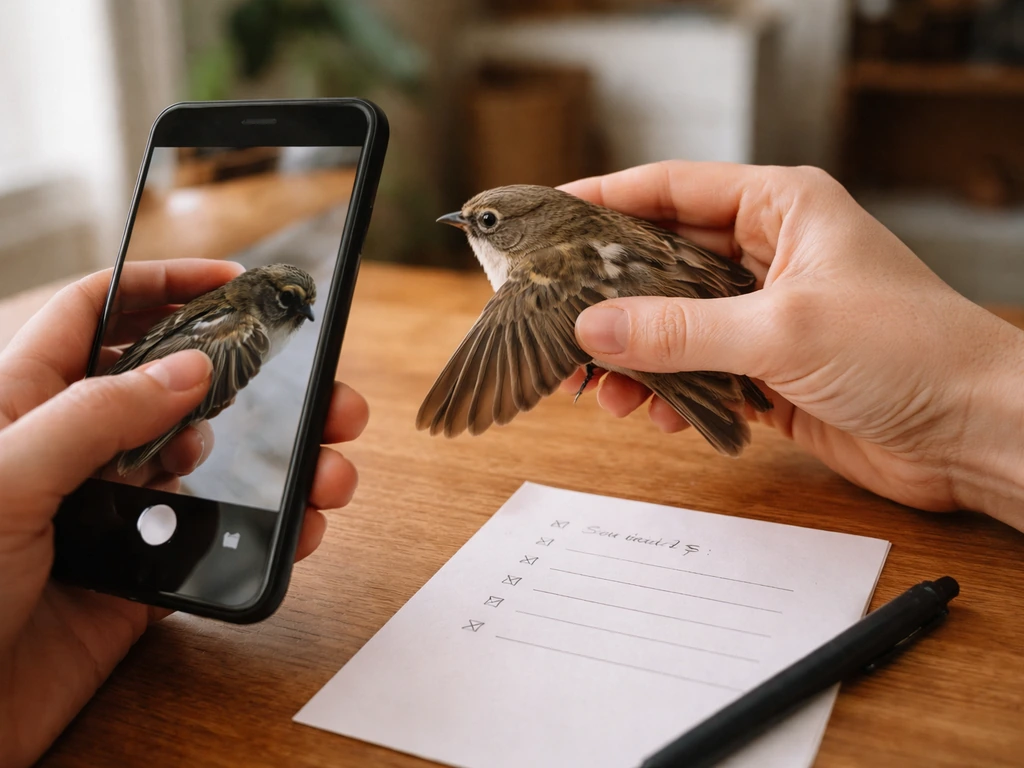
Before you can fix the problem, you need to understand it better. Spend the next 24 to 48 hours actively observing and noting the following:
- When does the chewing happen? Is it at a specific time of day, when you leave the room, or when the cage is covered? Timing can point to anxiety vs. boredom vs. hormonal triggers.
- Where exactly on the wings? One specific spot suggests localized discomfort (pain, parasite, lesion). All-over wing chewing is more likely behavioral or nutritional.
- What do the feathers look like? Are shafts snapped, tips frayed, or feathers fully missing? Note if there are any bare skin patches, redness, swelling, or any signs of bleeding.
- Is there any scratching at the head, face, or legs too? Multi-site itching strongly suggests parasites or a systemic skin problem.
- Has anything changed recently? New food, new toy, cleaning products, a new person or pet, a moved cage, a schedule change. Write it down.
- How are appetite, droppings, and activity level? Any changes in these alongside wing chewing are a signal that something bigger may be going on.
Immediate, safe interventions
If there's no skin involvement yet and the behavior seems mild, you can try these today while you gather more information:
- Add a foraging toy or rotate existing toys to break up monotony immediately.
- Mist your bird with clean, lukewarm water once or twice a day to relieve any dry skin irritation and give him something engaging to do.
- Reduce hormonal stimulation: shorten light exposure, remove any enclosed nesting-type spaces, and avoid petting on the back or under wings.
- Do not reinforce the behavior by rushing over or making a fuss when you see your bird chewing his wings. Quietly leave the room for a few minutes instead of giving attention at that moment. Reacting with concern or excitement can accidentally reward the behavior.
- Remove any new products introduced recently (new cleaning sprays, air fresheners, scented candles) to eliminate possible irritants.
- Check the diet and start transitioning toward pellets and fresh vegetables if needed.
If you see any open skin, wounds, or blood, skip the at-home steps and go straight to contacting an avian vet. Similarly, if your bird is biting his legs or feet alongside the wings, that wider pattern of self-directed behavior warrants faster veterinary attention.
When to get to a vet, and how to prepare
Some situations are urgent and should not wait. Contact an avian vet right away if you see any of these:
- Broken skin, bleeding, or open wounds on the wings from biting
- A blood feather (a growing feather with active blood supply) that has been damaged or is bleeding
- Lethargy, fluffed feathers, or sitting at the bottom of the cage alongside the wing biting
- Labored or unusual breathing
- Significant loss of appetite or changes in droppings
- Rapid worsening of feather loss or skin damage over a short period
For non-emergency cases where you see progressive feather damage, bare patches, or chewing that isn't resolving after a week or two of environmental improvements, book a standard avian vet appointment rather than continuing to wait.
How to prepare for the appointment
Bring your written observations: when the behavior started, what it looks like, how often it happens, any recent changes in environment or diet, and photos or video if you can capture them. Video is especially useful because birds often behave differently at the vet clinic. Note your bird's current diet in detail, the cage setup, and any products used near the cage.
Ask your vet specifically about ruling out parasites (skin scraping or feather examination), checking for bacterial or fungal skin infection, and whether bloodwork is warranted to look at nutritional status and organ function. A good avian vet will approach feather destructive behavior systematically, starting with physical causes before attributing anything to behavior.
Depending on what the vet finds, diagnostics may include skin cytology, feather pulp cultures, complete blood count, and biochemistry panel. If the skin is damaged, the vet may fit your bird with a recovery cone (also called an e-collar) to allow healing while the underlying cause is treated.
Long-term prevention: enrichment, routine, and monitoring
Once you've addressed the immediate cause, the goal is to build an environment and routine that reduces the chances of this coming back. Feather destructive behavior tends to become habitual if it goes on long enough, so the sooner you get on top of it and the more consistently you maintain a stimulating environment, the better.
- Foraging every day: Don't just place food in a bowl. Hide food in foraging toys, wrap treats in paper, or use a foraging tree. Making your bird work for his food occupies him mentally and mimics natural behavior.
- Consistent handling and out-of-cage time: Regular, predictable interaction reduces anxiety. Aim for at least an hour of out-of-cage time daily and keep your handling schedule as consistent as possible.
- Rotate enrichment: Change out toys every week or two. New textures, sounds, and puzzles keep your bird engaged without overwhelming him.
- Stable light and sleep schedule: Maintain the 12-hours-light, 12-hours-dark routine year-round. Seasonal light changes can trigger hormonal surges that feed feather chewing.
- Regular diet review: Keep pushing toward a pellet-based diet with daily vegetables. Reassess annually with your vet.
- Weekly feather and skin checks: Once a week, do a calm, hands-on check of your bird's wings and body. Look for new bare patches, skin changes, feather quality changes, or any lumps. Early detection is everything with feather destructive behavior.
- Annual avian vet checkups: Even if your bird seems fine, a yearly exam catches nutritional deficiencies, low-level parasites, or early disease before they escalate.
Keep in mind that if your bird is also biting himself elsewhere, like his feet or legs, the same principles apply: rule out physical causes first, then look at environment and enrichment. Feather and self-directed behaviors tend to share the same root causes, so a solid prevention routine covers a lot of ground at once.
Wing biting that catches you early, before the skin is involved and before it becomes a deeply ingrained habit, is absolutely manageable. Your observations over the next few days will tell you a lot. If you're unsure or the behavior isn't improving, an avian vet is always the right call. This is one of those situations where acting sooner costs you much less than waiting.
FAQ
Does wing biting always mean boredom or stress?
If the chewing happens in a tight, repeatable pattern on the same spot, especially soon after waking or after certain sounds, schedule changes, or handling, it is more likely driven by discomfort or a specific trigger than by general boredom. Track exact timing and location, then describe that pattern to your avian vet.
How can I tell if it is feather destruction or normal molting?
Yes, molting can look similar, but real feather destruction typically produces patchy, uneven areas and broken feather shafts, and you may see skin irritation. If you still see symmetrical new growth (pin feathers) and intact skin, it may be molt-related rather than self-mutilation. When in doubt, check daily for redness or open spots.
What signs suggest mites or another parasite causing wing chewing?
Consider parasites and skin irritation high on the list if you see sudden onset, localized chewing, crusting, flakes, or your bird seems itchy. Mites and other external parasites often worsen with time, so waiting until bare skin appears can delay effective treatment.
Should I stop the behavior by scolding, spraying, or putting the bird back in place?
Quieter handling matters. Avoid putting your fingers near the wings during a biting episode, and do not punish or spray the bird, because that can increase anxiety and strengthen the behavior. Instead, redirect to foraging, offer a preferred toy, and keep the environment stable while you assess whether skin is involved.
Can household products or air fresheners make my bird bite his wings?
New furniture, strong cleaners, aerosols, scented candles, and non-bird-safe air fresheners can irritate skin and airways and indirectly trigger self-directed chewing. If you changed any of these recently, stop using them and ventilate the room before assuming the cause is behavioral.
What is the difference between mild feather chewing and something more serious?
Try to differentiate mild preening-like chewing from self-destruction by checking for feather shaft breakage and skin changes, and by how fast the damage is increasing. If feathers look frayed and the skin stays intact, you can trial enrichment and husbandry changes briefly, but if damage is progressing or you see irritation, treat it as medical and contact an avian vet.
What should I do if I notice a small scab or fresh redness on the wing?
If you use peroxide, alcohol, or harsh antiseptics on wing skin, you can worsen irritation and delay healing. If there is open skin, the safest next step is veterinary guidance, and in the meantime keep the area clean and dry and minimize handling.
If I improve diet, will the wing biting stop right away?
Feeding changes usually help, but do not expect fast reversal. Nutritional fixes can support healthier feather regrowth over weeks, while active chewing may need immediate environmental and medical intervention. If the behavior is causing wounds, nutrition alone is not enough.
When should I worry that it is spreading beyond the wings?
Do not assume it is normal if the behavior spreads from one wing spot to multiple areas or to other body parts like legs and feet. Expansion often means the underlying trigger is broader (pain, systemic issue, or worsening environmental stress), which supports earlier veterinary evaluation.
How long should I wait before seeing an avian vet if wing biting continues?
Yes. If he is chewing at a fast rate or there are repeated episodes daily with no improvement, a week or two is often too long, especially if there is any skin irritation. A practical rule, if you see redness, exposed skin, or bleeding, contact an avian vet promptly.
What other symptoms should I look for alongside wing biting?
Watch for other self-directed behaviors occurring alongside wing chewing, changes in droppings, reduced appetite, hiding, lethargy, or weight loss. These can signal pain or systemic illness, not just environment or boredom.
Can I treat this like mites myself without a diagnosis?
If you are planning to treat for mites at home, first confirm whether external parasites are likely, because many products can be unsafe or misapplied and can irritate skin further. Your vet can advise on the correct diagnosis and the appropriate treatment schedule, and they can also check for bacterial or fungal issues.
What should I film or document before my avian vet appointment?
Video helps because it captures posture, frequency, and any triggering context that is hard to notice in person. Include clear shots of both wings, the feet if relevant, and the area of the cage where he spends time, then note diet and any recent changes in lighting or room noise.
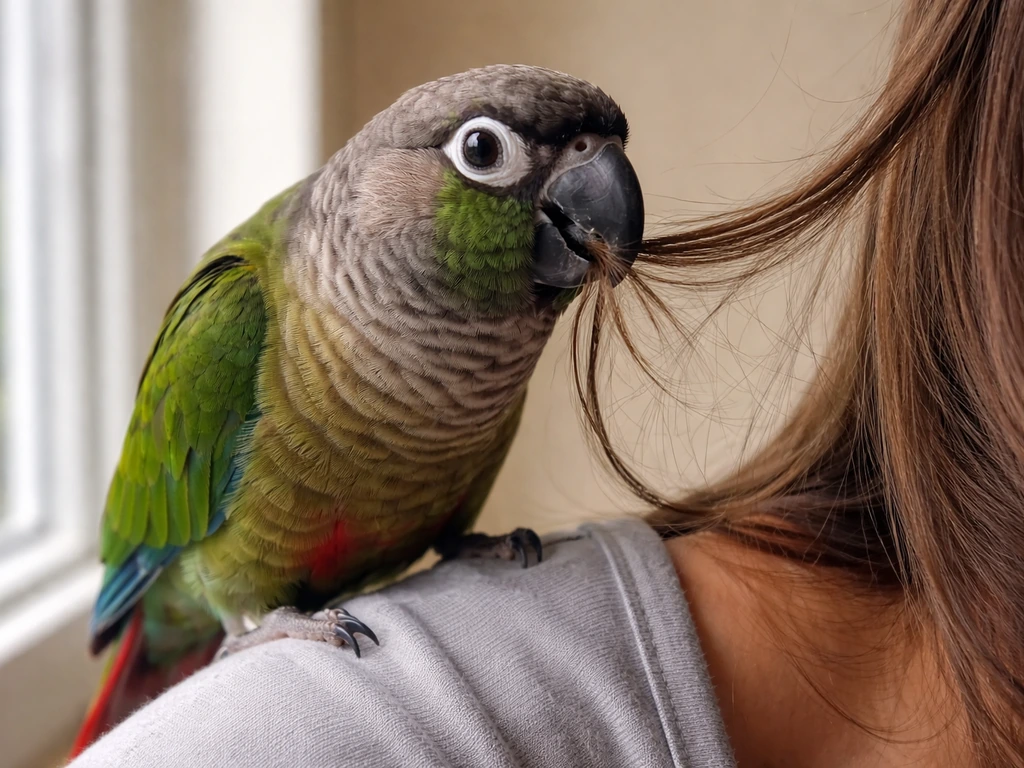
Learn why your bird bites hair and get safe fixes, enrichment tips, and vet red flags to stop it.
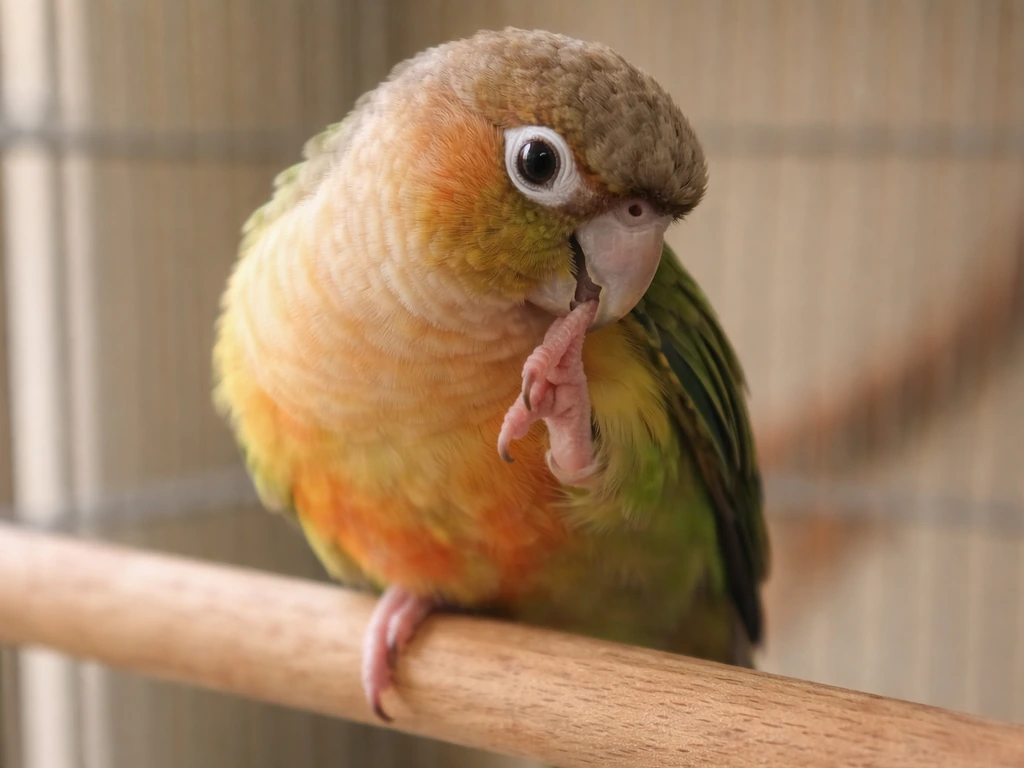
Learn why your bird bites his leg and follow quick checks, safe steps, prevention, and when to see a vet.
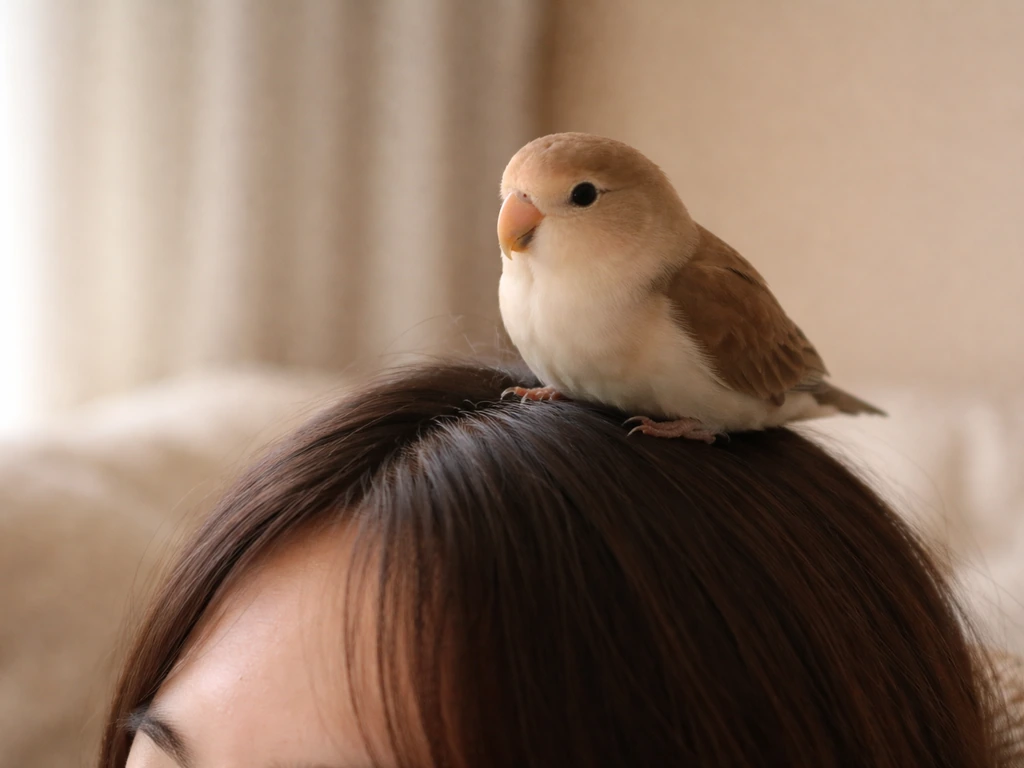
Find why your bird hides in your hair, how to tell stress vs health issues, and step-by-step fixes.