Most of the time, a bird moving his head up and down is doing something completely normal. Head bobbing is one of the most common ways pet birds communicate, whether they're trying to get your attention, showing off during courtship, or just expressing excitement. That said, the same motion can occasionally signal stress, discomfort, or a health problem, so the context around the bobbing matters a lot. This guide walks you through how to tell the difference and what to do about it today.
Why Does My Bird Move His Head Up and Down? Causes and What to Do

Marcus Chen
1 Jun 2026
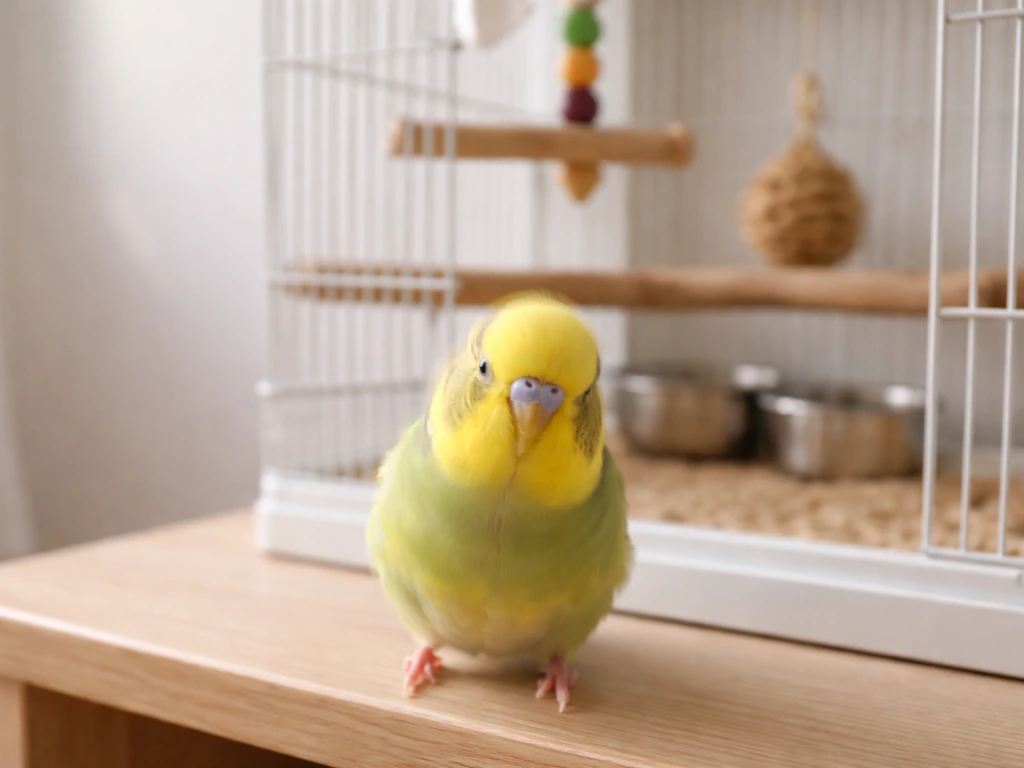
What head bobbing usually means
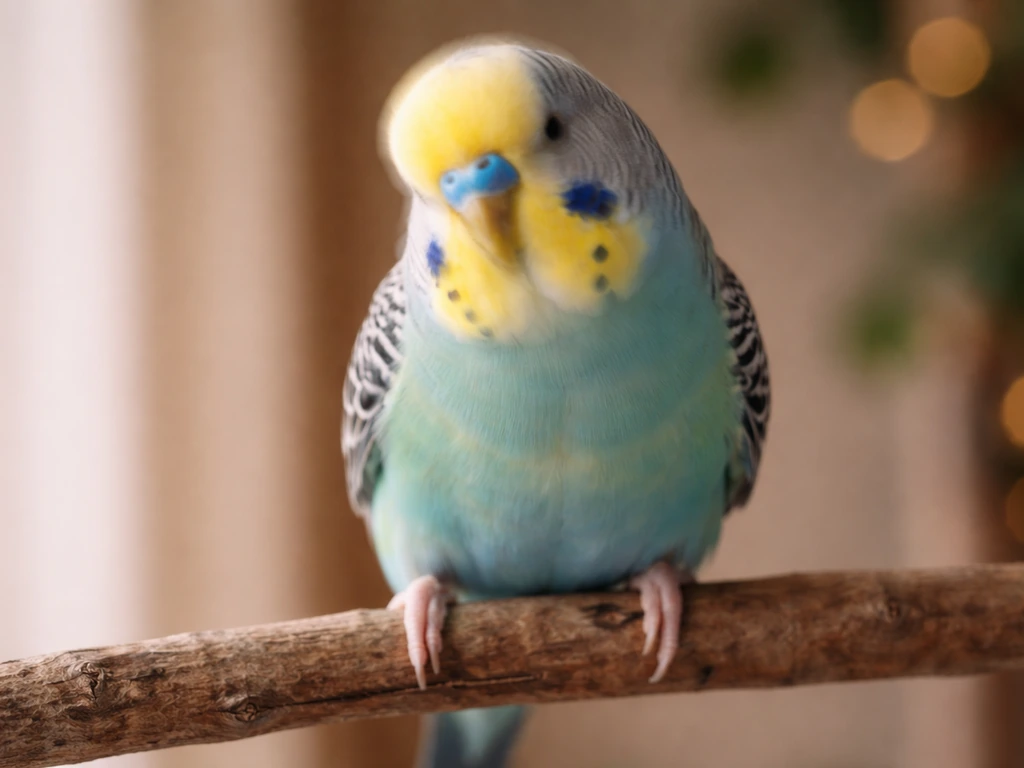
Head bobbing is a well-documented part of normal bird body language, especially in budgies, cockatiels, conures, and parrots. It's not random. Birds are using the motion to communicate something specific, and in most cases that something is pretty positive.
The most common meaning is simply: 'Hey, look at me.' Budgies in particular will bob their heads repeatedly to grab your attention, and if you respond with praise or interaction, they quickly figure out it works and keep doing it. Cockatiels often launch into a bob as soon as you walk toward the cage, which is less of a health concern and more of a greeting habit.
Head bobbing is also tied to mood and social status. A bird that's excited, happy, or feeling playful will bob. A bird in mating mode will bob. A bird that's vocalizing or singing will sometimes bob in rhythm. These are all purposeful, communicative movements with a clear trigger you can usually identify just by looking at the situation.
Common behavior triggers to check first
Before assuming anything is wrong, run through these normal behavioral reasons. One of them covers the majority of cases.
- Attention-seeking: Your bird has learned that bobbing gets a reaction from you. This is especially common in budgies and conures after positive reinforcement (even accidental).
- Excitement or stimulation: New toys, a favorite food, activity nearby, or the TV turning on can all trigger enthusiastic bobbing.
- Courtship and mating displays: Sexually mature birds bob as part of their mating behavior. Cockatiels pair this with crest displays and posturing. Budgies may bob toward a mirror, a favorite toy, or you personally.
- Foraging behavior: Some birds bob while investigating something on the cage floor or working out how to interact with a new object. It's exploratory movement.
- Social bonding: Birds bob toward birds they like and toward people they're bonded with. If your bird bobs at you specifically, it's usually a compliment.
- Species-specific habits: Some species are naturally more prone to visible bobbing than others. Budgies and cockatiels are the most common culprits, and their owners see it almost daily.
If the bobbing happens when you approach, when it's mealtime, when music plays, or when your bird is clearly alert and engaged, you're almost certainly looking at normal communication. The key is that the bird otherwise seems like himself: bright eyes, normal posture, eating and drinking, and making his usual sounds.
Health-related causes worth knowing
Occasionally head bobbing is connected to something medical. If you’re noticing squinting along with other behavior changes, it can point to an eye or illness issue rather than just normal head bobbing, so check closely and consider the health red flags. This is less common than behavioral causes, but it matters to know the difference, especially if the bobbing is new, repetitive without an obvious trigger, or comes with other changes.
Stress and fear
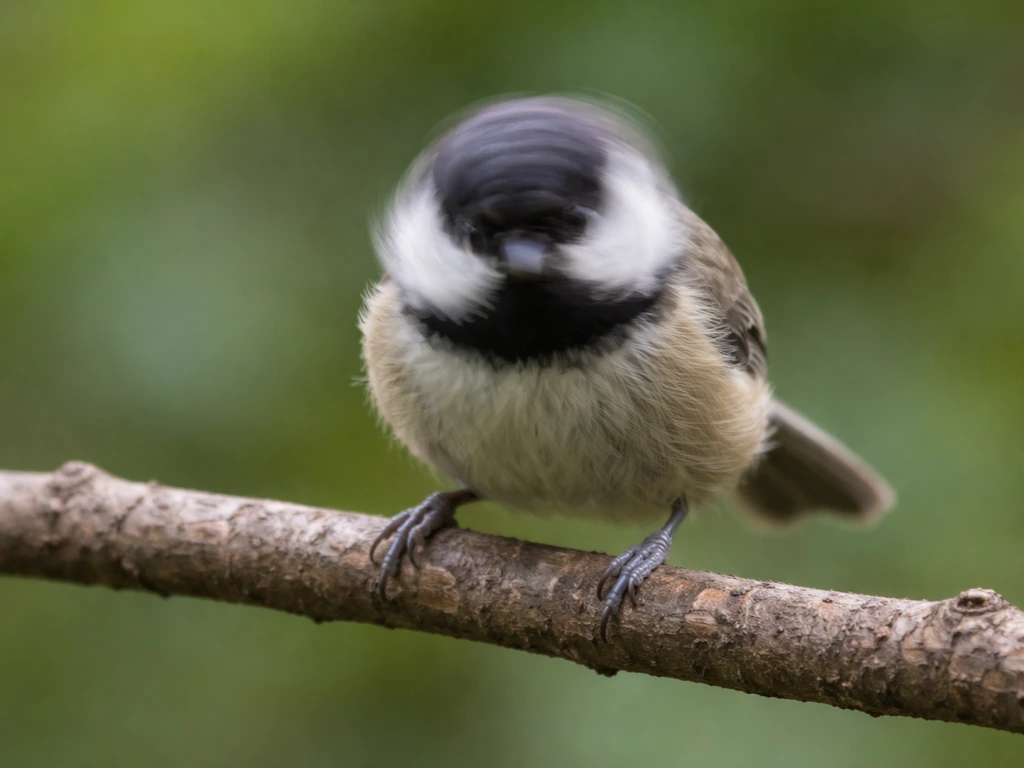
Repetitive, compulsive head movements with no clear social or environmental trigger can be a sign of stress or fear. This is different from purposeful bobbing directed at you or a toy. Stress-related bobbing tends to look mechanical and happen regardless of what's going on around the bird. Think of it as a self-soothing behavior that's appeared because something in the bird's environment isn't right.
Respiratory discomfort
This is the most important medical reason to rule out. Birds with breathing difficulties sometimes show rhythmic bobbing of the head or tail with each breath. This is not voluntary communication. It's the bird using extra muscle effort to move air. If the bobbing appears to sync with the bird's breathing, or if you hear wheezing, clicking, or labored sounds alongside it, that's a completely different situation from normal behavioral bobbing.
Pain or physical discomfort
A bird in pain or discomfort may bob or sway because it's struggling to hold a normal posture. Side-to-side swaying can be another sign of stress, pain, or a neurologic issue, so use the same “what else is happening” approach to narrow it down. Watch for other signs alongside the bobbing: fluffed feathers, reluctance to move, favoring one foot, or sitting low on the perch.
Neurologic signs
Neurologic problems can cause head movements that look like bobbing but are actually involuntary. The difference is in the quality of the movement: neurologic bobbing tends to be erratic, continuous, or combined with other abnormal signs like blank" rel="noopener noreferrer">head or neck twisting, circling, loss of balance, or tilting. If your bird is twisting its neck instead of doing typical head bobbing, that can point to additional causes you should investigate right away head or neck twisting. If you're seeing those alongside the up-and-down motion, treat it as urgent. This is a different situation than what's described in normal head twisting or neck movements, which can also have their own causes worth looking into separately.
How to figure out what you're actually seeing
Context is everything. The same physical motion means completely different things depending on when it happens, how it looks, and what else the bird is doing. Run through this checklist before drawing any conclusions.
- When does it happen? Bobbing tied to your arrival, mealtimes, or specific triggers is almost always behavioral. Bobbing that happens randomly throughout the day or nonstop is a different story.
- How does the bird look otherwise? Bright eyes, smooth or normally held feathers, upright posture, and alertness all point to a healthy bird. Fluffed feathers, closed or squinting eyes, hunched posture, or stillness are warning signs.
- Is the bird eating and drinking normally? Any drop in appetite or water intake alongside new movements warrants attention.
- What do the droppings look like? Significant changes in color, consistency, or volume alongside head bobbing suggest something medical.
- Is there any change in breathing? Listen and watch. Open-mouth breathing, tail or chest movement with each breath, wheezing, clicking, or labored effort are red flags.
- Has anything changed recently? New food, a new cage mate, a different room, a change in temperature, a new household pet, a shift in your schedule. Birds are sensitive to change and can develop stress behaviors quickly.
- Is the bobbing directed at something? A bird bobbing at you, a mirror, another bird, or a toy is communicating. A bird bobbing at nothing, especially repetitively, is different.
- What's the bird's activity level? A bobbing bird that's also playing, vocalizing, and moving around is very different from a bobbing bird that's sitting still and disengaged.
Safe things you can check and adjust at home right now
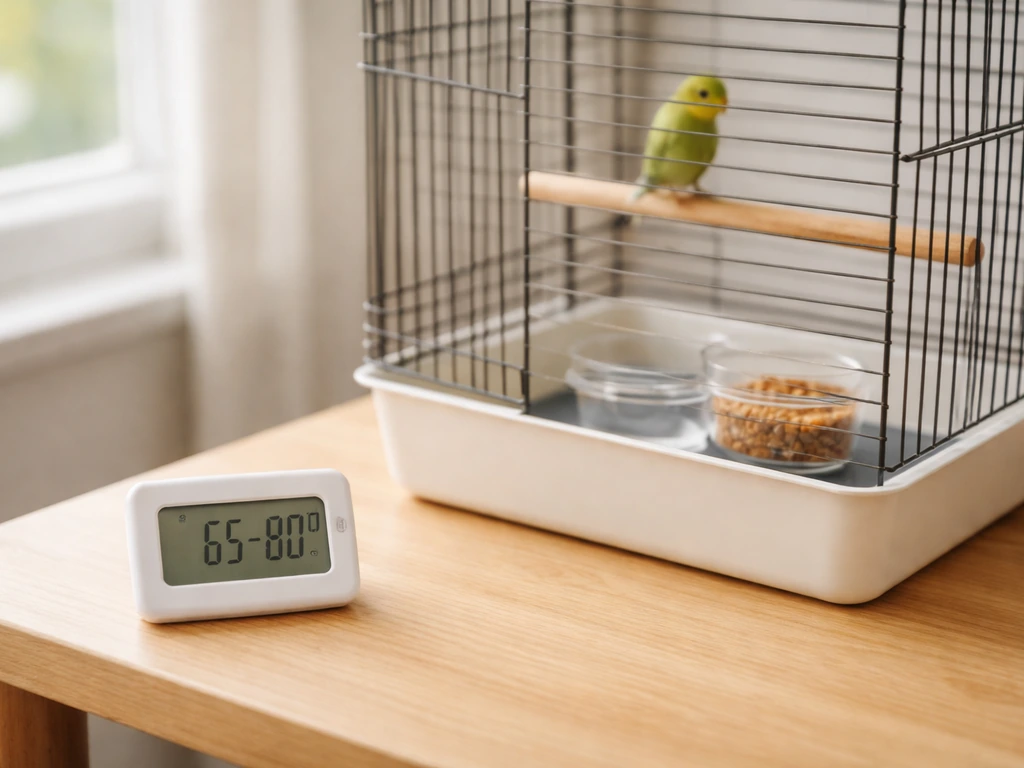
If you've run through the checklist and the bird seems otherwise normal, there are practical things you can look at and fix today before escalating to a vet visit.
- Check the temperature: Birds are comfortable between roughly 65 and 80 degrees Fahrenheit. Too cold or a draft hitting the cage can cause stress and affect posture. Move the cage away from windows, AC vents, and exterior walls if needed.
- Look at cage placement: Is the cage in a high-traffic area? Constant visual disturbances from people, pets, or a TV at eye level can cause chronic low-level stress. Birds feel safer with at least one side of the cage against a wall.
- Inspect the perches: Uncomfortable or slippery perches cause foot pain, which can affect posture and movement. Make sure perches are the right diameter for your bird's feet and aren't slippery or cracked.
- Check for recent changes: New food, a different seed mix, a new toy in the cage, a moved mirror, a visiting pet nearby. Any of these can trigger behavioral changes including increased or changed bobbing.
- Assess your interaction patterns: If you've been responding to bobbing with a lot of positive attention, you may have reinforced the behavior. That's not a problem, just useful to know.
- Observe for 24 hours with notes: Before assuming the worst, spend a day writing down when the bobbing happens, how long it lasts, and what was going on. Patterns often become obvious once you're tracking.
Red flags that mean call the vet today
Most head bobbing is harmless, but there are specific combinations of signs that mean you shouldn't wait. If you see any of the following, contact an avian vet the same day.
- Open-mouth breathing or labored breathing at rest
- Head or tail bobbing that visibly syncs with each breath
- Wheezing, clicking, or unusual breathing sounds alongside the bobbing
- Fluffed feathers combined with lethargy, not eating, or sitting on the cage floor
- Sudden onset of bobbing with no behavioral explanation, especially if the bird was fine yesterday
- Loss of balance, falling off perches, or inability to grip properly
- Head tilting, neck twisting, or circling alongside the up-and-down movement
- Discharge from the nostrils or eyes
- Droppings that have changed significantly in color, smell, or consistency
- Any bobbing in a bird that has previously been diagnosed with a health condition
Birds hide illness well. By the time the signs are obvious, a problem may already be serious. When in doubt, a phone call to an avian vet to describe what you're seeing costs nothing and can save a lot of worry. This is especially true if you're also noticing slow blinking, squinting, or unusual eye behavior alongside the head movements, as those can sometimes point to the same underlying issue.
What to do next: a simple decision guide
Here's a straightforward way to categorize what you're seeing and what to do about it.
| What you're seeing | Most likely cause | What to do now |
|---|---|---|
| Bobbing when you approach, during meals, or when excited; bird is alert, eating, and otherwise normal | Normal behavior or attention-seeking | No action needed. Enjoy it. Observe if it changes. |
| Bobbing during breeding season with other display behaviors (crest raising, posturing, singing); bird is healthy | Courtship or mating behavior | Normal. Reduce bonding triggers if the behavior becomes excessive or directed at you obsessively. |
| Repetitive bobbing with no trigger; recent environmental changes; bird seems tense or reactive | Stress or environmental issue | Check cage placement, temperature, drafts, and recent changes. Give the bird a quieter, more stable setup and monitor for 24 to 48 hours. |
| Bobbing alongside labored breathing, open-mouth breathing, tail movement with each breath, wheezing, fluffed posture, or lethargy | Potential medical emergency (respiratory, neurologic, or pain-related) | Contact an avian vet today. Do not wait to see if it improves on its own. |
What to tell the vet when you call
If you do need to schedule an appointment or call for advice, the vet will get much more out of the visit if you come prepared. Here's exactly what to track and bring.
- When the bobbing started (date, sudden vs gradual onset)
- How often it happens and how long each episode lasts
- What the bird was doing immediately before the bobbing started
- Whether anything changed in the bird's environment, diet, or routine in the days before
- A short video on your phone of the bobbing happening (this is genuinely one of the most helpful things you can bring)
- Description of the droppings: color of the urate (white part), feces (green or brown part), and liquid portion; any changes from normal
- Current diet: what seeds, pellets, fruits, or vegetables the bird eats and whether appetite has changed
- Any other signs you've noticed, even minor ones like slightly puffed feathers, quieter vocalizations, or less movement
- The bird's age, species, and whether it has had any previous health issues or vet visits
That information gives the vet a real picture of what's going on instead of just a single symptom to work with. The more specific you can be about timing and patterns, the faster you'll get a useful answer. And if it turns out to be nothing, you'll have learned a lot about your bird's normal baseline along the way.
FAQ
How can I tell if my bird’s head bobbing is excitement versus stress?
Use the trigger and the pattern. Excitement or greeting bobbing usually happens in clear moments (when you enter, during play, or at a consistent routine) and the bird stays responsive, with normal posture and ongoing normal sounds. Stress-related bobbing is more mechanical or repetitive, may continue regardless of what you do, and is often paired with other changes such as fluffed feathers, freezing, or avoidance of normal interaction.
Does frequent head bobbing always mean my bird is mating or hormonal?
Not always. Hormonal behavior is one common cause, but check for the full package: mate-seeking usually comes with behaviors like increased vocalizing, feeding motions, and targeted attention to a person or object. If the bobbing starts suddenly with no hormonal season cues, or you see breathing signs or new eye or posture issues, treat it as possibly health related rather than automatically hormonal.
What if the head bobbing happens only when my bird eats or hears certain sounds?
That pattern is often behavioral. Mealtime, music, or specific cues can act like a “call and response,” and the bobbing can be your bird signaling anticipation or engagement. Still, confirm your bird eats normally, maintains typical breathing, and does not show squinting, tail pumping, or labored sound when the bobbing occurs.
Can head bobbing be related to an eye problem even if my bird seems mostly normal?
Yes. Eye-related discomfort can sometimes show up first as subtle changes like squinting, half-closed eyes, or unusual head positioning. If you notice any eye preference (turning one side toward the light, blinking differently, or holding the head oddly) alongside the bobbing, prioritize an avian vet call, especially if it is new or increasing.
What does it mean if my bird bobs his head but also breathes differently?
If the bobbing lines up with breathing, especially with wheezing, clicking, or visible effort, it may be respiratory rather than voluntary communication. In that case, do not wait for it to “go away,” contact an avian vet promptly, because birds can decline quickly when breathing is compromised.
Is it normal for my bird to bob its head while singing or vocalizing?
Often, yes. Some birds bob in rhythm with singing, and it can be a sign of excitement or engagement. Make sure the rhythm matches the vocal activity and that your bird remains steady on the perch, with normal balance and no neck twisting, circling, or sudden loss of posture control.
Should I be concerned if the head bobbing is repetitive with no obvious trigger?
It depends on the bird’s overall condition, but repetitive bobbing without any social cue is a reason to investigate. Look for signs of fear or stress (avoidance, flattened posture, wider breathing, feather changes) and also rule out medical causes by checking for eye changes and any breathing-related effort. If it is persistent or escalating, schedule an avian vet assessment.
My bird bobs and sits low on the perch, is that still “normal communication”?
Sitting low along with bobbing is not a typical excitement pattern. It can point to discomfort, pain, or illness. Since birds hide problems, treat this combination as a red flag, monitor closely for other signs (fluffed feathers, reluctance to move, favoring a foot), and contact an avian vet same day if possible.
What should I tell the vet if I’m calling about head bobbing?
Be specific and time-based. Note when it started, how often it happens, what seems to trigger it (approaching, sleep, meals, toys, music), and whether it stops when the bird is calm. Also mention any associated signs you’ve observed, such as squinting, slow blinking, breathing noise, tail movements, fluffed feathers, balance issues, or neck twisting.
Can I do anything at home immediately before booking a vet visit?
Yes, but keep it targeted. Remove obvious stressors (loud ongoing noise, aggressive cage mates, sudden handling changes), ensure a consistent routine, and check basic basics (food and water access, cage cleanliness, perch stability). While you do that, keep notes and observe eye behavior, breathing effort, and posture. If you see breathing synchronization, eye pain signs, or worsening behavior, skip “waiting it out” and contact an avian vet.
What’s the difference between head bobbing and neck twisting, and why does it matter?
Head bobbing is typically rhythmic and looks like a purposeful up and down motion. Neck twisting is a different quality of movement and can indicate separate causes. If you see twisting, circling, tilting, or loss of balance along with the up and down motion, treat it as urgent and seek avian care promptly, because neurologic or inner ear issues may be involved.