Slow blinking in a pet bird is usually completely normal. Birds naturally blink slowly when they're drowsy, relaxed, or comfortable with you, and a calm bird sitting quietly on its perch will often do long, lazy blinks throughout the day. The concern starts when slow or frequent blinking comes with other signs: one eye closed but not the other, discharge, swelling, fluffed feathers, lethargy, or changes in appetite. That combination tells a different story and needs closer attention.
Why Is My Bird Blinking Slowly? Causes and What to Do

Marcus Chen
4 Jun 2026
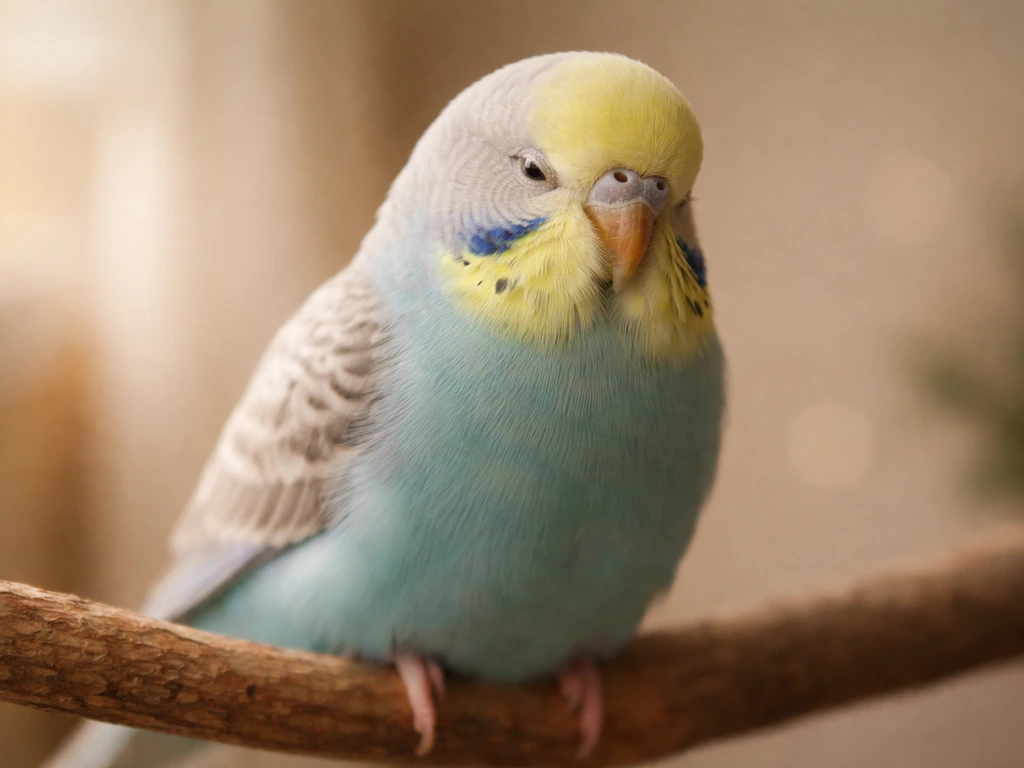
Normal blinking vs. something worth watching
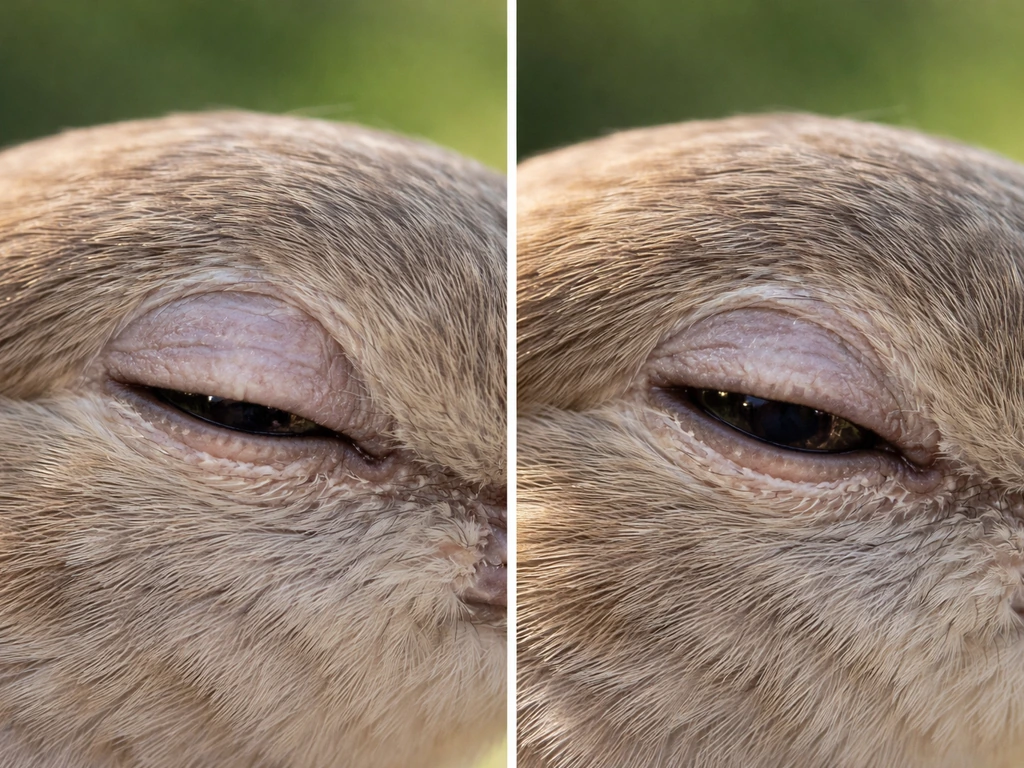
Birds actually have two distinct blink types. There's a rapid, brief blink (sometimes called a phasic blink) and a slower, sustained lower-eyelid blink (a tonic blink). Both are normal parts of bird eyelid function. When your bird does slow, deliberate blinks at you while looking relaxed and upright, that's typically a comfort signal, not a symptom.
The key distinction is what the rest of your bird is doing at the same time. A bird that blinks slowly while perching normally, eating well, and reacting to sounds is almost certainly just content. A bird that's blinking slowly while also sitting low on the perch, fluffing its feathers, or showing less interest in food is giving you a different set of signals entirely.
One specific flag worth knowing: if only one eye is blinking slowly or staying partially closed, that leans toward a problem on that side, such as debris, irritation, trauma, or a deeper eye issue, rather than simple whole-body relaxation. If your bird is squinting or keeping one eye partially closed along with changes in behavior, treat it as a potential eye problem and monitor closely. Bilateral slow blinking (both eyes together) while the bird is otherwise alert is far more likely to be normal or a sign of sleepiness.
Common reasons birds blink slowly or more than usual
Once you've ruled out simple drowsiness, there are several reasons a bird might blink more frequently or more slowly than normal.
- Drowsiness or napping: Birds nap throughout the day, especially after meals or in a warm, quiet room. Slow blinking here is paired with a relaxed, slightly puffed (but not sick-looking) posture and quick recovery when you engage them.
- Eye dryness or mild irritation: Dry air or low humidity can dry out the cornea, triggering more frequent blinking to lubricate the eye surface. This is called exposure keratitis and is more common in homes with forced-air heat running through winter.
- Airborne irritants: Dust, cooking fumes, candles, air fresheners, or aerosol sprays can cause eye and respiratory irritation in birds, whose respiratory systems are far more sensitive than ours.
- Conjunctivitis: Inflammation of the tissue around the eye can cause blinking, squinting, and discharge. It can result from bacterial, viral, or even environmental causes.
- Foreign body or debris: A feather fragment, seed hull, or piece of dust lodged near the eye can trigger repeated blinking and partial eye closure on one side.
- Stress or fear: A bird in a stressful environment may show physical symptoms including blinking changes, feather posture shifts, or reduced activity.
- Respiratory illness: Several respiratory conditions in birds show up around the eyes first, including nasal discharge, sinus swelling, or eye discharge before obvious breathing changes appear.
- Pain: Blepharospasm (involuntary, repeated eyelid closure) can be the eye's response to pain or inflammation deeper in the eye structure, including uveitis.
Eye and respiratory signs that go beyond normal blinking
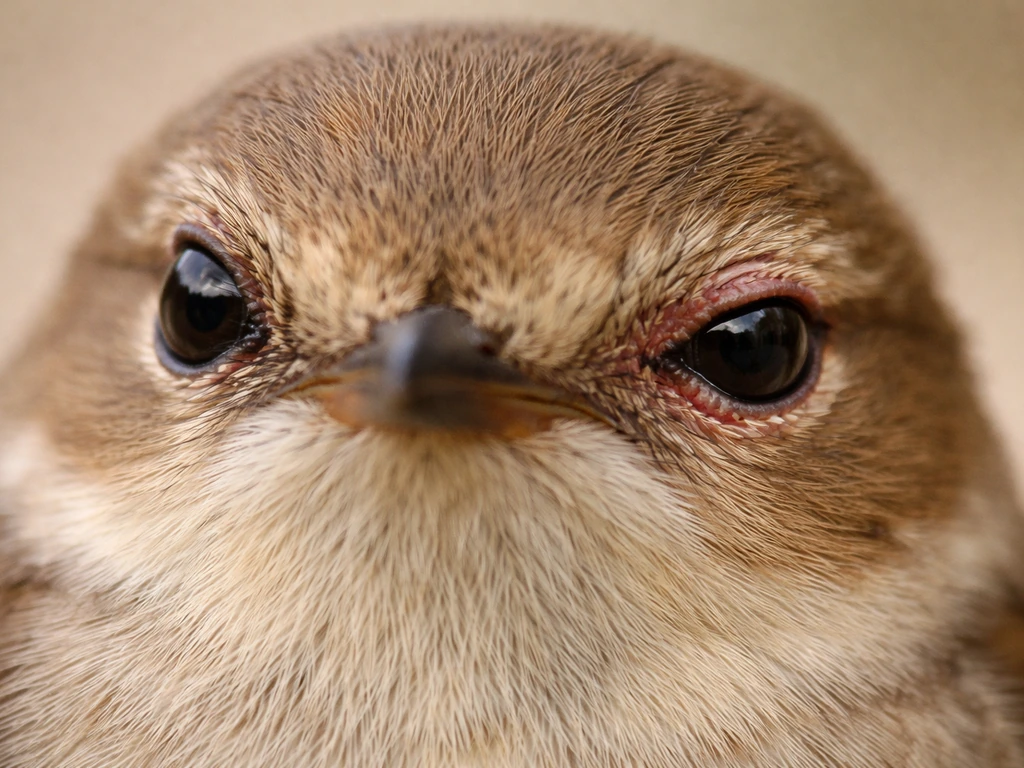
There's a big difference between a bird that blinks slowly because it's relaxed and a bird whose eyes are trying to tell you something is wrong. In cats, conjunctivitis can cause blepharospasm or squinting as a symptom of eye inflammation slow blinking because it's relaxed. Here's what to look at closely.
Around the eye
- Redness or visible irritation of the tissue around the eye
- Swelling of the eyelid or the area just below the eye (the infraorbital sinus area)
- Discharge: watery, cloudy, or crusty material at the corner of the eye
- Frothy or bubbly-looking eye discharge (associated with some bacterial infections)
- Wart-like growths or crusting on the skin around the eye (can indicate avian pox)
- Holding one eye consistently closed, especially if the other eye looks fine
- Sensitivity to light, where the bird turns away from bright areas or keeps closing the eye in lit conditions
Respiratory signs that often accompany eye changes
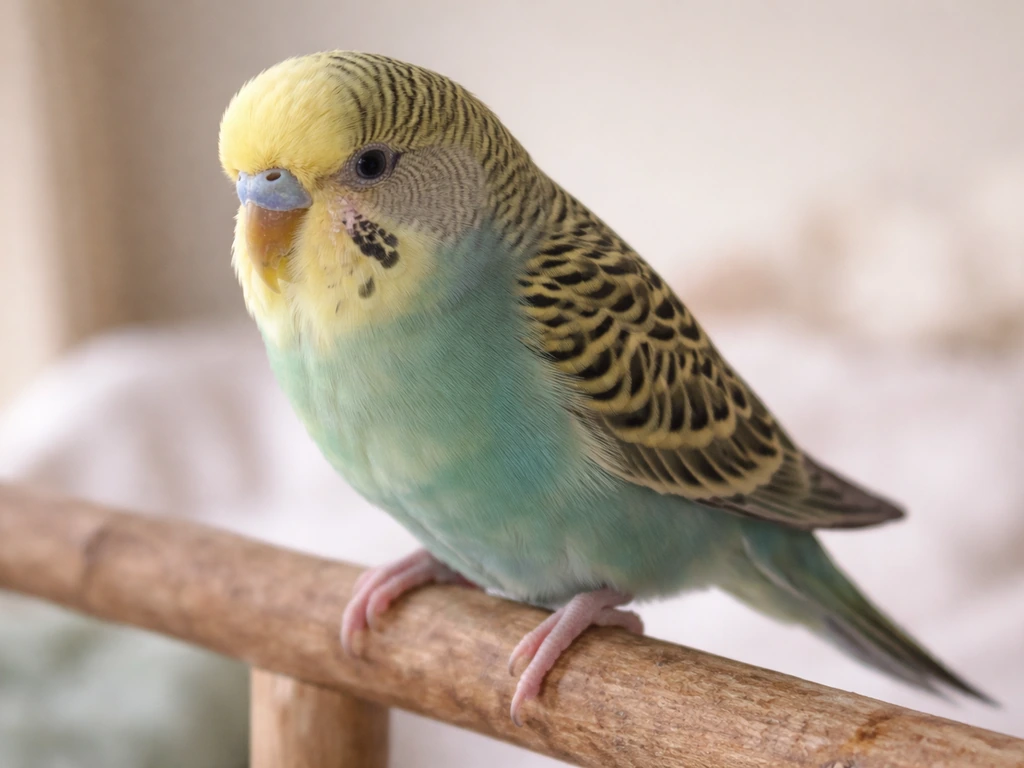
- Sneezing more than a couple of times a day, especially with discharge
- Nasal discharge (wet or crusted nares)
- Visible tail bobbing with each breath, which indicates labored breathing
- Open-mouth breathing when the bird is not hot or recently exercised
- A change in the sound of breathing (clicking, wheezing, or rasping)
Some infections affecting the eyes also involve the respiratory tract. Avian chlamydiosis (caused by Chlamydia psittaci) can produce eye discharge alongside respiratory illness and general lethargy or appetite loss. Mycoplasma infections can cause conjunctivitis with frothy eye discharge and sinus swelling simultaneously. These aren't things you can diagnose at home, but recognizing the eye-plus-respiratory combination tells you to move quickly toward a vet call.
Illness, stress, and other causes that affect the whole bird
Sometimes frequent blinking is just one piece of a larger picture. If your bird is blinking more than usual and also showing any of the following, the eye behavior is probably a symptom of something systemic rather than a localized eye problem.
- Lethargy or reduced activity: Sitting at the bottom of the cage, less movement, less vocalizing
- Fluffed feathers when the room isn't cold: A common sign the bird's body is trying to conserve energy
- Appetite changes: Eating significantly less, ignoring favorite foods, or not touching water
- Sleeping much more than usual, especially during times the bird is normally active
- Head tilting or abnormal neck posture (worth reading about alongside neck twisting behaviors separately)
- Changes in droppings: Watery, discolored, or dramatically reduced output
- Uncharacteristic aggression or extreme withdrawal from human contact
Stress is also a real contributor. A bird that has been through a recent environmental change (new household member, a move, a change in cage location, a new pet nearby) can show physical symptoms including increased blinking, altered sleep patterns, and reduced appetite. That said, stress symptoms and illness symptoms overlap heavily, so don't dismiss behavioral changes as just stress without keeping a close eye on the full picture over 24 to 48 hours.
Respiratory diseases like aspergillosis, a fungal infection that primarily affects the respiratory tract including the sinuses, trachea, and air sacs, can also cause eye-adjacent symptoms through sinus pressure and swelling. If your bird seems to be working harder to breathe while also blinking repeatedly, that's an urgent signal.
Things you can actually fix today
Before calling the vet, and alongside any monitoring you're doing, there are several practical husbandry adjustments worth making right now. Many cases of mild eye irritation or increased blinking in otherwise-healthy birds come down to air quality, lighting, or cleanliness issues you can address at home.
Air quality and humidity
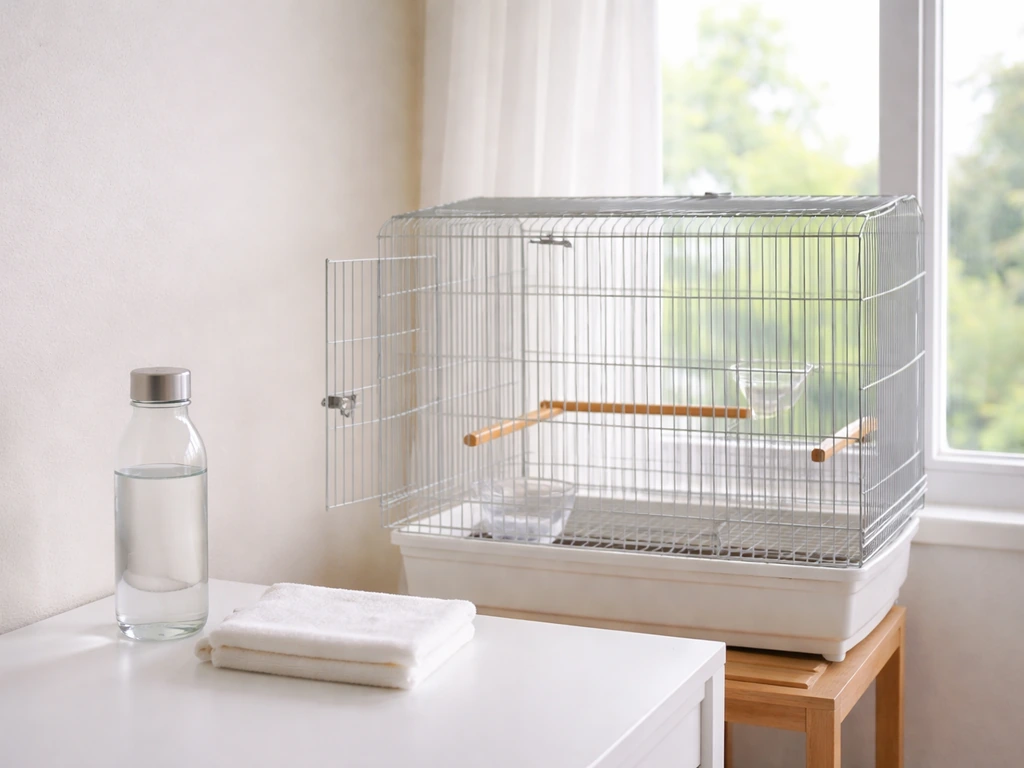
Aim for indoor humidity around 50 to 55 percent around your bird's living area. Below that, eye and respiratory dryness can kick in. Above 60 percent, mold risk increases, which creates its own set of problems. A basic hygrometer (humidity gauge) from any hardware store costs very little and takes the guesswork out of it. If your air is dry, especially in winter with heating systems running, a cool-mist humidifier placed near (but not directly blowing at) the cage can help.
Remove all aerosol sprays, scented candles, air fresheners, incense, and non-stick cookware fumes from the bird's environment immediately. Birds are extraordinarily sensitive to airborne chemicals. Even products that seem harmless to humans (many cleaning sprays, fabric sprays, scented plug-ins) can cause eye and respiratory irritation in birds. If you need to clean the cage, use bird-safe, fragrance-free products and move your bird to a separate well-ventilated area until any odor fully clears.
Lighting and sleep routine
Make sure your bird is getting 10 to 12 hours of uninterrupted darkness for sleep. Disrupted sleep causes stress and can affect a bird's overall health, including immune function. If the cage is in a room with TVs, late-night lights, or traffic noise, consider a breathable cage cover at a consistent time each night. Consistent light/dark cycles also help regulate your bird's overall behavior and energy levels.
Cage cleanliness and irritant control
- Clean food and water dishes daily to prevent bacterial growth
- Remove old or wet substrate promptly to reduce mold and ammonia buildup from droppings
- Wipe down cage bars and perches at least weekly with a bird-safe, fragrance-free cleaner
- Check cage placement: avoid positioning near kitchens (cooking fumes), heating/AC vents (dry air blasts), or drafty windows
- Look inside the cage for any foreign material near the food or perch areas that could have gotten near your bird's eye
Hydration and bathing
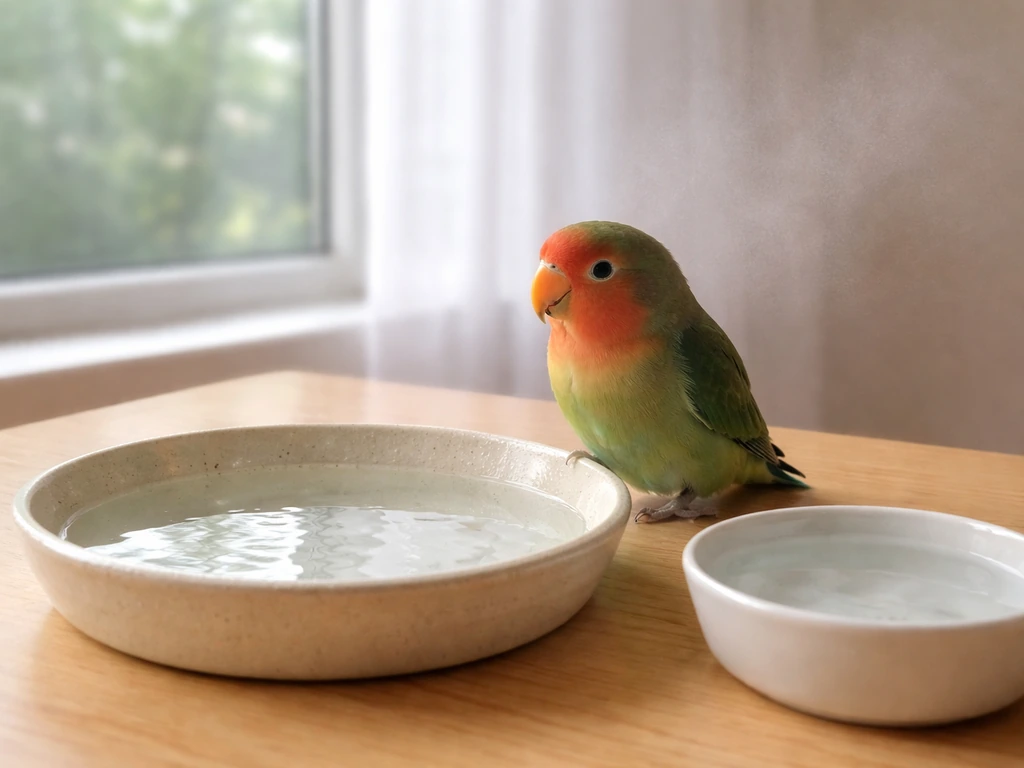
Fresh water should always be available and changed at least once daily. Some birds also benefit from regular misting or a shallow bath dish, which helps keep feathers and skin (including around the eyes) hydrated. Keep bath water at room temperature and remove it after a couple of hours so it doesn't become a bacterial source.
Gentle observation over 12 to 24 hours
After making any environmental changes, watch your bird's behavior closely over the next 12 to 24 hours. Note whether the blinking frequency is decreasing or staying the same, whether your bird is eating and drinking normally, and whether any other symptoms appear or worsen. Keep a quick written log if you can, including times and what you observed. This information becomes very useful if you do end up calling a vet.
When to call an avian vet without waiting
There are situations where environmental fixes and home monitoring are not the right first move. If you see any of the following, contact an avian vet the same day or as soon as possible.
| Sign or symptom | Why it matters |
|---|---|
| Swelling around one or both eyes | Can indicate infection, uveitis, or sinus involvement requiring diagnosis and treatment |
| Eye discharge (watery, cloudy, crusty, or frothy) | Associated with conjunctivitis, bacterial, or viral infection including chlamydiosis and mycoplasma |
| One eye held consistently closed | Points to localized pain, trauma, debris, or deeper eye disease rather than normal relaxation |
| Growths, crusting, or lesions around the eye area | Possible avian pox or other infection requiring immediate assessment and quarantine |
| Rapid or labored breathing alongside eye symptoms | Combination of respiratory and eye signs raises concern for serious systemic or respiratory disease |
| Lethargy, fluffed feathers, and appetite loss together | Multi-system signs that suggest the bird is unwell beyond a simple eye irritation |
| No improvement after 24 hours of environmental fixes | If home changes make no difference, a veterinary examination is the right next step |
| Bleeding, obvious trauma, or sudden dramatic change in behavior | Requires urgent same-day veterinary attention |
It's also worth knowing that some eye conditions in birds, like uveitis (inflammation inside the eye), often signal more widespread disease happening elsewhere in the body. An eye sign that seems minor can sometimes be the first visible clue of a systemic problem, which is exactly why the Merck Veterinary Manual advises prompt veterinary examination for any bird showing swelling, redness, discharge, excessive blinking, or prolonged eye closure.
What to tell the vet when you call
Gathering the right information before your call or appointment makes it much easier for the vet to prioritize and prepare. Here's what to have ready:
- When you first noticed the blinking change: the specific date and whether it started gradually or suddenly
- A description of exactly what you're seeing: is it both eyes or one, how often is the blinking happening, is the eye being held closed
- Any other symptoms, even mild ones: sneezing, discharge, posture changes, appetite, droppings
- Recent changes in the bird's environment: new foods, cleaning products, room changes, new pets, visitors, or anything out of the ordinary in the past week or two
- Photos or a short video clip of the behavior: video is especially useful because it shows the vet the actual blink pattern and any associated posture
- Your bird's species, age, and any known health history or prior conditions
If your bird has been around other birds recently (a bird fair, a boarding facility, or a new bird brought into the home), mention that too. Some conditions that cause eye and respiratory signs are contagious, and that context matters for how quickly the vet wants to see your bird and whether isolation is recommended in the meantime.
Slow blinking on its own, in a bird that's otherwise active, eating, and behaving normally, is almost always benign. It's when other signs pile on that you need to take action. Trust what you're observing, make the environmental fixes you can today, and don't hesitate to reach out to an avian vet if anything feels off. You know your bird's normal better than anyone. Head bobbing, where a bird moves its head up and down, can have different causes too, so it is helpful to compare that behavior with the eye and breathing signs you're seeing why does my bird move his head up and down. Swaying side to side can also be caused by neurologic or balance issues, so it is important to monitor closely and contact an avian vet if it persists.
FAQ
How can I tell if slow blinking is just comfort versus something that needs a vet visit?
Watch the pattern together: comfort blinking is usually bilateral (both eyes) and your bird stays upright, alert enough to respond to sounds, and keeps normal appetite. If the slow blinking comes with one eye closed more than the other, swelling, discharge, fluffed feathers, head shaking, or reduced eating, treat it as an eye problem or systemic illness and contact an avian vet.
What should I do if my bird is slow blinking but also seems sleepy or less active than usual?
Do a quick baseline check at the same time each day. Confirm normal food intake, water intake, droppings, and breathing effort. If reduced activity lasts more than about 24 hours, or if you notice any respiratory signs like open-mouth breathing or tail bobbing, prioritize an avian vet call rather than waiting.
Is it normal for my bird to blink slowly after I handle it or during training?
Many birds slow blink as a calming response during gentle interaction. The key is that they should not look strained: their posture should stay stable, breathing should look effortless, and there should be no discharge or one-sided eye closure. If handling reliably triggers blinking plus flinching, rubbing the face, or one eye staying partially closed, assume irritation and get it checked.
Why would one eye blink slowly or stay partially closed even if the other eye looks fine?
One-sided eyelid closure often points to local irritation, debris, trauma, or an eye surface problem rather than general relaxation. Avoid trying to flush the eye with random liquids. Instead, minimize handling, remove airborne irritants, and arrange an exam, especially if it persists or you see squinting or discharge.
Can dry air cause slow blinking, and how long should it take to improve after I adjust humidity?
Yes, low humidity can make eye surfaces feel irritated and can also contribute to dry respiratory tissues. After you raise humidity into the roughly 50 to 55 percent range and remove irritants, monitor for improvement over 12 to 24 hours. If blinking does not ease, or if you see redness, discharge, or worsening behavior, switch from “humidity trial” to veterinary evaluation.
Should I mist my bird or offer baths if the blinking seems related to eye irritation?
If your bird tolerates it, gentle misting or a shallow room-temperature bath can help hydration of feathers and surrounding skin, but it should not replace eye assessment if symptoms are significant. Do not force wetting, and remove any bath after a couple of hours. If you notice more squinting, discharge, or head rubbing after bathing, stop and seek veterinary advice.
What environmental changes are most likely to matter if I suspect irritants?
Focus on inhaled and chemical irritants first: remove scented candles, incense, air fresheners, aerosol sprays, and any non-stick fumes. Also check for cleaning product residues and strong laundry scents. Even if your bird looks mostly okay, these changes can worsen eye discomfort and respiratory strain, so continue monitoring after removal for at least a day.
How soon should I call the vet if blinking is frequent along with breathing changes?
If you see breathing effort at the same time as repeated blinking, treat that as urgent. For birds, eye-adjacent signs can accompany respiratory disease that may progress quickly, so call an avian vet the same day or as soon as you can, especially if breathing looks harder, you hear wheezing, or the bird is less responsive.
Is it ever safe to try home care first before seeking veterinary help?
Home care is reasonable when slow blinking is bilateral and your bird is otherwise stable, eating, and not showing discharge or redness. If you see swelling, redness, discharge, persistent one-eye closure, head shaking, or appetite changes, do not delay. Home steps should support observation, not replace an exam when red flags are present.
What information should I write down to make my vet visit more productive?
Track timing (when blinking started and whether it varies by day), whether one or both eyes are affected, eating and drinking amounts, activity level, breathing observations (open-mouth breathing, tail bobbing), and any new exposures like new birds, boarding, recent cage moves, or people using scented products. Include dates, and if possible, bring a few short videos showing posture and eye closure.