If your bird is twisting its neck, the cause can range from a totally normal stretch or alert posture to something that needs a vet today, like a neurological problem, vestibular disorder, neck pain, respiratory distress, or an infectious disease. If you are specifically wondering why your bird moves its head up and down, that motion can fit the same warning patterns and causes described here for neck twisting. The key is figuring out how often it's happening, whether your bird seems otherwise normal, and whether there are any other warning signs alongside it. This guide walks you through exactly what to check right now and what each combination of symptoms likely means.
Why Is My Bird Twisting Its Neck? Causes and What to Check
Marcus Chen
23 Jun 2026
Normal vs concerning neck twisting: how to tell the difference
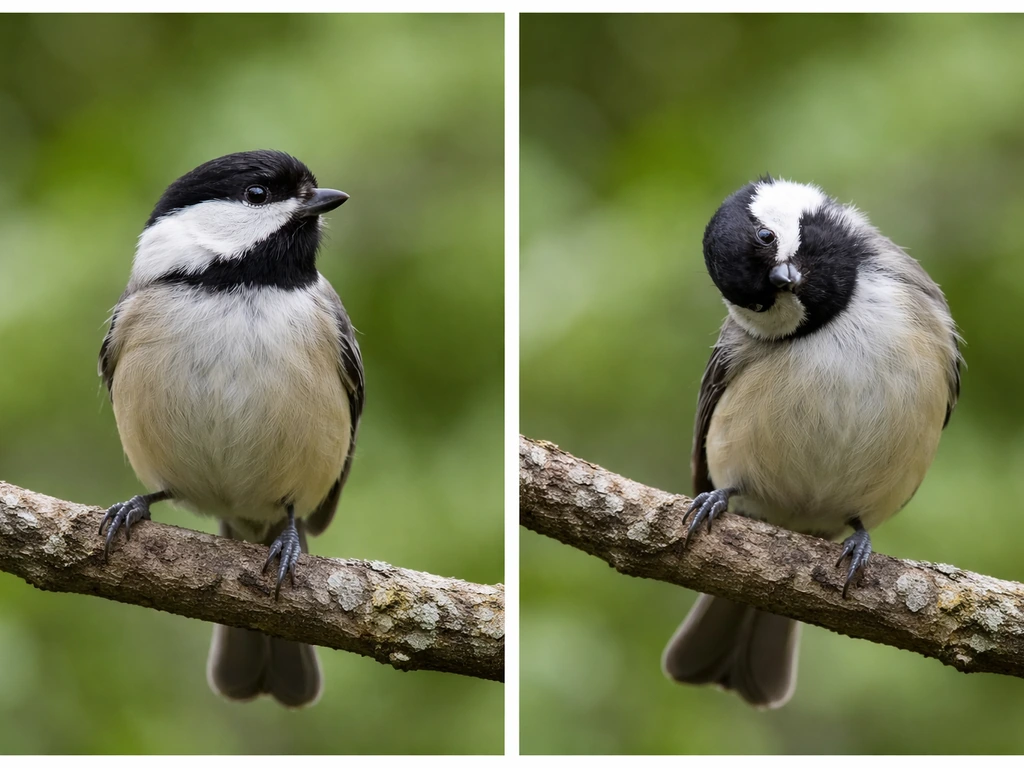
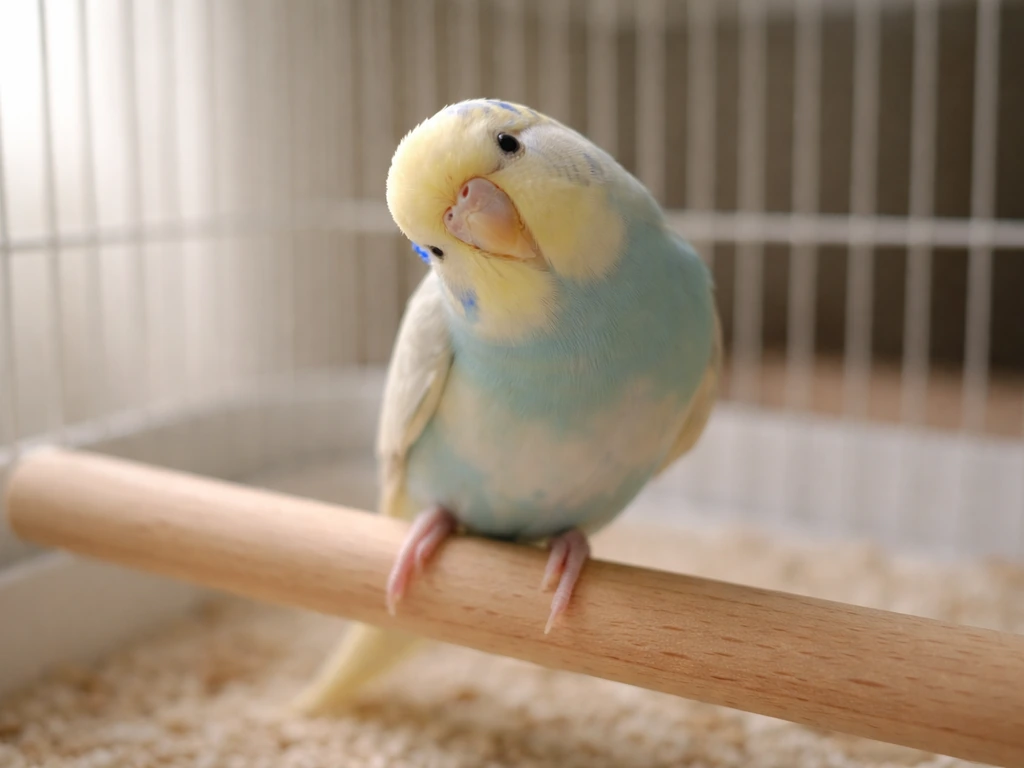
Birds twist and crane their necks constantly as part of normal life. They do it to get a better look at something (birds have monocular vision and often tilt or rotate the head dramatically to focus one eye on an object), to stretch after sleeping, to preen hard-to-reach spots, and to adjust their position on a perch. Parrots especially contort their necks while vocalizing, playing, or interacting with you. If you see a quick, voluntary neck twist that your bird does once and moves on from, that is almost always nothing to worry about.
What starts to look concerning is when the twisting is repetitive, involuntary, or sustained. If your bird's head is held tilted or twisted to one side and stays that way, that is called torticollis, and it is a clinical sign, not a behavior. The same goes for any neck twisting that is paired with loss of balance, falling off perches, circling, or an inability to right itself. Why is my bird swaying side to side?
Loss of balance can point to vestibular or neurological issues, so it is important to watch for other warning signs and act quickly if symptoms are persistent. A bird doing an occasional curious head tilt is very different from a bird that can't hold its head up straight, and that distinction matters a lot for deciding what to do next.
It is also worth noting that some related movements can look similar. Head bobbing up and down is usually a communication behavior, while swaying side to side can sometimes signal balance trouble. Slow blinking and squinting are eye-related behaviors with their own causes. Neck twisting sits in its own category and needs to be evaluated on its own terms.
Check these things right now before anything else
Before you call a vet or start searching for diagnoses, do a quick head-to-toe observation of your bird while it is in its cage. You are trying to get a clear picture of everything that is off, not just the neck. Here is what to check:
- Posture and perching: Is your bird sitting upright and gripping its perch normally, or is it hunched, swaying, or clinging on for balance? A bird that is struggling to stay on a perch has a more urgent problem.
- Balance and coordination: Watch for circling, falling, rolling, or being unable to right itself after tilting. These are neurological red flags.
- Head and neck position: Is the neck twist something the bird does and releases, or is the head held persistently to one side or at an odd angle? Persistent asymmetrical positioning is a concern.
- Breathing: Listen and watch for labored breathing, open-mouth breathing at rest, tail bobbing with each breath, wheezing, clicking sounds, or gasping. Any of these alongside neck twisting is an emergency combination.
- Eyes: Are both eyes open, clear, and symmetrical? Squinting, discharge, or one eye held closed can point toward infection, injury, or pain.
- Appetite and crop: Has your bird eaten or drunk water today? Is the crop (the bulge at the base of the throat/chest) visibly distended, squishy, or not emptying? In chicks and hand-fed birds, a crop that has not emptied within 6 hours is considered crop stasis.
- Droppings: Look at the bottom of the cage. Are droppings normal in color, shape, and consistency? Watery, discolored, or absent droppings can signal systemic illness.
- Breathing sounds and nasal discharge: Any clicking, wheezing, mucus around the nares (nostrils), or sneezing is worth noting.
- Feather condition and body weight: Fluffed feathers at room temperature often mean the bird is cold or unwell. If your bird feels lighter than usual when you pick it up, that is significant.
- Recent changes: Think back over the last few days. New food, new perch, exposure to drafts, a fall, a scare, new birds in the house, cleaning products, or anything that changed in the environment.
Take notes or shoot a short video on your phone. A 30-second clip of the neck twisting, especially one showing your bird's full body posture, will be genuinely useful for an avian vet whether you describe it over the phone or show it at the clinic.
What causes neck twisting in birds
There are several distinct categories of causes, and they have very different urgency levels. Here is a breakdown of the most common ones.
Pain or physical injury
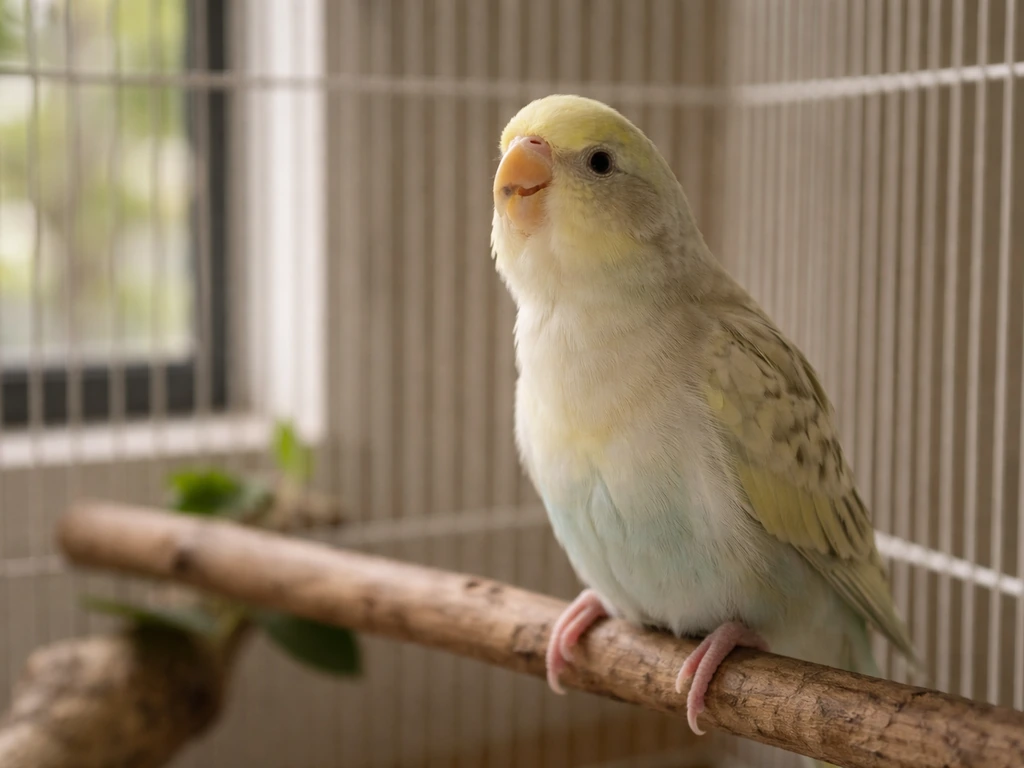
If your bird fell, was startled into the cage wall, was grabbed by another pet, or had any kind of impact, neck twisting can be a pain response or a sign of a soft tissue or structural injury. Birds hide pain well, so you may not see obvious distress. Signs to watch for include reluctance to move the head freely, avoiding being touched in a particular area, or holding the head at an odd angle consistently. A bird that recently had a traumatic event and is now twisting its neck needs a physical exam.
Respiratory irritation or upper respiratory infection
Irritation or swelling in the throat, trachea, or sinuses can cause a bird to stretch and twist its neck in an attempt to clear the airway or relieve discomfort. Upper respiratory tract infections, bacterial or fungal (aspergillosis is a common culprit), can cause enough swelling or mucus accumulation around the throat and nasal passages to trigger this. Airsacculitis, an inflammatory condition of the air sacs, can also cause respiratory signs along with neck swelling in some cases. If you are also seeing nasal discharge, sneezing, change in voice, or any breathing difficulty, respiratory disease is high on the list.
Neurological and vestibular problems
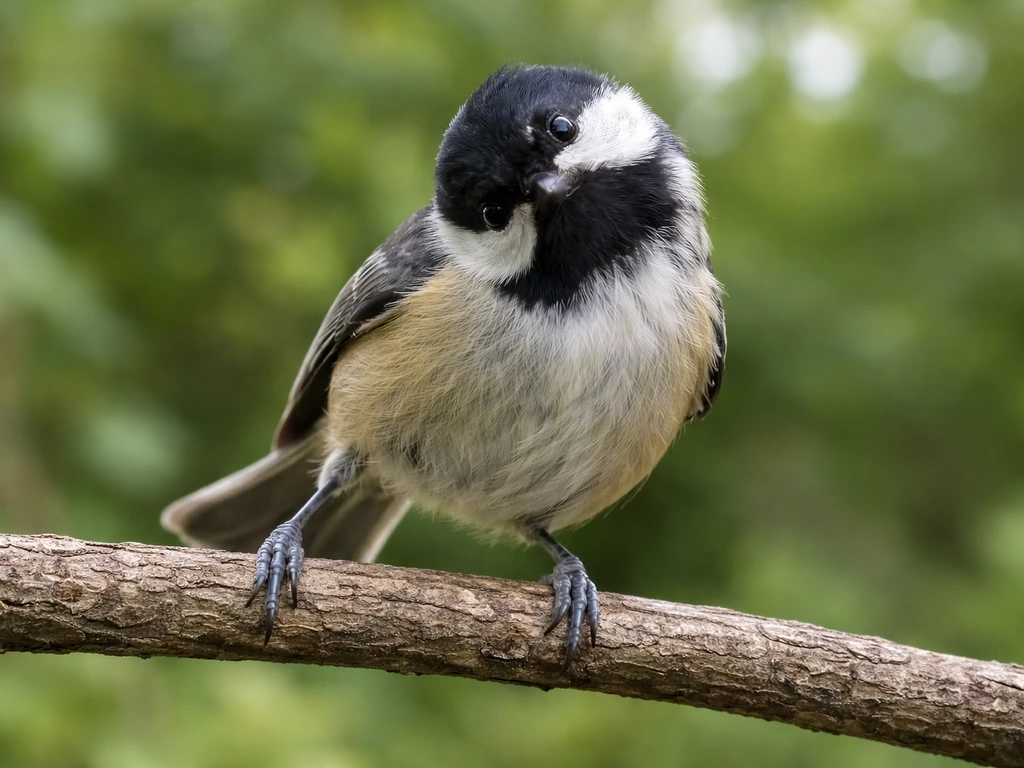
This is the category most people are worried about when they search this topic, and for good reason. The vestibular system controls balance and spatial orientation. When something disrupts it, whether from an ear infection, brain lesion, toxin, or trauma, the bird can develop a persistent head tilt or twisted neck posture (torticollis), loss of balance, circling to one side, or rolling. These signs can look dramatic and frightening. Neurological causes need veterinary evaluation quickly because some are treatable if caught early. It is important to distinguish between a head tilt (ear/vestibular origin), a head turn (attention-based, voluntary), and true torticollis (abnormal fixed asymmetrical neck position), because they point to different parts of the nervous system.
Infectious and inflammatory disease
Certain infections can cause neurological signs including torticollis. Newcastle disease is a well-documented example: it can affect both the respiratory and nervous systems, and twisting of the neck (torticollis) is listed among its possible clinical signs. Meningoencephalitis (inflammation of the brain and its membranes) from various infectious agents can also cause twisted neck posture as a neurological manifestation. Psittacosis (caused by Chlamydia psittaci) is another systemic infection to be aware of in parrots and other pet birds, and it has respiratory and neurological effects. These are serious conditions that require lab diagnostics and treatment.
Crop and throat issues
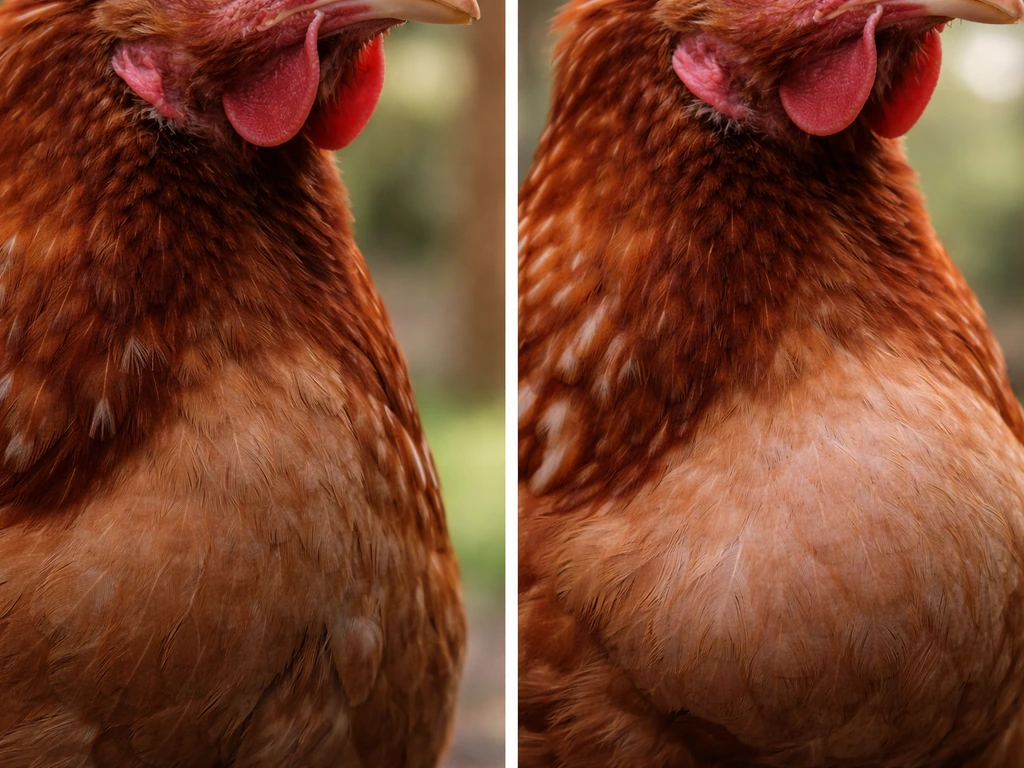
A full, impacted, or infected crop can cause a bird to stretch, twist, and crane its neck uncomfortably. Crop stasis (delayed or stopped emptying) can be caused by infection, foreign material, a mass, or yeast overgrowth (sour crop). Signs that the crop is involved include visible swelling or distension at the base of the throat and chest, repeated regurgitation or vomiting, weakness, or the crop feeling doughy or overly firm. A markedly distended crop combined with weakness warrants same-day veterinary attention. White plaques visible in the mouth or throat can point toward a yeast or candida infection.
Red flags that mean call the vet now
Some combinations of symptoms move this from a 'monitor and schedule' situation to 'contact an avian vet or emergency clinic immediately.' Do not wait if you see any of the following:
- Open-mouth breathing at rest that is not explained by brief heat exposure and does not resolve within 10 to 15 minutes after removing any stressor
- Tail bobbing with every breath, gasping, or audible wheezing or clicking
- The bird cannot balance or keep its grip on a perch
- The head or neck is held in a fixed twisted or tilted position and the bird cannot correct it
- Circling, rolling, or falling and being unable to right itself
- The bird is not alert, is not responding to you normally, or is sitting on the cage floor
- Fluffed feathers, eyes closed, and complete inactivity (classic sick bird posture)
- No food or water intake for more than a day
- Blood in droppings, active bleeding, collapse, or seizure-like activity
- A distended crop that has not emptied combined with weakness or repeated vomiting
If you can not reach an avian specialist immediately, call a general emergency veterinary clinic. Many emergency vets can provide phone triage guidance even if they do not have an avian specialist on staff, and some can offer supportive stabilization while you arrange specialist care. Do not delay because you are waiting for the 'right' vet: a bird in respiratory distress or with severe neurological signs can deteriorate quickly.
What to do right now while you monitor or travel to the vet
If your bird is showing serious signs, the priority before anything else is creating a safe, low-stress environment. If there’s any doubt about stability, place the bird in a warm, quiet oxygen environment while you take history and prepare initial therapeutics, because overly aggressive initial approaches can be harmful. Here is the practical approach:
- Reduce perch height or remove high perches temporarily so a bird with balance problems cannot fall from a height and injure itself further.
- Keep the bird warm. A sick bird often cannot regulate its temperature well. Aim for around 85 to 90 degrees Fahrenheit (29 to 32 Celsius) using a heating pad on low under half the cage or a heat lamp positioned safely to one side, giving the bird the option to move away from the heat.
- Minimize handling. Unless you need to move the bird to a transport container, avoid picking it up repeatedly. Restraint is stressful and can worsen a bird that is already compromised. If the bird is grossly unstable or seizuring, do not attempt detailed handling at home.
- Keep the environment quiet and dim. Turn off loud music, keep other pets away, and reduce foot traffic near the cage.
- Do not offer new foods, supplements, or home remedies. Stick to fresh water and normal food, and note whether the bird is eating or drinking.
- Record everything. Note the time you first saw the twisting, how frequent it is, whether it has gotten better or worse, and any other symptoms. Video is ideal.
- Transport safely. Use a small, well-ventilated carrier with a low perch or padding on the floor. Cover it with a light cloth to reduce visual stress during travel.
What the vet will do and how to prepare
An avian vet's first step is visual assessment before any hands-on examination. They will observe your bird's posture, breathing rate, and alertness from a distance to judge whether the bird is stable enough to handle. If the bird is in distress, they may prioritize stabilization first: placing it in a warm, quiet, oxygen-enriched environment before doing a detailed physical exam. This is not delay, it is the correct medical approach for a critical bird.
Once stable, the physical exam will typically include evaluation of the head and neck position, eyes and ears, mouth and choana (the opening in the roof of the mouth connecting to the nasal passages), crop, body weight, and overall condition. The vet will ask you questions about duration of symptoms, diet, environment, any possible exposures or trauma, and your bird's history.
Depending on what they find, diagnostic tests may include some of the following:
| Diagnostic test | What it looks for | When it's likely used |
|---|---|---|
| Blood work (CBC and chemistry panel) | Infection, inflammation, organ function | Almost always a first step |
| Radiographs (X-rays) | Skeletal injury, crop obstruction, air sac changes, organ size | Commonly used for head, neck, and chest evaluation |
| CT or MRI | Brain lesions, vestibular involvement, sinus granulomas, detailed skeletal or soft tissue structures | Used when radiographs are insufficient or neurological cause is suspected |
| Cytology of choana or trachea | Bacterial or fungal infection, inflammation | When respiratory or infectious cause is suspected |
| Culture and sensitivity | Specific bacterial or fungal organisms and which antibiotics work | Follows cytology if infection is confirmed |
| PCR testing | Specific viral or bacterial pathogens (e.g., psittacosis, Newcastle disease) | When infectious neurological or respiratory disease is suspected |
| Endoscopy | Lower respiratory tract visualization | When other imaging is inconclusive and bird is stable enough |
| Crop wash or sampling | Yeast, bacteria, foreign material in the crop | If crop stasis or sour crop is suspected |
To prepare for the visit, bring the video you recorded, a sample of the droppings from the last 24 hours (in a clean plastic bag), and a list of everything your bird eats, any supplements, and any recent environmental changes. If you know the bird's weight from a recent home scale check, bring that too.
Preventing neck twisting problems in daily care
Not all causes of neck twisting are preventable, but there is a lot you can do to reduce risk and catch problems early.
- Avoid drafts: Position the cage away from air conditioning vents, open windows with cold breezes, and fans. Respiratory infections are more likely when birds are chilled or stressed.
- Keep the environment free of airborne irritants: Cigarette smoke, scented candles, non-stick cookware fumes (PTFE/Teflon), aerosols, cleaning product fumes, and air fresheners can all cause upper respiratory irritation and distress in birds.
- Provide safe perching: Use perches of varying diameters to support foot and leg health, and make sure they are secure. Unstable perches can lead to falls, which can cause neck and head injuries.
- Quarantine new birds: Any new bird introduced to the household should be kept separate for at least 30 days to avoid spreading infectious diseases.
- Schedule routine avian vet check-ups: Annual wellness exams give a baseline and catch subclinical problems before they become emergencies.
- Support immune health through diet: Offer a varied, species-appropriate diet. Seed-only diets are nutritionally deficient. Pellets, fresh vegetables, and appropriate fruits support overall health.
- Monitor weight regularly: A kitchen scale accurate to 1 gram is one of the best early warning tools you can have. Weight loss often precedes visible signs of illness by days.
- Limit stressors: Loud unpredictable noises, irregular sleep schedules, lack of mental stimulation, and social isolation all weaken immune defenses and can trigger or worsen behavioral and health problems.
The bottom line is this: occasional, brief neck twisting in a bird that is otherwise eating, perching, and behaving normally is almost always harmless. Bird squinting, especially along with neck twisting or breathing changes, is another reason to watch closely or call an avian vet. Persistent twisting, a fixed head tilt, or any neck twisting that comes with breathing changes, balance loss, or a bird that seems unwell is something to act on the same day. When in doubt, a call to an avian vet for phone triage costs nothing and gives you a much clearer picture of whether you are in 'watch and monitor' territory or 'get in the car now' territory.
FAQ
Is a one-time neck twist ever normal, even if it looks dramatic?
Yes. A brief, voluntary twist or crane done once and then followed by normal posture, breathing, and balance is often a stretch, attention adjustment, or preening related movement. It becomes concerning if it is repetitive, involuntary, sustained, or paired with a fixed head tilt or any breathing or coordination problems.
How can I tell if it is a voluntary head tilt versus true torticollis?
Voluntary movement usually looks like your bird can change the position when something catches its attention, or it comes and goes. True torticollis is more like the head is held in an abnormal asymmetrical position and the bird appears unable to correct it back to neutral, especially if balance is also off.
What breathing signs alongside neck twisting mean I should treat it as an emergency?
Any open-mouth breathing, gasping, tail-bobbing, obvious effort to breathe, audible wheeze, or increased respiratory noise paired with twisting should be handled as urgent. Birds can worsen quickly, so if breathing looks hard, call an emergency clinic or avian vet triage immediately rather than waiting to see if it passes.
My bird is twisting its neck but seems to be eating, should I still call the vet?
If your bird is otherwise normal but the twisting is becoming frequent, lasting longer, or developing a consistent side (fixed tilt), call an avian vet for guidance. “Eating normally” can still happen early in some conditions, especially infections or pain from the airway or neck, so trend matters.
Could this be from a cage issue, like a perch, toy, or getting stuck?
Yes. If the twisting started after climbing, a fall, or getting caught on something, check for injuries and sources of ongoing irritation. Look for signs such as reluctance to move a certain way, favoring one side, or swelling around the neck or throat. If there was an impact, plan on a physical exam even if the bird seems mostly okay.
Should I give pain relief or human medications to calm the twisting?
Do not. Human pain medicines, antibiotics chosen without diagnosis, or sedatives can be dangerous for birds and may mask symptoms that your vet needs to interpret. If you need symptom relief while arranging care, focus on warmth and minimal handling until a vet advises next steps.
What can I safely do at home while waiting for a call back from the vet?
Keep the environment warm, quiet, and low-stress. Place the bird on an easy-to-grip perch or in a small carrier with secure footing, reduce bright lights and loud noise, and avoid frequent handling. Do not offer new foods or medications unless your vet instructs you to.
What if I cannot get an avian vet right away, what should I tell the emergency clinic?
Provide the timeline (start time and whether it is worsening), whether the head position is fixed or changeable, breathing quality (any effort or noise), balance (falls, circling, inability to right itself), and any recent trauma or exposure changes. Mention if you recorded a short video and bring it or be ready to describe the full-body posture during the episodes.
Are droppings changes helpful for figuring out the cause?
Yes. Changes in droppings can support or rule out systemic illness, infection, dehydration, or diet-related issues. If possible, collect droppings from the last 24 hours as the vet may use them alongside the neck posture, breathing, and crop signs to prioritize diagnostics.
Can neck twisting be linked to the crop or regurgitation, and what should I watch for?
Look for repeated regurgitation or vomiting, a visibly swollen or distended area low in the throat, weakness, and an abnormal crop feel described as doughy or overly firm. If a distended crop is present with weakness, that typically warrants same-day evaluation rather than waiting.
What tests might a vet recommend, and what’s the goal of each?
Common priorities include checking for respiratory involvement, assessing hydration and neurologic reflexes, imaging the chest/air sacs if breathing symptoms exist, and evaluating the crop for obstruction or infection. If infectious disease is suspected, the vet may order lab testing to confirm agents because treatments differ by cause.
Next Articles
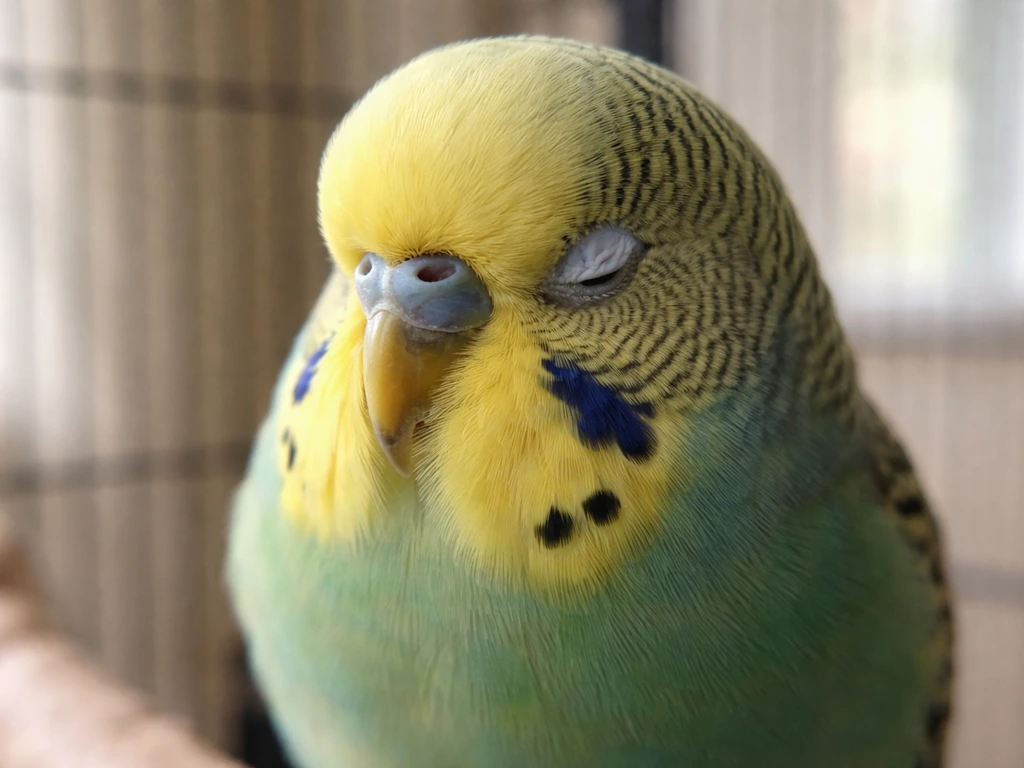
Why Is My Bird Squinting? Causes and What to Do Now
Diagnose why your bird squints and what to do now, spotting red flags for irritation, injury, infection or air issues.
Why Is My Bird Blinking Slowly? Causes and What to Do
Find causes of slow or frequent bird blinking, spot warning signs, and follow step by step care to respond fast.
Why Does My Bird Move His Head Up and Down? Causes and What to Do
Learn why your bird head bobs, how to spot normal vs stress vs illness, and what to do now and when to call an avian vet