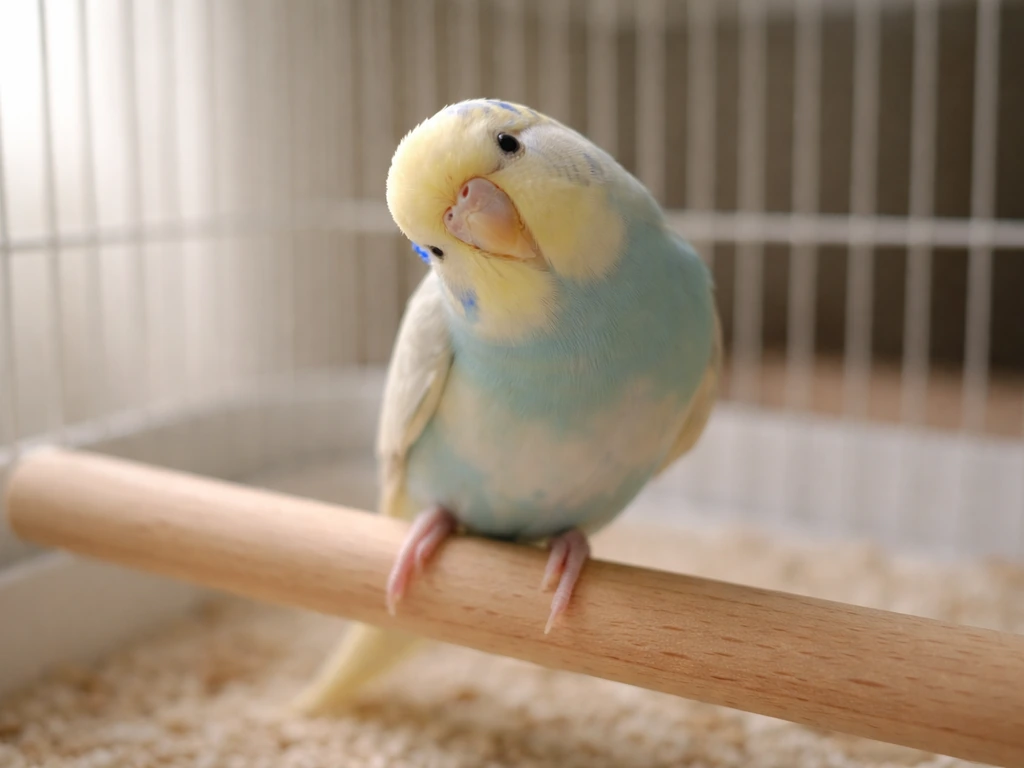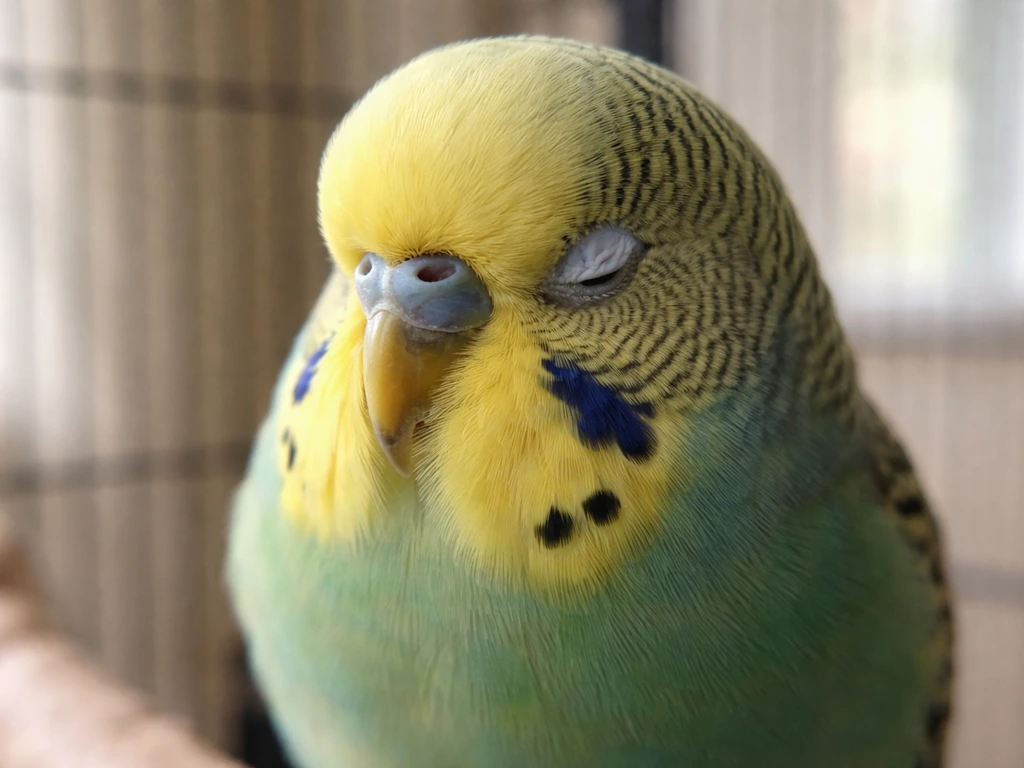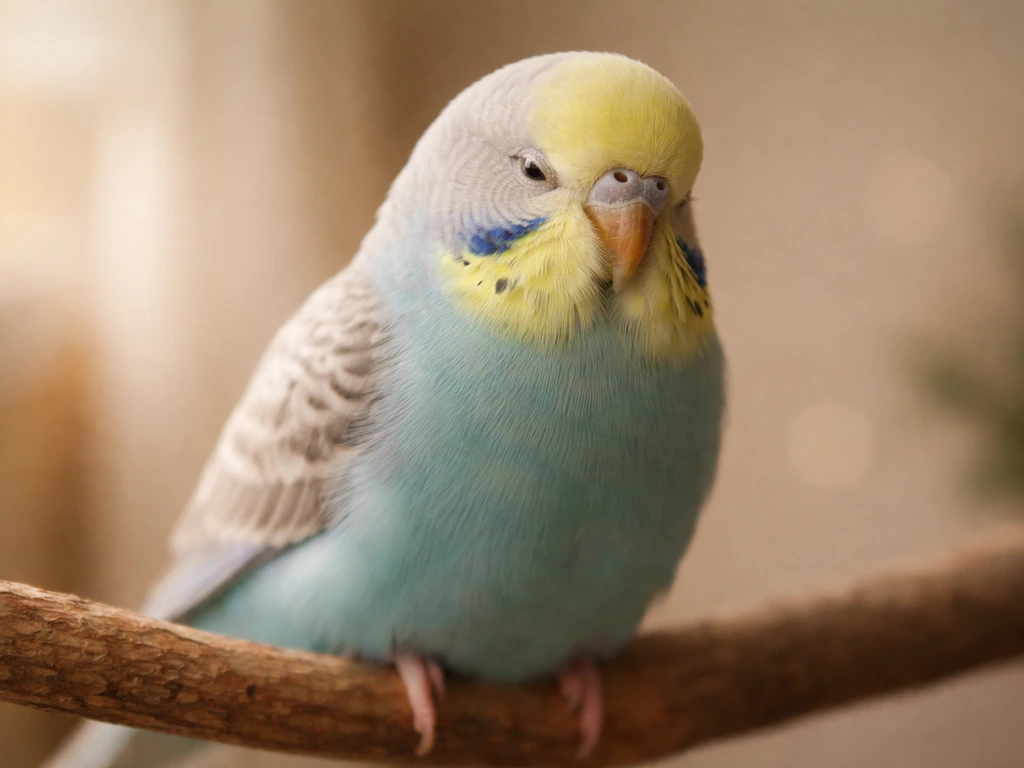
A bird swaying side to side is often completely normal, especially when they're sleepy, balancing on a perch, or getting excited about something. But swaying can also signal poor balance from illness, a neurological problem, weakness, or even a seizure. The key is figuring out what else is going on alongside the swaying: is your bird alert and responsive, or does it look off in other ways? This guide walks you through how to tell the difference and exactly what to do in the next 1 to 24 hours.
Why Is My Bird Swaying Side to Side? Causes and Next Steps

Marcus Chen
25 Jun 2026
What side-to-side swaying actually looks like (and how it differs from similar motions)
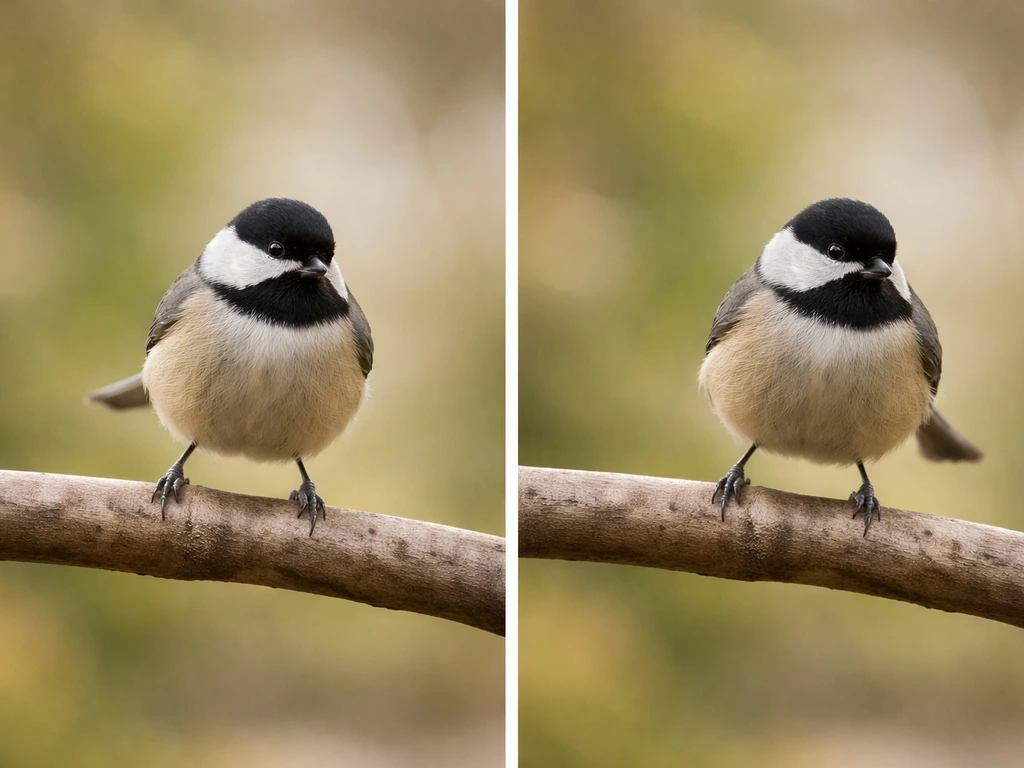
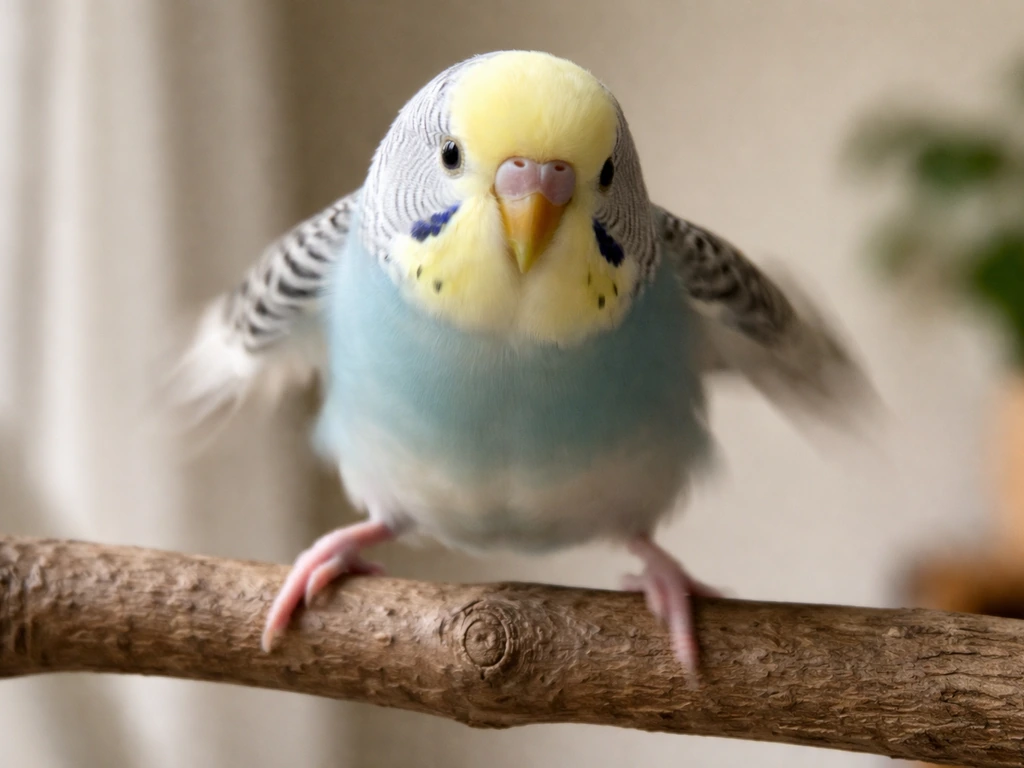
True side-to-side swaying is a rhythmic, lateral rocking motion where the bird shifts its weight from one foot to the other, or rocks its whole body left and right while staying on the perch. It looks a bit like a person swaying to music.
It's worth distinguishing this from a few similar-looking behaviors that have different causes. Head bobbing (moving the head up and down) is a separate motion often related to regurgitation, excitement, or attention-seeking, and is worth looking into on its own. Neck twisting or a tilted head held at an angle is something different again, and can point to ear or neurological problems. Trembling or shaking is a finer, faster vibration usually across the whole body or wings rather than a smooth rocking. Seizures involve sudden, uncontrolled jerking or convulsing, often with the bird losing grip on the perch or falling.
Knowing which motion you're actually seeing matters because the causes and urgency levels are quite different. If your bird is rocking smoothly from side to side, especially around sleep time or after perching for a while, that's the swaying this article is about. If it's jerking or spasming, treat that as a potential emergency right now.
Quick safety checks to run right now
Before you spend time reading about causes, spend two minutes running through these basics. They'll tell you whether you need to act immediately or whether you have time to monitor.
Responsiveness
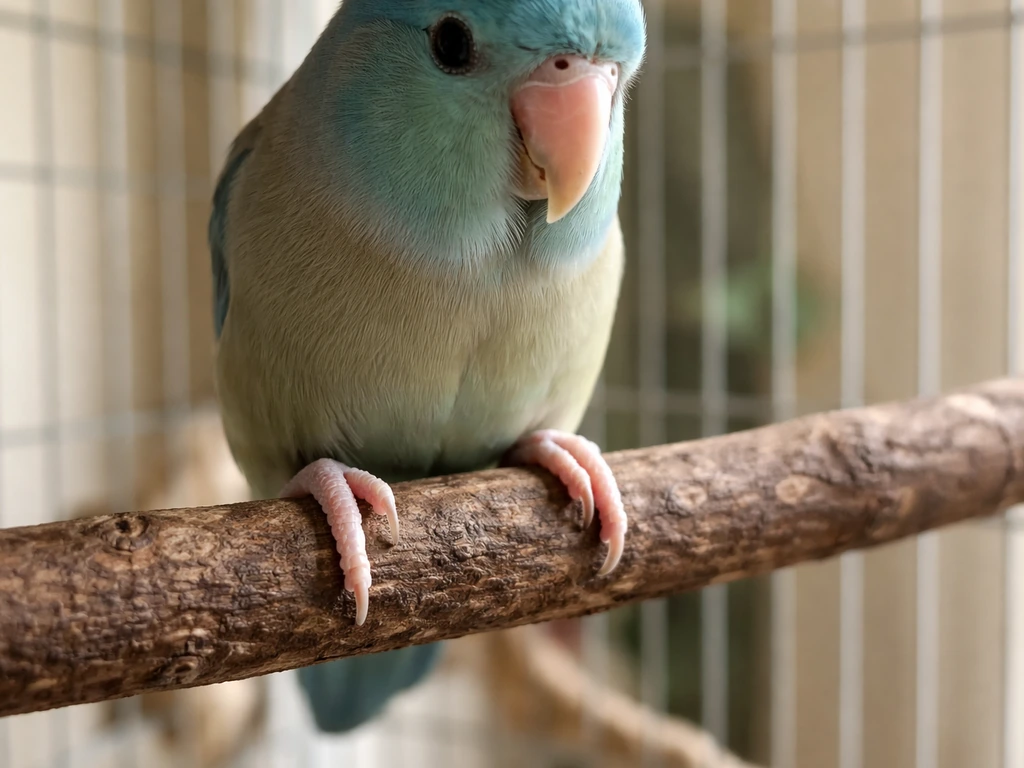
Talk to your bird or gently tap near the cage. Does it respond, turn toward you, or vocalize? A bird that tracks your movement and reacts normally is a very different situation from one that ignores you or seems dazed. Unresponsiveness is a red flag.
Balance and grip
Is the bird holding onto the perch firmly, or does it look like it's struggling to stay on? A bird that keeps swaying, stumbles, or grabs the cage bars for support has a balance problem worth taking seriously. A bird that's upright, alert, and just gently rocking is far less concerning.
Breathing
Watch the chest and tail for 30 seconds. Normal breathing in a resting bird is quiet and barely visible. Open-mouth breathing, rapid chest movement, visible tail bobbing with each breath, wheezing, or clicking sounds are all signs of respiratory distress and require urgent attention. If signs are serious, the University of Pennsylvania avian triage materials list critical signs such as tail bobbing and open-beak breathing, and note that birds may present fluffed or ruffled, sitting on the floor, or sleeping or attempting to sleep blank" rel="noopener noreferrer">Open-mouth breathing, rapid chest movement, visible tail bobbing with each breath. Open-mouth breathing, rapid chest movement, visible tail bobbing with each breath, wheezing, or clicking sounds are all signs of respiratory distress and require urgent attention. These are among the most serious warning signs in pet birds.
Injury signs
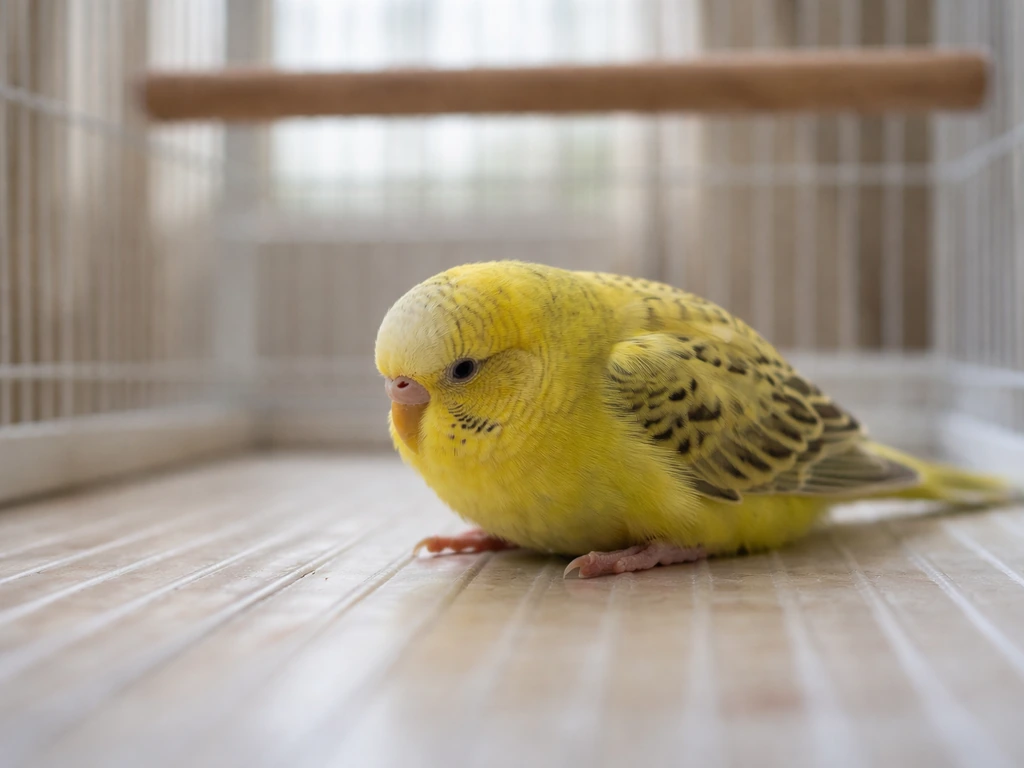
Look for anything visually obvious: a drooping wing, a leg held at an odd angle, swelling, bleeding, or the bird sitting flat on the cage floor rather than on a perch. A bird sitting on the floor of its cage is a significant warning sign and should not be written off as normal resting.
Common causes: the benign ones first
Most of the time, side-to-side swaying in an otherwise healthy-looking bird comes down to one of these reasons.
Sleepiness or fatigue
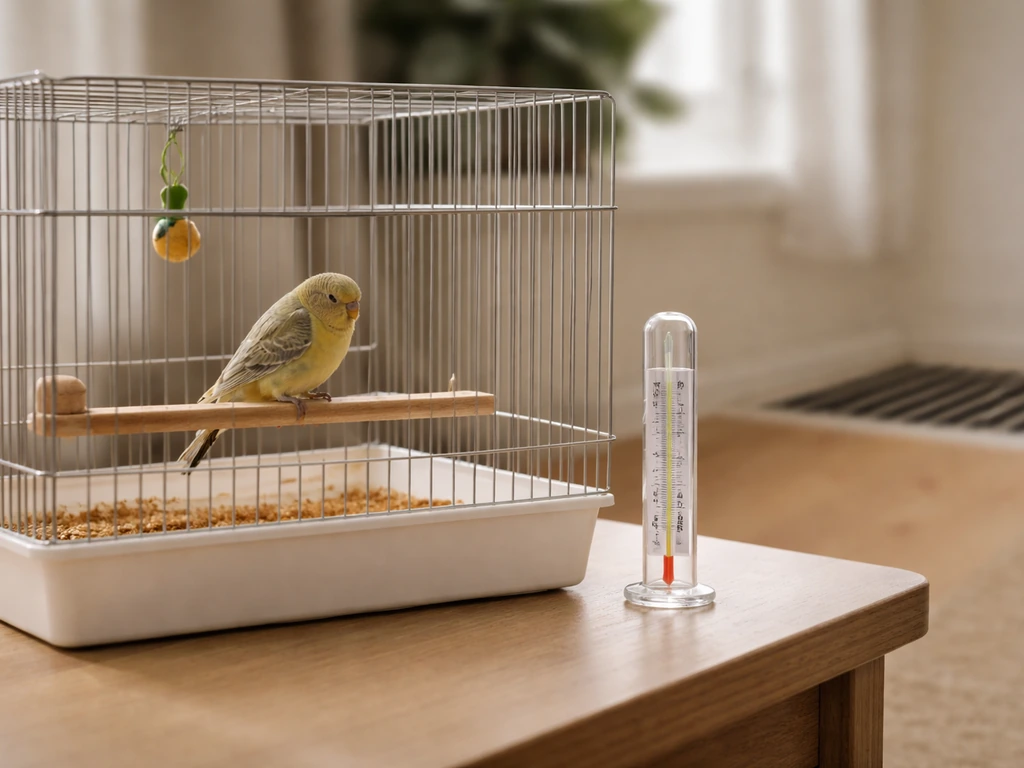
Birds sway when they're drowsy, exactly like a person nodding off in a chair. If this happens in the evening, during a quiet moment, or after a busy period of activity, and your bird's feathers are only slightly puffed (not dramatically fluffed), eyes are half-closed, and it's still gripping the perch well, this is almost certainly just tiredness. Let it rest.
Balancing on an unsuitable perch
A perch that's the wrong diameter for your bird's foot can cause constant micro-adjustments that look like swaying. For most budgies and cockatiels, a perch diameter between about 1/2 inch and 3/4 inch is ideal. If the bird's toes wrap almost all the way around (or can't wrap at all), the perch is the wrong size. Rope perches or smooth dowels can also make footing unstable, especially if a bird has overgrown or damaged nails.
Stress or anxiety
A new environment, a change in routine, a new pet or person in the home, or even being moved to a different room can cause stress-related rocking. Some birds sway as a self-soothing behavior. Check whether something changed recently. If swaying started shortly after a change in the environment and the bird is otherwise eating, drinking, and acting normally, stress is a likely explanation.
Temperature discomfort
Birds that are too cold will fluff up dramatically and may rock or shiver. Most pet birds do best between 65 and 80 degrees Fahrenheit. A bird near an air conditioning vent, a drafty window, or in a room that dropped in temperature overnight may sway or shiver as its body tries to generate heat. Check the cage location and the room temperature.
Attention-seeking or excitement
Some birds, especially parrots and cockatiels, sway intentionally when they want your attention, are excited about food, or are showing off. This kind of swaying is usually accompanied by other energetic behaviors: vocalizing, flapping, or following you with their eyes. It's completely normal and actually a sign of a happy, engaged bird.
When swaying becomes a warning sign: illness and neurological red flags
Swaying that comes with other symptoms is a different story. Here's what to watch for carefully.
| Symptom alongside swaying | What it may indicate | Urgency level |
|---|---|---|
| Open-mouth breathing, tail bobbing, wheezing | Respiratory distress or infection | Urgent, vet same day |
| Head tilt held consistently to one side | Inner ear issue or neurological problem | Vet within 24 hours |
| Falling off perch, poor grip, stumbling | Neurological issue, weakness, seizure activity | Urgent, vet same day |
| Dramatic fluffing, sitting on cage floor | Serious illness, systemic infection | Urgent, vet same day |
| Abnormal droppings (very watery, discolored, absent) | Infection, liver disease, dietary problem | Vet within 24 hours |
| No appetite or water intake | Weakness, illness, pain | Vet within 24 hours |
| Unresponsive or glassy-eyed | Toxin exposure, severe illness, shock | Emergency vet immediately |
| Facial/eye swelling, nasal discharge | Respiratory or sinus infection | Vet within 24 hours |
| Leg weakness or one leg dangling | Injury, nutritional deficiency, or neurological issue | Vet within 24 hours |
Neurological problems deserve special mention because they can look subtle at first. A bird with a brain or nervous system issue might sway, tilt its head, circle in one direction, or have tremors. These signs can develop gradually from vitamin deficiencies (especially vitamin A or E), infections, toxin exposure (like heavy metals or household fumes), or tumors. If the swaying is combined with any coordination problems, it's worth taking seriously even if the bird seems otherwise okay.
Seizures are a genuine emergency. If your bird loses grip suddenly, convulses, falls, and seems confused or unresponsive for more than a minute or two, that's not the same as sleepy swaying. Get to an avian vet immediately.
What to do in the next 1 to 24 hours
Here's a practical action plan based on what you're seeing.
- Run through the quick safety checks above (responsiveness, balance, breathing, injury). If any of those raise a red flag, stop reading and contact an avian vet now.
- Check the cage temperature. Move the bird away from drafts, air conditioning, or direct cold air. The room should be comfortably warm, around 70 to 75 degrees Fahrenheit for most species.
- Check perch size and stability. If the perch is too smooth, too thin, or too thick for the bird's foot, swap it out for something with better grip. Natural wood branches with some texture work well.
- Look at recent changes. New cage location, new food, new family member, recent vet visit, or any chemical use in the home (cleaning products, non-stick cookware fumes, air fresheners) can all trigger stress or even toxin reactions.
- Check food and water. Make sure fresh water and food are easily accessible. A bird that's swaying from weakness may not have been eating or drinking enough. Note whether droppings look normal.
- Observe for 15 to 30 minutes without disturbing the bird. Write down or voice-memo what you see: when the swaying happens, how long it lasts, whether it stops when the bird is active, and what the bird does between swaying episodes.
- Record a short video. Even 30 to 60 seconds of footage on your phone is extremely useful if you end up calling a vet.
- If everything checks out and the bird is alert, eating, and balanced after an hour of observation, monitor through the day. Watch for any new symptoms developing.
- If anything worsens or new symptoms appear at any point in the next 24 hours, contact an avian vet rather than waiting.
When to go to the vet urgently (and what to tell them)
Get to an avian vet the same day if your bird is showing any of the following: open-mouth breathing, tail bobbing with each breath, falling off the perch, sitting on the cage floor, dramatic fluffing combined with swaying, unresponsiveness, visible injuries, or any sign of seizure activity. If your bird is huddled, weak, unresponsive, or lying on the cage bottom, prompt veterinary advice is an emergency, according to the Merck Veterinary Manual. These are emergency presentations. If your regular vet isn't available, look for an emergency exotic animal clinic.
When you call, be ready to describe the following: the bird's species, age, and weight if you know it; when you first noticed the swaying and how often it's happening; any other symptoms you've noticed; recent changes to the environment or diet; whether the bird has had any exposure to fumes, new foods, or other animals; and what the droppings look like. The more specific you can be, the faster the vet can triage the call.
Don't minimize symptoms when you call. Birds are prey animals and instinctively hide illness. By the time signs are obvious to an owner, the bird may already be significantly unwell. Vets who work with birds understand this and would rather you call early.
How to document the swaying before your vet visit
Good documentation genuinely helps your vet figure out what's going on, especially for neurological or intermittent problems that may not show up clearly during an exam. Here's what to capture.
- Video: Film at least 30 to 60 seconds of the swaying, ideally when it's at its worst. Get a clear side view and a front view if possible. Include footage of the bird gripping the perch so the vet can assess balance.
- Timing: Note when it started, how often it happens (constantly, every few minutes, only at certain times of day), and whether it seems to get worse with any specific triggers like noise, movement, or low light.
- Duration: How long does each episode last? Does the bird return to normal between episodes?
- Context: What was the bird doing right before the swaying started? Was it sleeping, active, eating, or startled?
- Accompanying symptoms: Write down anything else you noticed, even if it seems minor, such as changes in droppings, appetite, vocalization, feather condition, or eye appearance.
- Environment notes: Room temperature, recent changes, what the bird ate in the last 24 to 48 hours, any cleaning products or aerosols used nearby.
If the swaying is happening in combination with behaviors like head tilting or unusual eye movements, note those too. Conditions involving the inner ear or vestibular system often show up as a cluster of these signs together, and the pattern helps narrow things down considerably.
A note on species differences
The advice above applies broadly across common pet bird species including budgies, cockatiels, conures, African greys, Amazon parrots, finches, and canaries. That said, a few practical differences are worth knowing. Smaller birds like budgies and finches deteriorate faster when ill, so don't wait as long to seek help if something seems off. Larger parrots may mask illness more effectively and for longer. Cockatiels are particularly prone to stress reactions and are also more susceptible to cold, so temperature checks matter especially for them. Finches and canaries are often kept in aviaries where it's harder to spot individual changes early, so any bird that's separating itself from the flock or sitting low is worth isolating and watching closely.
The bottom line on bird swaying
Most of the time, a bird swaying side to side is doing something totally normal: rocking itself to sleep, balancing on a perch, or asking for your attention. The moment you see other symptoms alongside the swaying, especially breathing changes, balance problems, or unresponsiveness, that's when it crosses into territory that needs a vet's eyes. Eye squinting can be caused by irritation, illness, pain, or stress, so it's worth checking alongside your bird's other symptoms and behavior breathing changes. Run through the quick checks, observe carefully for up to an hour if everything looks otherwise okay, document what you see, and don't hesitate to make the call if anything feels wrong. You know your bird better than anyone, and trusting that instinct is usually the right move.
FAQ
How can I tell if side-to-side swaying is balance trouble versus normal drowsiness?
Focus on grip and coordination. Normal tired rocking usually keeps steady footing and the bird looks calm, eyes partially closed, and able to respond when you interact. Balance trouble often shows weaker perch-holding, slipping or stumbling, grabbing bars for support, or swaying that worsens when the bird tries to move.
Is it ever okay to wait a few hours if my bird is swaying but seems alert?
It can be reasonable to monitor briefly only if the bird is fully gripping the perch, breathing looks normal, droppings and appetite are unchanged, and there are no other neurological signs (like head tilt, circling, or tremors). If the swaying is new and persistent, increases over time, or you notice any coordination change, contact an avian vet the same day.
What should I check for respiratory issues when my bird is swaying?
Watch breathing at rest for at least 30 seconds, then listen for abnormal sounds. Open-mouth breathing, wheezing, clicking, rapid chest movement, or visible tail bobbing with each breath are urgent. If your bird is swaying and also breathing unusually, treat it as emergency even if it still responds to you.
Could the perch be the cause even if the bird is using it normally?
Yes. Even with a “correct-looking” perch, smooth dowels, rope perches, or nail overgrowth can make footing unstable and create rocking that resembles swaying. If swaying started after a perch change, or your bird repeatedly shifts weight without other symptoms, try a perch that matches the bird’s foot size and texture and observe over the next few hours.
My bird sways after I change food or add a new treat, could that be related?
It can be related indirectly through stress, upset, or exposure to irritants. Note timing (how soon after the change the swaying began), and check droppings and energy level. Stop the new food or treat and avoid potential contaminants (like strong-smelling fresh cleaners or air fresheners), then decide on veterinary contact based on whether there are any additional symptoms.
What household exposures should I rule out if swaying seems neurological?
Toxins and fumes are common triggers. Think about new nonstick cookware or overheated pans, smoke or vaping, scented plug-ins, aerosols, strong cleaners, or recent pest control. If you suspect any exposure and the swaying is accompanied by head tilt, circling, or coordination problems, do not wait, contact an avian vet immediately.
If my bird is swaying intermittently, how do I record it so the vet can triage?
Use quick notes that include start time, duration, frequency (for example, every 5 minutes), what the bird was doing right before it started (sleeping, eating, excited, on a specific perch), and whether grip and breathing stayed normal. Also describe droppings (color, amount, watery or not), and note any head movement patterns.
Can seizures look like gentle swaying at first?
Sometimes, but true seizures typically progress to uncontrolled jerking, loss of grip, falling, or a sudden, dramatic change in responsiveness. If your bird’s motion is rhythmic and steady with stable footing, it is more likely to be rocking or balance-related, but if episodes end with confusion, weakness, or inability to hold on, treat it as an emergency.
My bird has one foot positioned differently, could that cause side-to-side rocking?
Yes. Uneven weight bearing from an injured foot, leg problem, or nail issues can make a bird sway while trying to redistribute pressure. Check for swelling, limping, a toe held awkwardly, or reluctance to step up. If you see injury, limping, or the bird is on the floor, arrange urgent avian evaluation.
Should I move the bird to a different cage or lower perch if it’s swaying?
If the bird is stable and only gently rocking, don’t create extra stress. If balance seems poor, you can reduce fall risk by placing food and water within easy reach and using a safer setup, like a low perch, but avoid handling it more than necessary. If there are any emergency signs (breathing trouble, unresponsiveness, seizure-like activity), prioritize transport to an avian vet over adjustments at home.