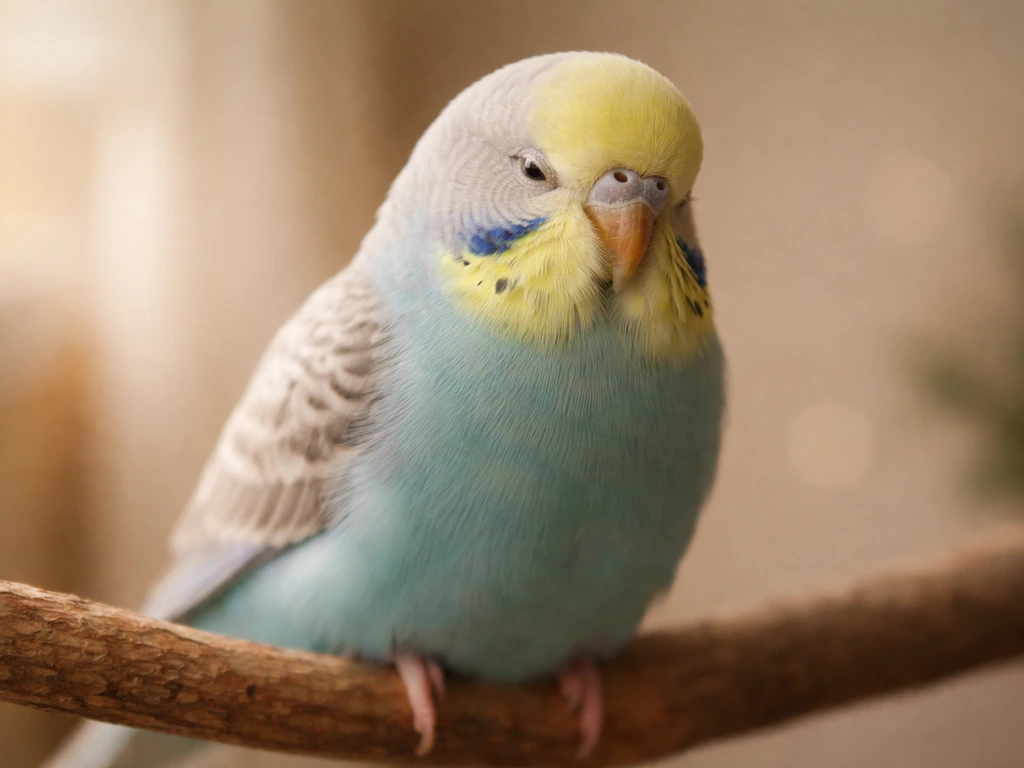
A squinting bird is almost always telling you something is bothering its eye, whether that's a speck of dust, dry air, an early infection, or something more serious. Most of the time a single brief squint that clears up on its own is nothing to worry about. But if your bird is squinting repeatedly, holding one eye shut, or you notice any discharge, crusting, redness, or swelling, that crosses into territory where you need to pay close attention and likely call an avian vet.
Why Is My Bird Squinting? Causes and What to Do Now
Marcus Chen
9 Jun 2026
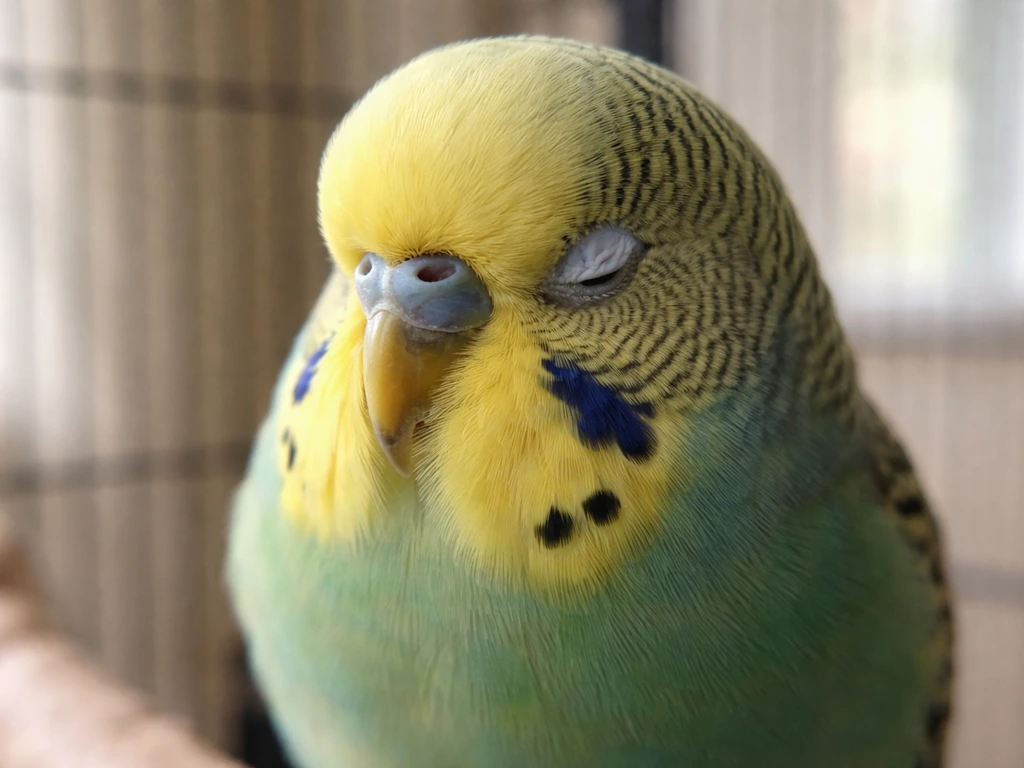
What bird squinting usually indicates
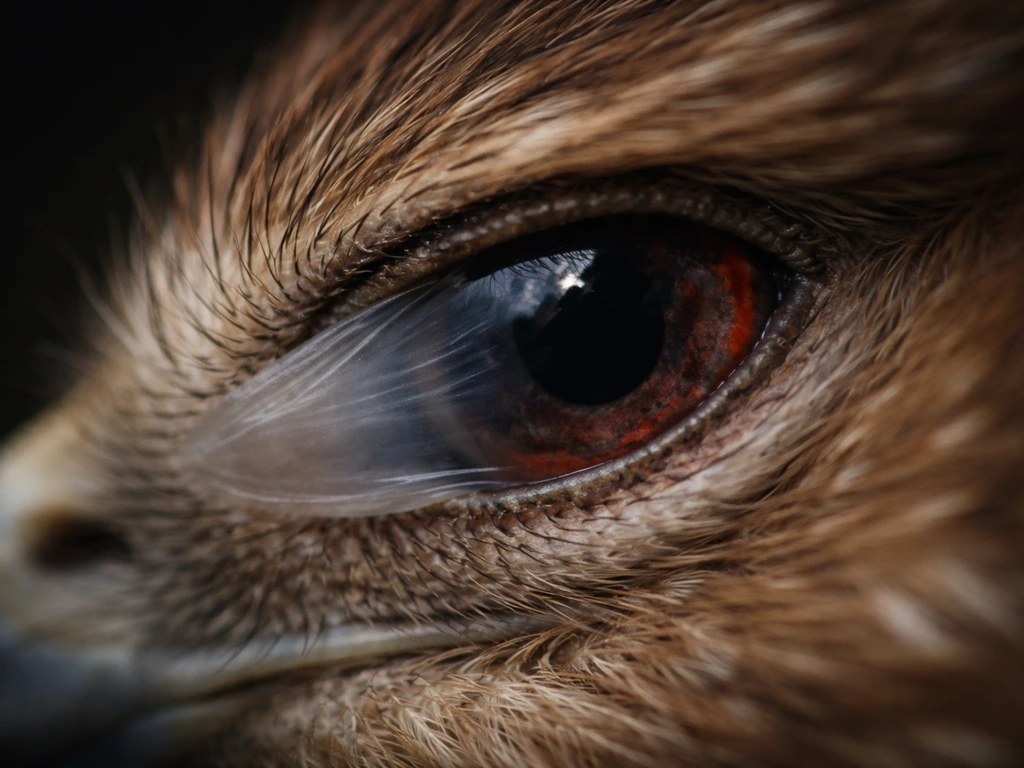
Birds have three eyelids: an upper lid, a lower lid, and a nictitating membrane (the third eyelid) that sweeps horizontally across the eye to keep it clean and moist. When a bird squints, the upper and lower lids close partway, leaving a narrow slit. That motion is the bird's way of protecting or soothing an eye that feels wrong somehow.
Squinting is a symptom, not a diagnosis. It can mean anything from mild, temporary irritation to an active infection or even a sign of pain from a corneal scratch. The key is reading what else is going on at the same time. A quick one-off squint after a sneeze is very different from a bird sitting hunched with one eye glued shut and discharge crusting around it.
Worth noting: squinting is related to but different from slow blinking, which birds often do when they are relaxed and content. If your bird is slowly closing and reopening both eyes in a calm, rhythmic way, that is generally a good sign rather than a bad one.
Quick at-home checks to narrow the cause
Before you panic or before you dismiss it, do a quick, calm visual inspection. You do not need to handle your bird aggressively. Just observe closely for a few minutes, ideally in good natural light.
- Check which eye is affected. Is it one eye or both? One-sided squinting more often points to a local irritant, a foreign object, or an injury. Both eyes squinting simultaneously leans more toward a systemic infection, illness, or environmental exposure like fumes or smoke.
- Look for visible discharge. Is there anything watery, thick, white, tan, or crusty around the eye? Any discharge beyond a very small amount of clear fluid warrants a vet call.
- Check the eye surface. Does the eye look cloudy, hazy, or have an unusual film? A clear eye is a better sign than one that looks dull or opaque.
- Look for swelling. Is the area around the eye puffed up, or does the eyelid look swollen or red? Periocular swelling is a red flag.
- Check the rest of the bird. Is your bird eating, moving around, and acting like itself? Lethargy, puffed-up feathers, loss of appetite, or labored breathing alongside squinting is a much more urgent situation.
- Think about recent changes. Did you use a cleaning spray, air freshener, candle, or new cooking pan recently? Did someone paint nearby or open a window to traffic fumes? Environmental triggers are very common and easy to overlook.
- Check humidity if you can. If you have a hygrometer, see where your room sits. Birds generally do best around 40 to 50 percent relative humidity. Anything much lower, especially in winter with heating running, can cause dry, irritated eyes.
Common causes: irritation, dryness, infection, and allergens
Dust, debris, and dry air
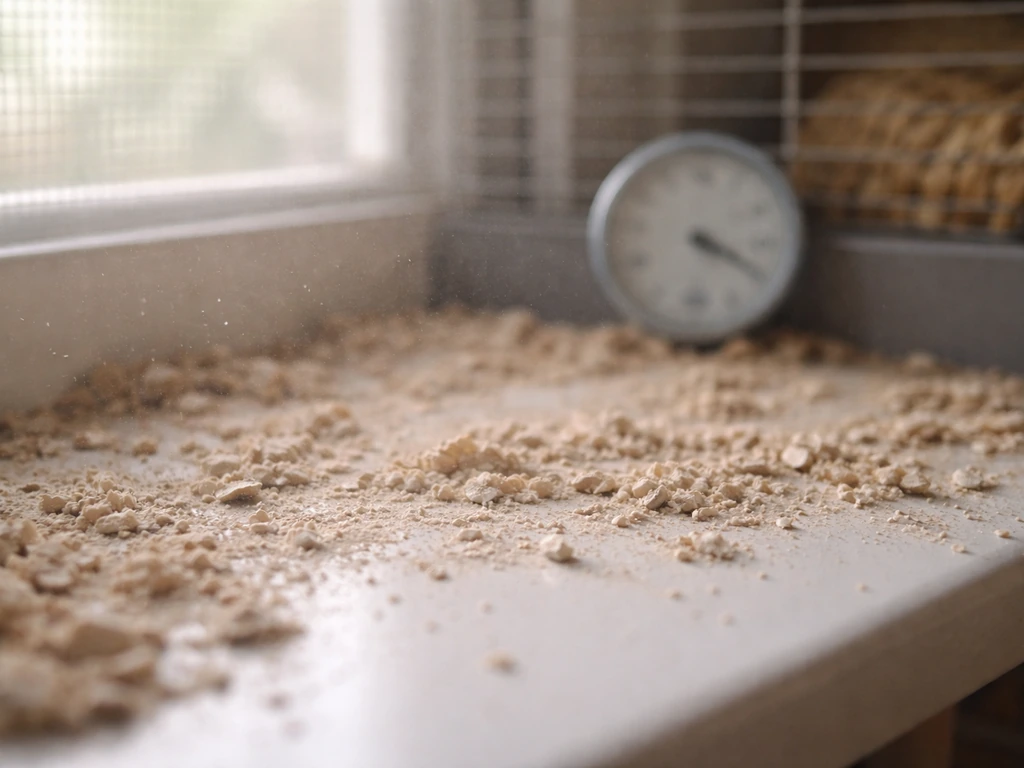
This is probably the most frequent cause of a quick, transient squint. Dusty bedding material, feather dander, cage substrate particles, or simply low humidity can irritate the eye surface. If the squinting is brief, clears up, and the eye looks normal afterward, dry air or a tiny particle is the likely culprit. Improving room humidity to that 40 to 50 percent range and switching to a less dusty bedding can make a real difference.
Conjunctivitis
Conjunctivitis, an inflammation of the tissue lining the eyelid and eye surface, is one of the most common eye conditions in pet birds. Signs include squinting, increased blinking, watery or thicker discharge (which can become thick and white or tan and crust over), and keeping the eye more closed than usual.
PetMD notes that conjunctivitis in birds commonly shows blinking and squinting, and may involve more tear production as well as crusting around the eye conjunctivitis in birds often causes blinking and squinting with possible extra tear production and crusting. Conjunctivitis can have bacterial, viral, or environmental causes, and it needs a vet to properly identify and treat.
Left untreated, it can progress and in some cases contribute to longer-term vision problems.
Bacterial and mycoplasmal infections
Mycoplasmal infections can cause swelling and inflammation of the eyelids along with watery discharge and sometimes nasal discharge as well. One particular concern with pet parrots and other psittacine birds is avian chlamydiosis (also called psittacosis or parrot fever), caused by Chlamydophila psittaci. This is a systemic disease where ocular discharge and conjunctivitis can appear alongside lethargy, appetite loss, nasal discharge, and diarrhea. It is also a zoonotic condition, meaning it can pass to humans, which makes a vet evaluation especially important if you suspect it.
Allergens and airborne irritants
Birds have extremely sensitive respiratory tracts and mucous membranes. Scented candles, perfumes, aerosol sprays, cigarette smoke, incense, and even certain cleaning products used in the same room can irritate a bird's eyes and airways simultaneously. If the squinting started right after you used something new in the space, that is a very strong clue.
Injury, foreign objects, or chemical and fume exposure
Corneal scratches and foreign objects
A scratch on the cornea (the clear outer surface of the eye) is painful and will cause squinting or holding the eye shut. Some owners also notice unusual neck twisting along with eye irritation, which can be a sign that something is uncomfortable or painful and should be assessed holding the eye shut. blank" rel="noopener noreferrer">Corneal ulcers, which are breaks in that surface, are a serious condition that can lead to permanent scarring and reduced vision if not treated.
A bird can scratch its own eye on cage wire, a rough toy edge, or even during play with a cagemate. If you suspect a scratch or see anything on or in the eye, do not try to remove it yourself. A gentle saline flush might help dislodge a loose surface particle, but anything stuck or embedded needs professional removal.
Toxic fumes and chemical exposure
This category can escalate very quickly. Non-stick cookware (PTFE/Teflon) overheated on the stovetop releases fumes that are lethal to birds, even before humans notice any smell. Other serious fume sources include bleach, ammonia-based cleaners, carbon monoxide, natural gas, aerosol sprays, burnt cooking oils, and smoke of any kind. Eye squinting may be one of the first signs you notice, but fume exposure can rapidly progress to breathing difficulty, tremors, and worse. If fume exposure is possible, move your bird to fresh air immediately and treat this as an emergency.
Physical trauma
A bird that flew into a window, was startled and crashed into something, or had a conflict with another pet may have eye trauma alongside other injuries. After any kind of impact or collision, check the whole bird carefully and watch for signs of respiratory distress. Trauma to the eye area needs veterinary assessment.
Warning signs that mean vet care today
Some situations do not call for a wait-and-see approach. Contact an avian vet as soon as possible if you see any of the following:
- Discharge from the eye, especially if it is thick, white, tan, or crusted
- Swelling around or behind the eye, or swelling anywhere on the face or head
- A cloudy, hazy, or opaque eye surface
- Crusting that is sealing the eyelid shut
- Both eyes affected at the same time
- Squinting combined with nasal discharge, sneezing, or any open-mouth breathing
- Labored breathing, tail bobbing, or any sign of respiratory distress
- Lethargy, puffed feathers, or sitting on the cage floor
- Loss of appetite or significant behavior change
- Head tilt, loss of balance, or tremors
- Any known or suspected exposure to toxic fumes, smoke, or cleaning chemicals
- Squinting that is getting worse rather than better over a few hours
- Any suspected physical trauma to the head or eye area
Eye problems in birds can worsen fast. A serious infection left untreated can lead to conditions like uveitis (internal eye inflammation that may signal wider systemic disease) or permanent corneal scarring. When in doubt, call. A quick phone consult with an avian vet can help you triage whether it is a same-day visit or something you can monitor overnight.
Immediate do's and don'ts while you monitor
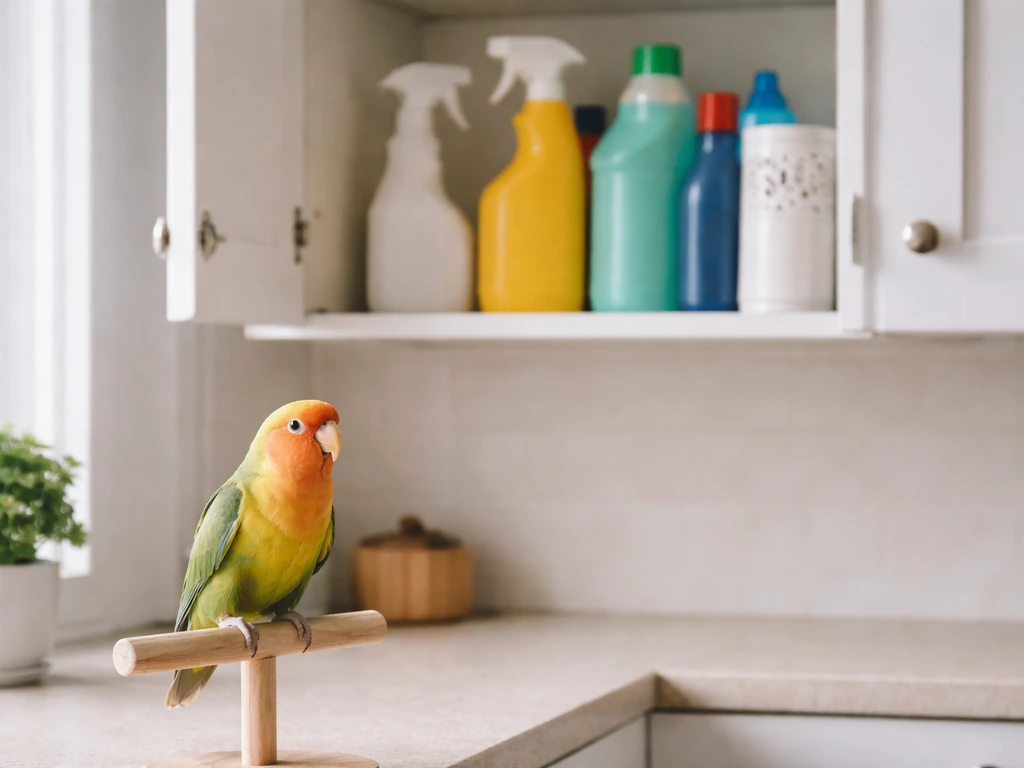
While you are assessing the situation or waiting for a vet appointment, there are some straightforward things you should and should not do.
| Do | Don't |
|---|---|
| Move the bird away from any suspected fume, smoke, or spray source immediately | Use aerosol sprays, air fresheners, or cleaning chemicals near the bird |
| Improve ventilation with fresh air (avoid direct cold drafts) | Put your bird in a draft or near an air conditioning vent |
| Check and improve room humidity toward 40 to 50 percent if it is low | Use human eye drops, medicated drops, or OTC treatments without vet guidance |
| Gently observe the eye in good light without stressing the bird | Try to open the eyelid forcibly or probe around the eye yourself |
| Keep the bird warm and calm, minimize handling | Ignore symptoms that are getting worse or that include other illness signs |
| Note when symptoms started and what changed recently in the environment | Wait more than 24 hours if discharge, swelling, or other red flags are present |
| If taking the bird to the vet, do not clean the cage first so the vet can see the environment | Introduce any new products, toys, or cage materials while monitoring |
Prevention and environment tweaks to prevent recurrence
Once you have addressed the immediate issue, it is worth looking at the bird's living environment to reduce the chances of this happening again.
Air quality
Keep all aerosol products, scented candles, incense, perfumes, and chemical cleaners well away from the bird's space. Non-stick cookware should ideally not be used in the same home as pet birds, or at minimum never allowed to overheat. Always ventilate well when using any cleaning products and keep the bird in a completely separate area until fumes have fully cleared.
Humidity and hydration
Pick up an inexpensive hygrometer and keep an eye on room humidity. Aiming for 40 to 50 percent is a practical target for most pet birds. In dry climates or during winter heating season, a room humidifier near (but not blasting directly at) the cage helps. Make sure fresh water is always available for drinking, and regular bathing or misting gives birds a chance to naturally clean their eyes and feathers.
Cage and bedding choices
Choose low-dust cage substrate and bedding materials. Avoid cedar or pine shavings, which release aromatic oils that irritate birds' respiratory tracts and eyes. Clean the cage regularly to reduce dust, mold, and ammonia buildup from droppings, all of which can irritate the eyes over time.
Lighting and cage placement
Avoid placing the cage directly in front of windows with intense direct sunlight, which can be harsh on sensitive eyes. Provide a good balance of light and shade so your bird can self-regulate. Full-spectrum avian lighting can be beneficial but should have an appropriate light cycle with regular darkness for sleep.
Diet and wellness monitoring
A balanced diet that includes fresh vegetables, appropriate pellets, and vitamin A-rich foods supports overall immune health and eye health. Vitamin A deficiency in particular is known to affect the mucous membranes, including those around the eyes. Annual wellness exams with an avian vet help catch issues before they escalate. Get familiar with your bird's normal behavior so any deviation, whether that is squinting, unusual head movements, or changes in posture, stands out quickly.
Unusual head bobbing or rhythmic head movement can sometimes go along with eye discomfort, so it is worth considering together with the squinting. Some birds sway side to side or rock their bodies when they are uncomfortable or reacting to an eye or balance issue unusual head movements.
A single brief squint is rarely cause for alarm on its own. But your bird's eyes are a surprisingly useful window into its overall health, and persistent squinting paired with any other symptom deserves prompt attention. Trust your instincts as an owner. If something feels off, it usually is worth a call to an avian vet.
FAQ
How long can my bird squint before it becomes a vet issue?
If it is a one-off squint that fully clears within a short period and the eye looks bright and normal afterward, it is often temporary irritation. Repeated squints across several hours, squinting that continues into the next day, or any pattern of one eye being favored are strong reasons to contact an avian vet for same-day guidance.
Is one eye squinting more concerning than both eyes?
Yes. One-eye squinting, holding one eye shut, or obvious asymmetry (more blinking on one side, more discharge from one eye) often points to a localized problem like a corneal scratch or embedded particle rather than general dryness.
What discharge clues help me tell irritation from infection?
Watery tears can occur with mild irritation, but thicker discharge that keeps returning, crusting around the lid, yellow-green or pus-like material, and eyelids that look puffy or red are more consistent with infection or significant inflammation, which should be assessed by an avian vet.
Can slow blinking mean my bird is in pain?
Slow blinking in both eyes while your bird is calm is usually a comfort or relaxation sign. Pain is more likely when slow blinking is replaced by holding one eye closed, frequent squinting, abnormal head guarding, or any discharge or swelling.
Should I put eye drops in my bird if I suspect dust?
Avoid medicated drops unless a vet tells you exactly what and how to use them. For suspected surface dirt, a gentle saline rinse may help only if you can do it safely without forcing your bird, but anything embedded in the eye surface needs professional removal.
How do I do a safe home check without stressing my bird?
Use good natural or bright indoor light, observe from a distance first, then look for symmetry (both eyes open equally), lid redness or swelling, discharge type (watery versus thick), and any foreign matter you can see at the eye margin. Do not restrain aggressively or press on the eye, since that can worsen a corneal injury.
What should I watch for if I suspect a corneal scratch or ulcer?
Expect more than just squinting. Look for persistent keeping the eye shut, excessive blinking, reduced opening on one side, and protective behaviors like neck twisting or head tilting toward the uncomfortable eye. If a scratch is possible, prompt veterinary care matters because ulcers can scar quickly.
Could my bird be squinting because of a vitamin deficiency?
Vitamin A deficiency can contribute to issues affecting mucous membranes, including around the eyes, but it rarely explains sudden, acute squinting by itself. If squinting is persistent alongside other signs like increased respiratory mucus or chronic crusting, a vet can confirm whether nutrition or another condition is involved.
Can environmental cleaners affect only the eyes, or will I see other symptoms?
They can do both. Eye squinting might be the first visible sign, but you may also notice sneezing, watery eyes, coughing, tail-bobbing, or trouble breathing as exposure continues. If anything new like bleach, ammonia, aerosol sprays, or heavy fragrance was used, treat it as higher risk and improve ventilation immediately.
What should I do right after suspected fume exposure?
Move your bird to fresh air right away, away from the source, and keep the environment quiet and warm. Do not delay for “watchful waiting,” because bird respiratory systems can worsen quickly even when the initial sign is just eye discomfort.
If my bird crashed into something, what else should I check besides the eye?
After any impact, check breathing (effort, open-mouth breathing, wheezing), posture (hunched or unable to perch normally), and general responsiveness. If you see any respiratory distress or the bird is not acting normally, assume more than an eye issue and contact an avian vet urgently.
How can I reduce recurrence without overhauling everything?
Pick one or two high-impact changes first: switch to low-dust bedding, keep humidity around 40 to 50 percent, and eliminate scented products and aerosol cleaners near the cage. Also add a simple habit of consistent spot-cleaning to limit dust, mold, and ammonia buildup from droppings.
When should I ask for a phone consult versus going same-day?
If there is discharge, crusting, swelling, a bird holding one eye shut, signs of pain behavior, suspected fume exposure, or any trauma history, request same-day avian evaluation. If symptoms are very mild, both eyes look normal afterward, and it clearly improves within hours, a phone consult can still help you decide whether observation is reasonable.
Next Article
Why Is My Bird Blinking Slowly? Causes and What to Do
Find causes of slow or frequent bird blinking, spot warning signs, and follow step by step care to respond fast.