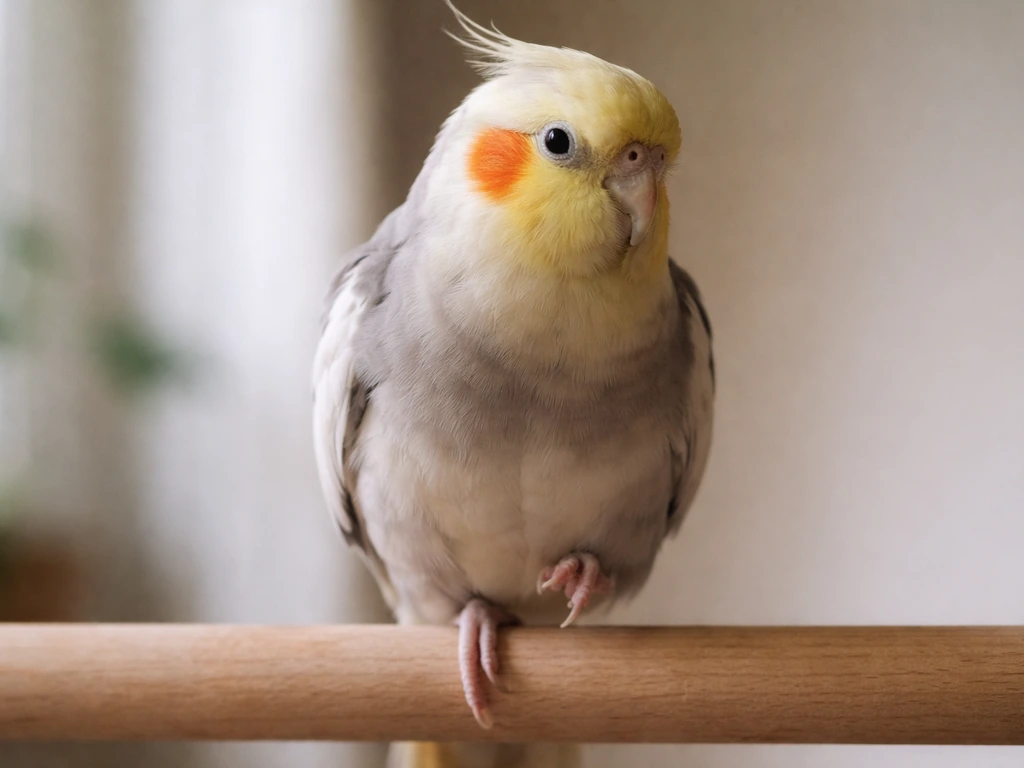
A bird standing still is not automatically a problem. Birds rest, watch their surroundings, and conserve energy by staying motionless for stretches of time, and that is completely normal. Birds also do this on the ground, so a ground-sitting bird can still be resting, but pay attention to the same warning signs why would a bird be sitting on the ground.
Why Is My Bird Just Standing Still? Causes and What to Do

Marcus Chen
28 May 2026
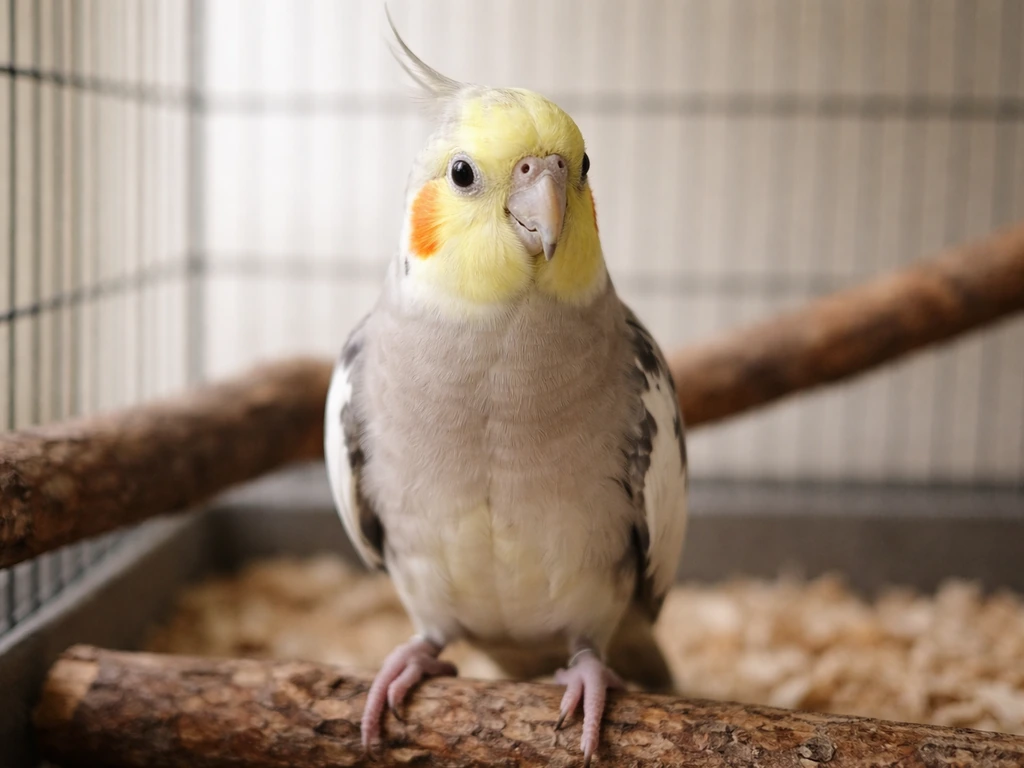
What you need to figure out is whether your bird is simply relaxed and healthy or whether something is genuinely wrong. Sometimes birds lay on their backs when they are being playful, relaxing, mating, or trying to cool down, but persistent back-lying can also be a sign of illness or injury lay on its back. The difference usually shows up in a handful of specific signs: posture, breathing, eye condition, and how the bird responds when you approach.
Normal stillness vs. concerning stillness
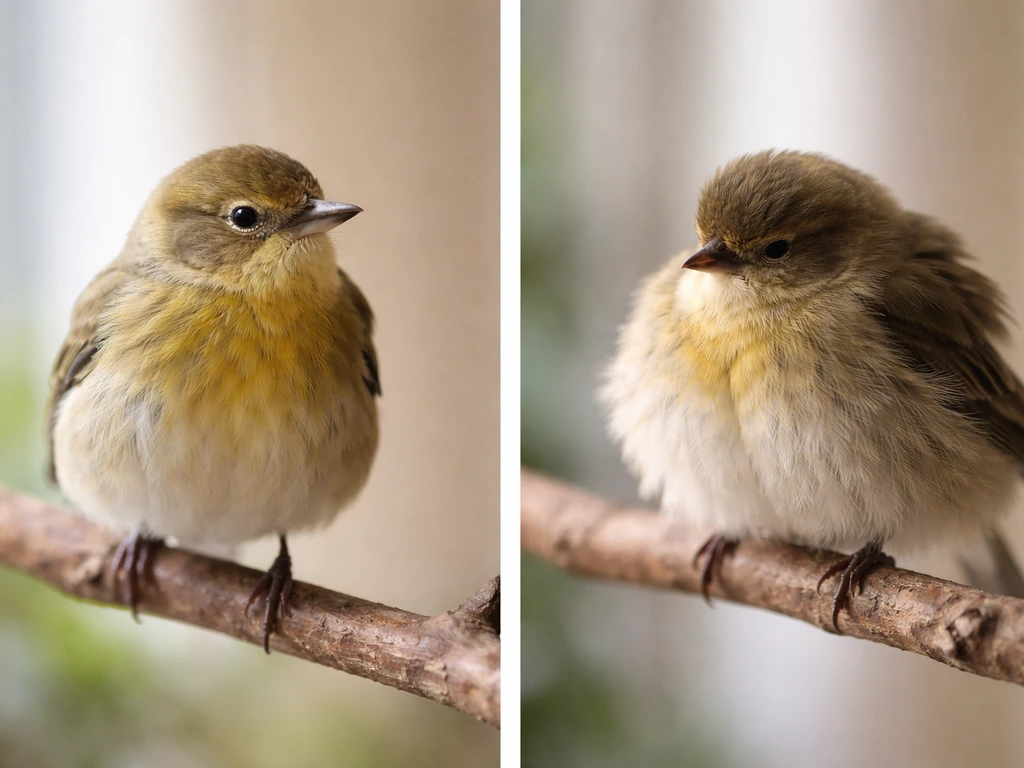
A healthy bird standing still looks alert and balanced. The feathers are smooth or only slightly puffed during sleep, the eyes are bright and open or gently closed during a nap, breathing is quiet and invisible, and the bird notices when you walk over. That kind of stillness is just rest.
Concerning stillness looks different. The bird may be persistently fluffed up well beyond a light nap posture, eyes half-closed when it should be awake, head drooping or tucked unusually deeply, or the tail bobbing with each breath. If your bird has been standing in one spot barely moving for more than a couple of hours during the active part of the day, and the signs above are present, that warrants real attention.
One important thing to understand: birds are prey animals and are wired to hide weakness for as long as possible. By the time a bird looks visibly sick, it has often been unwell for longer than you realized. Early, careful observation matters a lot.
Quick at-home observations to do right now
Before you touch or move the bird, spend two to three minutes just watching from a comfortable distance. Handling a stressed or sick bird can make things worse, so observation first is the right call.
- Posture: Is the bird upright and balanced, or hunched and leaning? Is it gripping the perch firmly with both feet, or does it look unsteady?
- Feathers: Lightly puffed during a nap is fine. Persistently puffed, ruffled, or fluffed throughout the day is a warning sign of chills, fever, or illness.
- Breathing: Watch the chest, sides, and tail. Breathing should be silent and nearly invisible at rest. Tail bobbing with each breath, open-mouth breathing, audible wheezing or clicking, or visible effort in the chest or flanks are all red flags.
- Eyes: Bright and reactive is good. Half-closed, sunken, or watery eyes during waking hours suggest the bird is not well.
- Responsiveness: Does the bird notice you? Does it turn its head, shift its weight, or call out? A bird that barely reacts when you approach is concerning.
- Droppings: Check the cage floor. Healthy droppings have three distinct parts: a firm green or brown component, white urates, and clear liquid. Red, tarry black, pale yellow, or very watery droppings are abnormal.
- Food and water: Has the bird eaten or drunk anything today? Untouched food and water alongside stillness is a significant warning.
Common benign reasons a bird stands still
Most of the time, a bird standing still is doing one of a few perfectly normal things. Knowing these can save you a lot of worry.
Resting and light sleep
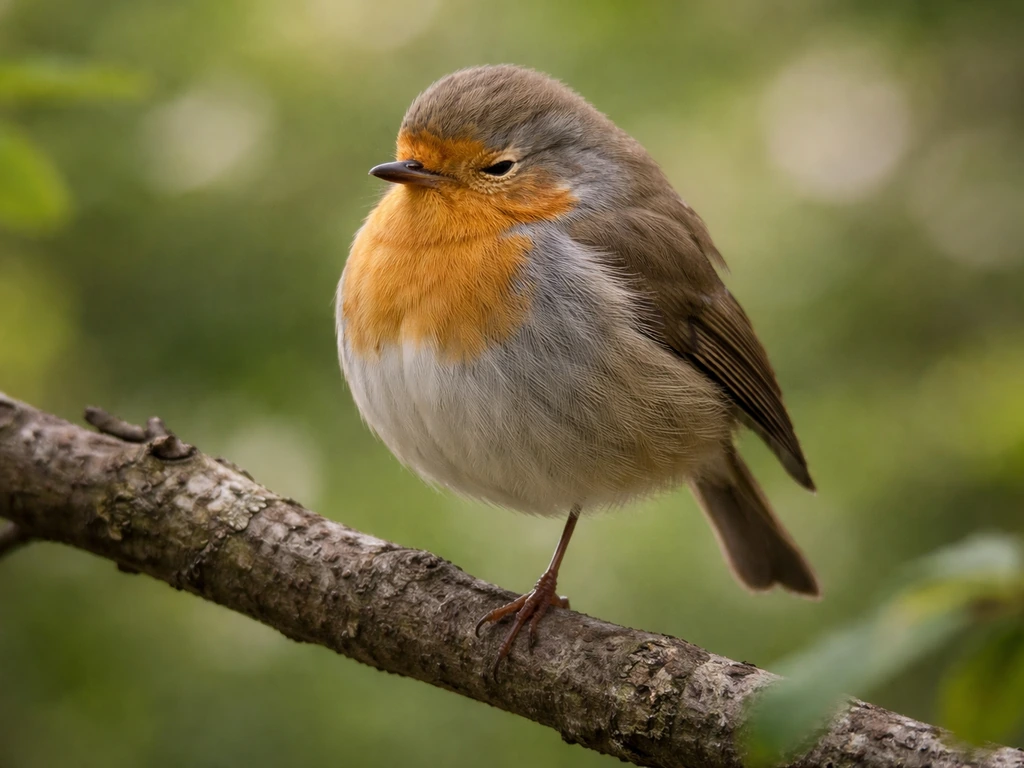
Birds nap throughout the day, not just at night. During a rest, they often fluff their feathers slightly, close one or both eyes, and stand very still on one or both legs. This is healthy behavior. Related to this, you may notice your bird standing on one leg, which is also a normal resting posture in many species. If you see a leg band, it is usually a harmless identification band, but you may want to confirm it is the right fit and type and not causing any irritation. You may wonder why your bird lifts one leg up, but in many cases it is a normal resting posture.
Alert watching
Birds are observant creatures. A bird that spots something outside the window, hears an unfamiliar sound, or is tracking another pet in the room may freeze and go completely still. This is a natural instinct. You will notice the eyes are wide open and the bird is visibly focused on something.
Temperature and drafts
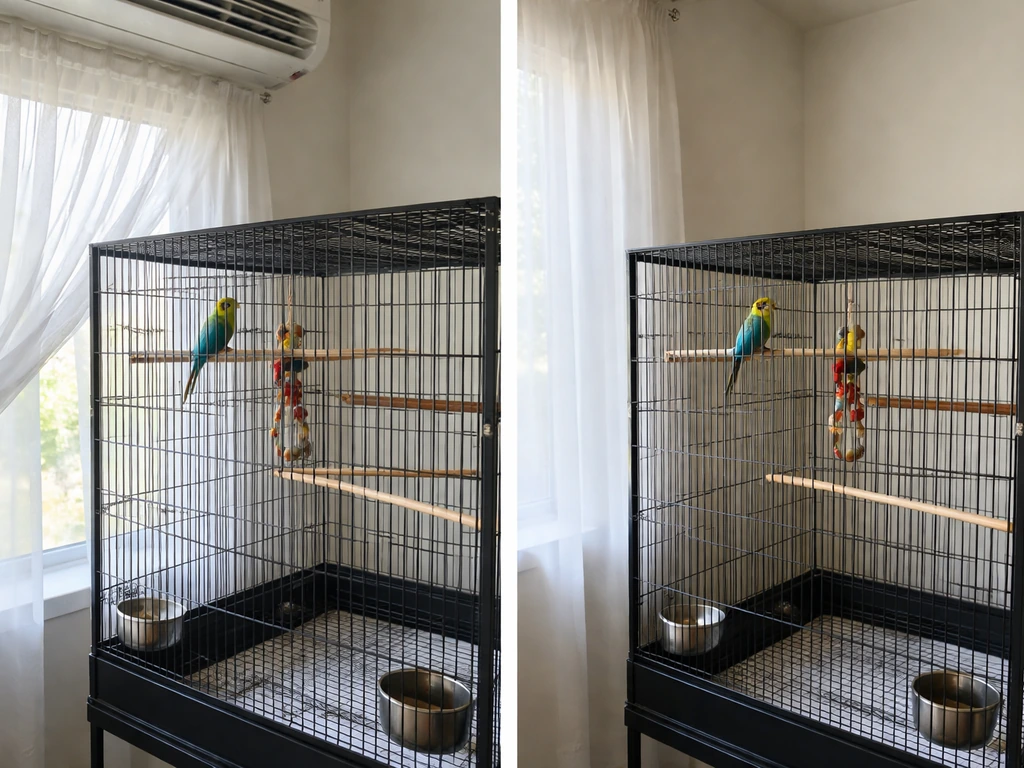
Most companion birds are comfortable in a room temperature range of about 65 to 80 degrees Fahrenheit. If the cage is near a vent, window, air conditioner, or fan, the bird may be chilly or uncomfortable, causing it to fluff up and stay still to conserve heat. This is a husbandry issue rather than illness, but it needs to be fixed because prolonged cold stress can lead to real health problems. Move the cage away from drafts and direct airflow, and make sure temperature changes in the room are gradual.
New environment or stress
A bird that has recently moved homes, been introduced to a new cage, or experienced a disruption in its routine may stand very still as a stress response. Given time and a calm, consistent environment, this usually resolves on its own within a day or two.
Health and stress causes that deserve your attention
If the benign explanations above do not match what you are seeing, consider these possibilities.
Lethargy and generalized illness
Lethargy (a bird that is unusually inactive, unresponsive, and not interested in food or interaction) can be caused by a very long list of conditions: bacterial or viral infections, parasites, nutritional deficiencies, liver or kidney problems, endocrine disease, and toxin exposure, among others. Some serious illnesses like Pacheco's disease present without unique distinguishing signs, making the general picture of lethargy plus stillness the main clue. The absence of a specific obvious symptom does not mean things are fine.
Respiratory problems
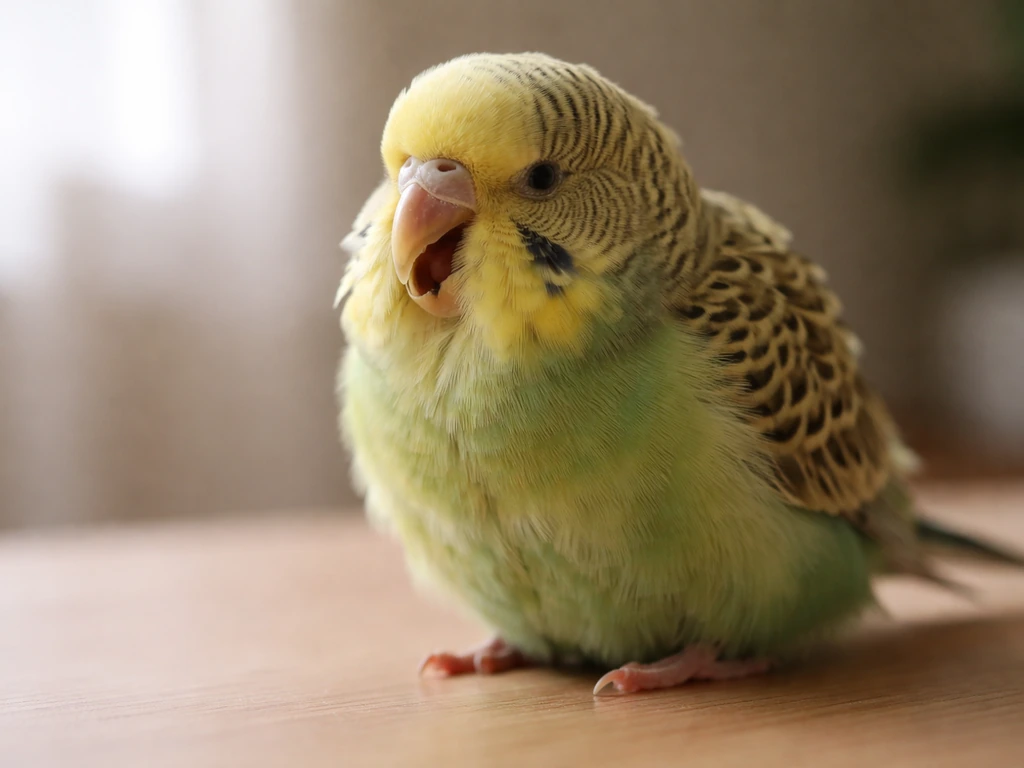
Respiratory illness is one of the most urgent reasons a bird may stand still and look unwell. Key signs include open-mouth breathing at rest, audible wheezing or clicking sounds, tail bobbing with each breath, and labored visible effort in the chest or flanks. A bird with respiratory distress should not be stressed with unnecessary handling. The Merck Veterinary Manual also advises that a bird with respiratory distress should not be stressed with unnecessary handling. Keeping it warm and quiet and getting veterinary help quickly is the priority.
Gastrointestinal issues
GI problems ranging from infections to avian gastric yeast (Macrorhabdus ornithogaster) can cause a bird to stand still, look hunched, lose interest in food, and produce abnormal droppings. Regurgitation, diarrhea, or droppings that are unusually watery, discolored, or foul-smelling alongside lethargy and stillness are warning signs that need veterinary evaluation.
Pain or injury
A bird in pain will often stand very still to protect the affected area. Look for any visible swelling, asymmetry, a drooping wing, a leg held differently from normal, or any sign of bleeding. If you notice any of these alongside unusual stillness, handle the bird as little as possible and contact a vet.
Neurological problems
Neurological signs can cause a bird to stand still in an unusual way: a head tilt, tremors, loss of balance, or an inability to grip the perch properly. West Nile virus and other neurological conditions can present with weakness, drooped head, ataxia, and fluffed feathers alongside stillness. If you see any of these signs, this is an emergency.
Shock or severe stress
A bird that has been frightened severely, has flown into a window, or has been attacked by another animal may go into shock and stand frozen, unresponsive, and fluffed. Keep it warm, quiet, and dark (a small covered box works well), and get veterinary guidance immediately.
What to do today: a step-by-step approach
- Observe without handling first. Spend two to three minutes watching your bird from a few feet away. Note breathing, posture, eye condition, and responsiveness before you do anything else.
- Check the environment. Is the cage near a vent, window, or fan? Is the room temperature within the 65 to 80 degree Fahrenheit comfort range? Move the cage if needed and remove any sources of draft or direct airflow.
- Check for fumes or toxins. Overheated non-stick cookware, scented candles, air fresheners, cleaning sprays, and smoke are all dangerous to birds and can cause sudden collapse or stillness. Ventilate the room and move the bird away from any suspected source.
- Look at the droppings. Examine the cage floor for abnormal droppings without disturbing the bird. Color changes (red, tarry black, pale yellow), very watery consistency, or complete absence of droppings are all worth noting.
- Offer fresh food and water. Note whether the bird eats or drinks. A bird that refuses food while standing still is showing a more significant sign of illness.
- If the bird seems chilly but otherwise normal, gently warm the room and add a low-wattage heat lamp positioned to one side of the cage (not directly over it) so the bird can choose to move toward or away from the warmth.
- If you see any of the red flags listed below, stop at-home management and contact an avian vet immediately. Do not try to force-feed or give any medication unless directed by a vet.
Red flags: get veterinary help immediately
Some signs mean you should not wait and see. Contact an avian vet the same day, or find an emergency exotic animal clinic, if you observe any of the following:
- Open-mouth breathing at rest or visible gasping
- Tail bobbing with every breath
- Audible wheezing, clicking, or rattling sounds when breathing
- The bird has fallen off its perch or is staying on the cage floor (unable to perch properly)
- Head tilt, tremors, seizures, or loss of coordination
- Visible bleeding, swelling, or a drooping wing or leg
- Complete unresponsiveness or inability to hold its head up
- Droppings that are bright red, tarry black, or completely absent for more than 12 hours
- The bird has not eaten or drunk anything in 24 hours
- Suspected fume or toxin exposure
- Fluffed, unresponsive posture that has not changed for several hours despite a warm, quiet environment
When you call the vet, be ready to describe: how long the bird has been still, what the droppings look like, whether it has eaten or drunk, what the breathing looks like, any recent changes in the home (new foods, cleaning products, other animals), and the bird's age and species. That information helps the vet triage the situation quickly.
How to compare this to other posture concerns
Standing still is just one of several posture-related behaviors that can concern bird owners. A bird standing on one leg is almost always normal resting behavior. A bird laying down or sitting on the cage floor, on the other hand, tends to be more concerning than simply standing still, since healthy birds rarely choose to rest flat on the ground. If your bird cannot stand up at all, that is a separate and urgent situation. If your bird cannot stand up at all, treat it as a possible severe weakness or injury issue and contact an avian vet promptly. These distinctions matter because they change how urgently you need to act.
Your monitoring plan going forward
If you have ruled out red flags and the bird seems to be resting or mildly stressed, monitor closely for the next 12 to 24 hours using a simple routine.
| What to check | How often | What you are looking for |
|---|---|---|
| Breathing | Every 2 hours while awake | Silent, invisible at rest; no tail bobbing or open-mouth breathing |
| Posture and feathers | Every 2 hours | Upright and balanced; feathers smooth or only lightly puffed |
| Droppings | At least 2 to 3 times per day | Normal three-part appearance; no color or consistency changes |
| Food and water intake | Morning and evening | Bird is eating and drinking something each day |
| Responsiveness | Each time you approach | Bird reacts to your presence with movement or vocalization |
| Weight (if you have a scale) | Once daily | No sudden drop; even a few grams lost per day is significant in small birds |
Keep a simple written log for 48 to 72 hours. Note the time, what you observed, and whether anything changed. If the bird improves steadily, you can relax your monitoring. If anything stays the same or gets worse at any point during that window, call the vet. Do not wait for things to get dramatically worse before reaching out.
Quick decision guide
| What you see | What it likely means | What to do |
|---|---|---|
| Stands still briefly, alert eyes, smooth feathers, normal breathing | Resting or watching environment | No action needed; monitor normally |
| Standing still, lightly puffed, eyes closed, near a draft or vent | Chilly or mildly stressed | Warm the room, move cage away from draft, monitor |
| Standing still, persistently fluffed for hours, quiet but eating and drinking | Mild stress or early illness | Improve environment, monitor closely for 12 to 24 hours, call vet if no improvement |
| Standing still, fluffed, not eating, droppings abnormal, but breathing is normal | Possible illness requiring evaluation | Call avian vet today for guidance |
| Any breathing difficulty, tail bobbing, open-mouth breathing, fallen off perch, neurological signs, or suspected toxin exposure | Emergency | Contact avian vet or emergency exotic clinic immediately |
FAQ
How long is too long for a bird to stand still before I should worry?
A brief stillness that matches normal rest, like light fluffing or gentle eye closure, can be fine. If your bird stays in one spot barely moving for more than a couple of hours during the active part of the day, and especially if breathing, posture, or responsiveness looks off, that is the point to start treating it as a potential problem and contact an avian vet same day.
My bird stands still but still reacts when I approach. Should I still monitor closely?
Yes. Prey animals can look outwardly responsive while still being unwell. If the bird is not eating, has abnormal droppings, has changes in breathing, or is staying still beyond what it usually does for that species, keep a log and call the vet if anything persists or worsens.
What breathing signs are most concerning if my bird is standing still?
Open-mouth breathing at rest, audible wheezing or clicking, tail bobbing with each breath, or visible struggling in the chest or flanks are red flags. In those cases, keep the bird warm and quiet, avoid unnecessary handling, and seek urgent veterinary help.
My bird is fluffed up. Does fluffed feathers always mean illness?
Not always. Light fluffing during naps or cold-related discomfort can be normal. What matters is the context: prolonged fluffed posture beyond a typical rest period, eyes staying half-closed when awake should be expected, tail bobbing, drooped head, or poor responsiveness suggest a health issue rather than a simple resting pattern.
Could a new cage setup or a recent move make my bird stand still for a day or two?
Yes. Relocation, a new cage, or disruptions in routine can trigger freezing and stillness as a stress response. Give a calm, consistent environment and minimize changes, but still check for appetite, normal droppings, and normal breathing because stress can mask illness.
What should I do if I suspect the bird is cold but it is also acting very still?
Move the cage away from drafts and direct airflow and confirm the room temperature stays in the usual companion-bird range. If the stillness comes with labored breathing, open-mouth breathing, or abnormal droppings, do not try to treat it as temperature alone, get avian veterinary guidance.
Is it ever normal for a bird to stand very still with one leg up?
Often yes. Standing on one leg is a common resting posture in many species. Still, confirm it is balanced and not combined with inability to grip, an unusual leg position, or reluctance to move when you gently observe from a distance.
My bird lifts its leg occasionally. How can I tell if it is resting or a problem?
Leg lifting can be normal when the bird is relaxed and otherwise alert. It becomes more concerning if the bird also fluffs excessively for long periods, changes how it holds or grips the perch, shows swelling or visible injury, or cannot place the leg down normally.
What droppings changes should make me call a vet when my bird is standing still?
Any drop in interest in food plus abnormal droppings warrants attention. Specifically, watery or discolored droppings, very foul-smelling droppings, or diarrhea, especially alongside hunched posture or lethargy, are reasons to call an avian vet for evaluation.
If my bird stands still after a window strike or fright, what is the safest first step?
Treat it like shock. Keep the bird warm, quiet, and dark (a small covered box is often helpful), and contact veterinary guidance immediately. Avoid probing or repeated handling because it can worsen stress and complicate assessment.
When should I not wait and see at home?
Do not wait for a later improvement if you notice emergency patterns: respiratory distress (tail bobbing, open-mouth breathing, audible breathing sounds), neurological signs (head tilt, tremors, loss of balance, inability to grip), severe weakness or inability to stand, significant pain signals (swelling, bleeding, drooped wing, abnormal leg positioning), or unresponsiveness after a serious event like an attack or collision.
Should I take my bird out of the cage to check it if it is standing still?
Usually not. The article guidance is to observe first because handling can stress or worsen conditions. If you must intervene for immediate safety, keep it minimal and gentle, and prioritize getting veterinary help when red flags are present.
What information should I prepare when calling the vet about stillness?
Have ready how long it has been standing still, whether it ate or drank, what the droppings look like, breathing observations (quiet versus tail bobbing or open-mouth breathing), recent changes in the home (new foods, cleaning products, other animals, temperature or airflow changes), and the bird’s age and species. This helps triage urgency quickly.
How should I monitor at home if there are no obvious red flags?
Use a short routine for the next 12 to 24 hours and a written log for 48 to 72 hours. Record time, posture, eye appearance, responsiveness, breathing impressions, appetite, and droppings. If anything stays the same or gets worse at any point, contact the vet rather than waiting for a major decline.
Can parasites or internal diseases present just as “standing still”?
Yes. Some conditions can look subtle at first, especially because birds hide weakness. If stillness is paired with lethargy, poor feeding, abnormal droppings, or abnormal responsiveness, it is reasonable to assume there could be an underlying issue and seek avian veterinary assessment.
Next Article
Why Does My Bird Lift One Leg Up? Normal vs Health Signs
Learn normal reasons and red flags when your bird lifts one leg, plus an at-home checklist and next steps.