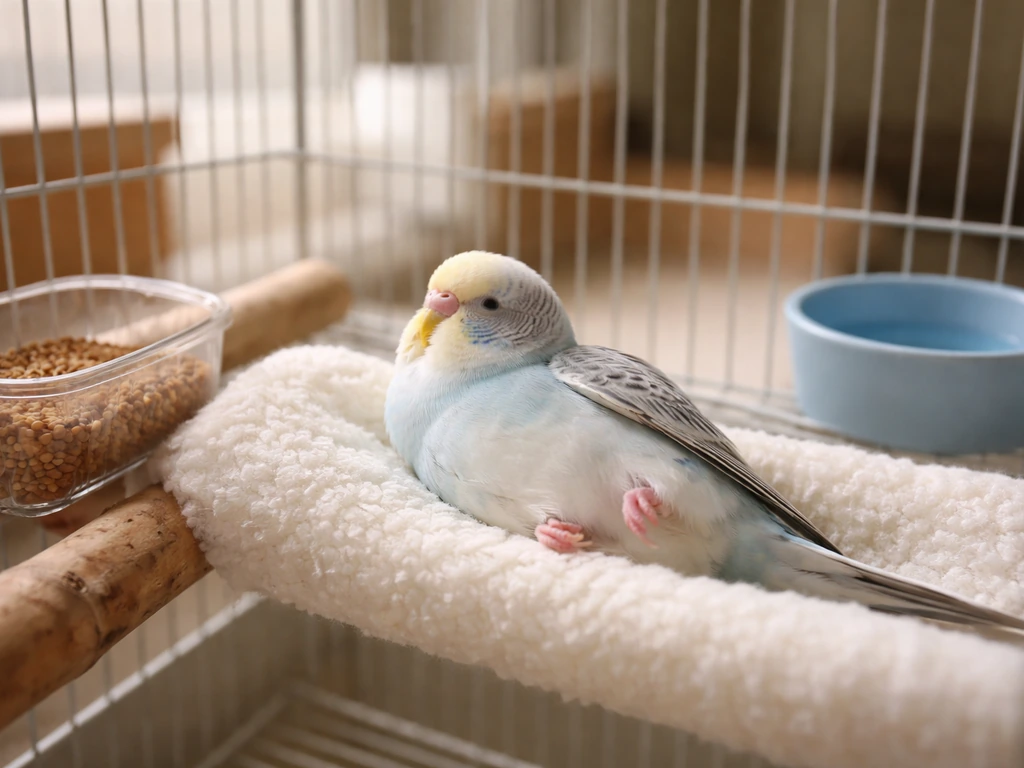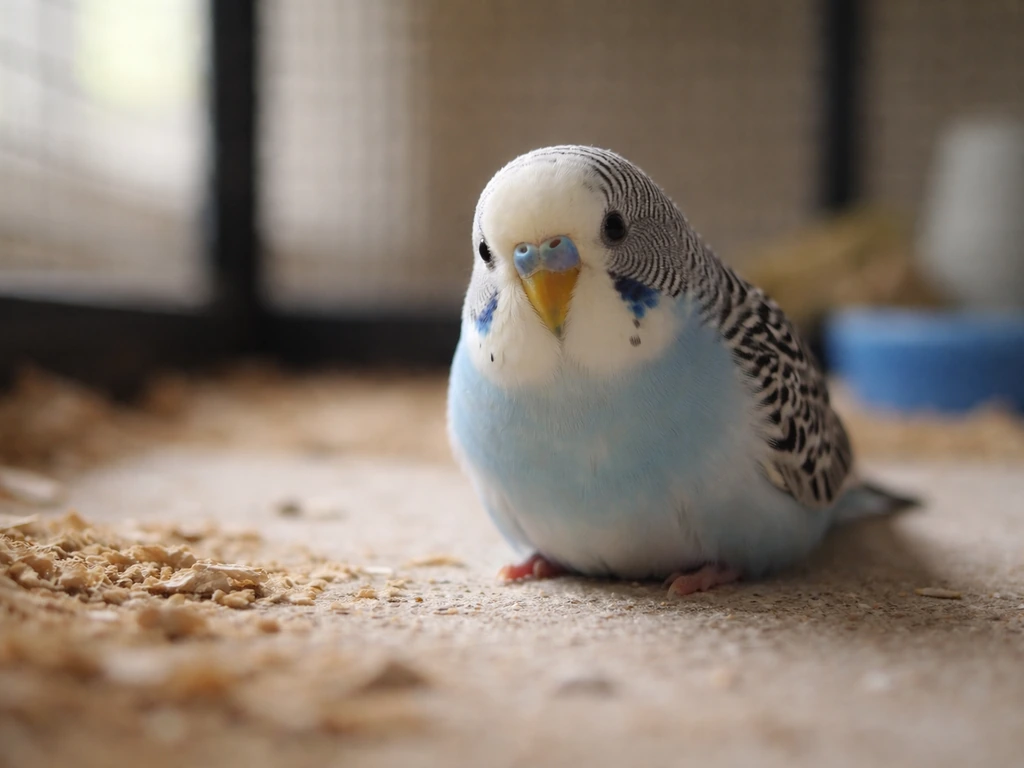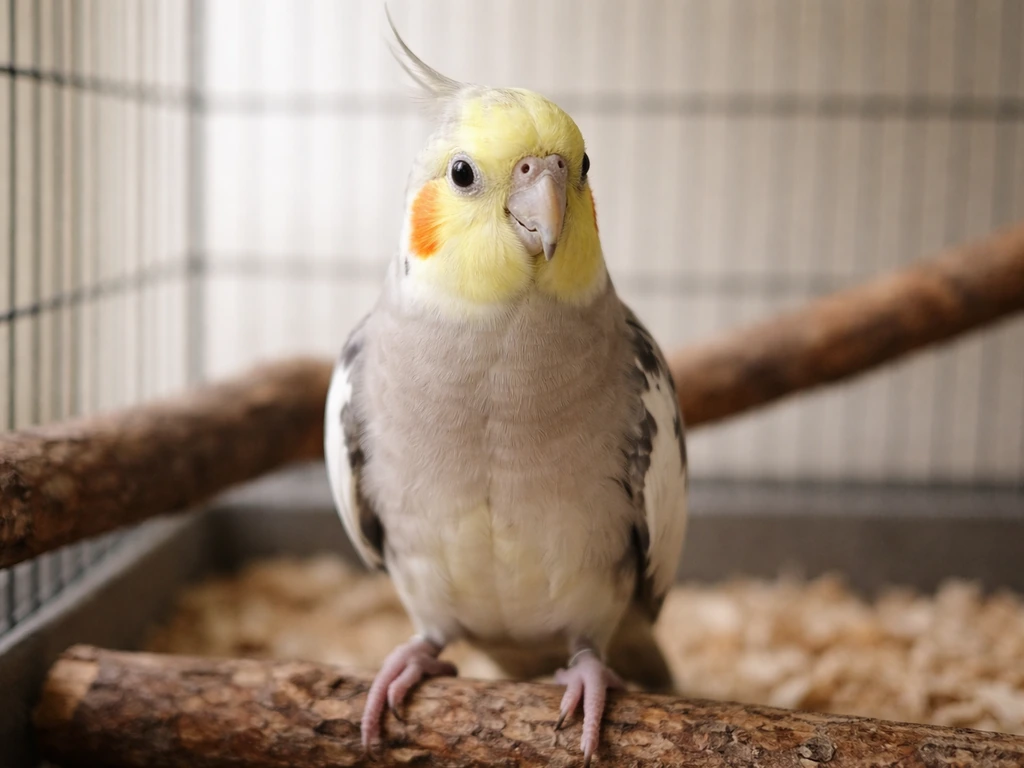
That band on your bird's leg is almost certainly an identification ring placed by a breeder, hatchery, or bird organization before the bird ever came home with you. In most cases it's completely harmless and just tells you something about where your bird came from. The part worth paying attention to is whether it still fits properly, because a band that made sense on a young chick can become a problem as the bird grows or gains weight. A quick visual check today will tell you whether you can relax or whether you need to make a vet call.
Why Does My Bird Have a Band on Its Leg? Reasons and What to Do

Marcus Chen
28 Jun 2026
Common types of leg bands and what they mean
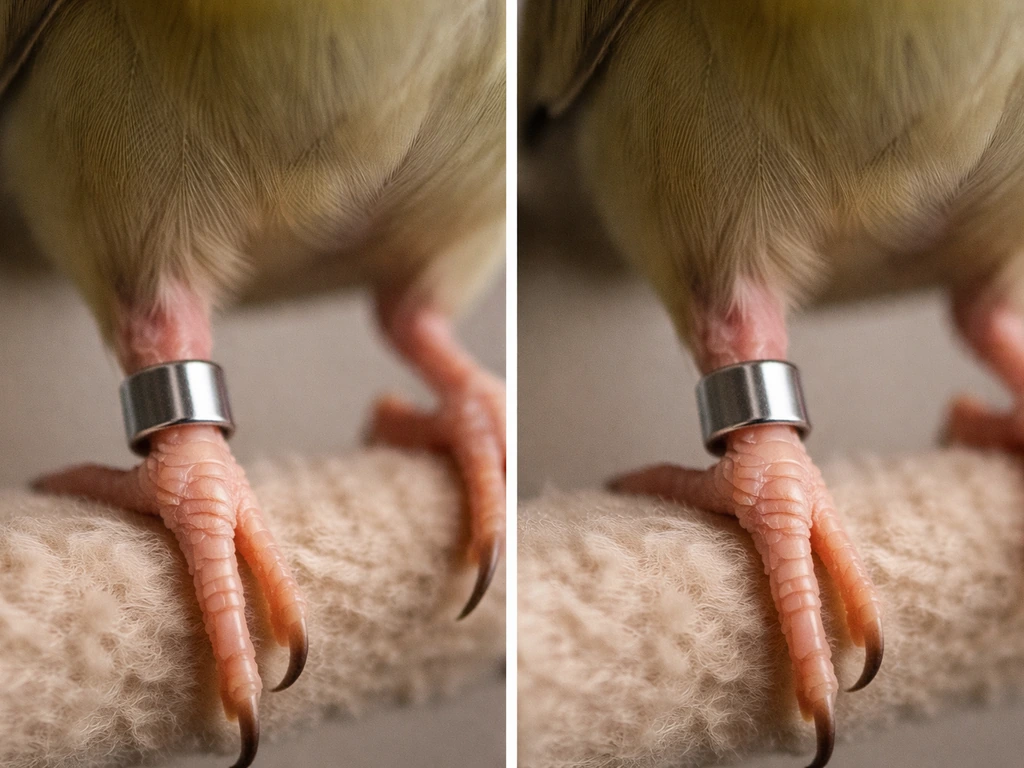
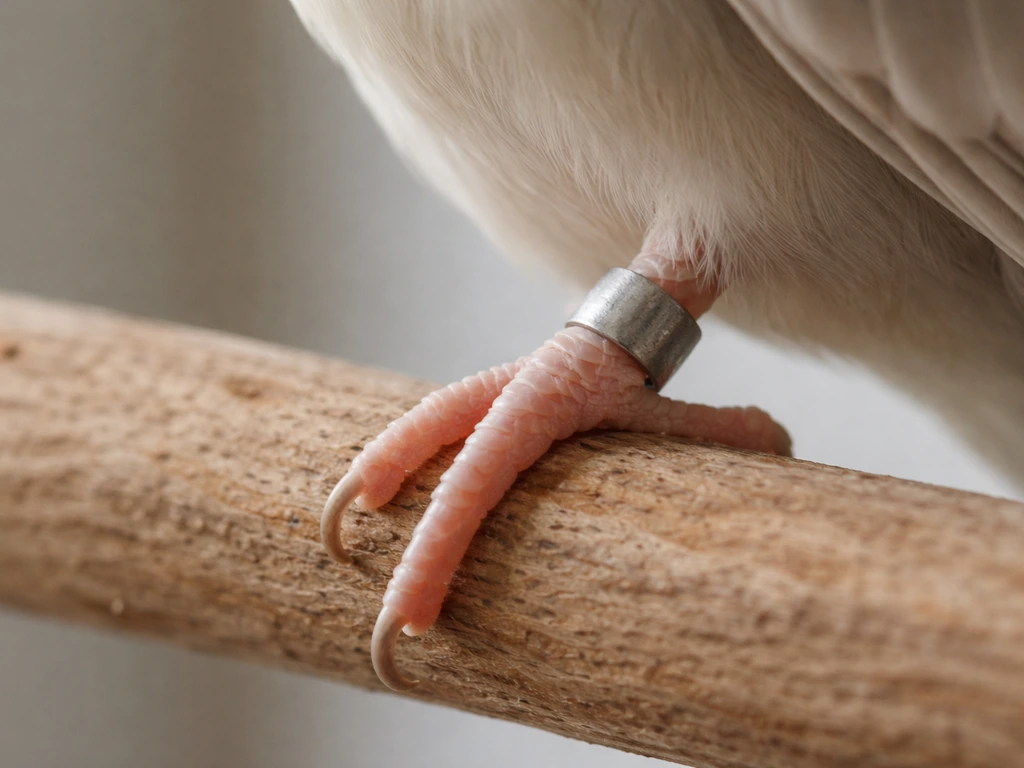
Most pet birds have one of two basic band types: a closed band or an open band. Understanding which one your bird has tells you a lot about its history.
Closed bands (seamless rings)
A closed band is a solid, seamless ring with no gap or split. It can only be placed on a bird when it's a newly hatched chick, before the foot grows too large to slip through the ring. If your bird has one of these, it was almost certainly banded at the breeder or hatchery. These bands are intentionally permanent identification markers, and they typically carry a stamped code that links back to a specific breeder, registry, or organization.
Open bands (split or crimped rings)
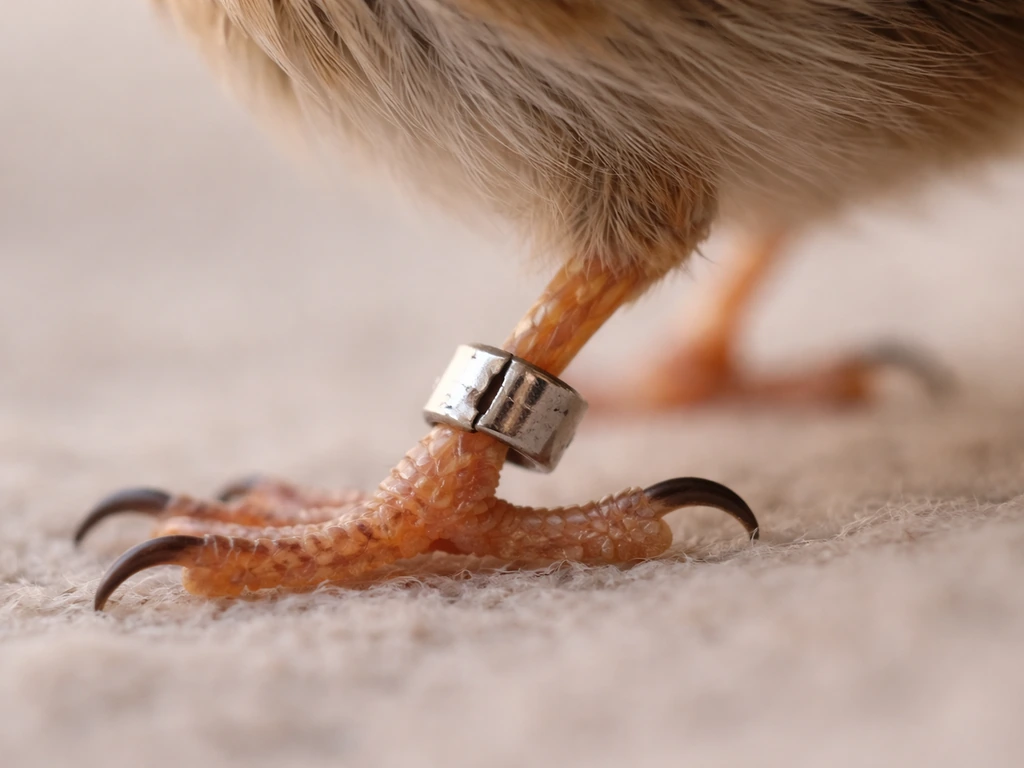
An open band has a visible seam or split and can be applied to a bird at any age by crimping it closed around the leg. Breeders, pet stores, and sometimes wildlife handlers use these. They're also sometimes used during transport or quarantine for regulatory tracking purposes. Because they were added after the bird had already grown, the fit is more variable and worth monitoring more closely.
Other band types
Some birds, especially imported or legally permitted species, may carry quarantine or regulatory bands placed by government agencies. Wild migratory birds banded under official programs wear individually numbered metal bands issued by the USGS Bird Banding Laboratory under federal permit. If you've found a wild bird or adopted one with an unusual band that doesn't look like a standard breeder ring, that's worth reporting to your state wildlife office rather than removing it yourself.
Normal vs concerning band fit and appearance
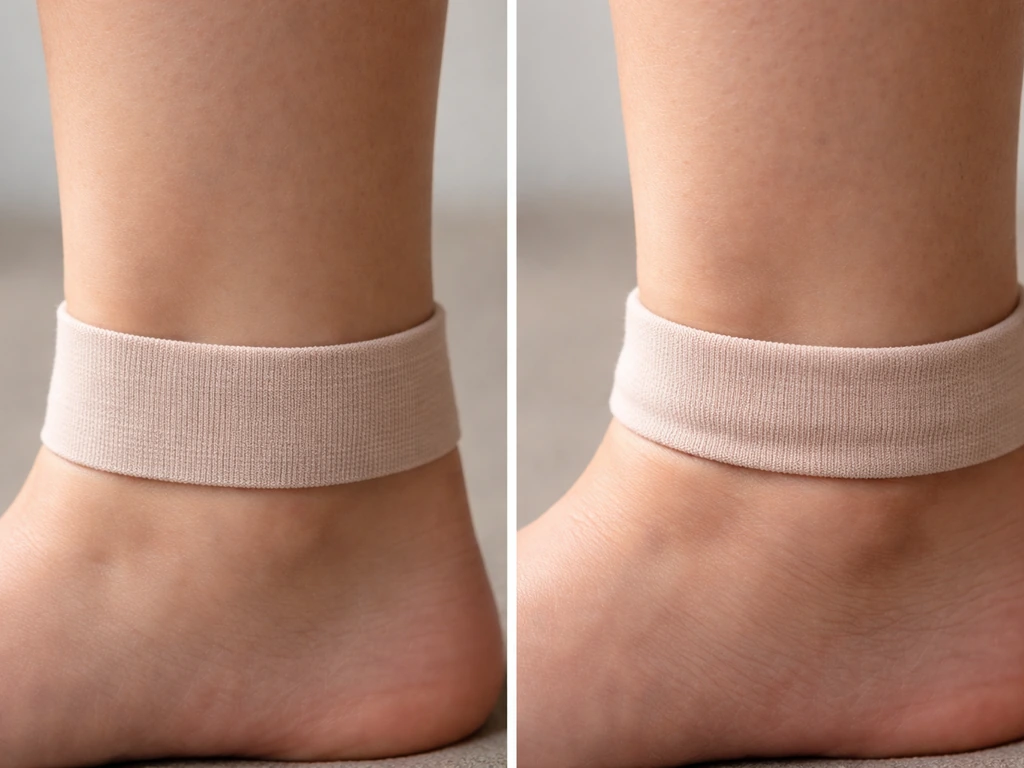
A band that's doing its job and nothing else should look like it belongs there. Here's how to quickly tell the difference between a normal band and one that needs attention. If your bird is lifting one leg, check whether the band is fitting correctly, because irritation or circulation issues can sometimes cause unusual leg behavior bird leg band fit.
| What you see | What it likely means |
|---|---|
| Band moves slightly when touched | Normal, good fit |
| Skin is smooth and same color above and below the band | Normal, no circulation issue |
| Band is loose but not snagging on anything | Usually fine, worth monitoring |
| Band is tight, doesn't rotate or slide at all | Potentially too tight, check for swelling |
| Swelling, puffiness, or thickening below the band | Possible circulation restriction, vet call warranted |
| Skin is red, raw, or discolored around the band | Irritation or early infection, see a vet |
| Discharge, crust, or odor near the band | Infection likely, urgent vet visit needed |
| Band appears embedded in the skin | Emergency, contact an avian vet today |
How to check your bird's leg safely today
You don't need any tools for this check, just good lighting and a calm bird. If your bird is just standing still, it can also be a sign that something is off, so check for other symptoms and consider contacting an avian vet if needed why is my bird just standing still. Try to do it when your bird is relaxed, not right after handling or if it's already agitated.
- Get your bird comfortable on a perch or in your hand in a well-lit spot.
- Look at the banded leg from a few angles without restraining the bird forcefully. You're checking whether the skin looks normal on both sides of the band.
- Gently see if the band rotates or shifts slightly when you barely touch it. A properly fitting band will have a small amount of movement.
- Compare the banded leg to the unbanded leg. They should look symmetrical. Any puffiness, color difference, or size difference in the banded leg is a red flag.
- Watch how your bird is using the leg. Is it bearing weight normally? Is it favoring the other foot or lifting the banded leg more than usual? Note any limping or reluctance to grip the perch.
- If the bird is calm enough, gently feel the leg just below the band for warmth. Unusual heat can be an early sign of inflammation.
If your bird is struggling a lot, don't force the inspection. Stress itself can be harmful, and a struggling bird is more likely to injure the leg in the process. Try again later or just go ahead and call your vet if you're already concerned. If your bird is laying down, it can be related to stress, pain, or a medical issue, so it's worth discussing with an avian vet if it doesn't pass quickly why is my bird laying down.
Red flags that mean infection, swelling, or circulation issues
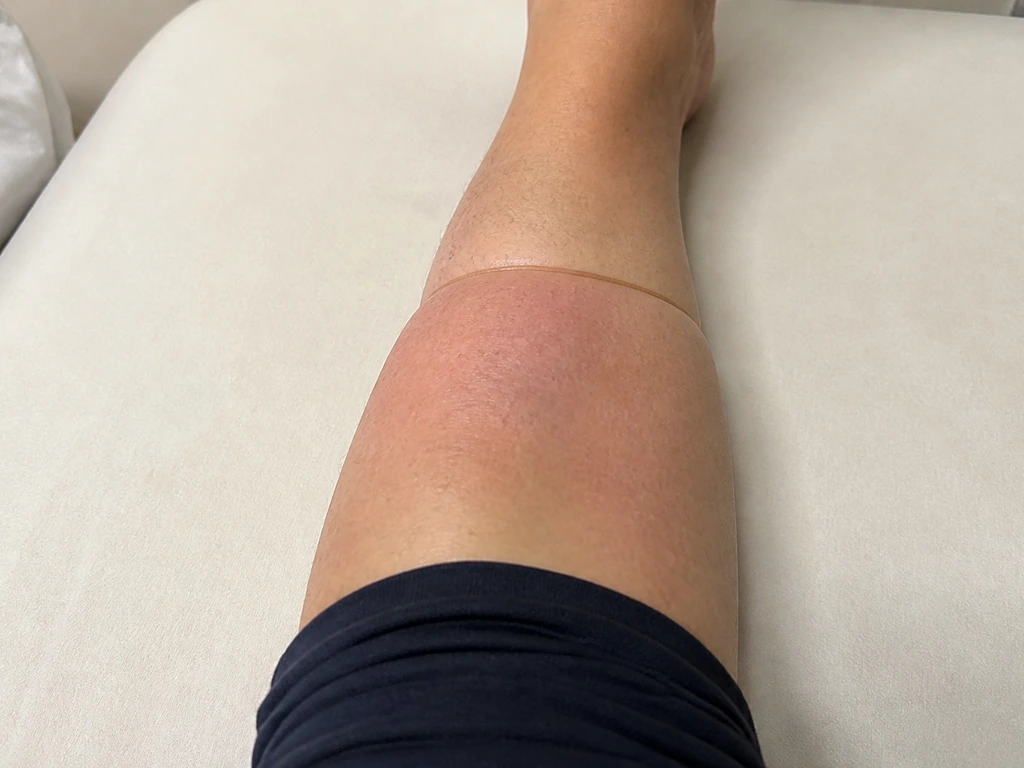
A tight band blank" rel="noopener noreferrer">acts like a tourniquet. When circulation gets cut off, even partially, the tissue below starts to suffer quickly. This can progress from mild swelling to tissue death and potential amputation of the toe or foot if it isn't caught early. That's not meant to scare you unnecessarily, but it does mean you shouldn't wait and see if these specific signs show up.
- Swelling or puffiness below the band, especially if the leg looks thicker below the ring than above it
- Discoloration: the foot or toes look darker, blueish, pale, or noticeably different from the other foot
- The band looks like it's sinking into the skin or is surrounded by raised flesh
- Discharge, wetness, crusting, or a bad smell near the band site
- Your bird is constantly picking at, chewing, or biting the band
- Limping, favoring one leg, or refusing to bear weight on the banded leg
- Unusual stillness, fluffed feathers, or a general drop in activity (birds hide pain well, so behavioral changes matter)
- The band has caught on a cage bar, toy, or perch and the bird is stuck or panicking
Skin irritation from a band can begin a cycle where swelling makes the band tighter, which causes more swelling, which makes removal harder. This can escalate surprisingly fast, sometimes within hours in a small bird. If you see more than one of those signs together, treat it as urgent. If your bird can't stand up, that can be a medical red flag and you should contact an avian vet right away my bird can't stand up.
What to do (and what not to do) about removal or adjustment
This is the part where a lot of well-meaning owners make things worse. The instinct to just snip the band off with scissors or nail clippers is understandable, but it's genuinely dangerous. Purdue University’s guidance is to avoid DIY cutting or bending if a band seems problematic and instead route the case to a veterinary team for safety [DIY cutting or nail clippers](https://www. vet.
purdue. edu/hospital/small-animal/articles/general-husbandry-of-caged-birds. php). If you are wondering why a bird would be sitting on the ground, a tight or irritating band can be one reason to check for leg circulation problems why would a bird be sitting on the ground.
Bird leg bones are fragile, and a bird that's scared and struggling is almost impossible to hold still enough to cut metal safely near those tiny bones.
Purdue University College of Veterinary Medicine notes that leg bands and quarantine rings may be applied for regulatory or breeder-identification purposes and that a bird owner should not attempt to remove bands leg bands and quarantine rings may be applied for regulatory or breeder identification and should not be removed by a bird owner.
Even experienced vets sometimes use brief anesthesia and leg immobilization before cutting and expanding a band to remove it safely. That tells you something about how much precision is needed.
What not to do
- Do not attempt to cut, bend, or pry the band off at home, even with small tools
- Do not try to slide a tight band off by lubricating the leg with oil or lotion
- Do not use nail clippers, wire cutters, scissors, or pliers on your bird's leg
- Do not ignore a band that looks tight because the bird seems fine in the moment
- Do not try to force the band upward or downward on the leg if it's already snug
What you can do right now
- If the band looks fine, just check periodically and make sure cage items aren't creating snag hazards
- Remove any toys, rope perches, or cage attachments with loops or gaps where the band could catch
- If you see mild irritation but no emergency signs, call your avian vet for guidance on timing
- If you see any of the red flags listed above, call an avian vet today and describe exactly what you see
- If the band is caught on something and the bird is panicking, keep the bird as calm as possible and get to a vet immediately rather than trying to free it yourself
How to identify band markings and who to contact
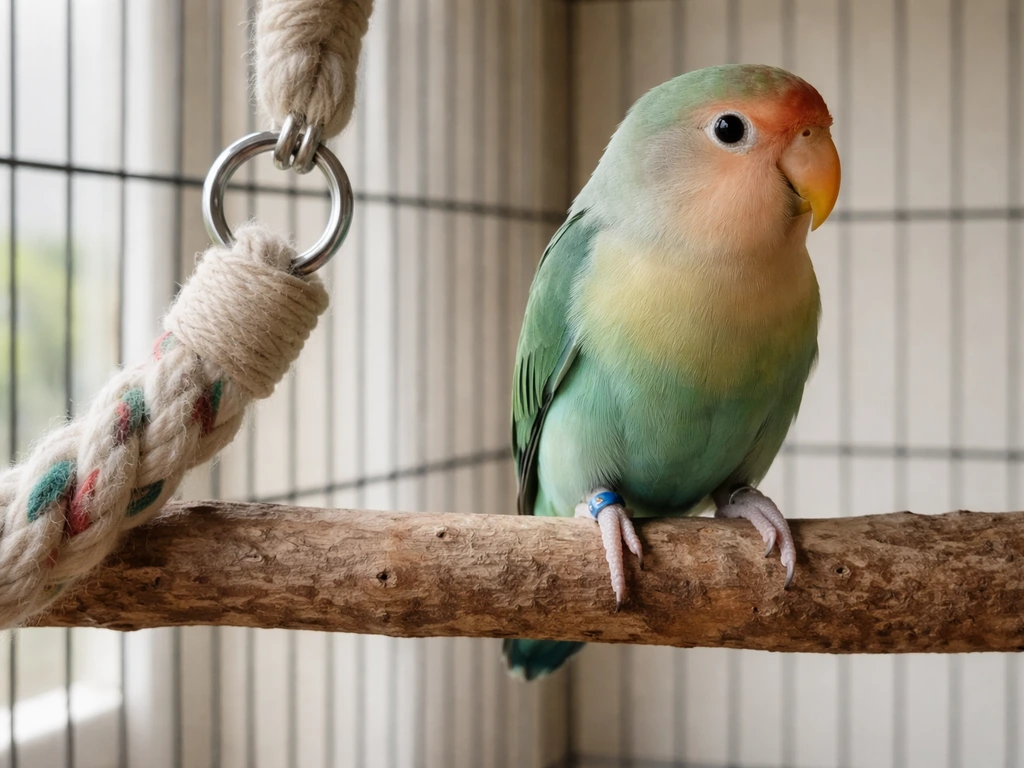
Most breeder and registry bands have stamped or engraved codes on them. These typically include a combination of letters and numbers that can identify the breeder, the year the bird was hatched, and sometimes a sequence number. The format varies by country and organization, but common elements include a two-digit year code, a state or country abbreviation, and a unique bird number.
To read the code, you'll need to look closely at the band in good light. A magnifying glass helps. Write down exactly what you see, including any symbols or abbreviations. Take a photo if you can.
Once you have the code, here are the most useful routes to find out more:
- Contact the breeder or pet store you got the bird from and give them the band code
- Search for the code format through bird breeder registries or organizations like the American Federation of Aviculture (AFA), which assigns band numbers to member breeders
- If the band looks like an official wildlife or government band (metal, with a federal number), contact your state wildlife agency or the USGS Bird Banding Laboratory
- Online band-tracking tools like BirdTracks can help match some codes to registered records
- Your avian vet may also recognize band formats and help identify the issuing organization
When to call an avian vet and what info to bring
You should call an avian vet if you notice any of the red flags described above, if the band seems tight and you're not sure, or if you simply want the band removed for any reason. Avian vets are specifically equipped for this: they have the right tools, the experience with small bird anatomy, and the option to use anesthesia if needed. When you call, having the right information ready speeds things up.
- Your bird's species, approximate age if known, and where you got it
- Which leg the band is on (right or left) and what the band looks like (color, material, closed or open)
- The exact markings or code on the band if you can read them
- What signs prompted your concern: swelling, discoloration, behavior changes, or something else
- How long you've noticed the issue and whether it seems to be getting worse
- A photo of the band and the leg if you can get one before your appointment
If removal is needed, your vet will document the band details before taking it off, which is useful for your bird's records. After removal, they'll assess whether the leg needs any treatment for irritation or injury underneath.
One last thing worth mentioning: leg issues in pet birds often show up alongside other posture and behavior changes. If your bird is also standing on one leg more than usual, lifting a leg repeatedly, or just seems unusually still, those behaviors alongside a band concern deserve the same prompt attention. If your bird is standing on one leg, it can also be related to pain, balance issues, or a circulation problem, so it is worth getting the cause checked. Birds are good at masking discomfort, so any combination of physical and behavioral signs is worth taking seriously.
FAQ
Can I remove my bird’s leg band myself if it looks too tight?
It’s risky to cut or expand the band yourself. Even small amounts of movement can injure fragile toes or bones, and a tourniquet-like band can worsen circulation quickly. If it seems tight, swollen, discolored, or your bird is acting uncomfortable, call an avian vet for a safe, precise removal plan.
How can I tell if the band is truly too tight versus just snug?
Look for early signs like swelling around the band, redness or a darker color below it, a toe that looks blanched or unusually cold compared with the other foot, or the bird repeatedly shifting weight off that leg. If the band edge is leaving a visible groove in the skin, that’s a stronger reason to treat it as urgent.
What does “closed” versus “open” band mean for safety and fit?
A closed ring is meant to be permanent and is only placed when the chick is very young, so the main concern later is whether the bird has outgrown it. An open band has a seam and is crimped later, so fit can be more variable. In both cases, the safety question is the same, circulation and skin integrity, but open bands can sometimes be more uneven and irritating.
My bird is molting or has dirty skin, could that make the band look worse than it is?
Yes, debris, feather dust, and molting can make the skin under or around the band harder to judge. That said, true pressure problems show consistent signs like swelling progression, color changes, or altered leg use. If you cannot clearly see the skin and the bird’s behavior is normal, schedule a calm check, but if behavior changes, don’t wait.
Is it okay to clean around the band, and what should I avoid?
You can gently wipe the area with a bird-safe, damp cloth only if your bird tolerates it and the skin looks intact. Avoid soaking the foot, using alcohol, hydrogen peroxide, or ointments unless a vet directs it, because irritants can worsen skin inflammation and make the band harder to remove safely.
What if the band has strange markings or looks like it came from a wild bird program?
If the band looks unlike a typical breeder ring, or you adopted a bird that may have been part of wildlife banding or regulatory tracking, don’t remove it. Instead, record what you see and contact your state wildlife office or an avian-experienced organization so they can confirm the band’s identity and next steps.
If my bird is standing still or lifting a leg, how urgent is it when a band is present?
Leg band irritation can cause subtle changes at first, then escalate. If the bird is lifting a leg repeatedly, holding the foot up, cannot comfortably place weight, or seems unusually quiet, treat it as prompt. Seek urgent avian care if there is any swelling, discoloration, or difficulty using the foot, because circulation problems can progress fast.
What should I prepare before calling the avian vet about a band?
Have the code written down exactly as visible, plus a clear photo of both the band and the foot below it. Also note when you first noticed the issue, whether the bird changes behavior after perching or standing, and any other symptoms like sitting on the floor, abnormal posture, or reluctance to move.
Will removing the band always require anesthesia?
Not always. Many removals can be done without it if the bird is calm and the band is not causing severe pressure. However, if the band is tight, the bird is very stressed, or safe cutting requires immobilization, anesthesia or sedation may be recommended to protect both the bird’s tiny anatomy and the remover’s precision.
After removal, what complications should I watch for?
Watch for swelling, persistent redness, open skin, abnormal toe position, foul odor, or reduced ability to perch or grip. It’s common for irritated skin to look angry for a bit, but worsening color, increasing pain signs, or not regaining normal weight-bearing should be reported to the vet quickly.