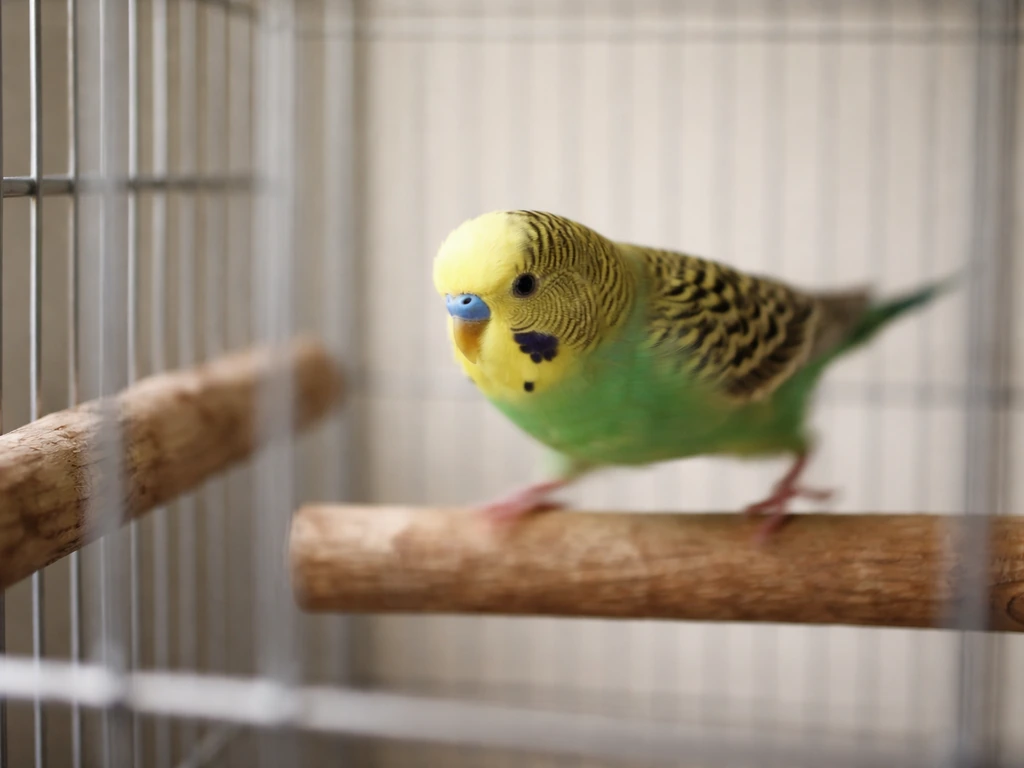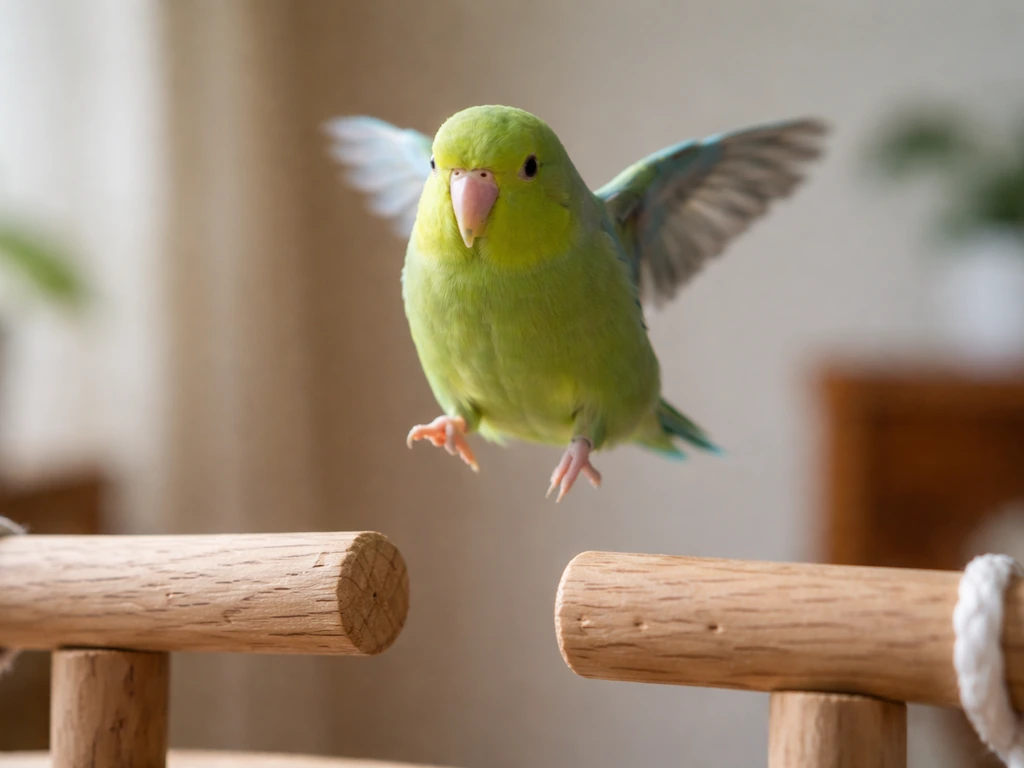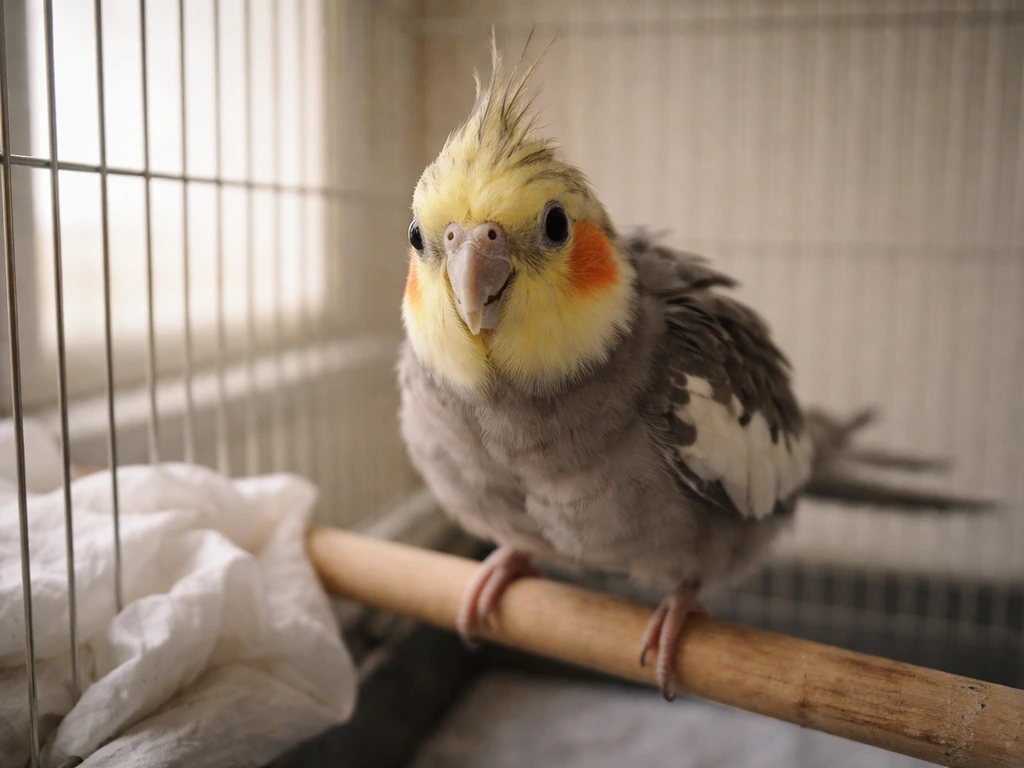
Birds fly around their cages for a wide range of reasons, most of them completely normal. Morning zoomies, hormonal restlessness, wanting your attention, or simply burning off energy are all common and benign. But frantic, repetitive, or sudden cage flying can also signal stress, fear, a poorly set-up environment, or a health problem that needs attention. If the jumping and cage flying seems sudden, repeated, or out of character, consider whether there could be a health problem that needs attention. The key is knowing what to look for so you can tell the difference quickly and act on it today. If you're wondering why is my bird going crazy in his cage, start by matching what you see to these normal versus concerning causes.
Why Is My Bird Flying Around the Cage? Causes and Fixes

Marcus Chen
27 May 2026
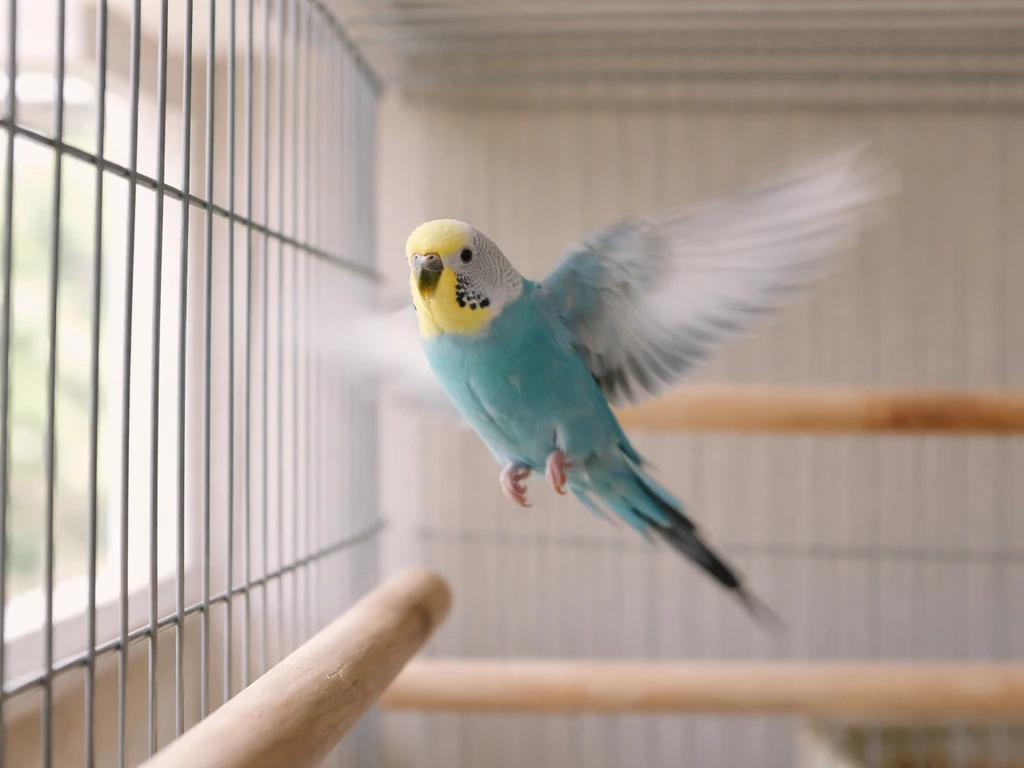
Normal vs. concerning reasons for cage flying
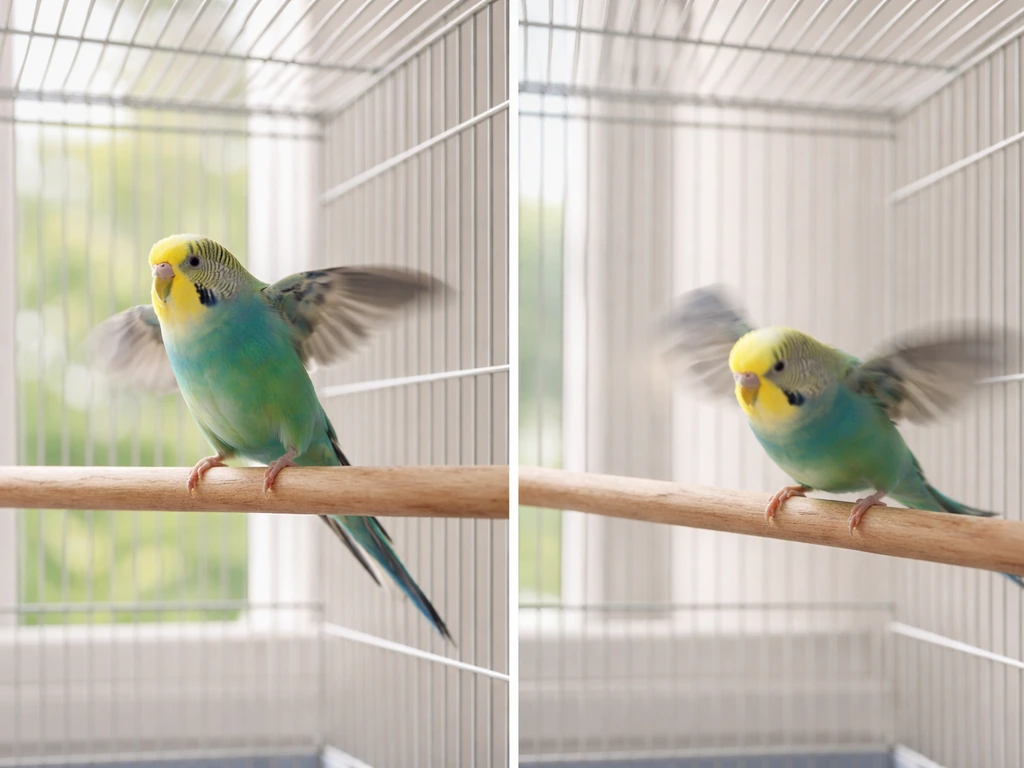
Most cage flying falls into the 'totally fine' category. Birds are active animals, and a healthy bird will often zoom around the cage, especially in the morning when they wake up, during play, or when they hear exciting sounds. If your bird is flying around with relaxed body language, vocalizing happily, and then settles down on its own, you're likely just watching a normal burst of bird energy.
Hormonal behavior during breeding season is another big one. Many birds, especially in spring, will become noticeably more active, flighty, and even erratic inside their cage. This is normal but worth knowing about because it can look a lot like stress if you're not expecting it.
The concerning end of the spectrum is when flying looks frantic or panicked rather than playful, happens suddenly without an obvious trigger, is accompanied by crashing into cage walls, happens repeatedly in tight circles, or is combined with other symptoms like open-mouth breathing, tail bobbing, or loss of balance. That's when you need to slow down and investigate further.
| Behavior type | Likely meaning | What to do |
|---|---|---|
| Morning or evening burst of flight | Normal energy release | Enjoy it, offer enrichment |
| Flying toward you or the cage door | Attention-seeking, wants out | Increase out-of-cage time |
| Calm exploration of new perch or toy | Normal curiosity | No action needed |
| Frantic circling, crashing into bars | Stress, fear, or health issue | Observe closely, troubleshoot below |
| Sudden night fright flight | Startled by noise or light | Check environment, cover cage at night |
| Repetitive flight pattern with panting or tail bob | Possible respiratory or neurologic issue | Contact avian vet promptly |
Quick observation checklist: timing, triggers, and body language
Before you try to fix anything, spend a few minutes just watching. Where you land on the 'normal vs. problem' spectrum depends heavily on what you observe. Grab your phone and video a few minutes if the behavior is happening right now. That footage will be invaluable if you end up calling a vet.
Work through these observations systematically:
- When does it happen? Morning, evening, middle of the night, or constantly? Normal energy peaks are in the morning and around sunset. Constant or nighttime flying is more concerning.
- Is there an obvious trigger? Loud noise, a new person walking in, another pet, a window reflection, or a TV turning on? Identifying the trigger makes this much easier to solve.
- What does the body language look like? Relaxed feathers and vocalizations point to excitement or play. Slicked-down feathers, wide eyes, or a puffed-up posture after the flying point to fear or illness.
- Is breathing normal? Watch the chest and tail. A healthy bird at rest breathes quietly with no tail movement. Visible tail bobbing with each breath, open-mouth breathing, or labored chest movement are red flags.
- How is your bird's appetite today? Has it eaten normally? Check the droppings too. Watery, discolored, or absent droppings alongside restlessness can indicate illness.
- Has your bird slept well recently? A bird that's restless at night and fatigued during the day may be in a disrupted light cycle or under stress.
- Any recent changes? New cage, new toy, new pet, new household member, rearranged furniture near the cage, or a change in your schedule? Birds notice everything.
Environmental and cage setup fixes to reduce frantic flight
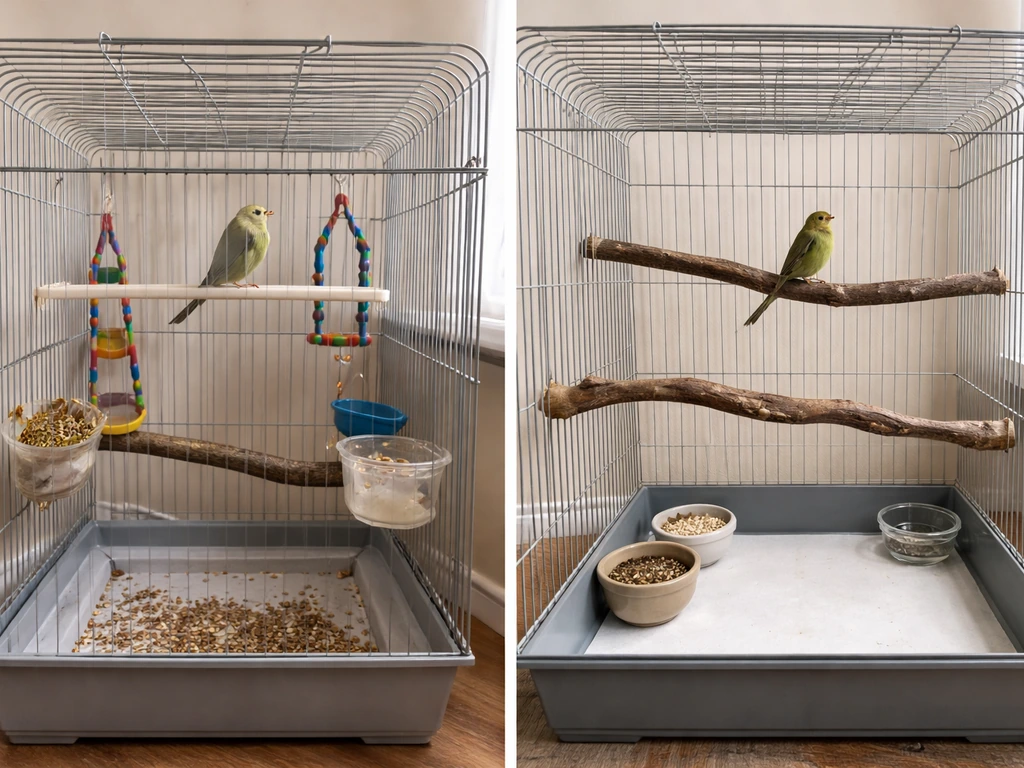
A poorly set-up cage is one of the most common and most fixable causes of restless, frantic behavior. Go through this list and make adjustments today if anything applies.
Cage size and bar spacing
The cage needs to be big enough for your bird to spread its wings and move without immediately hitting a wall. A cramped bird will pace, climb, and fly erratically just trying to move. Bar spacing is also a safety issue: small birds like finches, canaries, and budgies need bar spacing no wider than half an inch. A quick way to check: blank" rel="noopener noreferrer">if your fingers fit between the bars, the spacing is likely too wide for a small bird and becomes a trap rather than a home.
Perch variety and placement
Boring or poorly placed perches force repetitive movement. Offer perches of different diameters and textures at different heights. Avoid placing perches directly above food and water bowls (droppings contaminate them). If all the perches are identical and at the same height, your bird has very little reason to stay put and explore.
Light, darkness, and sleep schedule
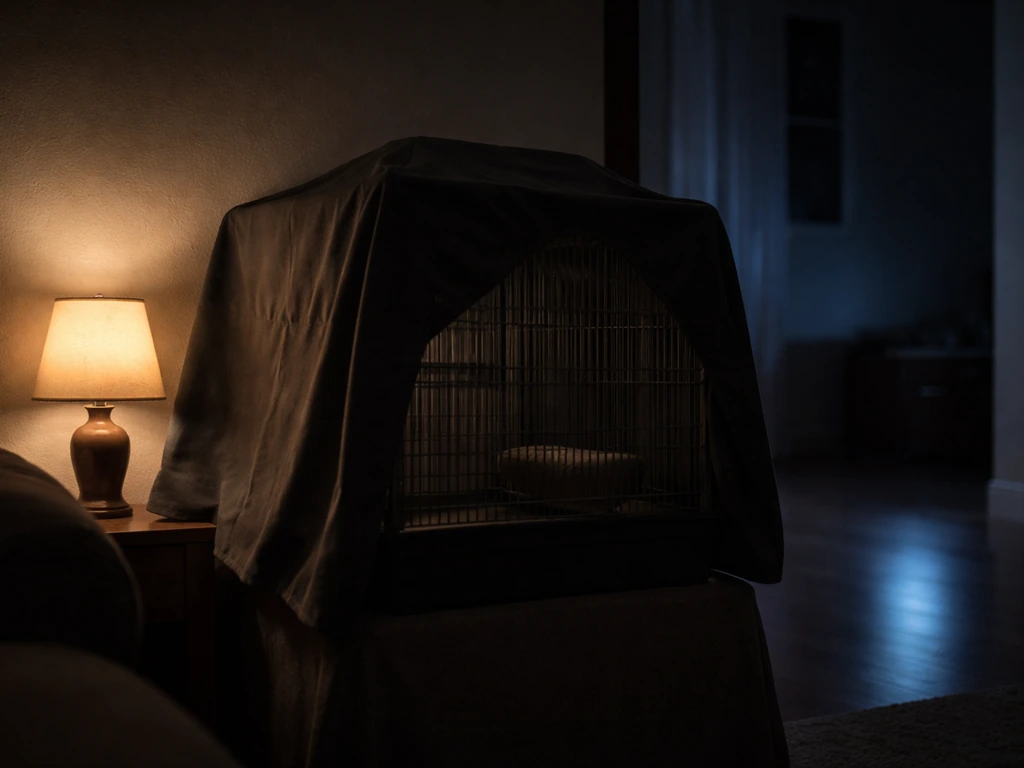
Most pet birds need 10 to 12 hours of darkness and quiet to sleep properly. Too much light (including a TV in the room overnight or streetlights through a window) disrupts sleep and causes restlessness, including nighttime panicked flights. Cover the cage at the same time each evening and uncover it at the same time each morning. Consistent schedules genuinely matter for birds.
Ventilation and temperature
Poor airflow or overheating can make a bird feel physically uncomfortable and trigger restless behavior. Keep the cage out of direct sun during peak hours and away from drafts, air conditioning vents, and cooking fumes. Overheated birds may pant, hold wings away from the body, or become unusually active in an agitated way.
Cleanliness and reflective surfaces
A dirty cage stresses birds and can cause health problems. Clean the cage floor and food bowls daily. Also check for mirrors or highly reflective surfaces near or inside the cage: some birds become obsessively agitated by their own reflection, especially during hormonal periods, and will fly at the reflection repeatedly.
Stress, fear, and attention-seeking behavior troubleshooting
Once you've ruled out cage setup issues, the next most common cause of frantic flying is stress or fear from something in the environment. This is especially relevant if the flying started recently and coincides with a change in the household.
- New pets, especially cats or dogs, near the cage can put a bird in a constant state of low-level fear. Even if they're never in the same room, a bird that can smell or hear a predator nearby won't feel safe.
- New people in the home, a change in your work schedule, or reduced handling time can make attention-seeking flying much worse. Birds bond strongly and react to changes in social routine.
- Loud or unpredictable noise like a TV, construction, or other animals can trigger startle responses that turn into flight bursts, especially at night (often called 'night frights').
- Handling changes matter too. If you've recently handled your bird less, or if someone new has been trying to interact with it, expect more cage flying as a way of communicating frustration or anxiety.
If your bird's frantic flying looks a lot like pacing or going back and forth along the same section of the cage, that specific pattern is worth more attention on its own. Similarly, if your bird seems to desperately want to get out rather than just flying for fun, that's a different communication worth addressing. If your bird seems to desperately want to get out rather than just flying for fun, that can help you narrow down why they want to leave the cage and what to check first why does my bird want to leave his cage. Both of those are related patterns that often stem from the same root causes being covered here.
Health-related causes to rule out (and signs that need a vet)
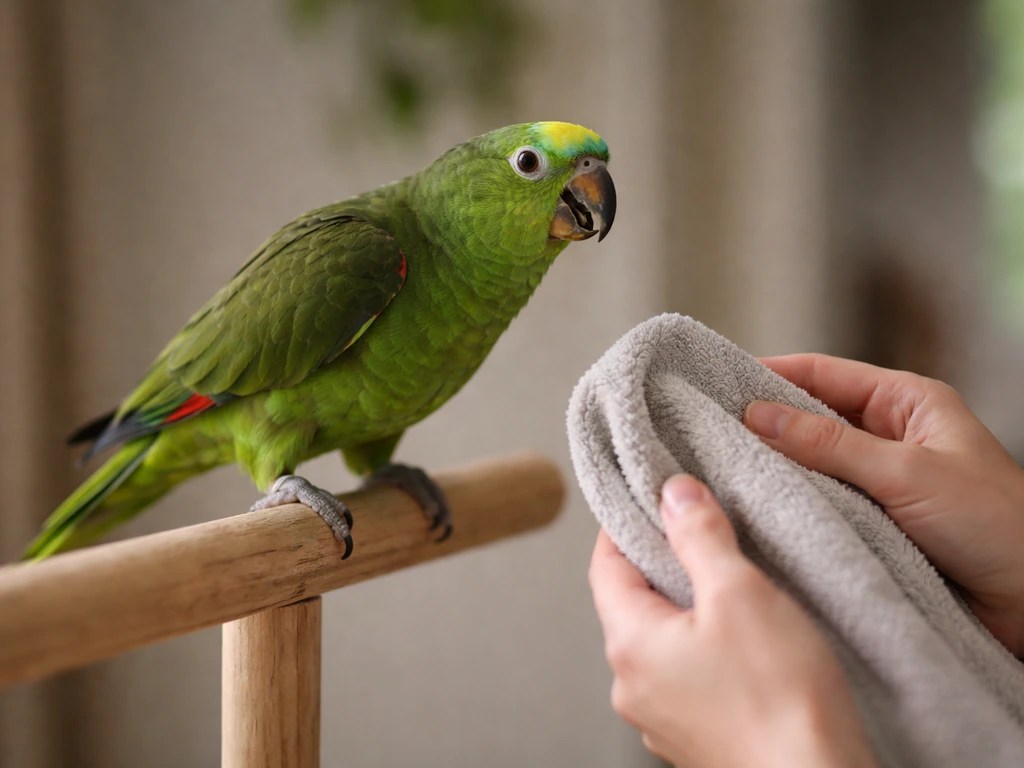
Physical discomfort is a real driver of restless cage behavior and it can be easy to miss because birds instinctively hide illness. A bird that feels unwell, is in pain, or is having trouble breathing will often become agitated and move around the cage more than usual, trying to find a position of relief.
Respiratory problems are the most urgent thing to check. Watch for open-mouth breathing at rest, a visible bobbing of the tail with each breath, increased effort of the chest moving up and down, or any clicking, wheezing, or squeaking sounds when breathing. LafeberVet also describes dyspnea in birds with signs such as open-mouth breathing, increased sternal motion, and tail bobbing open-mouth breathing at rest, a visible bobbing of the tail with each breath, increased effort of the chest moving up and down. These are not subtle signs to 'keep an eye on.' If you see any of them, treat it as urgent.
Neurological issues can also cause erratic cage flying, including spinning in circles, head tilting, or loss of balance during or after flight. If your bird seems disoriented rather than just energetic, that points toward something neurological or inner-ear related.
Other health-related causes of restlessness include pain from an injury (watch for favoring one foot, unwillingness to land, or changes in grip on the perch), egg binding in female birds (restlessness combined with straining at the cage bottom), internal parasites, or toxin exposure from fumes in the home.
| Symptom alongside flying | Possible cause | Urgency level |
|---|---|---|
| Open-mouth breathing, tail bobbing | Respiratory distress | Emergency: call vet now |
| Circling, head tilt, loss of balance | Neurological issue | Urgent: vet same day |
| Straining at cage bottom (female bird) | Possible egg binding | Emergency: call vet now |
| Fluffed feathers, eyes half-closed after flying | Illness or exhaustion | Vet within 24 hours |
| Holding wings away from body, panting | Overheating | Immediate: cool environment, then vet if persists |
| Normal body language, eats and drinks well | Behavioral/environmental cause | Monitor and troubleshoot environment |
Immediate what-to-do plan and enrichment/calming steps
If your bird is flying around right now and you're not sure what's going on, here's what to do in order: If your main concern is why your bird won’t come out of the cage, focus on the same clues like body language, triggers, and recent changes first.
- Stay calm and observe without hovering. Your own anxiety transfers to your bird. Watch from a normal distance for a few minutes before doing anything.
- Check for the emergency signs first: open-mouth breathing, tail bobbing, inability to perch, or falling off the perch. If any of those are present, skip straight to calling an avian vet.
- Identify any obvious trigger in the environment: a noise, a reflection, another pet visible, a window with something moving outside. Remove or block it if you can.
- Reduce stimulation: lower the TV or music volume, move other pets out of the room, and speak to your bird calmly in a low voice from a comfortable distance.
- Check food and water to make sure both are fresh and accessible. A bird that has knocked over its water or can't reach food will become stressed quickly.
- Offer a bath or a light misting with room-temperature water if your bird accepts it. Bathing is genuinely calming for many birds and gives them something to do.
- Add or rotate enrichment: a foraging toy, a new chew item, or fresh branches. Mental stimulation reduces the need to burn energy through frantic flying.
- If you haven't been spending much time with your bird, schedule a 15 to 20 minute out-of-cage interaction session. Attention-seeking birds need consistent social time, not sporadic interactions.
- Review the cage setup checklist above and make any needed changes today, especially lighting schedule and perch variety.
- Video the behavior if it continues or recurs, and note the time of day and any patterns. This information is invaluable for an avian vet if you need to call.
When to seek emergency or urgent avian care
Some situations are not 'wait and see.' Birds deteriorate quickly when something is seriously wrong, and because they hide illness instinctively, by the time symptoms are obvious they've often been unwell for a while already.
Call an avian vet immediately (same day, or an emergency animal hospital) if you see any of the following alongside the flying:
- Open-mouth breathing or visible labored breathing at rest
- Tail bobbing with every breath
- Clicking, wheezing, or any abnormal breathing sounds
- Loss of balance, head tilt, circling, or seizure-like movements
- Falling off the perch or unable to grip
- Sitting on the cage floor (birds avoid the floor when they feel safe and well)
- No droppings in the past 24 hours, or droppings that are all liquid with no solid portion
- Visible injury: blood, broken feather shafts at the skin, swelling, or a drooping wing
- A female bird straining or repeatedly going to the cage bottom
- Your bird has not eaten in more than 24 hours
When you call the vet, be ready to describe: how long the behavior has been happening, whether it came on suddenly or gradually, any recent changes in diet, environment, or household, what the droppings look like, and any other symptoms you've noticed. A short video clip of the behavior will help the vet assess urgency over the phone. Bring that video to the appointment if you can.
If you're not sure whether what you're seeing is an emergency, call anyway. Avian vets would far rather help you figure out it's not urgent than have you wait too long on something that is.
FAQ
If my bird is flying around the cage, when is it just “zoomies” and not an emergency?
Yes, but context matters. Normal bursts usually include relaxed posture, purposeful wing flaps, and then a return to perching or eating on their own. If the bird keeps ricocheting into the bars, appears panicked, or cannot settle even after you remove obvious triggers, treat it as potentially concerning and reassess cage setup and health signs.
Does the time of day my bird flies around the cage change what the cause might be?
Start by comparing time of day. If it mainly happens at night, during sleep hours, or right after the lights change, the cause is often lighting, sleep disruption, or a nighttime fright. If it happens mostly after you leave the room or when you are near, it more often points to social attention, boredom, or fear of something specific in the environment.
What should I check first if the cage flying started suddenly and seems out of character?
If it is sudden and repetitive, immediately do a safety and health scan. Check for respiratory signs like open-mouth breathing at rest, tail bobbing with breathing, or wheezing, and check for balance issues like disorientation after flights. Also remove hazards nearby for the moment (strong fumes, aerosols, cooking smoke, cleaners) until you know what is happening.
How can I track the behavior so I can describe it accurately to a vet?
Video helps you spot patterns, but also note details in the moment: whether it is flying or pacing, how often it repeats, where it happens most (same corner, same height), what the body language looks like (relaxed versus tense), and whether eating and droppings seem normal. If you have a second person, ask them to watch while you prepare notes for the vet.
How can I tell if the cage flying is fear-based versus playful exploration?
Look for clues that it is really fear or “flight” behavior rather than play. Fearful cage flying often includes climbing higher, backing away from you or objects, sudden darting after a specific stimulus, and frantic attempts to reach a particular escape route. Playful flying tends to look exploratory, with varied routes and calmer pauses between bursts.
My cage setup seems “fine,” what specific perch or bar problems commonly lead to frantic cage flying?
If bar spacing or perch placement is wrong, your bird may get stuck repeating the same short routes. Ensure the bird can fully spread wings without immediately striking the bars, and provide perches of different diameters and textures at multiple heights. Also confirm there is no direct perch above food or water bowls, since contamination can worsen discomfort and stress.
What household lighting or sleep-schedule issues are most likely to cause night panic flying?
If lighting is inconsistent, many birds become restless, including panic flights during sleep hours. Aim for stable daily dark time (often about 10 to 12 hours) and keep the cage covered consistently each evening, including reducing streetlight and TV light. Even small changes, like a late-night lamp or a new window glare, can trigger behavior.
Could a mirror or reflection be the reason my bird keeps flying at the same spot in the cage?
If mirrors or highly reflective surfaces are present, the bird may repeatedly attack or perform frantic flights toward their reflection, especially during hormonal periods. Remove or cover reflective items near the cage, then watch for a change over the next few days. If the behavior continues unchanged, reassess for health or other environmental stressors.
If my bird is flying around but I also notice breathing changes, what should I do?
Yes. Respiratory problems can cause restlessness because breathing becomes uncomfortable, and birds may hide illness until it is more obvious. Treat open-mouth breathing at rest, tail bobbing with breaths, increased chest effort, or clicking and wheezing as urgent, and contact an avian vet same day.
How can I tell if the erratic flying might be neurological or inner-ear related?
Neurological or inner-ear issues can make birds move erratically, including spinning or loss of balance during or after flight. This pattern is different from stress because the bird seems disoriented rather than reactive. If you see disorientation, head tilting, or repeated spinning, prioritize an avian vet quickly rather than adjusting the cage first.
My bird seems desperate to get out, does that mean I should investigate differently than with general restless flying?
Yes. Pay attention to whether the bird is trying to escape versus just moving around. If it repeatedly aims at doors, corners, or a specific spot and seems motivated to get out, look for the reason, such as a recent routine change, fear of something inside the room, or a missing enrichment need. Focus on the pattern, then test one change at a time.
Does having other birds in the home change how I should interpret the cage-flying behavior?
If you have more than one bird, compare their behaviors. One bird flying frantically can be fear triggered by a companion, resource competition, or unwanted attention. Separate them temporarily only if there is direct aggression or injury, and discuss it with your avian vet if breathing, balance, or injury signs appear.