
Pacing back and forth in a cage usually means your bird is either bored, stressed, hormonally restless, or uncomfortable in some way. Most of the time it's behavioral, and you can fix it. But pacing can also be an early sign that something is physically wrong, so it's worth taking a close look before assuming it's nothing. If your bird is jumping around in addition to pacing, it can help to also think about stress, pain, or other health issues why is my bird jumping around. The goal right now is to figure out which one you're dealing with.
Why Is My Bird Pacing Back and Forth in Its Cage?

Marcus Chen
16 May 2026
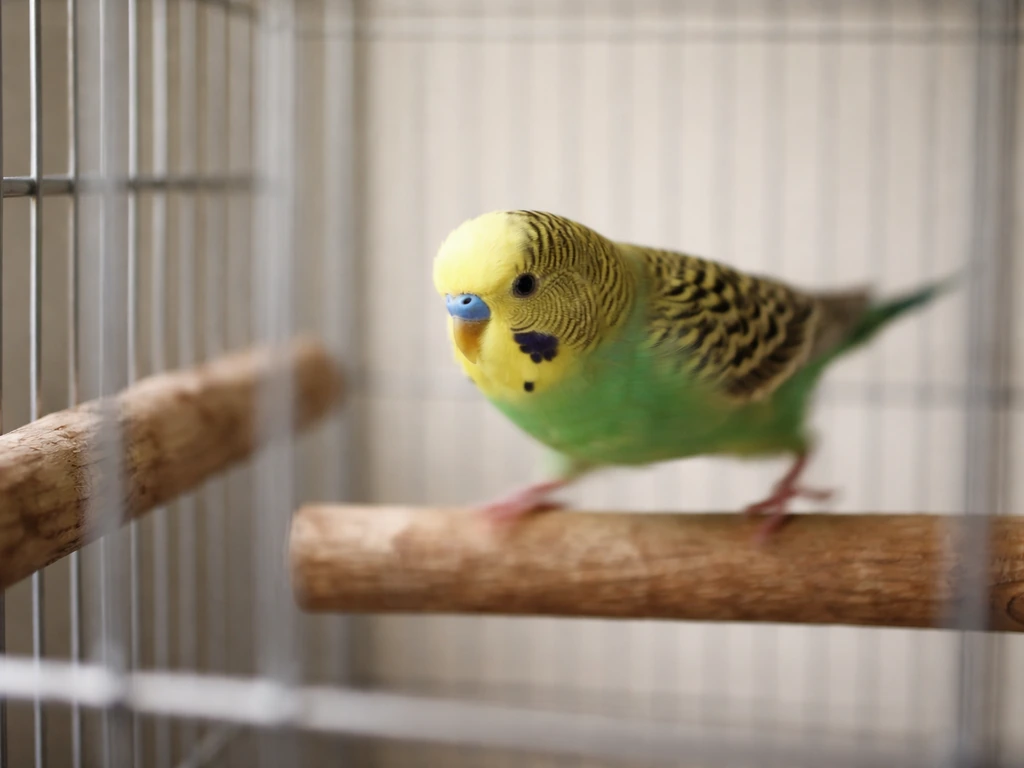
Normal vs. stress pacing: how to tell what you're seeing
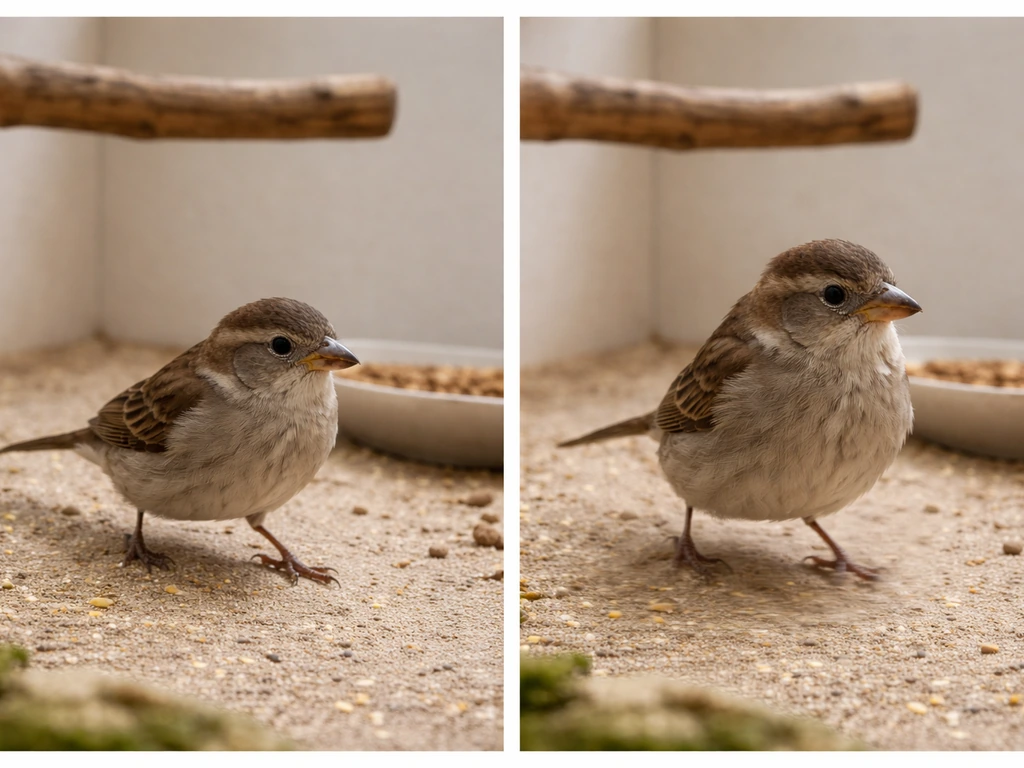
Not all pacing is equal. A bird that walks back and forth briefly at feeding time, or when you first walk into the room, is doing something purposeful. That's anticipation or excitement, and it usually stops once the trigger is gone. What you want to watch for is pacing that has no clear trigger, goes on incessantly, and seems almost automatic, like the bird can't help it. That kind of repetitive, "functionless" behavior is a red flag.
The distinction Purdue's veterinary team uses is helpful here: species-appropriate activity is normal, but habitual repetition that serves no purpose is a warning sign. So if your cockatoo paces the same path over and over for 20 minutes without stopping, regardless of what's happening around it, that's different from a bird that walks a few steps and then investigates a toy.
Look at the full picture: is your bird eating, drinking, and interacting normally in between pacing episodes? Is the feather condition good? Is posture upright and alert? If everything else looks fine and the pacing is situational, you're likely dealing with a behavioral issue. If pacing is combined with other changes in appetite, posture, droppings, or breathing, keep reading carefully before deciding it's just stress.
Common behavioral reasons birds pace
Boredom and under-stimulation
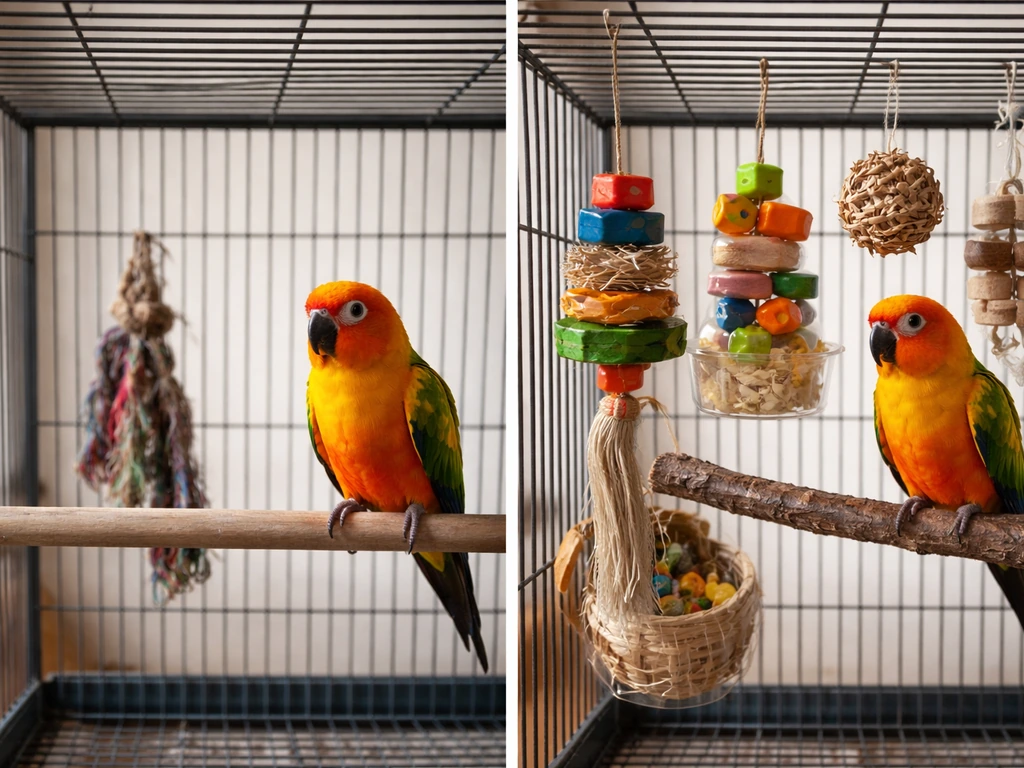
This is the most common cause I see, especially in intelligent species like parrots, cockatoos, and conures. Birds are naturally active foragers that spend most of their day in the wild searching for food, interacting with flock members, and exploring. A bird stuck in a cage with the same three toys and nothing to do will burn off that energy somehow, and pacing is one of the ways it shows up.
Stress from environmental triggers
Loud construction noise, a new pet in the house, a moved cage, changes in routine, or even a rearranged piece of furniture near the cage can trigger pacing. Birds are highly sensitive to their environment, and something that seems minor to you can genuinely feel threatening to them. PetMD notes that stress drivers can be hard to pinpoint, which is exactly why observing timing and context matters so much.
Fear
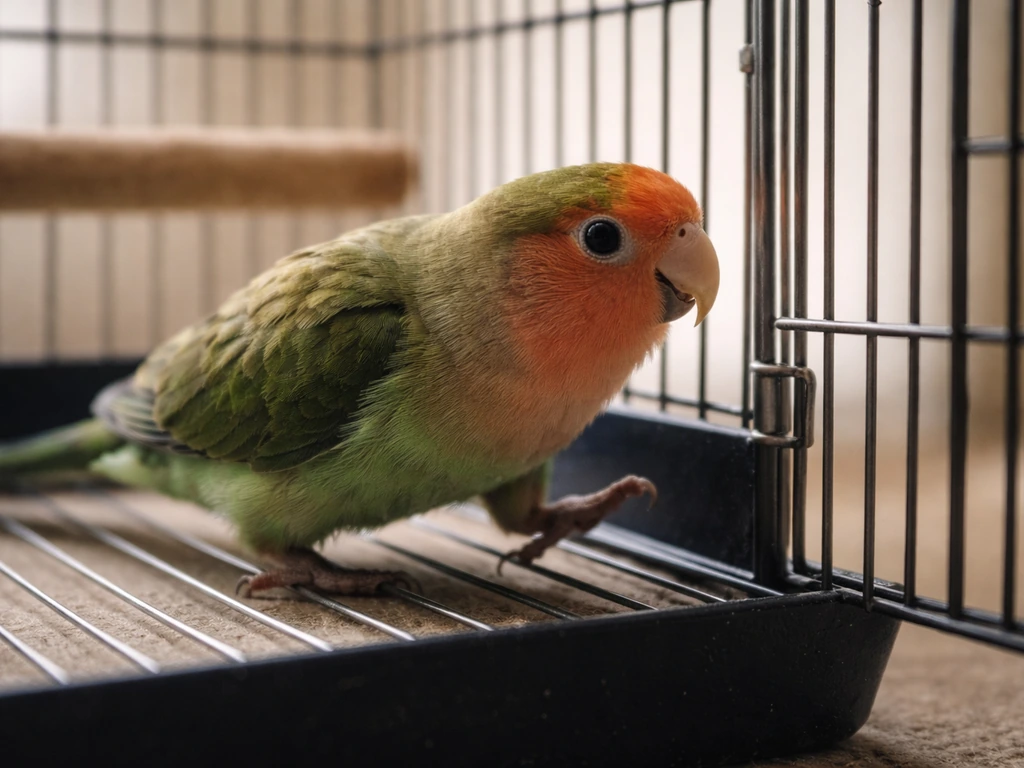
A bird that feels trapped and unsafe will pace as an attempt to find an escape. This can happen with a new bird that isn't yet comfortable in your home, a bird that has been spooked by a predator animal outside a window, or one that's been mishandled. Fear-based pacing usually comes with other signs: wide eyes, sleek feathers held tight to the body, or attempts to get to the back of the cage.
Hormonal and seasonal restlessness
Captive birds can enter breeding condition at almost any time of year depending on day length, diet, and whether there's a perceived mate (including their favorite human). When hormones kick in, birds get restless, territorial, and sometimes frantic. This is especially common in spring when natural day length increases. Pacing, along with behaviors like regurgitating food, wing-drooping, and seeking dark corners to nest in, are all part of this. The Merck Veterinary Manual points out that photoperiod (the length of light in a day) is one of the main environmental drivers of this kind of reproductive restlessness.
Inadequate social interaction
Most pet birds are flock animals by nature. A bird that isn't getting enough interaction with you or other birds may pace out of loneliness or frustration. This often gets worse when owners change their schedule, like returning to in-office work after working from home.
Health-related reasons your bird might be pacing
This is the part that catches a lot of people off guard. Birds are wired to hide illness, so by the time you notice something behavioral is off, the underlying problem may have been building for a while. Pacing tied to health issues typically comes with at least one other physical sign, so knowing what to look for matters.
Pain or physical discomfort
A bird in pain may pace because it can't get comfortable. Foot or leg injuries can cause a bird to shift weight constantly, which can look like pacing. Watch how your bird grips the perch: is it gripping unevenly, favoring one foot, or sitting on the cage floor? Any of those combined with pacing warrants a closer look.
Respiratory discomfort
Breathing problems cause birds to feel physically uncomfortable and anxious. A bird with a respiratory infection or airway issue may pace because it literally cannot rest comfortably. The key signs to watch for are: tail bobbing (the tail pumping up and down rhythmically with each breath), open-mouth breathing at rest, wheezing, and any change in the color of the mucous membranes. Merck Veterinary Manual lists open-mouth breathing and changes in mucous membrane color, such as gray, dark pink, blue, or cyanosis, as clinical signs of respiratory disease. LafeberVet considers open-mouthed breathing at rest and rhythmic tail bobbing to be serious signs requiring prompt veterinary attention. If you see either of those alongside pacing, don't wait.
Gastrointestinal upset
GI problems make birds feel lousy, and that discomfort can show up as restlessness and pacing. Merck Veterinary Manual notes that parasitic infections in pet birds can cause gastrointestinal signs such as diarrhea and/or respiratory signs like dyspnea depending on the parasite and the species GI problems make birds feel lousy. Signs to watch for include changes in droppings (mushy, watery, or discolored feces), excessive regurgitation or vomiting, and loss of appetite. Merck notes that yeast overgrowth (candidiasis) can cause delayed crop emptying and regurgitation, which are easy to spot if you know what normal looks like for your bird.
Neurological issues or early illness
Some early-stage infections and neurological conditions show up first as behavior changes before any obvious physical symptoms appear. Toxin exposure (like lead poisoning) can cause trembling, excitability, and seizure-like activity. Psittacosis can involve central nervous system signs including tremors and head twisting. If pacing comes with any twitching, loss of balance, head tilting, or brief episodes that look like a seizure, get to an avian vet the same day.
If you suspect the behavior is driven by stress or anxiety, the steps in this article can help you narrow down the cause and decide what to do next stress behaviors. Merck also points out that newly acquired birds or birds recently exposed to a pet store or bird show are at higher risk for infectious disease, and a sudden behavior change may be the first thing you notice.
What to do right now: your observation checklist
Before you change anything about the cage or environment, spend 10 to 15 minutes observing your bird and running through this checklist. Write down what you see, because it will help you and an avian vet spot a pattern.
- Timing: When does the pacing happen? Is it at a specific time of day, when you enter the room, after lights change, or is it constant?
- Posture: Is the bird standing upright and alert, or hunched, fluffed, or leaning? Is it gripping the perch normally with both feet?
- Breathing: Is the bird breathing through its mouth at rest? Is the tail bobbing up and down with each breath? Any audible wheezing or clicking?
- Vocalizations: Is your bird making distress sounds, calling more than usual, or unusually quiet?
- Appetite: Did your bird eat its usual amount this morning? Is it showing interest in food and water?
- Droppings: Are the droppings their usual color and consistency? Any watery, green-stained, or entirely absent droppings?
- Sleep: Is your bird sleeping more than usual or at odd times, or is it refusing to sleep and pacing at night?
- Feather condition: Are feathers smooth and in good condition, or are they ruffled, broken, or being picked at?
- Response to you: When you approach the cage calmly, does your bird respond normally, or does it seem disconnected, more frantic, or unresponsive?
- Recent changes: Has anything changed in the past two weeks? New cage location, new food, new household member, new schedule, construction nearby, or illness exposure?
Immediate environment adjustments to try now
Once you've done your observation, here are the things you can adjust today that address the most common behavioral causes.
- Move the cage away from windows where outdoor predators (cats, hawks) are visible, and away from vents, drafts, and TVs with loud sudden sounds.
- Cover three sides of the cage with a light cloth to give your bird a sense of security without cutting off all visual contact.
- Check every perch and toy. Remove anything broken, fraying, or sized incorrectly for your bird's foot. Perches of varying textures and diameters are better for foot health and reduce discomfort.
- Check the cage placement for temperature: birds are sensitive to drafts, and a cage near an air conditioning vent can cause real physical discomfort.
- Rotate one or two toys to something new or unused. Even this small change can break a boredom cycle for a few hours.
- Add a short foraging opportunity right now: hide a small piece of fruit or a favorite treat inside a twisted paper towel or cardboard tube and place it in the cage.
- Review your bird's light schedule. Merck and Purdue both emphasize that a consistent and appropriate light/dark cycle matters. If lights are on unpredictably or for very long stretches, that alone can cause hormonal restlessness. Aim for a natural-feeling day of about 10 to 12 hours of light.
- Spend 10 to 15 minutes of calm, low-pressure time near the cage without trying to force interaction. Sometimes presence alone reduces anxiety.
How to reduce pacing long-term
Build a real enrichment routine
The Association of Avian Veterinarians recommends rotating toys every day or week so birds don't habituate to the same objects. A good rotation includes chewing toys, foraging toys, puzzle feeders, and things the bird can shred or dismantle. VCA notes that puzzle and foraging toys can keep a bird occupied for hours, which is a huge amount of natural mental stimulation in one simple addition.
Foraging is especially important. In the wild, birds spend most of their waking hours finding food. The RSPCA recommends rolling or wedging food into cardboard tubes, hiding treats in paper cups, or using commercial puzzle feeders to replicate that experience. Even small foraging setups dramatically reduce boredom-driven repetitive behavior over time.
Predictable daily schedule
Birds do much better with a predictable routine. Feed, play, lights out, and wake-up time should happen at roughly the same time each day. This reduces anxiety because your bird knows what to expect. If your schedule has been inconsistent, tightening it up is one of the highest-impact things you can do for a chronically stressed bird.
Manage light cycles deliberately
If your bird is showing signs of hormonal restlessness (regurgitating food at you, seeking dark nesting spots, becoming territorial), Merck recommends shortening day length to around 8 hours of light to reduce the hormonal trigger. Remove any objects the bird is treating as a nest or bonding excessively with. This one change can calm a hormonally driven bird significantly within a week or two.
Prioritize daily social time
Even 20 to 30 minutes of genuine one-on-one time (not just being in the same room) makes a real difference for social species. Training sessions, even very short ones teaching simple step-up or targeting behaviors, provide mental stimulation and strengthen your relationship with the bird. A bird that trusts you and gets regular interaction is significantly less likely to develop stress behaviors.
Cage setup basics that matter
Make sure the cage is large enough for your bird to fully spread its wings and move between perches without touching the sides. Overcrowded or undersized cages are a direct cause of pacing. Place perches at different heights and of varying materials (natural wood branches are excellent) so your bird has reasons to move around purposefully rather than back and forth on one level.
Routine monitoring
Get into the habit of doing a quick daily check on droppings, food consumption, and posture. You don't need to be a vet to notice when something looks different from your bird's normal. The earlier you catch a change, the more options you have.
When to call an avian vet
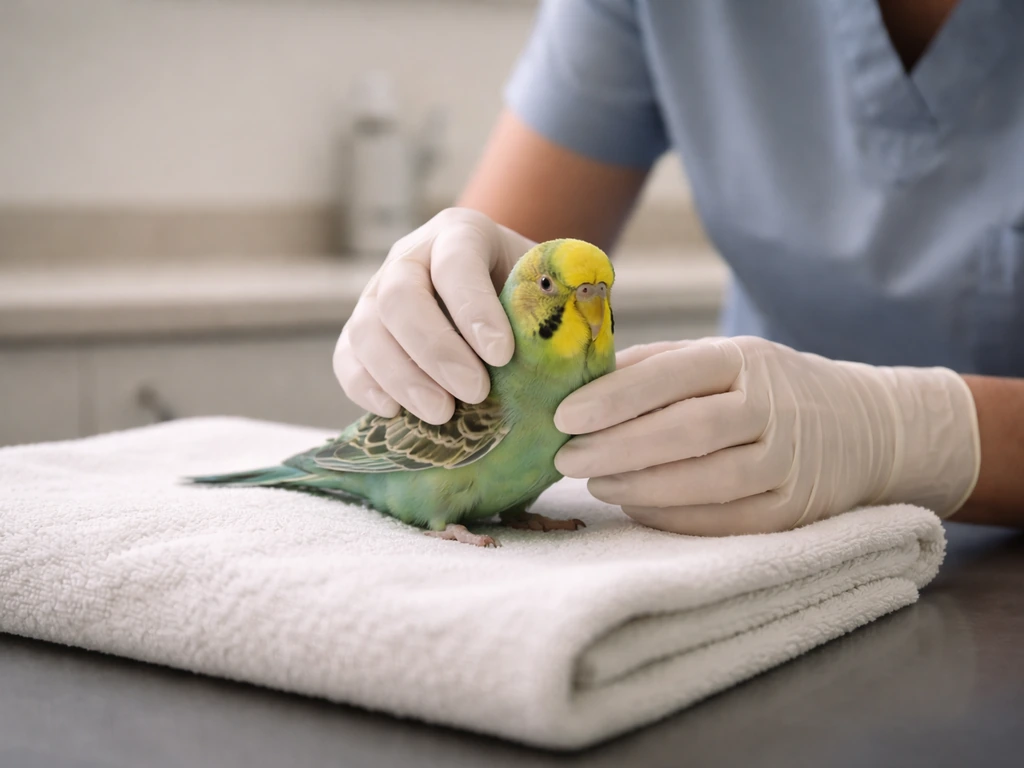
Some pacing situations are a "call today" scenario, not a "wait and see" one. Birds mask illness well, and by the time symptoms are obvious, things can deteriorate quickly. Here are the specific red flags that mean you need to contact an avian vet promptly. If your bird keeps hiding or seems unwilling to come out of its cage, that can be another sign of stress or illness to rule out why won t my bird come out of the cage.
| Red Flag | Why It Matters | Urgency |
|---|---|---|
| Open-mouth breathing at rest | Serious respiratory distress sign; not normal under any circumstances at rest | Call today |
| Tail bobbing with every breath | Sign of labored breathing; the bird is working to breathe | Call today |
| Pacing plus sudden loss of balance or head tilt | Possible neurological cause; toxin exposure or infection | Emergency |
| Twitching, trembling, or seizure-like episodes | Neurological sign; lead poisoning and psittacosis are known causes | Emergency |
| Pacing plus no eating for more than 24 hours | Birds have fast metabolisms; prolonged anorexia is dangerous | Call today |
| Pacing plus watery, green-stained, or bloody droppings | GI disease or infection; can deteriorate fast | Call today |
| Pacing that is constant and incessant for days despite environment changes | Habitual stereotypic behavior; Purdue flags this as requiring veterinary evaluation | Call within a day or two |
| Any behavior change in a newly acquired bird | Higher risk of infectious disease; early intervention matters | Call soon |
| Fluffed feathers, lethargy, and pacing together | Classic signs a bird is sick and trying to stay warm | Call today |
The combination of symptoms matters as much as any single sign. Pacing alone with an otherwise healthy, eating, alert bird gives you time to troubleshoot. Pacing plus any of the above means troubleshooting at home is not the right move. An avian vet (not just a general small animal vet) is best for bird illness, so it's worth finding one in your area before you need one urgently.
If your bird's pacing looks more like frantic cage activity, climbing, or jumping rather than a repetitive back-and-forth walking pattern, those behaviors can overlap with what's described here but may have slightly different triggers. If your bird is flying or moving frantically around the cage, that can point to stress, fear, or a health issue that needs quick troubleshooting frantic cage activity. The observation checklist above applies in all cases, and the same red flags indicate when to call for help.
FAQ
If my bird paces only at certain times of day, should I still worry it could be a health problem?
Yes, but prioritize the pattern. If pacing happens right before meals, after you walk in, or during a predictable routine window and your bird eats, drinks, and has normal droppings in between, it is more likely anticipatory. If timing changes suddenly, pacing starts lasting longer than usual, or you notice tail bobbing, open-mouth breathing, uneven foot gripping, or appetite changes, treat it as a possible health issue and contact an avian vet.
How can I tell boredom-driven pacing from stress or fear pacing?
Look for body language and triggers. Boredom pacing is often repetitive but otherwise your bird seems generally comfortable, with normal feather condition and relaxed posture. Fear-based pacing usually comes with clear “threat” context (new pet, construction noise, predator-like movement) and more protective cues such as tight feathers, wide eyes, and trying to position itself away from the perceived threat, including frequent movement toward the back of the cage.
My bird paces while I’m interacting with it. Does that mean it wants attention, or is it too stressed?
It can be either. Attention-seeking often shows up as pacing that stops when you offer a preferred activity, like a training session or a specific toy, and the bird’s body language looks alert rather than tense. If pacing escalates when you approach, the bird refuses contact, or you see defensive posture (sleek feathers held tight, attempts to retreat), the pacing is more consistent with anxiety or overload, and you should reduce stimulation and reassess environment and sleep routine.
Could pacing be caused by a problem with my perches or nails even if the cage size is fine?
Yes. Poor perch texture, incorrect spacing, or slippery surfaces can cause subtle discomfort and lead to constant shifting that looks like pacing. Check that the bird can grip comfortably without twisting its feet, that nails are not excessively long or snagging, and that there is safe footing between perches. Uneven gripping or repeated favoring of one foot alongside pacing is a strong reason to get an avian vet exam, not just adjust the cage.
What daily changes can I make first without risking making things worse?
Start with low-risk behavioral adjustments: rotate or add foraging toys, wedge or roll some food into safe foraging opportunities, keep feeding and lights schedules consistent, and remove any obvious nest-like items if your bird is hormonally driven. Avoid sudden major changes like relocating the cage to a new room on day one. Also, keep a short log of when pacing starts, what happened immediately before, and how long it lasts.
How quickly should I expect pacing to improve after changing the routine or adding foraging toys?
Often you can see improvement within days, especially for boredom-related pacing, because stimulation reduces idle time. If the cause is hormonal, reducing day length typically helps within one to two weeks, not overnight. If pacing continues to worsen or you see any respiratory, digestive, or neurologic signs, assume the driver is not purely behavioral and escalate to an avian vet promptly.
Is it ever normal for a bird to walk back and forth inside the cage?
Brief, purposeful movement can be normal, especially if it happens at feeding time, when you enter the room, or when the bird is investigating new items. “Normal” usually means short episodes, the bird settles afterward, and the overall daily behavior remains stable. Continuous, triggerless repetition that appears automatic or “can’t stop” is the warning pattern to investigate.
Should I shorten daylight if my bird is pacing and acting hormonal, or could that mask an illness?
Shortening day length is reasonable only if you see hormonal behaviors, such as regurgitating, territorial responses, and seeking dark corners, and you do not have other signs like breathing changes, abnormal droppings, or lethargy. If there is any physical red flag (tail bobbing, open-mouth breathing at rest, vomiting, discolored droppings, weakness, sudden neurologic signs), prioritize veterinary assessment first because reduced daylight will not treat illness.
When is pacing an emergency, and what should I do in the meantime?
Treat it as urgent if pacing is paired with open-mouth breathing at rest, rhythmic tail bobbing, wheezing, color changes in mucus, repeated vomiting or significant appetite loss, twitching with loss of balance, head tilting, or seizure-like episodes. While you arrange care, minimize handling stress, keep the environment quiet and stable, and note the exact onset time and any other symptoms you observed for the vet.
My bird paces but I can’t find any obvious stressor. What’s the best next step for figuring it out?
Do a structured “before, during, after” observation. Note the room activity level, noise, lighting timing, what toys were available, and whether droppings, appetite, posture, and breathing look normal during and after episodes. If the pacing persists beyond a few days despite adding foraging, stabilizing routine, and keeping the environment calm, schedule an avian vet visit because early illness and toxin exposure can first appear as behavior changes.
Next Articles
Why Is My Bird Jumping Around? Causes and What to Do
Learn why your bird jumps and what to do now, from normal excitement to pain, stress, overheating, seizures, and vet red
Why Is My Bird Going Crazy in His Cage? Triage Guide
Triage checklist for frantic pacing, screaming, biting in a cage: causes, safe at-home checks, and when vet care is urge
Why Is My Bird Making Whimpering Noises? What to Check
Find reasons for whimpering bird noises, quick home checks, and red flags for urgent vet care plus tracking tips.