
Your bird is probably reacting to something that changed in his environment, his routine, or his body. Most frantic cage behavior, including screaming, flapping, [pacing, charging the bars, or biting](https://avianwelfare. org/action/17AWBooklet_01-15-18. FINALpdf.
Why Is My Bird Going Crazy in His Cage? Triage Guide

Marcus Chen
4 May 2026
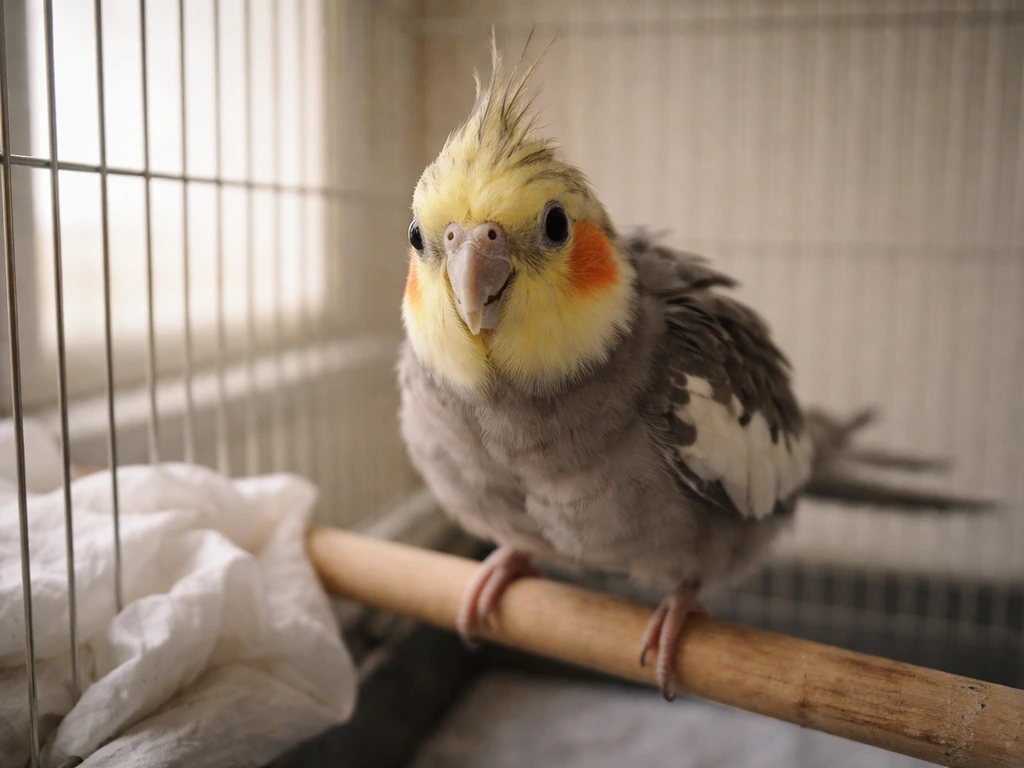
pdf), has a cause you can actually identify and fix. If your bird is flying around the cage in particular, this guide can help you figure out the trigger and what to do next why is my bird flying around the cage. If your bird won’t come out of the cage, it can help to treat it as a stress and environment issue first, then rule out medical red flags frantic cage behavior.
The hard part is separating the "I'm excited and it's fine" version from the "something is really wrong" version, and that's exactly what this guide will walk you through in the next 30 minutes.
What "going crazy" can look like in pet birds (and what's normal vs not)
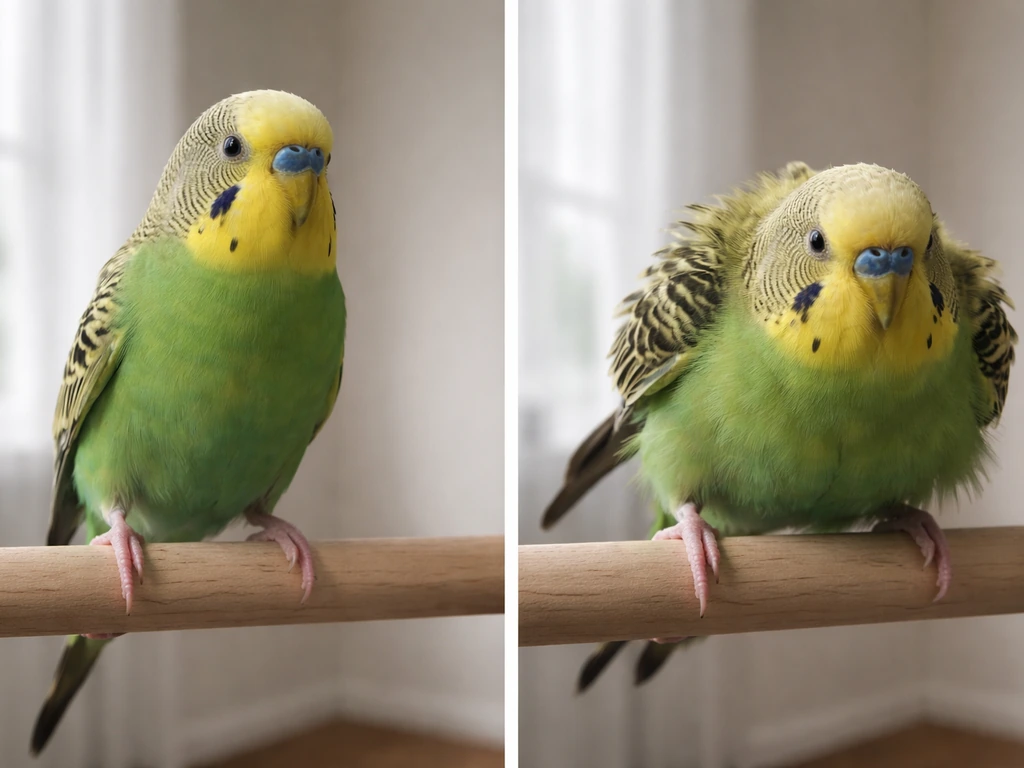
Birds have a wide behavioral range, and some things that look alarming are completely normal. A bird that's excited to see you, worked up because it spotted a bird outside, or doing pre-sleep zoomies is behaving normally, even if it looks chaotic. The behavior tends to be short-lived, stops when the trigger goes away, and the bird returns to its normal posture and routine quickly.
What you need to watch for is behavior that's repetitive and seemingly purposeless, or behavior that's escalating with no obvious trigger. Stress and illness show up differently than excitement. Stress-related cage behavior often looks like pacing the same route over and over, constant rocking or head-shaking, thrashing against the bars, screaming that doesn't let up, or self-directed behaviors like feather-chewing. These are sometimes called stereotypies, and they're a reliable signal that something is off.
| Behavior | Likely Normal | Possible Concern |
|---|---|---|
| Short burst of flapping/screaming | Yes, especially at dawn or dusk | If paired with other symptoms |
| Pacing the same path repeatedly | Rarely | Yes, especially if it won't stop |
| Biting cage bars occasionally | Sometimes, exploratory | Yes, if sudden, frantic, or new |
| Night thrashing/crashing sounds | Possible night fright (cockatiels) | Yes, if frequent or bird is injured |
| Screaming when you leave the room | Common contact call | Yes, if incessant and non-stop all day |
| Spinning or circling compulsively | No | Yes, possible neurological concern |
| Bouncing/playing with toys | Yes | No, unless paired with other symptoms |
It's also worth noting that some of these behaviors overlap with related issues. A bird that's pacing may also want to leave the cage or be climbing the bars obsessively. Each of those deserves its own look, but they often share root causes: boredom, stress, or a health problem driving the restlessness. Feather destructive behavior can also be driven by blank" rel="noopener noreferrer">psychological problems such as stress, boredom, and sexual frustration, as discussed in the Merck Veterinary Manual.
Quick triage: what to check in the next 10–30 minutes
Before you start rearranging the cage or calling a vet, spend a few minutes just watching your bird. You're looking for specific physical signs that tell you how urgent this situation actually is. Go through this checklist right now.
Check breathing first
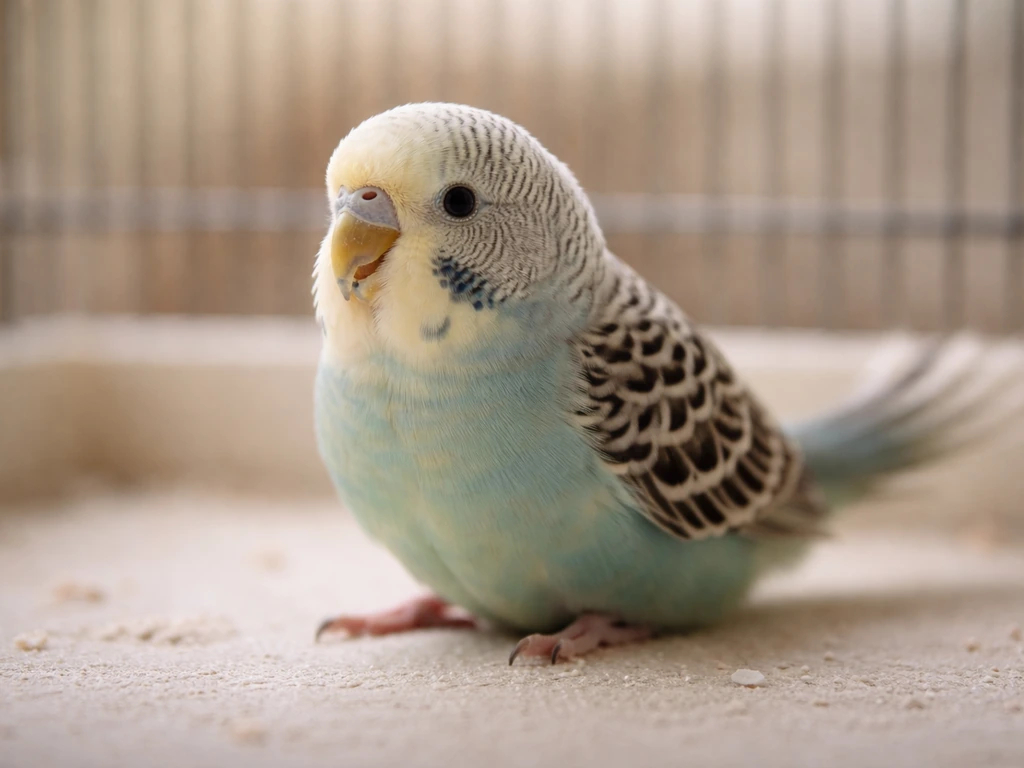
This is the most important thing to assess. A bird breathing with its beak open while sitting still is in respiratory distress. Watch the tail: if it's pumping rhythmically back and forth while the bird is at rest, that's a serious warning sign. Increased movement of the chest (sternal motion) while breathing is also concerning. Any of these signs mean you call an avian vet immediately, not later today, right now.
Check posture and position
A sick bird often sits on the cage floor, looks fluffed up, or is reluctant to move. If your bird is frantic but still perching and holding a normal posture, that's a better sign. A bird on the floor of the cage, fluffed, with eyes half-closed is showing classic illness signs and needs immediate evaluation.
Check droppings
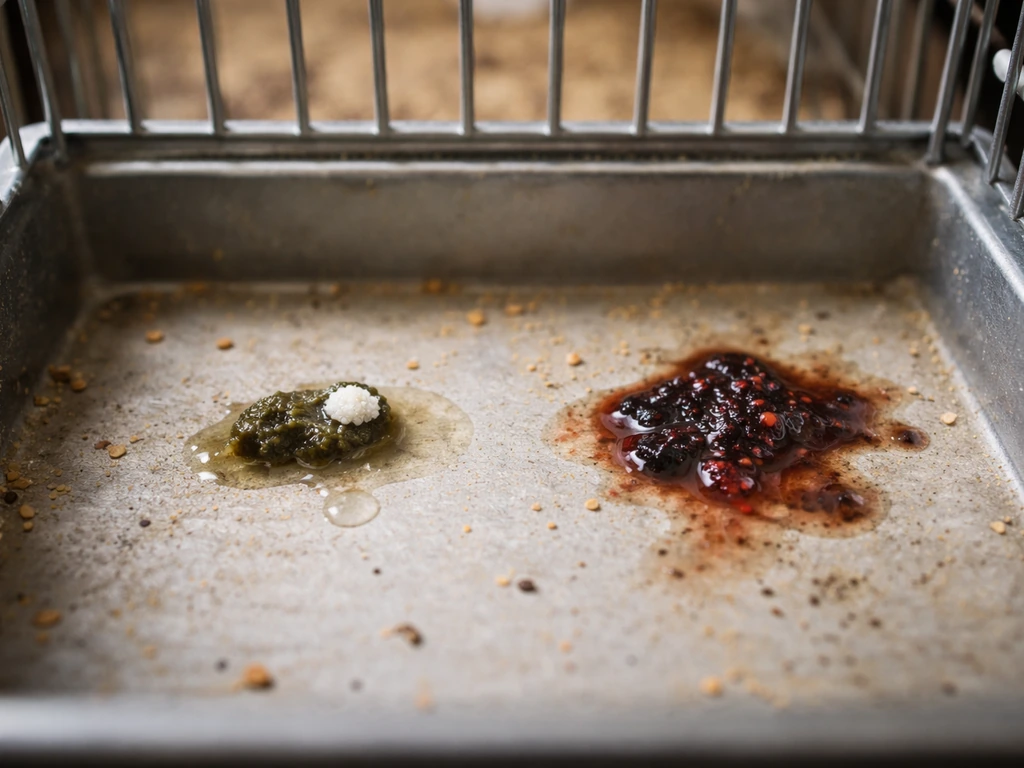
Look at the bottom of the cage. Normal droppings have a firm dark green or brown portion with white urates and a small clear liquid component. Bright red, tarry black, all-liquid, or completely absent droppings in a normally active bird are red flags. A single loose dropping after a stressful moment is less concerning than a pattern.
Check for visible injury or bleeding
Bleeding is always an emergency, regardless of where it's coming from. If your bird has been thrashing or crashing against the cage bars, check for cuts, broken blood feathers, or bleeding from the beak, nails, or skin. If you see active bleeding, that needs immediate attention.
Check eating, drinking, and recent changes
Has your bird eaten or drunk anything in the past few hours? Is the food and water where it always is? Think back over the last 24–48 hours: any new foods, new scents in the house (candles, cleaning products, non-stick pan), new people, rearranged furniture, or a change in your schedule? Most of the time, you'll pinpoint the trigger right here.
Common non-medical causes: cage setup, boredom, stress, noise, placement
Environmental factors are the most common reason a bird goes into a frenzy, and the good news is these are almost always fixable. Here's what to look at.
Cage size and perch setup
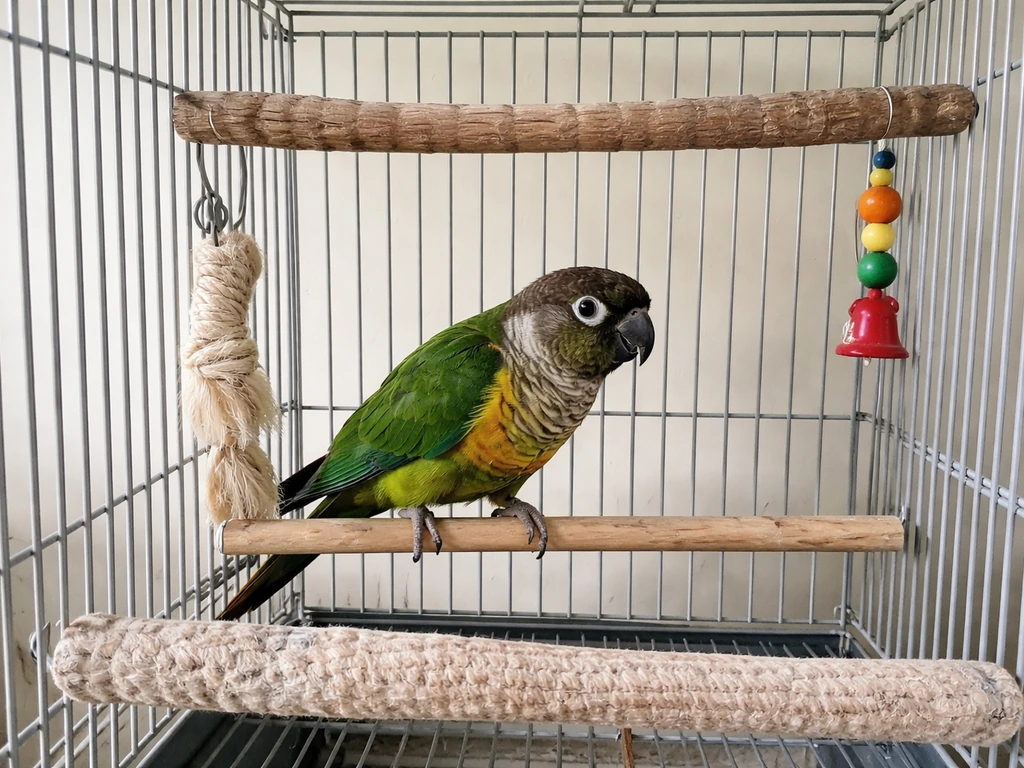
A cage that's too small creates chronic frustration. Your bird should be able to fully extend both wings without touching the sides. Perches that are all the same diameter, placed at bad heights, or made of slippery material cause physical discomfort that builds into agitation over time. Rotate perch types (rope, wood, concrete) and make sure the bird can reach food and water easily without awkward stretching.
Boredom and lack of enrichment
A bored bird is often a frantic bird. If the cage has the same two toys it's had for months, your bird may be going stir-crazy with nothing to do. Rotate toys every few days, include foraging opportunities (hiding food inside toys or paper cups), and vary textures and materials. Birds that don't get enough out-of-cage time also develop restlessness that shows up as cage-bar biting, pacing, or flying frantically inside the cage.
Cage placement and environmental stressors
Where the cage sits matters a lot. Cages placed near windows can expose birds to outdoor predators (hawks, cats) that trigger alarm responses. Drafts from air conditioning vents or open windows can cause rapid temperature swings. Loud, unpredictable noise from a TV, speakers, or street traffic can keep a bird in a constant low-level stress state. The cage should be at eye level or slightly below, in a room with predictable light and sound levels, and away from the kitchen.
Light schedule and sleep disruption
Most pet birds need about 10 to 12 hours of darkness and quiet each night. If your bird is getting less than that because of late-night TV, room lights, or an inconsistent schedule, it's operating sleep-deprived, which causes exactly the kind of irritable, frantic behavior you're seeing. Night frights, where a bird suddenly crashes and thrashes around in the dark, are common in cockatiels especially. If it happens at night, turning the light on briefly is the fastest way to calm the bird. Then check for injuries once it's settled.
Social stress and loneliness
Birds are flock animals. If your bird is alone most of the day with no interaction, screaming and pacing are often its way of calling out for contact. A recent change in your work schedule, a new pet in the house, or the addition of a second bird can all trigger territorial or anxiety-based frantic behavior. A bird that screams when you leave the room and calms down when you return is usually asking for more social time, not signaling a health problem.
Diet, hydration, and husbandry changes that trigger agitation
What your bird eats directly affects how it feels and behaves. A seed-heavy diet is high in fat and low in many key nutrients. Birds on all-seed diets can develop deficiencies that affect mood, energy regulation, and overall health, leading to erratic behavior that can look like mania. Switching to a pellet-based diet with fresh vegetables and limited seeds makes a real difference in behavior over time.
Sudden food changes can also be the culprit. If you switched brands, introduced a new food, or accidentally ran out of the usual staple, your bird may be hungry, confused, or reacting to something new in the diet. Always transition food slowly over one to two weeks.
Check the water. Empty or dirty water leads to dehydration fast in small birds, and dehydration causes agitation and lethargy. Water should be changed at minimum once a day, and the bowl should be visibly clean. If you've recently added supplements to the water and your bird is behaving strangely, that's worth considering as a trigger.
If your bird may have gotten into chocolate, avocado, or any food it shouldn't have, treat that as a medical situation right now. Chocolate contains caffeine and theobromine, which act as stimulants in birds and can cause agitation, tremors, and worse, with effects lasting 24 to 48 hours. Avocado is toxic to birds and can cause rapid deterioration. Call your avian vet or a pet poison hotline immediately if there's any chance your bird ate either of these.
Health and pain red flags that can cause frantic cage behavior
Birds are prey animals and instinctively hide illness. By the time a bird's behavior is obviously abnormal, something may have been wrong for a while. Frantic, agitated behavior can be a bird's way of communicating pain or physical discomfort when it can't communicate anything else.
- Open-mouth breathing at rest or tail bobbing/pumping rhythmically: respiratory emergency, call your vet now
- Sitting on the cage floor, fluffed, eyes partially closed: classic sick-bird posture, warrants same-day vet contact
- Bleeding from any location: always an emergency
- Sudden onset biting that's out of character: can signal pain or discomfort, especially if combined with other signs
- Abnormal or absent droppings: can indicate GI issues or infection
- Tremors, loss of balance, or falling off the perch: possible neurological issue or toxin exposure
- Head tilting or circling compulsively: neurological concern, needs prompt evaluation
- Wheezing, clicking, or audible breathing sounds: respiratory disease
Hormonal behavior is worth mentioning here too. During breeding season, many birds become dramatically more agitated, territorial, and vocal. Hens can become cage-aggressive and protective. This is normal but can look alarming if you don't expect it. It usually cycles, but if the bird also shows physical symptoms, don't assume it's just hormones.
Fume and toxin exposure is a specific category that can escalate from mild agitation to death very quickly. Overheated non-stick (PTFE/Teflon) cookware releases fumes that are acutely toxic to birds. Scented candles, aerosol sprays, cleaning products, and fresh paint are also dangerous. If you've used any of these recently and your bird is now frantic or showing breathing difficulty, get the bird to fresh air immediately and call your vet. This is a true emergency.
What to do today: safe steps, soothing changes, and when to isolate
If your triage check didn't turn up any urgent medical signs, here's what to do right now to help your bird calm down and start addressing the cause.
- Move the cage away from any obvious stressor: window with predator views, air vent, loud appliance, or high-traffic area.
- Check that temperature in the room is stable, typically between 65 and 80°F (18 to 27°C) for most common pet birds, with no drafts.
- Offer fresh water and the bird's usual food, placed in familiar locations within the cage.
- Reduce stimulation: turn off loud TV or music, draw a curtain if the window is causing alarm, and lower voices in the room.
- Give the bird a few minutes of calm, quiet, non-pressured time before trying to interact. Don't reach in to grab a panicked bird.
- If it's nighttime and the bird is having a fright episode, turn on a dim light until the bird settles, then check for injuries before returning to darkness.
- Cover three sides of the cage with a breathable cloth to create a sense of security without blocking all airflow.
- If you've recently introduced a new pet or person, give the bird a visual barrier so it doesn't feel constantly watched or threatened.
Isolate only if there are multiple birds and one seems to be the aggressor, or if you suspect illness. Isolating a sick bird in a warm (85 to 90°F), quiet space away from other birds can help while you arrange veterinary care. Don't isolate a healthy, social bird from its companions as a calming strategy, because loneliness will make things worse.
When to see an avian vet (urgent vs routine) and how to prepare
Some situations need a vet today, not next week. Don't wait and see if any of the following are present: open-mouth breathing at rest, tail pumping, bird on the cage floor looking fluffed or lethargic, active bleeding, suspected toxin exposure (including fumes, chocolate, or avocado), tremors, or balance problems. With birds, waiting even a few hours when something is genuinely wrong can change the outcome.
Situations that still need a vet but can typically be seen within a day or two include: a sudden personality change toward aggression or biting that you can't link to any environmental trigger, persistent repetitive behaviors that don't stop after you've addressed environmental issues, abnormal droppings lasting more than 24 hours, or a bird that's stopped eating for more than a day.
When you call or go to the vet, bring as much information as you can: what the bird has been eating, any recent changes in the household, when the behavior started, how long it's been going on, and a photo or short video of the behavior if you can capture it safely. Also bring a fresh dropping sample if possible, in a clean container. Note what products have been used in your home recently, including candles, cleaners, and cookware. The more context you provide, the faster your vet can narrow things down.
Make sure you're seeing an avian vet specifically, not a general small-animal practice. Birds have very different physiology and many general vets have limited avian training. If you don't have an avian vet yet, the Association of Avian Veterinarians has a searchable directory.
Once you've addressed the immediate situation, think longer term. A bird that's been going crazy in its cage regularly is telling you something about its daily life. Enrichment, a stable routine, a healthy diet, enough sleep, and enough social interaction are the foundation. Behavior problems that seem sudden often have roots in gradual environmental drift, a cage that got a little smaller when a new toy took up space, a schedule that shifted by an hour, a diet that slowly became more seed-heavy. Small corrections made consistently make a big difference over weeks.
FAQ
How can I tell the difference between normal excitement and true stress or pain?
Look at duration and recovery. Excited behavior usually settles when the trigger ends and the bird quickly returns to normal posture and routine. Stress or pain tends to look repetitive, escalates, or does not improve even when you remove likely stimuli (for example, turning off loud noise, dimming lights, or moving the cage away from the window).
What if my bird only gets “crazy” when I’m near or only when I’m gone?
Context matters. If it ramps up when you leave and calms when you return, it is often seeking flock interaction, not illness. If it becomes frantic around your presence too, it can be hormonal, territorial, or linked to body language and routine changes (new approach, different voice, changed clothing scents). Use consistent cues, and watch for any medical red flags separately.
Is cage flipping, throwing toys, or charging the bars ever “play” rather than a problem?
It can be, but the key question is purpose and pattern. If the behavior is repeated the same way over and over with little engagement and the bird seems unable to settle, treat it as stress or illness until proven otherwise. Playful activity usually alternates with normal rest, feeding, and preening.
My bird is pacing and then suddenly panics, what should I check first?
Start with what changed right before the escalation. Check for drafts, temperature swings, loud background noise, bright new light, predator cues at the window, or a recent introduction of new cleaners, candles, or cookware. Also reassess breathing and balance, because some medical issues first show as restlessness before progressing.
What is the safest way to do a “quick triage watch” without making things worse?
Give the bird a few calm minutes and avoid handling unless there is bleeding or clear injury risk. Watch from a distance for breathing pattern, tail pumping, posture (fluffed or lethargic), and droppings frequency. Then check food and water access, and remove obvious household triggers only if you can do so quickly and safely.
Can cleaning products or scented things cause sudden frantic cage behavior?
Yes, and some exposures are delayed or cumulative. Aerosols, strong disinfectants, fragrance warmers, and fresh paint can trigger agitation. If you suspect fumes, move the bird to fresh air immediately and do not reintroduce the product. If breathing difficulty follows, treat it as urgent.
How should I adjust toys and perches if my bird seems stressed or restless?
Make changes incrementally. Replace one variable at a time so you can tell what helps. Ensure perches allow full wing extension without touching cage sides, use varied textures, and keep food and water reachable without awkward stretching. Avoid slippery perches that can increase discomfort and climbing urgency.
Is it okay to let my bird “work it off” by continuing frantic behavior until it tires out?
Only if there are no medical red flags and the behavior decreases when you remove likely triggers. If the bird is fluffed and lethargic, on the cage floor, breathes with an open beak at rest, has tail pumping, is bleeding, or seems uncoordinated, do not wait for fatigue. Seek an avian vet urgently.
What should I do about night frights and thrashing in the dark?
If it happens at night, turning on the light briefly can help the bird reorient and calm. After it settles, check for any injury from crashing into bars or the cage. Prevent recurrence by maintaining consistent darkness and covering the cage appropriately for species-appropriate sleep duration.
When should I isolate my bird, and when should I avoid it?
Isolate only in specific situations: if there are multiple birds and you suspect one is the aggressor, or if illness is suspected so you can manage warmth and quiet while you arrange care. Do not isolate a healthy, social bird as a general calming tool, because loneliness can worsen screaming and pacing.
Should I bring a dropping sample to the vet?
If you can do it safely, yes. A fresh sample in a clean container helps the vet evaluate infection, diet-related changes, and other causes. If it is not feasible, still describe the color, consistency, and frequency, and note how long the abnormal droppings have been going on.
What if the behavior started after switching diet or brands but no medical signs are present?
Treat the timing as meaningful. If you switched suddenly, hunger, confusion, or digestive stress can show up as agitation. Transition gradually over one to two weeks as appropriate, confirm the bird is actually eating the new food, and monitor droppings. If the bird stops eating for more than a day, contact an avian vet.
How do I handle possible toxin exposure if I am not sure what happened?
Assume risk if there is any plausible exposure like fumes, non-stick overheating smells, aerosol sprays, strong cleaners, chocolate, or avocado. Move the bird to fresh air, keep it warm and calm, and contact an avian vet or poison hotline right away. Time matters, and uncertainty is not a reason to wait.
What if my bird is biting in the cage, but I can’t identify a trigger?
Biting that appears suddenly without a clear environmental cause still warrants medical consideration. Also check whether the biting coincides with certain areas of the cage (specific perch height, feeding access point), which can indicate pain or discomfort. If biting persists after environmental adjustments, seek an avian vet within a day or two.
Next Articles
Why Is My Bird Making Whimpering Noises? What to Check
Find reasons for whimpering bird noises, quick home checks, and red flags for urgent vet care plus tracking tips.
Why Does My Bird Make Crunching Noises? Causes and What to Do
Learn why your bird crunches, spot normal beak chewing vs breathing or crop issues, and what to do next.
Why Do Guinea Pigs Make Bird Noises? Listen and Look
Learn why guinea pigs make bird like chirps and whistles, how to spot normal vs stress or illness, and when to see a vet