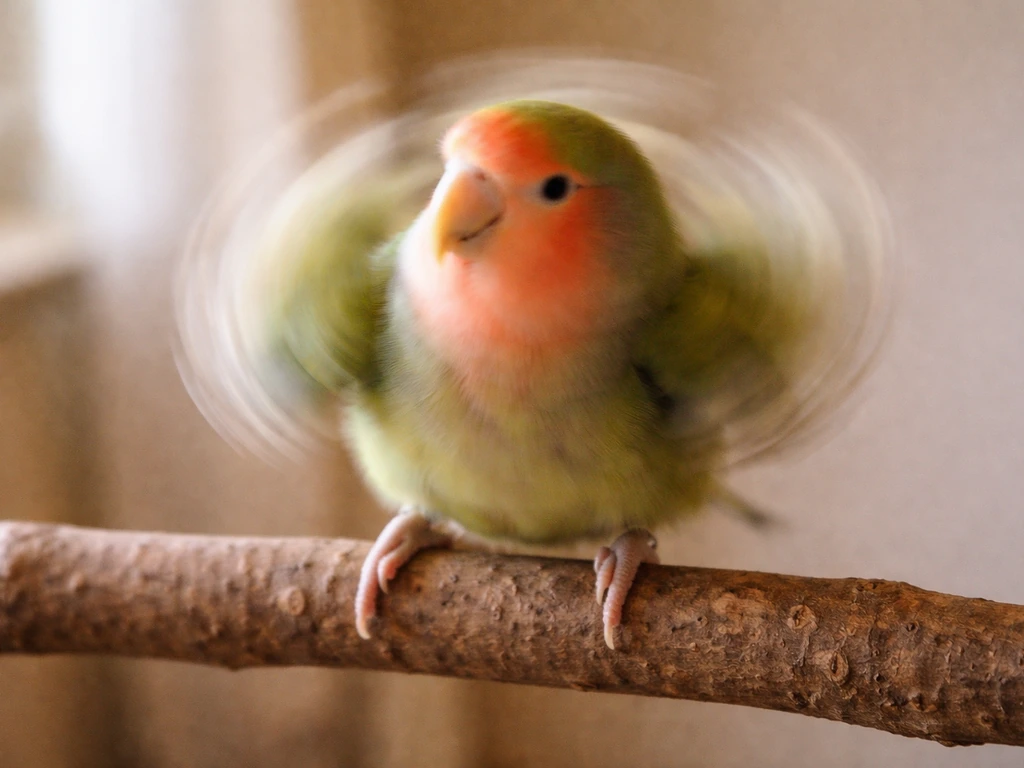
Most of the time, a bird climbing its cage is doing exactly what birds are built to do: explore, exercise, and look for something interesting. It's normal, healthy behavior, especially in active species like conures, cockatiels, and parrots. But when the climbing is frantic, constant, or brand new, it's worth paying closer attention, because the same behavior can also signal boredom, stress, a setup problem, or in some cases, something physical that needs a vet. If your bird is repeatedly flying around the cage, the same triggers that cause frantic climbing, like stress, boredom, or an unsuitable setup, can be at play why is my bird flying around the cage.
Why Is My Bird Climbing Its Cage? Causes and Fixes

Marcus Chen
10 Jun 2026
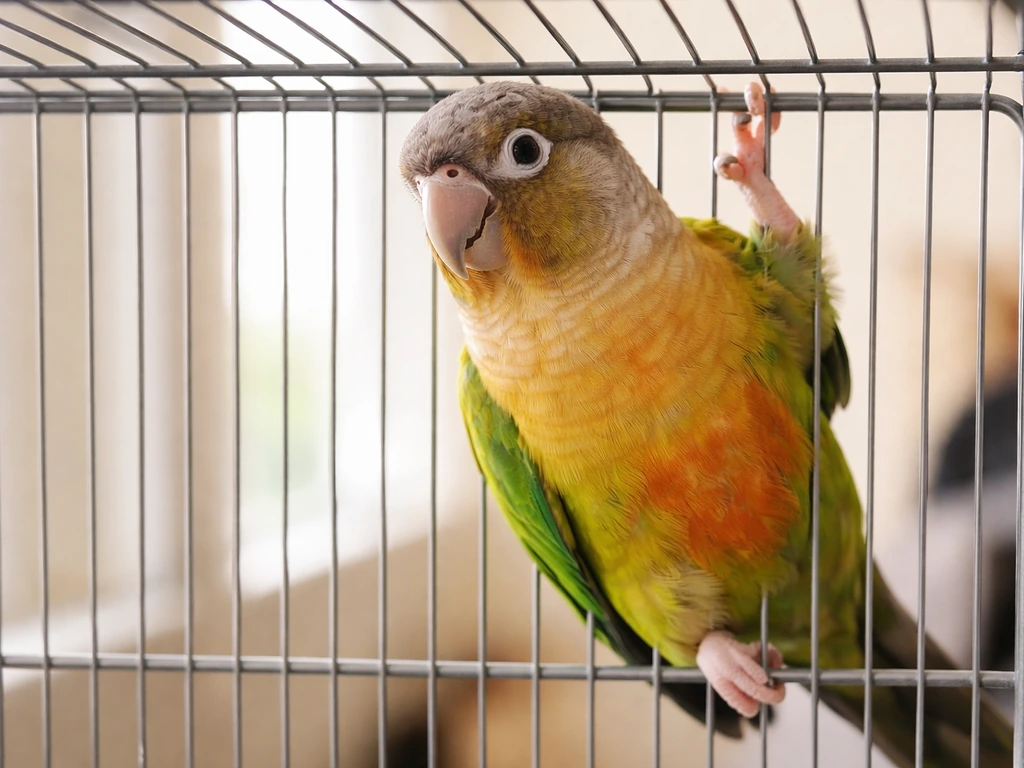
When cage climbing is totally normal
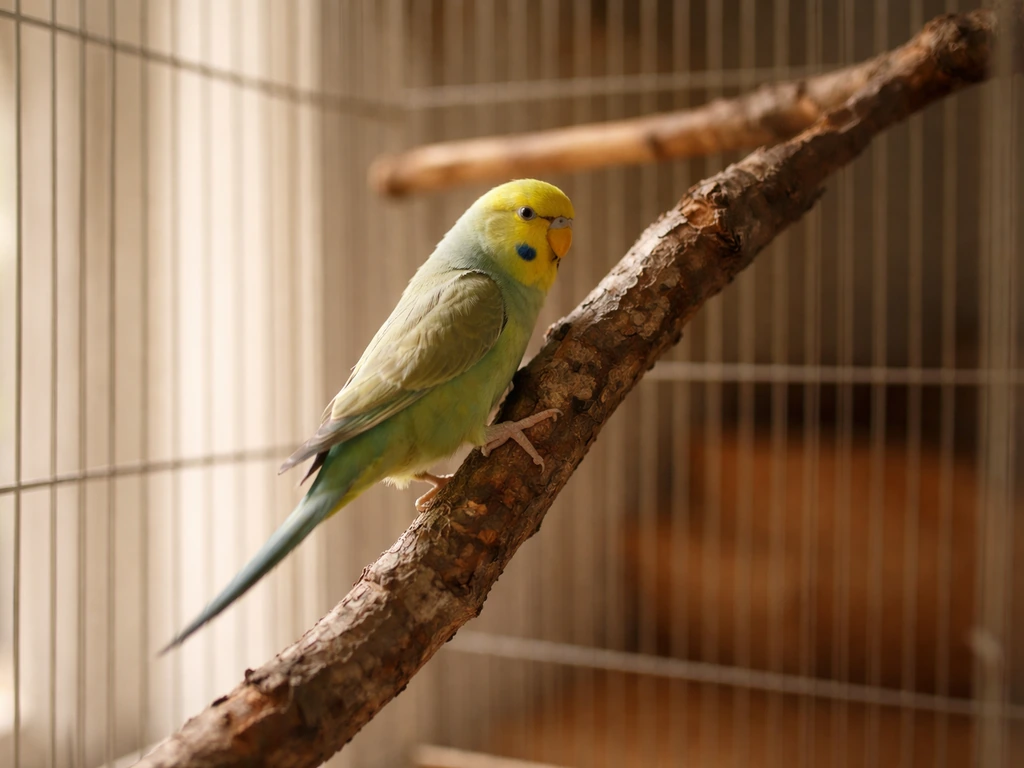
Birds climb because their bodies are designed for it. In the wild, they move through branches constantly, forage at different heights, and scout their surroundings. Your bird doing laps up and down the bars after you walk in the room, or heading to the top of the cage to get a better view, is usually just that instinct in action.
Climbing is also one of the main ways birds get physical exercise inside a cage. A bird that climbs regularly, plays with toys at different heights, and moves around without signs of distress is getting enrichment from its environment. This kind of activity is a good sign, not a problem to fix.
Some birds also climb toward you specifically as an attention-seeking or bonding behavior. If your bird scales the cage door the moment you enter the room and stops once you interact with it, it's probably just telling you it wants out. If your bird is trying to escape, the same questions about boredom, stress, and cage setup can help you figure out why it wants to leave the cage wants out. That's communication, not crisis.
Boredom, stress, and anxiety as common triggers
When climbing becomes repetitive, obsessive, or happens at the same spot over and over, boredom is one of the first things to consider. Purdue University's College of Veterinary Medicine notes that boredom is a frequent cause of obsessive behavior in caged birds, and cage-directed repetitive behavior (including bar climbing) is a classic example.
The Association of Avian Veterinarians describes these as "stereotypic behaviors," meaning repetitive actions that serve no obvious purpose and that tend to show up when a bird's needs aren't being met. Foraging, social interaction, and novel toys have all been shown to reduce these behaviors. If your bird's toy situation hasn't changed in a while, that's worth addressing. The AAV recommends rotating toys every day or week, not just leaving the same setup indefinitely.
Stress and anxiety can also push a bird into frantic climbing. Common stressors include a new pet or person in the home, changes in schedule, loud noises, being placed near a window with predator activity (outdoor cats, hawks), or even seasonal light changes. Some birds also go through hormonal phases that make them more restless and cage-aggressive, which can look like escape attempts but is really more about territory.
Birds that don't get enough time outside the cage are more likely to show these behaviors. A practical target for most small-to-medium companion birds is 1 to 3 hours of supervised out-of-cage time daily. If your bird is trying to escape the cage, increasing safe out-of-cage time and supervision often helps reduce persistent climbing. If your bird is spending most of its day inside with limited interaction, persistent climbing is almost certainly a message about that.
Environmental causes worth checking today
Before assuming the problem is behavioral, look at the physical setup. A lot of cage-climbing issues come down to simple environmental factors that are easy to fix.
Perches and footing
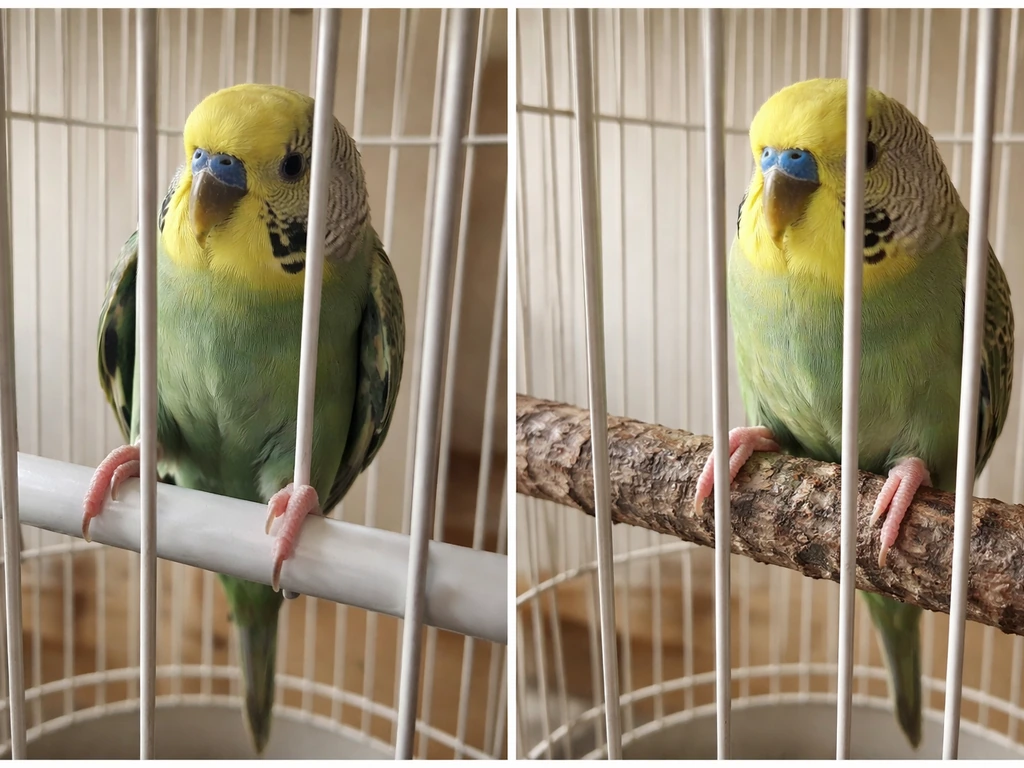
If a bird's perches are uncomfortable, the wrong size, or too slippery, it may climb the bars just to get a better grip. Phoenix Landing Foundation recommends at least four different perch diameters to promote foot health and reduce pressure sores. blank" rel="noopener noreferrer">Petco and Petcare sources both suggest mixing materials: wood, rope, and natural branches all give the foot a different surface to grip and rest on.
Check whether your bird's perches are positioned so it can actually reach food, water, and toys without awkward stretching or climbing. If the perch layout is inefficient, the bird will improvise by using the bars as its main highway through the cage.
Cage placement, temperature, and drafts
Draft exposure can cause a bird to become restless and move around more as it tries to find a comfortable spot. PetSmart's cage-setup guidance specifically recommends placing cages away from drafts and direct sunlight. If your cage is near an air vent, a frequently opened window, or a door, try moving it and see whether the climbing behavior changes.
Temperature swings also matter. A bird that's too cold may climb to the top of the cage where warm air rises, while a bird that's overheated may move erratically trying to get comfortable. Aim for a stable room temperature and watch whether the behavior correlates with times when the HVAC kicks on or the room gets particularly hot in the afternoon.
Cage size and enrichment
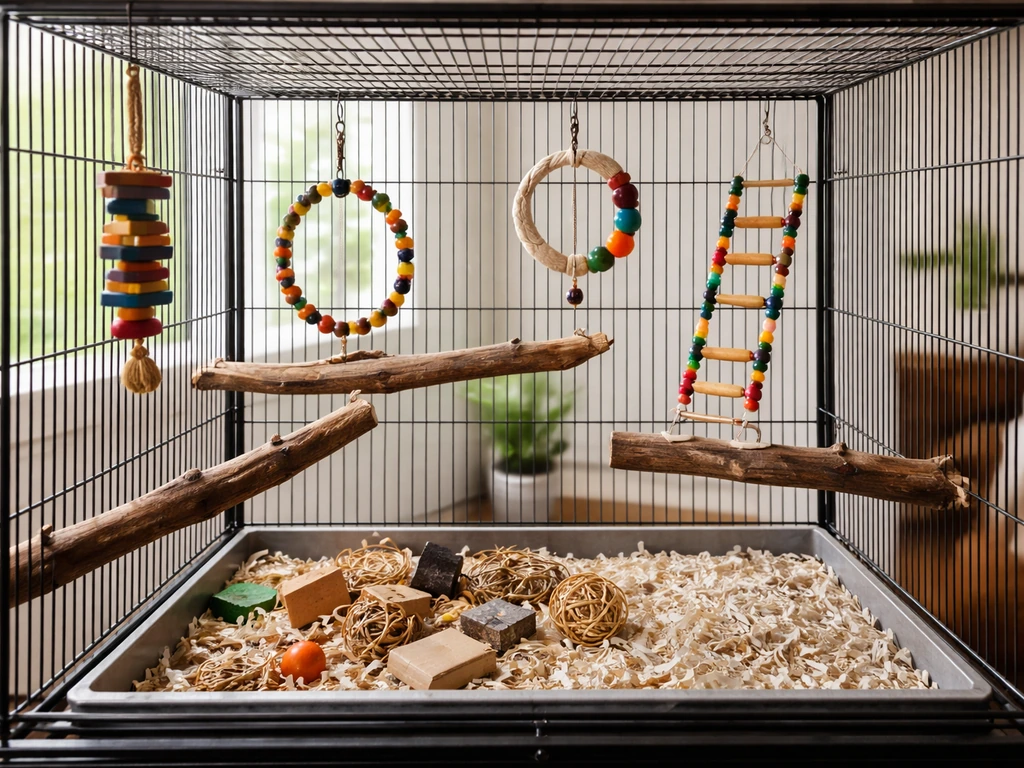
A cage that's too small, too sparse, or set up with everything crammed in one spot gives a bird nowhere to go except the bars. Make sure there's genuine variety: perches at multiple heights, foraging opportunities (food hidden in paper, stuffed into cardboard tubes, or scattered rather than just sitting in a bowl), and toys that offer manipulation and chewing, not just hanging decoration.
Health red flags that can look like climbing behavior
This is the part that matters most. Some physical problems first show up as increased restlessness, repeated movement, or what looks like escape attempts. Knowing what to look for alongside the climbing can tell you whether this is behavioral or something that needs a vet.
Breathing problems
A bird in respiratory distress will sometimes scramble around the cage rather than sit still. Watch the breathing closely. Signs that something is wrong include open-mouth breathing, tail bobbing (the tail moves with each breath), wheezing, clicking sounds, or a bird that seems to be working to breathe. These are urgent signs. University of Pennsylvania avian triage guidance specifically flags tail bobbing and open-beak breathing as critical distress indicators. SpectrumCare's emergency guidance puts open-mouth breathing, pronounced tail bobbing, and wheezing in the same-day or emergency category.
Pain, injury, or skin discomfort
A bird with an injury, internal pain, or skin irritation may not be able to settle comfortably on a perch, so it moves constantly. Itching from feather conditions, mites, or skin problems can also cause a bird to rub against bars, climb frantically, or dig at itself. Check for visible wounds, bald patches, redness, or signs the bird is scratching at specific spots.
Neurological or GI issues
Less commonly, repeated abnormal movement (including circling, climbing to one side only, or loss of balance while climbing) can signal a neurological problem. GI discomfort can also make a bird restless and unable to settle. These tend to come with other signs: changes in droppings, obvious loss of balance, head tilting, or seizure-like episodes. If the climbing looks uncoordinated or the bird seems confused during it, that's a red flag.
General illness
VCA Animal Hospitals notes that illness signs in birds can be present for days or even weeks before becoming obvious to owners, because birds are prey animals that hide weakness. A bird that is climbing more but also seems fluffed up, quieter than usual, eating less, or has changed droppings is not just bored. Those changes together suggest illness that needs professional evaluation.
How to troubleshoot right now: observation checklist
Before you change anything, spend 10 to 15 minutes observing your bird closely. You want to be able to answer these questions:
- Is the climbing constant or does it happen at specific times (morning, when you enter the room, around feeding time)?
- Is this behavior new, or has it always been part of how your bird acts?
- Is the bird climbing smoothly and confidently, or does it look frantic, wobbly, or like it's struggling?
- What is the bird's posture? Fluffed feathers, hunched shoulders, or sitting low on the perch are illness signals.
- Is the bird breathing with its beak open, tail bobbing, or making any unusual sounds?
- Has appetite changed? Are the droppings normal in color and consistency?
- Is the bird vocalizing more or less than usual? Are calls distressed or normal?
- Are there any new stressors in the environment: new pets, people, furniture, or sounds?
If the answers point to a bird that's physically fine, eating normally, and behaving like itself except for more climbing, then try these changes today:
- Rotate toys or add one new foraging opportunity (wrap a treat in paper, stuff food in a cardboard tube).
- Check all perches for grip quality and add a different diameter or material if everything is currently the same.
- Move the cage away from any air vents, drafts, or direct sunlight exposure.
- Add a 30-minute supervised out-of-cage session if you haven't been doing that consistently.
- Reduce nearby stressors: cover part of the cage if there's a predator view, lower TV volume, give the bird a quiet period.
- If the bird is climbing the same spot repeatedly, look at what's there: is a perch uncomfortable, is there a reflection or something outside that's triggering it?
When to call an avian vet, and what to tell them
Call an avian vet the same day if your bird shows any of these alongside the climbing:
- Open-mouth breathing or tail bobbing with each breath
- Wheezing, clicking, or any unusual respiratory sound
- Collapse, inability to stand, or loss of balance
- Seizure-like movements or circling that looks uncontrolled
- Uncontrolled bleeding or obvious injury
- Blue or very pale tissue around the beak or feet
- Sudden fluffing with lethargy and refusal to eat
Even if nothing looks that urgent, schedule a routine avian vet check if the climbing behavior is new, has escalated over a week or more, or comes with any combination of changed appetite, different droppings, or a quieter, less engaged bird. Birds hide illness well, and catching things early makes a real difference in outcomes.
When you call or go in, bring as much of the following as you can:
- When the behavior started and how often it happens
- Any changes in the home around that time (new pet, moved cage, new diet, schedule shift)
- A description or short video of what the climbing looks like
- Notes on appetite, droppings, and vocalization over the past week
- What you've already tried and whether it helped
A short video on your phone is genuinely useful here. Avian vets can spot breathing effort, posture problems, and movement abnormalities in a clip that might look fine to an untrained eye.
Long-term changes that actually help
If boredom or under-stimulation is driving the behavior, one-off fixes won't hold. The goal is building a routine that keeps your bird's mind and body engaged consistently.
| Area | What to change | How often |
|---|---|---|
| Toys | Rotate toys in and out of the cage | Every few days to weekly |
| Foraging | Wrap or hide food so the bird has to find it | Daily |
| Out-of-cage time | Supervised time outside the cage to explore | Daily, 1-3+ hours depending on species |
| Perches | Use multiple diameters and materials | Ongoing; replace when worn |
| Social interaction | Direct playtime and talking with your bird | Daily |
| Environment check | Draft, light, and temperature audit | Seasonally or when behavior changes |
Foraging enrichment is especially effective because it targets the behavior birds are naturally wired for. The RSPCA points out that wild birds spend a large part of their day searching for food, and that replicating this at home (scattering food, rolling it in newspaper, tucking it into cardboard tubes) gives cage-bound birds a real outlet for that drive.
Consistency in routine also matters. Birds are creatures of habit, and predictable feeding times, interaction periods, and sleep schedules reduce the kind of background anxiety that can tip into repetitive behavior. If your bird's day is unpredictable, that alone can be enough to keep it unsettled.
Cage climbing by itself is rarely an emergency. But it's one of the clearest ways your bird can tell you something about its environment, its health, or what it needs from you. Taking it seriously, running through the checklist, and making even small changes can shift things quickly for most birds.
FAQ
How can I tell if my bird’s climbing is normal exploration or a timing-based behavior problem?
Watch what happens right after the climb starts. If it ramps up specifically at certain times (for example, right before you usually feed, when the room is quiet, or during loud household noise), you can usually pinpoint a need that is being missed (attention, routine, comfort) rather than assuming a sudden illness.
Should I reward bar-climbing with treats or attention?
Squeezing sticks, food, or hands through the bars can unintentionally reward bar-climbing and escalate the behavior. Try keeping interactions away from the bars, instead reward climbing onto a perch or step-up behavior inside the cage.
My bird climbs to the door every time I walk in, is that an attempt to escape?
If the climbing is mainly toward the cage door, test whether it changes with access to a safe perch outside the cage. Many birds want an exit, and they will keep repeating the door-climb if they only ever get attention or movement when they hit the bars.
What perch problems would make climbing worse even if the cage looks normal?
Use the bird’s feet and posture as your first “fit check.” If toes look splayed, the bird regularly changes grip, or you see callusing, sores, or frequent slipping, switch to more appropriate perch diameters and materials, and move perches so the bird can reach food and toys without awkward stretching.
How often should I rotate toys to prevent cage-directed climbing?
A single “new toy” can help, but if it is always in the same location your bird may still get bored. Rotate both the toy type and the placement (for example, higher one day, middle the next) and reintroduce favorites after a short break rather than leaving everything out permanently.
Does increasing out-of-cage time always reduce climbing, or can it backfire?
Don’t assume more out-of-cage time automatically fixes it if the sessions are inconsistent. Build a predictable pattern (same general times, similar warm-up routine, consistent safe space and supervision), because unstable schedules can create background stress that keeps the climbing going.
My bird started climbing more after a household change, how can I identify the trigger?
If the climbing appears with a new noise, guest, pet, or household change, run a simple 3 to 7 day observation. Note the exact trigger, how long it lasts, and whether the bird calms after the trigger ends, then address the specific source rather than changing everything at once.
At what point should I stop treating this as a behavioral issue and call an avian vet?
For respiratory or injury possibilities, imaging and exam may be needed even when your bird looks “mostly okay.” If you notice open-mouth breathing, tail bobbing, wheezing, clicking, blood or scabs, or persistent one-sided uncoordinated climbing, contact an avian vet promptly rather than waiting for the behavior to settle.
Could room temperature or drafts cause frantic climbing, and how quickly would I notice a change?
Assess hydration and temperature cues around the behavior. If climbing intensifies when the room is cold, near drafts, or during strong afternoon heat, adjust the environment and observe within 24 to 48 hours. Temperature and airflow changes can strongly affect restlessness.
My bird climbs more after I cleaned or changed the cage, what’s a common mistake?
Look for mismatch between claw health and surface comfort. If you recently changed perch material or cleaned with strong residue, the surface may feel uncomfortable. Revert to a known-safe perch setup, rinse and fully dry cages and accessories, and monitor whether climbing returns.
How do I decide whether climbing is just boredom versus early illness?
Bouts that come with repeated droppings changes, reduced appetite, fluffed posture, or quiet behavior are more concerning than climbing alone. Illness can progress before obvious symptoms show up, so combine behavior with appetite, breathing, and stool observations when deciding whether to call.
Next Article
Why Does My Bird Spin in Circles? Causes and Next Steps
Understand why your bird spins in circles, what to check now, red flags, and immediate vet-ready next steps.