
Your bird wants to leave his cage because he needs more stimulation, social time, or space to move, and for most healthy birds, that urge is completely normal. blank" rel="noopener noreferrer">Avian Care notes that Winter Park Veterinary Hospital advises that cage placement near windows can frighten birds (e.g., seeing hawks/headlights), and recommends 10, 12 hours of undisturbed sleep in a quiet, darker space. It becomes a concern when the escape attempts are frantic, constant, or paired with symptoms like fluffed feathers, tail bobbing, sitting on the cage floor, or changes in droppings. The sections below will help you figure out which situation you're actually dealing with and what to do about it today.
Why Does My Bird Want to Leave His Cage? Causes and Next Steps

Marcus Chen
7 Jul 2026
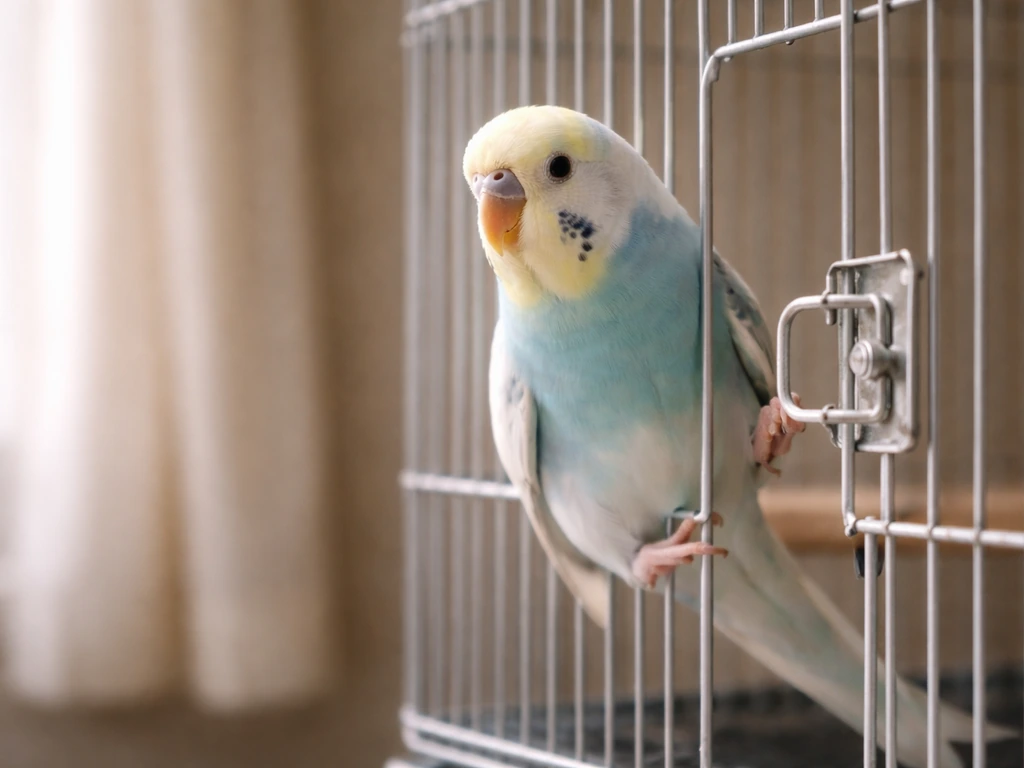
What 'wanting to leave' usually looks like (and when it's normal)
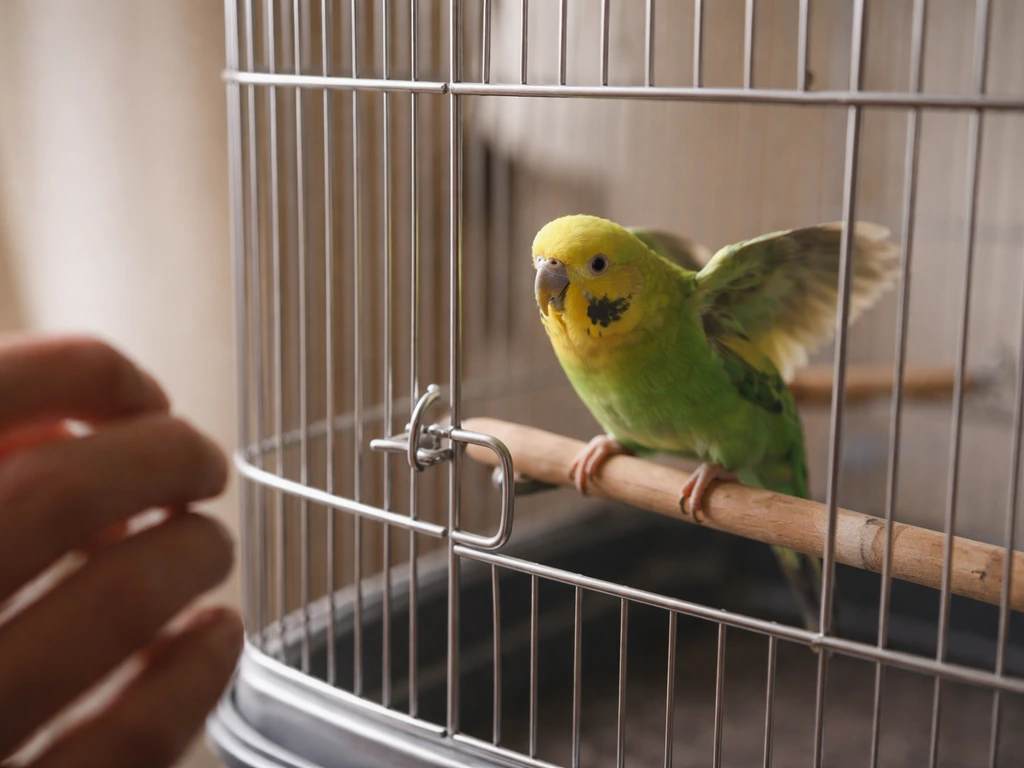
Most birds signal the desire to come out in pretty obvious ways: hanging on the cage door, climbing toward the latch, calling out when you walk past, or flapping excitedly when you approach. If you are seeing cage-exit behaviors but your bird will not come out when the door is open, it can still be due to stress, poor setup, or a health issue, and you should review the warning signs and triggers. These are all normal, healthy behaviors, especially in curious, social species like parakeets, cockatiels, and parrots. A bird that actively wants to interact with you and explore is a bird that feels safe enough to ask for more.
The behavior tips from normal into concerning when it becomes relentless or changes suddenly. If a bird that normally settles down after morning out-of-cage time is now throwing himself at the bars all day, something has shifted. Watch for the behavior alongside other cues: Is he eating normally? Are his droppings the usual color and consistency? Is he sleeping at odd times or puffed up between attempts? Those extra details are what separate a bored, healthy bird from one that needs closer attention.
It's also worth distinguishing between a bird who wants to come out and explore versus one who is trying to flee. Exploratory behavior looks curious and energetic. Escape-driven behavior looks frantic, panicked, or relentless. Birds that pace back and forth or fly frantically around the cage (rather than climbing calmly toward the door) are showing stress, not just enthusiasm. If the pacing seems frantic or stress-related, also review stress and fear triggers that make birds want out urgently pacing back and forth.
Boredom, social needs, and routine: the most common causes
The number one reason a bird pushes to leave his cage is simple under-stimulation. In the wild, parrots and other companion bird species spend a huge portion of their day foraging, flying, and interacting with flock mates. Your bird has that same wiring, but he's working with a fraction of the outlets. When those needs aren't met inside the cage, the cage itself becomes the problem he's trying to solve.
Most parrots do best with at least 1 to 2 hours of out-of-cage interaction every day, and active species like cockatiels often benefit from 2 to 3 hours of supervised out-of-cage time. That's not just open-door time: it's hands-on interaction, training, or supervised free flight in a bird-safe room. If your bird is spending 22 or 23 hours in the cage with nothing changing, the cage-door obsession is almost always the result.
Social need is closely tied to boredom. Many companion birds are flock animals by nature, and sitting alone while the household is active in another room is genuinely stressful for them. If your bird can hear activity but can't see or participate in it, the urge to get out and be part of the action intensifies. Pacing, screaming, feather chewing, and repetitive climbing are all documented responses to insufficient mental stimulation and social contact.
Routine matters too. Birds are creatures of habit, and disruptions like a change in your schedule, a new person in the home, or a shift in when they're let out can trigger persistent cage-exit behaviors. If out-of-cage time has recently become less predictable, your bird is essentially reminding you of the old schedule as loudly as he can.
Cage setup and environment: what might be driving him out
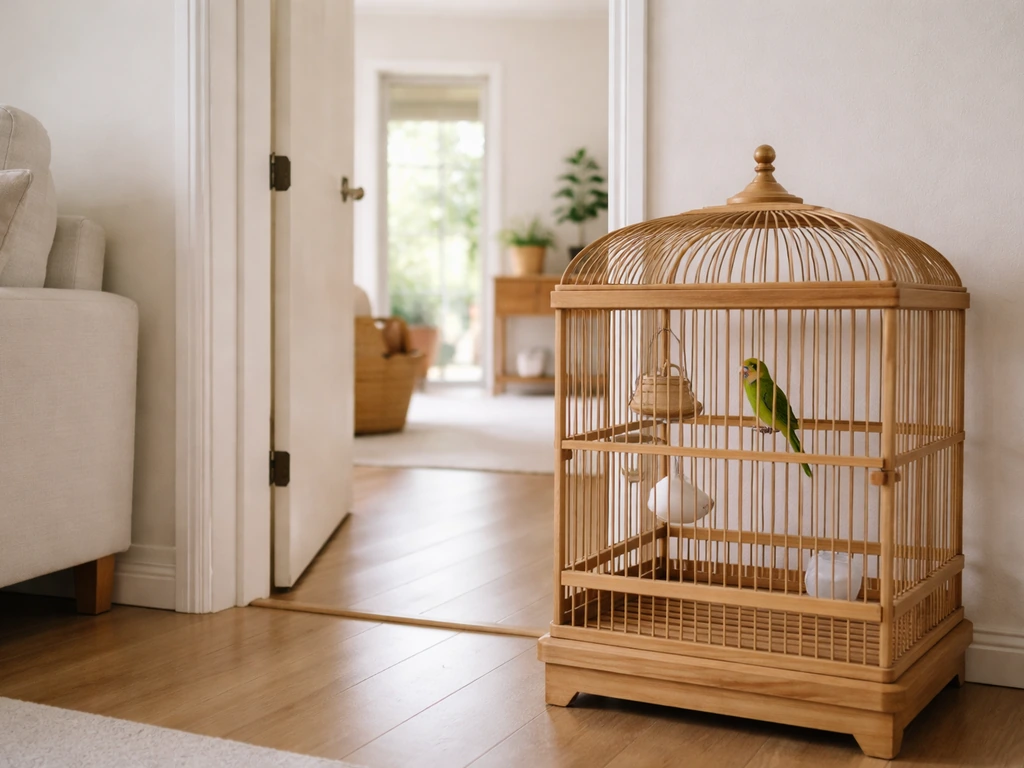
Sometimes the bird isn't trying to get to something out there, he's trying to get away from something in here. Cage setup is worth auditing carefully.
Location and visibility
Where you put the cage matters enormously. A cage placed directly against a window may seem like a good idea for light and enrichment, but birds placed at windows can be frightened by hawks passing overhead, car headlights at night, or sudden movement outside. That fear can translate into persistent escape behavior. A cage that faces into the room so the bird can see household activity generally works better than one facing outward.
Light and sleep cycle
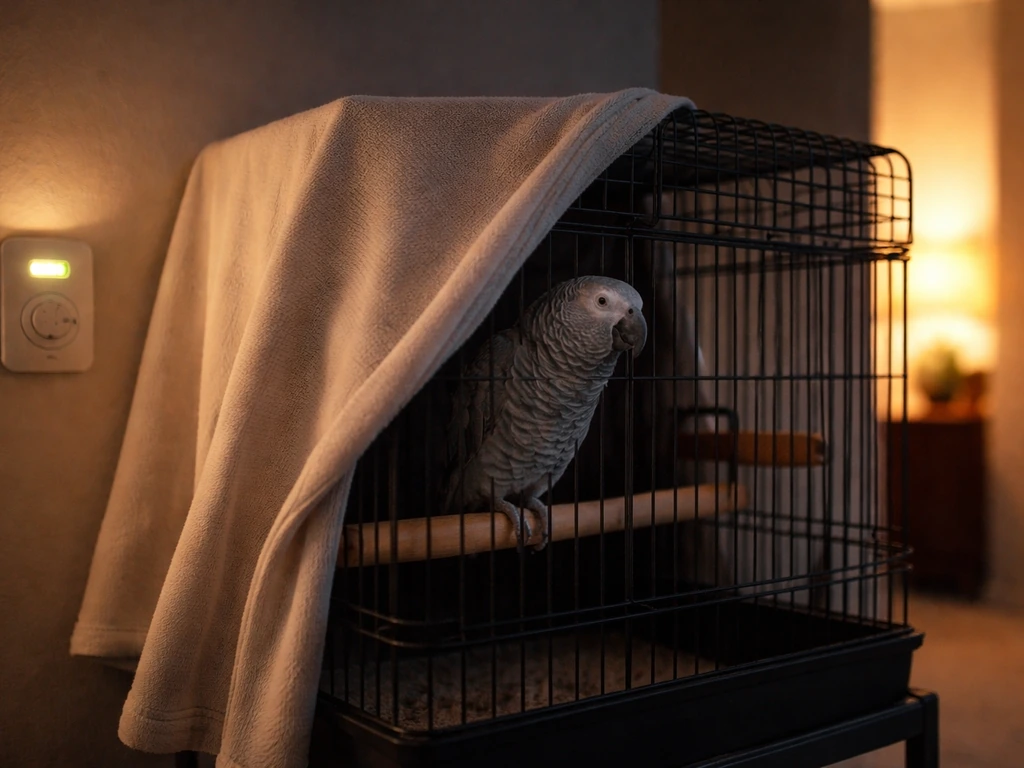
Most companion birds need 10 to 12 hours of darkness and quiet sleep each night. Some species need closer to 12 to 14 hours. A bird who isn't getting enough sleep becomes irritable, overstimulated, and more likely to display anxious or restless behaviors during the day. If the cage is in a room with the TV on late, near streetlights, or in a high-traffic area of the house, poor sleep could be fueling the escape attempts. Consider moving the cage to a quieter space at night or using a cage cover.
Cage size, perches, and toys
The cage should be wide enough for your bird to fully spread his wings and tall enough to accommodate his tail without it dragging on the cage floor. Cramped quarters are a genuine stressor. Perches should vary in diameter and texture to keep feet healthy and give the bird something to do. Toys matter too: rotate them regularly so there's always something new to investigate, and include at least one foraging toy where food is hidden or wrapped so your bird has to work for it. Foraging occupies a large chunk of a wild bird's day, and mimicking that inside the cage can significantly reduce restless exit-seeking.
Temperature and air quality
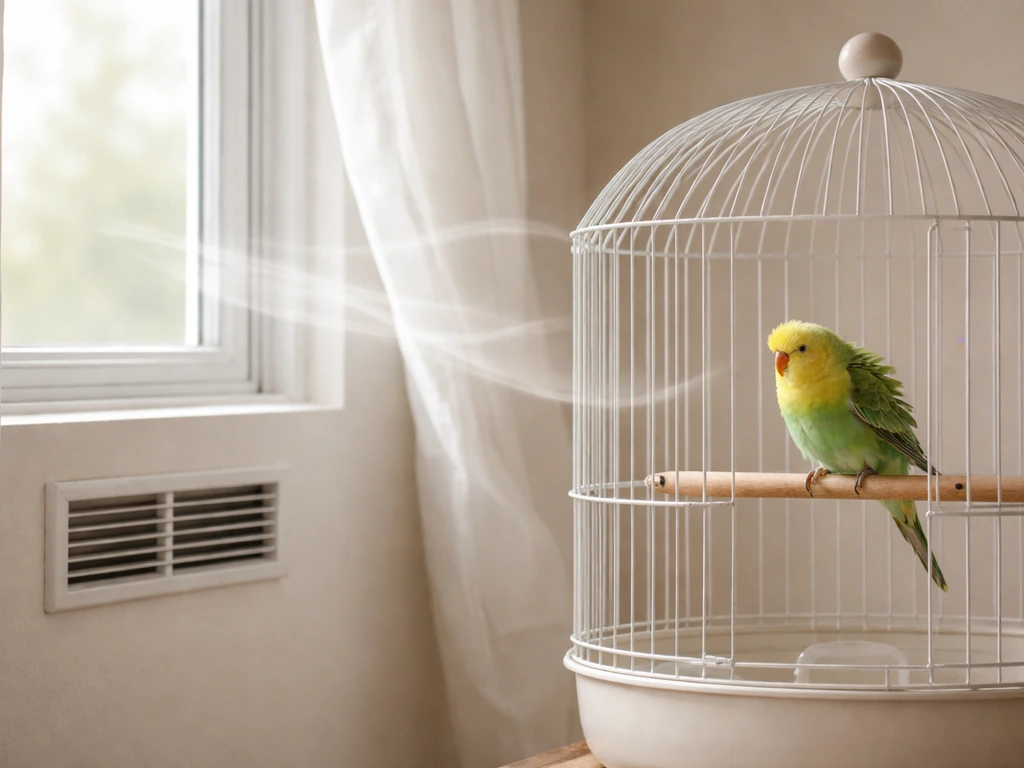
Drafts, cold air from vents, or placement near a frequently opened door can cause chronic low-level discomfort that the bird tries to escape. Fumes are an even bigger concern: birds have extremely sensitive respiratory systems, and cooking fumes (especially non-stick cookware), cigarette smoke, scented candles, aerosol sprays, and paint fumes can all cause serious distress or toxicity. If your bird started showing unusual escape behavior after something changed in the home environment, air quality is worth investigating immediately.
Stress and fear: the triggers that make birds want out urgently
A fear-driven bird looks different from a bored one. When a bird is frightened or stressed, his body language shifts: feathers flatten tight against the body, eyes may widen, and posture stiffens. He may freeze briefly, then thrash or throw himself against the bars. This is the bird's fight-or-flight response, and in a cage, flight is only possible in one direction.
Common stress triggers include loud or sudden noises (a new appliance, a party, thunderstorms), other pets approaching the cage, a new person who moves unpredictably, or changes in how you handle the bird. If out-of-cage time has become associated with something unpleasant, like rough handling or being chased back into the cage, the bird may also display paradoxical escape behavior: frantic to get out but then freezing or quaking when the door opens. That freeze-and-shake response is a fear signal, not stubbornness.
Hormonal behavior and territoriality
Hormonal seasons (often spring and fall) can flip a bird's personality noticeably. Females may become restless, seek dark hiding spots inside or outside the cage, tear up paper, or rub their vents on surfaces. These are nesting behaviors and they're linked to the urge to roam and find a nesting site. Males can become aggressive, territorial about the cage itself, or obsessively oriented toward a person or object. Both scenarios can manifest as intense cage-exit behavior that looks almost compulsive. If your bird is also showing other hormonal cues, the behavior is likely seasonal and manageable with some environmental adjustments.
Health red flags: when escape behavior is a symptom
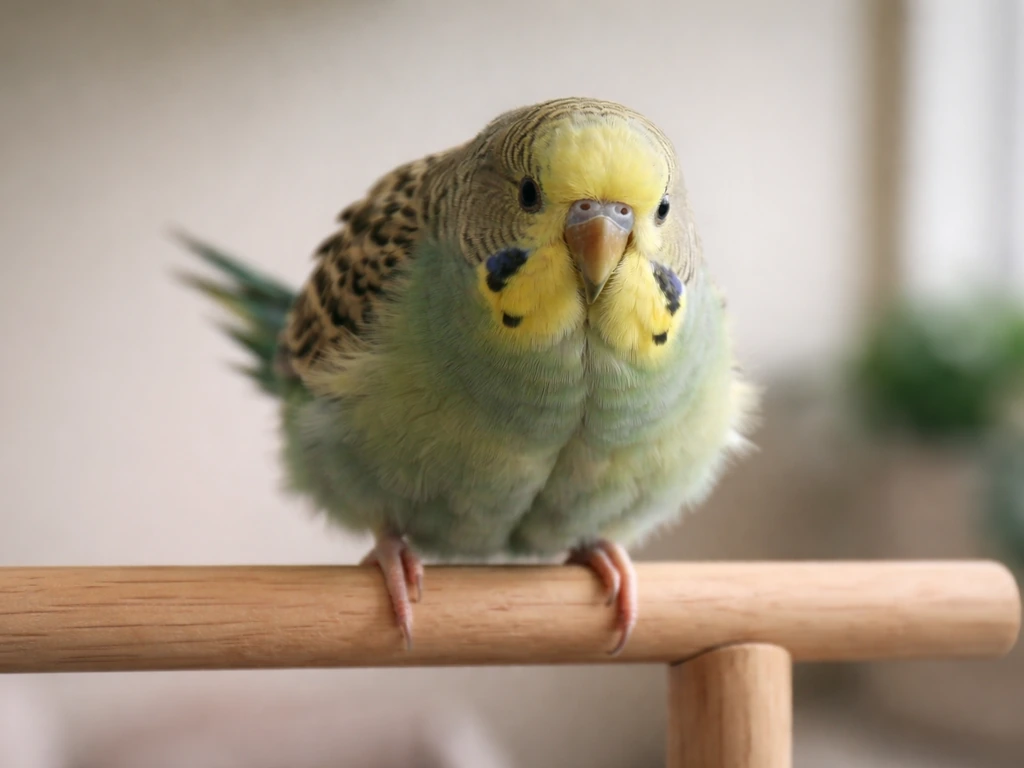
This is the section that matters most if the behavior has come on suddenly or is paired with any physical change. Birds instinctively hide illness, so by the time a bird is obviously unwell, the problem has often been building for a while. A sudden, intense, or frantic urge to escape can sometimes be a bird's response to discomfort, pain, or respiratory distress.
The clearest warning sign is tail bobbing: if your bird's tail is moving rhythmically up and down while he's sitting still, that movement is the effort of his whole body working to breathe. If the escape behavior is paired with unusual repetitive movements like bird spin in circles, treat it as a possible health or distress sign. Combined with open-mouth breathing, increased sternal movement, or a clicking or wheezing sound, this is a respiratory emergency. Do not wait to see if it improves. Contact an avian vet the same day.
Other physical red flags to look for alongside escape behavior include:
- Sitting on the cage floor (a healthy bird almost never sits on the floor willingly)
- Fluffed feathers while not sleeping, especially for extended periods
- Reduced appetite or complete refusal to eat
- Droppings that have changed significantly in color, consistency, or smell
- Labored or open-mouth breathing at rest
- Tail bobbing while perched quietly
- Unusual posture: hunched, leaning, or favoring one side
- Swollen abdomen or visible straining, especially in female birds (possible egg binding)
- Neurological signs like tremors, circling, or loss of balance
- Discharge from the nostrils or eyes
Female birds that are showing nesting behaviors (hiding, paper shredding, vent rubbing) and then become lethargic, stop eating, or sit on the cage floor are at risk of egg binding, which is a time-sensitive emergency. Females in this state need veterinary attention promptly, not observation at home.
If there has been any change in the home environment (new cleaning products, cooking spray, candles, painting, pest control) and the bird's escape behavior came on suddenly with any respiratory signs, treat that as a potential toxic exposure and contact a vet immediately.
What to do today: quick fixes, enrichment, and safe out-of-cage time
If your bird appears physically healthy (eating, normal droppings, alert, no tail bobbing or labored breathing), start here. If your bird is physically healthy but seems restless or jumpy, you may also want to look at why is my bird jumping around as a related possibility.
- Do a cage audit right now: check the size, perch variety, and toy situation. If there are fewer than three toys and nothing that involves foraging or problem-solving, that's your first fix. Add a foraging toy with hidden food today.
- Check cage placement: move it away from direct window exposure if it faces outside, away from air vents, and away from the kitchen. The bird should be able to see household activity without being isolated.
- Review the sleep schedule: is the bird getting 10 to 12 hours of darkness and quiet every night? If not, cover the cage or move it to a quieter room at bedtime.
- Add out-of-cage time today, even 30 extra minutes of supervised, interactive time in a bird-safe room makes a difference. Close windows, turn off ceiling fans, cover mirrors, and remove other pets before opening the cage.
- Work on step-up training if handling has been inconsistent. A bird that steps up reliably on cue is easier to manage during out-of-cage time and safer to retrieve. Use a treat the bird loves and keep sessions short (5 minutes max) and positive.
- If the bird is hormonal, reduce nesting opportunities: remove dark enclosed spaces from the cage, limit petting to the head and neck only (stroking the back and wings can stimulate breeding behavior), and keep light cycles consistent.
- Rotate toys at least weekly. New items, even household objects like a wooden spoon or a piece of safe cardboard, create novelty and occupy the bird's attention.
The goal is to make the cage genuinely engaging and to make out-of-cage time predictable and positive. SpectrumCare also frames step-up and stay as basic handling skills that can make cage transfers, travel, and vet visits easier. A bird who gets consistent enrichment, social interaction, and a reliable daily schedule will typically reduce cage-exit behavior within a few days to a couple of weeks.
When to keep adjusting vs. when to call an avian vet
Use this checklist to decide your next step. If you answer yes to anything in the urgent column, skip the adjustments and call an avian vet today.
| What you're seeing | Keep adjusting at home | Call an avian vet today |
|---|---|---|
| Cage-exit attempts when you're nearby or during normal active hours | Yes | No |
| Excited climbing/vocalizing when you approach the cage | Yes | No |
| Behavior is new but bird is eating and droppings are normal | Yes, audit cage and schedule | No |
| Behavior has been building over weeks with no physical signs | Yes, increase enrichment and out-of-cage time | No |
| Tail bobbing while sitting quietly | No | Yes, same day |
| Open-mouth breathing or audible wheezing | No | Yes, same day or emergency |
| Sitting on the cage floor repeatedly | No | Yes, same day |
| Fluffed and lethargic for more than a few hours | No | Yes, same day |
| Sudden behavior change with possible fume/toxin exposure | No | Yes, immediately |
| Female showing nesting signs plus lethargy or straining | No | Yes, immediately |
| Neurological signs: tremors, circling, loss of balance | No | Yes, immediately |
| Droppings dramatically changed in color, volume, or consistency | No | Yes, same day |
| Bird hasn't eaten in 24+ hours | No | Yes, same day |
When you call the vet, mention the specific behaviors you're seeing alongside the escape attempts, how long it's been happening, any recent changes in the home, and the bird's eating and dropping status. The more detail you give, the better the vet can triage over the phone and tell you whether it's a same-day visit or an emergency.
Most birds who want out of their cages just want more of what all birds need: activity, interaction, variety, and time with the people they trust. Start with the cage and schedule fixes today, watch for physical symptoms closely, and don't hesitate to involve an avian vet if anything about the behavior or the bird's physical condition doesn't feel right. You know your bird's baseline better than anyone.
FAQ
How can I tell if my bird wants out to play or because he feels scared?
Look at how he approaches the door. Exploratory behavior usually includes calm climbing, body leaning toward you, and normal breathing, while fear shows stiff posture, flattened feathers, freezing, then sudden thrashing at the bars or quaking when the door opens. If you also see tail bobbing or open-mouth breathing, treat it as health-related stress, not just fear.
What should I avoid doing when my bird is trying to escape nonstop?
Avoid repeatedly opening the door to “reward” frantic behavior or chasing him back in, since that can reinforce escape and increase anxiety. Instead, focus on making the environment safer and more predictable (quiet placement, better sleep routine, and enrichment), and only offer out-of-cage time when you can supervise calmly.
Is it normal for my bird to rush the bars when I walk by or when the door is open?
It can be normal if the energy settles after you interact and he returns to normal eating, sleeping, and droppings. If the behavior is escalating in intensity, happening most of the day, or paired with physical changes like puffing, feather changes, tail bobbing, or altered droppings, treat it as a sign that something is off.
My bird won’t come out even though he hangs at the door, what does that mean?
That pattern often points to stress or a setup issue rather than “boredom alone.” Common culprits are a cage position that makes him feel exposed (for example, facing a window), insufficient sleep, drafts, or fear of what he sees or hears outside the cage. If there are any respiratory signs, prioritize a vet check.
How much out-of-cage time is realistic if I work long hours?
If full supervision isn’t possible, use shorter, consistent sessions rather than trying to compensate once a week. Aim for daily, scheduled interaction and training, and include a bird-safe room only when you can control hazards. If you cannot reliably reach the typical 1 to 3 hours of active time, increasing foraging toys and social time with safe interaction becomes even more important.
What are the quickest cage changes that help within a few days?
Start with three fast wins: reposition the cage to a calmer spot away from drafts, reduce night light exposure so sleep is truly dark and quiet, and add a foraging option (food hidden or wrapped) with toy rotation so the cage stays “interesting.” Also make sure the cage is large enough for full wing spread and that perches vary in texture.
Can air quality changes really cause cage-exit behavior?
Yes. Birds can react quickly to airborne irritants, and escape behavior can appear suddenly after changes like cooking smoke, aerosol sprays, scented candles, new cleaning products, pest control, or painting. If the timing lines up, move the bird away from the source and contact an avian vet, especially if there are any breathing concerns.
What if my bird’s cage-exit behavior got worse after I changed my schedule?
Birds often adapt to predictable routines, and disruptions can trigger persistent bar-hitting or screaming when they expect you to let them out. Keep the routine as consistent as possible, use a clear daily cue for out-of-cage time, and avoid unexpected handling during peak restlessness.
My bird is nesting or shredding paper, is that why he wants to leave the cage?
Seasonal nesting behavior can drive intense roaming, including seeking dark or private spots. If you see nesting plus new lethargy, stopping eating, or sitting on the cage floor, don’t treat it as “just hormones,” it can indicate egg binding and needs prompt veterinary attention.
When should I treat this as an emergency instead of adjusting the cage?
Treat it as urgent if escape behavior comes on suddenly or is paired with respiratory or distress signs, especially rhythmic tail bobbing, open-mouth breathing, increased chest movement, or clicking and wheezing. Those combinations warrant same-day contact with an avian vet rather than waiting for enrichment or routine changes to work.