
Birds are prey animals, and fear is genuinely hardwired into them. But if your bird startles at every sound, flinches away from your hand, hides constantly, or seems terrified of things that never bothered them before, something specific is driving that fear. It could be their handling history, a recent change in their environment, a lack of socialization, or it could be pain or illness showing up as fearful behavior. Once you figure out which category you're dealing with, the fix becomes much clearer.
Why Is My Bird Scared of Everything? Fix Fear Fast
Marcus Chen
4 Jun 2026
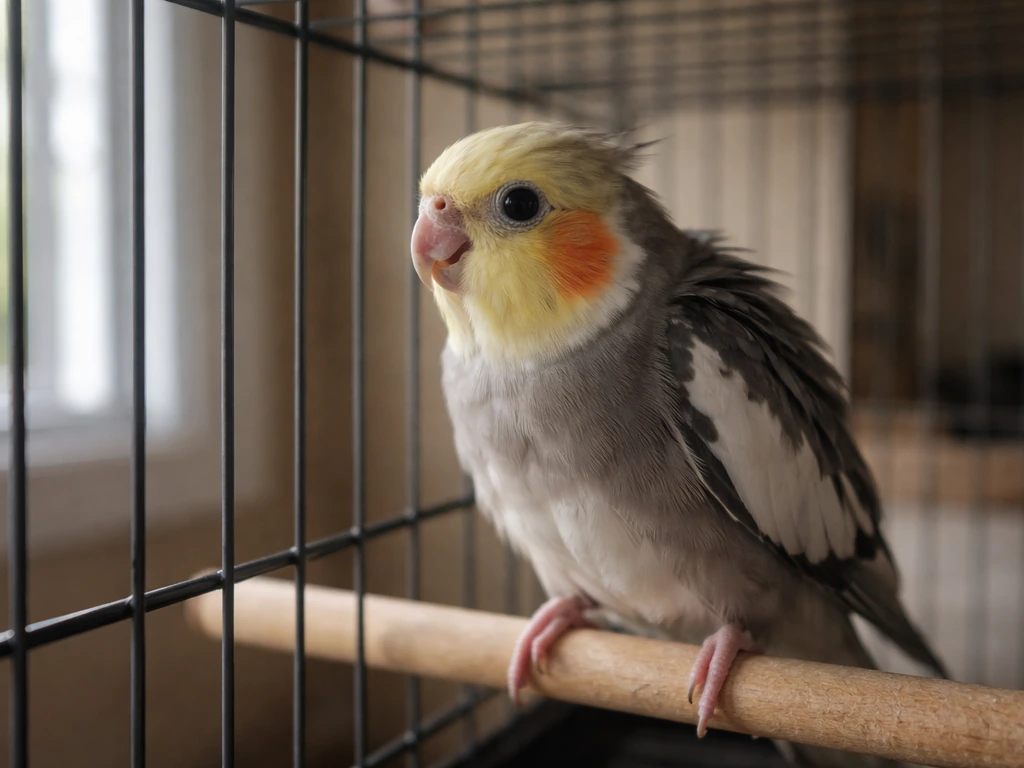
What "scared of everything" actually looks like in birds
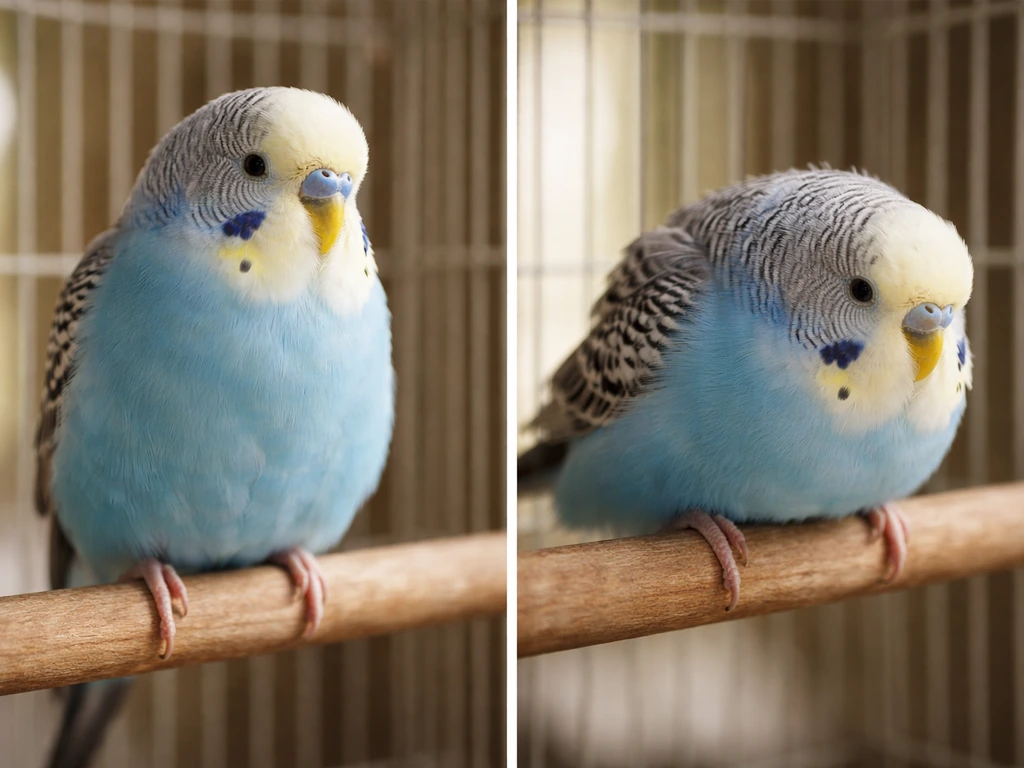
Fear in birds shows up in more ways than most owners expect. Some signs are obvious, others easy to miss or misread. Getting familiar with the full picture helps you respond accurately instead of guessing.
- Startling at small sounds, shadows, or sudden movements
- Freezing in place or crouching low on the perch
- Retreating to a corner of the cage or hiding behind toys and perches
- Flinching away from hands, even when you're moving slowly
- Feathers flattened tight against the body (a defensive posture)
- Biting, lunging, or thrashing against cage bars
- Excessive alarm calling or non-stop screaming
- Panting, open-mouth breathing, or pacing after a scare
- Refusing to come out or step up when they normally would
Biting and screaming are often the two behaviors that push owners to look for answers, and both are commonly stress and fear-driven. A bird that lunges at your hand or screams when you approach isn't being aggressive for no reason. They're communicating that something feels threatening. The same logic applies to repetitive behaviors like rocking or bouncing on a perch, which can signal chronic stress rather than a quirky habit.
It's also worth knowing that some wariness is completely normal. A bird that eyes a new object carefully or takes a few days to warm up to a visitor isn't necessarily a fearful bird. It's the persistent, wide-scale fear of everyday things (your hands, routine sounds, familiar people) that signals a real problem worth addressing.
Why birds become scared: instinct, handling, and environment
There's almost always a reason behind generalized fearfulness, even when it's not obvious at first. These are the most common causes to work through.
It's built into them
Birds evolved as prey. In the wild, hesitation can get you eaten, so a fast startle response is a survival advantage. Pet birds carry that wiring regardless of how long they've lived in your home. This means your bird isn't broken because it startles easily. It means you need to build enough trust and routine that their nervous system learns your home is safe.
Poor handling history or lack of socialization
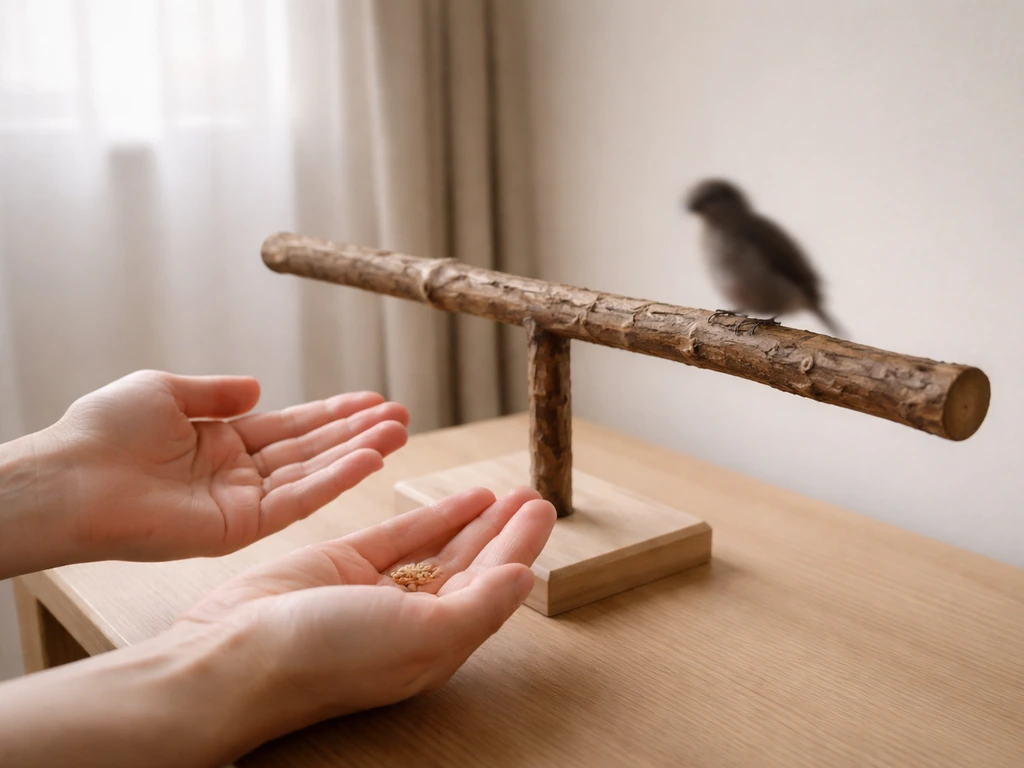
A bird that wasn't properly socialized as a young bird, or one that had a bad experience with handling at any point, can develop lasting hand and human fear. If your bird is specifically scared of your hands, it can help to start with step-up training and very gradual desensitization hand and human fear. Even one incident where a step-up attempt went wrong and startled the bird badly can make future handling feel threatening. Until a bird has been gently and consistently tamed, it will treat human hands as a threat rather than a perch. If you've recently adopted a bird with an unknown or difficult background, you're almost certainly starting from a fear baseline.
Recent changes to their world
Birds are creatures of routine and they notice changes most people wouldn't think twice about. A moved cage, a new pet, a new person in the home, a shift in your daily schedule, new furniture, or even a change in what you're wearing can trigger heightened fear. Loud or unpredictable noise from vacuums, phones, music, or televisions can also act as constant low-level stressors. If the fearfulness started recently, think back carefully: what changed in the week or two before you noticed it?
Not enough mental stimulation
Boredom and under-stimulation can make fearfulness and reactive behavior worse. A bird with nothing to do has no outlet for its energy and no positive experiences to build confidence against. Insufficient enrichment can push birds toward biting, screaming, and feather destructive behavior, all of which can look like fear-driven reactivity.
Sudden vs. gradual fear: when it might be a health problem
This is the part most owners don't think about, and it matters a lot. Fear and pain look very similar in birds. A bird that is suddenly more reactive, more startled, more aggressive, or less tolerant of handling than usual may not be acting differently because of an environmental change. If this aggression started suddenly, treat it as a potential fear or pain issue and consider checking in with an avian vet suddenly more aggressive. They may be in discomfort or ill.
Birds are famously good at masking illness. By the time you notice something looks wrong, the problem has often been developing for a while. Fear-like behaviors can be an early signal that something physical is going on, especially when the change is sudden and nothing obvious in the environment explains it.
Watch specifically for these signs alongside the fearful behavior, because they point toward a vet visit rather than a training plan:
- Open-mouth breathing, labored breathing, or tail bobbing with each breath
- Fluffed feathers, especially combined with sitting low on the perch or on the cage floor
- Sleeping more than usual or appearing lethargic
- Changes in droppings (unusual color, texture, or volume)
- Not eating or drinking, or a noticeable drop in appetite
- Discharge from the nostrils, eyes, or mouth
- Vomiting or regurgitating food outside of normal social feeding behavior
- Abnormal feather condition or bleeding from pin feathers
- Any sign of weakness, paralysis, or loss of balance
blank" rel="noopener noreferrer">Respiratory signs especially (open-mouth breathing, tail bobbing, wheezing) should be treated as urgent. Shelter stress signs can include excessive vocalization, repetitive alarm calls, thrashing or biting on cage bars, pacing or constant rocking, self-injury, and stress-related respiratory behaviors such as panting or blank" rel="noopener noreferrer">open-mouth breathing. These aren't symptoms you wait out. If your bird is showing fearful behavior alongside any of the above, skip the behavioral troubleshooting for now and call an avian vet first.
What you can do right now to help your bird feel safer
If you've ruled out illness and the fear seems behavioral, here are practical steps you can take today. None of them require special equipment or training experience.
- Lower the stimulation level in the room. Turn down or off loud music, the TV, and anything creating unpredictable noise near the cage. Your bird needs to feel like the environment is predictable before it can relax.
- Slow everything down around the cage. Move slowly when you walk past, approach from the front rather than the side, and avoid looming over the cage from above. Quick movements overhead trigger the prey response hard.
- Stop reacting to alarm screaming for now. Rushing to the cage or raising your voice when your bird screams can reinforce the behavior and increase their arousal level. Staying calm and consistent matters more than fixing the screaming immediately.
- Sit near the cage without interacting. Just being in the same room calmly, reading, working, or talking quietly normalizes your presence without putting pressure on the bird. This alone builds familiarity over time.
- Offer a high-value treat near the cage bars without forcing interaction. Let the bird come to you, or at least move toward you voluntarily. Don't push the step-up today if the bird is already stressed.
- Check that the bird has somewhere to retreat inside the cage. A hiding spot, a covered corner, or a perch away from the front gives them a sense of control. Birds that can choose to retreat are less likely to escalate to biting.
If your bird is scared specifically of your hands, that topic gets its own dedicated approach. If your bird is suddenly scared of you, it usually comes down to how they react to your hands, routine sounds, and other everyday cues your hands and routine sounds. Working through hand fear specifically involves a slower, more step-by-step process than general trust building.
Building long-term trust through training and routine
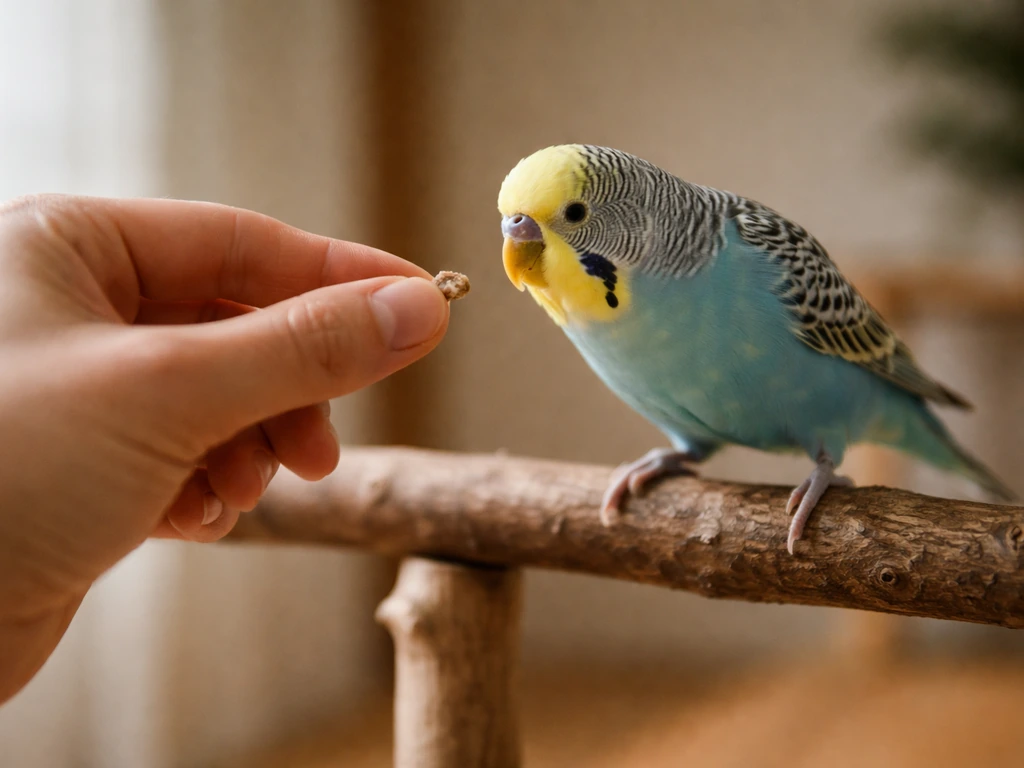
Trust-building with a fearful bird is genuinely a slow process. It can take months, and trying to rush it usually sets you back. The good news is that small, consistent efforts compound quickly once you're working with the bird's comfort level instead of against it.
Use positive reinforcement, not pressure
Reward behavior you want to see, immediately and consistently. If your bird takes one step toward your hand, that gets a reward. If it holds still while you slowly move closer, that gets a reward. The reward needs to come within seconds of the behavior to be meaningful. Punishment, including spraying with water or saying "no" sharply, creates new fear associations and can make your bird afraid of you specifically. Stick entirely to reinforcement.
Desensitization: start farther back than you think you need to
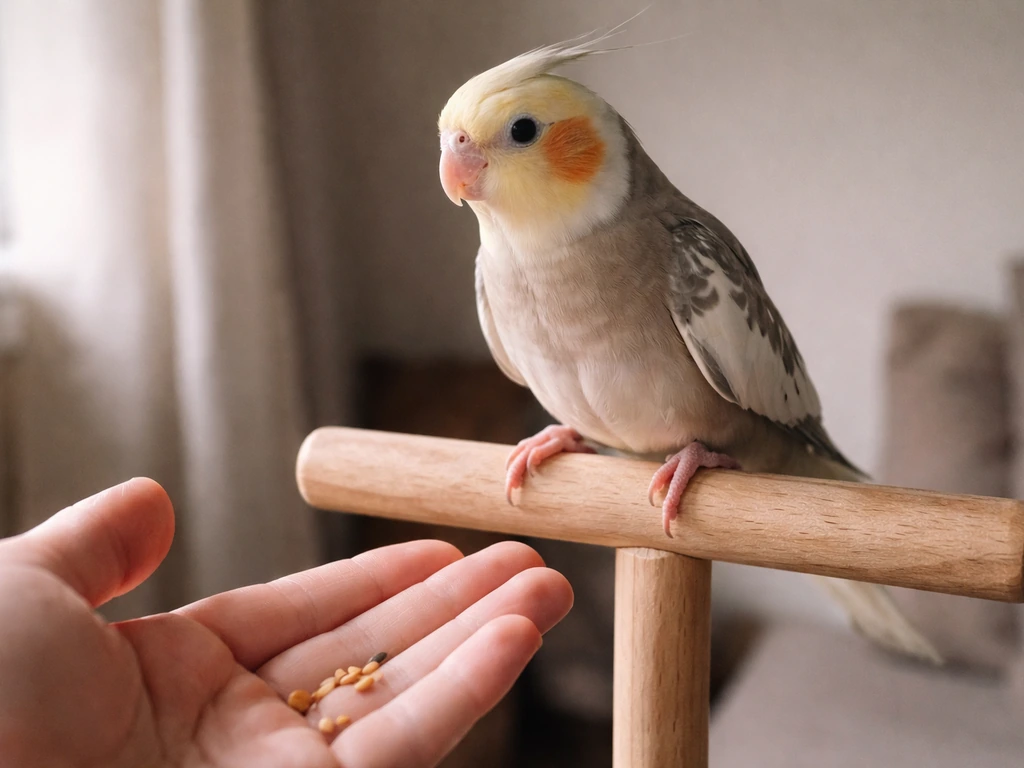
Desensitization means very gradually exposing your bird to whatever it's afraid of, starting at an intensity level so low that the bird doesn't react fearfully at all. If your bird tenses when you get within two feet of the cage, start at three feet. Work at that distance until the bird is consistently calm and engaged, then close the distance by a few inches. Always end sessions while the bird is still doing well, not after it's already reacted. Each session should feel like a success to the bird.
Step-up training basics
Step-up training is one of the most useful things you can do for a fearful bird because it gives them a predictable, rewarded interaction with your hand. Keep sessions short (two to five minutes), use the same verbal cue every time in a calm, consistent tone, and only work on it when the bird seems relaxed and receptive. Daily short sessions beat occasional long ones every time. If the bird refuses or shows fear signs, end the session calmly and try again later rather than pushing through.
Establish a daily routine
Predictability is genuinely calming for birds. Feed at the same time, interact at the same time, and cover or dim the cage at the same time each evening. When a bird knows what to expect and when, the ambient anxiety level drops noticeably. Even small things like greeting your bird the same way each morning when you come into the room matter more than they might seem.
Cage setup and environment tweaks that reduce stress
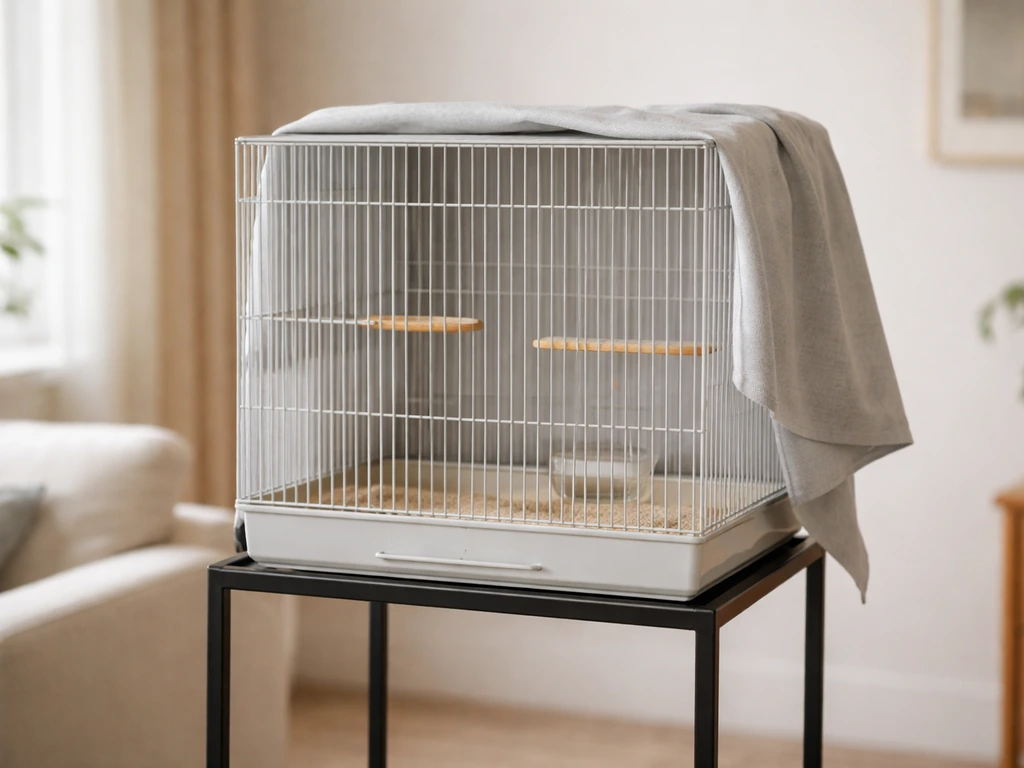
The physical environment has a bigger effect on bird anxiety than most people realize. A few changes here can shift your bird's baseline stress level before you've done any training at all.
Cage placement
Place the cage at chest to eye height. Too low puts your bird below the activity level of the room, which can feel threatening. Too high puts them in a position where they feel isolated and where you're always reaching up toward them. Avoid windowsills because of temperature swings and drafts, but keep the cage near the human activity of the room without being in the very center of heavy foot traffic. A wall against one side of the cage gives a sense of security.
Perch placement and cage zones
Create distinct zones inside the cage rather than filling it randomly. A higher sleeping perch, a separate feeding station, and activity perches near toys give the bird choices and a sense of order. If your bird is particularly stressed or at risk of falling, lower the main perches temporarily so a startle doesn't result in an injury. A perch the bird can access easily and retreat to reliably acts as a security anchor.
Light and dark cycles
Consistent light and dark cycles reduce stress significantly. Aim for 10 to 12 hours of light and 10 to 12 hours of darkness, and use a timer if needed to keep the schedule consistent. Sleep deprivation from irregular or too-short dark periods can make birds more reactive, more fearful, and harder to work with during the day. Make sure the dark period is genuinely dark and quiet rather than just dimmed with noise continuing nearby.
Noise management
Sudden, loud, or unpredictable noises are major triggers. Appliances like vacuums and blenders, loud music, and shouting can all set off alarm responses that take time to recover from. You don't need a silent home, and a bird near some human activity is actually better socialized than one kept isolated. If your bird seems clingy, it can still be driven by fear, so make sure the behavior is not coming from stress or an underlying health issue. The goal is predictable noise rather than sudden loud bursts. If you know something loud is about to happen, moving the bird's cage temporarily or giving a calm verbal heads-up (strange as it sounds) helps reduce the startle.
When to call an avian vet or behaviorist
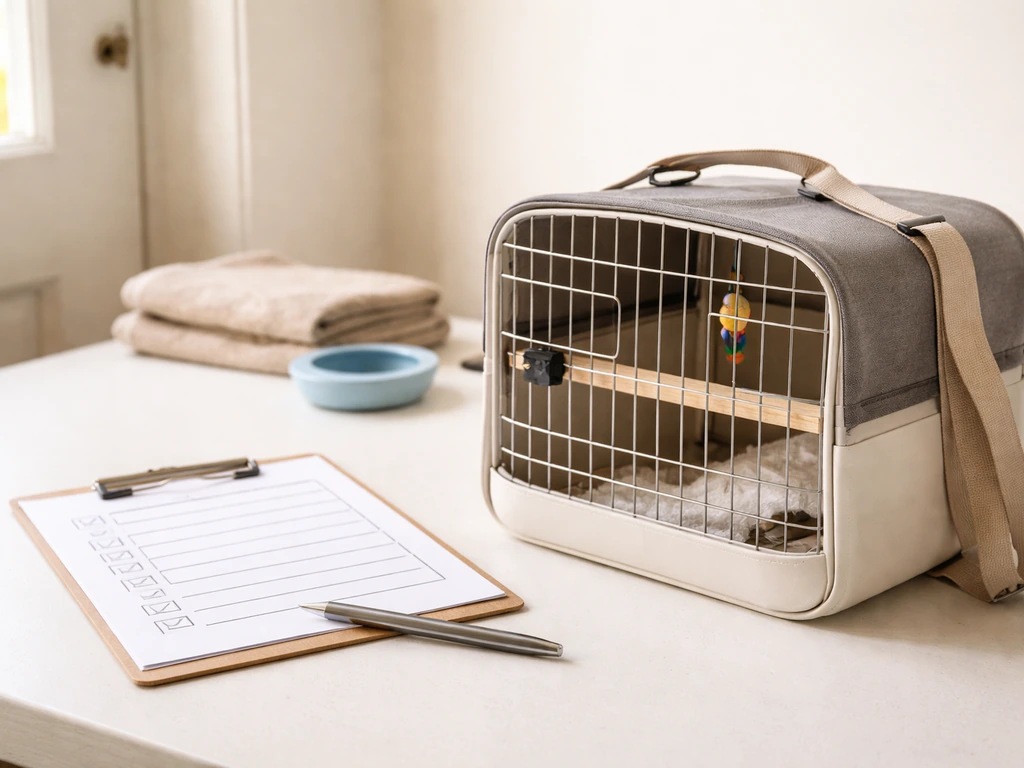
Some situations call for professional help rather than more time and patience at home. Knowing the difference saves you weeks of trying things that won't work.
Contact an avian vet promptly if you see any of these alongside the fearful behavior:
- Open-mouth breathing, labored breathing, or tail bobbing with each breath (treat this as urgent, not routine)
- Fluffed feathers combined with lethargy or sitting on the cage floor
- Sudden and unexplained change in fearfulness with no environmental trigger you can identify
- Changes in droppings, appetite, or water intake
- Any discharge from eyes, nostrils, or mouth
- Feather destruction that has escalated recently
- Signs of physical injury, bleeding, or loss of coordination
Even without urgent physical signs, if your bird has been broadly fearful for more than a few weeks with no improvement despite environmental changes, an avian vet visit is worth doing. Pain and subclinical illness can drive fear responses without obvious symptoms, and a vet can rule those out before you invest months in a behavioral approach.
An avian behaviorist is worth considering if the fear is targeted and deeply ingrained (for example, a specific phobia of hands that hasn't responded to gradual desensitization, or aggression that is escalating rather than improving). Behaviorists can build a customized desensitization plan that goes beyond general guidance.
What to track before your appointment
Vets and behaviorists can help you much more effectively if you walk in with observations rather than just "my bird seems scared." Keep a short log for a week or two before any appointment:
- When the fearful behavior started or got noticeably worse
- What triggers it (specific sounds, people, objects, times of day)
- Any recent changes to the home, routine, diet, or household members
- What the droppings look like daily (color, consistency, volume)
- Eating and drinking patterns
- Sleep schedule and whether the bird is getting enough dark time
- Any physical signs like fluffing, tail bobbing, or discharge
When in doubt, err on the side of calling. Birds decline quickly when ill, and an early call to an avian vet costs far less than a crisis visit later. The goal is always to rule out physical causes first, then work the behavioral angle with confidence that you're not missing something medical underneath.
FAQ
Is it normal for my bird to be scared at first, or is something wrong?
Not necessarily. Many birds are cautious at first, especially around new hands, new people, or unfamiliar objects. The difference is persistence and scope. If your bird startles less over days and chooses to approach or engage, that is usually normal acclimation. If fear is broad and keeps escalating or your bird is hiding most of the day week after week, treat it as a problem that needs a medical and behavior check.
How can I tell whether my bird is just shy versus actually distressed?
Watch how the bird reacts when you stop advancing. In healthy adjustment, the fear signal often fades as the stimulus stays predictable and you give them space. If the bird stays frozen, shakes, breathes with open mouth, tail-bobs strongly, or cannot settle even after you pause, that pattern points to stress plus possible pain or illness, and you should contact an avian vet rather than pushing training.
What if my bird suddenly became scared, even though nothing in the home changed?
Yes, sudden changes in confidence can be caused by things like an illness that is not yet obvious. Re-check for pain signs after any abrupt shift in diet, droppings, sleep, or activity, and do not assume it is “just more fear” if the change happened overnight or over a few days. When fear is sudden and your bird becomes more reactive than usual, schedule an avian vet visit.
Can I correct fear behavior with punishment or “no”?
Avoid punishment entirely, even if it seems like it would teach respect. Spraying water or using sharp, alarming vocal corrections can create new fear associations, especially with hands and approach behavior. Stick with rewarding calm or brave moments, and stop the session before the bird has a chance to escalate into fear.
What is the biggest mistake people make with treats and desensitization?
Yes, but the timing and distance matter. A common mistake is rewarding after the bird already lunged, screamed, or fled, which teaches the bird that those reactions create the outcome. Reward within seconds of the calm behavior, start at a distance where the bird can stay relaxed, and only increase closeness when the bird is consistently coping.
How do I know when I am pushing too fast during training?
Stop and reassess if the bird repeatedly refuses or ramps up quickly during sessions. If you are consistently seeing tensing, wide-eyed freezing, backing into corners, or frantic attempts to escape within minutes, the level is too high. Go one or two steps easier (more distance, shorter session, different cue, calmer approach), then try again later the same day or next day.
How long should I practice each day if my bird is very fearful?
Length and consistency both matter. Two to five minutes of calm practice daily is often more effective than occasional longer sessions because it keeps fear exposures brief and predictable. If you have multiple daily attempts, ensure each one ends positively, and do not “make up” for a rough session by extending the next one.
Does covering the cage help, or can it make fear worse?
Yes, but only if it is used as a predictable, non-scary routine. If cage coverage, quiet time, and feeding times are handled consistently, the bird learns predictability. However, covering the cage as a response to fear (for example, after screaming) can accidentally reinforce the alarm state. Use routine for baseline calm, not as a reaction to escalation.
What should I do if my bird can’t handle step-up training yet?
Make the order clear. If the bird is scared of hands, keep your body and hands moving slowly and consistently, use the same verbal cue for the step-up attempt, and begin only when the bird is receptive. If step-up attempts cause panic, switch to earlier stages like target or voluntary approach to the hand at the cage door, then gradually work up to the actual step-up.
How do I know if the fear is stress versus a medical or pain issue?
Yes. Feather destructive behavior and frantic escape attempts can be stress signals, but they can also appear with medical problems like pain, respiratory issues, or skin irritation. If the behavior is new, worsening, or paired with changes in breathing, appetite, droppings, or sleeping, prioritize an avian vet check before increasing enrichment or training intensity.
What should I include in a fear log to help a vet or behaviorist?
A short log is helpful, but make it structured. Track the date, time, what happened right before the fear (sound, movement, who entered the room, cleaning, wearing certain clothes), your bird’s behavior (hiding, tail-bobbing, screaming, biting), and what you did next. This helps the vet or behaviorist identify triggers and rule out patterns you might miss.
When should I stop trying at home and book an avian vet appointment?
If your bird is showing broadly fearful behavior for more than a few weeks without improvement despite stable routines and reduced triggers, plan an avian vet visit even if no obvious illness signs are visible. Birds can mask illness, and treating pain early prevents months of training setbacks.
When is it worth hiring an avian behaviorist instead of doing training alone?
If the fear is strongly targeted and not improving with careful desensitization, or it is escalating (more biting, more screaming, longer recovery time), an avian behaviorist can design a plan around your bird’s specific threshold. They can also suggest alternate handling and trigger management strategies tailored to your bird’s history, which generic guidance often cannot address.
Can other pets or kids be the reason my bird is scared of everything?
If you live with other pets or young children, separation and prediction are key. Sudden sightings, uncontrolled door openings, or loud excitement can keep the bird in a constant alarm state. Use physical barriers, supervised interactions only, and consistent timing so the bird learns which moments are safe and which are unpredictable.
What if my bird’s fear seems linked to one specific event or person?
Yes. Birds can generalize fear from one frightening event to many cues, such as the time of day, the color of an item, or the smell of a cleaner. If your bird became fearful after a specific event, identify the earliest consistent trigger (for example, vacuuming day, cleaning day, visitor day) and avoid it temporarily while you work on controlled, low-intensity exposures later.
Next Articles
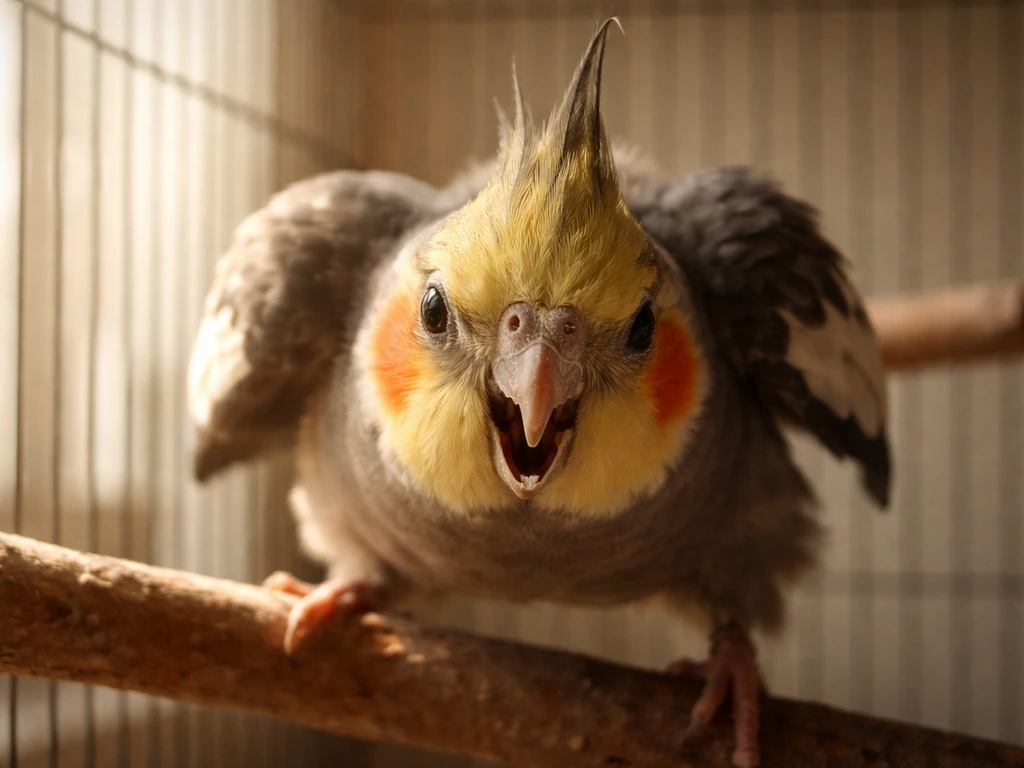
Why Is My Bird So Aggressive All of a Sudden? What to Do
Troubleshoot sudden bird aggression: spot triggers, adjust handling and cage setup, identify hormonal vs pain causes, an
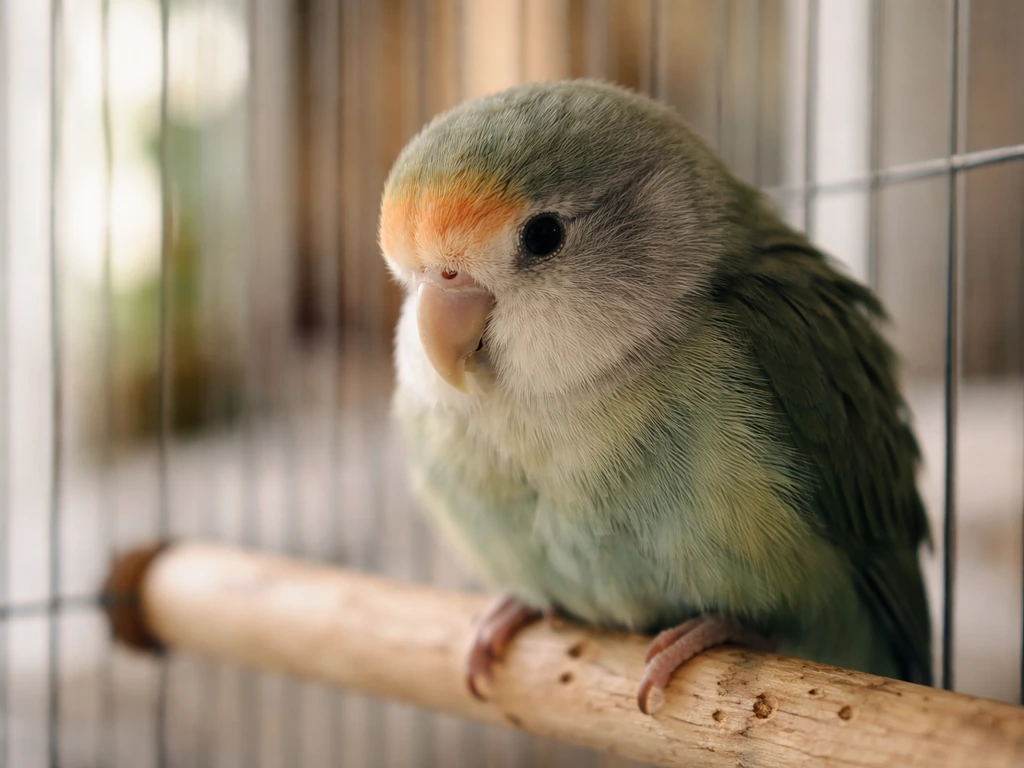
Why Is My Bird Making Whimpering Noises? What to Check
Find reasons for whimpering bird noises, quick home checks, and red flags for urgent vet care plus tracking tips.
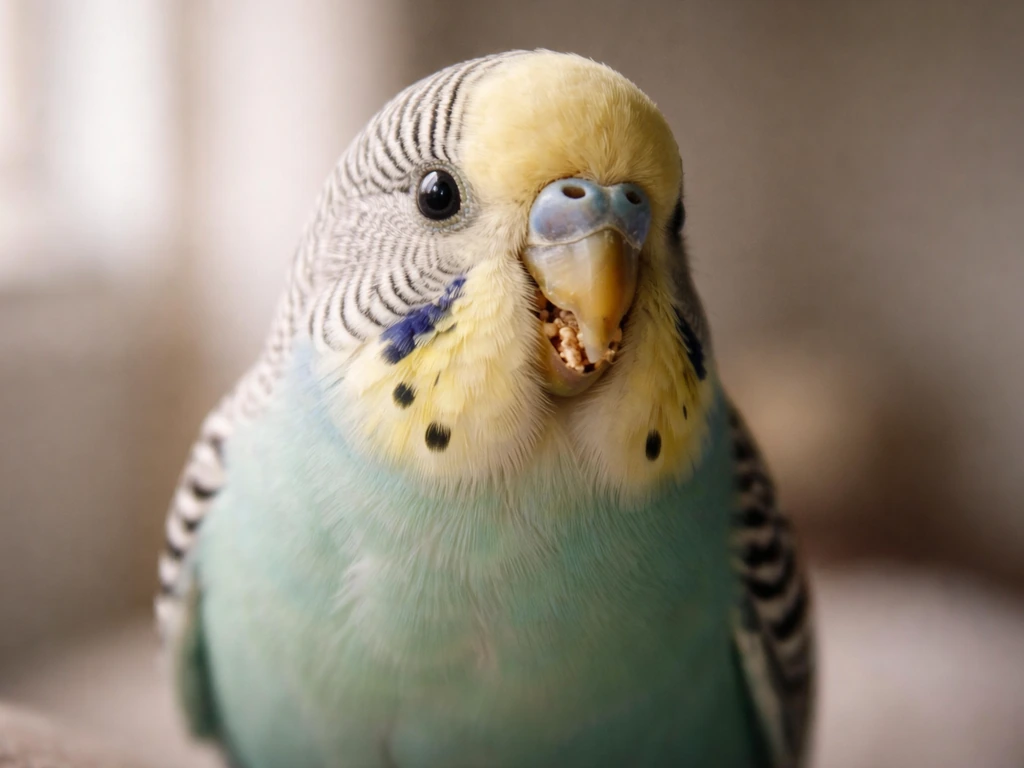
Why Does My Bird Make Crunching Noises? Causes and What to Do
Learn why your bird crunches, spot normal beak chewing vs breathing or crop issues, and what to do next.