
Birds become clingy for a range of reasons, and most of them are manageable once you know what you're looking at. The most common cause is simply strong social bonding, your bird sees you as its flock and wants to be where you are. But sudden or intensified clinginess can also be a signal that something is off: a health issue, a stressor in the environment, or a routine change that has your bird feeling unsettled.
Why Is My Bird So Clingy? Causes and What to Do Now
Marcus Chen
21 Jun 2026
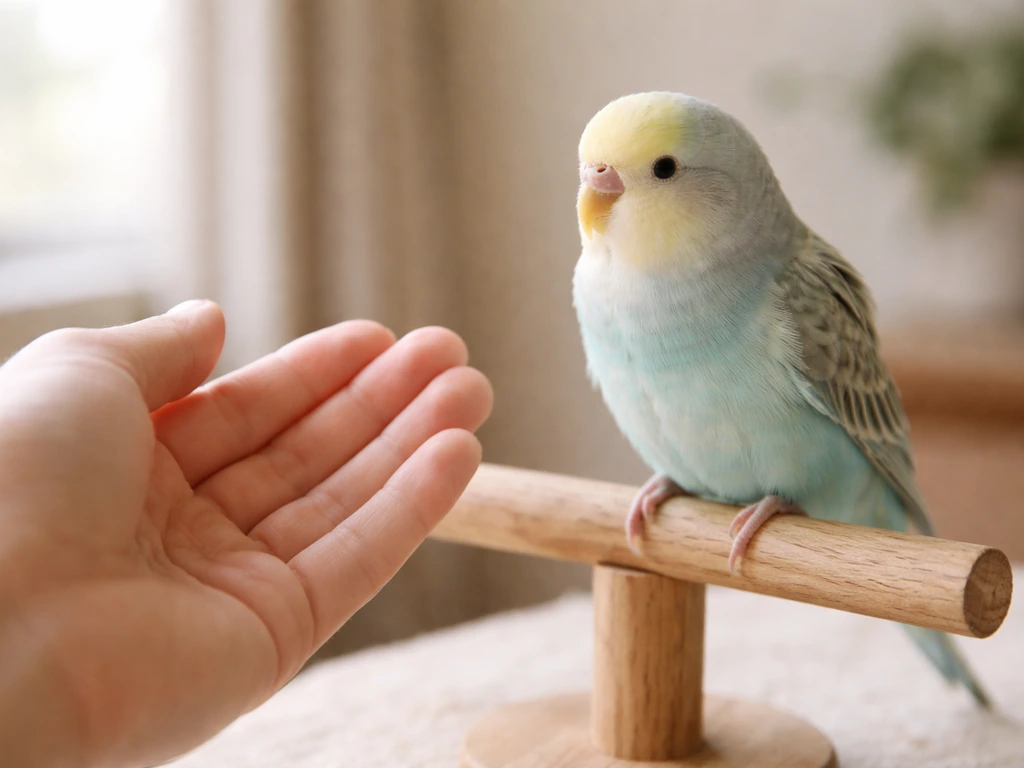
If you suspect fear is part of the problem, focus on slow, calm handling and give your bird space to build trust at its own pace health issue. The key is to look at the whole picture, not just the needy behavior in isolation.
What 'clingy' actually looks like in pet birds
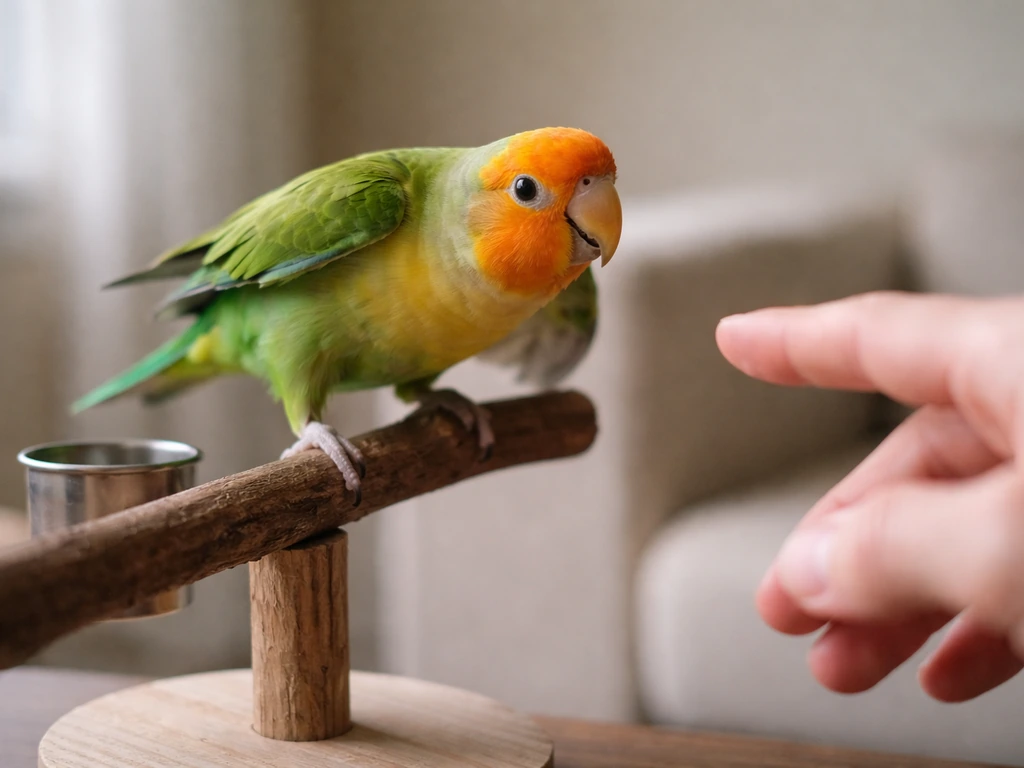
When bird owners describe clingy behavior, they usually mean one or more of these things: the bird screams the moment you leave the room, it follows you around or tracks your movements constantly, it refuses to stay on its perch and only settles when physically on you, or it becomes agitated and vocal whenever you're out of sight. This is different from a bird that simply enjoys your company and is relaxed about it.
Normal attachment behavior looks like a bird that chooses to be near you, perches on or beside you comfortably, and communicates vocally in a calm, conversational way. The posture is relaxed, breathing is quiet and regular, and the bird can be left alone without full-blown distress. Clinginess tips into something worth paying attention to when the behavior is excessive, new, or comes with other changes like altered droppings, feather condition, appetite, or breathing.
Common causes: bonding vs. routine changes
Birds are flock animals. In the wild, being separated from the flock is genuinely dangerous, so your bird's attachment to you is deeply wired. For many species, especially parrots and cockatiels, you are the flock. Wanting to be in the same room, perching close, and vocalizing to keep track of you is all normal flock behavior.
That said, routine changes are one of the most reliable triggers for a spike in clingy behavior. Birds are creatures of habit. If your schedule has shifted, you've started working from home, returned to the office after time off, had a new person move in, lost another pet, rearranged furniture, or changed feeding times, your bird may be responding to the disruption. The clinginess in this case is essentially your bird checking in more frequently because something in its world feels less predictable.
Hormonal cycles are another common culprit that owners often overlook. During breeding season, longer daylight hours can trigger hormonal surges in both male and female birds. This can produce intensified bonding with a favored person, crouching, tail-lifting, seeking out dark corners or enclosed spaces, and generally more persistent, demanding behavior. If your bird's clinginess is seasonal or comes alongside any of those other behaviors, hormones are probably playing a role.
Health-related reasons your bird might seem extra needy
This is the part that matters most to catch early. Birds instinctively hide illness, a survival behavior from the wild where showing weakness makes you a target. By the time a bird shows obvious signs of being sick, it has often been unwell for a while. So when a bird suddenly becomes clingy or unusually dependent, it can be quietly communicating that something doesn't feel right. If your bird is suddenly scared of you, it helps to consider whether fear is tied to stress, pain, or a recent change in its environment why is my bird suddenly scared of me.
Respiratory problems are a particularly important one to watch for. If your bird is breathing with its mouth open, bobbing its tail with each breath, wheezing, or sitting fluffed with labored breathing, that is a medical emergency, not a behavior issue. Get to an avian vet the same day. Even subtler respiratory signs like a slightly wet-sounding voice or clicking sounds can be worth a vet call.
Pain and physical discomfort from injury, digestive problems, or internal illness can all make a bird seek out its human more than usual. Think of it like a sick child wanting to be held. Other illness signs to watch alongside clinginess include changes in droppings, reduced appetite, sitting low on the perch, sleeping more than usual, or fluffed feathers outside of normal preening. Other illness signs to watch alongside clinginess include changes in droppings, reduced appetite, sitting low on the perch, sleeping more than usual, or fluffed feathers outside of normal preening.
Heat stress is another one to rule out, especially in summer months or if your bird's cage is near a window. A bird that is overheating will pant and hold its wings away from its body. This is urgent. A bird that is too cold will fluff up and shiver. Both temperature extremes can trigger unusual behavior including increased distress and seeking closeness to their person.
Sleep deprivation is underrated as a cause of behavioral issues. Birds need 10 to 12 hours of uninterrupted darkness each night. If your bird is getting less than that, whether from household noise, artificial light, a TV left on, or an inconsistent schedule, it can become irritable, anxious, and clingier than normal. Poor sleep compounds stress and makes every other issue worse.
Stress, anxiety, and environmental triggers
A bird's environment affects its emotional state more than most owners realize. Cage placement alone can be a significant stressor. A cage in a high-traffic hallway, near a drafty window, in direct strong sunlight for hours, next to a TV or speaker, or in a spot where other pets can approach freely can keep a bird in a low-level state of stress all day. Over time, that stress shows up as behavioral changes, including clinginess.
Household dynamics matter too. New people, visitors, a new baby, a new pet, construction noise, or even a change in who's home during the day can unsettle a bird. Birds read social environments carefully. If something in the household feels unpredictable or threatening to your bird, it will seek reassurance from its trusted person more often. This is related to the fear-based behaviors you might also see, like a bird suddenly scared of new objects or people. If your bird is reacting with fear or panic to everyday sights and sounds, that often has to do with stress and anxiety rather than simple clinginess fear-based behaviors.
The cage setup itself is worth reviewing. The cage should be large enough for your bird to stretch its wings fully, and bar spacing should be appropriate for your species so there's no risk of the bird getting its head stuck. A cramped or poorly configured cage creates chronic low-grade stress that compounds other issues. Perch variety and placement matter too: a bird with nowhere comfortable to land and rest will be more agitated and needy.
Boredom and under-stimulation are genuinely stressful for intelligent birds. A parrot or cockatiel left alone for long periods without foraging opportunities, toys, or mental engagement will channel that frustration somewhere, and increased demanding behavior toward their person is one of the most common outlets.
How attention and handling can accidentally reinforce clinginess
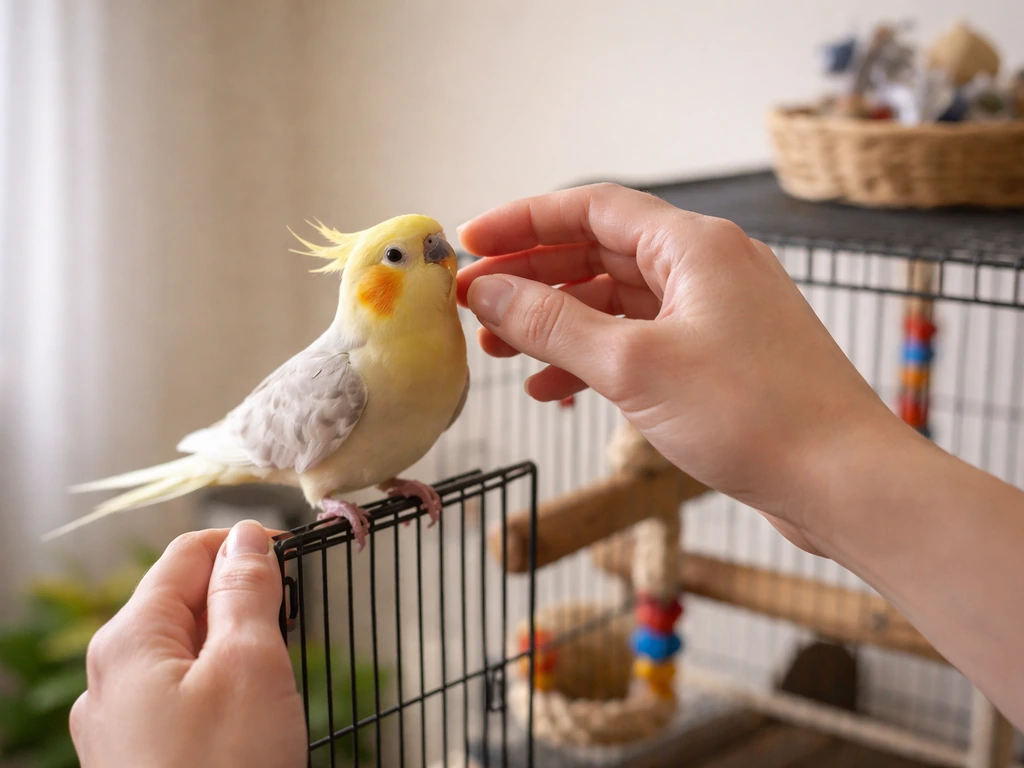
Here's something most people don't realize: every time you respond to screaming or demanding behavior by rushing over, picking up the bird, or giving it attention, you're teaching the bird that the behavior works. This isn't a character flaw in your bird, it's just how reinforcement learning operates. Birds are smart and they figure out patterns fast.
This doesn't mean you should ignore your bird or withhold affection. It means being thoughtful about the timing of your attention. Give your bird attention proactively, before it starts demanding it, and step back calmly when demanding behavior escalates rather than rewarding it immediately. If your bird screams when you leave the room and you consistently return the moment it screams, the screaming will increase.
Step-up training is one of the most practical tools here. Practice brief, positive step-up sessions where your bird steps onto your hand on cue, gets positive reinforcement like a small treat or gentle praise, and then is returned to its perch. Keep these sessions short, a few minutes at a time, multiple times per day. This builds trust, gives the bird structured interaction, and also helps the bird get comfortable transitioning on and off you without it becoming a drama.
One practical note on shoulder-sitting: it's a common habit but worth reconsidering for birds that are already displaying demanding behavior. Having a bird on your shoulder makes it harder to read its body language and respond to warning signs before a bite. A play stand or perch at chest height gives you the closeness your bird wants while keeping the interaction easier to manage for both of you.
Building in independence time is also important. Leave the room briefly and return before your bird escalates. Gradually increase the duration. Give your bird foraging toys, food puzzles, or objects to shred and investigate so it has things to do when you're not available. This isn't about rejecting your bird. It's about helping it feel safe and occupied even when you're not right there.
Home checks you can do right now
Before calling a vet, do a systematic observation pass. You're looking for changes from your bird's normal baseline across several areas. Avian husbandry guidance also emphasizes routine observation, including taking special note of changes in a bird’s routine and habits, because many problems in caged birds can be linked to stress and disease changes from your bird's normal baseline. If you're new to the bird, take note of what you observe today and use it to build that baseline going forward.
- Posture and activity: Is your bird sitting low on the perch, fluffed up, or unusually still? Healthy birds hold themselves upright and are alert during their active hours.
- Breathing: Watch the chest and tail. Tail bobbing with each breath, open-mouth breathing, clicking, or wheezing are red flags that need same-day veterinary attention.
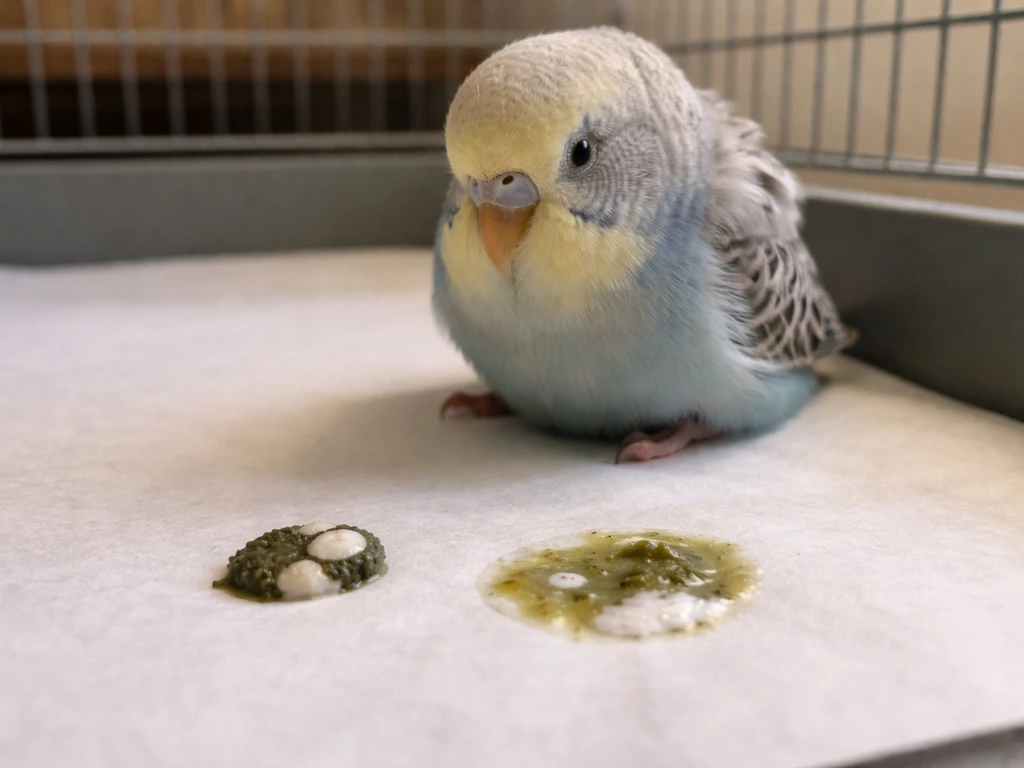
- Droppings: Check the cage floor. Normal droppings have three components: dark green or brown feces, white or cream urates, and clear liquid urine. Watery, discolored (red, black, yellow), or very infrequent droppings are warning signs.
- Appetite and food intake: Has intake dropped or changed? Refusing favorite foods is a significant sign something is wrong.
- Feather condition: Look for bald patches, broken feathers, or signs of plucking. Also note any skin redness or irritation.
- Temperature check: Is your bird near a heat source, direct sun, or a drafty window? Check the room temperature and consider whether the cage location is appropriate.
- Sleep: Is your bird getting 10 to 12 hours of uninterrupted darkness? When does it go to sleep and when does it wake up?
- Recent changes: Think back over the past two to four weeks. Schedule change, new pet, new person, diet change, new cage location, cleaning products used nearby, or anything else different in the household.
- Trigger mapping: When is the clinginess worst? During handling? When a specific person or pet is around? After cage cleaning? Identifying triggers helps you narrow down the cause.
Red flags that mean call the vet today
- Open-mouth breathing or tail bobbing with each breath
- Wheezing, clicking, or labored breathing sounds
- Complete loss of appetite for more than 24 hours
- Droppings that are red, black, bright yellow, or almost entirely liquid
- Sudden inability to grip the perch or balance properly
- Panting with wings held away from the body (heat emergency)
- Visible injury, bleeding, or swelling
- Sitting on the cage floor and not responding normally
- Sudden onset of severe feather damage or self-injury
If any of those signs are present, don't wait to see if it gets better. Birds decline quickly when ill, and catching a problem early makes a real difference. For everything else that doesn't fall into an emergency category, a routine avian vet visit is still worthwhile if clingy behavior is new, persistent, and you can't identify a clear behavioral cause after a week or two of observation.
A practical plan for the long term
Once you've ruled out health issues and identified environmental or behavioral factors, consistency is your best tool. Birds thrive on predictable routines. Feeding at the same times each day, having a regular out-of-cage period, and maintaining consistent sleep and wake schedules gives your bird a stable framework that reduces baseline anxiety.
Enrichment is non-negotiable for intelligent birds. Rotate toys so novelty doesn't wear off. Use foraging setups where your bird has to work a little to get to its food. Provide things to shred, climb, and chew. Different textures and materials keep a bird mentally engaged. A bored bird with nothing to do during the day will funnel all of that energy into demanding your attention.
If hormones are a factor, take stock of what might be triggering them: more than 12 hours of light per day, access to dark nesting-like spots such as drawers or boxes, high-calorie foods, or frequent petting along the back and under the wings. Reducing these triggers can help bring hormonal behavior back down without medication. For persistent hormonal issues, an avian vet can discuss options like hormonal treatment if the behavior is significantly impacting quality of life.
Review the cage setup as a genuine welfare check, not just a one-time task. Make sure it's in a socially connected spot in the home (birds don't do well in isolation) but not in a high-stress location. Make sure your bird has enough space, appropriate perches at different heights, and access to natural light without being in direct sun for extended periods.
Finally, if your bird's clinginess shades into other behavioral changes like aggression, fearfulness toward you, or fear of objects and new situations, those are related issues worth exploring on their own. Clinginess, fear, and aggression are all signals of how your bird is experiencing its world, and understanding the root cause is always more effective than managing the behavior alone.
| What you observe | Likely cause | What to do |
|---|---|---|
| Clingy but calm, relaxed posture, normal droppings and appetite | Normal bonding or minor routine change | Maintain consistent routine, build in structured independence time |
| Clingy and seasonal, with posturing, crouching, or seeking dark spaces | Hormonal behavior | Reduce light exposure to 10–12 hours, limit nesting triggers, consult vet if severe |
| Clingy and agitated, new household change or schedule disruption | Environmental or social stress | Identify and reduce the stressor, add enrichment, stabilize routine |
| Clingy with fluffed feathers, low activity, changed droppings or appetite | Possible illness or pain | Avian vet visit, do not wait more than 24–48 hours |
| Clingy with open-mouth breathing, tail bobbing, or panting with wings out | Respiratory emergency or heat stress | Contact avian vet immediately, treat as same-day emergency |
| Clingy with feather damage or plucking | Stress or medical (requires ruling out both) | Avian vet visit to rule out medical cause, then address behavioral factors |
The bottom line is that clinginess in your bird is worth taking seriously as a signal, not just a personality quirk. Most of the time it's a manageable behavioral or environmental issue. Sometimes it's an early health warning. Running through these checks systematically today gives you a clear picture of what's actually going on, and that's always the best starting point.
FAQ
Is it ever normal for my bird to follow me and want to be near me all the time?
Yes, flock bonding can look like constant proximity, steady vocal “checking in,” and relaxed body language. It becomes a concern when it escalates suddenly, prevents normal resting or perching, or comes with other changes like appetite or droppings shifts. A quick test is whether your bird can settle calmly on its own perch for at least short periods without distress.
How can I tell the difference between clinginess and territorial or hormonal behavior?
Territorial behavior usually includes guarding specific locations (like a favorite perch), lunging when you approach, or a strong reaction to other people getting close. Hormonal behavior often shows specific postures like crouching or tail-lifting, seeking dark enclosed spaces, and persistent “favoring” of one person. If the behavior peaks seasonally or is tied to day length and nesting-like hiding, hormones are more likely.
What should I do if my bird screams when I leave the room, even after I try to be calm?
First, avoid the common mistake of rushing in the moment it starts screaming, because the bird learns the behavior causes your return. Instead, give attention proactively during calm moments, then do brief departures and return before escalation. If needed, practice a cue-based routine (step-up then treat, step-down then back to perch) so the leaving sequence is predictable.
Does reducing affection make clinginess better, or will it make it worse?
Reducing attention is not the goal, you are shifting timing. If you only back away when the bird is already demanding, it can feel like punishment. The better approach is scheduled, calm interaction when the bird is relaxed, plus structured training (like short step-up sessions) and independence time so closeness does not depend on constant escalation.
How many hours of darkness does my bird actually need, and what counts as “uninterrupted”?
Most pet birds do best with about 10 to 12 hours of complete dark, without a TV, bright room light, or frequent activity that keeps them from settling. “Uninterrupted” means fewer wake-ups from household noise and no light cycles that mimic daytime. If you use a night light or the TV stays on, clinginess can rebound even if everything else seems fine.
My bird is clingy, but their droppings look mostly normal. Should I still consider a vet visit?
Yes, especially if the clinginess is new, worsening, or paired with subtle signs like less vocalization, sleeping more than usual, sitting lower on the perch, fluffed feathers out of normal routine, or quieter breathing. Droppings can look normal early in illness. For respiratory concerns, never wait, mouth breathing, wheezing, or labored breathing requires an urgent avian appointment.
What’s a practical baseline check if I’m not sure what “normal” looks like?
Compare at least four areas across a few days: appetite and water intake, droppings consistency, activity level (perching versus hiding), and sleep pattern (when they settle and whether they wake more than usual). Also note body language, for example relaxed posture and steady breathing versus fluffed, tense, or unusually quiet behavior. This helps you spot a trend rather than reacting to one-off clinginess.
Can boredom or lack of foraging really cause clinginess, even if I provide some toys?
Often, yes. Many birds need foraging that mimics searching and working for food, not just visible toys. If toys are always in the same place and offer little challenge, engagement drops and the bird asks you for stimulation. Try food puzzles, shredding options, and rotating toy types, and see if the bird becomes less attention-seeking during out-of-room or pre-departure periods.
Should I stop letting my bird sit on my shoulder if they are clingy?
If clinginess includes agitation, escalation, or difficulty reading signals, it can be safer to reduce shoulder time. On your shoulder you have less ability to respond to early warning signs. A play stand or chest-height perch usually provides the closeness the bird wants while making it easier to step back, redirect, and prevent sudden bites.
How long should I try behavioral changes before deciding something medical is going on?
If you have no clear cause, observe changes for about one to two weeks while you implement consistent sleep, routine, enrichment, and non-reinforcement strategies. However, if clinginess is sudden, persistent beyond that window, or accompanied by any illness or respiratory indicators, contact an avian vet sooner rather than treating it as “just behavior.”
When would cage placement be the likely cause, and what’s the first thing to adjust?
Placement is often a factor if the cage is in a hallway with constant traffic, near drafts or direct sun, right by a loud speaker or TV, or in a spot where pets can approach easily. Start with moving the cage to a calmer, socially connected area where it gets natural light without hours of direct sun. After the change, re-check sleep quality and attention patterns over several days.