
Sudden aggression in a pet bird almost always has a specific cause, and the good news is that most of those causes are identifiable if you know what to look for. Whether your bird has gone from sweet to bitey overnight or has been gradually escalating over a few weeks, the fix starts with figuring out which category you're dealing with: hormonal, stress or environment-triggered, or pain and illness. This guide walks you through exactly how to do that today.
Why Is My Bird So Aggressive All of a Sudden? What to Do

Marcus Chen
22 Apr 2026
Is it actually aggression? Quick triage first
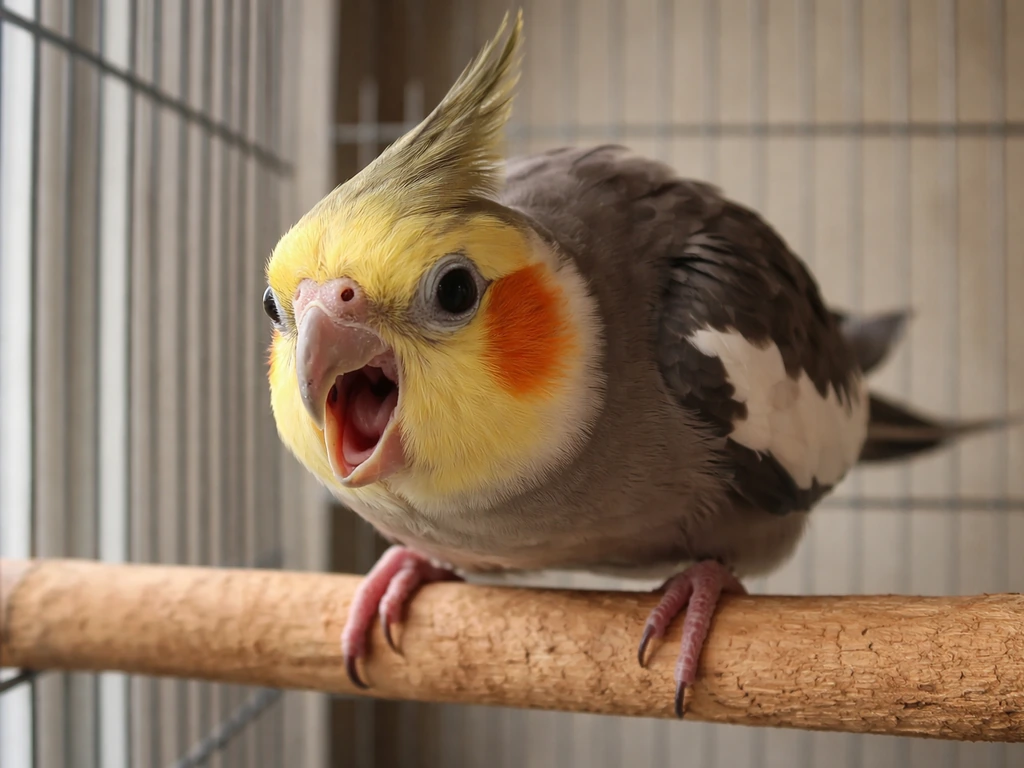
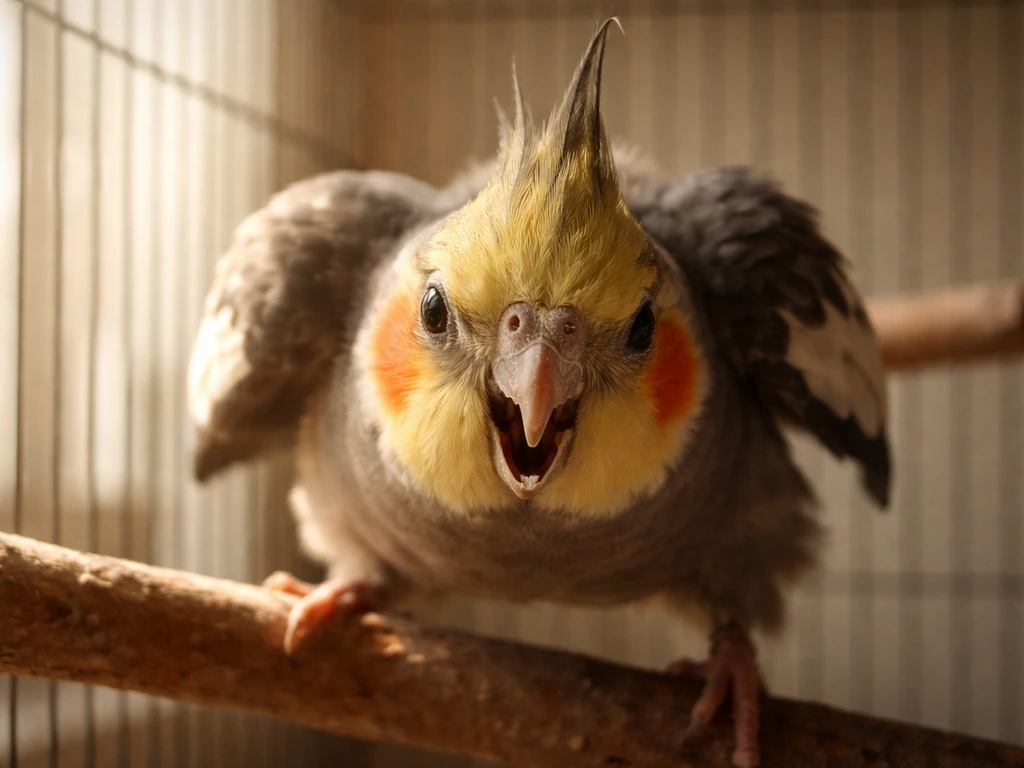
Before you go down the troubleshooting rabbit hole, it helps to confirm you're actually dealing with aggression and not a related but different behavior. True aggression means your bird is lunging, biting hard (not the gentle exploratory nip), charging at the cage bars, screaming at you, or actively chasing. It's directed, intentional, and usually repeatable.
Compare that to fear-based behavior, which can look similar on the surface. A scared bird may bite when you reach in, but the body language is very different: flattened feathers, wide eyes, backing into a corner, or trying to flee before striking. If your bird is scared of everything, that fear can quickly turn into defensive biting or retreating behavior fear-based behavior.
A fearful bird may also bite your hands, so work on fear-reduction and calmer handling rather than “toughing it out. ” fear-based behavior. If your real question is about a fearful bird, this same body-language approach helps you figure out what is spooking your bird and how to reduce it fear-based behavior.
If your real question is about a fearful bird, this same body-language approach helps you figure out what is spooking your bird and how to reduce it fear-based behavior (which can help answer why is my bird suddenly scared of me). If you suspect your bird is scared of you, focus on fear-reduction steps like gentler handling and giving it predictable space, and avoid forcing interactions.
If fear seems to fit better than aggression, that's a different situation entirely and worth exploring separately. The same goes for a bird that has suddenly become clingy or overly vocal but isn't biting. If your bird is clingy because fear or stress is driving the behavior, you can reduce it by improving handling and creating predictable space.
True aggression typically shows up as a bird that is puffed up, standing tall, pupils pinning (rapidly dilating and contracting), feathers slicked down tight, wings held slightly out from the body, or actively moving toward the perceived threat rather than away from it. If you're seeing that combination, you're in the right place.
Common immediate triggers: what changed recently?
The single most useful question to ask yourself is: what changed? Sudden aggression almost never appears out of nowhere. Birds are highly sensitive to changes in routine, environment, and social dynamics, and they express that sensitivity through behavior.
Run through this checklist mentally and try to match the timing of the behavior change to any of the following:
- A new person, pet, or baby in the household
- A change in your schedule (longer work hours, travel, less time with the bird)
- The cage moved to a different location or room
- New furniture, objects, or sounds near the cage
- A change in who handles the bird or how often
- Seasonal changes in light exposure (longer days in spring and summer)
- A change in diet or feeding schedule
- Loud, unpredictable noise sources (construction, a new TV, visitors)
- Another bird added to or removed from the household
Even small changes that seem insignificant to you can register as major disruptions to a bird. If you can pinpoint something that changed in the two to four weeks before the aggression started, that's your most likely starting point.
Hormonal and territorial aggression: the most common culprit
If your bird's aggression started in late winter or spring, or if the bird is between one and five years old and hasn't shown this before, hormones are the first thing to consider. Hormonal aggression is extremely common in pet birds and is often mistaken for personality changes. During breeding season, even the most gentle bird can become territorial, nippy, and unpredictable.
The hormonal behavior pattern usually includes more than just biting. You might also notice your bird regurgitating food toward you or a favorite toy, spending a lot of time in the corner of the cage or inside a cozy hiding spot, guarding a particular perch or object intensely, and becoming extremely bonded to one person while attacking everyone else.
Male birds vs. female birds: different patterns
Male birds tend to show hormonal aggression outwardly and obviously. They'll often become territorial about the cage, lunge at hands reaching in, and become very possessive of a favorite person. Regurgitation toward that person is also common, since it's a courtship behavior. Biting during this period can escalate from a soft nip to a hard bite that doesn't release easily, especially if the bird is worked up.
Female birds can show all the same behaviors, but they may also become aggressive around a nest site, even if no actual nest exists. A female who is spending a lot of time at the bottom of the cage, shredding paper, or sitting in dark corners may be in a nesting mindset, and touching her or the cage area she has claimed can trigger a fast, defensive bite. Female hormonal aggression also carries an additional health concern: egg laying and egg binding. If your female bird is straining, sitting fluffed on the cage floor, has a distended abdomen, or seems lethargic alongside the aggression, that needs immediate veterinary attention.
One factor that keeps birds in a constant state of hormonal readiness is extended light exposure. Long days, warm temperatures, and a lot of rich, soft food all mimic breeding conditions. If your bird gets more than 10 to 12 hours of light per day, that alone can keep hormonal behavior elevated year-round. In a Reddit thread about pet parrots, commenters recommend reducing hormonal aggression by ensuring adequate sleep and darkness, including using 12 hours of uninterrupted darkness more than 10 to 12 hours of light per day.
When aggression is actually pain or illness in disguise
This is the category that matters most to get right. Birds are prey animals, which means they are wired to hide weakness. By the time a bird shows obvious signs of illness, things are often already serious. Pain and physical discomfort frequently express themselves as irritability and aggression, especially when you try to touch or handle the bird.
If your bird is biting specifically when touched in a certain area, resisting handling that it previously tolerated, or showing aggression only in specific positions (like being picked up), that's a red flag for pain rather than a behavioral issue. Internal discomfort, injuries, and infections can all make a normally tolerant bird lash out.
Watch carefully for any of these physical signs alongside the aggression, because they indicate the bird needs a vet, not just a behavioral adjustment: The Merck Veterinary Manual also notes respiratory warning signs in pet birds, including wheezing and tail bobbing while breathing, and advises contacting a veterinarian if these are present respiratory warning signs like wheezing and tail bobbing while breathing.
- Tail bobbing up and down with each breath (a key respiratory warning sign)
- Open-mouth breathing or labored breathing at rest
- Wheezing, clicking, or wet-sounding breathing
- Sitting on the cage floor or unable to perch normally
- Closed or partially closed eyes when the bird should be alert
- Changes in droppings (color, consistency, or amount)
- Sudden weight loss or reduced appetite
- Fluffed feathers combined with inactivity (not the same as sleep posture)
- Active bleeding, visible wounds, or swelling
- Straining movements (especially in females)
Any aggression that is paired with one or more of those signs is not a behavior problem you should try to manage at home. That combination is your signal to contact an avian vet promptly.
Reading your bird's body language right now
Before you do anything else, take five minutes to just watch your bird without interacting. This observation tells you more than almost anything else. The body language your bird shows in the moments before a bite is the clearest clue to what's driving the behavior.
| Body language signal | What it likely means | Your next move |
|---|---|---|
| Pupils pinning rapidly | High arousal, excitement, or aggression building | Back off immediately, give space |
| Feathers slicked flat, wings slightly out | Defensive aggression, threat display | Do not reach in, do not make direct eye contact |
| Feathers puffed, eyes half-closed | Possible illness or pain | Check for other physical signs, consider vet call |
| Tail fanned out, wings spread wide | Territorial display | Back away slowly, avoid the trigger area |
| Regurgitating toward you or a toy | Hormonal/courtship behavior | Redirect, do not encourage or pet |
| Crouching low, backing away before biting | Fear-based aggression | Stop approaching, reassess handling approach |
| Standing tall, bobbing head repeatedly | Challenge/territorial aggression | Give space, avoid eye contact, wait it out |
Managing bite risk today comes down to one principle: don't push through the warning signals. Most birds give multiple signals before biting. If you're seeing any of the above, stop the interaction before the bite happens. Reacting to a bite by pulling away fast, yelling, or dropping the bird actually reinforces the behavior and makes future aggression more likely.
What to do right now: handling, cage setup, and desensitization
Once you have a working theory about what's driving the aggression, you can start making adjustments. Here's what to act on today depending on the likely cause.
If you think it's hormonal
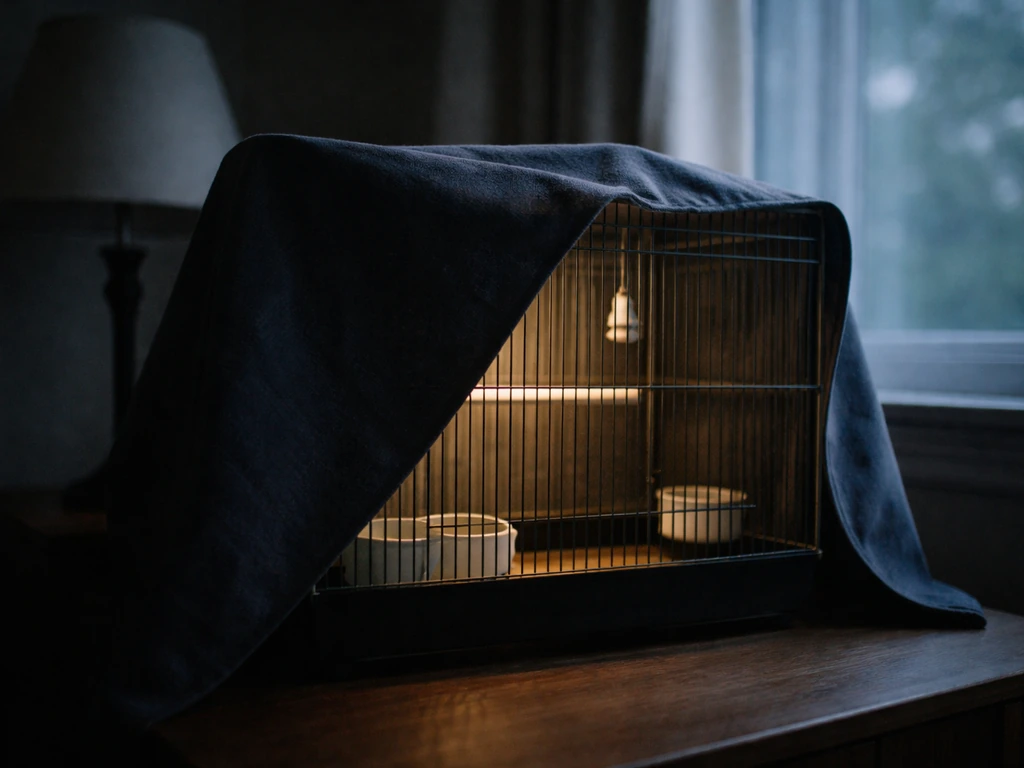
- Reduce light exposure to 10 to 12 hours per day using a cage cover or moving the bird to a darker room in the evening. This is one of the most effective hormonal resets available.
- Remove anything that looks like a nest: snuggle huts, cozy tents, dark corners with bedding, paper shreds the bird has collected. These items reinforce nesting behavior.
- Stop petting the bird on the back, under the wings, or near the tail. Stick to head and neck scratches only. Back and body stroking stimulates hormonal responses.
- Redirect courtship behavior: if the bird regurgitates toward you, calmly put it down and walk away. Do not react dramatically or with affection.
- Increase foraging and enrichment activities to redirect that hormonal energy into something constructive. Hide food in paper, use puzzle feeders, rotate toys frequently.
- Temporarily reduce the intensity of bonding interactions with the person the bird is most attached to, and encourage calm interactions with other household members.
If you think it's stress or environment-triggered
- Identify and remove or reduce the specific stressor if possible. If it's a new pet, manage visual access. If it's noise, relocate the cage temporarily.
- Restore predictability in your routine. Same feeding times, same handling times, same sleep schedule. Birds thrive on consistency.
- Give the bird a few days of low-demand interaction: talk to it, sit nearby, offer treats, but don't force handling until the bird is showing relaxed body language again.
- If someone new has entered the household, introduce them slowly with positive associations like treats, rather than forcing direct interaction.
Desensitization basics for a bird that's biting hands
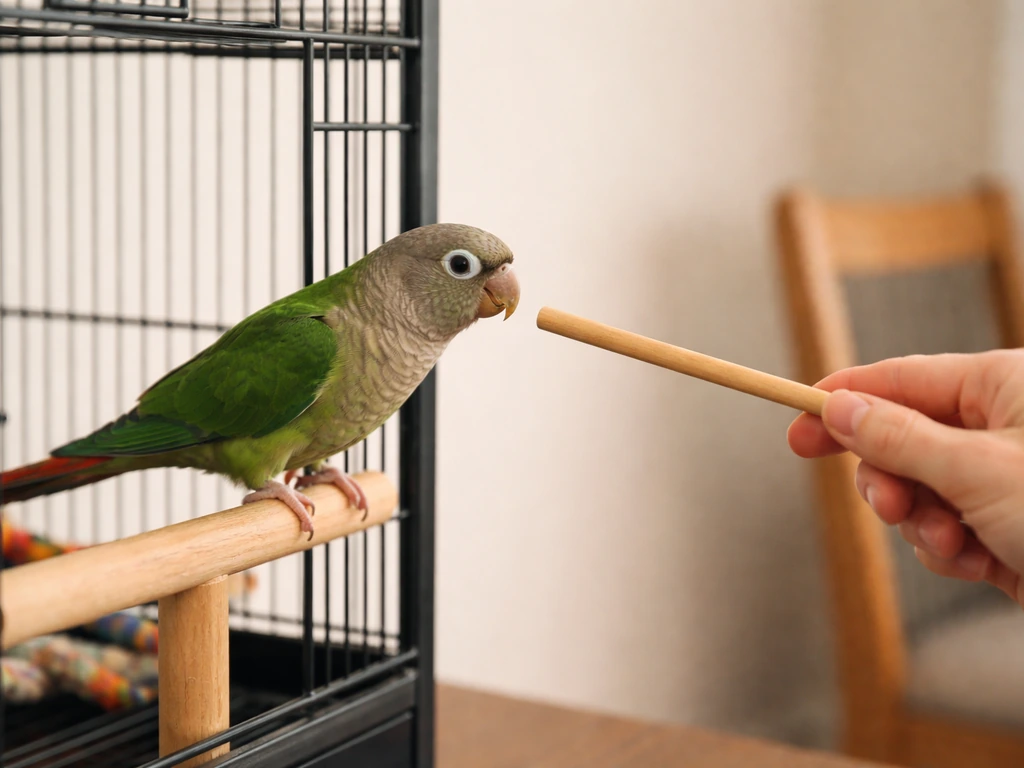
If your bird has started biting when you reach into the cage or try to pick it up, don't stop all contact, but do change how you're doing it. Use a perch or a stick to offer a step-up rather than your hand directly, at least temporarily. Reward any calm, non-aggressive interaction with a small high-value treat immediately. Keep sessions very short (two to three minutes) and end on a positive note before the bird escalates. Building trust back up takes time but consistent short positive sessions are more effective than infrequent long ones.
When to call an avian vet and what to bring to the appointment

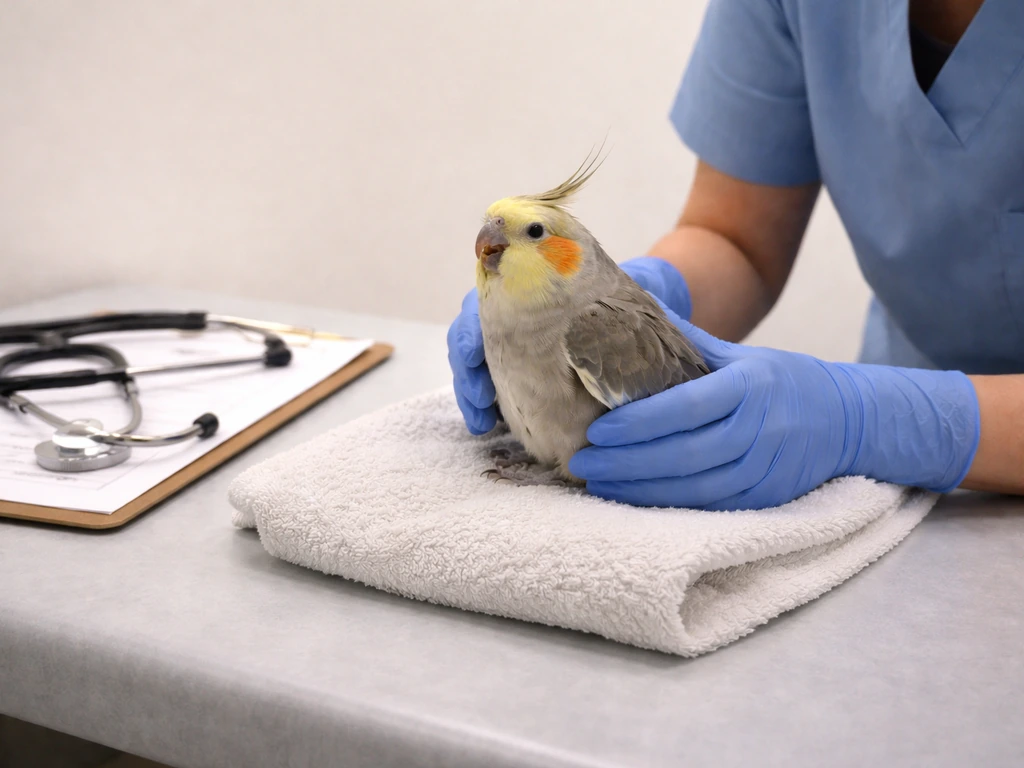
Call an avian vet the same day if your bird's aggression is accompanied by any of the physical warning signs listed earlier: tail bobbing with breathing, open-mouth breathing, wheezing, sitting on the cage floor, straining, or visible injury. Don't wait to see if these resolve on their own.
Schedule a non-emergency appointment within one to two weeks if the aggression is new, severe, unexplained by obvious triggers, or not improving after a week of adjustments. Even if hormones seem like the obvious answer, a vet visit is a good idea for any new and significant behavior change. The exam can rule out pain, nutritional deficiencies, infections, and reproductive issues (especially in female birds), all of which can present as behavioral problems.
To make the appointment as useful as possible, track the following information before you go:
- When the aggression started (exact date or approximate week)
- What the bird does specifically: lunging, biting, screaming, charging, guarding a spot
- What triggers the behavior: hands entering the cage, specific people, certain times of day, being touched in a particular area
- Any physical signs you've noticed alongside the aggression
- Changes in droppings, appetite, or weight
- Daily light exposure hours
- Current diet (pellets, seeds, fresh food percentages)
- Any recent household changes
- Whether the bird is showing any nesting behaviors or has laid eggs recently
A short video of the aggressive behavior can also be extremely helpful for an avian vet. Capture it on your phone if you can do so safely, without provoking the bird.
Your action plan going forward
Here's the simplest way to think about this: rule out illness first, then manage the most likely behavioral cause. If your bird has any physical red flags, skip straight to the vet. If it's otherwise healthy looking, start with the hormonal and environmental adjustments above and give them one to two weeks of consistent application.
Test one change at a time so you can actually tell what's working. Reducing light exposure is the easiest first step for hormonal cases. Restoring routine consistency is the easiest first step for stress cases. Track the frequency and intensity of aggressive episodes in a simple note on your phone. If things are improving after a week, keep going. If there's no improvement or things are getting worse, that's your signal to call the vet regardless of whether the bird looks physically healthy.
Most sudden aggression in pet birds is manageable once you identify the driver. Hormonal aggression is temporary and cyclical with the right management. Stress-based aggression resolves when the stressor is addressed. Pain-based aggression resolves when the underlying issue is treated. The key is not assuming it's just a mood phase and waiting it out indefinitely, especially when the change was sudden and significant.
FAQ
How can I tell if my bird’s “aggression” is really aggression and not a fear response?
Not necessarily. True aggression is directed and repeatable, but sometimes an abrupt behavior shift is really a pain response, especially if it happens only when you touch a specific area, pick the bird up, or handle it in one position. If you can tell the trigger is “handling touch” rather than “presence of you,” treat it as possible pain and contact an avian vet.
What should I look at right before the bite so I don’t pick the wrong strategy?
Start with 10 to 15 minutes of quiet observation from a safe distance and take note of the exact pre-bite body language (puffing, slicked feathers, pinning, wings held out, backing away, cornering, flared eyes). If the bird is backing away or trying to flee before biting, focus on fear-reduction and predictable space instead of “rewarding bravery,” because forcing interaction can worsen fear.
My bird only bites when I reach into the cage, what should I do today to prevent bites?
Reduce risk immediately by changing the interaction method: use a perch or stick for step-ups, avoid reaching straight over the bird, and don’t place your face near the cage. If biting is escalating, handle only for brief step-up sessions and wait to resume longer training until the bird shows calm approach rather than lunging.
If nothing obvious changed, what kinds of day-to-day changes could still cause sudden aggression?
Yes, it can. Environmental changes like new lighting, moving the cage, a new room layout, different background noise (TV, speakers), new cleaning products with strong scent, or even a different laundry detergent can shift stress quickly. A helpful step is to list every change in the two to four weeks before the first bite, including “small” ones like a new perch material or rearranged toys.
How do I tell if this is hormone-related even if it’s not spring or breeding season?
More light can raise hormonal drive even if the bird gets the same food. Check the household schedule, not just the bird’s cage location, because you might have shifted curtains, added a brighter lamp, or left lights on later. Many birds respond to consistent “darker hours,” and aiming for about 10 to 12 hours of light or less per day is a practical starting point.
What egg-laying or egg-binding signs mean I should call the vet immediately?
If your female bird shows nesting-like behavior plus any signs of possible reproductive trouble (straining, prolonged fluffed sitting on the floor, a distended abdomen, lethargy, or breathing changes), don’t rely on behavior adjustments. Contact an avian vet urgently because egg binding can become life-threatening quickly.
What are common mistakes that make sudden aggression worse?
You should avoid “punishment” methods. Pulling away fast, shouting, or trying to wrestle the bird after a bite can increase arousal and make future bites more likely. Instead, end the interaction before the warning signals escalate, and resume only when the bird is calm and you can offer step-up with a perch.
When is a vet visit necessary if the bird looks otherwise healthy?
If the bird is physically healthy looking but the aggression is new, severe, unexplained, or not improving after about a week of changes, schedule a non-emergency avian appointment within one to two weeks. Also treat “timing clues” as a factor, if the aggression started right after a new medication, diet, or supplement, tell the vet so they can check for side effects or nutritional issues.
What’s the best way to record footage for my avian vet without making the situation worse?
Take the video, but do it with minimal exposure and without provoking. Film from a safe distance so you capture the approach and the body language right before lunging. If you can, include a short clip showing where the bird is in the cage when the aggression starts, since location often points to hormones, territory, or pain.
How should I track behavior changes and decide whether my adjustments are working?
Treat the situation like a safety and data problem. Track frequency, intensity, and the exact trigger (reaching in, certain perch, cage bars, specific time of day, time since lights-on) and change only one factor at a time. If episodes are not trending down after a week, or they worsen, call the vet instead of extending the experiment.