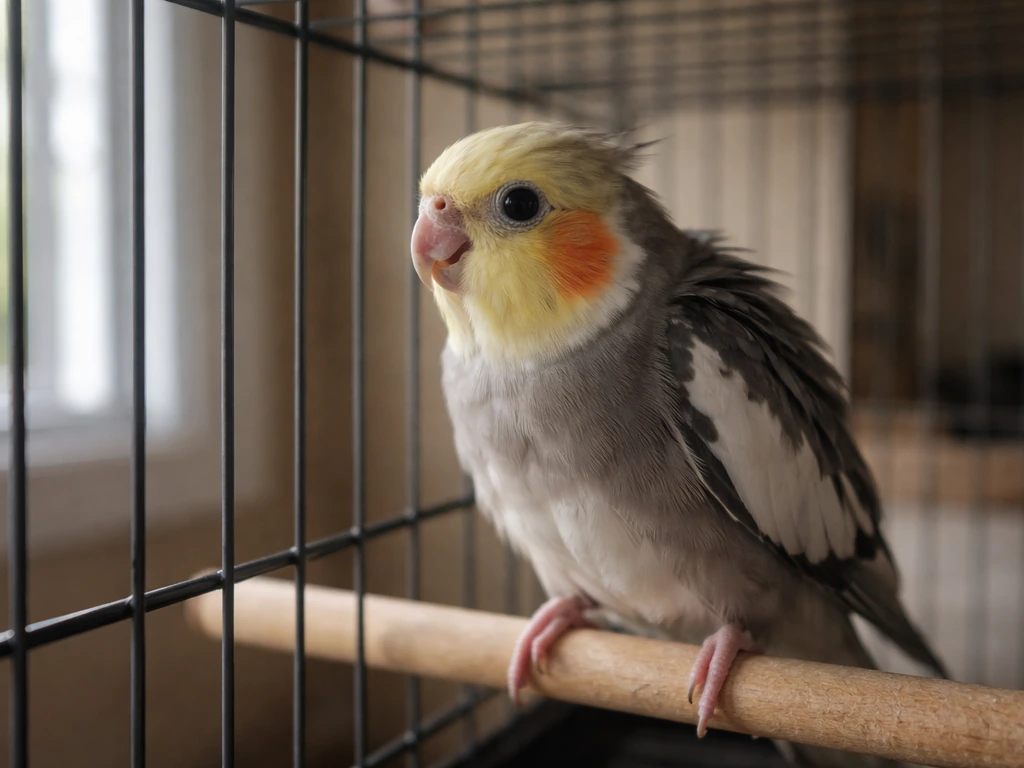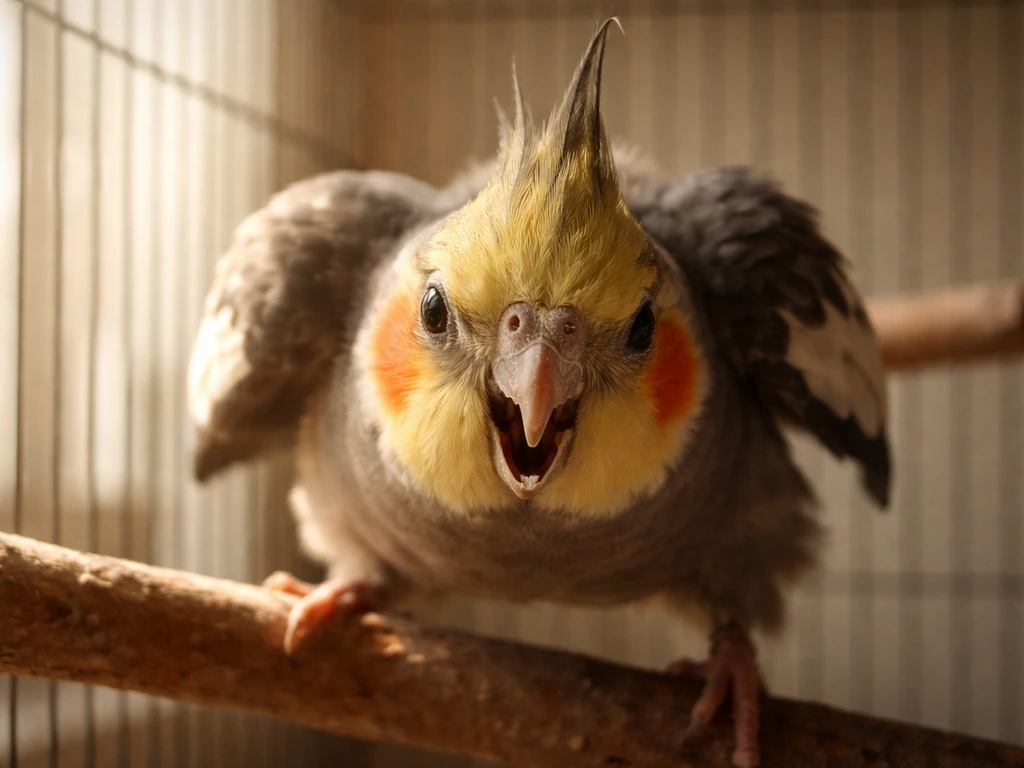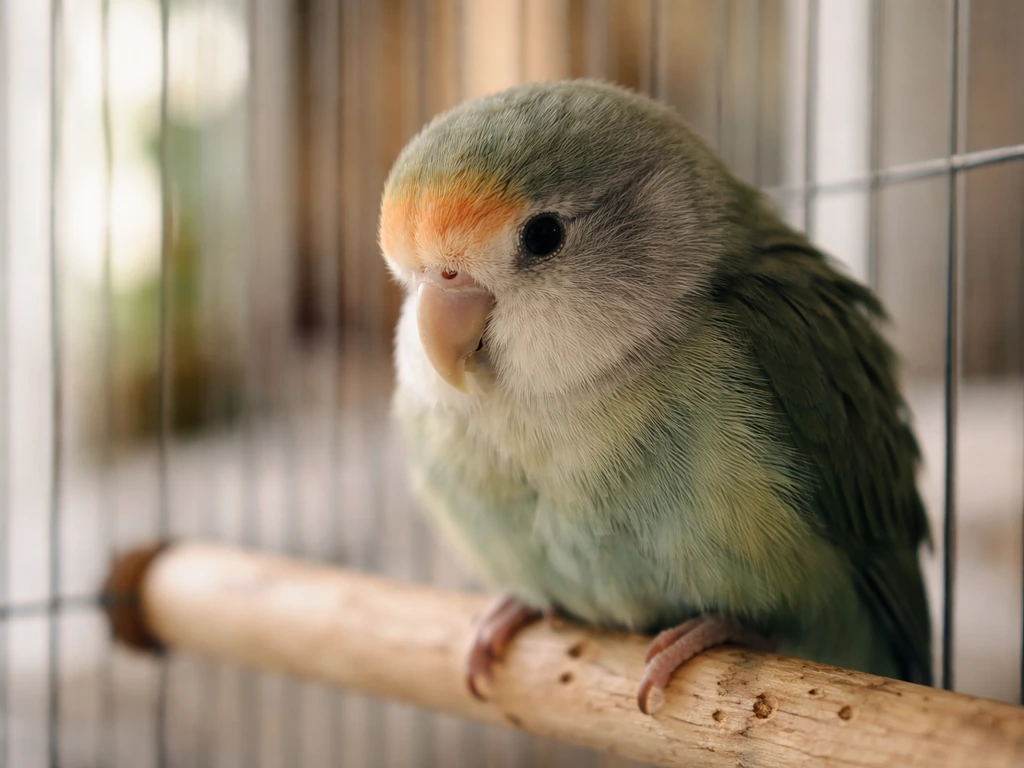
If your bird suddenly seems scared of you, the most likely culprits are a recent change in your home, your appearance, your schedule, or how you've been approaching them. Birds are highly sensitive creatures, and even something as small as a new haircut, a different shirt color, or a shift in your daily routine can flip a previously confident bird into a skittish one overnight. The good news is that most sudden fear is situational and reversible once you identify the trigger and give your bird a clear, consistent reason to trust you again.
Why Is My Bird Suddenly Scared of Me? Causes and Fixes
Marcus Chen
10 Jun 2026
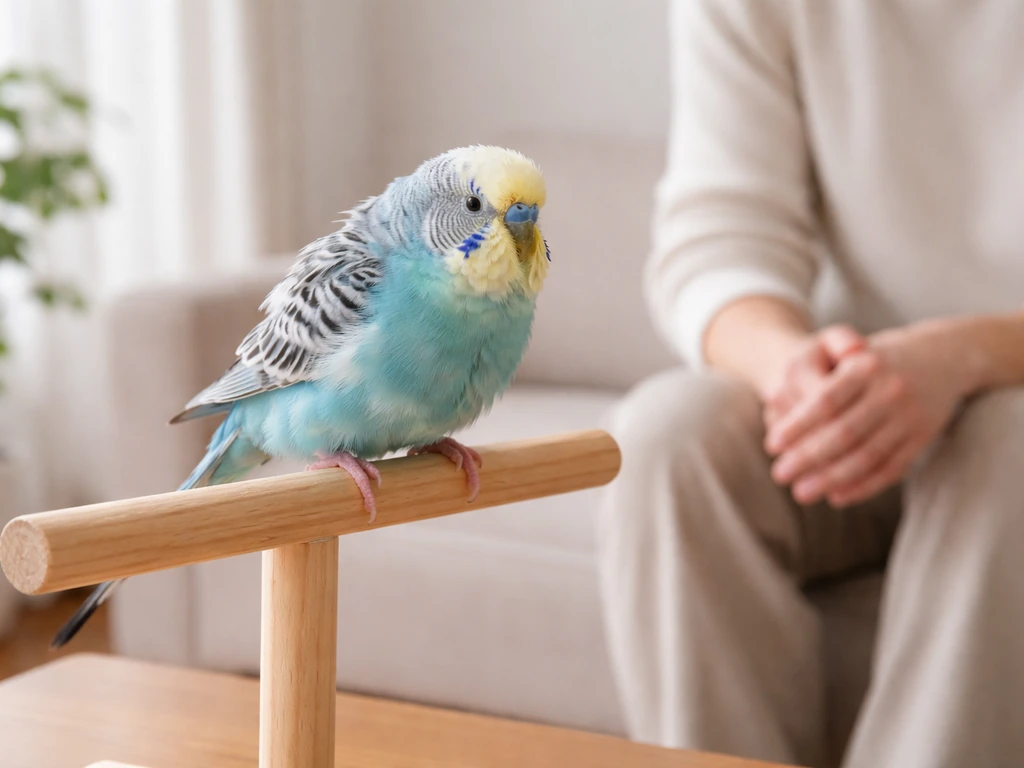
What "scared" actually looks like in a bird
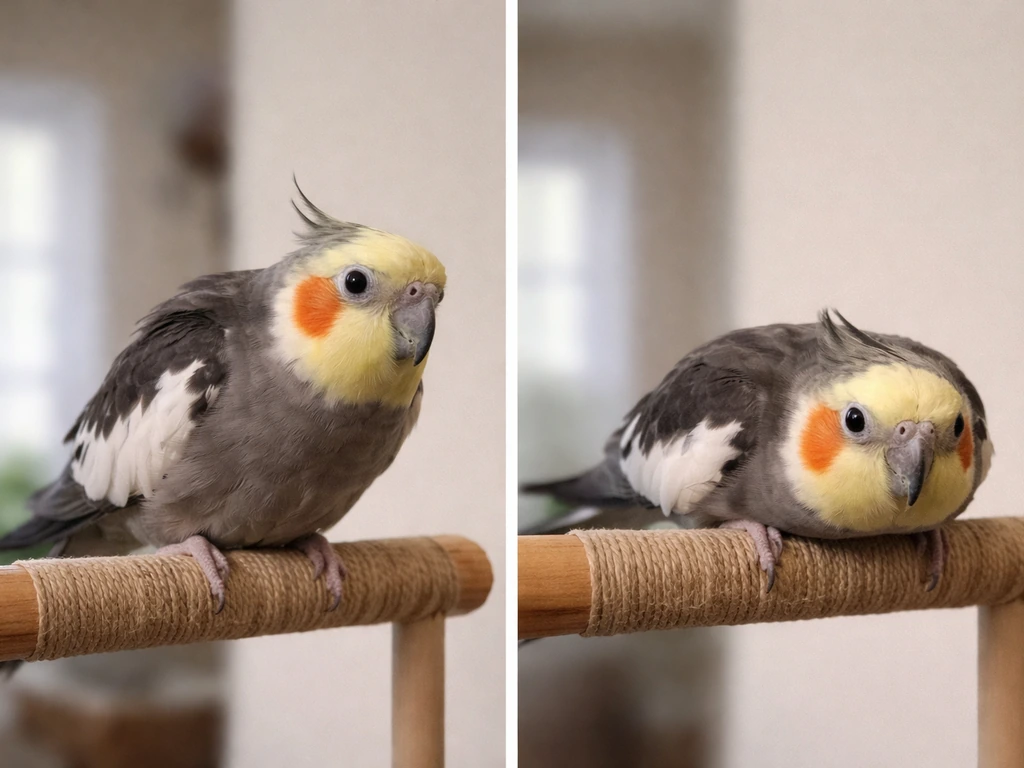
Before you can fix the problem, you need to be sure your bird is genuinely fearful and not just reacting to something momentary. Fear in birds shows up in a pretty recognizable cluster of behaviors, but it's easy to misread some of them.
The clearest sign of fear is an avoidance response: your bird leans away, shuffles to the far side of the perch, tries to climb to the highest point in the cage, or actively flees when you approach. Freezing is another one. A scared bird will sometimes go completely still, lock eyes on whatever is frightening it, and tilt their head to get a better look with one eye. That hard stare followed by total stillness is the bird deciding whether to flee or hold.
Other body language cues to watch for:
- Feathers slicked tight against the body (the opposite of relaxed, slightly puffed resting feathers)
- Tail fanning or rapid tail flicking, which signals agitation
- Crouching low on the perch or pressing into a corner
- Rapid, shallow breathing or open-mouth breathing
- Screaming or alarm calls when you get close
- Biting or lunging when approached, especially if this is new behavior
One thing worth clarifying: a bird that looks puffed up and hunched is not always scared. Relaxed birds puff their feathers slightly when resting or sleeping. But a bird that is puffed, hunched, sitting low, and unresponsive is potentially sick, not just frightened. In the avian triage guidance, persistent “fluffed” posture can reflect difficulty and may be related to clinical illness or complications, so it should be interpreted alongside other behavior changes rather than as fear alone blank" rel="noopener noreferrer">fluffed posture can reflect difficulty and may be related to clinical illness. That distinction matters a lot, and I'll get into it more in the health section below.
The most common reasons a bird suddenly gets scared of you
"Suddenly scared" almost always traces back to something that changed, even if it wasn't obvious or dramatic. Here are the most common triggers:
Changes in your appearance or smell
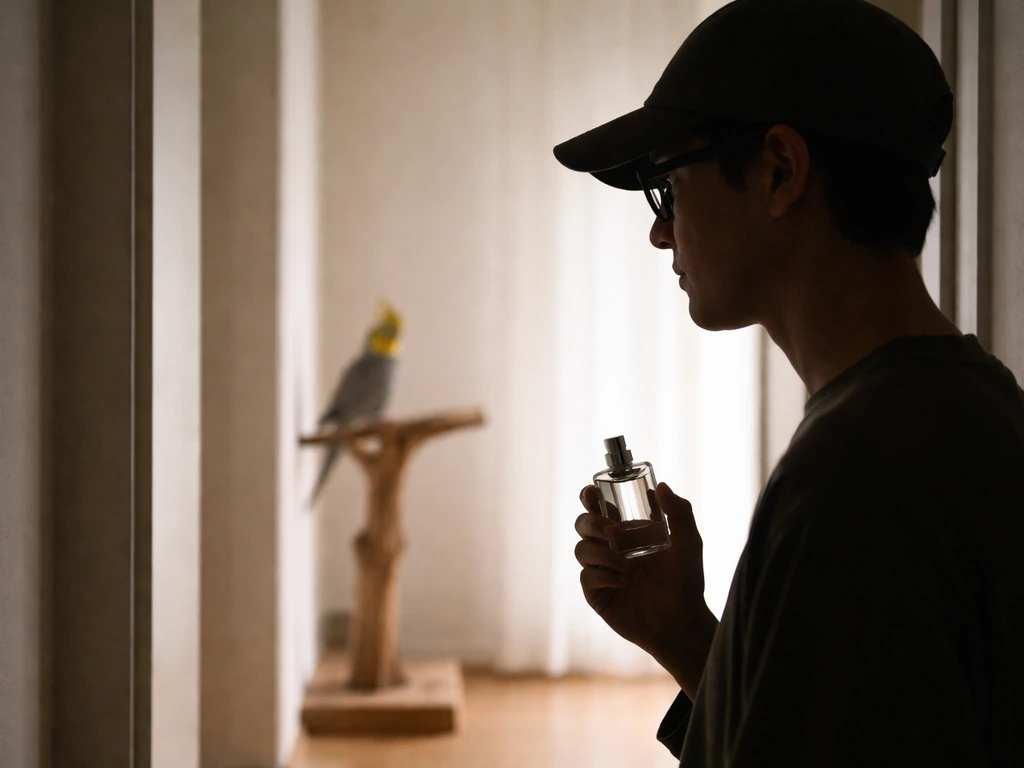
Birds recognize people largely by silhouette, color, and movement. A new hairstyle, glasses, a hat, a brightly colored coat, or even a strong perfume can make you look and smell like a stranger to your bird. This is one of the most common causes of sudden fear that owners overlook because it seems too trivial to matter. It isn't. Your bird is not being dramatic; they genuinely may not recognize you.
A negative experience with hands
If you recently grabbed your bird to medicate them, trim their nails, or restrain them for any reason, that single experience can be enough to make hands feel threatening. Birds have very good memories for aversive events, and a hand that used to mean "step up" can suddenly mean "danger" after one rough interaction.
A startling event
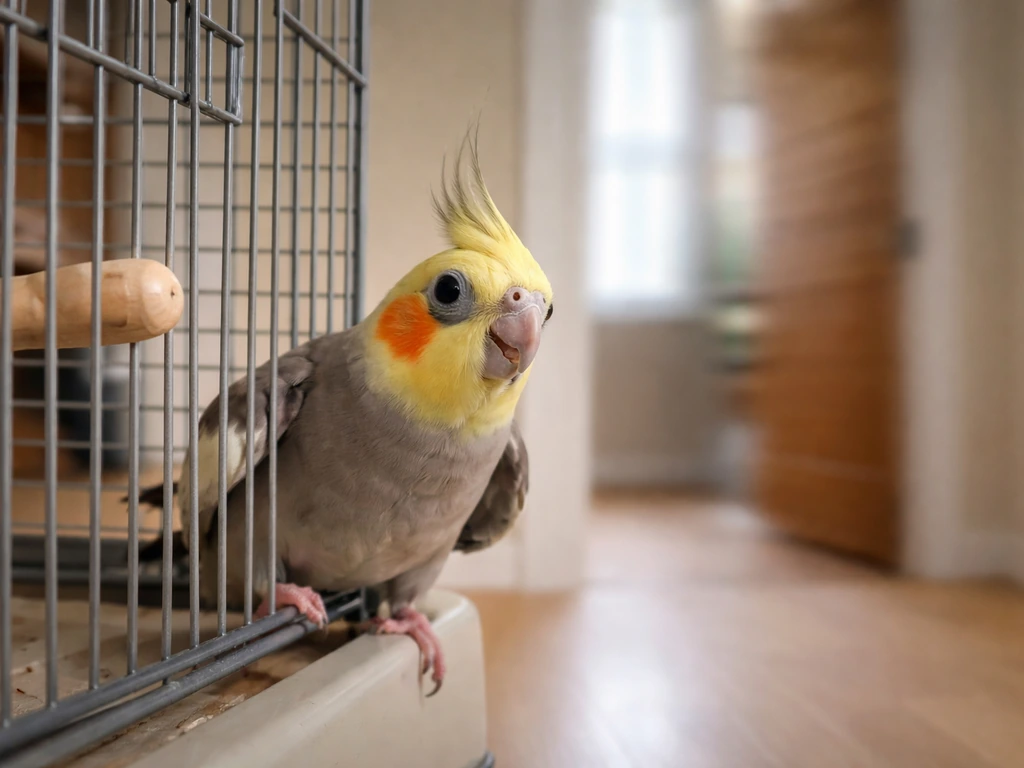
A loud noise, a sudden movement near the cage, a predator flying past the window, or a new pet in the house can trigger a fear response that your bird then generalizes beyond the original cause. If something scared them badly enough while you were nearby, they may now associate you with that fear.
Routine or environment changes
Moving the cage to a different room, changing the lighting schedule, adding new furniture near the cage, introducing a new person to the household, or even adjusting when you come home can destabilize a bird that relies on predictable patterns to feel safe. Birds are creatures of habit in a real, neurological sense.
Hormonal changes
Seasonal hormonal cycles, particularly in spring, can cause birds to become suddenly territorial, defensive, or easily startled. A bird in a hormonal phase may be wary of hands, people they know well, or their own cage mates. This often resolves on its own but can feel very sudden to the owner.
Poor sleep
Birds need 10 to 12 hours of uninterrupted sleep in a dark, quiet space. If something has disrupted that recently, such as a new light source, noise from a TV, or a change in bedtime routine, a chronically tired bird becomes hyperreactive and fearful.
Check these specific triggers before you do anything else
Rather than guessing broadly, run through this checklist to narrow down what your bird is actually reacting to.
Your hands
Watch how your bird responds specifically to your hands versus the rest of you. If they're fine when you stand near the cage but panic the moment your hand enters, that points directly to hand-related fear, which has its own specific retraining path. If your bird shows fear specifically when your hand enters, that's a very specific case related to when my bird is scared of my hands, and it helps to focus on hand-related retraining. This is actually a very common and solvable issue. The way you move your hand matters too: fast, direct approaches from above are the most triggering because they mimic a predator strike. Slow, lateral approaches from below the bird's eye level are far less alarming.
Your voice and eye contact
A raised or anxious voice, even if you're not directing it at the bird, can increase their stress. Direct, sustained eye contact can also read as threatening to some birds. Try approaching your bird while looking slightly to the side rather than staring head-on, and use a consistently low, calm voice.
Objects near you or on you
Hats, hoods, dangling earrings, sunglasses, a collar on a dog walking near the cage, a bag, or anything new and large near your body can cause your bird to treat you as an unknown threat. Remove or change the object and see if the fear response changes.
Cage position and sight lines
A cage placed too low means your bird constantly sees people looming over them, which is inherently stressful. A cage near a window can expose birds to hawks, cats, and other outdoor predators. A cage in a high-traffic area with unpredictable movement can keep a bird in a constant low-level state of alarm.
Smells and airborne substances
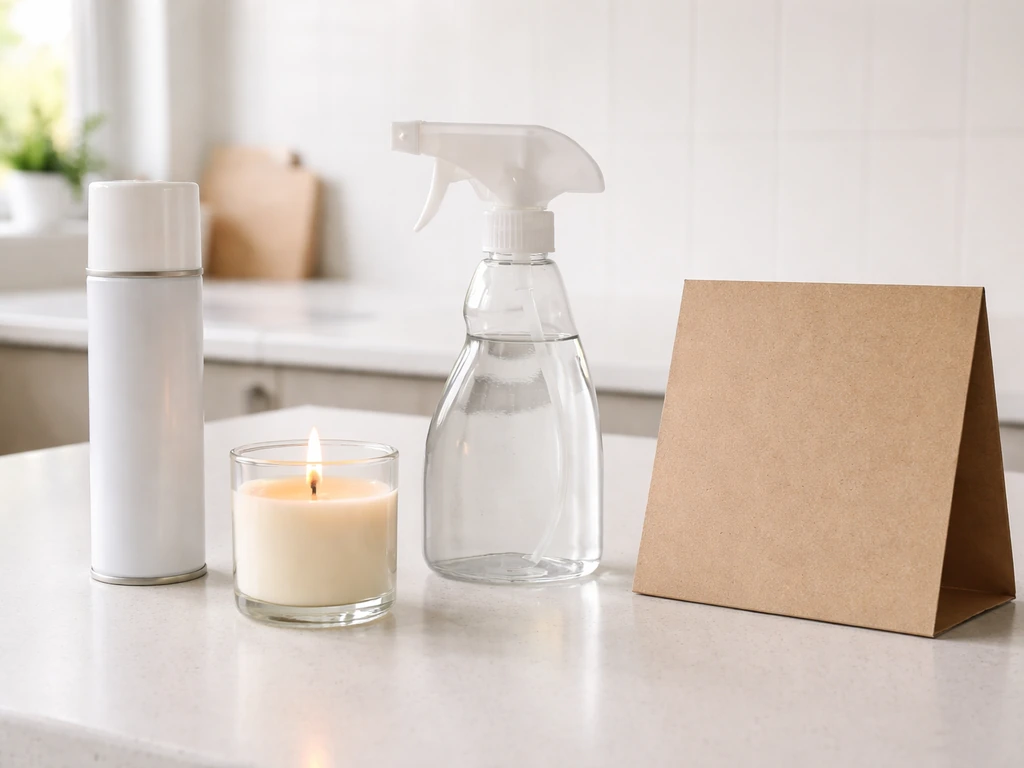
Birds have an extremely sensitive respiratory system. Aerosol sprays, scented candles, air fresheners, cooking fumes, cleaning product residue, paint, or hairspray used in the home can cause physical discomfort that makes a bird irritable and reactive. A rough rule of thumb: if you can smell it, it may be bothering your bird's airways. Any bird that seems suddenly fearful and has also been exposed to strong fumes warrants a closer health check, not just behavior training.
What you can do right now to start rebuilding trust
You don't need weeks of formal training to make progress today. The following steps work with a bird's natural psychology rather than against it. If you want a step-by-step approach, focus first on the trigger and then use consistent, low-stress retraining to rebuild confidence what to do if your bird is scared of you.
- Stop forcing interaction. For the next few days, simply be present near your bird without asking anything of them. Sit next to the cage, talk softly, read aloud, or do quiet activities nearby. Let your bird observe you and realize nothing bad happens.
- Get below their eye level. Kneel, sit on the floor, or position yourself so you're not towering over the cage. This alone can dramatically reduce a bird's threat perception.
- Offer treats without reaching in. Hold a favorite treat at the cage bars and let your bird choose to come to you. Don't push the treat forward; let them approach. This small choice rebuilds their sense of control.
- Use a consistent, predictable routine. Feed, cover, and interact at the same times every day. Predictability is one of the most powerful calming tools available to a bird owner.
- Start target training. Get a chopstick or a short stick and hold it near your bird. The moment they look at it or touch it with their beak, say 'good' and immediately offer a treat. Repeat this in very short sessions (2 to 3 minutes) several times a day. Target training gives your bird a positive, low-pressure reason to engage with you and builds confidence quickly.
- Practice desensitization with hands. Start with your hand resting near the cage exterior, not inside. Only move to placing it inside once your bird is consistently calm with the first step. Move in tiny increments over days, not hours. The goal is to keep your bird below their fear threshold the entire time.
- Avoid the back and under-wing areas when you do get to petting. Stick to the head and neck. Touching a bird's back or under their wings can be associated with mating behavior and trigger defensive or hormonal reactions, especially if you haven't established full trust yet.
When fear might actually be illness or pain
This is the part most owners miss, and it's critical. A bird in pain or feeling ill will often show behavior that looks identical to fear: hiding, withdrawing, flinching when touched, becoming suddenly aggressive, or refusing to interact. If your bird’s aggression started suddenly, it often overlaps with sudden fear from a trigger, like a change in routine, scent, handling, sleep, or hormonal shifts. The danger is that birds are instinctively wired to hide illness for as long as possible. If you notice fluffed or ruffled feathers, inactivity, or sudden behavior changes, treat these as warning signs because birds can hide illness until later blank" rel="noopener noreferrer">fluffed or ruffled feathers, and inactivity as warning signs. By the time they show symptoms clearly, they may have been unwell for days or even weeks.
If your bird's sudden fear is accompanied by any of the following, treat it as a potential health issue first and a behavior issue second:
- Sitting consistently fluffed up, hunched, or at the bottom of the cage
- Partially closed eyes or a dull, unresponsive look
- Changes in droppings: color, consistency, volume, or smell
- Reduced appetite or complete refusal to eat
- Tail bobbing, labored breathing, or open-mouth breathing at rest
- Discharge from the eyes or nostrils
- Sudden sensitivity to touch in a specific area (possible injury or pain site)
- Sudden biting that is sharper or more intense than before
- Unusual quietness or a dramatic reduction in normal vocalizations
- Weakness, wobbling, or difficulty gripping the perch
If you see any of these signs alongside the fearful behavior, contact a bird-savvy vet before attempting any behavior retraining. Trying to desensitize a sick bird adds stress at exactly the wrong time. Any sudden behavior change, especially increased biting or withdrawal, warrants a veterinary check to rule out pain or underlying illness.
If your bird is showing difficulty breathing, tremors, or extreme weakness, that's an emergency. Don't wait for a regular appointment.
Environment and handling adjustments to keep fear from coming back
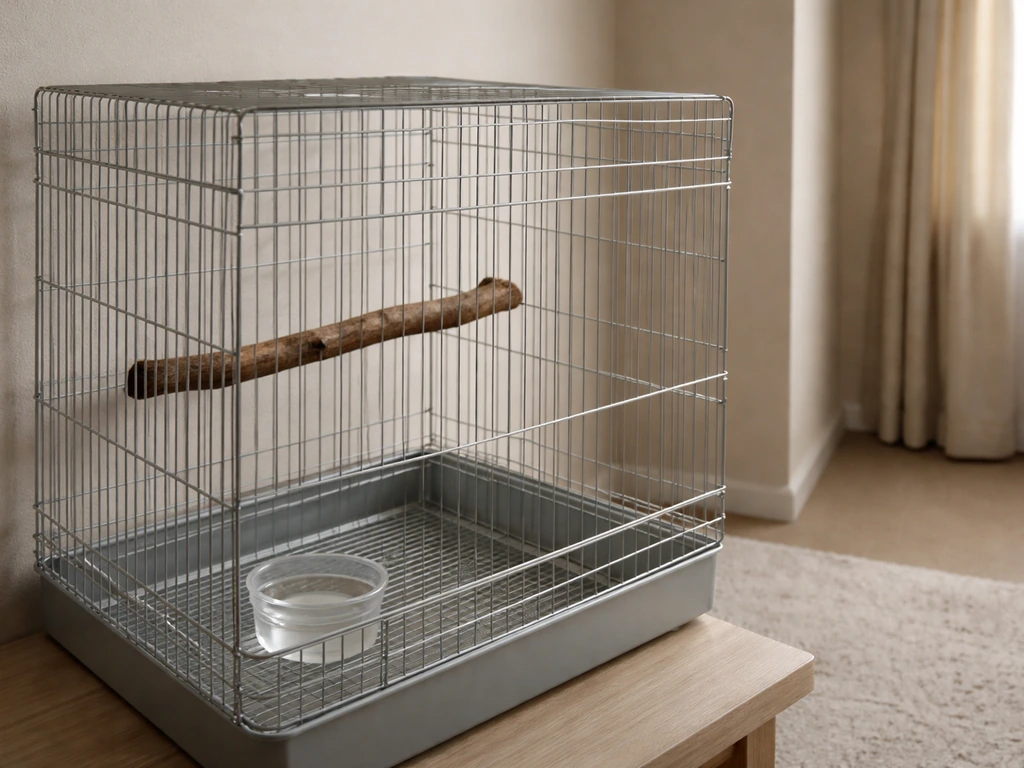
Once you've identified the trigger and your bird is back on stable ground, a few structural changes can prevent fear from cycling back.
Cage placement
Place the cage at roughly chest height so your bird is at eye level with you when you're standing. Position at least one side against a wall so your bird always has a safe corner to retreat to. Keep the cage away from windows with direct predator sightlines, high-traffic hallways, and kitchens where cooking fumes are a regular hazard.
Airborne hazards
Make a firm rule in your home: no aerosol sprays anywhere near your bird, and no non-stick cookware on high heat in the same airspace. These are not minor inconveniences; they are genuine health risks. Use unscented, bird-safe cleaning products, and keep your bird in a different room until any cleaned or painted surface is fully dry and odor-free.
Handling approach
Always approach your bird's cage from the front, at their level, slowly and visibly. Announce yourself with a consistent phrase or sound before reaching in. This gives your bird a predictable signal that something is about to happen, which prevents startle responses. Never grab or restrain your bird unless it's a genuine medical necessity.
Sleep and light schedule
Use a cage cover to create consistent darkness for 10 to 12 hours per night. Irregular or shortened sleep makes birds chronically irritable and hyperreactive. A consistent light-dark cycle is one of the simplest things you can do to maintain a calm, emotionally stable bird.
Introducing changes gradually
When something in your home or routine must change, do it incrementally where possible. Move the cage gradually rather than all at once. Introduce new people by having them sit quietly near the cage across multiple sessions before attempting direct interaction. Let your bird observe before they have to participate.
When it's time to call in a vet or behaviorist
Most cases of sudden fear in pet birds resolve with patient, consistent owner effort over two to four weeks. But some situations genuinely need professional support, and recognizing them early saves a lot of frustration.
Get a bird-savvy vet involved if:
- The fearful behavior started very suddenly with no identifiable trigger
- You see any of the health warning signs listed above
- Your bird has stopped eating or is losing weight
- The fear has persisted for more than two to three weeks despite calm, consistent effort
- Fear has escalated into frequent biting or self-destructive behavior like feather plucking
Get a certified avian behaviorist involved if:
- A vet has cleared your bird medically but the fear continues
- You're not making progress with desensitization after several weeks of structured effort
- The bird has a history of trauma or poor early socialization that makes standard retraining techniques insufficient
- The fear has generalized to the point where your bird is scared of nearly everything in their environment
A behaviorist who specializes in parrots and companion birds can build a customized desensitization and counterconditioning plan that goes far beyond what a general guide can cover. If your bird seems scared of everything rather than just you specifically, or if the fear seems deeply ingrained rather than triggered by a recent event, that broader context is worth exploring with a professional. If your bird is scared of everything, it can help to focus on broader environmental triggers too, not just one specific person or action.
The most important thing to take away from all of this is that sudden fear in a previously trusting bird is meaningful information. It's your bird communicating that something in their world shifted. Your job is to be the calm, consistent presence that helps them figure out they're safe again. Sometimes what looks like fear can show up as clinginess too, which is why it's helpful to explore why is my bird so clingy. That takes time and patience, but it absolutely works.
FAQ
How can I tell if my bird is truly afraid of me versus sick or in pain?
Not necessarily. A bird can appear “fearful” when it is actually responding to pain, respiratory irritation, or a hormone driven behavior shift. If the bird is fluffed and low with lack of alertness, or if fear spikes with exposure to smells or breathing becomes noisy, treat it as a health priority rather than a confidence issue.
What should I do differently if my bird is scared specifically when I put my hand near the cage?
Hand fear often improves faster when you change the approach itself, not just your attitude. Use slow, lateral movements at the bird’s eye level, keep your hand visible but non reaching, and pair hand presence with a favorite treat so the hand becomes a predictable cue for good things rather than a random event.
My bird panics when I try to do step up, what’s the safest way to rebuild it?
Start with distance and reduce pressure. Instead of trying to force step-up right away, reward calm behavior when you are farther away, then gradually reduce the distance over multiple short sessions. If the bird escalates during any step, go back one level and progress again more slowly.
How long does it usually take for a bird to stop being scared after something bad happened (like handling or a vet visit)?
Assume the bird needs time to re-learn safety after a scary event, especially if it involved restraining, medication, nails, or a rushed contact. Keep interactions brief, consistent, and low intensity, and avoid repeated “testing” attempts within the same day that can train more fear through repeated exposure.
Can I fix the fear by changing my routine or the cage setup, and how do I avoid making it worse?
Yes, with a few guardrails. Change only one variable at a time (for example, cage position or lighting), keep your voice and clothing consistent when possible, and pause any changes if fear worsens for more than a day. Sudden multi change days can make it impossible to identify the real trigger.
Are there specific body language mistakes that make my bird more afraid of me?
Try to reduce predator like signals, especially looming. Avoid reaching from above, keep your body slightly turned, and offer your presence from the side. Also limit direct staring, if your bird freezes during eye contact, look slightly away and speak softly while you wait for the bird to relax.
How do I figure out whether my bird’s fear is about me specifically or about something else in the room?
A key cue is whether the fear is triggered by you or by the environment. If the bird behaves normally when you are out of view but panics when you return, it suggests person related cues. If fear happens with new objects, smells, or noises even when you are still, it points to broader environmental causes.
Could disrupted sleep or evening lighting changes be causing my bird’s sudden fear?
Yes. Birds can become reactive if they do not get a stable 10 to 12 hours of darkness or if nighttime routines are inconsistent. If your bird gets up, startles, or becomes jumpy in the evening, check for late lights, TV noise, motion near the cage, or late bedtime that shortens sleep.
What if the timing of my bird’s fear lines up with cleaning, cooking, or a strong smell at home?
Fumes can cause discomfort that looks like fear, even if you cannot see anything wrong. Avoid aerosols and scented products, ventilate after cleaning, and do not cook with nonstick on high heat. If the bird’s fear began shortly after a scent, painting, or cleaning day, schedule a bird-savvy vet check.
What are the red flags that mean I should stop behavior work and get a vet instead?
Don’t force exposure when your bird is escalating. If the bird is backing away, freezing hard, panting, wheezing, or flinching when touched, pause and reassess. Resume only when the bird can take treats or show relaxed posture, and always treat breathing issues or weakness as urgent.
My bird seems scared of me in situations that have nothing to do with the original trigger, why does fear spread like that?
Many birds “generalize” fear, meaning one scary situation can make them wary of similar cues. If your bird was scared during one specific circumstance, identify and remove the matching elements (for example a hat, glasses, perfume, fast reaching, or restraining) before you retry retraining with safer versions of those cues.
When should I involve an avian behaviorist versus only working on my own?
Consider professional help sooner if the fear is intense, not improving after several weeks of consistent low stress work, or if the bird is fearful of nearly everyone and everything. A certified avian behaviorist can tailor desensitization to your bird’s specific triggers and intensity level, which often prevents setbacks from trial and error.