
If your bird is scared of you, the most important thing to do right now is stop pushing for contact. Back off, slow down, and start rebuilding trust from scratch using calm presence, predictable routines, and positive associations. It takes time, but most birds can learn to feel safe with their owner if you approach it the right way.
What to Do If Your Bird Is Scared of You: Step Plan
Marcus Chen
15 Jun 2026
Fear vs. normal shyness: what your bird's body is telling you
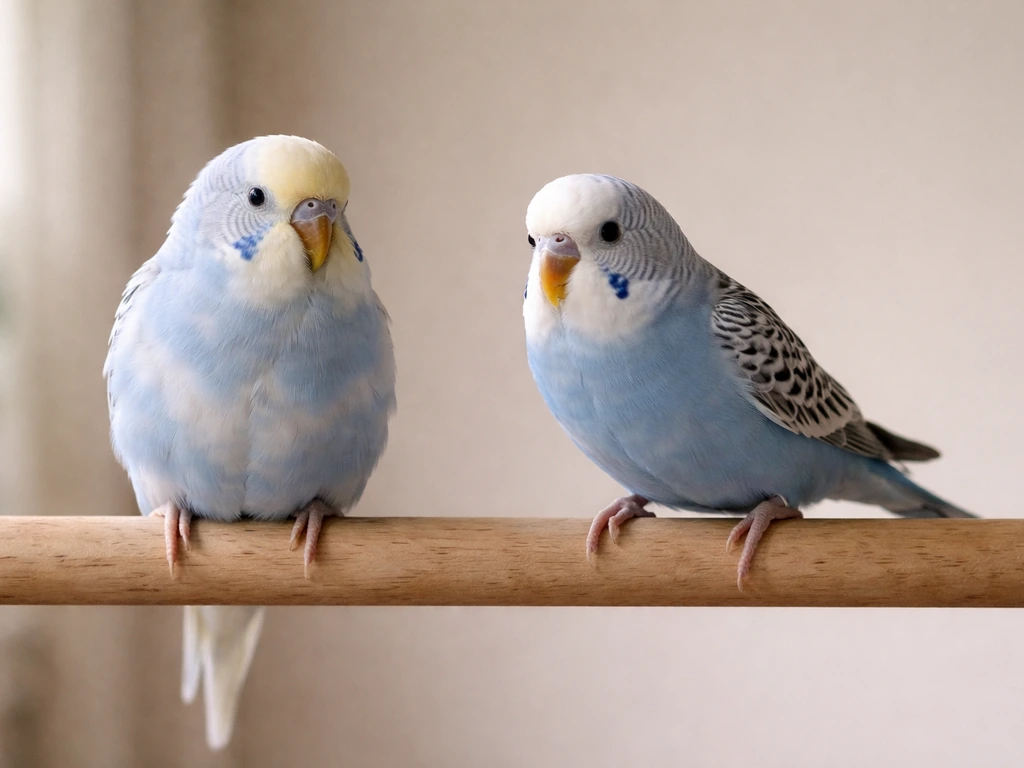
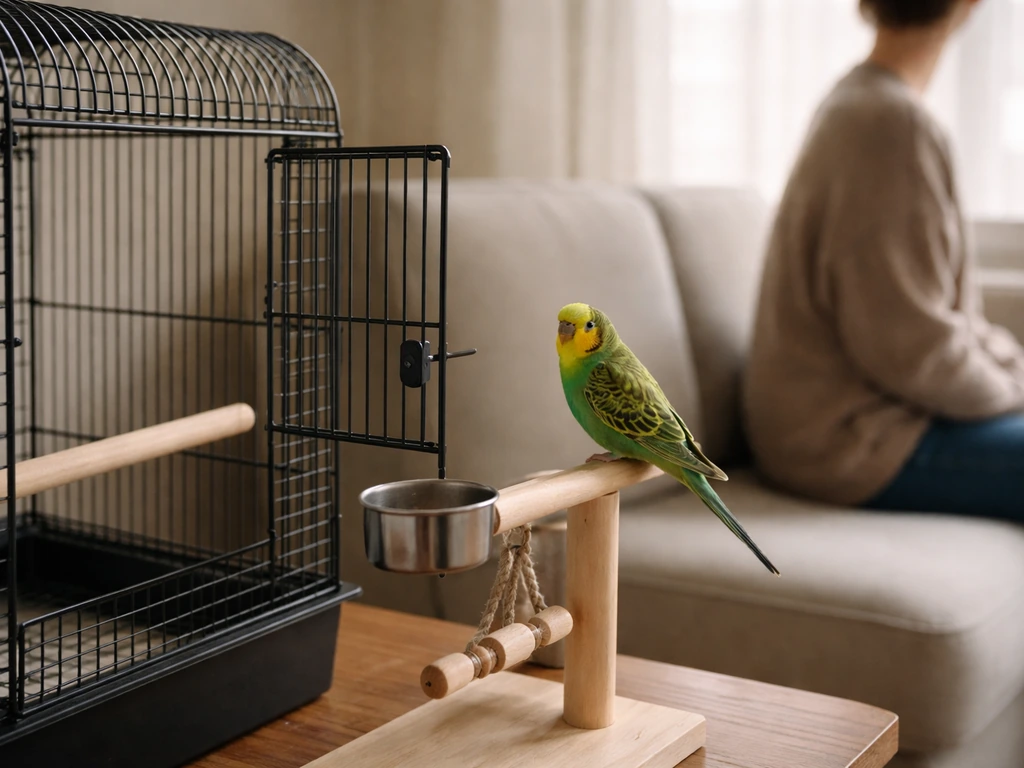
A lot of owners confuse shyness with genuine fear, and the difference matters because they need different responses from you. A shy bird might hesitate before approaching or take a while to warm up to new things. A scared bird is showing you something more urgent with its body.
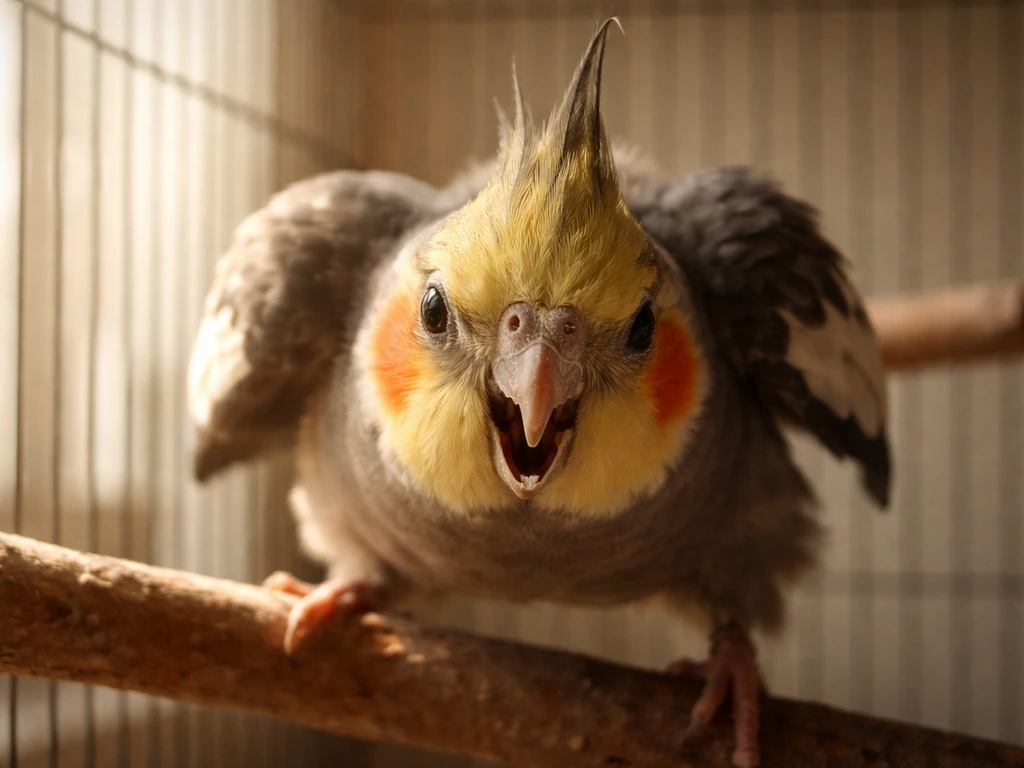
The clearest fear signal in birds is a stiff, flattened posture where the feathers are held tight against the body, making the bird look thin and rigid. This is the opposite of a relaxed bird, which looks loose and slightly fluffy. Other signs of fear include crouching with the head down, rapid eye movement or pinning pupils, spreading wings to look bigger, hissing, and trying hard to increase the distance between itself and you.
Watch what the bird does with its feet and body when you approach. A bird backing away, climbing to the farthest corner of the cage, or throwing itself against the bars is in a genuine fear state, not just being shy. Similarly, a bird that crouches and charges, or bites the moment you get close, is often scared rather than dominant. Fear and aggression overlap more than people realize.
Shyness typically fades on its own with gentle exposure over days. Fear that is sharp, consistent, or getting worse over time needs a deliberate plan. One thing worth noting: fluffed feathers that stay that way long-term, or a bird that seems lethargic and disengaged rather than just wary, can sometimes point to illness rather than purely behavioral fear. Keep that in mind as you read on.
Why your bird is scared of you in the first place
Understanding the cause helps you fix the right thing. Here are the most common reasons pet birds develop fear of their owners or of hands specifically. Common triggers for fear or avoidance can include sudden noises, rough handling, poor sleep, or changes in routine, and birds may also react to subtle cues like a cage moving or a hand reaching in too quickly.
- Past handling trauma: if the bird was grabbed, restrained, or startled repeatedly during early handling, it learned that hands mean something bad is coming.
- Poor socialization: birds that weren't handled much as juveniles often find human contact genuinely unfamiliar and alarming.
- Sudden movements or loud noises near the bird, especially if they happened during an interaction with you.
- A cage that was moved, rearranged, or repositioned in the room without the bird getting time to adjust.
- A hand reaching into the cage too quickly, particularly if the bird had no warning or couldn't track your approach.
- Changes in routine, like a new work schedule, a new person in the home, or disrupted sleep.
- Your own body language: approaching directly head-on, maintaining intense eye contact, or looming over the bird can all read as threatening.
- Underlying pain, illness, or chronic stress (covered in detail below).
One thing worth understanding about how fear works: once a bird learns that moving away from your hand makes the scary thing stop, avoidance gets reinforced. Every time the bird backs off and you retreat, the bird learns that fleeing works. That's not your fault, it's just how fear maintains itself. Breaking that cycle is exactly what the steps below are designed to do.
If your bird's fear came on suddenly rather than building over time, that deserves extra attention. If your bird seems suddenly scared of you, these same fear signals and causes can help you figure out what is driving the change and what to do next why is my bird suddenly scared of me. A sudden shift from normal behavior to fearful or phobic reactions can be a signal that something physical is wrong. Jump to the health check section before starting any training if this applies to you.
What to do today to make your bird feel safer
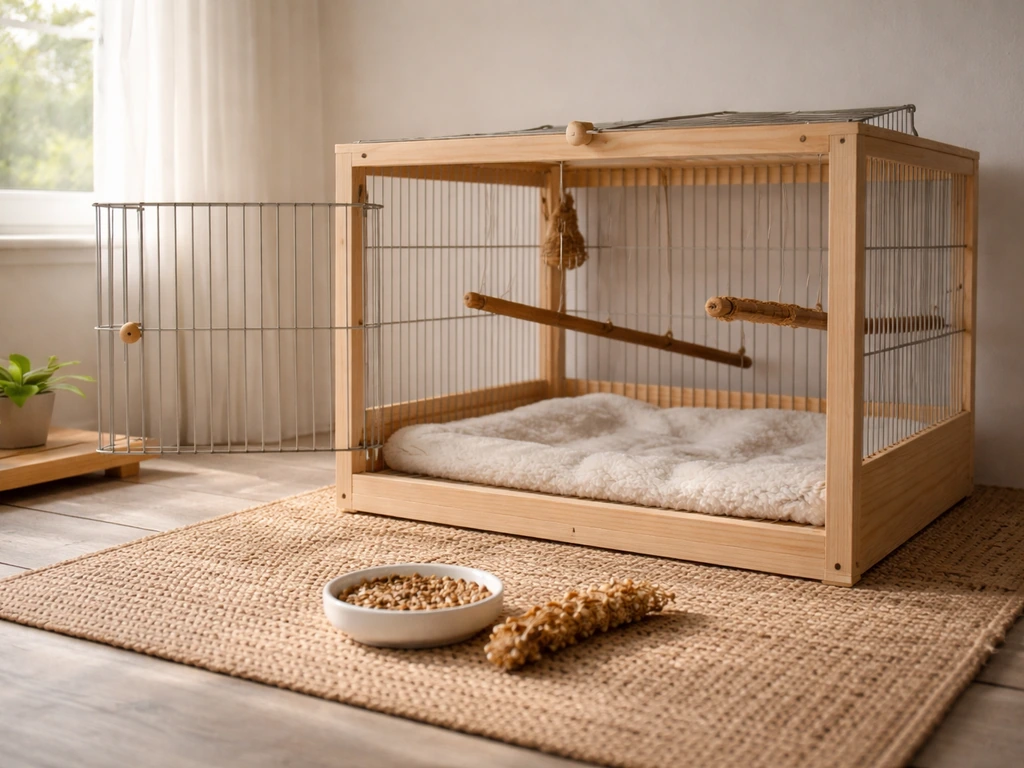
Before any training begins, you need to set up the environment so your bird isn't in a constant state of low-level stress. If your bird is clingy, it can be driven by stress or anxiety that makes them want to stay close, so the same trust-building and fear-reduction steps can help why is my bird so clingy. These are things you can do in the next few hours.
- Stop all forced contact immediately. No grabbing, no chasing, no trying to get the bird to step up if it's clearly uncomfortable. Forcing it makes fear worse, not better.
- Establish a consistent daily routine. Feed, uncover, and interact with your bird at the same times each day. Predictability is genuinely calming for birds.
- Reduce environmental stressors. Move the cage away from high-traffic areas, televisions on loud, or windows where predator birds might be visible. Make sure your bird is getting 10 to 12 hours of darkness for sleep.
- Lower your physical presence. Sit near the cage at your bird's eye level rather than standing over it. Avoid direct staring. Turn slightly sideways instead of facing the bird head-on.
- Talk calmly and consistently before you do anything near the cage. Let your bird learn that your voice predicts calm, normal events rather than unexpected intrusions.
- Give the bird something to do. Foraging toys, puzzle feeders, and enrichment items redirect attention and reduce vigilance, making it easier for the bird to relax when you're nearby.
The goal right now is just to lower the bird's overall arousal level. You are not trying to touch it today. You are teaching it that you being nearby does not automatically mean something stressful is about to happen.
Step-by-step trust building: desensitization and counterconditioning
These two techniques are the backbone of working with a fearful bird. Desensitization means gradually exposing your bird to the thing it fears at a low enough intensity that it doesn't trigger a fear response, then slowly increasing the intensity over time. Counterconditioning means pairing that feared thing with something the bird loves, usually food, so the emotional response starts to shift from fear to something more neutral or even positive.
You use them together. The key rule is this: if the bird tenses up, stops eating, leans away, or tries to move, you have gone too far too fast. Scale back to the previous step and stay there longer before progressing again.
Finding the comfort zone threshold
Start by identifying the distance at which your bird can see you but is still calm enough to eat a treat. This is your starting point. For some birds it might be across the room. For others it might be two feet from the cage. Whatever it is, that distance is not a failure, it's your baseline.
The basic desensitization sequence
- Sit or stand at the bird's comfort zone distance. Do nothing. Just exist there calmly for 5 to 10 minutes while the bird has access to food or a treat it enjoys. Do this twice daily.
- When the bird is consistently eating and behaving normally at that distance, move about 6 inches closer. Repeat the same calm sitting routine.
- Continue closing the distance in small increments over days, not hours. Never push two steps in one session.
- Once you can sit next to the cage without the bird showing stress, begin introducing your hand at a distance, held still with a treat on your palm or fingertip. Do not reach toward the bird.
- Let the bird make the choice to approach your hand. Do not move the hand toward the bird at this stage.
- Gradually reduce the distance between your still hand and the bird across multiple sessions, always pairing the hand's presence with something good.
Patience is the entire game here. Birds that took weeks or months to become fearful will not become trusting in a single afternoon. Expect this phase to take one to three weeks minimum for most birds, and longer for birds with significant handling trauma.
Training games that build confidence and connection
Target training
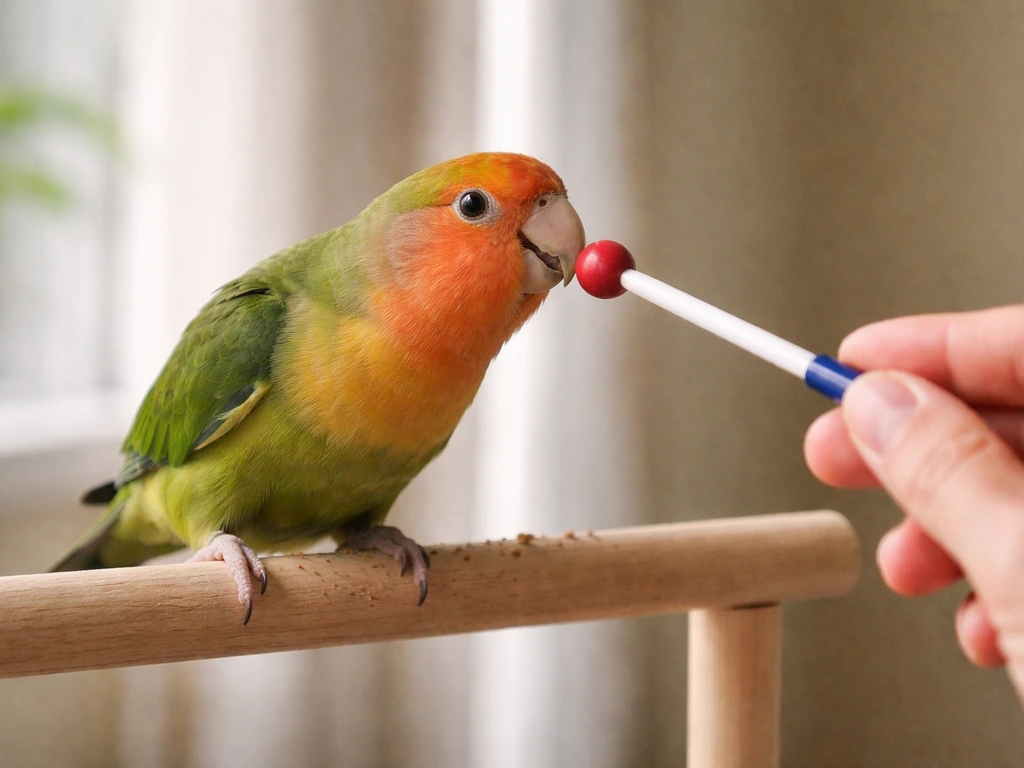
Target training is one of the best starting points for a fearful bird because it lets the bird choose to interact with an object rather than with your hand directly. Hold a target stick (or a chopstick, a pencil, anything small and neutral) near the bird. The moment the bird touches it with its beak, give a treat immediately. Over several sessions, the bird learns that touching the target earns a reward. You can then use the target stick to guide the bird toward you, toward a perch, or toward your hand, giving the bird agency over the whole interaction.
Step-up training without the fear
Once your bird is comfortable with your hand nearby, you can introduce the step-up cue. Pair your hand being presented with a verbal cue like 'step up' and offer a treat only available during that specific exercise. The first goal is not actually stepping up, it is just the bird staying calm when your hand is present and it hears the cue. Once the bird is consistently leaning toward your hand in response to the cue, only reward when it actually places weight on your hand rather than rewarding the leaning alone. For step-up training, when the bird begins to lean consistently toward your hand, withhold the treat until the bird actually puts weight on the hand, so you reward success rather than anticipatory fear behavior. Avoid any step-up attempt that might cause the bird to slip, fall, or be startled, because those experiences teach the bird that stepping onto hands ends badly.
Station or perch training
Teaching your bird to go to a specific perch on cue is genuinely useful for fearful birds because it gives them a predictable place to be rather than forcing you to chase or corner them. If your bird already knows target training, you can use the target stick to guide it to a designated perch, then reward heavily when it arrives. Over time, the bird learns that going to its station is safe and reliably good, which makes your interactions far less stressful for both of you.
Keeping routines consistent
Training works best when it happens at the same time each day, in short sessions of 5 to 10 minutes rather than long, exhausting marathons. End every session on a success, even a small one. If the session isn't going well, do one easy thing the bird already knows how to do, reward it, and stop there.
When fear might actually be pain or illness
This is important enough to put in its own section. Fear that appears suddenly, intensifies quickly, or comes with other physical changes is not always a behavioral problem. Birds instinctively hide illness, so by the time you notice something is off, it may have been building for a while.
Before you invest heavily in behavior training, take a few minutes to look at your bird carefully. Look for these signs that suggest a vet visit should come before any training plan.
- Feathers that are persistently fluffed (not just briefly after a bath or nap) — this can signal illness, not relaxation.
- Tail bobbing with each breath, wheezing, clicking sounds, or any open-mouth breathing at rest — these are serious respiratory warning signs.
- Changes in droppings: abnormal color, consistency, or dramatically reduced output.
- Limping, difficulty gripping the perch, favoring one foot, or abnormal wing position.
- Discharge from the nostrils, eyes, or vent.
- Dramatically reduced activity, not moving around the cage normally, or sleeping far more than usual.
- Unusual screaming or alarm calls that are out of character and persistent.
- Sudden fearful or phobic reactions in a bird that was previously relaxed or social.
If you see any of these alongside the fear behavior, contact an avian vet before continuing with any handling or training. A bird in pain or discomfort will not respond to training the way a healthy bird does, and pushing training on an unwell bird adds stress to an already compromised system. For birds that are extremely stressed, in pain, or unaccustomed to handling, a vet may even need to use sedation during examination, which tells you how seriously physical discomfort can affect a bird's ability to cope with contact.
If the physical checkup comes back clean and the fear is clearly behavioral, then you can move forward with confidence. But ruling out a health cause first is always the right call.
Troubleshooting setbacks and your 2 to 4 week plan
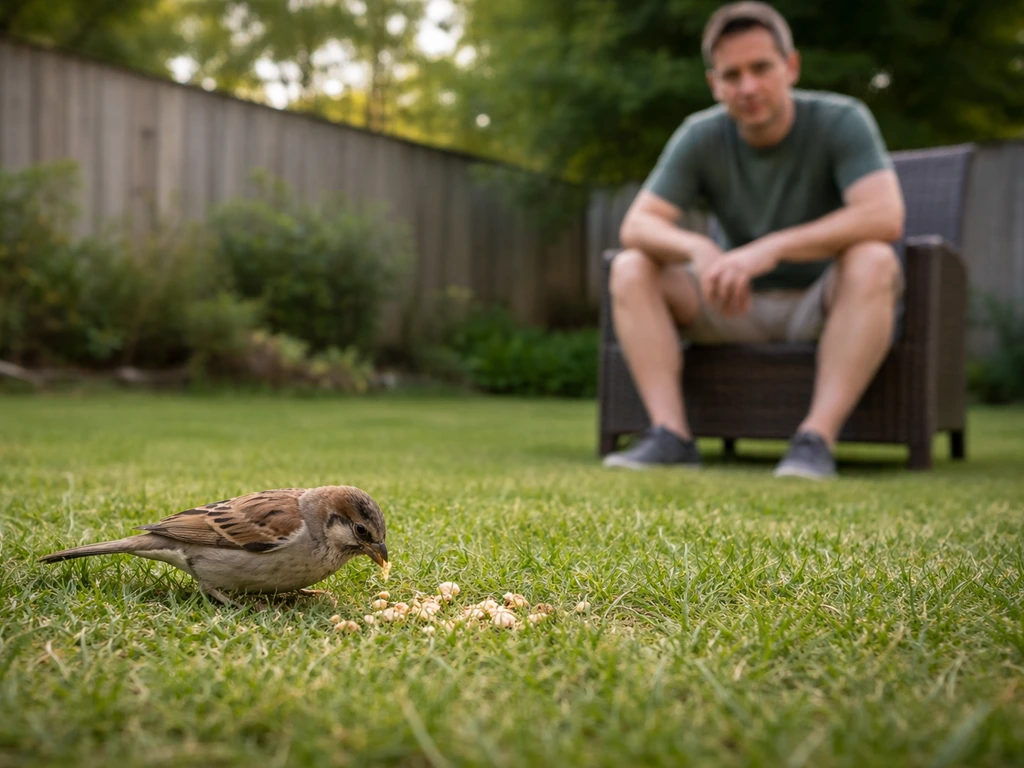
Progress with fearful birds is rarely a straight line. Here is how to handle the most common sticking points.
The bird still won't approach at all
You are probably still too close or moving too fast. Go back to sitting at the distance where the bird will eat, and stay there for several more days before attempting to move closer. Some birds need a full week at each distance step.
The bird bites when you get near
Do not react dramatically to a bite. Pulling away sharply, yelping, or staring the bird down all reinforce the behavior or increase arousal. Keep your reaction neutral and calm. More importantly, take the bite as information: the bird told you it wasn't ready for that level of proximity. Back off a step and slow down. Never try to force a step-up when the bird is already showing warning signs like a crouching posture, pinned eyes, or tight feathers. If you notice sudden aggression, it helps to rule out pain or illness before assuming the behavior is dominance why is my bird so aggressive all of a sudden.
The bird avoids your hand specifically
This is one of the most common issues and is its own area worth exploring in depth. Basically, the hand has become the specific trigger for fear, often due to past grabbing or startling during reach-ins. If your my bird is scared of my hands behavior feels tied to a specific moment or trigger, the same trust building steps below can help you work through it safely the hand has become the specific trigger for fear. Go back to target training with an object rather than your hand, and reintroduce the hand very gradually, always presenting it with a treat and keeping it completely still until the bird makes the first move toward it.
The bird regresses after a change or stressful event
Regression after something disruptive (a vet visit, a move, a new person in the home, a loud event) is completely normal. Go back two or three steps in your training plan, give the bird a few days to settle, and rebuild from there. Don't treat regression as failure, treat it as a signal to slow down.
A simple 2 to 4 week action plan
| Week | Focus | What success looks like |
|---|---|---|
| Week 1 | Environmental setup and calm presence. No contact. Sit near the cage twice daily. Establish routine. | Bird eats normally when you are nearby and stops alarm calling when you sit down. |
| Week 2 | Gradual distance reduction and hand introduction. Introduce target stick. Offer treats through cage bars. | Bird approaches the cage bars when you offer food. Shows interest rather than retreat. |
| Week 3 | Outside-cage interactions if the bird is ready. Target training to hand, perch, and station. | Bird will touch target stick. Tolerates your hand nearby without retreating. |
| Week 4 | Begin step-up practice with verbal cue and treat pairing. Reinforce station behavior. | Bird leans toward or places weight on hand during step-up cue. Shows relaxed body language during short sessions. |
Not every bird will follow this timeline exactly. Some will move faster, others will need six to eight weeks or more. What matters is that you are making progress, even if it is slow. If you are several weeks in with no improvement at all, consider consulting a certified parrot behavior consultant who can observe the bird directly and tailor a plan to what they see.
It is also worth knowing that sudden fear, fear of everything in the environment (not just you), and fear that seems tied to aggression can each have slightly different roots. If your bird is afraid of everything around it, you may need to address the broader anxiety, not only fear of you fear of everything in the environment. Those related patterns are worth understanding alongside this guide, because sometimes what looks like fear of you is actually a broader anxiety that touches everything in your bird's world.
FAQ
How can I tell if my bird is scared of me versus just being shy or wanting space?
Look at posture and behavior together. Shyness usually shows hesitation without strong fear signals, like a bird that pauses and watches but can still eat comfortably. Fear is more likely when you see tight feathers, crouching with the head down, pinned pupils or rapid eye movement, hissing, wing-spreading to look bigger, or intense distance-seeking behaviors like backing to the farthest corner or charging/barring. The quickest check is whether the bird can take a treat while you stay nearby.
What should I do if my bird stops eating the moment I enter the room or approach the cage?
Treat it as you being too close or too stimulating. Step back to the last distance where the bird still ate, then repeat the “watch-and-treat” distance routine for several days before trying again. If the bird is not eating at any distance, pause training and do a health check, because a fear response that suppresses appetite can also point to illness or pain.
Is it okay to talk to my bird while I’m doing desensitization and counterconditioning?
Yes, but keep it consistent and low arousal. Use a calm, predictable voice and avoid sudden enthusiasm, loud laughter, or frequent changes in tone. Consistency matters because the bird learns patterns from what you do, not just what you “mean,” and unpredictable sound can raise arousal even if your body is still.
Can I use my hand to lure my bird instead of target training?
For a scared bird, start with a neutral object, not your hand. Hands are often the specific trigger, especially if there were past grabs, startled reach-ins, or a painful experience during handling. Target training gives the bird agency because it chooses to contact the object, and you only reward that choice, not proximity to your fingers.
My bird bites when I try to do step-up, but it stops biting when I retreat. Does that mean dominance?
Not necessarily. A bite that reliably happens at the moment your hand reaches closer often fits fear, since avoidance is reinforced when you back off after the bite. Rule out pain first if the fear is sudden or worsening, then treat the step-up attempt as too advanced. Go back to calm hand presence without asking for contact, then resume only when the bird can lean toward your hand with minimal tension.
What’s the safest way to handle a bite if it happens during training?
Stay neutral and avoid pulling away sharply, yelling, or intense staring. Back off one step in distance or intensity immediately, and do not try another step-up attempt that day. After a bite, return to an easier success like target touches or rewarding calm behavior from farther away, then end the session early.
How long should I expect it to take before my bird is less afraid of me?
Plan for at least one to three weeks for many birds during early trust rebuilding, and longer if the bird has a history of handling trauma or if fear is escalating. If you have several weeks with no improvement at all, that’s a good time to seek an in-person observation from a certified parrot behavior professional, because the baseline triggers and distance may be wrong for your specific bird.
My bird seems to get worse after a vet visit or a move. Should I restart from zero?
No, use regression as a speed-control tool. Go back two or three steps to the training level where the bird was reliably calm and eating, then rebuild slowly for a few days. Treat regression as information that arousal increased, not as a failure of training.
My bird is scared of me only when I reach from certain angles. What can I do?
Angles and motion speed can be major triggers. Practice desensitization while you approach from the least triggering position and keep your hand or body movement very slow and predictable. If your reach direction matters, make your training match that safe angle, then only gradually generalize by making small changes one at a time.
When is it better to stop training and contact an avian vet right away?
Stop and contact an avian vet if fear is sudden, intensifies quickly, or comes with other physical changes such as lethargy, fluffed posture that persists, reduced activity or disengagement, or any sign the bird isn’t feeling well. Birds often hide illness, so if the fear behavior is accompanied by appetite changes or any “something feels off” signs, ruling out medical causes should come before continuing training.
Next Articles
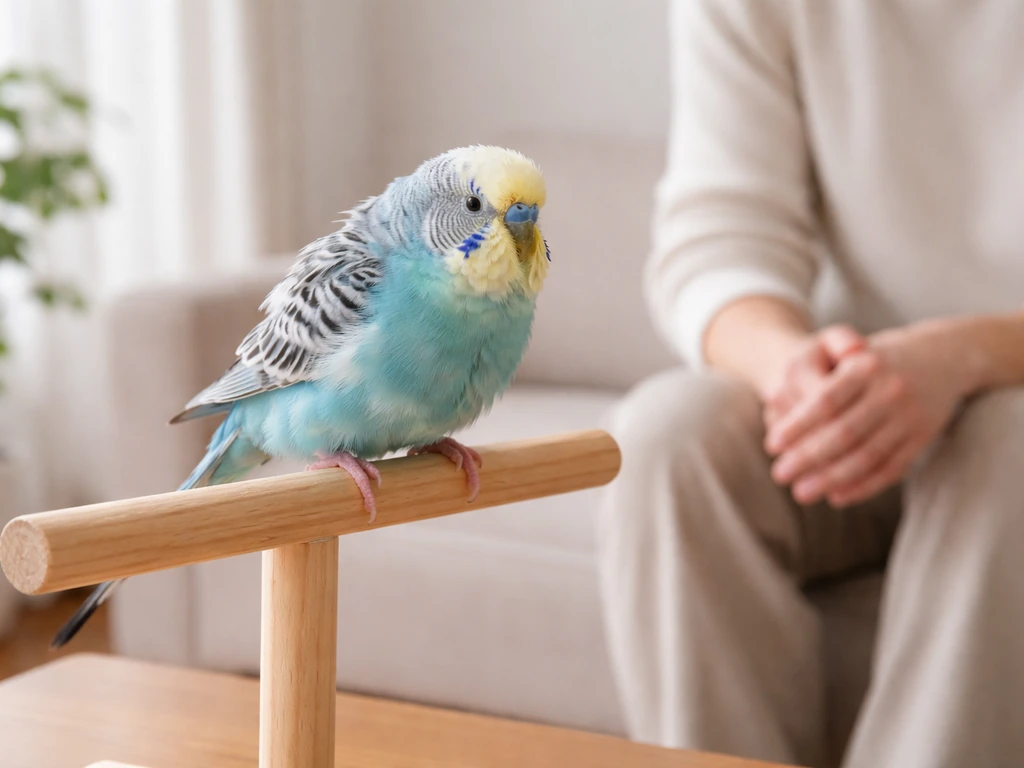
Why Is My Bird Suddenly Scared of Me? Causes and Fixes
Find why your bird suddenly fears you and get step-by-step fixes, trigger checks, body-language tips, and vet red flags.
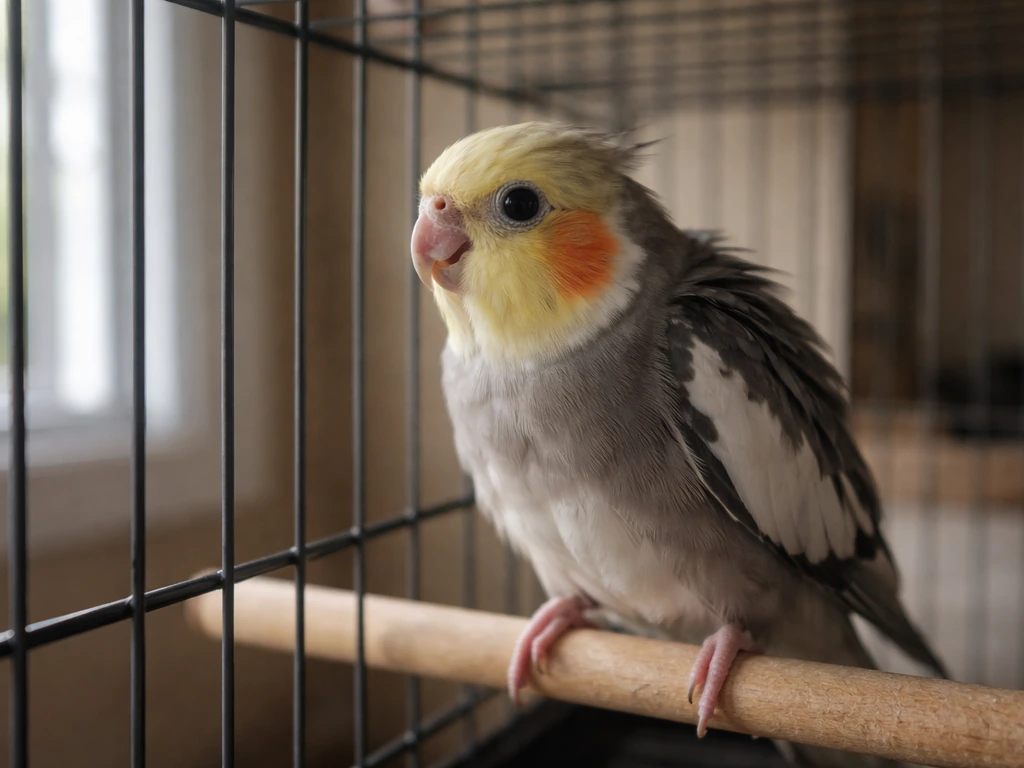
Why Is My Bird Scared of Everything? Fix Fear Fast
Learn fast fixes for a fearful bird: causes, safety steps, cage tweaks, trust training, and vet red flags.
Why Is My Bird So Aggressive All of a Sudden? What to Do
Troubleshoot sudden bird aggression: spot triggers, adjust handling and cage setup, identify hormonal vs pain causes, an