
Birds shred paper because it mimics foraging and nest-building, two deeply wired instincts they never fully lose in captivity. For most pet birds, tearing up a paper towel or the newspaper lining their cage is completely normal and usually harmless. The part worth paying attention to is when the shredding becomes frantic, compulsive, or shows up alongside other behavioral or physical changes, because that can signal boredom, stress, hormonal drive, or occasionally something medical.
Why Is My Bird Shredding Paper? Causes and What to Do

Marcus Chen
31 May 2026
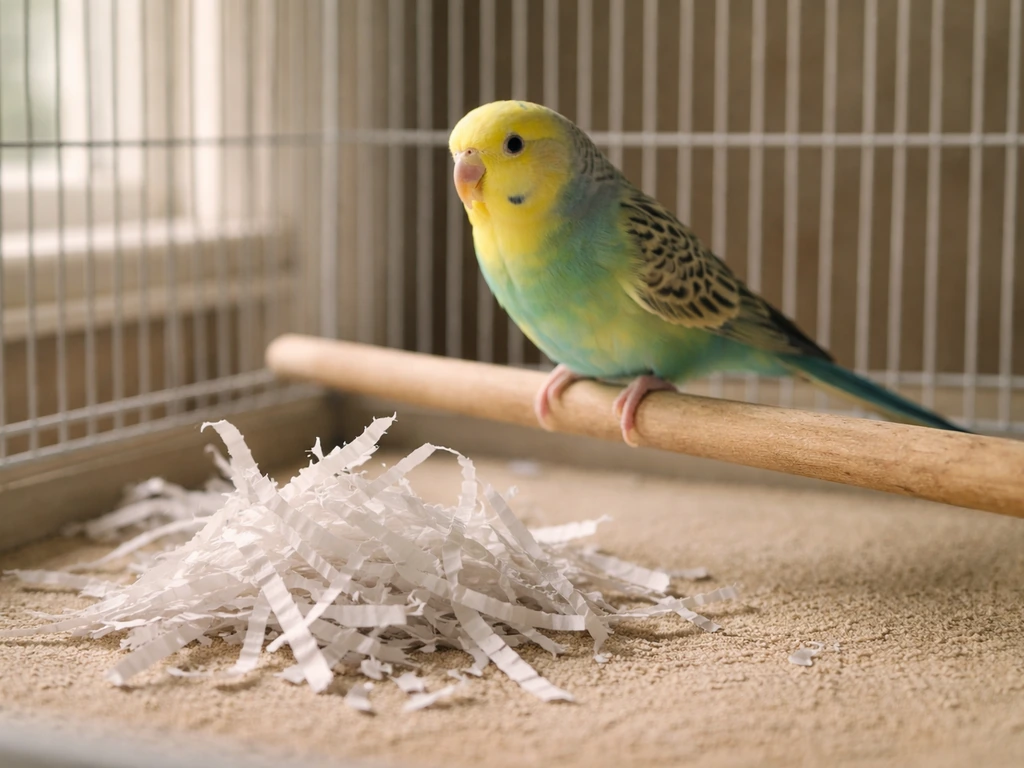
Normal vs. Problematic Shredding Behavior
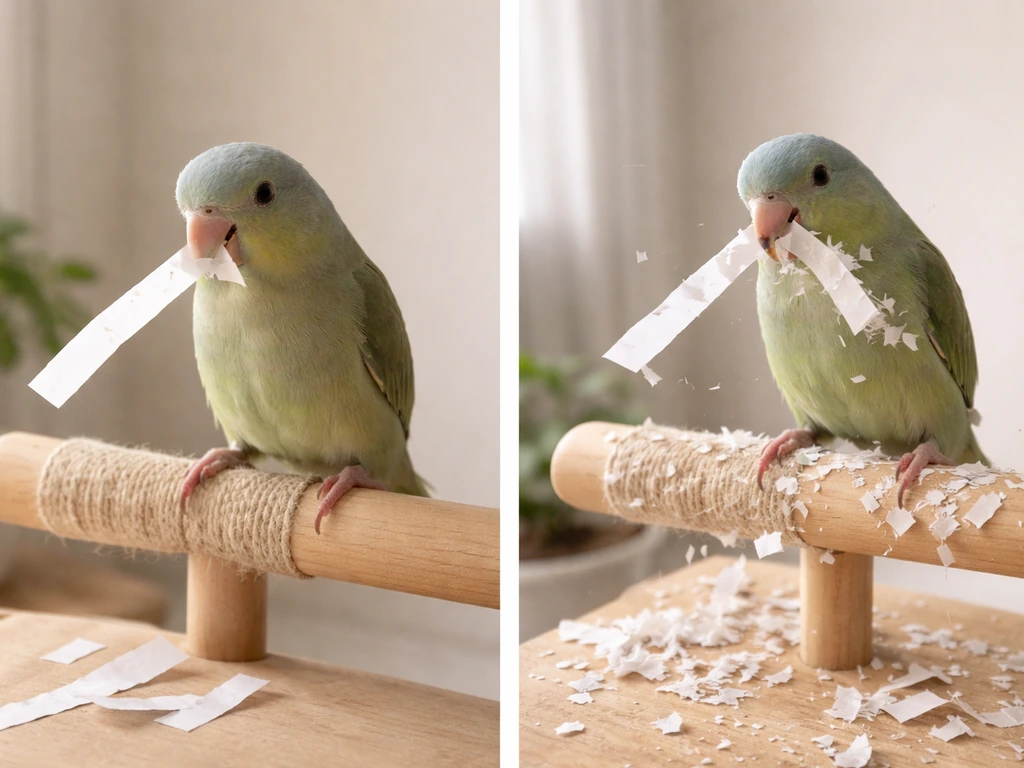
Normal shredding looks playful and purposeful. Your bird grabs a strip, works it with their beak, maybe carries it around, and moves on. It fits into the flow of their day alongside eating, playing, and interacting with you. This kind of shredding is genuinely enriching for them.
Problematic shredding has a different quality to it. It tends to be repetitive and hard to interrupt. The bird may ignore food, toys, and social interaction in favor of shredding. You might notice they're obsessively collecting shredded pieces in a corner, or that the behavior spikes at a particular time of year. If the shredding is paired with feather condition changes, appetite shifts, unusual droppings, or breathing that looks labored, that combination is worth taking seriously.
| Type | What it looks like | What it usually means |
|---|---|---|
| Normal shredding | Playful, occasional, mixed into daily activity | Foraging instinct, enrichment, mild play |
| Nesting-driven shredding | Focused, material-collecting, seasonal spikes | Hormonal/reproductive behavior |
| Boredom-driven shredding | Repetitive, fills most of the day, little variety | Under-stimulated environment |
| Stress-driven shredding | Frantic, hard to interrupt, paired with skittishness | Fear, schedule disruption, environmental stress |
| Compulsive shredding | Intense, frequent, displacing other behaviors | Possible stereotypy, warrants vet attention |
Enrichment, Boredom, Instinct, and Nesting: The Most Common Causes
Shredding is essentially foraging behavior redirected to paper. In the wild, birds spend a huge portion of their day manipulating materials with their beaks, pulling apart bark, stripping leaves, and investigating textures. Paper happens to be accessible and satisfying to shred, so birds go for it.
Boredom is probably the most common driver of excessive shredding. When a bird doesn't have enough to do, shredding paper becomes a default activity that at least gives their beak something to work on. If you walk past the cage and your bird is methodically destroying every strip of liner paper with nothing else going on, boredom is a reasonable first guess. If your bird is chewing on nothing, it's worth checking for boredom, stress, hormone-driven nesting behavior, or a medical issue that looks like compulsive beak activity.
Nesting instinct is a separate, hormonally driven cause that's easy to miss if you don't know what to look for. When a bird (especially a female, but males too) starts shredding paper and tucking it somewhere, carrying strips to a corner of the cage, or spending time in a sheltered spot in the cage, they may be responding to reproductive hormonal signals. This can happen seasonally or be triggered by long daylight hours, certain types of physical contact, or access to shreddable materials. Research from avian veterinarians specifically flags access to shredding substrate as something that can actually intensify the hormonal drive, not just reflect it.
Stress and Fear Triggers That Lead to Paper Shredding
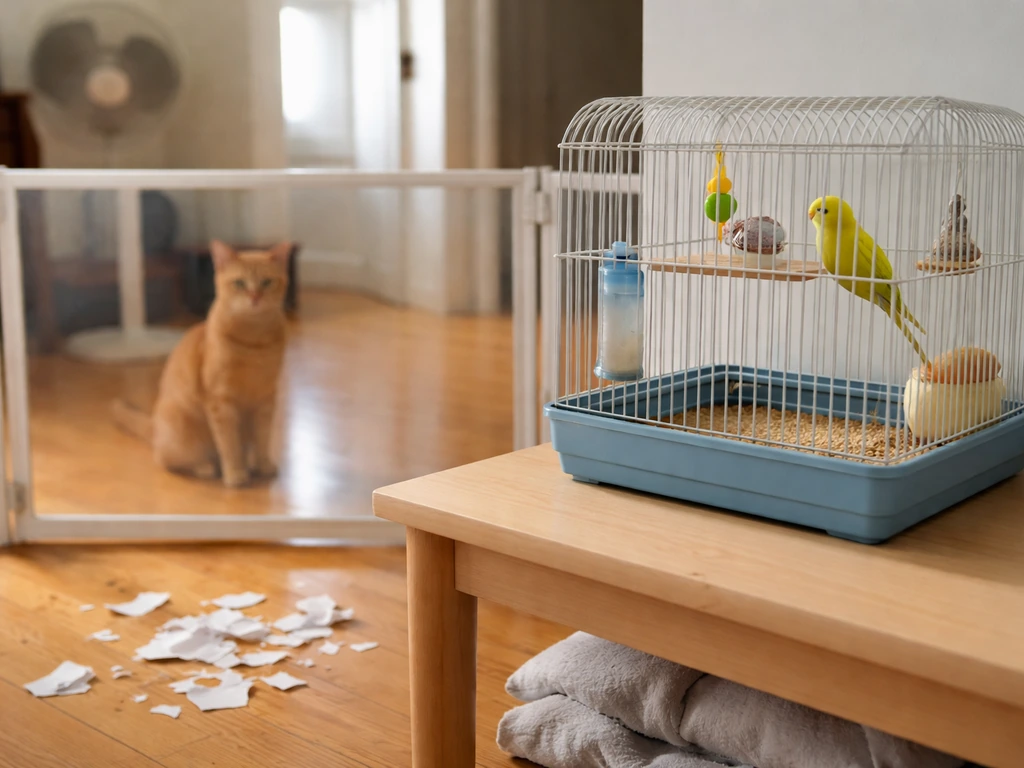
Stress-driven shredding often looks more urgent or compulsive than play-driven shredding. The bird isn't enjoying it the same way. Environmental stressors are a common culprit: a new pet in the household, a rearranged room, loud television or music near the cage, irregular schedules, or a change in who's home and when.
Fear triggers deserve specific mention. Cats, dogs, or other animals that approach or linger near the cage can keep a bird in a chronic low-level stress state, even if no direct interaction happens. Loud or startling noises (including violent or high-energy TV programming near the cage) can have the same effect. When a bird is stressed or fearful, repetitive behaviors like shredding can emerge as an outlet.
Sleep disruption is another factor that doesn't always get enough credit. Most parrots need around 10 to 12 hours of dark, quiet, uninterrupted sleep per night, depending on species. If your bird's sleep is being cut short by light, noise, or household activity, that chronic sleep deficit can show up as behavioral changes including increased, frantic shredding during the day. The AAV specifically calls out uninterrupted sleep as a key factor in managing stereotypic and stress-related behaviors.
Health-Related Reasons to Watch For
This is the part most owners overlook because shredding seems so behavioral. But physical discomfort, pain, and illness can all drive or intensify destructive behaviors. Skin irritation or parasites can make a bird restless and increase compulsive beak-related activity. Internal pain from digestive issues, respiratory problems, or infections can produce behavior changes that look a lot like stress or boredom at first glance.
The RSPCA's guidance on feather-damaging behavior is relevant here too: avian specialists caution against assuming behavioral causes without first ruling out physical ones. Blood work, skin evaluation, and even imaging may be needed to confirm there's no underlying disease driving the behavior. Psittacine Beak and Feather Disease (PBFD) is one specific condition that affects feather and skin integrity and can be associated with unusual beak-directed behavior.
One specific health concern with paper shredding: if your bird is actually ingesting paper rather than just shredding it, watch for signs of gastrointestinal trouble, including gagging, repeated swallowing attempts, or changes in droppings. Paper ingestion can cause obstruction in some cases. If you notice any of those signs, contact an avian vet promptly.
Signs that suggest the shredding may have a health component rather than a purely behavioral one include weight loss or changes in body condition, feathers that look dull, frayed, or abnormal, open-mouth breathing or labored breathing at rest, droppings that have changed in color or consistency, and lethargy or reduced interest in food. None of these alone proves a medical cause, but together with compulsive shredding they're a clear signal to get a professional assessment.
What to Check Today
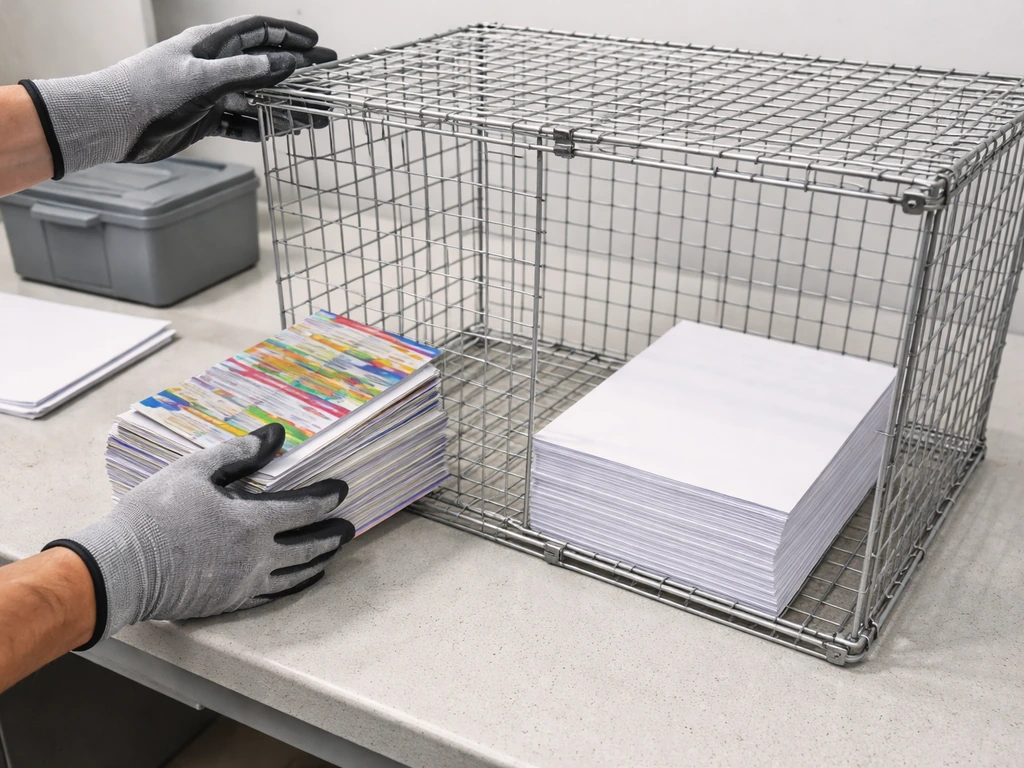
Before changing anything, do a quick audit of what's actually happening. Here's what to look at:
- Cage liner and materials: What paper is in the cage? Printed newsprint, glossy inserts, or chemically treated paper are worth swapping out. Plain unprinted paper liner or paper towels are safer options and easier to monitor for droppings.
- Toy variety: Does your bird have shredding-appropriate toys, or are they going straight for the cage liner because that's all that's available? If the cage liner is the most interesting shreddable thing in there, of course they're going for it.
- Sleep schedule: Is your bird getting 10 to 12 hours of darkness and quiet? If your bird's cage is in a busy living room, a cage cover and a consistent bedtime routine can help significantly.
- Environmental stressors: Is there a new pet, a new person, a moved cage, a new sound source, or a changed daily routine? Even things that seem minor to you can register strongly for a bird.
- Nesting cues: Is the shredding focused on material collection and corner-hoarding? Does your bird tuck into enclosed spaces? These are nesting signals, and limiting access to shreddable material is part of managing the hormonal drive.
- Out-of-cage time: Is your bird supervised when out of the cage? Unsupervised birds can find shredding opportunities in unexpected places (behind appliances, under furniture) and may also be accessing unsafe materials.
- Physical condition: Run through the basics. Are weight, feathers, droppings, and breathing all looking normal? Any changes there alongside the shredding warrant a vet call.
Practical Solutions: Safer Enrichment, Training, and Managing the Paper
Give them something better to shred
The most effective thing you can do is redirect the behavior to appropriate materials rather than trying to eliminate it entirely. Good options include plain paper (unprinted, undyed), cardboard strips, empty toilet paper tubes, coffee filters, paper straws, palm leaf, soft untreated wood pieces sized for your bird's beak, and seagrass or sola. These give the same tactile satisfaction without the risks of chemically treated or printed paper.
Foraging toys that incorporate shreddable materials are particularly effective because they add a mental challenge on top of the physical satisfaction of shredding. Hiding a small treat inside a folded paper packet or a cardboard roll turns shredding into a problem-solving activity, which hits multiple enrichment needs at once.
Manage access when nesting behavior is the issue
If the shredding looks hormonally motivated (material collection, nesting posture, increased territorial behavior), limiting access to shreddable substrate is a practical first step. A prevention approach for nesting behavior is to reduce or avoid access to perceived nesting sites while the bird is supervised out of the cage, since birds can find nesting spots in unexpected places like under furniture or appliances limiting access to shreddable substrate. This doesn't mean removing all enrichment, it means being deliberate about what's available and for how long. Avian vets who specialize in hormonal behavior management specifically recommend reducing access to nesting substrates as one of the first interventions. The goal is to dial down the environmental cues that are feeding the hormonal cycle.
Improve enrichment and routine
If boredom is the driver, the fix is variety and foraging opportunities. Rotate toys regularly so the cage doesn't feel stale. Add foraging challenges at different times of day. Increase predictable human interaction. A consistent daily schedule matters more than most owners realize: birds do better when they know when to expect feeding, interaction, and sleep.
Adjust the sleep environment
If sleep is being disrupted, a consistent covered sleep area away from household noise and light is worth prioritizing before trying anything else. Behavioral issues caused by chronic sleep deficit don't respond well to enrichment changes alone.
Limit unsupervised paper access
Keep your bird supervised during out-of-cage time if they're prone to finding paper around the house. Magazines, cardboard boxes, and loose paper on desks are all targets. This isn't about restricting freedom, it's about making sure what they're shredding is actually safe, and that you can monitor how much they're ingesting versus just shredding. Using paper liners can also help with easier health monitoring and better visibility of droppings, which matters since birds live close to the floor and some bedding can create dust or moisture issues or pose a chewing and swallowing risk for destructive birds monitor how much they're ingesting versus just shredding.
When to Worry and Contact an Avian Vet
Most paper shredding is normal. If you are also noticing your bird eating far more than usual, that can be a related clue to investigate alongside shredding why is my bird eating so much. But contact an avian vet if you're seeing any of the following:
- The shredding is compulsive and hard to interrupt, and has displaced most other normal daily behaviors
- The shredding is paired with feather plucking, self-directed biting, or any skin damage
- You notice weight loss, a change in droppings, reduced appetite, or lethargy alongside the increased shredding
- Your bird appears to be ingesting paper rather than just shredding it, especially if you see gagging, repeated swallowing, or regurgitation
- Open-mouth breathing or labored breathing at rest, which can indicate respiratory illness
- Feathers look abnormal, dull, or are falling out in unusual patterns
- The behavior started suddenly without any obvious environmental change
An avian vet may recommend a physical exam, blood panel, or imaging to rule out underlying medical causes before attributing the behavior to stress or psychology alone. That workup matters, because treating behavioral shredding with enrichment changes won't help if there's a physical cause driving it. Getting a baseline from an avian vet is worth it, especially if this is a new or escalating behavior.
Paper shredding on its own isn't usually a crisis. But your instinct to look into it is the right one. If your question is specifically about why your bird is eating dirt, that can be a sign of missing nutrients, unwanted stress, or a medical issue and is worth checking alongside shredding behavior why is my bird eating dirt. If you're also seeing your bird throw or refuse certain foods, the same stress and health factors behind shredding can be worth investigating too throwing or refusing certain foods. Watch the full picture: what the shredding looks like, what else is going on with your bird, and whether anything in their environment or routine has changed. A lot of birds also chew on household objects when they are understimulated or responding to stress, so it helps to review the broader pattern of beak chewing why does my bird chew on everything. If your bird is also sitting in or avoiding eating while remaining fixated on her food, that can point to a different set of causes worth investigating why does my bird sit in her food. That context tells you a lot more than the shredding itself.
FAQ
Is it ever dangerous if my bird shreds paper, even if it seems “normal”?
The main risk is ingestion. Even if shredding looks playful, some birds swallow small bits. If you notice frequent swallowing of paper fragments, gagging, or sudden changes in droppings, treat it as a medical concern and get an avian vet’s guidance.
How can I tell the difference between playful shredding and compulsive, stereotypic behavior?
Playful shredding usually fits into the day, stops when redirected, and doesn’t monopolize attention. Compulsive behavior is repetitive, hard to interrupt, and tends to ramp up around a specific time, with loss of interest in toys, food, and social interaction.
Should I remove all paper and cardboard from my bird’s area if the shredding is excessive?
Not automatically. Better to limit problematic nesting cues or remove printed and treated paper, then provide safe alternatives sized to your bird’s beak. If hormonal, schedule-controlled access to shredding materials is often more effective than removing all enrichment.
My bird only shreds at certain times of day, is that still a “behavior” issue?
Timing can point to sleep disruption, routine changes, or hormone cycles. For example, late-afternoon or early-evening spikes often correlate with less quiet time or lighting changes. Track when it happens alongside household noise, bedtime routine, and day length.
What types of paper are safest to offer for shredding?
Unprinted, undyed paper, plain cardboard strips, empty toilet paper tubes, coffee filters, and untreated natural fibers like palm leaf or sola are generally safer choices. Avoid anything dyed, glossy, heavily printed, or made with unknown chemicals, and skip anything that sheds fibers small enough to be swallowed easily.
Can shredded paper change my bird’s droppings or appetite?
A small amount of ingested paper can cause GI irritation and may lead to unusual droppings, straining, or temporary appetite changes. If you see persistent changes in droppings color, consistency, or frequency, or your bird stops eating normally, don’t wait it out.
What if my bird shreds even when I give shredding toys, could it be something else?
Yes. If the behavior persists after adding appropriate enrichment, it may be stress, fear, hormonal drive, or illness. Also check whether the “shredding toys” are actually accessible and engaging, and whether the environment includes triggers like loud noise, drafts, or frequent cage disturbances.
How much sleep does my bird need, and what counts as “disrupted”?
Many parrots require roughly 10 to 12 hours of uninterrupted darkness nightly, but species vary. Disruption includes household lights at night, a TV in the room, moving around near the cage, or frequent disturbances that prevent deep rest even if the bird is technically “covered.”
When should I call an avian vet for shredding?
Call promptly if shredding becomes frantic or escalating, if you see weight loss, dull or abnormal feathers, labored open-mouth breathing at rest, lethargy, changes in droppings, or signs of paper ingestion like gagging or repeated swallowing attempts.
Could shredding be related to hormones if my bird is male or if I don’t see nesting behavior?
Yes. Hormonal influence isn’t limited to females or nest building. Increased territorial behavior, begging for attention on a schedule, carrying items to secluded spots, and heightened aggression during breeding seasons are additional clues. Still, don’t assume hormones until you rule out medical causes, especially if the shredding is sudden.