
Most of the time, a bird chewing on nothing is doing something completely normal: rehearsing foraging movements, working through a hormonal phase, or just keeping their beak busy out of boredom. But the same jaw-working, air-snapping motion can also signal mouth pain, a crop issue, a respiratory problem, or a neurological concern. The key is knowing what to look for alongside the chewing, and that's exactly what this guide walks you through. If your bird is eating dirt, it can also point to nutrition issues or a behavior that deserves a closer look alongside the chewing behavior why is my bird eating dirt.
Why Is My Bird Chewing on Nothing? Causes and What to Do

Marcus Chen
4 May 2026
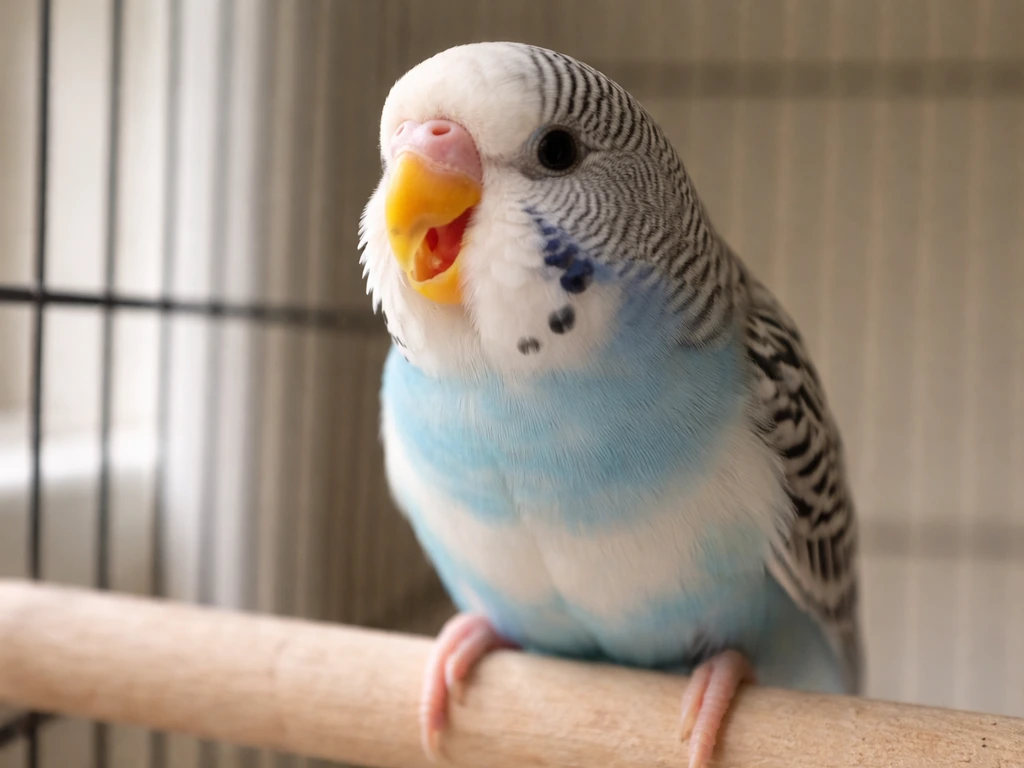
What 'chewing on nothing' actually looks like
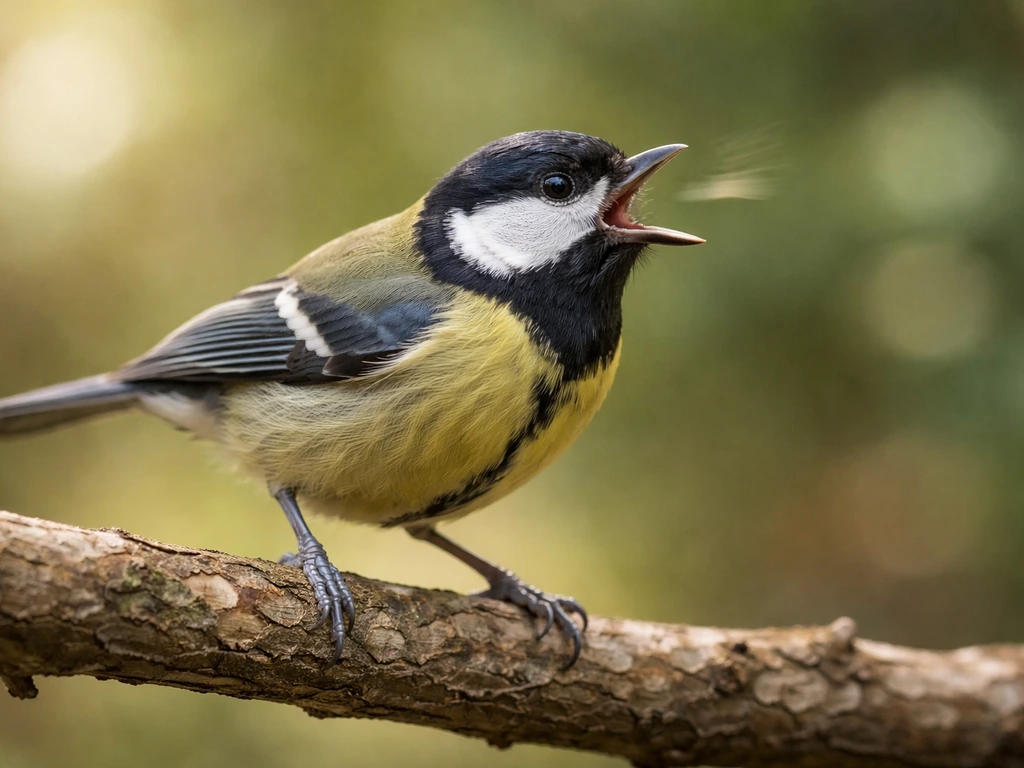
Before jumping to causes, it helps to nail down what you're actually seeing. 'Chewing on nothing' covers several related behaviors that look slightly different from each other.
- Air biting or snapping: short, sharp beak movements as if catching invisible food
- Repetitive jaw grinding or mashing: slow, rhythmic side-to-side beak motion with nothing in the mouth
- Mouthing the air: open-and-close beak movements that look like they're trying to swallow or taste something
- Tongue flicking with beak movement: the tongue moves in and out while the beak works
- Beak wiping on a perch mid-chew: chewing then immediately rubbing the beak against a surface
All of these can be totally benign. All of them can also be a sign that something is off. The difference usually comes down to frequency, timing, and what else the bird is doing at the same time.
Behavioral reasons your bird chews on nothing
The majority of cases have a behavioral explanation. Here are the most common ones.
Foraging rehearsal and beak maintenance
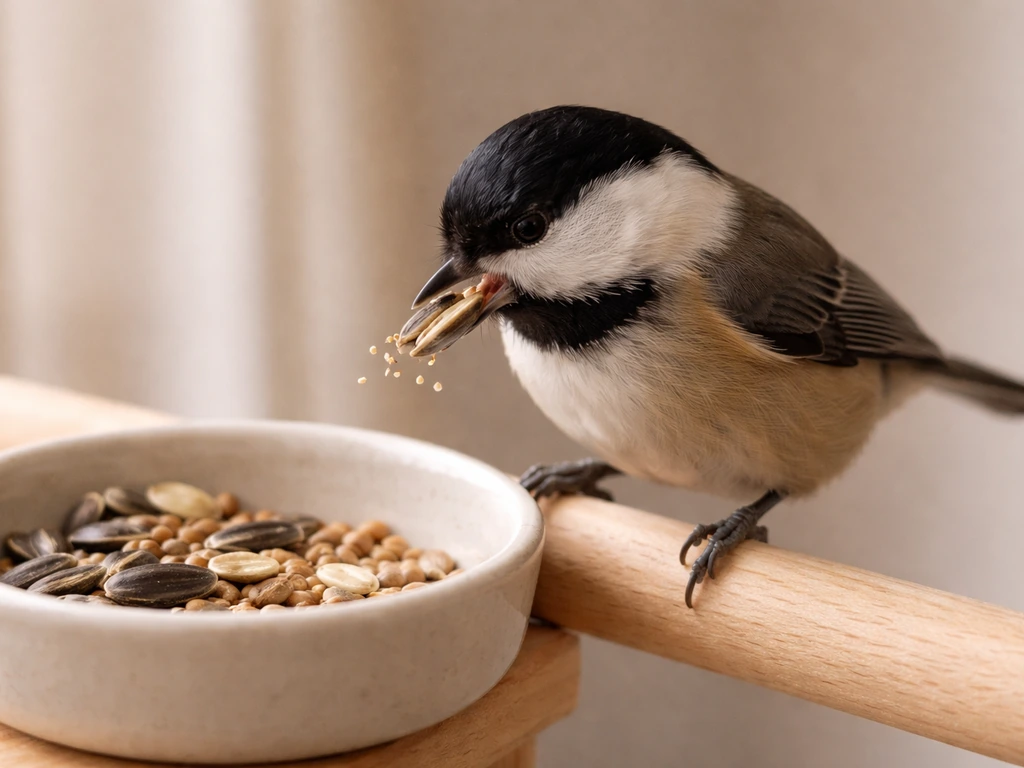
In the wild, birds spend hours foraging: cracking seeds, stripping bark, probing crevices. In a cage with food in a dish, that drive doesn't disappear. Birds often perform foraging movements on autopilot, especially after eating or when they're alert and active. If your bird does this mostly in the morning or after meals, foraging instinct is a very likely explanation.
Boredom
A bird with too little stimulation will find ways to keep busy. Repetitive air chewing, especially when paired with pacing, feather fiddling, or excessive vocalization, is often a boredom behavior. If your bird is also eating much more than usual, check whether the behavior is tied to diet or stress rather than just general boredom. If it picks up when you leave the room or when the house is quiet, that's a strong signal.
Stress and self-soothing
Some birds chew the air as a self-soothing response to stress, similar to how people tap their feet or chew a pen. New people in the home, a change in routine, loud noises, cage rearrangement, or a new pet can all trigger this. Watch whether the behavior spikes during specific situations.
Hormonal phases
During breeding season or hormonal surges, many birds become orally fixated. They may chew on objects, people, or the air more than usual. This is especially common in spring and is often accompanied by other hormonal behaviors: regurgitating at you, tail fanning, or becoming territorial. If your bird is going through a seasonal phase, the chewing is likely just part of it.
Play and mimicry
Parrots especially will mimic actions they've watched you do, including eating. Some birds chew the air when they see you eating or when they're in a playful, exploratory mood. If it happens while the bird is bright-eyed, active, and social, it's almost certainly play.
Health causes that can make a bird chew on nothing
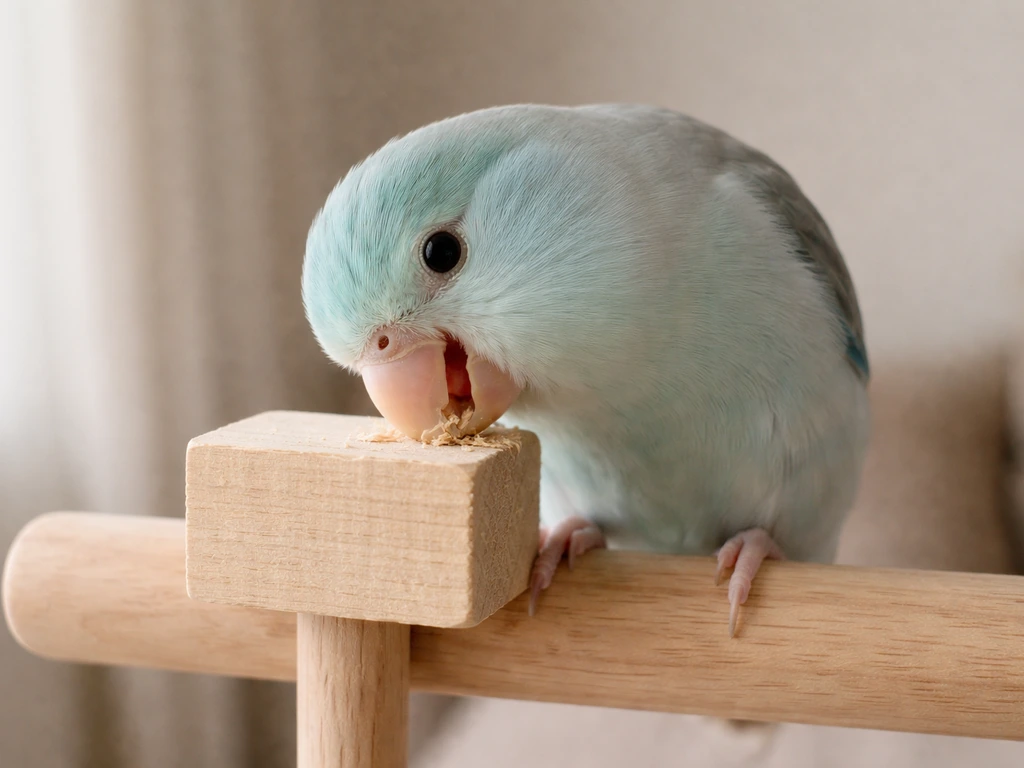
This is where things get more serious. Several medical conditions produce chewing, jaw working, or air-snapping behaviors, and these shouldn't be dismissed.
Beak discomfort or overgrowth
An overgrown, misaligned, or irritated beak is uncomfortable, and birds respond by grinding, rubbing, or working the beak constantly. Look at your bird's beak face-on and from the side. The upper and lower mandibles should meet neatly. Any visible peeling, flaking, unusual length, asymmetry, or discoloration warrants a vet check.
Mouth pain or oral infection
Oral infections, mouth ulcers, or lesions (including candidiasis/thrush and trichomoniasis) cause discomfort that makes birds work their beaks. If you can safely and briefly look inside the beak, you're looking for redness, white or yellow plaques, unusual coating, or any visible sore. Don't force it; if the bird resists, let a vet look instead.
Crop or throat discomfort
Crop issues (crop impaction, slow crop, or crop infection like megabacteriosis) can cause a bird to repeatedly swallow, gape, or chew the air as they try to manage discomfort or move food through. If your bird is specifically sitting in or near her food while chewing, it can point to crop or throat discomfort that needs a closer look chew the air. If this chewing happens right after eating, and especially if you notice the blank" rel="noopener noreferrer">crop staying full longer than usual or the bird regurgitating without the normal regurgitation posture, crop trouble may be the cause.
Respiratory problems
This is one of the more urgent possibilities. Birds with upper respiratory infections or airway irritation sometimes open and close their beaks, appear to be chewing or swallowing repeatedly, and make clicking or wet breathing sounds. Open-mouth breathing at rest is a serious red flag in birds. Any wheezing, blank" rel="noopener noreferrer">tail bobbing with each breath, or nasal discharge alongside the chewing should be treated as urgent. Veterinary sources consistently flag open-mouth breathing and labored breathing as signs requiring prompt professional evaluation.
Neurological or seizure-like activity
Less commonly, repetitive jaw movements can be neurological in nature, resembling focal seizures. These episodes typically look mechanical and rhythmic rather than purposeful, and the bird may seem unaware of its surroundings during them. Possible causes include vitamin deficiencies (especially vitamin E and selenium), heavy metal toxicity, or brain involvement from infection. If the chewing looks robotic and the bird seems 'zoned out,' that needs veterinary attention.
Pain from other sources
Birds in pain from unrelated injuries (a damaged foot, wing, or internal issue) sometimes redirect discomfort into repetitive oral behaviors. If you also notice wing drooping, foot guarding, reluctance to move, or a hunched posture, the chewing might be a secondary sign of pain elsewhere.
Quick home checks you can do right now
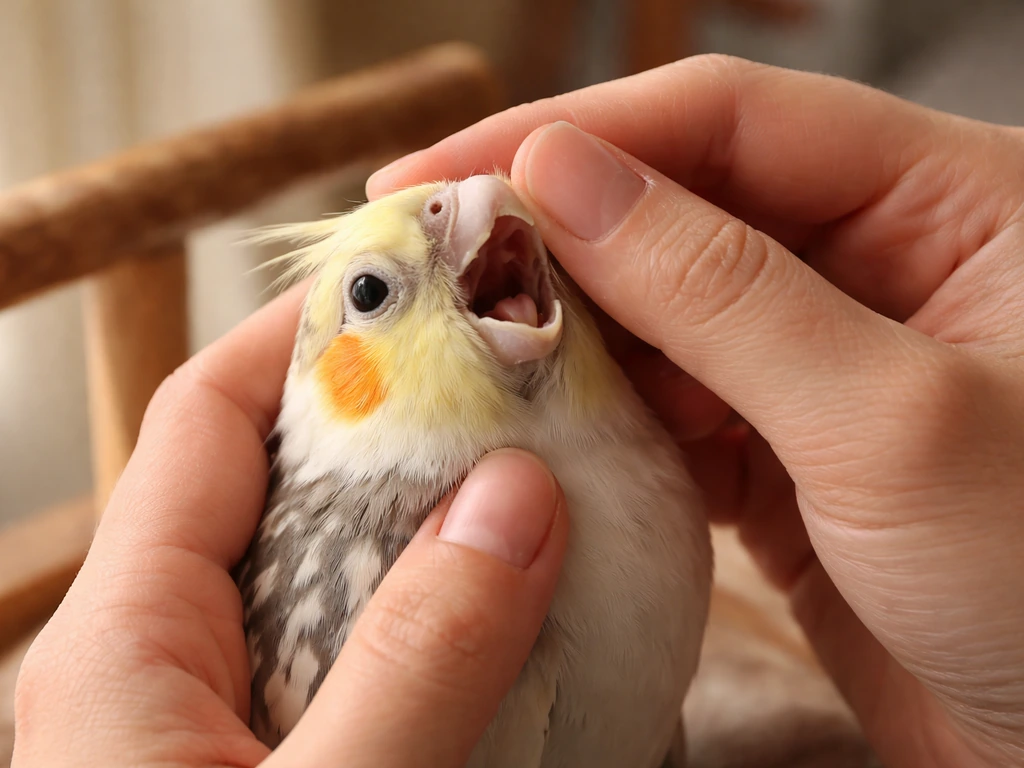
Before you do anything else, run through this checklist. It takes about 10 minutes and will give you a much clearer picture of what's going on.
- Check timing: When does the chewing happen? Morning, after meals, when you leave, at night, only during certain interactions? Note this precisely.
- Check frequency and duration: Is it occasional and brief, or is it constant and prolonged? A few seconds here and there is very different from minutes of non-stop jaw working.
- Observe the beak: Look at alignment, length, surface texture, and color. Any asymmetry, overgrowth, flaking, or discoloration is worth flagging.
- Look at the droppings: Changes in color, consistency, or volume can point to illness. Watery or discolored urates, or droppings that smell unusually strong, are signs something's off.
- Check appetite: Is the bird eating normally? Refusing food or eating much more than usual alongside the chewing is a meaningful data point.
- Watch the breathing: Look at the tail while the bird is at rest. It should be still. Rhythmic tail bobbing with each breath is a respiratory warning sign. Listen for clicking, wheezing, or wet sounds.
- Scan the environment: Is there something new in the cage or room? New cage placement near a draft, cleaning products used nearby, new toys, or a change in diet? Environmental triggers are easy to miss.
- Check chew availability: Does the bird have safe things to chew on? A bird with no appropriate chew outlet is far more likely to chew the air out of frustration.
- Review the diet: Is the bird getting a varied diet with fresh foods, or mainly seeds? Nutritional gaps can contribute to both behavioral and physical symptoms.
- Check the sleep schedule: Birds need 10 to 12 hours of uninterrupted dark sleep. A sleep-deprived bird is more likely to show stress behaviors.
What you can safely try at home
If your checks point toward behavioral causes and there are no health red flags, there's a lot you can do right now to address the problem.
Add safe chew options
Give the beak something to do. Safe chewable options include untreated wooden toys, cork pieces, palm fronds, soft leather strips, paper (plain, unbleached), and cuttlebone. Rotate toys every few days to keep them novel. Many birds that chew the air stop doing it almost immediately when they have appropriate outlets. This connects to a broader pattern of birds shredding paper or chewing on everything, behaviors that all share the same root drive to use their beaks.
Introduce foraging activities
Instead of just filling a food dish, hide food. Wrap treats in paper, tuck them into foraging toys, or scatter them on a foraging tray with crinkled paper. Wrap treats in paper, tuck them into foraging toys, or scatter them on a foraging tray with crinkled paper, which can help redirect the urge behind why is my bird shredding paper. Even 10 extra minutes of foraging activity per day can noticeably reduce repetitive displacement behaviors like air chewing.
Adjust your handling and attention schedule
If the chewing spikes when you leave or when the bird hasn't had interaction, make sure you're giving structured out-of-cage time every day. But also avoid over-stimulating a hormonal bird, which can sometimes make jaw working worse. Balance is key.
Improve diet and hydration
If the diet is mostly seeds, transition gradually toward a pellet base supplemented with fresh vegetables and occasional fruit. Fresh water should be changed daily. Dehydration and poor nutrition can worsen both behavioral and physical symptoms.
Fix the sleep situation
If the cage is in a busy room with lights on late, your bird probably isn't getting enough sleep. Use a cage cover and move bedtime to a consistent time that gives the bird a full 10 to 12 hours of darkness and quiet.
Reduce known stressors
If you can identify what's triggering the chewing, reduce or eliminate that stressor where possible. New pets in the home, construction noise, strong cooking smells, or even a cage placed near a window with outdoor predators visible can all cause ongoing low-level stress.
Red flags that mean call an avian vet today
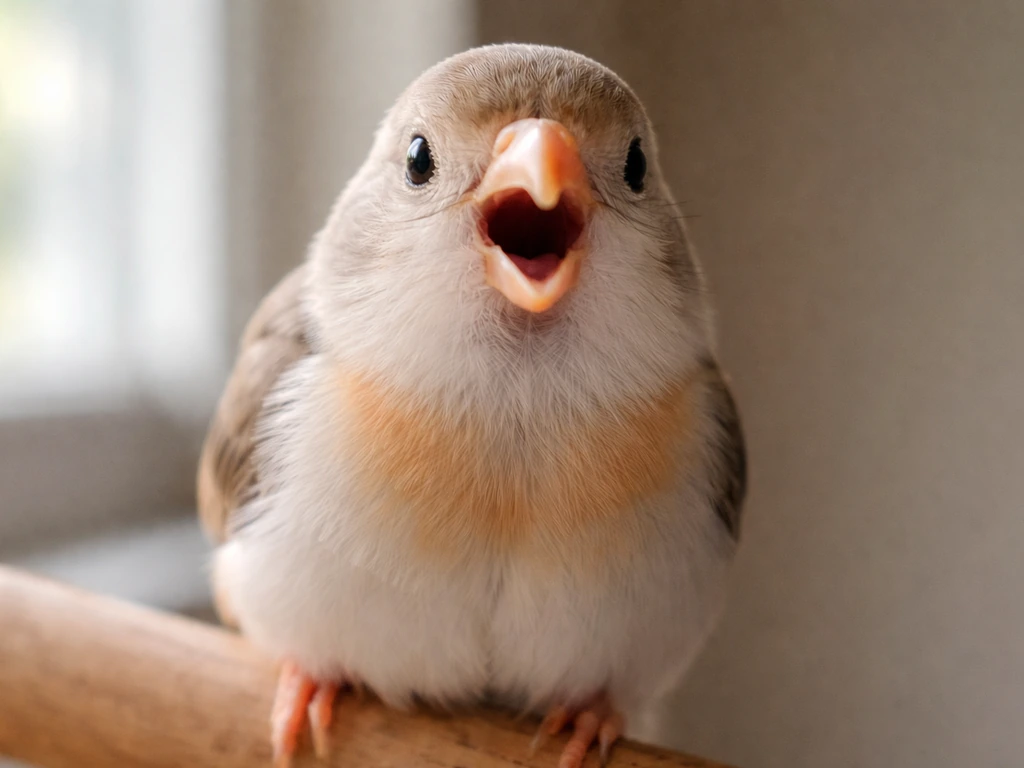
Some signs alongside the chewing mean you should stop troubleshooting at home and contact an avian vet right away. If you’re also seeing your bird throw or reject food, it can be a clue to discomfort or a medical issue rather than boredom, so it’s worth treating it as a red flag throwing his food. Don't wait to see if these resolve on their own.
- Open-mouth breathing at rest: this is urgent in birds and always needs same-day evaluation
- Wheezing, clicking, or wet sounds when breathing
- Tail bobbing with each breath, even while perched quietly
- Any nasal or eye discharge alongside the chewing
- Visible swelling around the face, beak base, or eyes
- White or yellow plaques, lesions, or unusual coating visible inside the mouth
- Crop that stays full hours after eating, or repeated regurgitation without the normal posture
- Sudden loss of balance, head tilting, or the bird falling off its perch
- Chewing that looks mechanical and rhythmic while the bird seems unresponsive or 'zoned out'
- Refusal to eat for more than 24 hours, or drastic appetite drop
- Obvious signs of pain: wing drooping, foot guarding, hunched posture, or complete stillness
- The behavior started suddenly and is getting worse quickly rather than improving
Birds hide illness well. By the time they show obvious symptoms, they're often sicker than they appear. When in doubt, call. An avian vet would much rather field a phone call that turns out to be nothing than see a bird that waited too long.
How to document for the vet and prevent it from coming back
If you do need to see a vet, or even if you're monitoring at home, good documentation makes a huge difference. Here's what to track.
What to record before the vet visit
- Video of the chewing behavior: even 30 seconds of clear footage on your phone helps the vet enormously, since birds often stop performing the behavior the moment they're at the clinic
- A log of when the behavior started, how often it occurs, and how long each episode lasts
- Any changes in the days before it started: new food, new toy, new person, cleaning products used, anything that changed
- Appetite notes: what the bird ate, how much, and whether anything was refused
- Dropping photos or descriptions: color, consistency, and any changes from normal
- Sleep and light schedule
- Current diet in detail: brand of pellets or seeds, which fresh foods, any supplements
- Any other symptoms you noticed, even if they seem unrelated
Preventing repeats
Once you've identified the cause, prevention is mostly about maintaining a stable, enriched routine. Keep the foraging and chewing enrichment fresh and rotating. Stick to a consistent sleep schedule year-round. Schedule annual avian wellness exams, which catch beak, crop, and respiratory issues before they become serious. If hormonal cycles are driving the behavior, discuss management options with your vet, including light cycle adjustments and dietary changes that can reduce hormonal intensity.
Keeping a simple behavior journal, even just a note on your phone when you notice something, means you'll always have a baseline to compare against. When something changes, you'll catch it earlier. That's the single most useful habit for any bird owner who wants to stay ahead of both behavioral quirks and health concerns.
FAQ
How can I tell if my bird’s air-chewing is normal boredom versus a medical problem?
Not necessarily. “Chewing on nothing” can be normal foraging rehearsal or self-soothing, but if it is paired with open-mouth breathing, wet clicking sounds, tail bobbing during breaths, nasal discharge, or the bird is breathing with its beak held open at rest, treat it as an urgent respiratory red flag and contact an avian vet the same day.
What checklist should I use to narrow down causes fast?
Start by checking timing and context, then do a quick visual beak and posture scan. If it happens mostly right after meals, while the crop area looks persistently full, or the bird regurgitates without the usual posture, prioritize crop or throat discomfort. If it spikes with a specific trigger (new person, noise, cage move), it is more likely stress-related.
How long should I try home changes before seeing a vet?
Usually, yes. If the behavior is stress or play related, it should improve within days after you add structured chewing and foraging outlets, reduce triggers, and stabilize sleep. If the chewing steadily increases, starts appearing during rest, or new signs appear (loss of appetite, sitting low, abnormal droppings), it is time to escalate to an avian vet rather than waiting.
Are there any foods or toys I should avoid when my bird is chewing on nothing?
You can offer safe chew and shred items, but avoid anything that can break into sharp fragments or includes toxic residues. Also avoid “just letting them chew” on loose cage parts, painted surfaces, or anything that can snag the tongue. If your bird has any beak damage or mouth sores, switch to gentler options (like plain paper or soft, clean chew material) and get a beak/mouth exam.
Can I treat possible thrush, trichomoniasis, or a respiratory issue at home?
Because different conditions worsen for different reasons, you should not try to “medicate” at home based on appearance alone. For example, mouth infections and respiratory problems require different treatment. If you see visible plaque, a sore, unusual beak asymmetry, or the bird resists letting you look inside, schedule an avian vet visit rather than trying over-the-counter remedies.
What does seizure-like chewing look like, and what should I do immediately?
If chewing looks rhythmic and the bird seems unaware or “zoned out,” that is different from purposeful beak work and can suggest neurological issues. In that case, record a short video (even 20 to 30 seconds), note what the bird was doing right before it started, and seek veterinary evaluation because causes like nutrient deficiencies or toxin exposure need specific testing.
Can my bird’s diet or dehydration cause air-chewing even if nothing looks wrong?
Pay attention to hydration and diet consistency. If fresh water is not changed daily, or the bird relies heavily on dry seeds without adequate vitamins and minerals, both behavior and beak or mouth health can worsen. When changing diet, transition gradually toward pellets while adding vegetables, then track whether chewing decreases as nutrition stabilizes.
How would I recognize crop impaction or slow crop from the chewing behavior?
Crop discomfort can show up as repetitive swallowing or gaping without typical regurgitation posture, and the bird may linger near food while working the beak. If the crop stays full longer than usual, or the bird regurgitates repeatedly and seems unwell, treat it as a potential crop emergency rather than a harmless habit.
What should I record in a behavior journal to make it useful for a vet?
Yes. A behavior journal is especially useful when the cause is seasonal or trigger-dependent. Note the time of day, what just happened (feeding, loud sounds, visitors), and whether the bird had interaction before the chewing. Over a week or two, patterns often show up that you cannot see on day one.
Next Articles
Why Is My Bird Making Whimpering Noises? What to Check
Find reasons for whimpering bird noises, quick home checks, and red flags for urgent vet care plus tracking tips.
Why Does My Bird Make Crunching Noises? Causes and What to Do
Learn why your bird crunches, spot normal beak chewing vs breathing or crop issues, and what to do next.
Why Do Guinea Pigs Make Bird Noises? Listen and Look
Learn why guinea pigs make bird like chirps and whistles, how to spot normal vs stress or illness, and when to see a vet