
Birds chew and eat paper mostly because they are natural foragers and shredders, and paper is satisfying to tear apart. For most birds, this is a behavioral habit rooted in boredom, nesting instinct, or the simple fact that paper is always within reach. In some cases, though, it can signal a nutritional gap, hormonal drive, or stress, and if your bird is actually swallowing significant amounts of paper rather than just shredding it, that shifts from a quirk into something worth addressing quickly.
Why Does My Bird Eat Paper? Causes and What to Do

Marcus Chen
24 May 2026
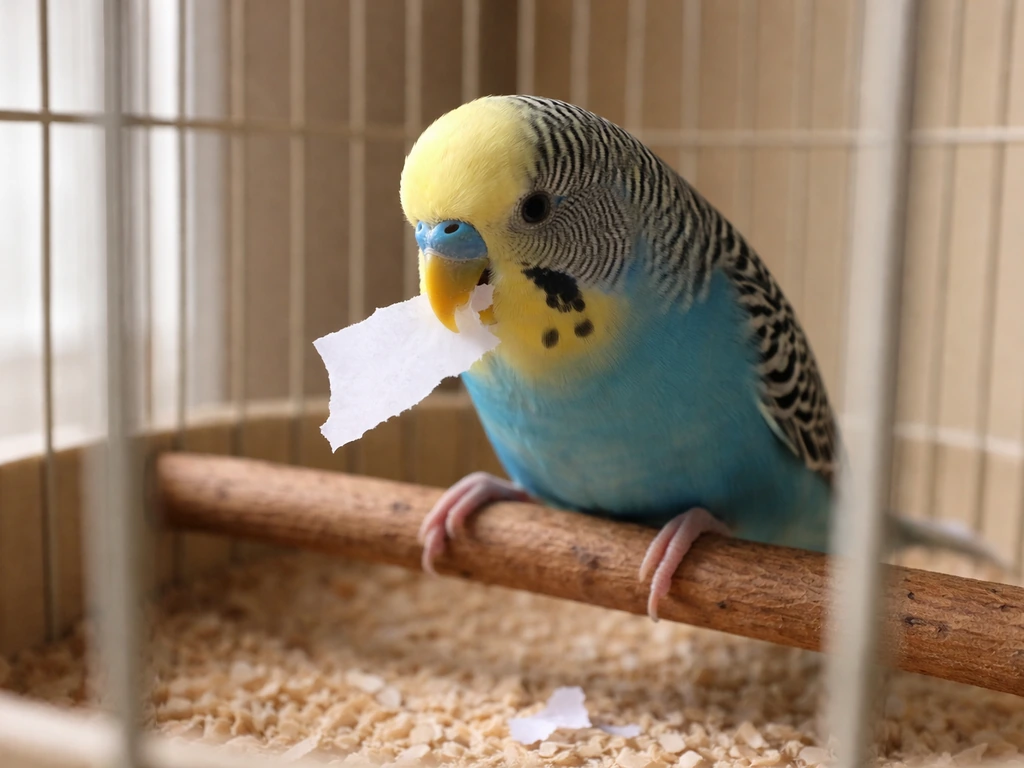
Why birds chew and eat paper in the first place
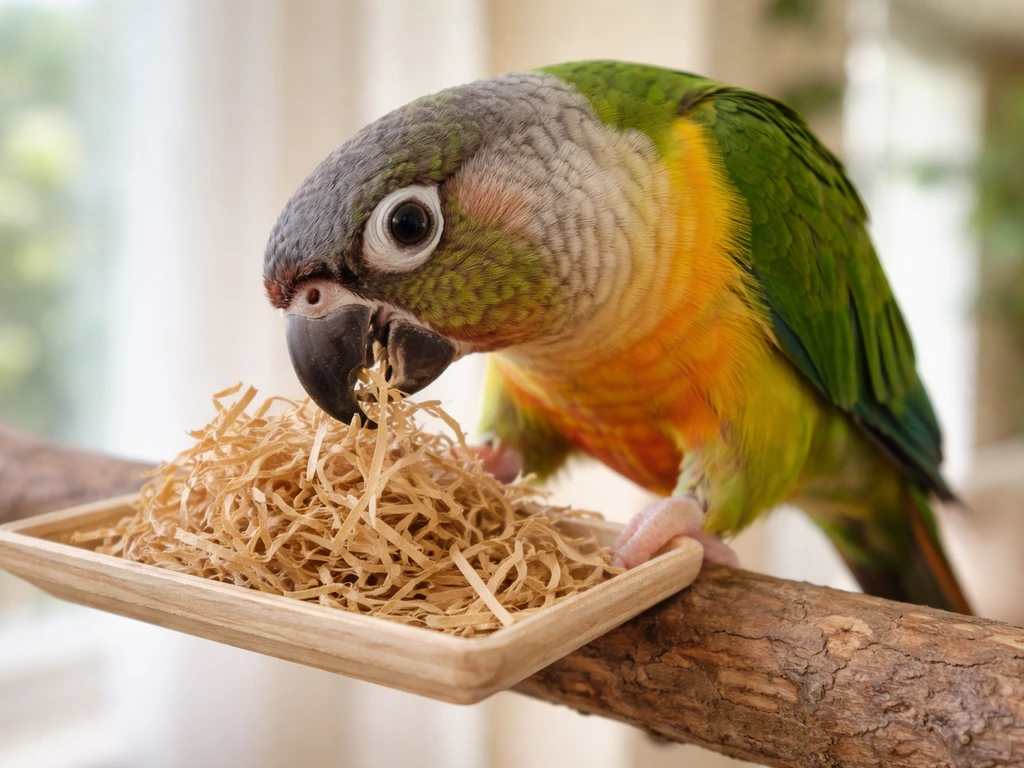
Parrots and other pet birds are built to forage. In the wild, they spend a big portion of their day manipulating objects with their beaks: stripping bark, probing crevices, shredding leaves. When a caged bird spots a piece of newspaper or a cardboard tube, that behavior kicks in automatically. Paper tears easily, makes a satisfying sound, and gives the beak something to work on. A lot of paper-chewing is just this: a bored or understimulated bird found something to do.
Nesting instinct is another big driver. Many species, especially females in breeding condition, will shred anything soft and pliable to gather material for a nest. If your bird carries torn paper to a corner of the cage, a box, or a favorite perch, hormonal nesting behavior is very likely involved. Shredding paper in this context can cross into swallowing it, especially when the drive is strong.
Learned habit plays a role too. If a bird figured out at some point that paper on the cage liner is fun to rip up, and nothing redirected that behavior, it becomes a routine. The behavior can also be a form of beak conditioning: the beak is always growing, and birds naturally file it against objects. Paper is soft enough to feel good against the beak without being tough enough to actually condition it, so birds that chew paper a lot may also benefit from harder, appropriate chew materials.
Social curiosity is worth mentioning too. If you read a newspaper or work with paper and your bird watches you, they may investigate paper simply because you interact with it. Birds are highly observational and copy what they see.
When paper-eating points to a nutrition or health problem
When a bird moves from chewing paper to consistently swallowing it, that behavior has a clinical name: pica, which means eating non-food items. Pica in birds can be triggered by several different underlying causes, and a purely behavioral explanation doesn't always cover it.
Nutritional deficiency is one of the more common medical triggers. Poor diets, particularly seed-heavy diets that are low in vitamins and minerals, can leave birds seeking something they aren't getting from their food. Many pet birds are still fed diets that don't cover their nutritional needs, and pica is one way the body signals that gap. If your bird is on an all-seed diet and eating paper regularly, diet quality is worth examining closely.
Hormonal cycles, especially in spring, can intensify both shredding and swallowing behavior beyond what looks like simple nesting prep. The drive becomes compulsive and harder to redirect. Stress and boredom can push a bird toward pica as well: if a bird doesn't have enough mental stimulation or out-of-cage time, non-food chewing fills the gap, much the same way stress behaviors develop in any captive animal. If your bird is throwing or discarding food right after eating, that same underlying issue could also be worth checking, not just the paper chewing throwing food.
GI irritation or illness can also make a bird seek out odd textures. One clinical observation shared by an avian veterinarian noted that a bird's GI inflammation resolved slowly after paper ingestion was stopped, suggesting the paper itself contributed to ongoing irritation. If your bird seems unwell alongside the paper-eating, the two may be connected rather than coincidental.
The real risks of paper: what can actually hurt your bird
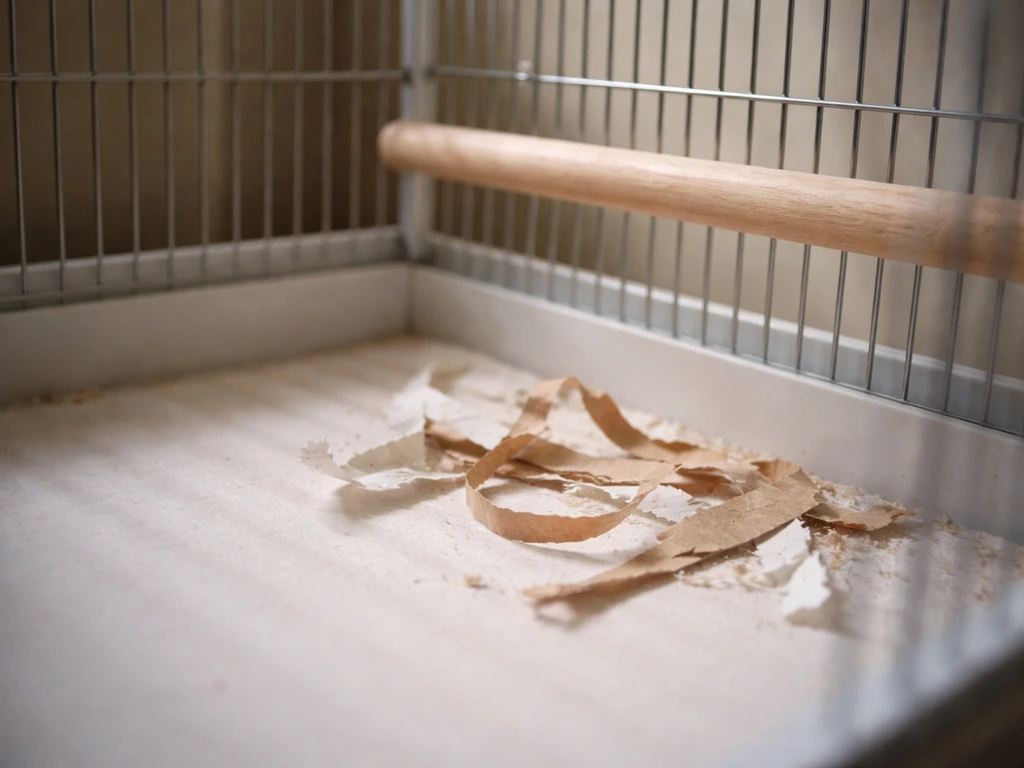
Most casual paper-shredding is low-risk, but once a bird starts swallowing pieces, the picture changes. Here are the specific hazards to understand.
- Impaction: Paper and cardboard are fibrous and don't digest well. Swallowing enough of it can cause a GI blockage. Signs of impaction include decreased appetite, weight loss, changes in droppings, and lethargy. Severe cases may require surgery.
- Choking and aspiration: Pieces of paper can be inhaled rather than swallowed, particularly small shredded bits. If you suspect aspiration, treat it as an emergency and get to a vet immediately.
- Ink and chemicals: Printed paper carries ink, some of which may contain compounds that are not safe for birds. Glossy paper and colored paper can have higher concentrations of dyes and coatings.
- Adhesives: Cardboard tubes and some paper toys are held together with glue. Some adhesives may contain zinc or other potentially toxic materials. This is a specific concern with items like paper towel rolls.
- Stringy fibers: Shredded paper creates linear fibers that can cause linear foreign body problems in the GI tract, similar to what happens when birds swallow string from toys. This type of obstruction can be serious.
If your bird has already eaten a noticeable amount of paper, watch closely for watery or abnormal droppings, decreased activity, reduced food intake, or any signs of discomfort around the abdomen. These are the warning signs that something is obstructing or irritating the GI tract and you should not wait to see if things resolve on their own.
Quick self-check: narrowing down the cause today
Before you make any changes, spend a few minutes observing and asking yourself a few targeted questions. The answers will point you toward the right response much faster than treating every possible cause at once.
- Is your bird actually swallowing pieces, or just shredding and dropping them? Shredding without swallowing is much lower risk and more likely to be pure behavioral enrichment-seeking.
- What does the paper look like after your bird is done with it? Tiny swallowed pieces are a different concern than large shreds left on the cage floor.
- What is your bird's current diet? If it is primarily seeds, a nutritional gap is a real possibility. If it is on a quality pellet-based diet with fresh foods, the cause is more likely behavioral.
- Is the behavior seasonal or new? A spike in spring or after a change in environment suggests hormones or stress rather than a long-standing habit.
- Is the paper easily accessible, such as a cage liner your bird can reach, magazines left nearby, or cardboard boxes? Easy access means the behavior may be more about opportunity than compulsion.
- Are there any other behavior changes alongside the paper-eating, such as changes in droppings, appetite, activity level, or feather condition? If yes, this raises the priority for a vet call.
- Is this similar to other chewing behaviors? If your bird also chews on everything else in sight, this fits a broader pattern of beak-driven exploration rather than a targeted craving for paper specifically.
Stop it now: environment changes you can make today
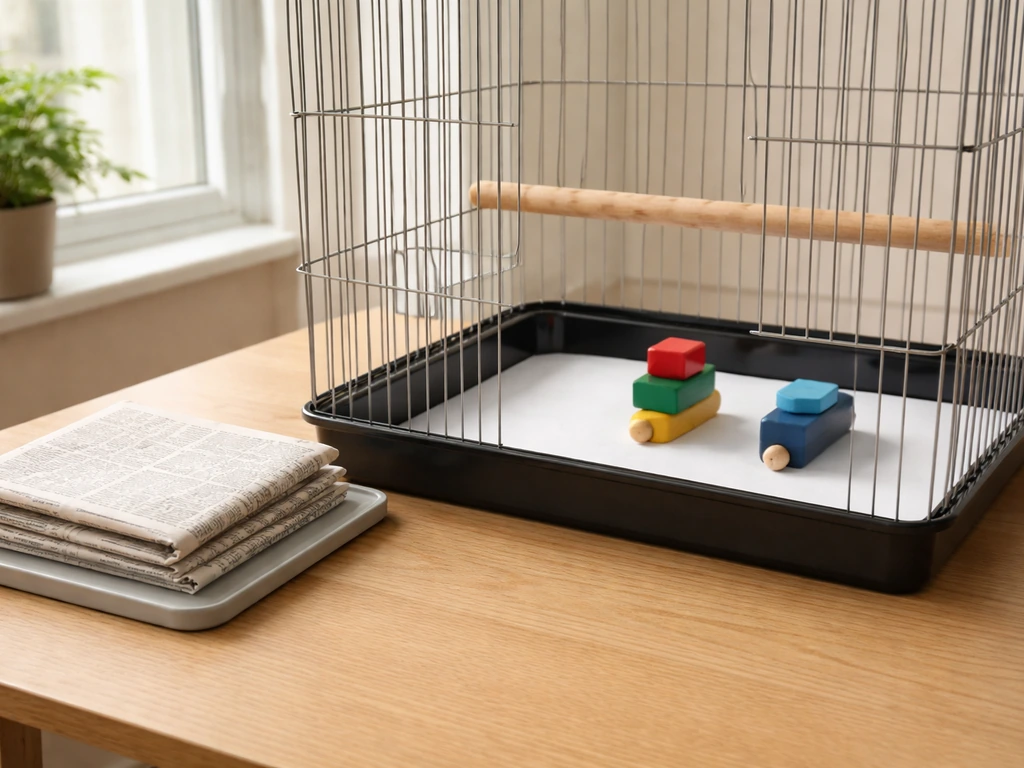
The fastest practical step is removing access to paper your bird can reach. Swap out newspaper cage liners for plain, unprinted paper if your bird is reaching the liner, or use a grid at the bottom of the cage to keep the bird off the liner entirely. Keep magazines, books, and paper bags away from areas where your bird has free time. This isn't a permanent solution on its own, but it stops the behavior while you work on the underlying cause. If your bird is shredding paper, check whether there are any signs it is actually eating it and consider diet, stress, and environmental triggers why is my bird shredding paper.
Increase out-of-cage time and direct interaction. If you are also seeing your bird sit in her food, that can overlap with nutrition or pica concerns, including the kind of behavior explained in why does my bird sit in her food. Boredom and under-stimulation are among the most common drivers of paper-eating, and more structured time outside the cage, with you actively engaging the bird, can reduce the drive significantly.
If hormonal nesting behavior is likely, reduce environmental triggers. Reducing access to nest-like behavior, such as preventing opportunities to roam seeking cavities or other nesting targets, is one practical approach some avian clinicians use for hormonal-driven shredding reduce environmental triggers. Remove nest-like boxes, tents, or dark enclosed spaces from the cage. Limit petting to the head and neck rather than the back or under the wings, as full-body contact can stimulate hormonal responses. Adjust light exposure: longer daylight hours drive breeding behavior, so keeping your bird on a 10 to 12 hour light cycle can help dial it back.
Rearrange the cage. A simple change in perch placement, toy positioning, or cage orientation can reset a bird's routine and break a habitual behavior loop. It sounds minor but it works more often than people expect.
Safe chew and foraging alternatives that actually satisfy the urge
Redirecting works far better than just removing paper with nothing to replace it. The goal is to give your bird something that satisfies the same drive: tearing, shredding, foraging, and beak work. The World Parrot Trust specifically recommends supervised shredding enrichment using brown paper strips threaded onto bird-safe rope, which gives the shredding satisfaction in a controlled and safer format.
For birds that love to shred, palm fronds, cork bark, untreated balsa wood, and woven seagrass toys give a satisfying tear without the risks of printed paper or adhesives. Foraging toys, where food is hidden inside crinkled paper, cardboard rolls, or puzzle feeders, redirect the chewing toward a productive activity that pays off with a treat.
| Alternative | Best for | Notes |
|---|---|---|
| Balsa wood blocks or strips | Heavy chewers, beak conditioning | Soft enough for smaller birds, satisfying for medium and large parrots |
| Cork bark pieces | Curious foragers, shredders | Natural texture, no adhesives, good for climbing and chewing |
| Woven seagrass or palm leaf toys | Shredding-focused birds, nesting-driven females | Mimics nest material in a safe, supervised format |
| Foraging puzzle toys with hidden treats | Bored or understimulated birds | Turns chewing into a productive, rewarding activity |
| Unprinted brown paper strips (supervised) | Light chewers, birds needing shredding outlet | Use plain, dye-free paper; supervise and remove if bird swallows pieces |
| Fresh branches (bird-safe wood only) | Any chewing bird | Apple, willow, and eucalyptus are commonly recommended; confirm safety for your species |
On the diet side, if your bird is on a seed-heavy diet, transitioning gradually to a quality pellet base with fresh vegetables, leafy greens, and species-appropriate fruits closes nutritional gaps that may be driving compulsive chewing. A veterinarian can help you figure out the right pellet-to-fresh-food ratio for your specific bird.
When to call an avian vet and what to watch for
Some paper-chewing is a manageable behavioral habit you can address at home. Chewing fibrous foreign material can lead to gastrointestinal impaction, and in some cases foreign-material removal may require surgery depending on location and severity blank" rel="noopener noreferrer">fibrous material can cause gastrointestinal impaction and may require surgery. If you're wondering why does my bird chew on everything, the same triggers like boredom, nesting drive, or nutritional gaps can be at work. If your bird seems to be chewing on nothing, that can also be a sign of pica or another underlying issue worth investigating. But certain combinations of signs tell you it is time to get a vet involved, and sooner rather than later.
- Your bird is visibly swallowing paper regularly, not just shredding it
- Droppings have changed in color, consistency, or volume, especially if they have become watery
- Your bird seems less active than usual, is sitting fluffed, or is reluctant to move
- Food intake has dropped noticeably
- You can see or feel any abdominal swelling or your bird reacts to touch around the belly
- The paper-eating started suddenly with no clear environmental trigger
- Your bird ate a cardboard item with adhesive or a piece of printed paper with heavy ink and is now acting differently
- You suspect the bird inhaled a piece rather than swallowed it (open-mouthed breathing, tail-bobbing, labored breathing)
When you call or visit the vet, the more information you bring, the faster they can help. Track when the behavior started, roughly how much paper your bird has consumed, what type of paper it was (liner, cardboard, printed, glossy), what the bird's diet looks like, and any other recent changes in the household. If the droppings have changed, a photo of them is genuinely useful for the vet.
If you have already ruled out an emergency and are managing this as a behavioral issue, a routine avian vet visit is still worth scheduling to check the bird's overall nutritional status and rule out any underlying health issue driving the pica. Paper-eating that persists despite enrichment improvements and diet changes usually has a reason, and a vet can help you find it.
FAQ
How can I tell if my bird is shredding paper only or actually swallowing it?
Look for swallowed evidence, not just tearing. Signs include paper pieces disappearing from the cage, a buildup of tiny fragments inside the crop area, quieter eating then resuming with odd chewing, and changes in droppings (smaller, watery, or abnormal). If you can, remove a sheet for a short observation window and see whether larger shreds are present afterward.
My bird ate a small bit of paper once. Should I still contact an avian vet?
If it was truly a one-time nibble with normal droppings, appetite, and activity within the next 24 hours, many cases resolve without intervention. However, contact a vet promptly if the paper was thick (cardboard), glossy/printed, or if your bird is a smaller species, because those factors raise obstruction risk even when the amount seems minor.
Does printed or glossy paper make it more dangerous than plain paper?
Yes. Printed paper can add inks and coatings, and glossy stock may contain binders or surface treatments that are not meant for ingestion. Even when the main concern is physical blockage, repeated exposure to treated surfaces can also irritate the GI tract, so it is especially important to remove access and offer safer shredding options.
What should I do right away after I notice paper-eating?
First, prevent further access immediately (cover or block the liner, remove bags and books, relocate any paper items). Next, do a quick baseline check, droppings, appetite, posture, and normal preening. Keep notes on type of paper and timing, and if your bird shows any discomfort, reduced appetite, or abnormal droppings, stop monitoring at home and call an avian vet.
Can paper-eating become a learned habit even if my bird has enough food?
It can. Birds can learn that paper always appears near the cage and provides instant beak work and sensory stimulation, so the behavior persists even with a reasonable diet. The fix usually needs both removal of the target and replacement with consistent shredding or foraging that matches the same motivation.
If my bird is eating paper during nesting season, is it always normal behavior?
Shredding can be normal, but swallowing changes the risk level. If your bird repeatedly carries paper to a nest-like spot and then you notice discarded pieces disappearing, focus on reducing nesting triggers and increasing supervised, safer shredding materials. If the behavior becomes compulsive or results in altered droppings, treat it as pica rather than “just nesting.”
Are there specific cage setup changes that help, besides removing paper?
Yes. Keep the cage liner hard to reach by using a grid so the bird cannot rummage at the bottom, and remove any paper-like items from the bird’s height and sight lines. Also consider turning the cage so the favorite perch is not directly aligned with a paper storage area, because orientation can reinforce where the bird “chooses” to chew.
What kinds of toys are safest for replacing paper shredding?
Choose items designed for tearing and beak work without adhesives or treated coatings. Good options include plain brown paper strips on bird-safe rope (supervised), palm fronds, cork bark, untreated balsa wood, and woven seagrass. Avoid anything with glue, unknown finishes, or thin bits that can easily be swallowed whole.
Can diet changes alone stop paper-eating?
They might, especially if nutritional gaps are a driver, but most birds need enrichment and environmental adjustments too. A gradual shift toward a pellet base plus fresh vegetables helps reduce cravings, while structured out-of-cage time and foraging toys reduce the “paper is always available” problem. If the behavior continues after diet and enrichment changes, it is time to investigate pica causes with a vet.
What information should I bring to the vet appointment?
Bring a timeline (when it started), the bird’s species and approximate age, your diet details (seed types or pellet brand), and the exact paper sources it has access to (liner, printed pages, cardboard, glossy packaging). Include whether droppings look different, plus clear photos if you notice watery or unusual stool. This helps the vet decide faster whether to treat as behavioral pica versus GI irritation or obstruction risk.
When is it an emergency versus a “book a routine visit” situation?
Treat it as urgent if your bird is straining, acting unusually quiet, refusing food, vomiting, showing abdominal discomfort, or producing abnormal droppings that do not normalize quickly. If swallowing seems ongoing or you suspect a larger piece was consumed, do not wait for home monitoring. When there are no red flags but paper-eating persists, a routine avian appointment is still important to rule out medical causes.