
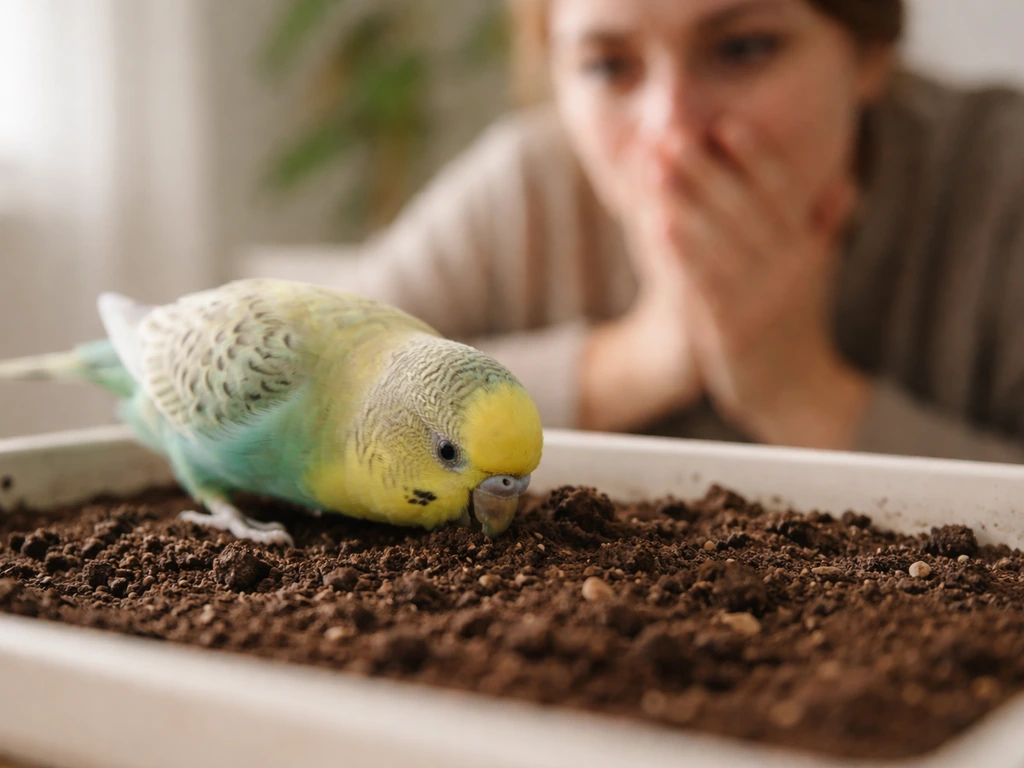
Birds eat dirt for a handful of reasons, most of which come down to one of three things: natural foraging curiosity, a nutritional gap in their diet, or a health problem that needs attention. In many cases it's not an emergency, but it's also not something to ignore, because soil can carry bacteria, parasites, pesticides, and heavy metals that are genuinely dangerous to birds. The goal right now is to figure out which category you're dealing with, take a few immediate steps to limit exposure, and then decide whether a vet call is needed.
Why Is My Bird Eating Dirt? Causes and What to Do

Marcus Chen
13 Jun 2026
Common reasons birds eat dirt
The behavior has a name when it happens repeatedly: pica, which simply means eating non-food items. In birds it can have both behavioral and medical roots, and sometimes both are playing a role at the same time.
Natural foraging instinct
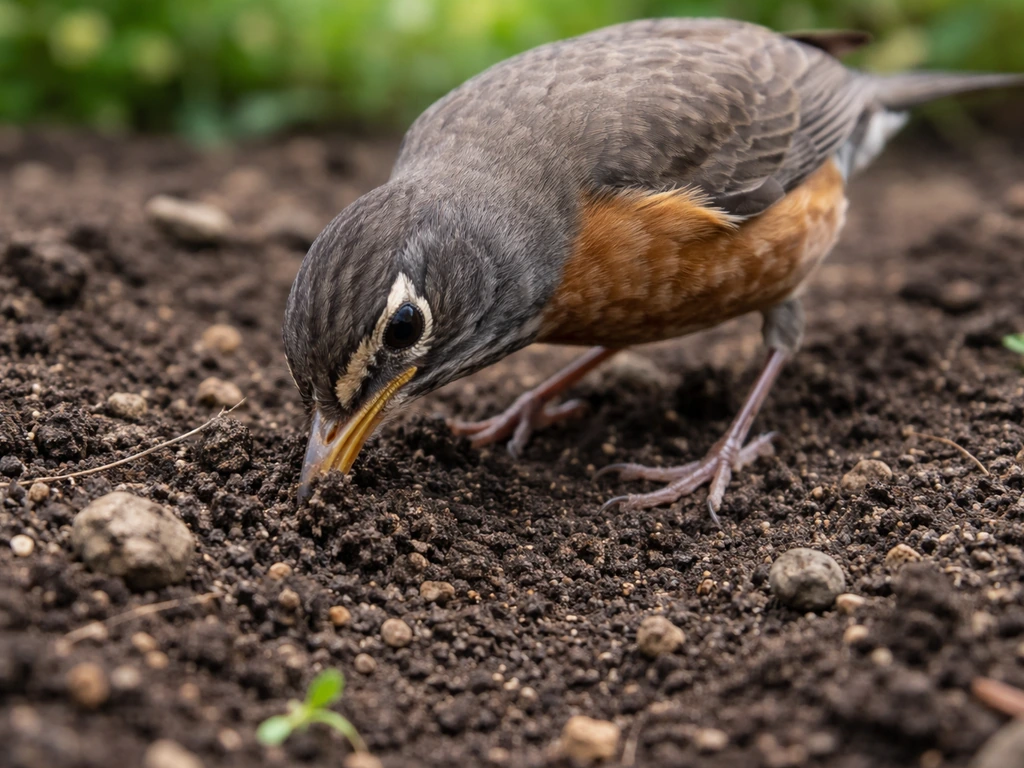
Wild birds regularly probe, scratch, and peck at soil. It's how they find seeds, insects, and grit. Pet birds haven't lost that wiring. If your bird has access to a potted plant, a patch of dirt near a window, or even dusty corners of a cage floor, pecking at it can simply be them doing what birds do. This is especially common in ground-foraging species like cockatiels, budgies, and doves.
Mineral and nutritional deficiencies
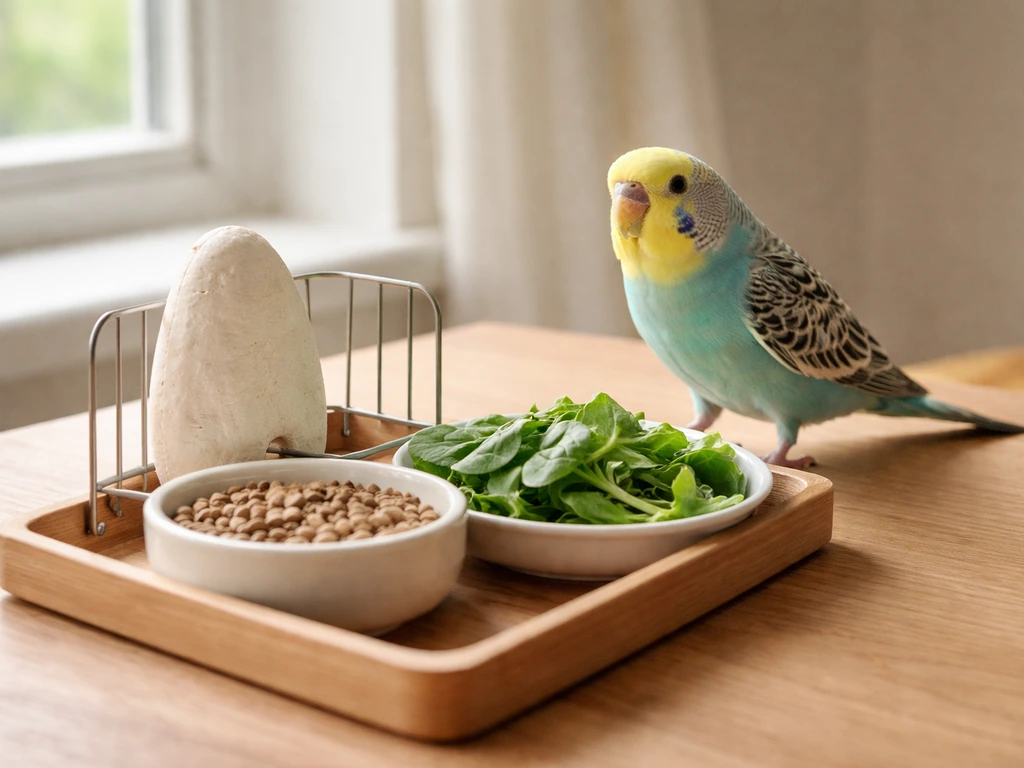
This is probably the most clinically relevant reason. When a bird's diet is missing key minerals, calcium being the most common offender, they'll go looking for them in unusual places. Soil contains trace minerals, and birds seem to instinctively seek it out when something is missing. An all-seed diet is the classic setup for this: seeds are notoriously low in calcium, vitamin A, and other nutrients that birds need daily. If your bird's main diet is seeds and they're eating dirt, start there.
Boredom and understimulation
A bird that doesn't have enough to do will find something to do, and that often means chewing, shredding, or eating things that aren't food. This is similar to why birds chew on cage bars, paper, or perches. If the dirt-eating only happens when your bird seems restless, or when the cage environment hasn't changed in a while, boredom is likely a major factor.
Gastrointestinal issues or parasites
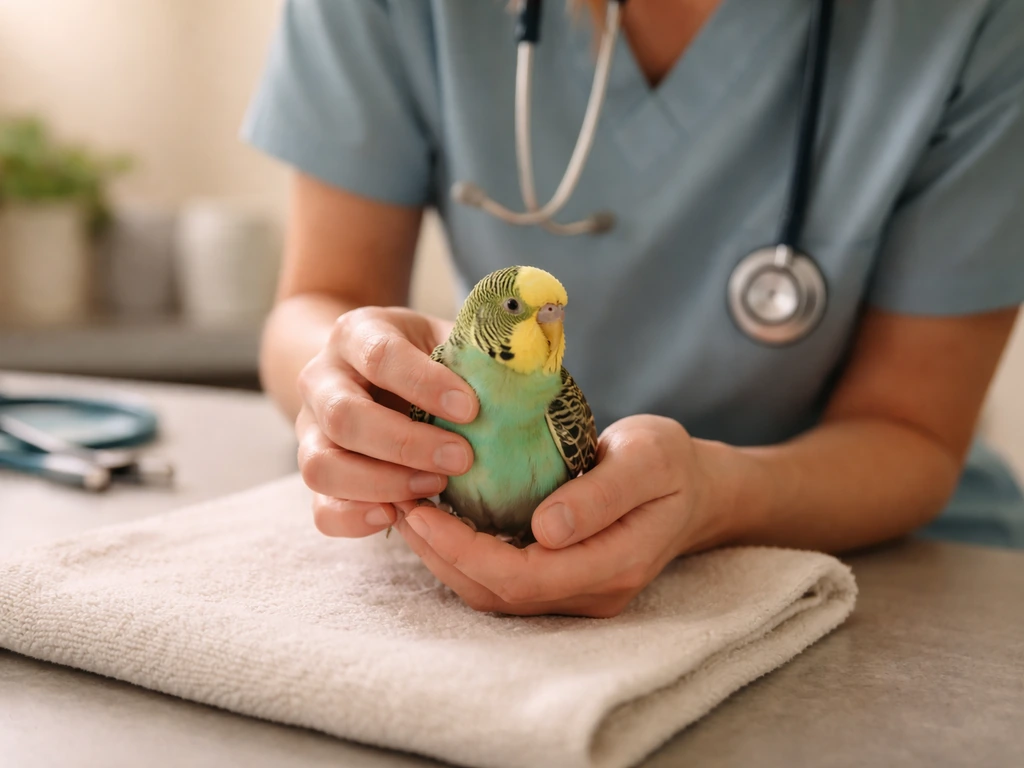
Intestinal worms and other gut parasites can drive unusual appetite changes in birds. So can digestive upset, GI disease, or crop problems. When something is off internally, birds sometimes seek out dirt or grit as a self-correcting behavior. If you've noticed changes in your bird's droppings alongside the dirt-eating, that combination is a stronger reason to call a vet.
Stress and anxiety
Chronic stress or a recent environmental change, a new pet, a moved cage, a change in household routine, can trigger compulsive behaviors in birds including eating non-food items. If the dirt-eating started around the same time as a change in your bird's environment or routine, stress is worth considering as a contributing factor.
Hormonal or nesting behavior
Breeding-age birds in hormonal season sometimes show unusual foraging and chewing behaviors, including eating soil or substrate. Female birds in particular may seek out calcium-rich materials when their bodies are primed for egg production.
Normal curiosity vs. health red flags
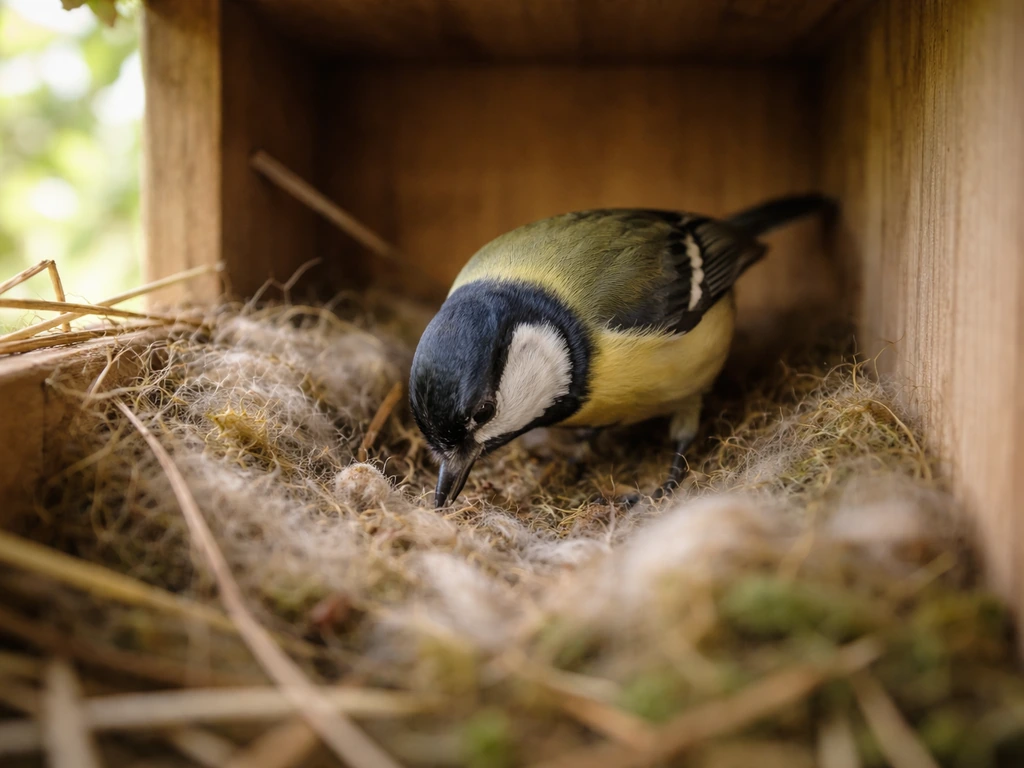
The big distinction here is whether this is occasional and exploratory versus frequent, compulsive, or paired with other symptoms. Once you know the likely cause, you can also figure out whether the behavior is more of a normal chewing habit or a sign your bird needs medical help why does my bird chew on everything. A bird that pecks at a bit of potting soil once while exploring a new houseplant is doing something very different from a bird that seeks out and repeatedly consumes dirt every day.
Occasional, curious pecking without other symptoms is usually low urgency. Watch it, note the pattern, and address the diet and enrichment gaps described below. What you want to flag as potentially serious is any combination of these:
- Repeated, compulsive dirt-eating that keeps happening even when you try to redirect
- Changes in droppings: color, consistency, unusual wetness, or blood (if droppings stay abnormal for more than 24 hours, contact an avian vet promptly)
- Lethargy, puffed feathers, or sitting on the cage floor
- Loss of appetite or sudden weight loss
- Vomiting or regurgitation that isn't the typical social regurgitation toward a bonded person
- Neurological signs: tremors, circling, weakness, or paralysis
- Rapid onset with no clear behavioral explanation
Those neurological and weakness symptoms in particular are associated with heavy metal toxicosis, which is one of the most common toxic diseases seen in companion birds. Lead and zinc are the main culprits, and by the time a bird shows obvious neurological signs, the situation is already serious. Don't wait to see if it improves on its own.
Quick things to do today
Before anything else, remove access to the dirt. If it's a houseplant, move the plant out of reach. If your bird has been getting into substrate on the cage floor or in an outdoor area, address that now. You can't assess what's happening while exposure is still continuing.
- Remove the dirt source entirely. Move plants, cover soil in outdoor enclosures, and block access to any floor area with loose substrate or contaminated material.
- Replace the cage liner with fresh disposable paper, plain newsprint or paper towels work well. This limits ongoing exposure and lets you clearly monitor droppings for the next 24 to 48 hours.
- Look at your bird right now. Check for puffed feathers, closed eyes, weakness, or anything that looks obviously wrong. If you see those, skip the rest of this list and call an avian vet or emergency animal hospital today.
- Note when the behavior started, how often it happens, and what kind of soil or substrate was involved. Was it potting mix? Outdoor garden soil? Cage substrate that's been sitting for a while? This matters if you end up talking to a vet.
- Check the bird's current diet. What percentage of their diet is seeds versus pellets? Are they getting fresh vegetables? Is there a calcium or mineral source available?
- Look around the cage and play area for potential toxicity risks: old paint on perches, metallic toys, hardware cloth, curtain weights, or costume jewelry the bird could access. Lead and zinc from common household objects are real risks.
Diet and enrichment fixes to reduce dirt-eating
If the behavior is driven by diet gaps or boredom, the fix starts here. A good portion of dirt-eating cases in pet birds improve significantly when the diet is cleaned up and the bird has more to do.
Fix the diet first
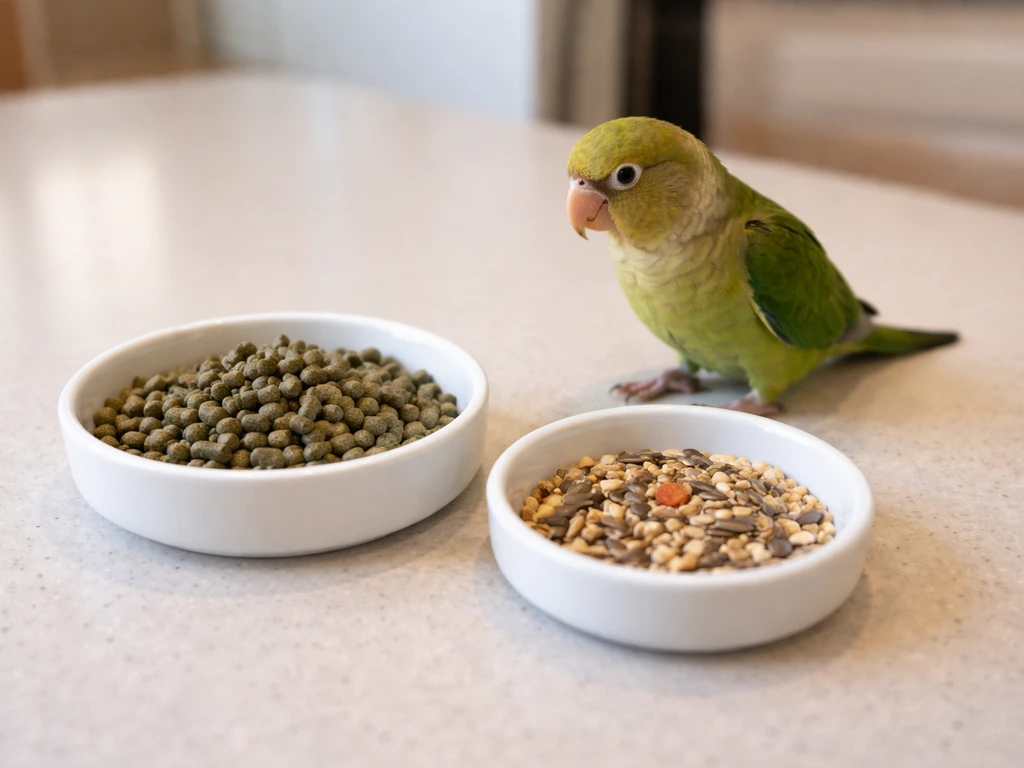
If your bird is primarily on a seed diet, transitioning toward a quality pellet base is the most impactful nutritional change you can make. Pellets are formulated to cover the full nutritional profile birds need. For birds that won't convert overnight, adding fresh vegetables high in calcium and vitamin A, such as dark leafy greens like kale or dandelion greens, cooked sweet potato, and broccoli, can help fill nutritional gaps while you work on the transition.
Calcium supplementation is worth considering, especially for egg-laying females or birds on seed-heavy diets. A cuttlebone is a simple, safe way to provide a chewable calcium source. Mineral blocks are another option, though grit supplementation for parrots specifically is nuanced and not a one-size-fits-all recommendation. Talk to your avian vet before adding supplements, especially if you suspect a deficiency is driving the behavior.
Add foraging enrichment
Birds that are driven to forage but don't have a safe outlet for it will find their own outlet, and that might be the potted plant or cage floor. Foraging toys that require the bird to work for their food are one of the best ways to redirect this energy. Hide pellets or treats inside foraging puzzles, paper cups, or natural materials. Rotate toys regularly to keep things novel. Birds that are mentally occupied and physically challenged are much less likely to engage in compulsive non-food eating.
This overlaps with behaviors like chewing on cage bars, shredding paper, or throwing food, which often share the same root cause: not enough enrichment and mental stimulation. If you're seeing several of those alongside the dirt-eating, the enrichment gap is probably significant.
Toxicity and environmental hazards to check
This section matters a lot, because some dirt-eating scenarios involve real toxicity risk that requires fast action.
Potting soil can contain fertilizers, pesticides, or fungicide treatments that are toxic to birds. Outdoor soil near older homes can contain lead from old paint or pipes. Garden soil can carry parasites, mold, or bacteria. Even soil that looks clean can be chemically contaminated. If you suspect your bird is ingesting something toxic, treat it as urgent and contact an avian vet promptly Even soil that looks clean can be chemically contaminated.. There is no safe soil for a bird to eat regularly, so treating all soil access as a hazard is the right default.
Heavy metal toxicosis, particularly lead and zinc, is one of the most commonly reported toxic diseases in companion birds. Lead can come from outdoor soil near old buildings, but it also comes from surprising household sources including certain bird toys, hardware cloth on older cages, curtain weights, costume jewelry, the backing of some mirrors, and old paint. Zinc is found in galvanized metal and some cage hardware. If your bird has access to any of these materials, check them against a known safe list or ask your avian vet.
Lead toxicosis is diagnosed by measuring blood lead levels, so if you have any reason to suspect lead exposure and your bird is showing symptoms, the vet needs to run blood work. Clinical signs combined with blood and biochemical testing and imaging are typically how a diagnosis is made. You can't assess this at home.
| Hazard | Where it comes from | Risk level |
|---|---|---|
| Lead | Outdoor soil near old buildings, old paint, some cage hardware, curtain weights, costume jewelry | Very high: neurological damage, can be fatal |
| Zinc | Galvanized cage wire, some metal toys and hardware | High: GI and neurological damage |
| Pesticides/fertilizers | Potting soil, garden soil, treated houseplant soil | Moderate to high depending on product |
| Parasites/bacteria | Outdoor soil, unwashed garden soil, contaminated cage substrate | Moderate: GI infection, worm infestation |
| Mold/fungal spores | Damp or old potting mix | Moderate: respiratory and GI issues |
When to call an avian vet
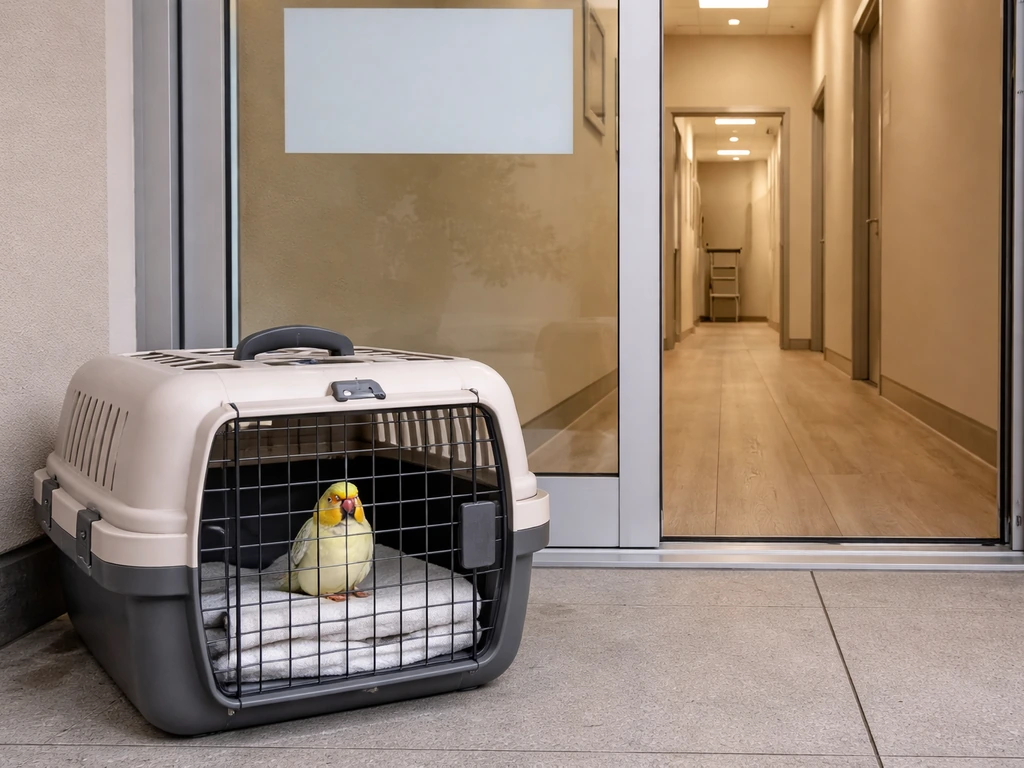
If your bird is showing any of the following right now, call an avian vet or emergency animal clinic today, not tomorrow. Birds decline fast when something is medically wrong, and they are often very sick by the time symptoms become obvious.
- Weakness, inability to perch, or lying on the cage floor
- Neurological signs: tremors, head tilt, circling, paralysis, or inability to coordinate movements
- Vomiting or regurgitation that is not social regurgitation
- Droppings that are abnormal in color, consistency, or volume for more than 24 hours, or any blood in droppings
- Complete loss of appetite or not eating for more than 24 hours
- Sudden and dramatic behavior change
- Known or suspected ingestion of lead, zinc, treated soil, pesticides, or fertilizers
If you're not seeing any of those acute symptoms but you're still concerned, a non-urgent vet appointment within a few days is still a reasonable call, especially if the dirt-eating has been going on for a while, the behavior is frequent and compulsive, or you can't identify a clear reason for it.
What to tell the vet
When you call or go in, be ready to share: how long the behavior has been happening, how often you've seen it, exactly what type of soil or material the bird was eating (potting mix, outdoor soil, cage substrate), your bird's current diet, any other symptoms you've noticed even if they seem minor, and whether anything changed in the bird's environment recently. If you can collect a dropping sample in a clean container, that can be useful for the vet as well.
Prevention and long-term management
Once you've addressed the immediate situation, the goal is to set things up so it doesn't happen again. Most of this comes down to three areas: cage environment, diet, and enrichment.
Safe cage substrate and daily hygiene
Line the bottom of the cage with plain disposable paper, newspaper or paper towels, that you change daily. This eliminates soil-like substrate, reduces bacterial buildup, and makes it easy to monitor droppings every day. Avoid loose substrates like sand, walnut shell, or corn cob bedding if your bird is inclined to eat things off the cage floor. Those materials can themselves become ingestion hazards.
Bird-proof the plant situation
If you want houseplants near your bird, keep them fully out of reach or use hanging planters that the bird can't access. If you want to give your bird a supervised plant interaction, look up bird-safe plant lists and use plants in containers with covered soil surfaces, such as a layer of smooth river rocks over the soil to prevent digging and eating.
Safe foraging substitutes
Channel the foraging drive into safer outlets. Foraging boxes filled with shredded paper and hidden treats, natural branches, shreddable toys, and food puzzles give birds an appropriate outlet for the instinct to dig and explore. Rotating enrichment regularly keeps novelty high and boredom low. A bird that has plenty of engaging, safe things to do with its beak is a bird that's much less likely to eat the potting soil.
Regular diet review
Check in on your bird's diet every few months. Are they actually eating their pellets, or sorting them out and eating only seeds? Are fresh vegetables being offered regularly? Is there a cuttlebone or mineral source available? Nutritional needs can shift, especially in egg-laying females or birds going through hormonal seasons. A periodic review with an avian vet, even just annually, catches diet gaps before they become behavioral or health problems.
Ongoing symptom awareness
The best long-term tool is knowing your bird's normal. Daily observation of droppings, weight (a small gram scale is genuinely useful for bird owners), appetite, activity level, and behavior means you'll catch changes early. Early is always better with birds, because by the time they look obviously sick, they've usually been unwell for a while. If the dirt-eating comes back after you've addressed diet and enrichment, take that as a signal to get a vet involved rather than trying to manage it on your own. If your bird is also acting like it can't stop eating or has unusual foraging habits, you may want to review why does my bird sit in her food as a related possibility.
FAQ
How can I tell if this is curiosity pecking or real pica?
A quick check is frequency and control. Occasional pecks that stop when the bird is distracted, and that are not repeated on the same schedule, are more likely exploratory. Pica is more concerning when the bird repeatedly seeks out soil/substrate, does it most days, or seems unable to settle without it, especially if it escalates over time.
What should I do if I can’t fully remove all dirt access (like an outdoor aviary or yard)?
Make soil unavailable as an edible target rather than trying to rely on “supervision only.” Use raised planters with covered soil surfaces, install physical barriers to prevent digging, and provide approved foraging options (food puzzles, digging boxes with safe media like paper shred) inside the enclosure so the bird has a safer outlet for its digging instinct.
Is it ever safe to give grit or supplements to stop the dirt-eating?
Not automatically. The article notes grit needs for parrots are not one-size-fits-all, and supplements should be targeted based on diet and risk. For example, calcium support might help some birds, but adding minerals without guidance can mask the real cause (toxicity exposure, worms, or a nutritional imbalance). If you suspect pica is medical, focus first on removing access and arranging avian vet input.
Could my bird be eating dirt because of a vitamin A or calcium deficiency, and how long would changes take to help?
If a diet gap is driving the behavior, improving nutrition often helps within weeks, not hours. Many birds show reduced soil-seeking once pellets are accepted and fresh foods are provided consistently. If dirt-eating continues to escalate after a couple of weeks of dietary changes, that’s a cue to reassess for parasites, GI issues, or toxicity risk.
What droppings or other signs make me call the vet sooner, even if my bird otherwise seems okay?
Call promptly if you see changes that align with GI or systemic illness, such as diarrhea, unusual stool color, reduced droppings, vomiting, fluffed posture, weakness, tremors, or reduced appetite. The combination of dirt-eating plus any ongoing droppings change is a stronger reason to seek care than dirt-eating alone.
If I suspect heavy metals, should I bring the soil sample to the appointment?
Yes. Keep a small amount of the exact material your bird had access to (potting mix, garden soil, or cage substrate) in a clean, sealed container if you can do so safely. Also note where it came from and any possible sources nearby (older paint, galvanized items, curtain weights, or hardware). Blood testing is still the key diagnostic step, but the material history helps the vet target the risk.
Can bedding types like sand or corn cob be the reason my bird eats dirt-like material?
They can be. The article cautions that loose substrates can become ingestion hazards for birds inclined to eat off the cage floor. If your bird is nibbling at loose bedding, switch to safer bottom liners like plain paper and eliminate soil-like textures so you can both reduce risk and monitor droppings more reliably.
What’s the safest way to clean or replace cage substrate if my bird has already been eating it?
Remove the access immediately, then fully replace the substrate with a non-absorbent liner (daily-changing paper is recommended). Thoroughly clean and dry the cage area to reduce residue. After a few days, evaluate whether the behavior decreases with no soil-like access, since continued seeking suggests an ongoing nutritional, behavioral, or medical driver.
If my bird is hormonal or egg-laying, could dirt-eating still be a normal behavior?
Hormonal season can contribute to chewing and soil-seeking, but it doesn’t make exposure to contaminated soil safe. Treat access as a hazard first, then discuss hormone-related behavior with your avian vet, especially if the bird is a female, showing breeding behaviors, or has any egg-related health concerns.
What information should I prepare before the vet visit, especially if it’s urgent?
Have a timeline (when it started, frequency, and whether it’s escalating), the exact material type (potting mix, outdoor soil, specific cage substrate), your bird’s diet details (pellets vs seeds, and what fresh foods are offered), and any other symptoms, even subtle ones. If possible, bring a fresh droppings sample in a clean container and list any recent environmental changes (moved cage, new pet, new household routine).