Most of the time, a bird facing away from you is completely normal. It's resting, sleeping, preening, or simply choosing a comfortable position. Birds rotate toward warmth, away from noise, or just turn their back because that's where they feel settled. That said, "facing away" paired with fluffed feathers, unusual stillness, changes in droppings, or labored breathing is a different story, and that combination deserves a closer look right now. Merck also notes that blank" rel="noopener noreferrer">respiratory diseases are common in pet birds and can be associated with labored breathing, and that air sac mites may cause bobbing tails with high-pitched noises or clicking, sneezing, and breathing with an open mouth.
Why Is My Bird Facing Away From Me? What to Check Now
Marcus Chen
21 Jun 2026
Normal reasons your bird faces away from you
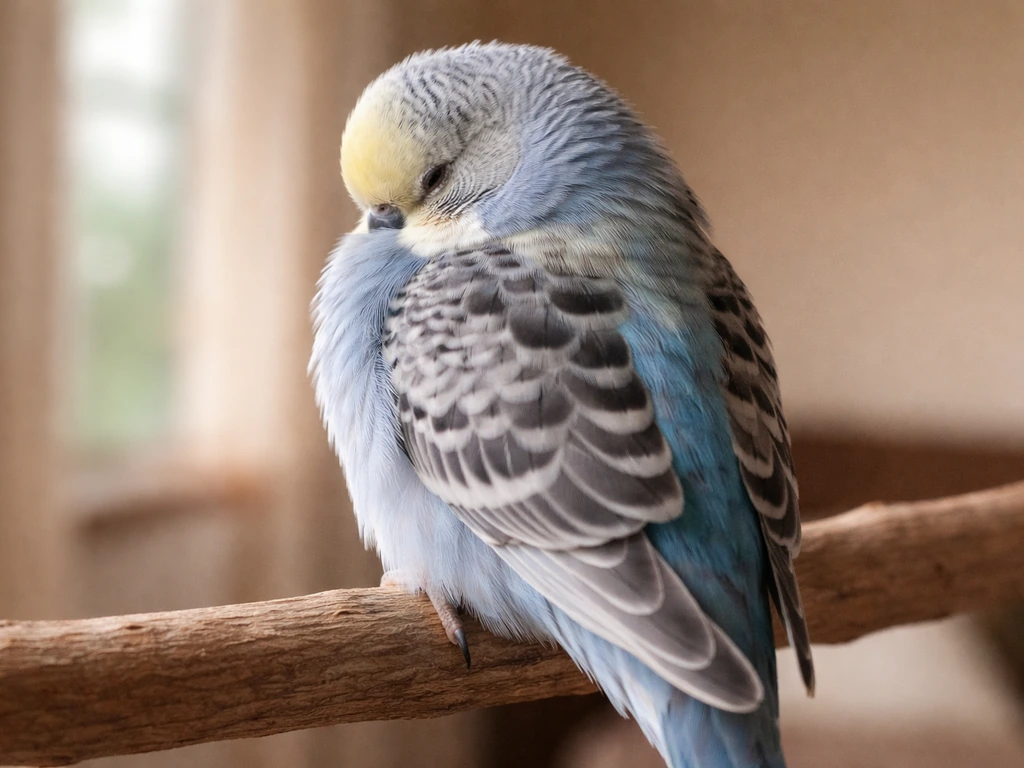
Birds aren't being rude when they turn their backs. It's one of the most common resting and comfort postures you'll see, and it usually means your bird feels safe enough to relax around you.
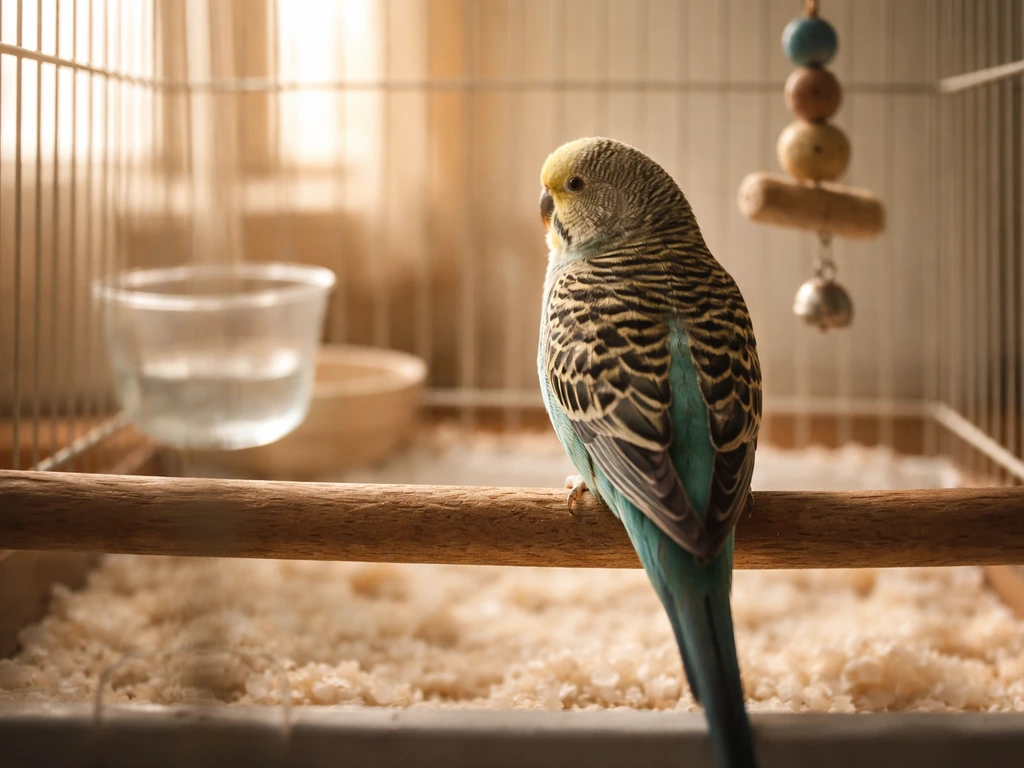
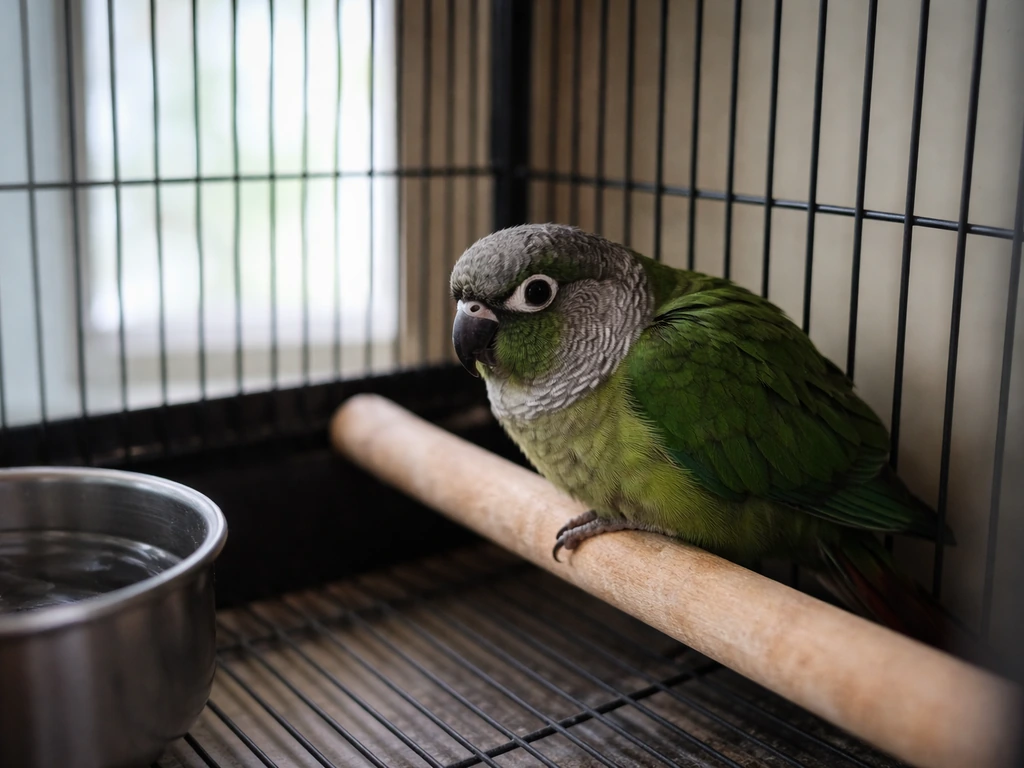
Classic sleep posture for budgies and cockatiels involves tucking the head into the back feathers, resting on one leg, and often facing away from the brightest or noisiest part of the room. This is textbook healthy sleep behavior, not something to worry about. The key detail: feathers should look smooth and neat, not puffed out like a cotton ball.
Here are the most common benign reasons your bird is turning away:
- Sleeping or napping, often with one foot tucked up and head buried in back feathers
- Preening the harder-to-reach areas on their back and tail, which requires turning away
- Orienting toward warmth, a preferred perch spot, or a favorite toy
- Turning away from a draft, bright light, or noise source that's bothering them
- Attention-seeking in reverse: some birds turn away and wait for you to come to them
- Territorial or social body language, choosing not to engage at a particular moment
- Simply feeling content and at ease, relaxed enough to not track your movements
A healthy bird that faces away will still be alert when something interesting happens, responsive when you speak or make a sound, and active during normal waking hours. If that describes your bird, you're likely looking at normal behavior.
Health and comfort issues that can make a bird turn away
When a bird isn't feeling well, it often becomes quiet and still, and turning away from you is part of that withdrawal. This is an instinctive survival behavior: in the wild, a sick bird that shows weakness gets targeted by predators, so they're hardwired to hide it. That's what makes illness tricky to catch early in pet birds.
Facing away becomes a concern when it's paired with any of the following:
- Fluffed-up feathers that make the bird look rounder or puffier than normal (this signals chills or fever, not relaxation)
- Tail bobbing up and down with each breath, which points to labored breathing
- Open-mouth breathing while at rest, not just after exercise or on a hot day
- Lethargy or unusual stillness, the bird isn't reacting to sounds or activity it normally would
- Appetite changes: skipping meals, not touching favorite foods, or eating noticeably less
- Droppings that look different in color, consistency, or volume
- Hiding low in the cage or sitting on the cage floor instead of a perch
- Sudden voice changes or going completely silent when the bird is normally vocal
- Sudden aggression or changes in temperament without an obvious trigger
- Sneezing repeatedly, wheezing, clicking sounds, or nasal discharge
One or two of these signs together shifts this from "probably fine" to "monitor closely." Multiple signs at once, especially breathing issues, mean you should contact an avian vet today.
Reading your bird's body language right now
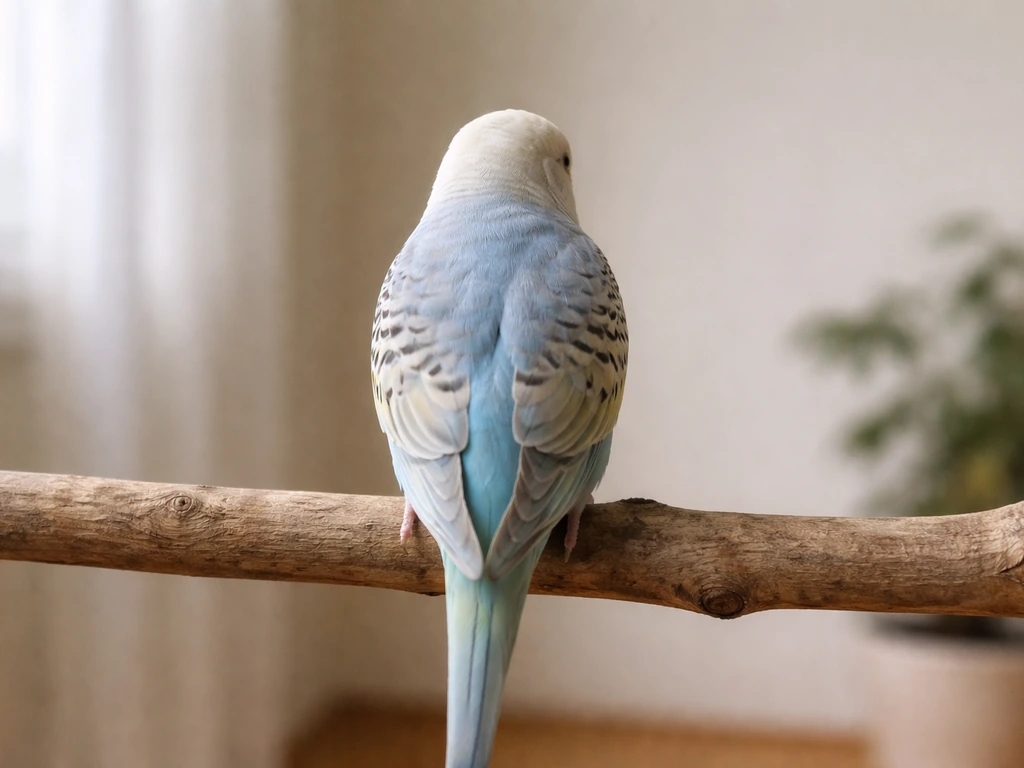
Before you do anything else, just watch your bird for a few minutes without interacting. You're looking for a baseline picture of what's actually happening.
A relaxed, healthy bird facing away will have smooth feathers lying flat against the body, a balanced and stable perch stance, and occasional movement like stretching, shifting position, or quiet vocalizations. When you make a sound or approach, it should show some awareness, even if it doesn't come to you.
A bird that might be unwell will look physically different. Watch the tail: if it's pumping up and down rhythmically while the bird breathes, that's a red flag for respiratory effort. Watch the feathers: puffed-out feathers that don't flatten when the bird is disturbed are a sign the bird is trying to conserve heat, which often means fever or chills. Watch the posture: a bird sitting low, leaning, or struggling to grip the perch needs attention quickly.
Also pay attention to what the bird is NOT doing. During normal waking hours, a healthy bird should be scratching, pecking, vocalizing, eating, or at least moving around. A bird that's been still and quiet for hours during the day, facing away and unresponsive to your presence, is telling you something is off.
Quick home checks you can do right now
Run through these checks in order. Most take less than a minute each and can help you figure out whether the environment is the problem or something more serious is going on.
- Check for drafts: Feel around the cage for cold air coming from vents, windows, or AC. Cold drafts are a very common cause of discomfort and the bird may be turning away from the airflow. If you find a draft, move the cage or block it.
- Check the temperature: The room should be comfortably warm, roughly 65 to 80°F for most pet birds. If the bird has been exposed to cold air or a sudden temperature drop, that alone can cause huddling and withdrawal.
- Check the lighting: Birds need about 10 to 12 hours of light and 10 to 12 hours of darkness per day. If the cage is in a room with lights, screens, or TV on late into the night, the bird may be sleep-deprived and lethargic. Try covering the cage earlier in the evening.
- Check the cage placement: Is the cage near a window with direct sun, a kitchen with cooking fumes, or a high-traffic noisy area? Any of these can cause stress behaviors including withdrawal and turning away.
- Check food and water: Look at how much your bird has eaten today. Check whether the droppings at the bottom of the cage look normal (dark solid portion, white urate portion, clear liquid) or whether something looks off.
- Check for recent changes: Think about the last 24 to 48 hours. New cleaning products, scented candles, air fresheners, new toys, a change in food brand, or even rearranging furniture near the cage can all cause a bird to act withdrawn.
- Check perch stability: Gently test the perches. A wobbly or uncomfortable perch can cause a bird to grip awkwardly and stay still in one position.
- Check for boredom: If the cage has no enrichment, no variety in toys or perches, and limited out-of-cage time, behavioral withdrawal is common. This one is easy to rule out because a bored bird will still respond when you interact with it.
After running through these checks, you should have a clearer picture. If the environment checks out and the bird still seems off, shift your attention back to the health signs listed above.
When to contact an avian vet urgently
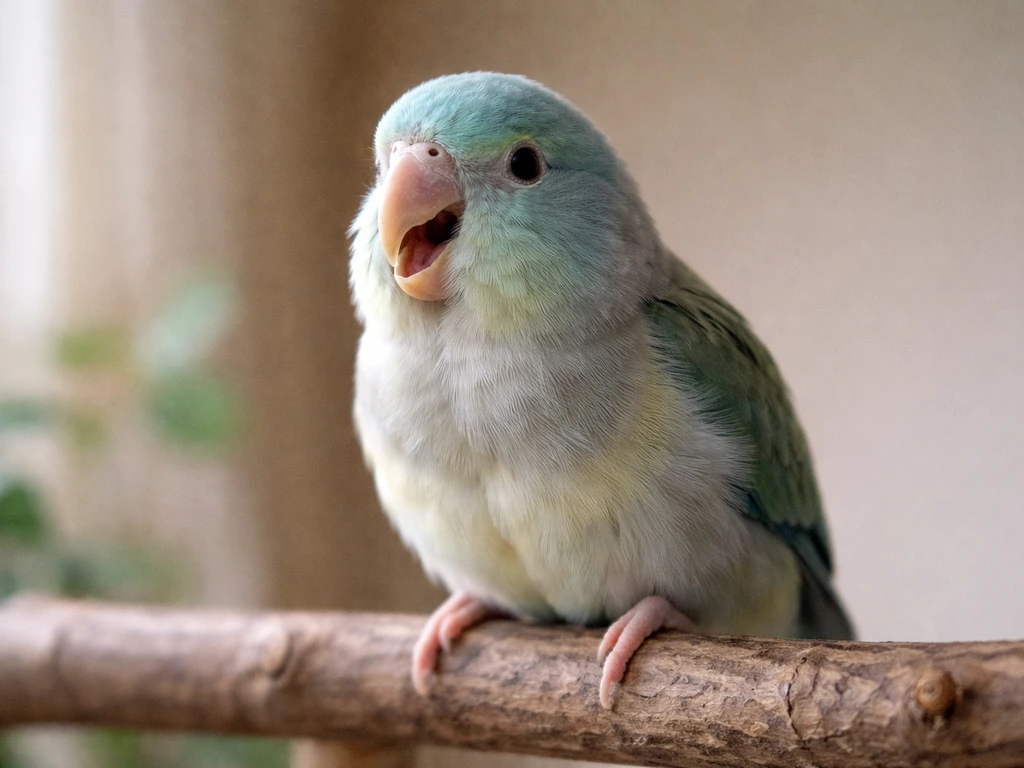
Don't wait and see if any of the following are happening. If your bird is hiding as well as turning away, it can point to stress or illness, so use these steps to guide what to do next why is my bird hiding. Call an avian vet or emergency animal clinic now.
- Open-mouth breathing while at rest: this is never normal and always requires same-day attention
- Visible tail bobbing with each breath, indicating the bird is working hard just to breathe
- Wheezing, clicking, or high-pitched sounds while breathing
- Blue or very pale tissue around the beak or eyes, which signals oxygen issues
- Sudden collapse, seizures, or inability to stand or grip a perch
- Complete appetite loss for more than one day, especially combined with fluffed feathers or lethargy
- The bird is sitting on the cage floor and can't get back up to a perch
- Bleeding, obvious injury, or suspected toxin exposure (nonstick cookware fumes, scented candles, cleaning sprays)
- Rapid worsening of any symptom over a few hours
- Major droppings changes like no droppings at all, or completely liquid droppings with no solid component
Birds are experts at hiding illness, so by the time the signs are obvious, the bird has often been unwell for a while. Acting quickly matters. If you're unsure, err on the side of calling the vet anyway. A quick phone consult can help you triage whether it's an emergency or a next-day appointment situation.
While you're waiting for a vet appointment or emergency care, keep the bird warm. A sick bird loses heat fast, and moving it somewhere quiet and slightly warmer than room temperature can help stabilize it. Don't try to give medications or supplements bought from a pet store without vet guidance.
How to help your bird feel safer and prevent this from repeating
Once you've ruled out a health issue, the goal is to make sure your bird's environment and daily routine aren't creating unnecessary stress. If you want to pinpoint the exact cause, work through the specific reasons your bird flies away from you and the body-language clues that match each one why does my bird fly away from me. A bird that feels consistently safe and stimulated won't need to turn away and withdraw as often.
Cage placement makes a huge difference. Put the cage in a room where the bird can see you and hear normal household sounds, but not in a high-stress zone like directly next to the TV or in a kitchen where cooking fumes are a hazard. One solid wall behind the cage gives the bird a sense of security without boxing it in.
Stick to a consistent light and dark schedule. Aim for about 10 to 12 hours of darkness each night, in a quiet spot away from screens and late-night noise. Sleep-deprived birds get stressed and withdrawn faster than well-rested ones.
Offer regular bathing opportunities, either a shallow dish or a gentle misting. This helps with feather condition and mood. Rotate toys to prevent boredom, and make sure perches are different sizes and textures to keep the feet healthy and give the bird options for where to sit.
Spend consistent, calm time near the cage even when you're not actively interacting. Birds build trust through proximity over time. If your bird tends to turn away specifically when you approach, try sitting nearby and letting the bird come to you rather than reaching in or making direct eye contact right away. If your bird is trying to escape, focus on reducing stress and giving it a safer routine so it feels secure around you try sitting nearby and letting the bird come to you.
Avoid sudden changes when you can: new foods, new cage layouts, and new household members or pets should all be introduced gradually. These kinds of changes are common triggers for withdrawal behavior, and sometimes a bird turning away and hiding is just a response to feeling unsettled by something new in its world. If you've noticed your bird also trying to hide in corners of the cage, that overlapping behavior is worth understanding on its own.
Finally, keep a simple log for a few days: what time the bird eats, how much, what the droppings look like, and how active it is. This takes about 30 seconds a day and gives you something concrete to report if you do need to talk to a vet. It also helps you spot gradual changes that are easy to miss when you're seeing your bird every day.
FAQ
How can I tell the difference between normal resting and my bird being sick when it faces away from me?
If your bird faces away but still fluffs only during normal preening or brief rests, it is usually not urgent. The key difference is whether the feathers stay smooth and lie flat. If the plumage stays puffed for long stretches, the bird is low on the perch, or breathing looks effortful, treat it as a health concern rather than a preference.
My bird turns away and seems quiet, but it still wakes up. Should I still be worried?
A healthy bird typically still looks “present” even from a turned-away posture. Watch for head lifts to sounds, occasional repositioning, and normal eating or at least interest in food. If it stays unresponsive, not scratching or vocalizing during daytime, and you see respiratory signs like tail pumping, prioritize an avian vet.
Can droppings changes make facing away more concerning, even if my bird is not gasping?
Yes, sudden changes in droppings matter even if the bird is otherwise upright. Fresh concerns include watery output, a drastic drop in volume, or any persistent change in color or odor. Pair that with facing away, and especially if appetite is reduced, that is more than “monitor,” it is a same-day call for vet guidance.
My bird specifically faces away when I approach the cage. What should I do first?
If the bird turns away right after you approach, the most likely pattern is stress from proximity or direct attention. Try to reduce eye contact and avoid reaching into the cage. Sit nearby calmly, talk softly, and give it a clear escape option, like space on a perch that is not blocked.
What if the posture looks like sleep, but it happens during the day?
Do not assume sleep if the posture happens during the bird’s usual waking hours, or if it is accompanied by puffed feathers that do not settle when you make a gentle sound. A true sleep posture usually still shows relaxed breathing and smooth feathers when disturbed, whereas illness often looks “stuck,” with reduced movement over time.
Is it ever dangerous if my bird facing away is also sitting low or gripping poorly?
If your bird is on a low perch, leaning, or struggling to grip, that can indicate weakness, pain, or neurological issues, not just a comfort choice. Those signs are time-sensitive because birds hide problems until they cannot control balance, so contact an avian vet promptly rather than waiting for more symptoms.
While I wait for a vet appointment, what environmental steps are safest if my bird is facing away?
Yes. Keep the bird warm, reduce stimulation, and remove stressful variables like loud noise or screen glare. Avoid offering new foods or supplements while triaging, and focus on observation and keeping the environment stable until you get vet advice. If breathing effort or tail pumping is present, seek emergency care.
Should I watch for a specific time period before deciding whether to call the vet?
A useful triage is “baseline versus change.” Take note of normal daytime behaviors (eating, vocalizing, preening, normal perch comfort) and compare them across a few hours. If the bird stops doing multiple normal behaviors and the posture persists, it is more concerning than a brief turn away.
If my bird is otherwise acting normal, could the turning away still be caused by stress or the environment?
Long-term stress or irritation can make a bird turn away more often, even when it is otherwise eating. Common culprits include cage placement near drafts, cooking fumes, constant bright light, or frequent disturbances. If the behavior improves when you change only one variable, like relocating the cage away from the TV or lowering screen exposure, that points toward environment.
Next Articles
Why Is My Bird Trying to Escape? Causes and What to Do
Find why your bird tries to escape, spot stress vs illness, do quick checks, and get step-by-step safety and fixes.
Why Does My Bird Fly Away From Me? Fix Flight Distance
Find why your bird flies away, spot fear or health causes fast, and use trust and safety fixes to reduce flight distance
Why Is My Bird Hiding? Causes, Checklist, and Next Steps
Learn why your bird is hiding, how to spot normal vs illness signs, and what to do today and when to see an avian vet.