
If your pet bird is not flying away when you'd normally expect it to, that behavior sits somewhere on a wide spectrum: it could be perfectly normal (your bird is calm and trusts you, or is simply tired), mildly concerning (stress, an awkward landing, or an unfamiliar setup), or a genuine red flag that needs same-day veterinary attention (injury, pain, respiratory distress, or a neurological problem). The key is knowing which one you're looking at, and this guide walks you through exactly that.
Why Would a Bird Not Fly Away? Causes and What to Do

Marcus Chen
15 May 2026
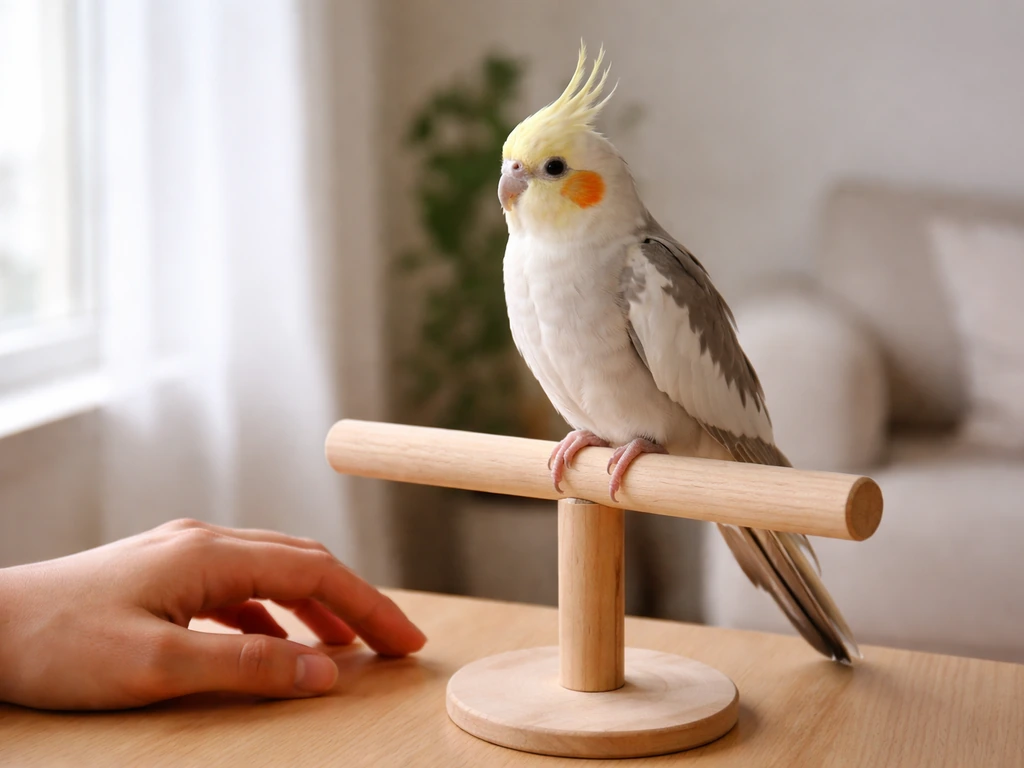
What 'not flying away' actually means for a pet bird
The phrase covers two very different situations, so it's worth separating them before you start troubleshooting.
- Your bird is not flying away FROM you: it's not retreating, escaping, or putting distance between you two when approached. This is often a behavioral or emotional response, ranging from trust to fear-freeze.
- Your bird is not flying away AT ALL: it's grounded, not taking flight when it normally would, staying on the cage floor, or barely moving. This is more likely a physical issue and is the more urgent of the two.
Both are worth taking seriously, but the second scenario especially needs a closer look. A bird sitting on the cage floor rather than perching, for example, is one of the illness signs that veterinarians specifically flag as a reason to seek care. Keep that distinction in mind as you work through the possible causes below.
Non-medical reasons your bird might not fly off
Before jumping to a health concern, there are several completely normal or situational reasons a bird stays put. These are worth ruling out first.
Fear and the freeze response
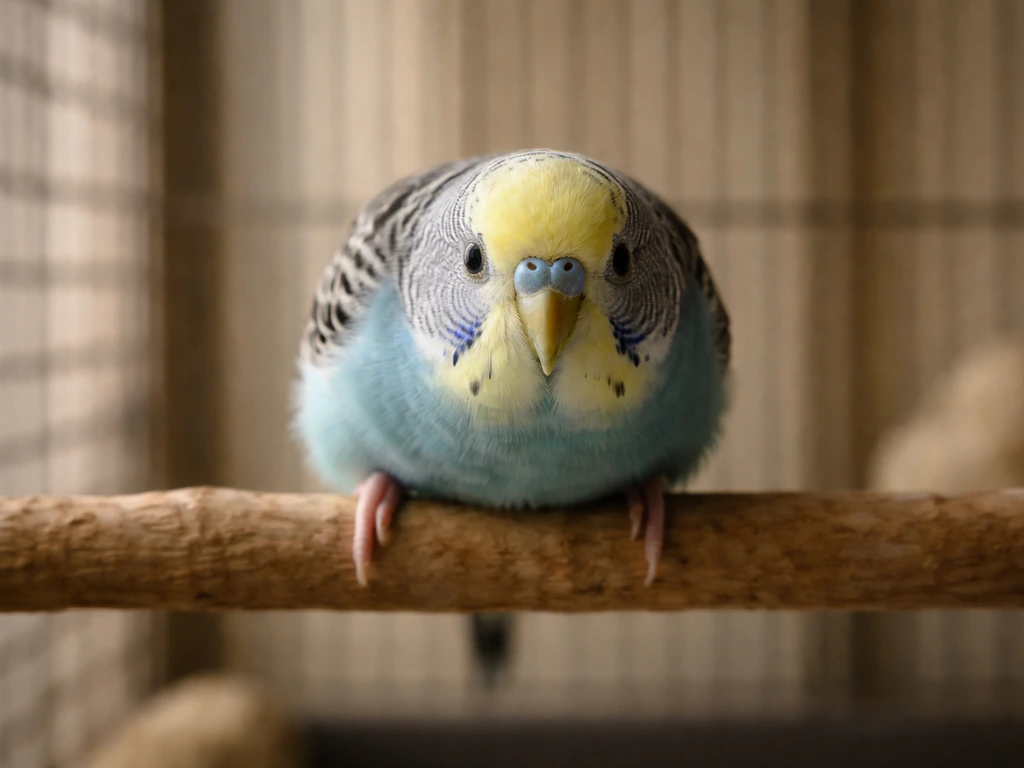
Birds experiencing fear, anxiety, or stress can actually freeze in place rather than flee. This is documented in blank" rel="noopener noreferrer">avian fear and stress (FAS) assessments: a frightened bird may lock up, press its feathers flat against its body, show wide or rounder-than-usual eyes, and stop normal comfort behaviors like eating. Counterintuitively, a scared bird does not always fly away. If the situation escalates, it may then lunge, vocalize, or try to bite before actually taking flight. So 'not flying away' can sometimes be early-stage fear, not calm contentment. Birds may also fly away from you for fear, stress, or changes in their environment, so it's worth checking those triggers too fear, anxiety, or stress.
Fatigue or post-flight rest
A bird that has had a long out-of-cage session, exercised heavily, or is simply at the end of its active period of the day may just be resting. This is normal. The difference between healthy fatigue and concerning lethargy is that a rested bird will perk up, look around, and respond to you within a few minutes. A lethargic, ill bird stays flat, puffed, and disengaged even after resting.
Unfamiliar environment or setup changes
If you've recently rearranged the cage, moved the bird to a new room, introduced new perches, or brought a new bird or pet into the home, your bird may be staying still because everything feels unfamiliar and potentially threatening. Birds are highly sensitive to changes in their surroundings, and a cautious bird will often wait and observe before moving around freely.
Clipped wings or feather condition
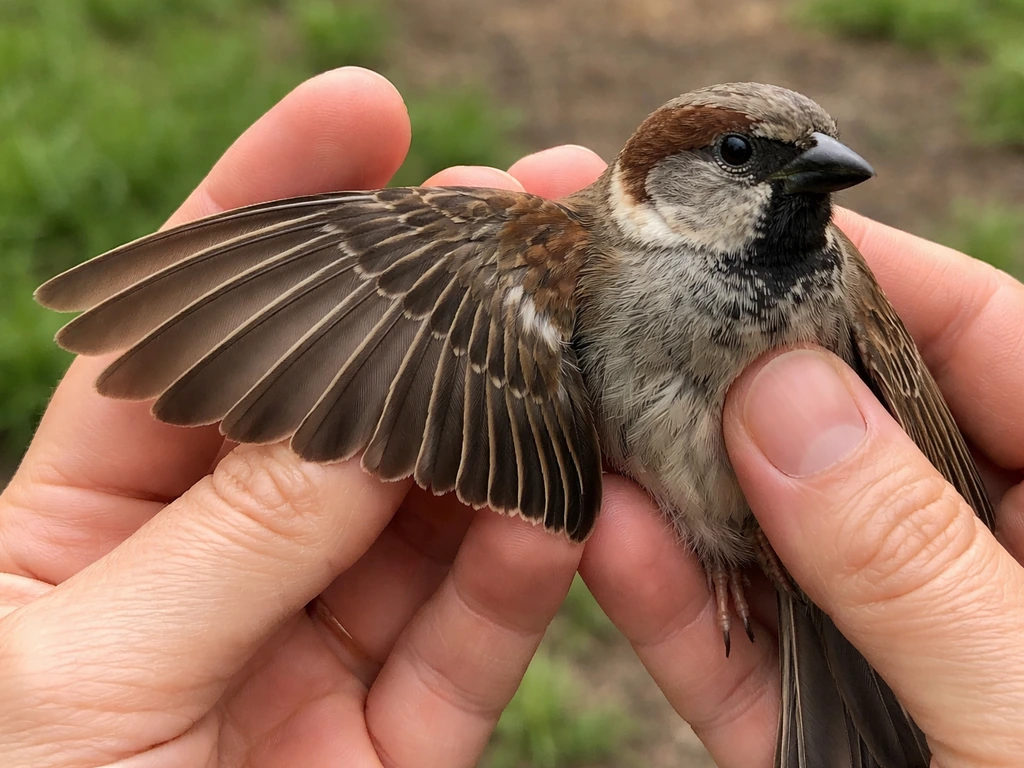
A bird with a recent or heavy wing clip simply cannot get full lift or flight distance. Some birds with clipped wings still hop and glide short distances, but they won't 'fly away' in the traditional sense. Similarly, a bird going through a heavy molt may avoid flying because its flight feathers are partially grown in and flight feels awkward or uncomfortable. This is not a medical emergency, but it's good context to know.
Bonding and trust
A well-bonded, hand-raised bird may simply not want to fly away from you. If your bird is facing away from you, that body language can be a sign of fear, overstimulation, or pain, and it is worth checking the context alongside the other signs mentioned here. This is one of the nicest reasons on the list. If your bird is alert, engaged, eating normally, and showing no signs of distress, this is probably your answer.
Physical signs of injury or pain to check right now
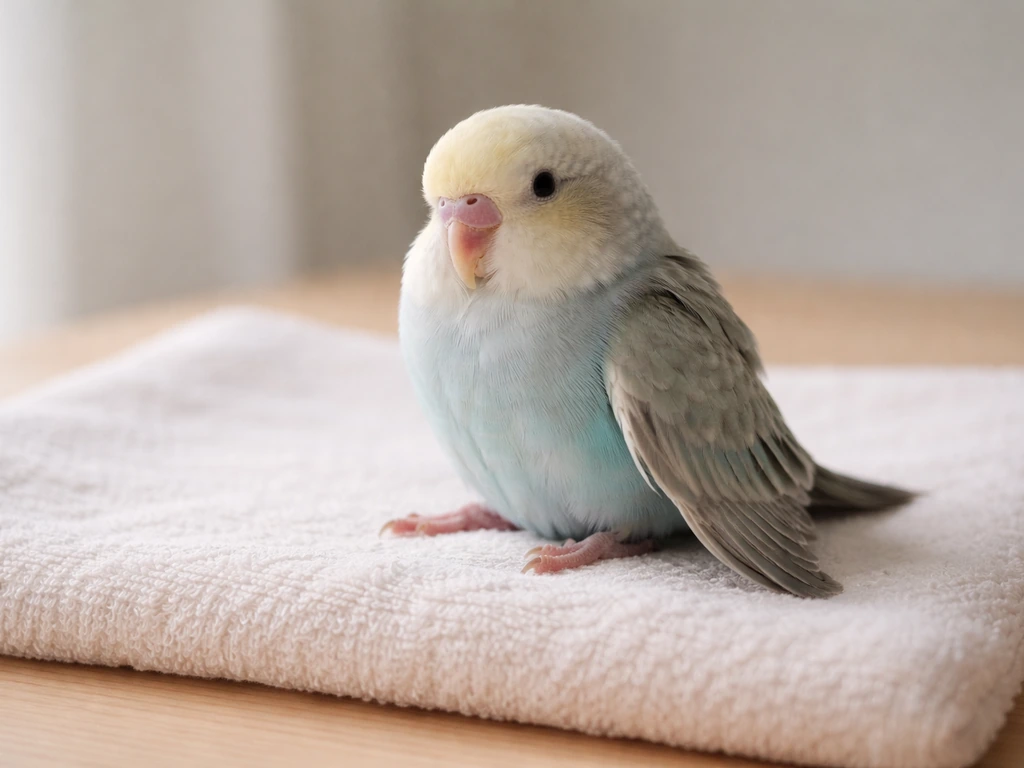
If your bird is staying put and you're not confident it's a behavioral explanation, start a visual inspection. Do not handle the bird more than necessary, since picking up a stressed or injured bird can make things worse. Just observe calmly from a close but comfortable distance.
Wings
Look for a wing that's drooping lower than the other, held at an unusual angle, or that the bird is actively guarding (pulling away from touch, vocalizing if you get close). A drooping wing is one of the clearest signs that something is physically wrong. Avian clinicians assess wing mobility by gently extending and flexing each wing and comparing both sides, a technique used specifically to distinguish 'can't fly' from 'won't fly.' You don't need to do this yourself right now, just watch whether both wings rest symmetrically and move normally when the bird shifts around.
Legs and grip
Watch how the bird holds on to its perch. Is it gripping firmly with both feet, or is one leg dragging, limp, or held up? A bird that can't grip properly may fall off its perch or choose to stay on the floor of the cage. Weakness or inability to grasp is considered a significant warning sign, and a bird sitting on the cage floor for an extended period is one of the specific illness indicators that vets call out by name.
Balance and coordination
Is your bird swaying, listing to one side, or losing its footing even on a stable perch? These can indicate a balance or neurological issue rather than a straightforward injury. Head tilt is another red flag to watch for. If the bird can barely stay upright, that changes the urgency level significantly.
Visible trauma
If your bird has been attacked by another pet, hit a window, or fallen from height, check for obvious wounds, blood, or feather damage around the head and body. Bleeding that doesn't stop within about 5 minutes is considered an emergency that requires immediate first aid and veterinary contact. Even if no wound is visible, impact trauma can cause internal injury.
Health warning signs that go beyond an injury
Birds are hard-wired to hide illness because showing weakness in the wild makes them targets. By the time most owners notice something is off, the bird has often been struggling for a while. These are the signs that tell you it's more than just a bad day.
Breathing problems
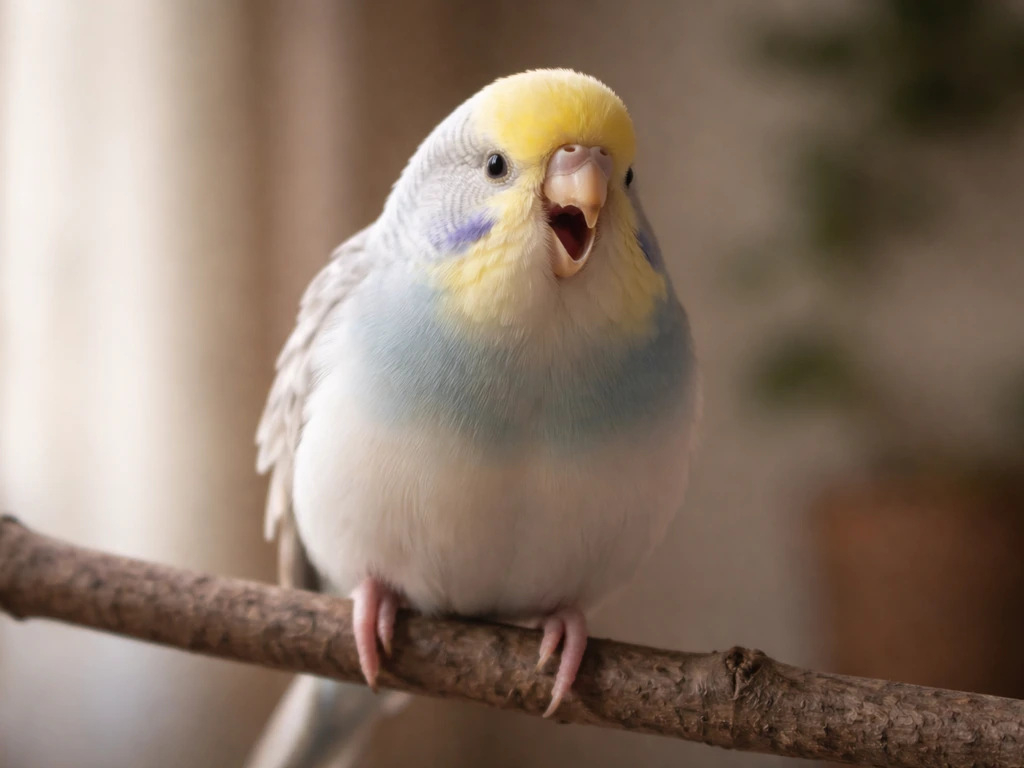
This is the most urgent category. Open-mouth breathing in a bird that isn't overheated or just finished exercising is not normal. Tail bobbing, meaning the tail moves visibly up and down with each breath, is a classic respiratory distress sign.
For example, Poultry Health Centre lists respiratory-distress postures and signs like gasping with the neck outstretched, drooping wings, tail bobbing, and paralysis as important disease indicators Tail bobbing, meaning the tail moves visibly up and down with each breath, is a classic respiratory distress sign. . You may also see the bird stretching its neck, showing exaggerated chest movement, or breathing with an audible sound.
Any of these alongside a bird that's staying still and not flying away is a combination that warrants same-day veterinary contact.
Energy level and posture
A lethargic bird looks different from a resting one. It's puffed up with feathers fluffed out, eyes partially closed or dull, unresponsive to stimulation like sound or movement, and it tends to stay low or hunch. If your bird looks like this and won't fly away or barely reacts when you approach, that's a red flag rather than a behavioral quirk.
Appetite and droppings
Think back over the past 24 to 48 hours. Has your bird been eating and drinking normally? Are there fresh droppings in the cage? Changes in dropping color, consistency, or volume (or a complete absence of droppings) are among the most reliable early-illness indicators owners can track at home. A bird that has stopped eating is not in a 'wait and see' situation.
Neurological red flags
Neurological symptoms are easy to miss if you're not looking for them, but they explain why some birds suddenly can't coordinate well enough to fly away even if they seem otherwise alert. Head tilt, twitching, tremors (particularly of the head or neck), loss of coordination (ataxia), leg weakness that progresses from wobbly to dragging, and seizures all fall into this category. Central nervous system conditions in birds can cause exactly this kind of leg weakness and coordination loss, and they require professional evaluation, not home management.
What to do right now: your observation and environment checklist
Run through these steps in order. The goal is to gather information and reduce stress while you figure out your next move.
- Observe before you handle: Spend 2 to 3 minutes just watching. Note the bird's posture, breathing rate, eye appearance, and whether it reacts to you. Look for wing symmetry and leg grip.
- Check the environment: Is the temperature in the room comfortable? Birds are sensitive to drafts, cold, and heat. A range of roughly 65 to 80°F (18 to 27°C) is appropriate for most pet birds at rest. If you suspect the bird is unwell or injured, gently warming the environment to around 85°F (29.4°C) can help stabilize them while you contact a vet, but use a safe heat source like a heating pad set to low under half the cage, never a heat lamp directly aimed at the bird.
- Assess the perches: Make sure perches are stable and the correct diameter for your bird's feet. An unstable or inappropriately sized perch can make a healthy bird look like it's struggling to stay put.
- Check for hazards: Has the bird been near anything toxic? Certain household plants, non-stick cookware fumes, air fresheners, and cleaning products can cause rapid respiratory distress or neurological symptoms. Remove the bird from the area immediately if you suspect toxic exposure.
- Offer food and water: Place fresh food and water close to where the bird is sitting (on the cage floor if that's where it is) so it doesn't have to move to access them. Note whether it shows interest.
- Reduce stimulation: Dim the lights slightly, keep noise low, and limit handling. A stressed or injured bird needs calm above almost anything else.
- Check droppings: Look at what's in the cage bottom over the past few hours. Normal droppings have a solid dark green or brown component, a white urate component, and a small liquid part. Anything dramatically different, including all liquid, all dark/tarry, bright yellow or green urates, or no droppings at all, is worth noting and reporting to a vet.
- Write down a timeline: When did you last see the bird flying or behaving normally? What changed? This information is exactly what a vet will ask for.
When to call an avian vet, and what to tell them
Some situations are 'monitor and call first thing tomorrow.' Others are 'call right now, even if it's after hours.' Here's how to tell the difference.
Call immediately (treat as an emergency)
- Open-mouth breathing or visible tail bobbing with each breath
- Bleeding that hasn't stopped after 5 minutes
- Suspected toxin or fume exposure
- Seizures, twitching, or tremors
- Inability to stand, grip, or stay upright
- Head tilt combined with loss of coordination
- Collapse or unresponsiveness
- Trauma from a fall, window strike, or attack by another animal
- Visible severe injury or wound
Call same day (don't wait until tomorrow)
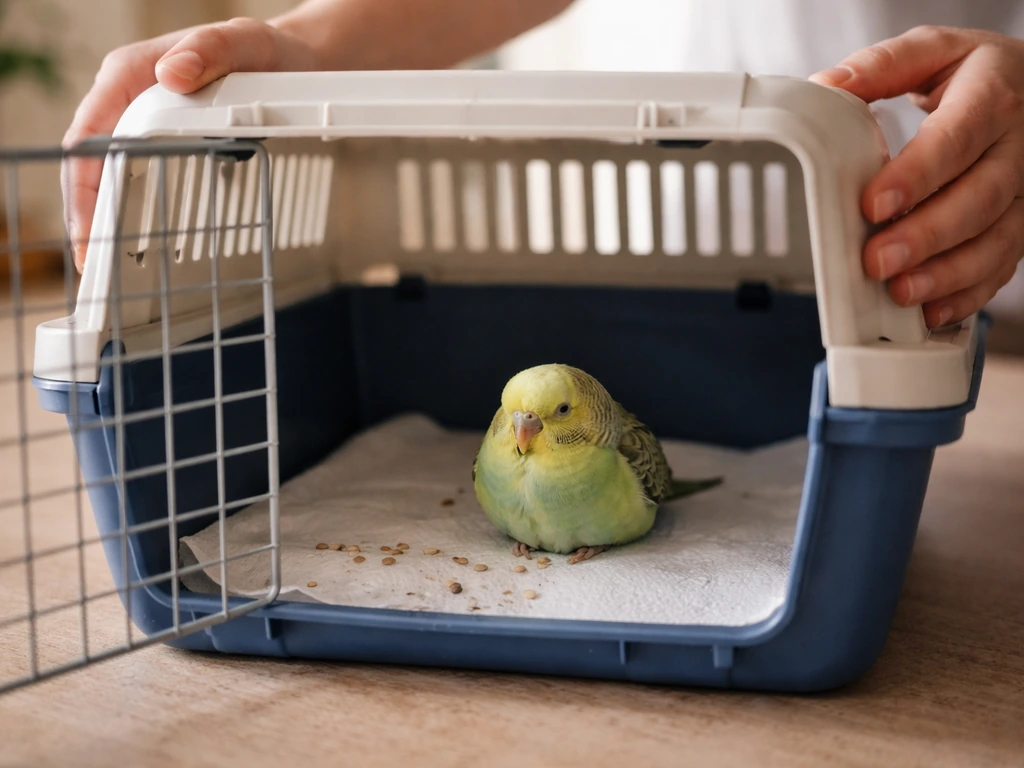
- Sitting on the cage floor for more than an hour or two with no clear behavioral reason
- Completely stopped eating or drinking
- Puffed up and unresponsive to stimulation for more than a few hours
- Wing droop or asymmetric wing position that doesn't resolve
- Abnormal droppings combined with any other symptom
- Labored breathing without open-mouth breathing (subtle effort, slightly exaggerated movement)
What to tell the vet when you call
Vets who specialize in birds (avian vets) or exotic animal emergency services will need specific information to prepare for your bird's arrival. If you can, have the following ready before you call:
- Species, age, and sex of your bird (if known)
- When the bird last acted completely normally
- Specific symptoms you've observed, including breathing sounds, posture, wing or leg position, and eye appearance
- Droppings: color, consistency, whether any are present at all
- Appetite: when the bird last ate and drank
- Any recent changes at home (new food, new pet, fumes, cleaning products, moved cage, temperature extremes)
- Any history of illness or previous vet visits
When you call ahead, an avian-capable emergency service can prepare the appropriate equipment and a warmed recovery space before you arrive. That preparation genuinely matters for a small animal in distress, so don't skip the call and just show up.
While you wait or travel
Keep the bird warm, dark, and quiet during transport. A small travel carrier lined with a soft cloth works well. Keep the environment at around 85°F (29.4°C) if possible using a safe heat source nearby, avoid drafts, and do not encourage the bird to move around or try to assess it further. The calmer the bird stays, the better.
It's also worth knowing that a bird not flying away from you isn't always the same problem as a bird that physically cannot fly at all, or a bird that's trying to escape but can't. Those situations have their own separate causes and considerations worth exploring if what you're seeing doesn't quite match the scenarios described here.
FAQ
How can I tell if my bird is fear-freezing versus sick and hiding illness?
Look for “can you interact?” signals. Fearful birds often lock up but still show some responsiveness, like steady eye tracking, brief interest in you, or small comfort behaviors (soft preening). Sick birds tend to stay puffed, flat, and unresponsive even after the immediate environment is quiet, warm, and still, and they often have droppings changes or reduced eating over the last day.
What should I do if my bird stays on the cage floor but is still eating?
Eating is reassuring, but stay cautious. A bird on the floor for more than a short rest period still needs close monitoring of leg grip, posture, and droppings. If one foot is limp, a wing hangs lower, balance seems off, or droppings are abnormal, contact an avian vet the same day rather than waiting.
Does a head tilt always mean neurological trouble?
Not always, but it is a major concern when paired with other signs. A brief tilt during sleepiness can happen, yet persistent head tilt plus wobbling, falling off the perch, tremors, or abnormal breathing warrants professional evaluation urgently.
Could an overheating bird freeze instead of flying away?
Yes, heat stress can change behavior, but true respiratory distress signs are the bigger alarm. If you see open-mouth breathing, tail bobbing, exaggerated chest movement, or noisy breathing when the bird is not recently exercising, treat it as an urgent medical issue and call an avian emergency service.
My bird flaps and tries to escape, but never really flies. How is that different from “not flying away”?
Those are different scenarios: if your bird is attempting to get away but cannot make normal flight distance, it could be wing clipping, feather or molt limitations, or a physical impairment. If it is not trying at all and also looks ill, the concern shifts toward pain, weakness, balance issues, or respiratory or neurological problems.
What is a safe temperature range for keeping my bird calm while I arrange help?
Aim for around 85°F (29.4°C) for transport or short-term stabilization if you can do so safely, and avoid drafts or cold surfaces. If your home runs warm already, focus on warmth without overheating, and do not use hot water bottles or direct heating that could burn the bird.
Should I pick my bird up to check its wing or footing?
Minimize handling. If you need to act, handle only enough to move the bird to a carrier or to stop active bleeding, then stop. Extended handling can worsen stress and pain, and birds may mask symptoms until handling starts. Prefer calm observation from a comfortable distance first.
What droppings changes are most concerning if my bird is not flying away?
Most concerning are a clear reduction or absence of droppings, a major change in color or consistency that persists, or any combination with low energy or not eating. If droppings are changing and your bird is staying put, treat it as early illness rather than waiting for symptoms to “progress.”
After a window strike or fall, what signs mean I should treat it as an emergency even without visible wounds?
Any breathing difficulty, abnormal balance or persistent listing, inability to coordinate steps, uncontrolled head movements, or bleeding that continues for more than about 5 minutes are emergency indicators. Internal injuries can occur even when the outside looks relatively normal, so changes in posture, coordination, or respiration should prompt immediate veterinary contact.
How long should I “monitor” before calling if I’m unsure whether it’s behavioral?
If the bird is alert, eating normally, and only seems temporarily settled, monitoring briefly in a calm, familiar setting can be reasonable. If there is no clear improvement within a short time window, or if droppings or behavior are changing, or if you see red flags like wing droop, open-mouth breathing, puffed lethargy, or balance problems, call right away rather than waiting.
Next Articles
Why Does My Bird Turn His Back to Me? What to Do Next
Bird turns away to seek space or avoid stress, but learn health red flags and do a quick today checklist.
Why Can’t My Bird Fly? Quick Triage and Next Steps
Quick triage for birds that can’t fly, with likely causes, safe at-home checks, urgent red flags, and next steps.
Why Is My Bird Making Whimpering Noises? What to Check
Find reasons for whimpering bird noises, quick home checks, and red flags for urgent vet care plus tracking tips.